Positioned on Mikołajska 26 in Kraków's Old Town, Restaurant Venue by Chez Nicholas sits next door to Black Gallery Pub in one of the city's most storied streets. The address places it squarely within Kraków's dense cluster of central dining, where the competition between neighbourhood restaurants is fought on menu coherence and room character rather than footfall alone.
 Discover on Pearl
Pearl is the En Primeur Club membership app — saves, bookings, and concierge access live there. Same editors, same standards.
- Address
- next door to Black Gallery Pub, Mikołajska 26, 31-027 Kraków, Poland
- Phone
- +48 578 597 851
- Website
- instagram.com
A Street That Sets the Terms
Mikołajska sits a short walk from the Rynek Główny, Kraków's main market square, in a part of the Old Town where medieval stonework and low-lit interiors have defined the mood for decades. The street is not a restaurant row in the modern sense, it is a mixed-use lane where eating and drinking establishments share space with galleries, apartments, and passage traffic. That context matters. Restaurants that survive here tend to do so on the strength of return custom rather than tourist overflow, because the neighbourhood absorbs novelty slowly and rewards consistency. Restaurant Venue by Chez Nicholas occupies a position next door to Black Gallery Pub at number 26, Mikołajska 26, 31-027 Kraków, Poland, which places it within that specific social ecology rather than in the higher-volume corridor directly off the square.
Kraków's central dining scene has developed unevenly since the early 2000s. The city now carries a wide register of options, from Michelin-recognised tasting counters like Bottiglieria 1881 Restaurant in Kraków at the formal end, to neighbourhood staples with Jewish heritage menus at Ariel, Polish seafood at 3 Rybki, and Italian-leaning wine-focused rooms like Aqua e Vino. Each represents a different answer to the same question: what does a Kraków restaurant owe its guest? The answer at Chez Nicholas, based on its name and address alone, appears to position itself somewhere in the register of French-influenced or proprietor-led cooking, a reading the name invites without yet confirming.
Reading the Menu Before You See It
The editorial angle that matters most for a restaurant like this is not what the kitchen produces dish by dish, but rather what the structure of its offer implies. Proprietor-named restaurants in European cities of Kraków's vintage tend to organise their menus around a single culinary vernacular, French classical, Central European, or contemporary Polish, with the name of the operator functioning as a guarantee of coherence rather than spectacle. The Chez Nicholas framing suggests a Franco-centric sensibility, the kind of register where technique is foregrounded and the menu reads in courses rather than small plates.
That structure, if accurate, places it in a different competitive tier from Kraków's ramen specialists like Akita Ramen or the late-night neighbourhood regulars anchored around Alchemia. Across Poland more broadly, the proprietor-led restaurant with classical European foundations has found a steady market in second-city dining, a pattern visible in venues like Muga in Poznań and, at the more formal end of the register, Arco by Paco Pérez in Gdańsk. Whether Chez Nicholas operates in that same formal tier or occupies a more accessible neighbourhood position is best judged on arrival.
What the name architecture does signal is that the restaurant has chosen to trade on an individual identity rather than a concept brand. That decision carries implications for menu evolution: in proprietor-led rooms, menus tend to change with the seasons and the operator's reading of what the room will absorb, rather than in response to trend cycles or brand guidelines. For the visitor, this is often the more interesting format, the menu is a working document, not a fixed product.
Kraków's Old Town as a Dining Reference Point
The Old Town's dining density is an asset and a challenge simultaneously. On any given evening, a visitor can move between restaurants at Alchemia for drinks and atmosphere, through to more structured cooking nearby, without leaving a ten-minute radius. For the restaurant itself, this density means that differentiation must come from something more durable than location: room character, menu consistency, and the kind of service that sustains a regular clientele. Kraków draws both Polish city visitors and significant international traffic, and the Old Town specifically captures both cohorts. A restaurant on Mikołajska 26 benefits from that footfall without needing to optimise for it exclusively, which is the condition that tends to produce the most interesting cooking over time.
Compared to the more open-air, tourist-facing strip closer to the Cloth Hall, Mikołajska is an address that signals a degree of local commitment. The proximity to Black Gallery Pub also suggests a room that knows its neighbourhood well, that kind of adjacency is rarely accidental in a city where eating and drinking culture overlap as tightly as they do in Kraków. For reference points further afield in Poland, see hub.praga in Warsaw or OK Wine Bar in Wrocław for how neighbourhood-embedded restaurants in Polish cities tend to build their identity through regulars rather than reviews. Internationally, the format has clear parallels with smaller proprietor-led rooms in comparable European cities, the gap between a Mikołajska address and the model operating at Le Bernardin in New York City or Lazy Bear in San Francisco is as much one of ambition and format as it is of geography.
Planning a Visit
The address at Mikołajska 26, next door to Black Gallery Pub, is specific enough to navigate without difficulty: the street runs parallel to the Rynek and is walkable from the main square in under five minutes. Reservations are recommended. Old Town restaurants of this type in Kraków frequently operate without online reservation systems, relying instead on walk-in custom and direct phone bookings. Comparable dining experiences in the broader region include Giewont in Kościelisko for mountain-influenced Polish cooking, and Bar Przystań in Sopot for a sense of how the coastal register diverges from central Polish dining. For Japanese cooking elsewhere in Poland, Nare Sushi in Skórzewo and La Cucina Ristorante in Gdansk round out the national picture. For something off the conventional route entirely, Luneta & Lorneta Bistro Club in Ciekocinko shows how smaller Polish towns are developing their own dining character.
Where the Accolades Land
Comparable venues nearby, for context on price, style, and recognition.
| Venue | Cuisine | Price | Awards | Notes |
|---|---|---|---|---|
| Restaurant Venue by Chez NicholasThis venue — the venue you are viewing | French-Asian Fusion Fine Dining | $$$ | , | |
| 3 Rybki | Modern Polish with Seafood Focus | $$$ | , | Stare Miasto |
| Restaurant Galicyjska | Traditional Polish Noble Cuisine | $$ | , | Stare Miasto |
| The Trust | Cocktail Bar with Food Pairings | $$$ | , | Kazimierz |
| Flisacka 3 | Modern Polish Fusion | $$ | , | Półwsie Zwierzynieckie |
| Pod Nosem | Modern Polish | $$$ | Michelin Plate | Stare Miasto |
At a Glance
- Intimate
- Elegant
- Cozy
- Sophisticated
- Date Night
- Special Occasion
- Open Kitchen
- Extensive Wine List
- Local Sourcing
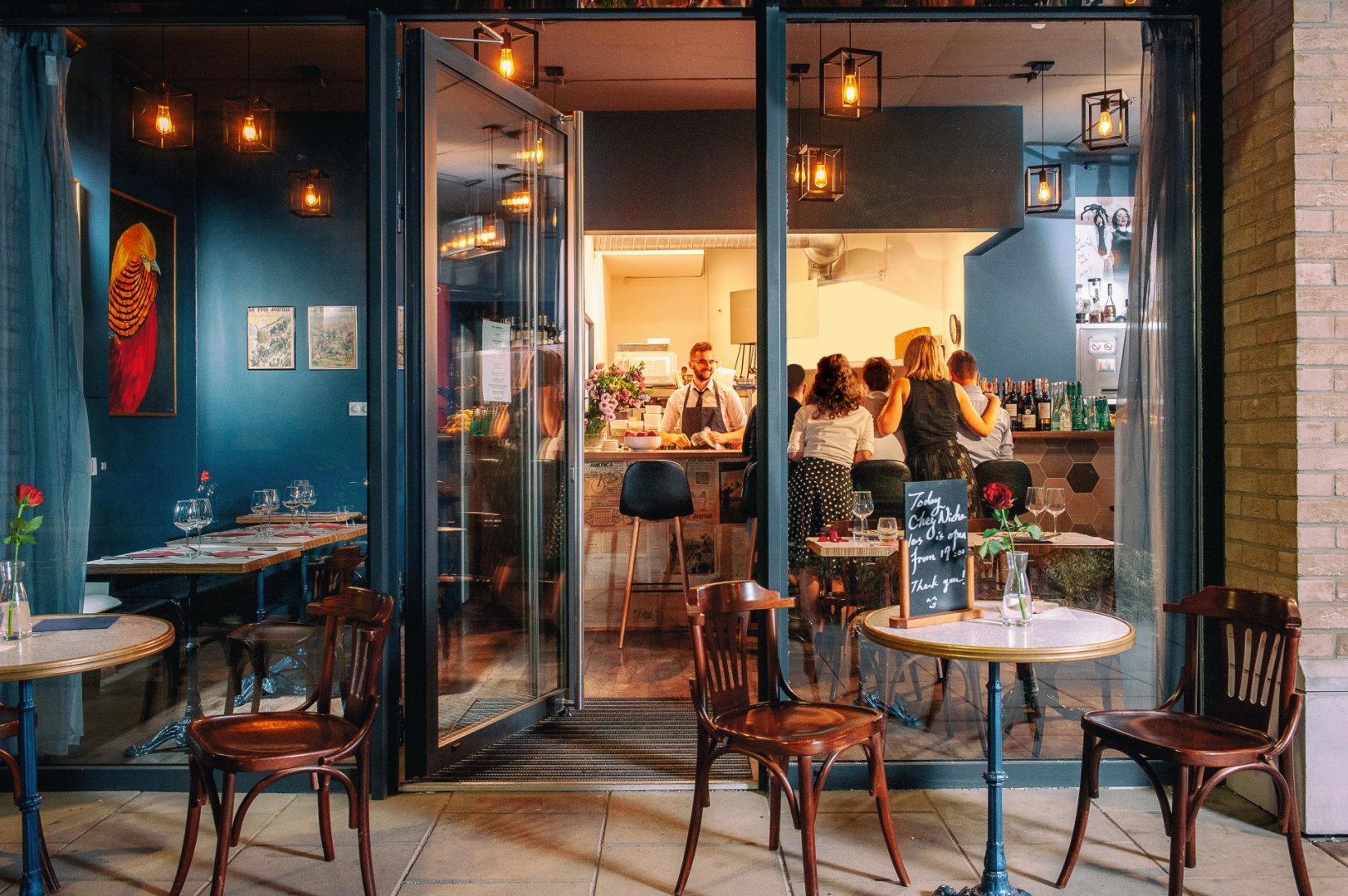
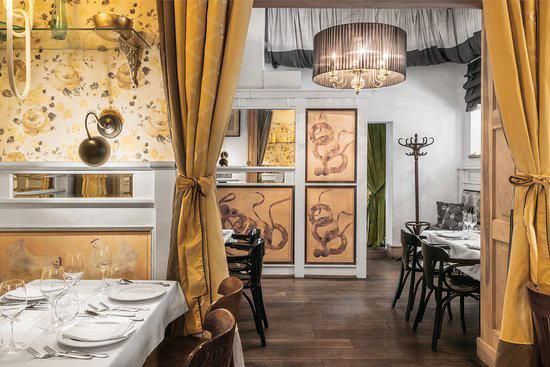
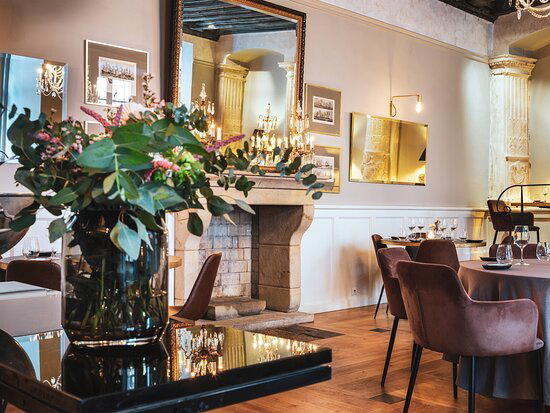
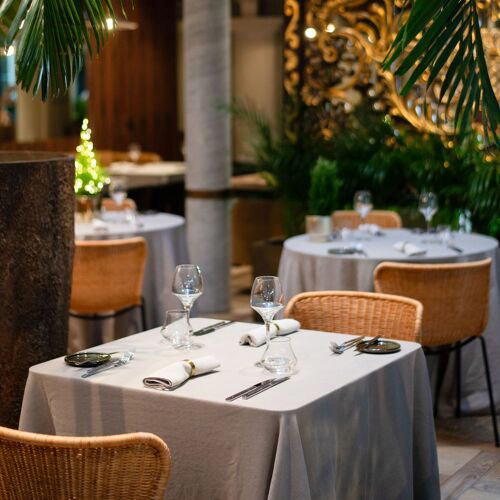
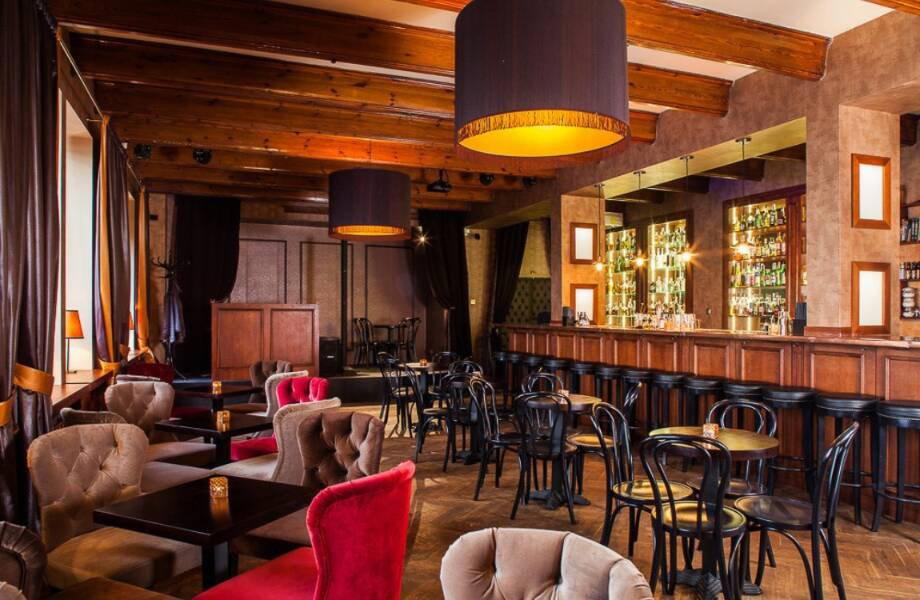
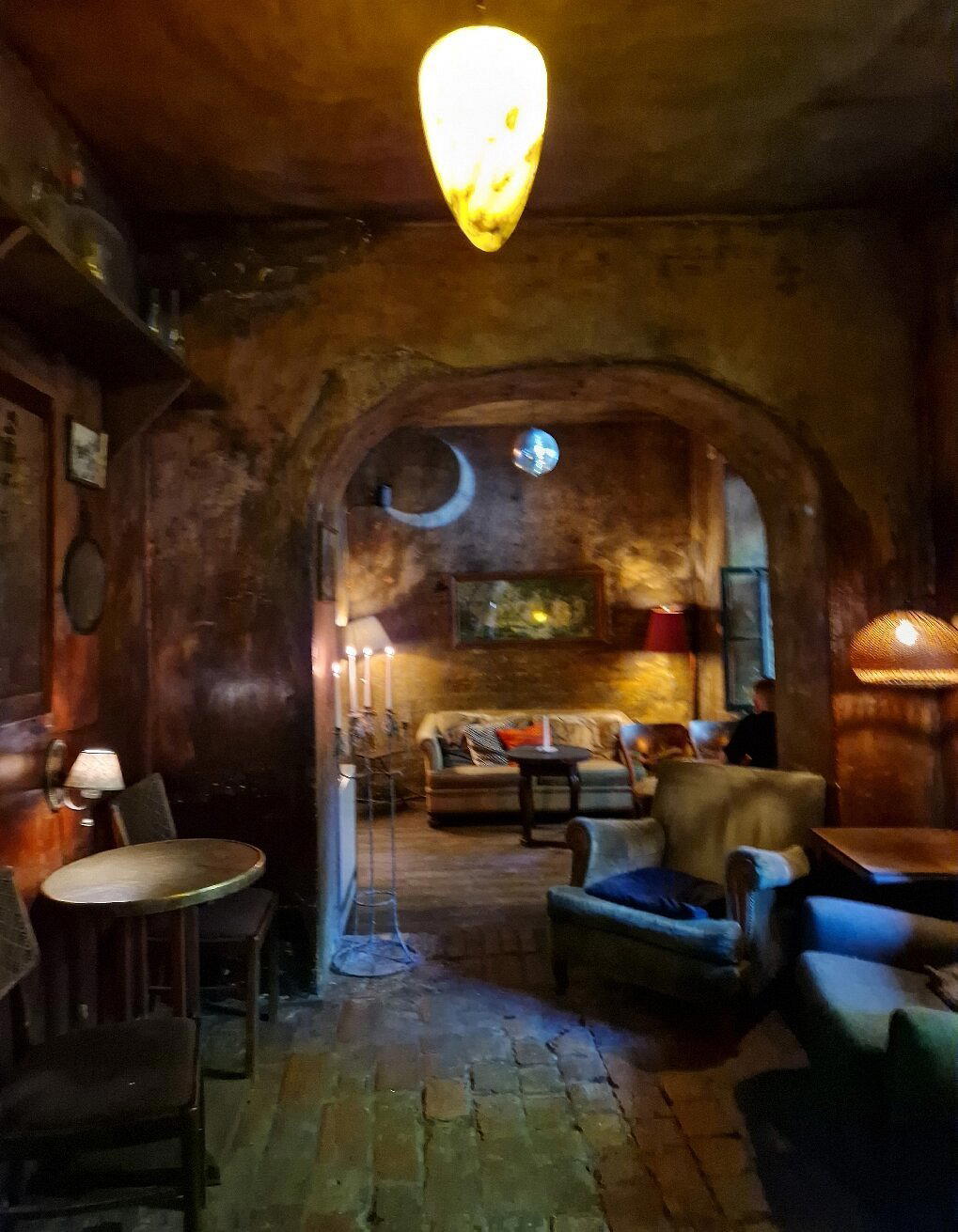
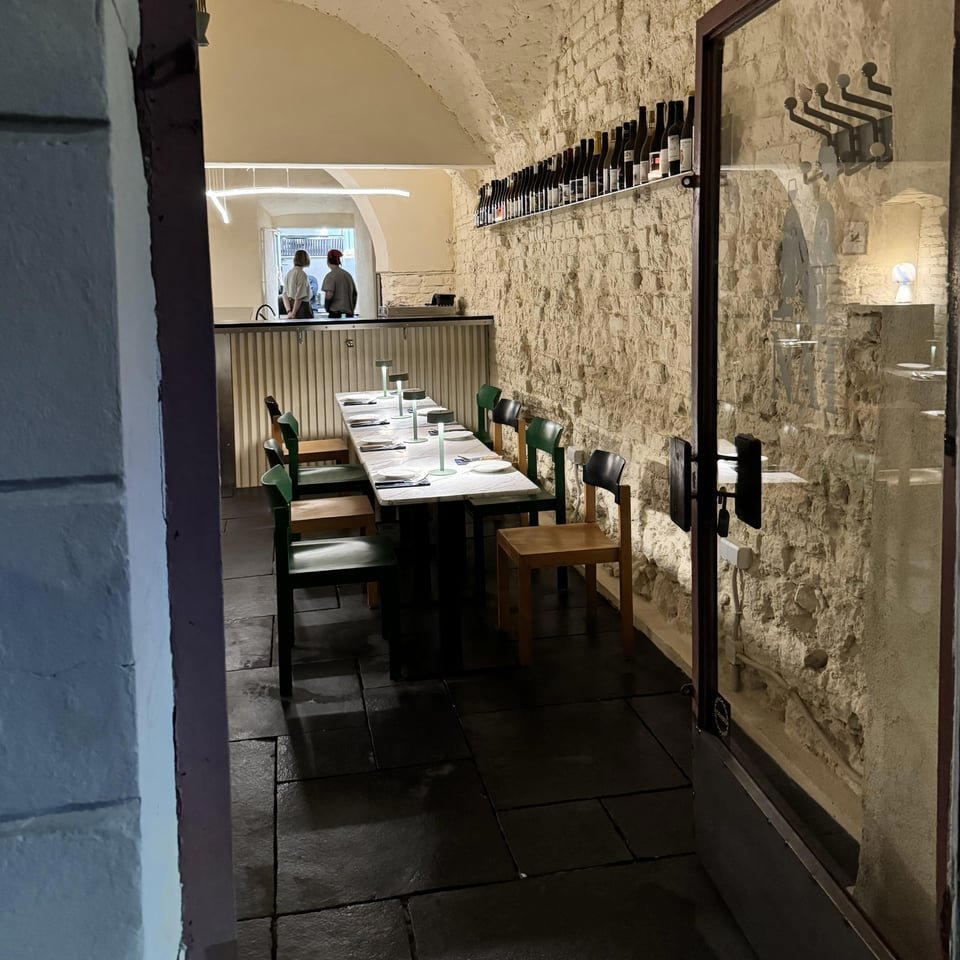
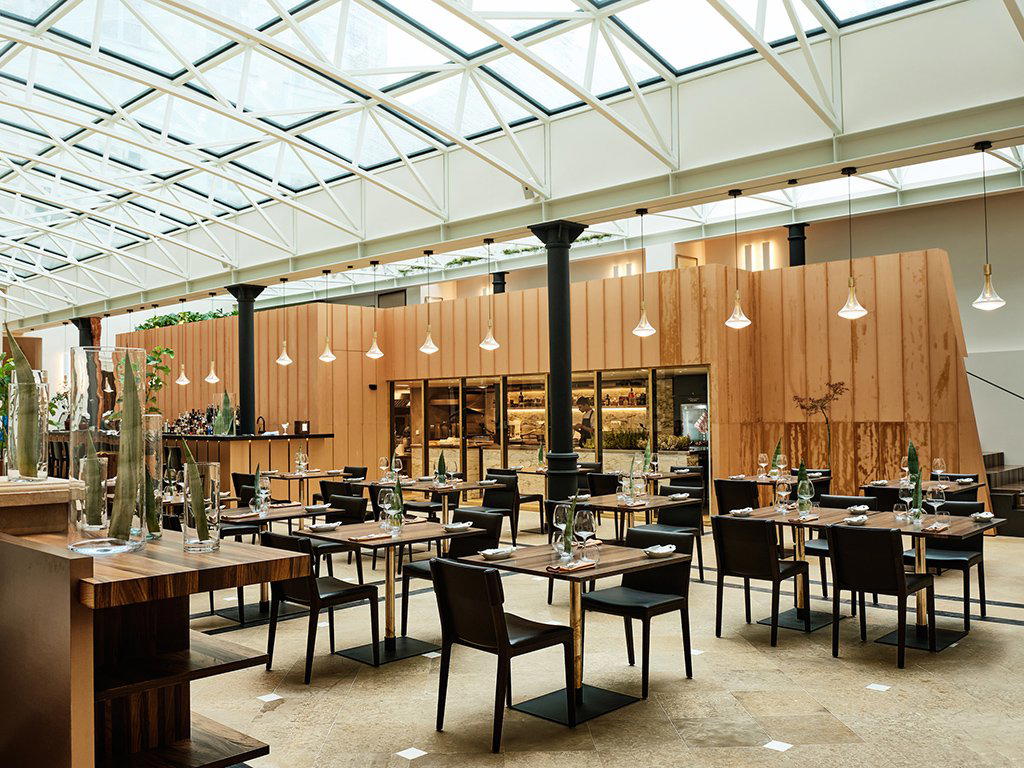
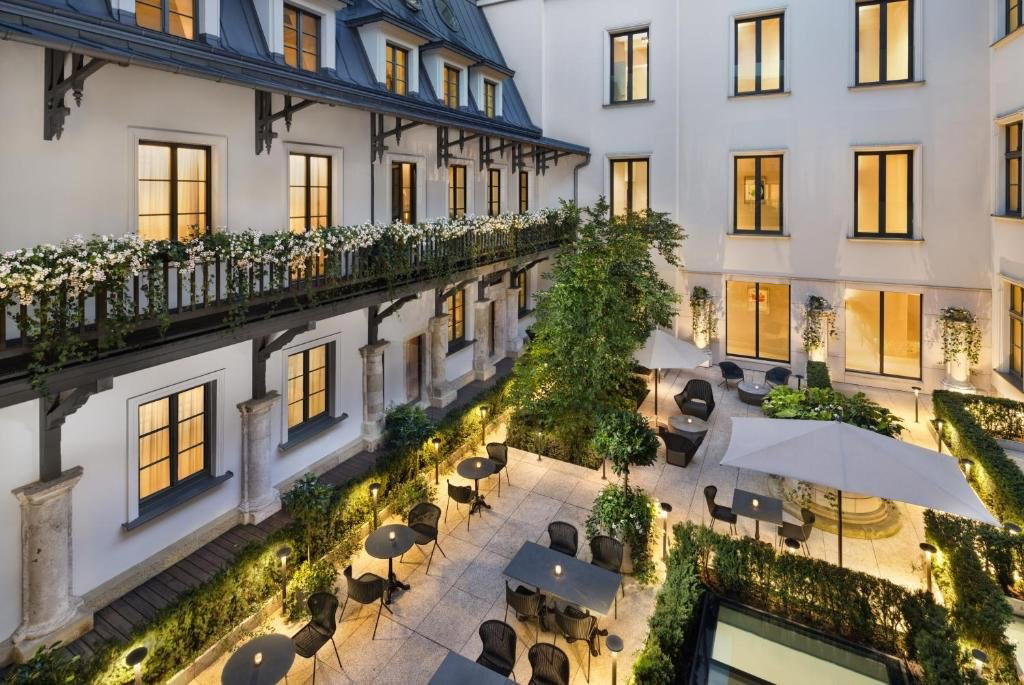
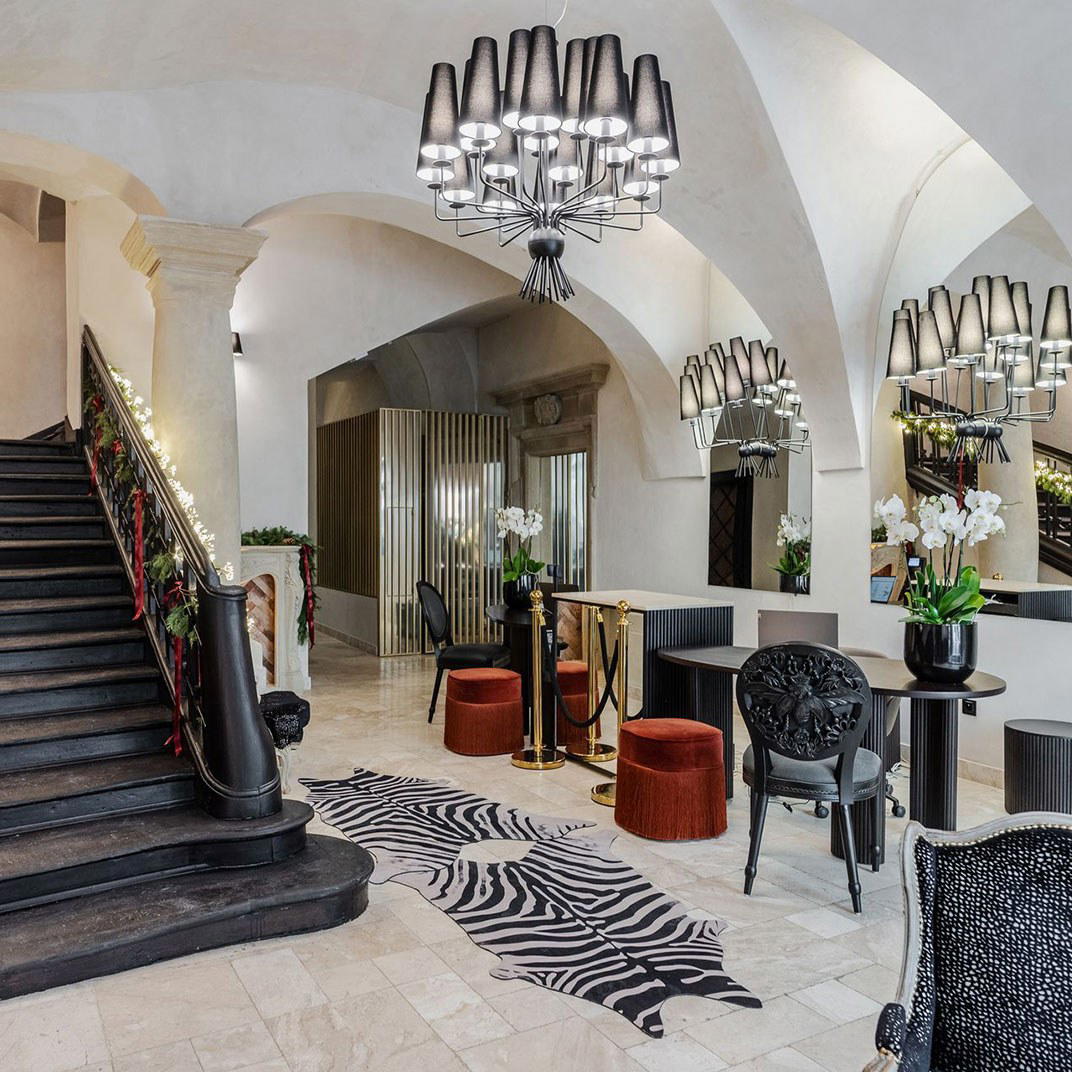
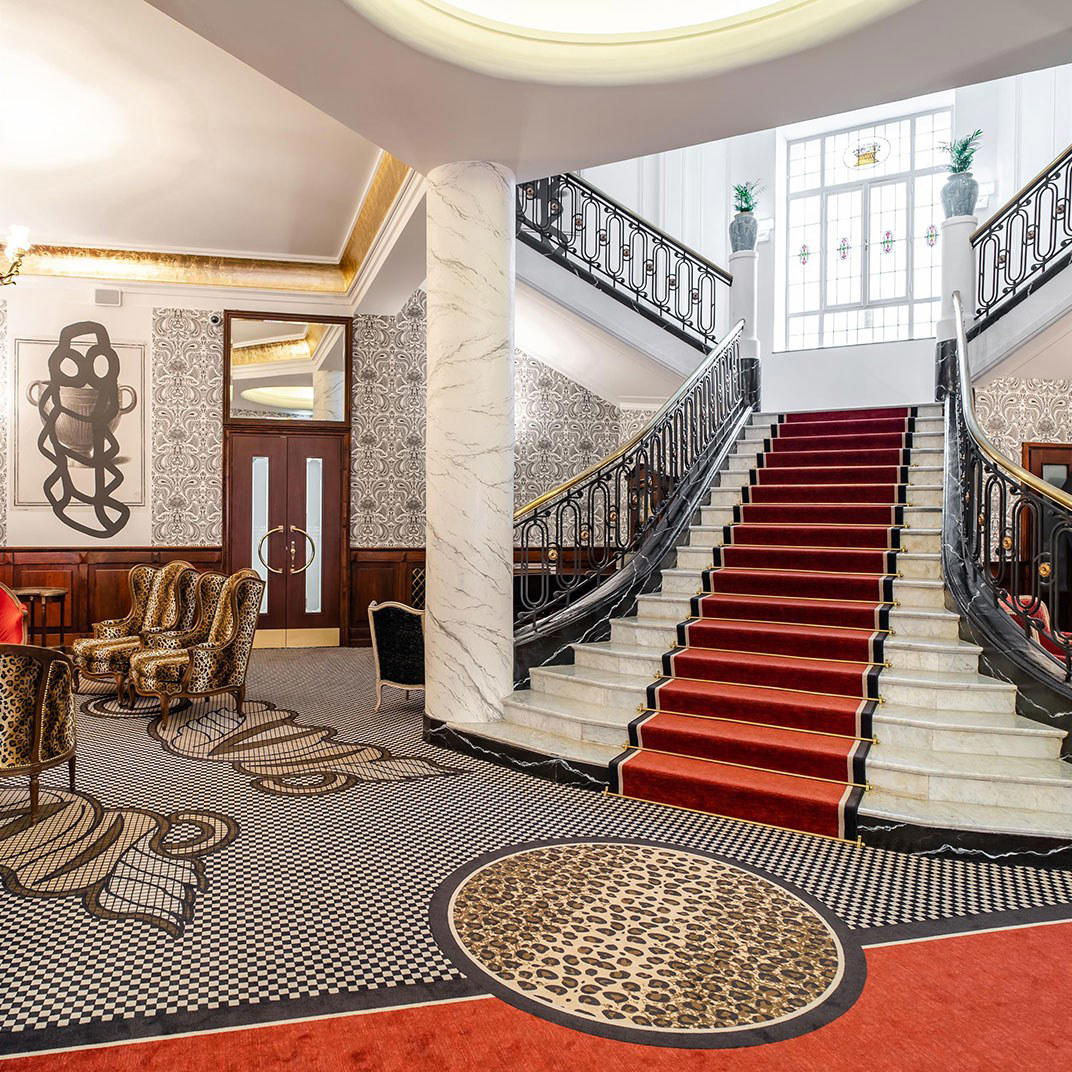
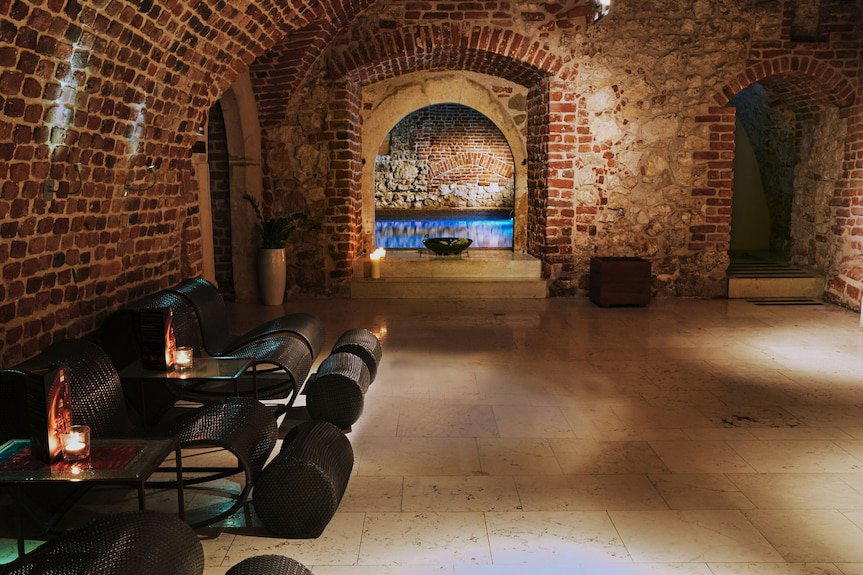
Charming French bistro atmosphere with subtle Tricolore decor, 1920s Parisienne background music, and a welcoming, passionate vibe that transports guests away from the urban setting.