Luneta & Lorneta Bistro Club

Luneta & Lorneta Bistro Club holds both a Michelin Plate (2025) and a Bib Gourmand (2024), placing it among a small tier of Polish rural restaurants earning consistent Michelin recognition.
Pearl is the En Primeur Club membership app — saves, bookings, and concierge access live there. Same editors, same standards.
- Address
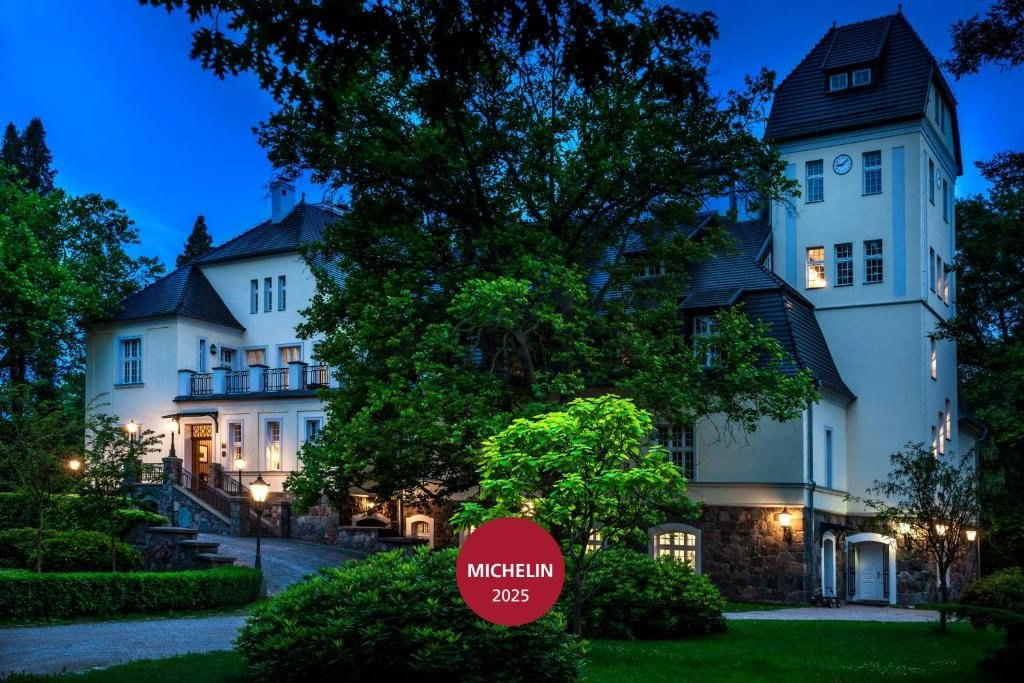
- Ciekocinko 9, 84-210 Ciekocinko, Poland
- Phone
- +48 608 002 220
- Website
- palacciekocinko.pl
- Directions
- Get directions
 Saves & bookings on Pearl
A Rural Polish Table That Michelin Has Noticed Twice
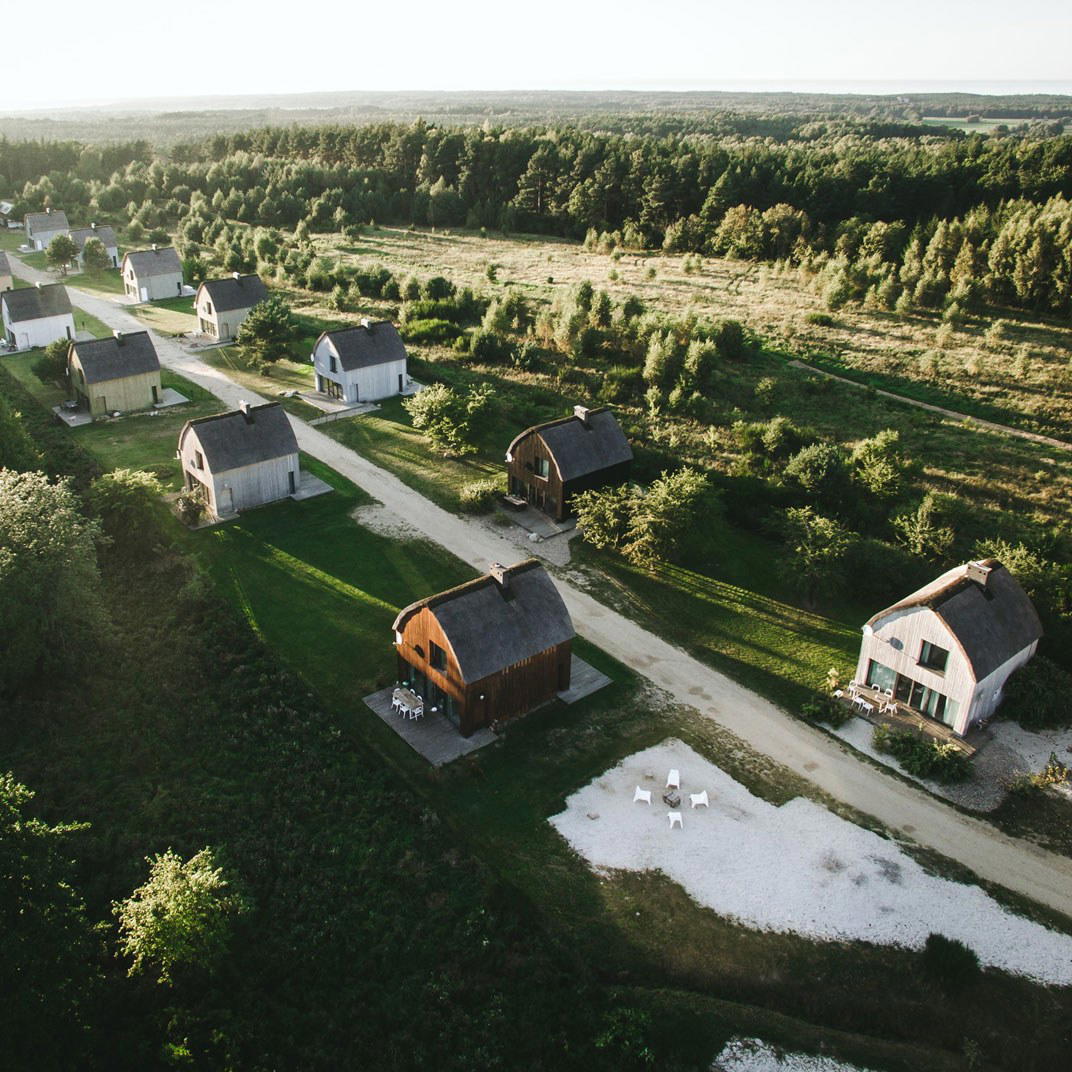
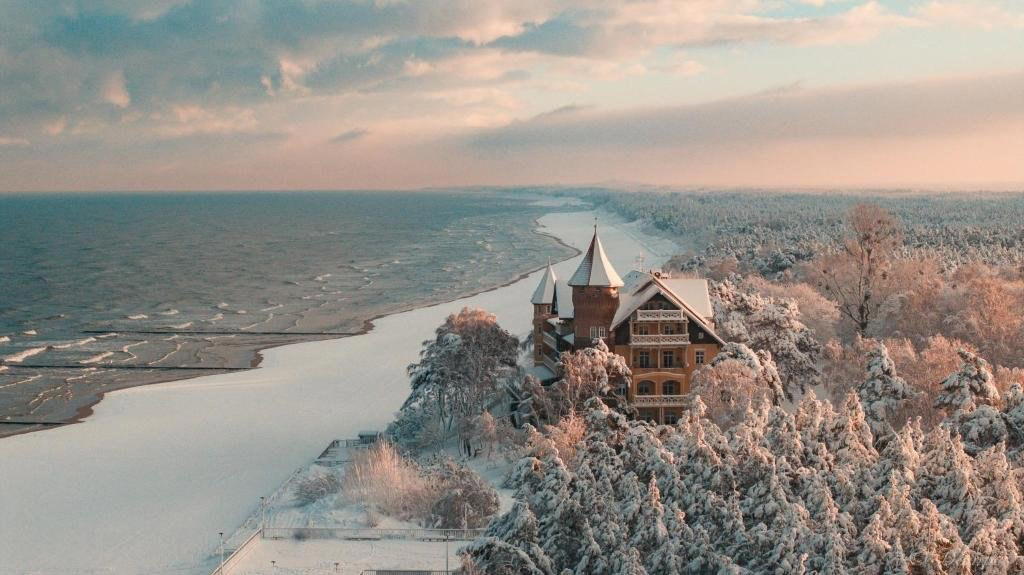
The Kashubian coastline north of Gdańsk is not where most international diners go looking for Michelin-recognised cooking. The region's culinary identity has long been shaped by proximity to the Baltic, by fish smoked on-site at roadside shacks, by root vegetables pulled from clay-heavy soil, and by a tradition of feeding working households rather than impressing critics. That context is what makes Ciekocinko worth understanding: it sits inside a food culture defined by provenance and practicality, and Luneta & Lorneta Bistro Club has managed to work within those constraints while earning two consecutive years of Michelin acknowledgement.
The venue received a Michelin Bib Gourmand in 2024, a designation the guide reserves for addresses delivering notably good food at moderate prices, and followed that with a Michelin Plate in 2025. Holding both signals consistency rather than a single strong year. In a country where Michelin recognition is concentrated heavily in Warsaw and Kraków, a traditional-cuisine bistro in a village of a few hundred residents appearing in successive editions of the guide is a specific kind of editorial statement about sourcing discipline and kitchen reliability.
What Traditional Polish Cuisine Means Here
Phrase "traditional cuisine" covers enormous ground in Poland. In urban restaurants, it often signals a reinterpretive approach: heritage ingredients run through modern technique, plated for dining rooms designed to photograph well. In rural settings like Ciekocinko, the same label tends to mean something more direct. The logic of the kitchen follows the logic of the land nearby. Kashubia's agricultural output, its freshwater lakes and short Baltic coast, its preserved culinary dialect, all feed into what ends up on the plate without needing an editorial frame around it.
This is the tradition in which Luneta & Lorneta Bistro Club operates, and it is also why ingredient sourcing is inseparable from understanding the kitchen's output. The €€€ price range, moderate by any European measure, reflects a menu structure that does not require premium imported product to justify itself. The credibility comes from working closely with what the region actually produces. That positioning distinguishes it from the Polish fine-dining tier, where venues like Bottiglieria 1881 in Kraków or Arco by Paco Pérez in Gdańsk operate at higher price points with more internationally assembled menus, and from the rural-modern tier represented by venues like Giewont in Kościelisko, which sits at €€€ with a contemporary editorial frame.
The Bistro Club Format and What It Implies
The "Bistro Club" naming convention suggests a deliberate positioning: more relaxed than a formal restaurant, more intentional than a casual café. Across European dining, this format has grown because it allows kitchens to hold quality standards without the overhead or ceremony of full-service fine dining. Prices stay accessible, the room functions for multiple occasions, and the kitchen can focus on execution rather than theatre. The Bib Gourmand is, in many ways, the Michelin designation most aligned with this format: it identifies places where cooking quality is not diluted by the decision to remain affordable.
Poland's €€ bistro tier has become increasingly competitive in recent years. Urban addresses in Warsaw and Poznań, such as hub.praga in Warsaw and Muga in Poznań, have built strong reputations at comparable price points. What separates Ciekocinko from those urban contexts is its rural setting. The bistro here operates as the serious option in a low-density area, which creates a different kind of pressure and a different kind of loyalty from returning diners.
How This Compares to Rural Michelin Tables Elsewhere in Europe
The pattern of small-village restaurants earning sustained Michelin attention is well established outside Poland. In Brittany, addresses like Auberge Grand'Maison in Mûr-de-Bretagne hold starred status in villages of comparable scale. In northern Spain, coastal-tradition cooking at venues like Auga in Gijón shows how proximity to a specific marine environment can anchor a menu that reviewers take seriously. The shared logic across these addresses is that sourcing specificity compensates for what is not available in a rural setting: diversity of product, international supplier networks, the creative pressure of a competitive urban food scene.
Luneta & Lorneta Bistro Club reads as part of that same pattern, translated into a Kashubian register. That combined audience is harder to satisfy than either group separately, which is part of what the Michelin consistency signals.
Getting There and Planning a Visit
Ciekocinko is a small settlement in Pomerania, north of the Tri-City agglomeration of Gdańsk, Gdynia, and Sopot. Driving from Gdańsk takes roughly 45 to 60 minutes depending on the route through the Kashubian lakes district. For visitors combining the meal with broader coastal or Kashubian travel, the region is accessible enough to work as a day trip from Sopot, where 1911 Restaurant represents the more formal end of the coastal dining spectrum. The €€€ price range means a full meal for two sits comfortably in the moderate bracket. The address is Ciekocinko 9, 84-210 Ciekocinko.
For those building a longer itinerary around northern Polish dining, the Tri-City coastline offers meaningful range. Biały Królik in Gdynia and Restauracja Solmarina in Wiślinka both represent contrasting approaches to cooking in the same coastal zone. Further afield in southern Poland, Drukarnia Smaku Cristina in Zakopane and Acquario in Wrocław represent different regional traditions worth knowing if Polish dining is the broader subject of a trip. For a completely different format within the country's Michelin-recognised tier, Nare Sushi in Skórzewo shows how far Poland's awarded restaurants now range in style.
A Quick Peer Check
Comparable venues nearby, for context on price, style, and recognition.
| Venue | Cuisine | Price | Awards | Notes |
|---|---|---|---|---|
| Luneta & Lorneta Bistro ClubThis venue — the venue you are viewing | Traditional Bistro with French and Italian Influences | $$$ | Bib Gourmand | Not listed |
| Eliksir | Contemporary Polish with Cocktail Pairing | $$$ | Michelin Plate | Wrzeszcz |
| Butchery & Wine | Steakhouse & Grill | $$$ | Michelin Plate | Gdynia |
| Treinta y Tres | Authentic Spanish Tapas | $$$ | Bib Gourmand | Oliwa |
| Tygle | Modern Polish | $$$ | Michelin Plate | Wyspa Spichrzów |
| Hewelke | Global Fusion with Pan-Asian Elements | $$ | Bib Gourmand | Wrzeszcz |
Recognition history
Dated appearances from independent guides and award organizations, with the underlying list record or original source where available.
Michelin Plate
Michelin
Michelin Plate
Michelin
Michelin Bib Gourmand
Michelin
Continue exploring
More in Ciekocinko
Restaurants in Ciekocinko
Browse all →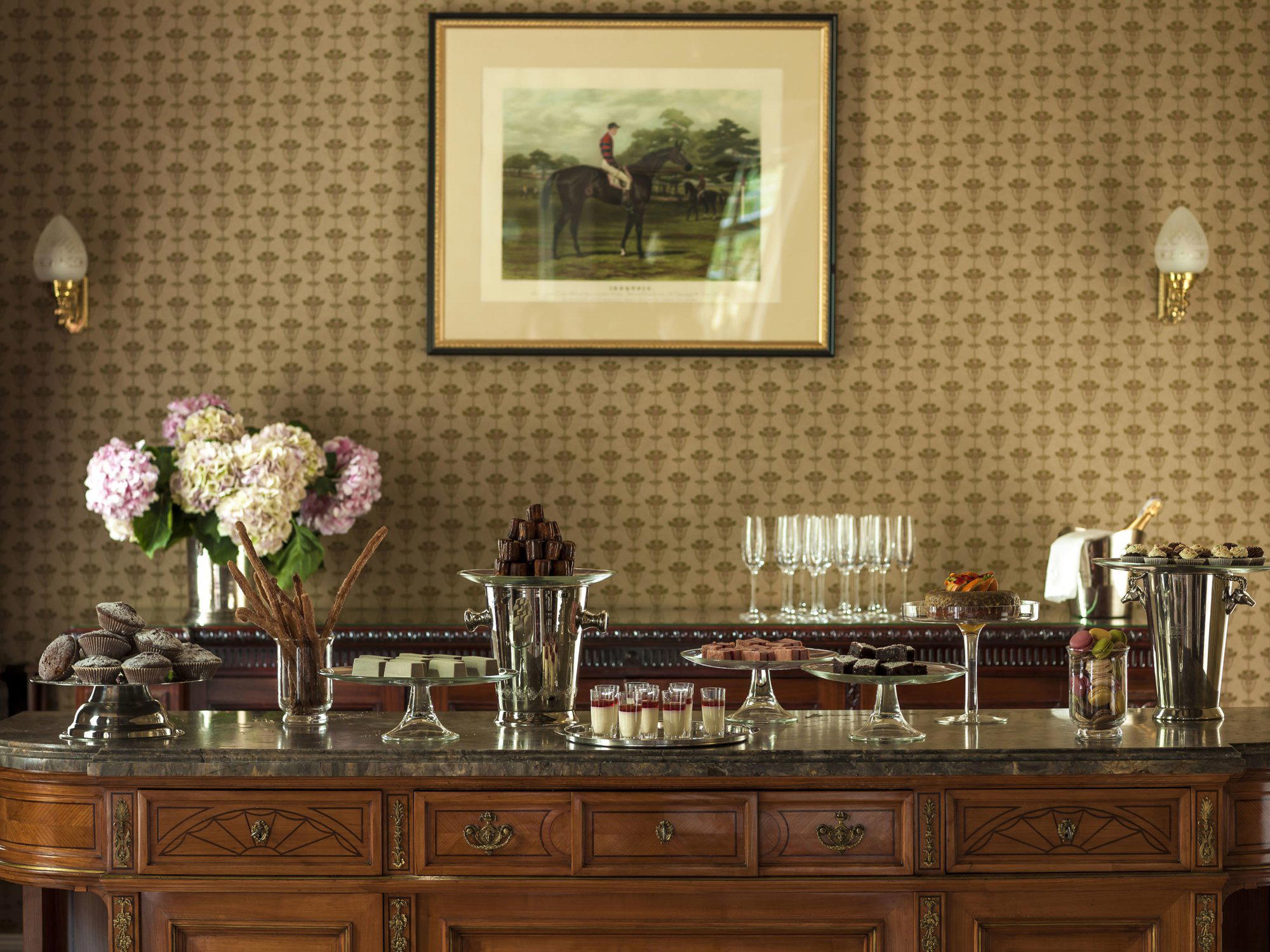
At a Glance
- Cozy
- Elegant
- Classic
- Date Night
- Garden
- Historic Building
- Extensive Wine List
- Garden
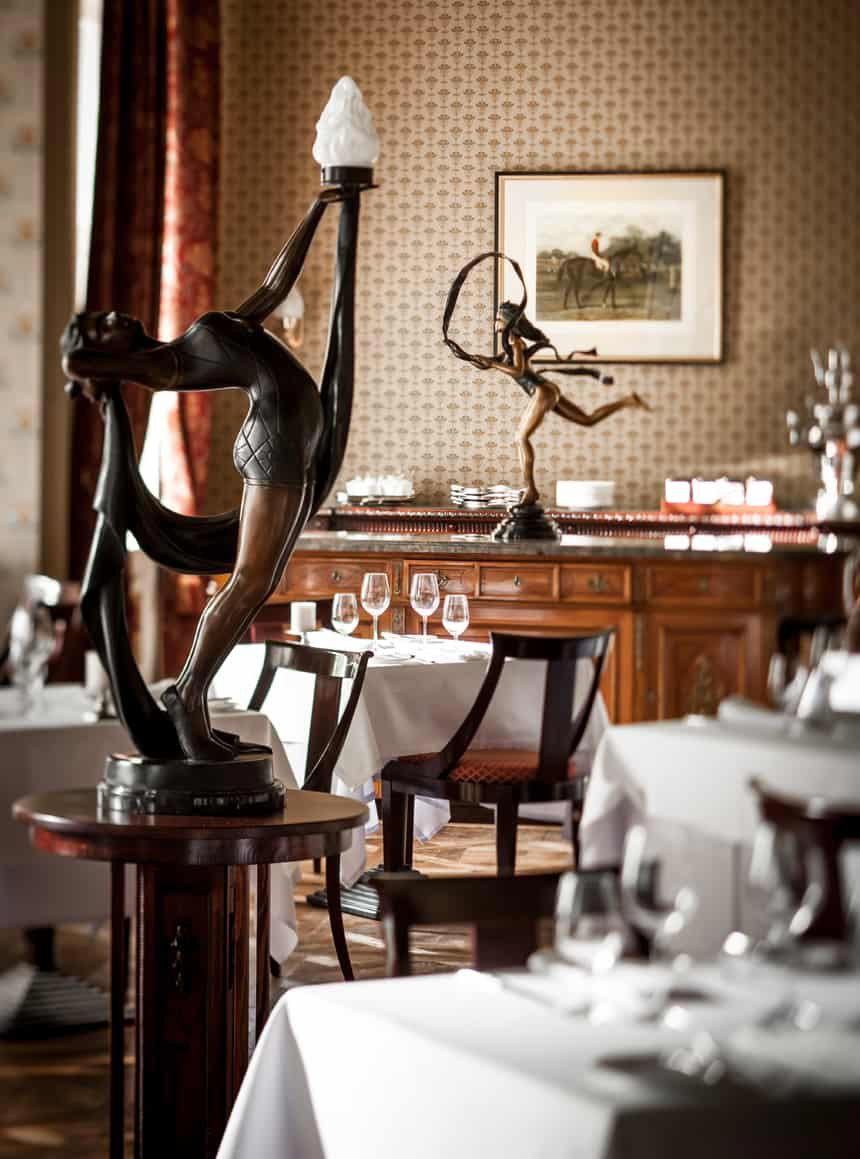
Pleasantly cosy dining room in the basement with plush details, cheery welcoming service, and stylish bar atmosphere.