Akita Ramen on Węgłowa Street brings Japanese ramen culture to central Kraków, operating in a city where Asian noodle formats have quietly built a committed local following over the past decade. The draw is consistency and specificity: regulars return for the bowl, not the occasion. A practical stop for anyone tracing Kraków's growing interest in East Asian dining.
 Discover on Pearl
Pearl is the En Primeur Club membership app — saves, bookings, and concierge access live there. Same editors, same standards.
- Address
- Węgłowa 4/LU 10, 31-063 Kraków, Poland
- Phone
- +48 735 387 186
- Website
- fb.com
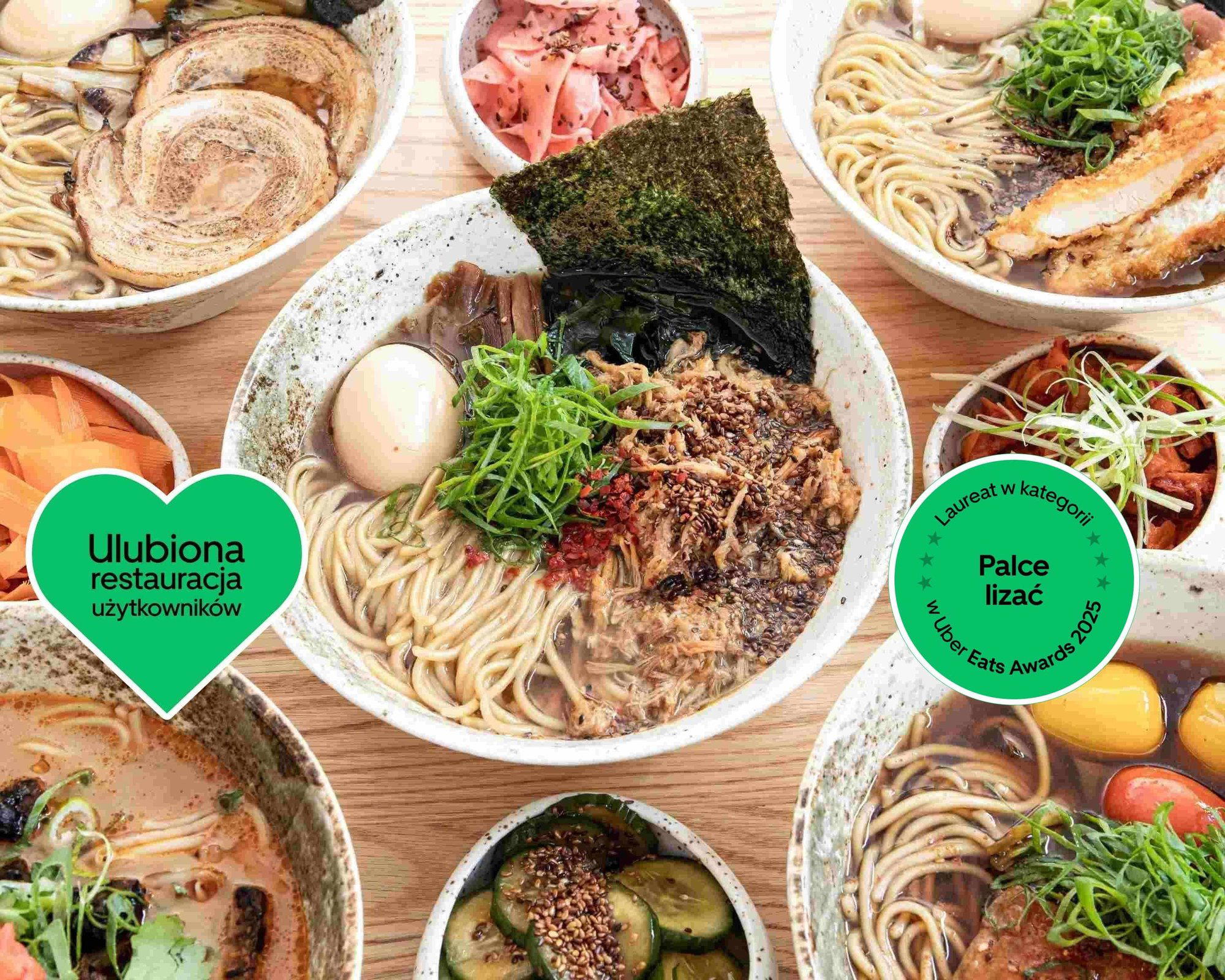
Where Kraków's Ramen Habit Lives
Akita Ramen is a Japanese ramen restaurant in Kraków, Poland, with a 4.8 Google rating and an average price of about $15 per person. Węgłowa Street sits in that zone, and Akita Ramen, at number 4, occupies the kind of address that rewards people who already know it's there. There is no marquee frontage pulling in foot traffic from the main tourist circuit. The crowd that fills the seats tends to come with intent.
That pattern, regulars arriving with purpose rather than tourists arriving by accident, tells you something about how ramen has taken hold in Polish cities. Unlike the broader European capitals where Japanese food arrived in force during the sushi boom of the late 1990s and early 2000s, cities like Kraków saw a slower, more deliberate accumulation of Asian dining formats. The ramen wave came later and landed quietly, without the fanfare it received in London or Paris. What it built instead was a smaller, more loyal audience that treats a good bowl as a specific destination rather than an incidental meal.
The Logic of the Loyal Bowl
In cities where ramen is still finding its footing relative to the dominant Central European dining tradition, the venues that survive are those where the product is consistent enough to hold a repeat customer. That consistency is the currency. A single visit might be curiosity; the fifth or tenth visit is testimony. Akita Ramen's address on Węgłowa places it within walking reach of several student and residential neighbourhoods, and that geography matters. The audience most likely to become regulars, people eating out frequently on moderate budgets who care about the quality of informal food, is concentrated precisely in that part of the city.
Kraków's dining scene in 2024 has a broader range than its tourism marketing tends to suggest. The high end is represented by establishments like Bottiglieria 1881 Restaurant in Kraków, which operates at a formal European fine-dining register. The casual mid-range covers everything from the Kazimierz neighbourhood staples, including Ariel for its Jewish heritage cooking and Aqua e Vino for Italian, to a growing pocket of Asian-inflected addresses. Akita Ramen sits in that pocket, alongside the kind of venues that serve a local population looking for something other than pierogi and bigos.
What Ramen Culture Requires
Ramen as a format makes specific demands on a kitchen. The broth, whether tonkotsu, shio, shoyu, or miso in base, typically requires long preparation windows measured in hours rather than the shorter cook times of many European soups. That investment is front-loaded, invisible to the diner but decisive in the result. Cities that have built credible ramen scenes, from Warsaw's emerging cluster of Japanese dining spots to the more established bowls available in Gdańsk venues near Arco by Paco Pérez in Gdańsk, have done so because at least some operators have taken that technical requirement seriously rather than substituting speed for depth.
In the broader Polish context, it is worth noting that serious Japanese dining has found different expressions across the country. Nare Sushi in Skórzewo represents the precision-driven sushi end of the spectrum, while the capital has its own version of contemporary Asian dining through spots like hub.praga in Warsaw. Kraków's ramen addresses fit a different niche: affordable, repeatable, specific in a way that builds habit.
The Regulars' Unwritten Menu
In any ramen shop that has found its audience, the regular's experience diverges from the first-timer's in small but telling ways. The person returning for the fourth time in a month is not reading the menu carefully. They know the base they want, they know whether to add an extra egg or a portion of additional chashu, and they know approximately how long a wait to expect. That insider knowledge, accumulated through repetition rather than research, is what distinguishes the kind of venue Akita Ramen appears to be from the tourist-facing dining rooms clustered near the Main Market Square.
Kraków has no shortage of the latter category. Places like 3 Rybki, Bianca, and the culturally significant bar-restaurant Alchemia each serve a purpose in the city's dining ecosystem, but they operate in a different register to a ramen shop on a residential-adjacent street. The competitive pressure on a place like Akita Ramen comes not from those venues but from other informal Asian dining options and from the domestic comfort food that Polish cities do cheaply and well. Surviving and building regulars in that context is a different kind of achievement than pulling in tourists off the square.
Kraków in the Wider Polish Dining Picture
Poland's dining development over the past fifteen years has been uneven by city and by format. Fine-dining ambition has concentrated in Warsaw and, to a degree, Kraków and Poznań, where Muga in Poznań represents the more refined end of contemporary Polish cooking. Coastal cities have developed their own character through spots like Bar Przystań in Sopot and La Cucina Ristorante in Gdansk. Mountain areas carry their own logic, as at Giewont in Kościelisko. And wine-focused venues like OK Wine Bar in Wrocław signal that Polish drinking culture is also diversifying rapidly.
Informal Asian dining, including ramen, occupies a parallel track in that development: it is not at the prestige end but it is filling a gap that has grown as Polish urban populations have become more cosmopolitan in their food expectations. Kraków's university population and its significant international resident community have accelerated that shift. A venue like Akita Ramen is a direct response to an audience that exists and keeps showing up.
Planning a Visit
Akita Ramen is at Węgłowa 4/LU 10, 31-063 Kraków, a short distance from the Old Town and accessible on foot from multiple central neighbourhoods. For visitors working through Kraków's broader restaurant options, the full Kraków restaurants guide maps the city's range from fine dining to informal addresses like this one. Reservations are recommended, and arriving outside peak lunch and dinner hours is sensible. It is open Tuesday through Sunday, with Monday closed. Those whose appetite for informal precision in a bowl extends to other formats might also note Luneta & Lorneta Bistro Club in Ciekocinko as a point of comparison for the broader Polish casual dining moment. For reference on what serious broth-based and noodle-forward cooking can reach at the international level, Le Bernardin in New York City and Lazy Bear in San Francisco set a useful upper ceiling for what commitment to a specific format can produce when taken to its furthest point.
Cuisine and Credentials
Comparable venues nearby, for context on price, style, and recognition.
| Venue | Cuisine | Price | Awards | Notes |
|---|---|---|---|---|
| Akita RamenThis venue — the venue you are viewing | Japanese Ramen | $$ | , | |
| Hana Sushi | Japanese Sushi & Korean | $$ | Michelin Plate | Kazimierz |
| Ariel | Traditional Jewish Eastern European | $$ | , | Kazimierz |
| Ramen People | Authentic Japanese Ramen | $$ | , | Stare Miasto |
| OLIO Welovepizzanapoletana | Authentic Neapolitan Pizza | $$ | riverside | |
| 3 Rybki | Modern Polish with Seafood Focus | $$$ | , | Stare Miasto |
At a Glance
- Cozy
- Trendy
- Casual Hangout
- Group Dining
- Sake Program
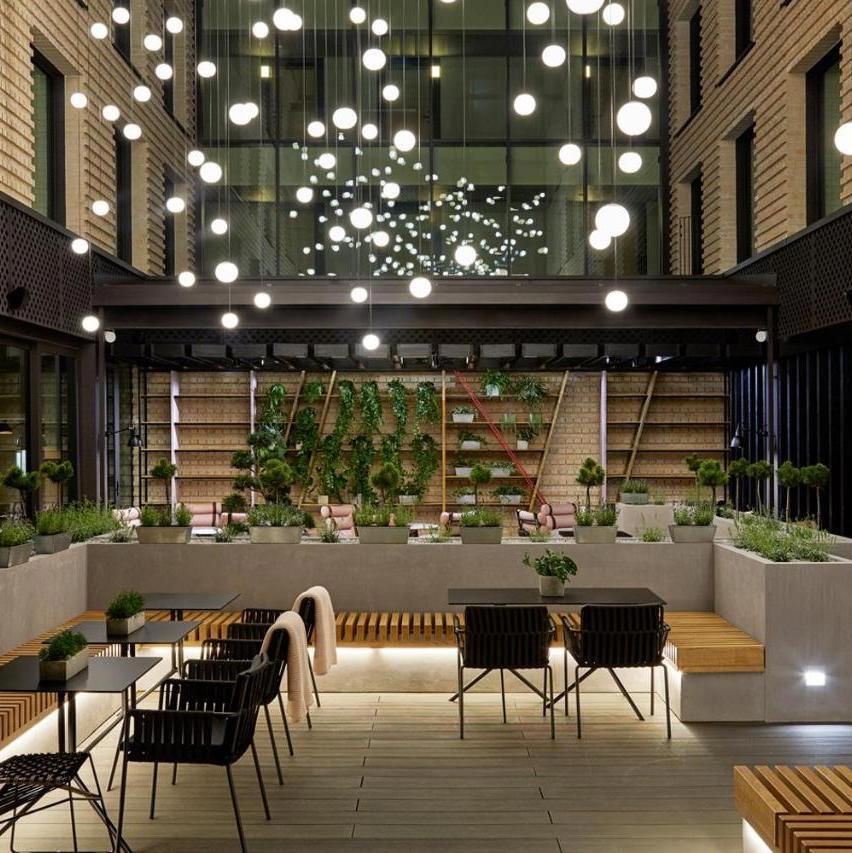
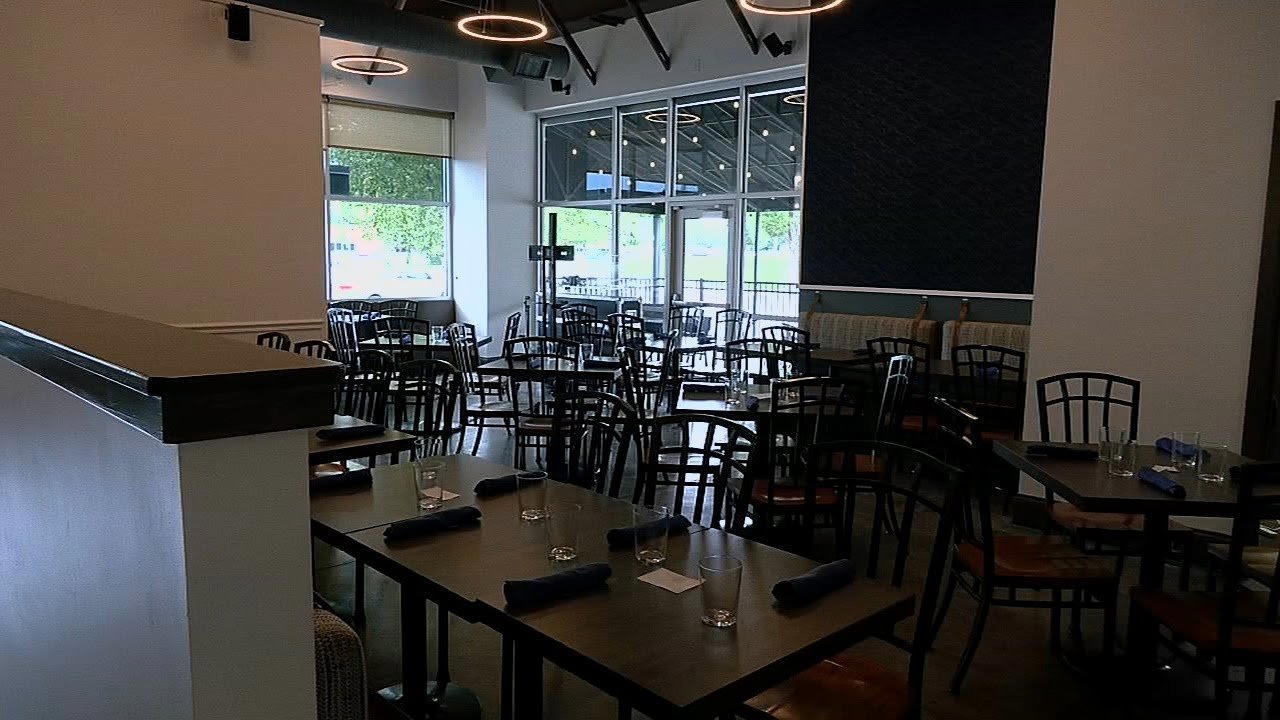
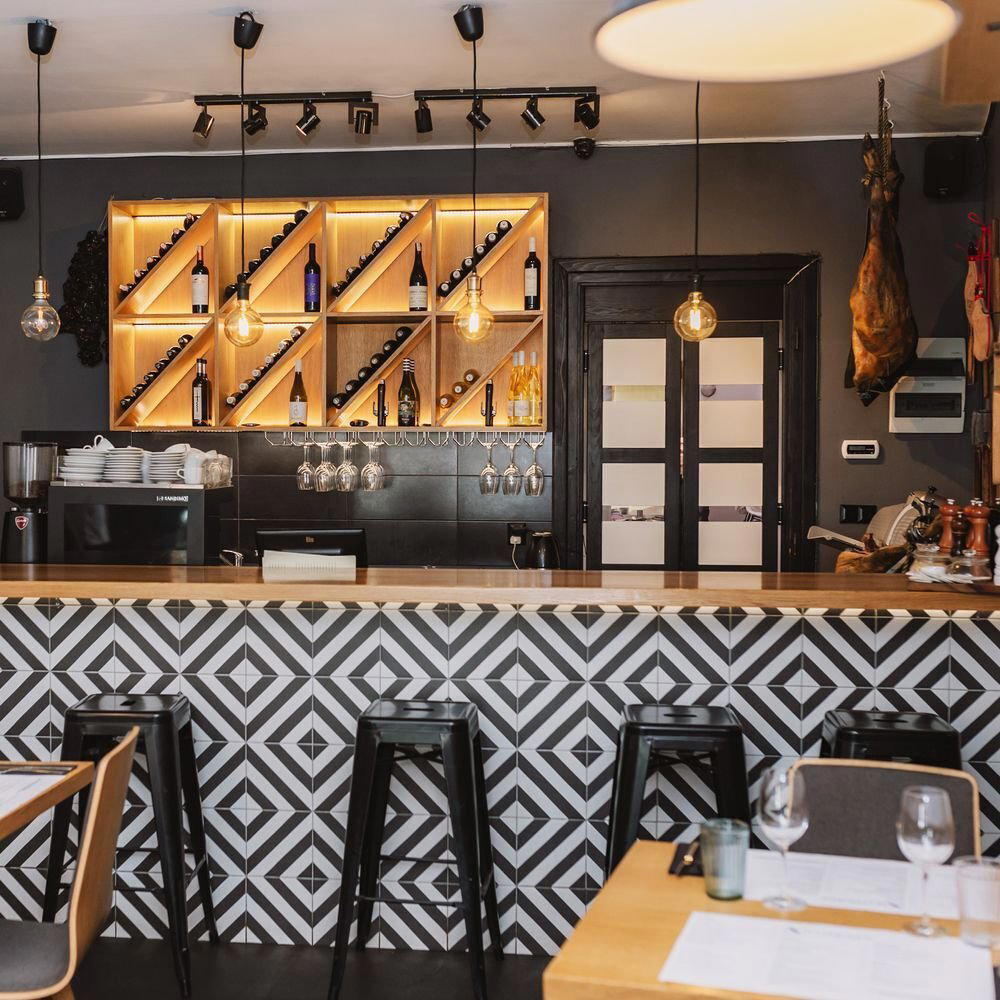
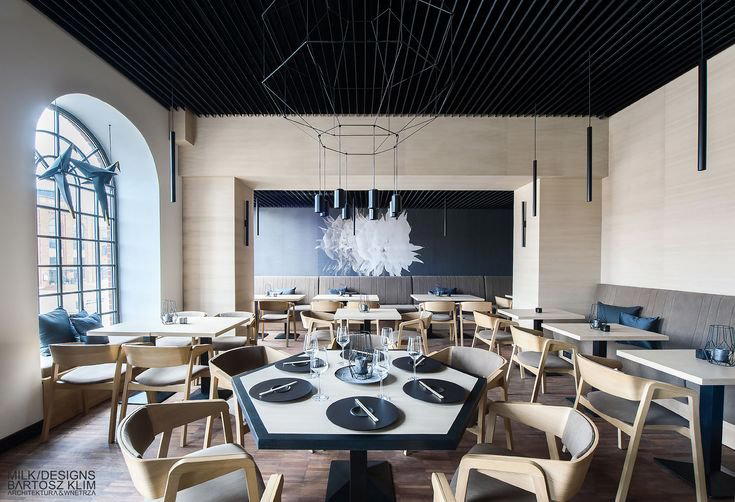
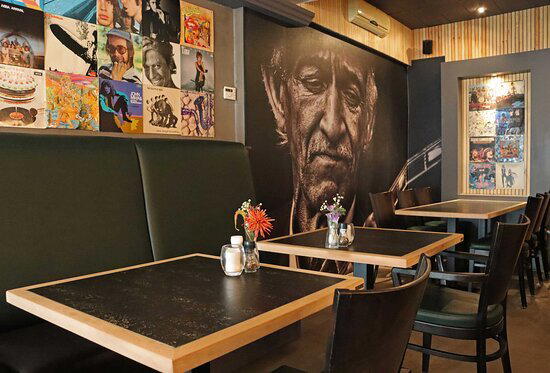
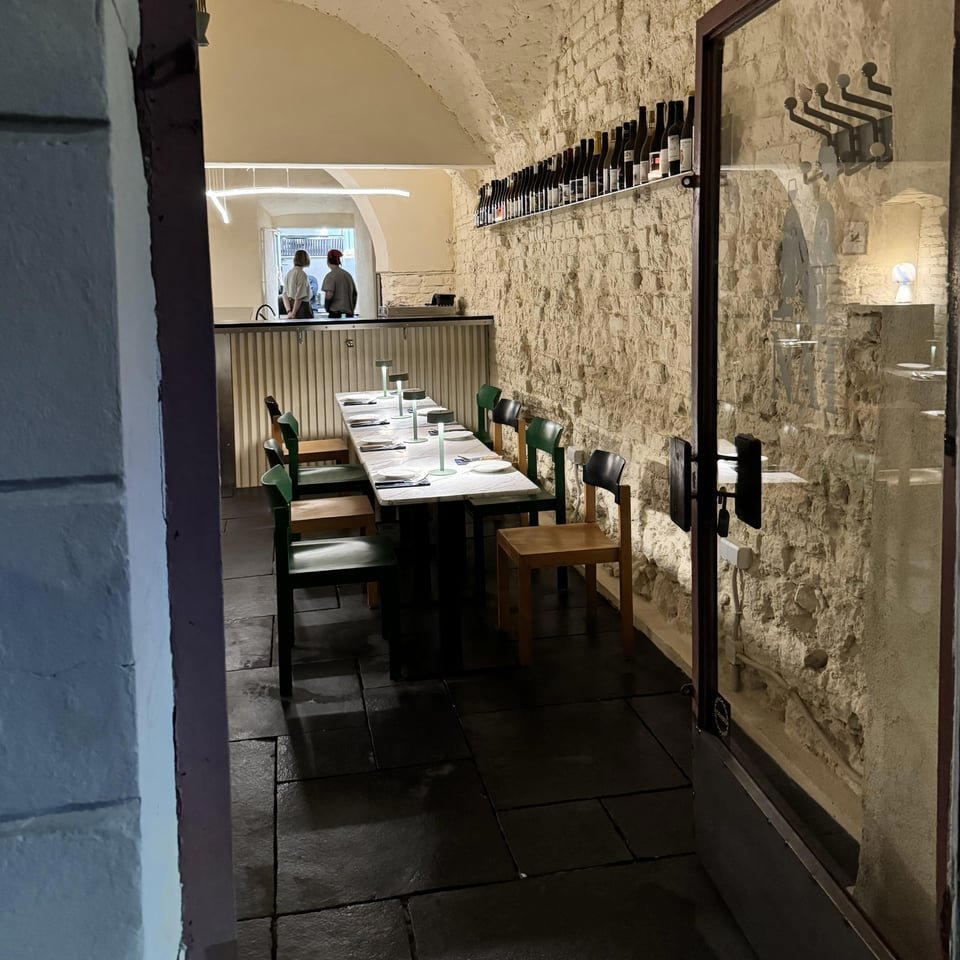
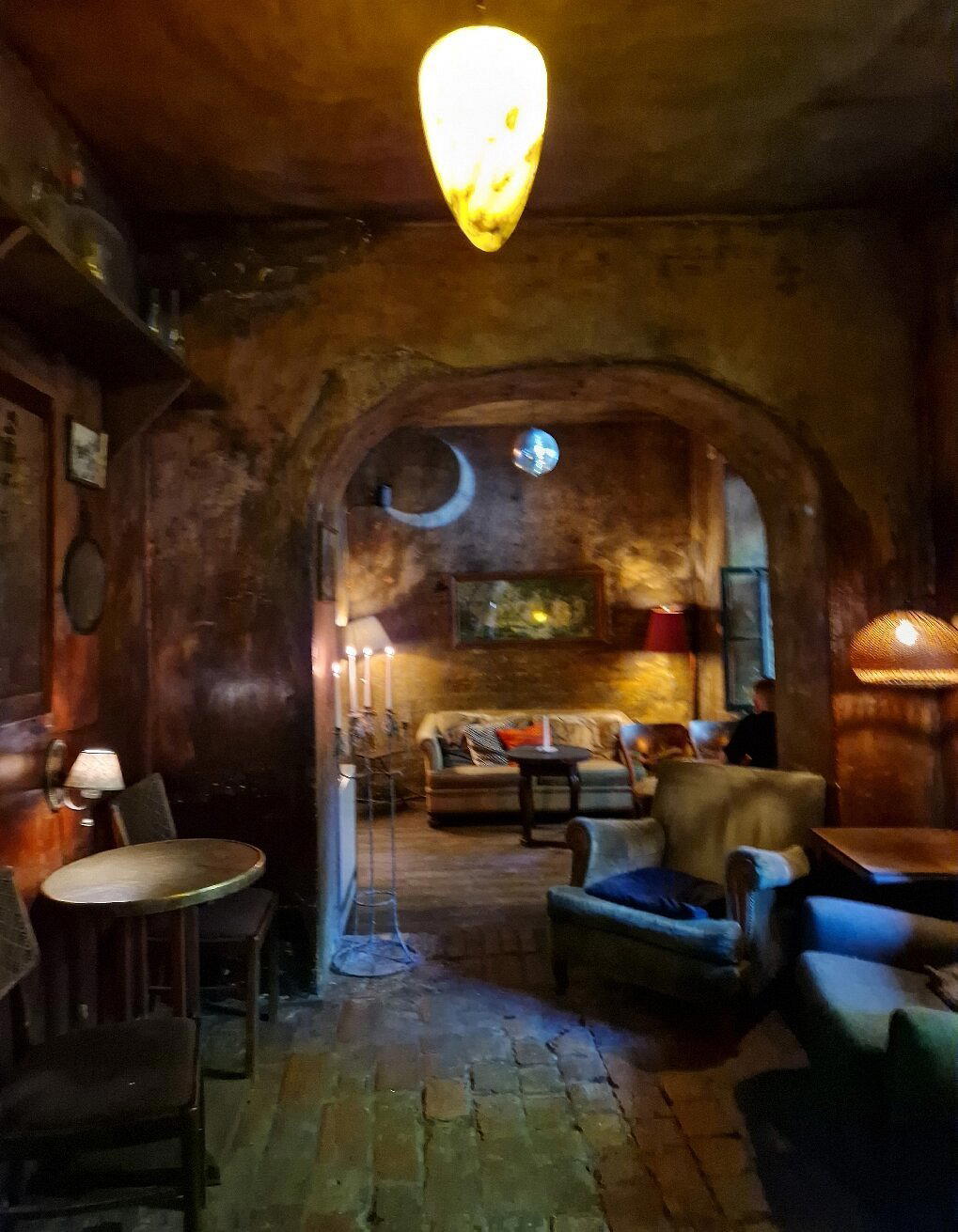
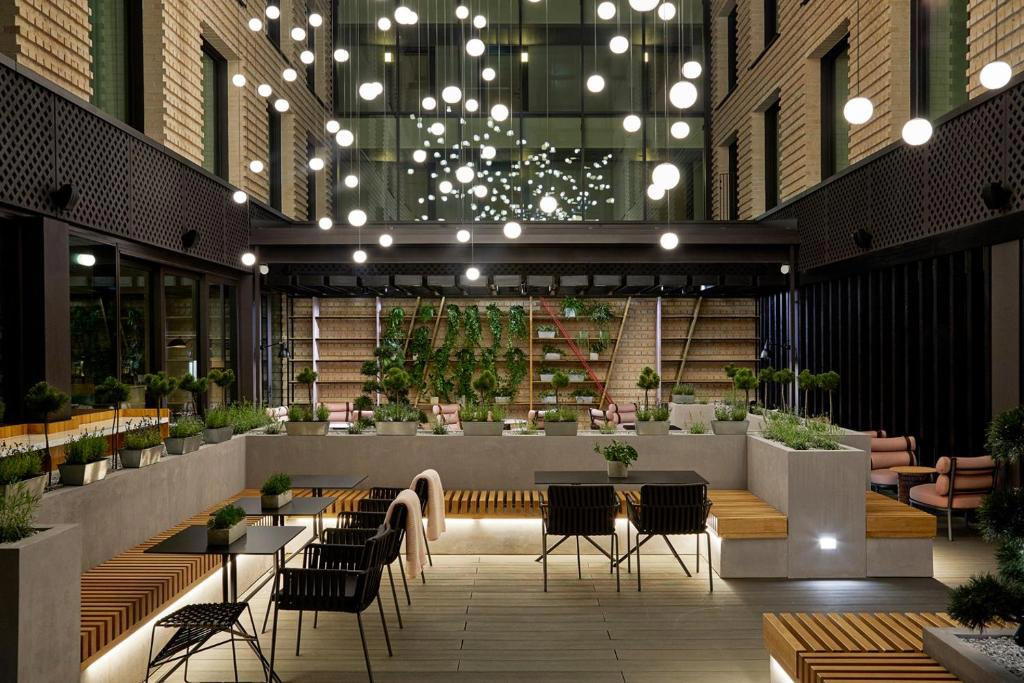
Laid-back and cozy atmosphere perfect for casual ramen dining.