
Michelin Plate
Our verdict
The kitchen sits at the intersection where Polish culinary inheritance meets considered technique, making it a useful reference point for understanding how the city's more grounded dining tier performs alongside its starred neighbours.

Pearl is the En Primeur Club membership app, where members save venues, book tables and use the concierge.
The menu
What to order
- Goose marinated in red wine with plums
- Pierogies
- Duck dishes
- Hot apple pie with Polish Szara Reneta apples
- Kogel Mogel parfait
Traditional Cooking in a City Rewriting Its Own Rules
Kraków's dining scene has fractured into distinct tiers over the past decade. At the leading, places like Bottiglieria 1881 carry two Michelin stars and operate squarely within the modern Polish canon, where classical French architecture gets rebuilt around domestic produce. Further up the ambition register, Artesse prices at the €€€€ level and pitches itself at a creative, format-driven audience. What the middle tier has often lacked is a kitchen that takes traditional Polish cooking seriously on its own terms, without dressing it up as something else. Kogel Mogel, on Sienna 12 in the city's historic core, occupies that position. Two consecutive Michelin Plates, in 2024 and 2025, signal that the guide has noticed, even if the restaurant isn't chasing a star.
What the Michelin Plate Signals Here
The Michelin Plate is not a consolation prize. It marks kitchens where inspectors find cooking that is consistently good, technically sound, and true to its stated purpose. For a restaurant working in the traditional cuisine category, that assessment carries specific weight: it means the kitchen is executing its reference point with enough precision and honesty to earn documentation. Across Poland, that same designation has been extended to restaurants in quite different settings. Giewont in Kościelisko holds a Plate working within the mountainous south's cooking culture; 1911 Restaurant in Sopot brings it to the Baltic coast. The Plate in Kraków, across two successive years, says something about consistency rather than flash.
Within Kraków's own €€ bracket, that consistency matters more than it might in a city less visited. Kraków receives millions of tourists annually, and the mid-range dining tier bears the heaviest pressure to dilute.
Where Sienna Street Sits in the City
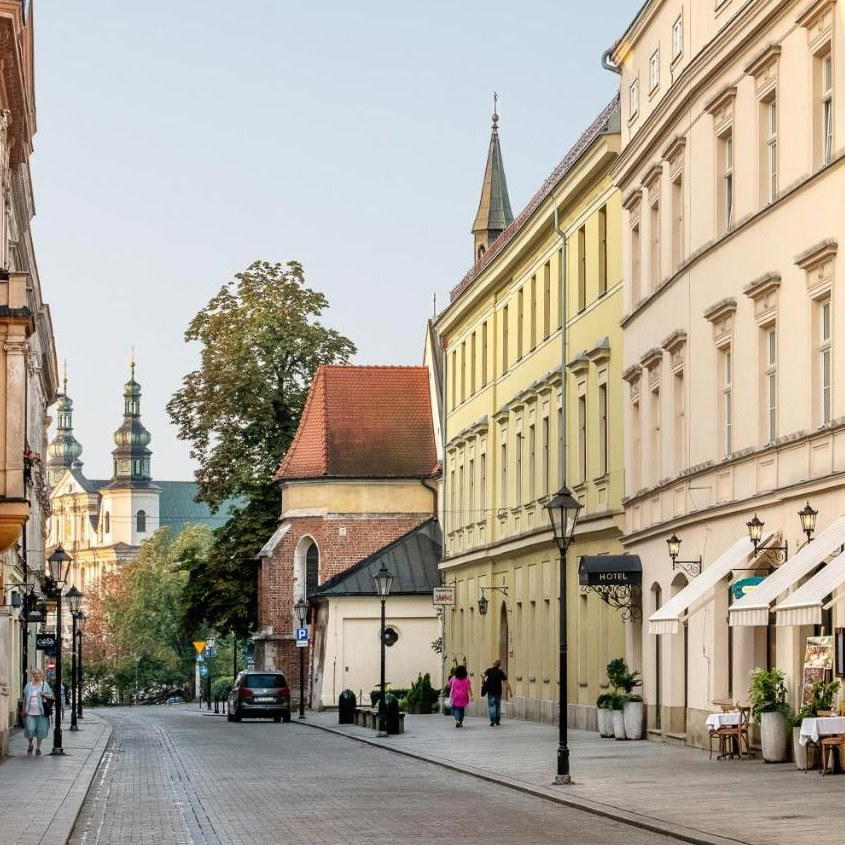
Sienna runs just south of the Old Town's main circuit, close enough to the Planty ring to be convenient but outside the immediate tourist pressure of the Rynek Główny. The address puts Kogel Mogel within walking distance of Wawel Castle and the Kazimierz district, which means it draws from both the historic core crowd and the city's more locally-oriented dining audience. Restaurants on this axis of the city tend to be less performative than those fronting the main square, and that suits a kitchen working in traditional cuisine. The physical approach along Sienna has the texture of a working city street rather than a stage set, and that context shapes expectations before a diner walks through the door.
Traditional Cuisine as a Technical Discipline
Polish traditional cooking is not a simple category. The cuisine carries the weight of a geography that pulled ingredients from Central European, Jewish, and Eastern pastoral traditions simultaneously, and regional variation is sharper than outsiders typically expect. The difference between what gets cooked in Kraków, in Małopolska broadly, and in the kitchens of the far north or west is not cosmetic. Giewont's Tatra-adjacent approach, for instance, reads differently from coastal interpretations like Acquario in Wrocław, which brings seafood-forward thinking to an inland tradition. In Kraków, the local inheritance includes hearty, fat-based preparations drawn from the south's agricultural economy, slow-cooked proteins, and dairy that still reflects a pastoralist culture in the surrounding villages.
The editorial angle worth applying here is one that runs across European traditional cuisine at this level: the intersection between inherited recipe logic and applied modern technique. Kitchens earning Michelin recognition in the traditional category are rarely simply replicating historical recipes without adjustment. More often, they are applying contemporary understanding of temperature, timing, and sourcing to dishes whose architecture is fixed. The same dynamic appears in Breton kitchens like Auberge Grand'Maison in Mûr-de-Bretagne or Galician coastal cooking at Auga in Gijón, where the cuisine category reads as traditional but the execution draws on decades of technique refinement. Kogel Mogel belongs to that broader pattern.
Positioning Kogel Mogel requires being precise about which peer restaurants it actually competes with for the same diner. It is not in the same conversation as Amarylis or the more format-driven end of the city's modern cuisine tier. At €€, it sits closer in price to Bufet KRK, though the cuisines and register differ. The more instructive comparison is with Pod Nosem, another Kraków address with grounding in Polish culinary tradition and a serious kitchen orientation. Both operate in a city where the pressure to modernise or spectacularise is constant, and both have chosen to hold their line. That is a meaningful editorial choice at any price point.
Across Poland's wider Michelin-tracked scene, the comparison class expands further. hub.praga in Warsaw and Muga in Poznań represent different cities' approaches to serious mid-market dining. Arco by Paco Pérez in Gdańsk brings Spanish fine-dining technique into the Polish frame, which illustrates the range of approaches now earning guide attention across the country. Kogel Mogel's two-year Plate run is not an anomaly in that landscape; it's part of a broader reckoning by the guide with what Polish dining actually looks like outside Warsaw's fine-dining flagship tier.
Planning a Visit
Kogel Mogel sits at the €€ price point, which in Kraków's current market means accessible without being casual. For visitors building a multi-night itinerary in the city, it fits logically as a mid-week or early-evening option before moving toward the Kazimierz bar district. For broader Kraków planning, the full Kraków restaurants guide maps the city's dining tier by tier, and the Kraków hotels guide, bars guide, wineries guide, and experiences guide cover the surrounding infrastructure.
Frequently asked questions
Where exactly is Kogel Mogel?
Kogel Mogel is located at Sienna 12, 31-041 Kraków, Poland, Kraków.
Is Kogel Mogel award-winning?
Kogel Mogel has received recognition including: Michelin Plate (2025); Michelin Plate (2024).
What's the signature dish at Kogel Mogel?
Verified dish-level detail is not in the public record for Kogel Mogel. What the two consecutive Michelin Plates (2024 and 2025) do confirm is that the kitchen produces traditional Polish cooking at a consistently sound technical level, which in this cuisine typically means precise handling of braised meats, fermented bases, and dairy-rich preparations central to Central European cooking tradition.
Is Kogel Mogel expensive?
Pricing at Kogel Mogel is listed as €€.
Can I walk in to Kogel Mogel?
No confirmed walk-in or reservation policy is published for Kogel Mogel. At the €€ tier on Sienna Street, a Michelin-recognised address in Kraków draws steadier demand than its price point might suggest, contacting the restaurant directly before visiting is the practical approach.
Budget and Context
A quick snapshot of similar venues for side-by-side context.
| Venue | Cuisine | Price | Awards | Notes |
|---|---|---|---|---|
| Kogel MogelThis venue (the venue you are viewing) | Traditional Polish Cuisine | $50–100 | Michelin Plate | Not listed |
| Bottiglieria 1881 Restaurant | Modern Polish Fine Dining | $200–300 | 2 Michelin Stars · La Liste Top Restaurants | Modern Polish |
| Copernicus | Modern Polish Royal Cuisine | $30–50 | Michelin Plate | Modern Cuisine |
| Farina | Modern Seafood with Polish Influences | $50–100 | Michelin Plate · Wine Spectator Best of Award of Excellence | Seafood |
| MOLÁM | Modern Thai Canteen | $20–30 | Michelin Bib Gourmand | Thai |
| Artesse | Modern Historical Polish Fine Dining | Not listed | Michelin Plate | Creative |
Recognition history
Dated appearances from independent guides and award organizations, with the underlying list record or original source where available.
Michelin Plate
Michelin
Full recognition history (3 entries)
Michelin Plate
Michelin
Michelin Plate
Michelin
Continue exploring
More in Kraków
Restaurants in Kraków
All restaurants in Kraków →
Bars in Kraków
All bars in Kraków →
Details
- Elegant
- Cozy
- Classic
- Romantic
- Date Night
- Celebration
- Special Occasion
- Group Dining
- Business Dinner
- Live Music
- Garden
- Private Dining
- Terrace
- Historic Building
- Wine Cellar
- Extensive Wine List
- Beer Program
- Local Sourcing
- Garden
- A La Carte
- Set Menu
- Polish Wines
- Vodka
- Vegetarian Friendly
- Vegan Options
- Gluten Free Options
Current opening hours
- Monday
- 6–10 PM
- Tuesday
- 6–10 PM
- Wednesday
- 6–10 PM
- Thursday
- 6–10 PM
- Friday
- 1–11 PM
- Saturday
- 1–11 PM
- Sunday
- 1–10 PM
Hours can change for holidays and private events. Hours as of .
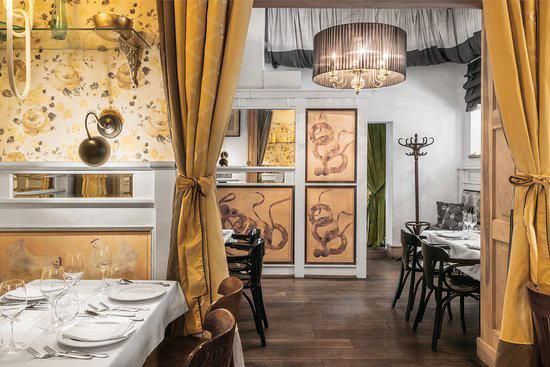
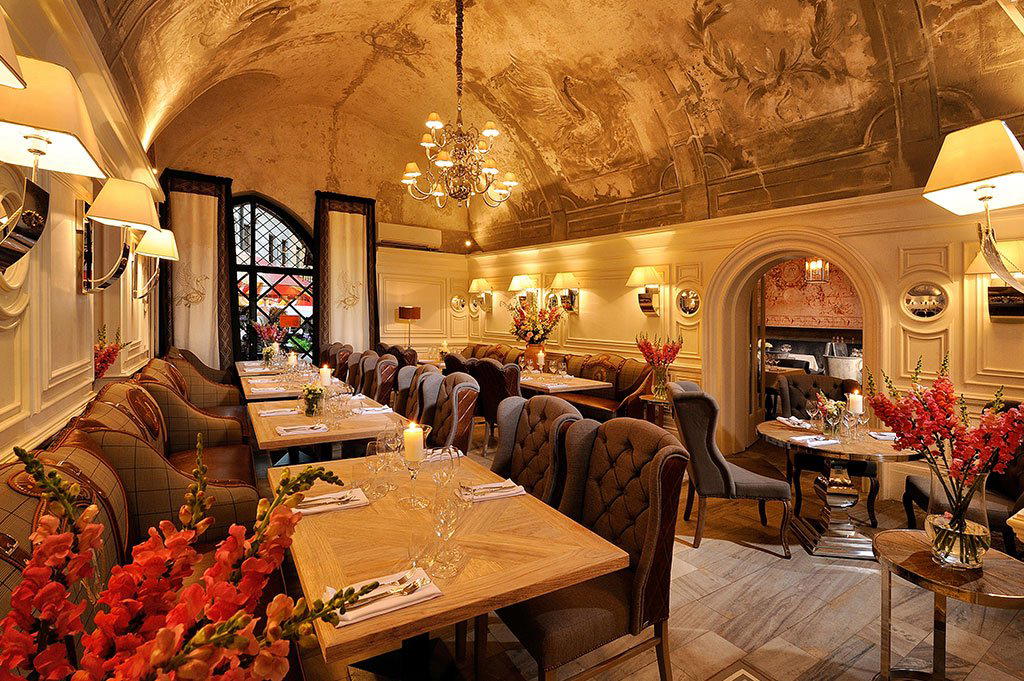
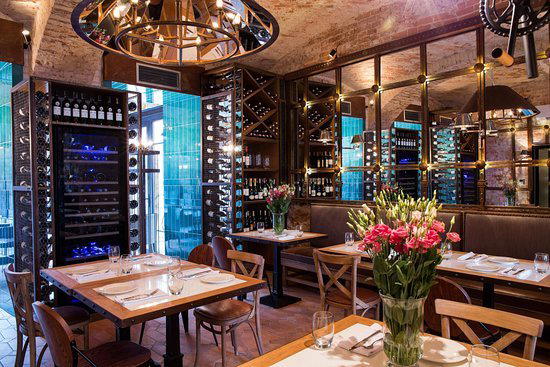
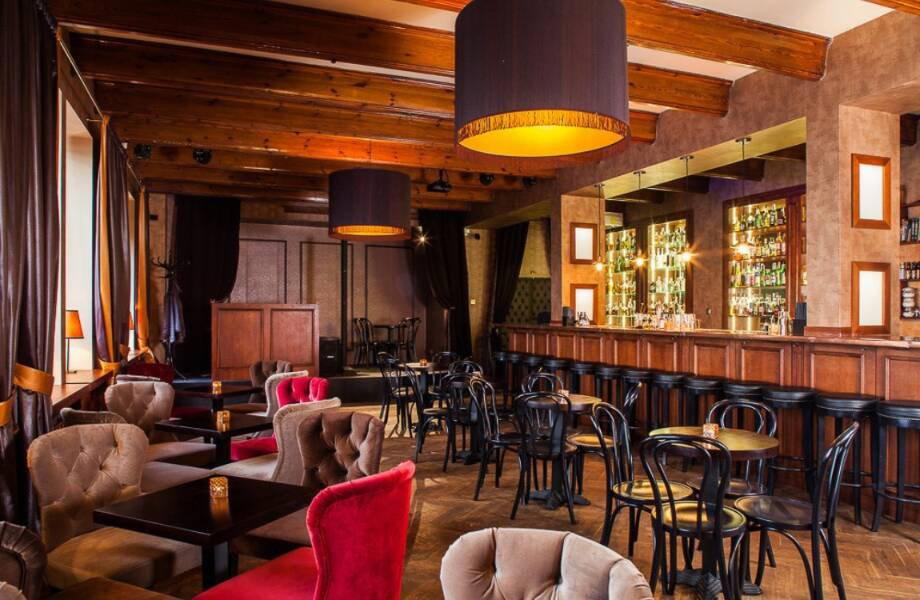
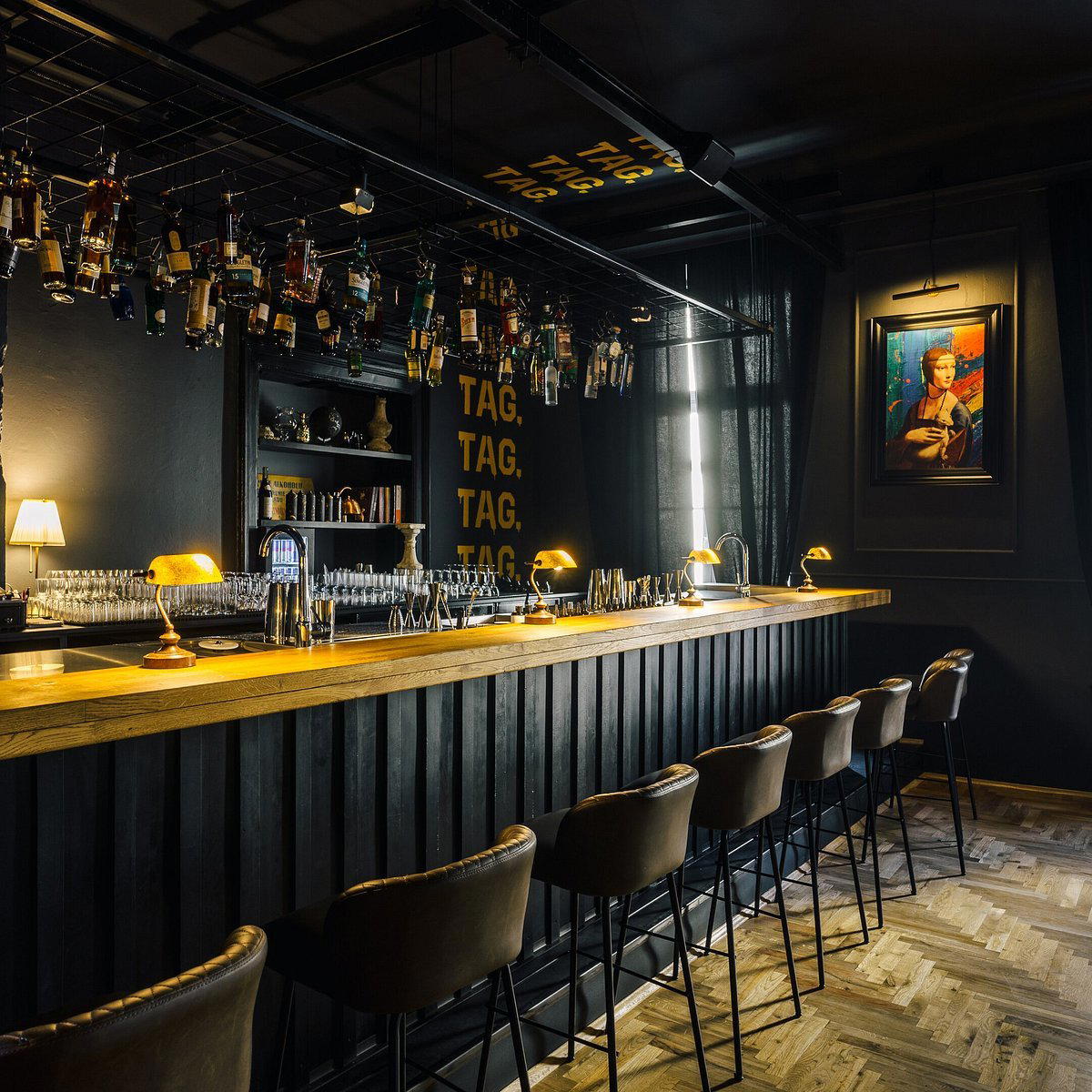
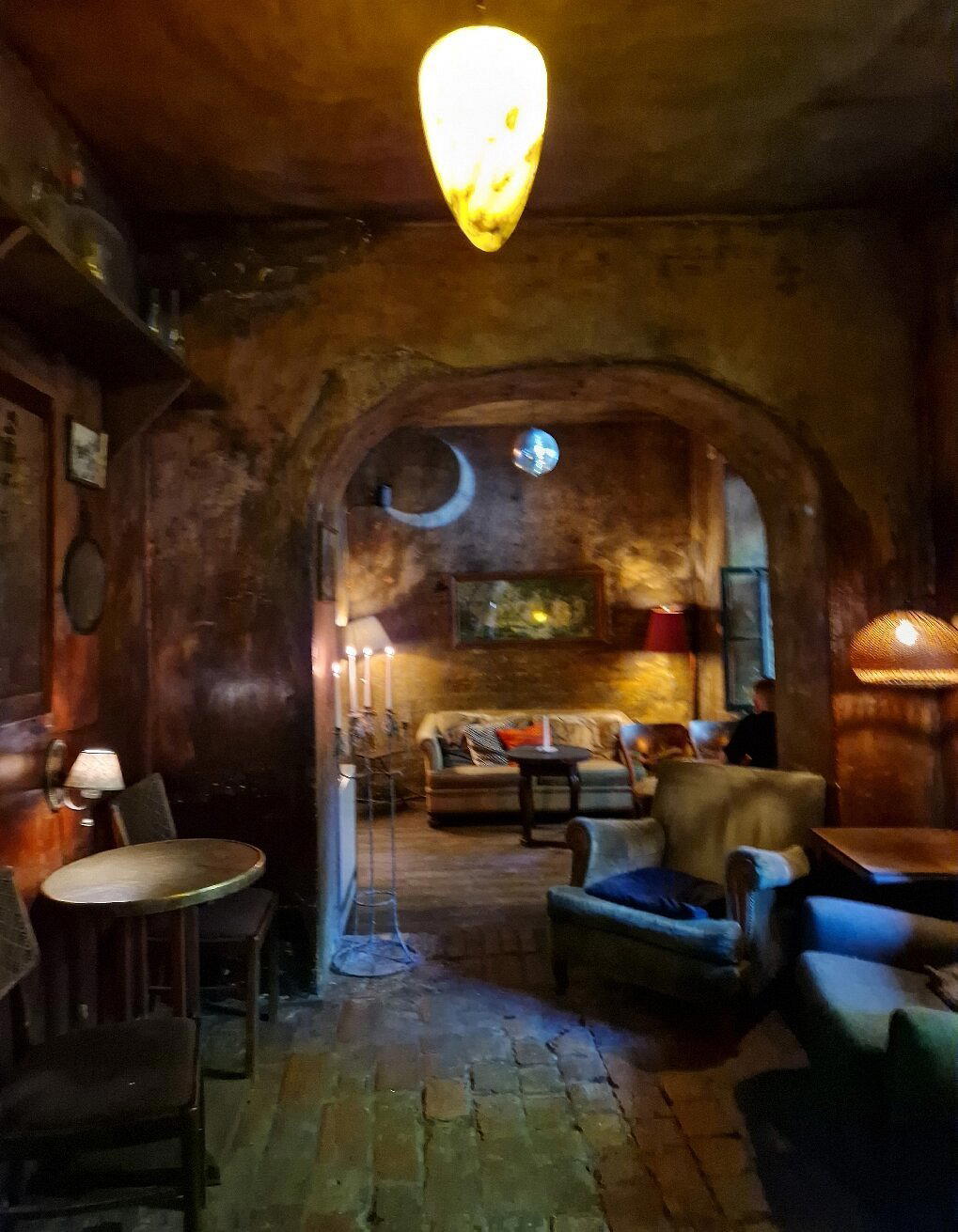
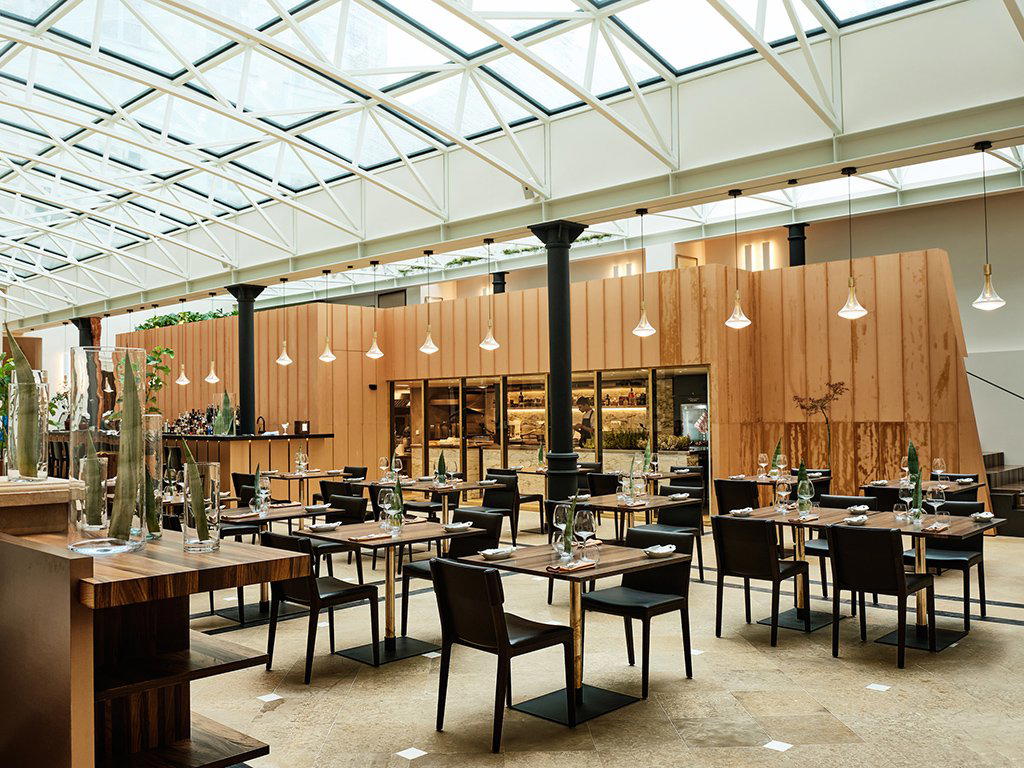
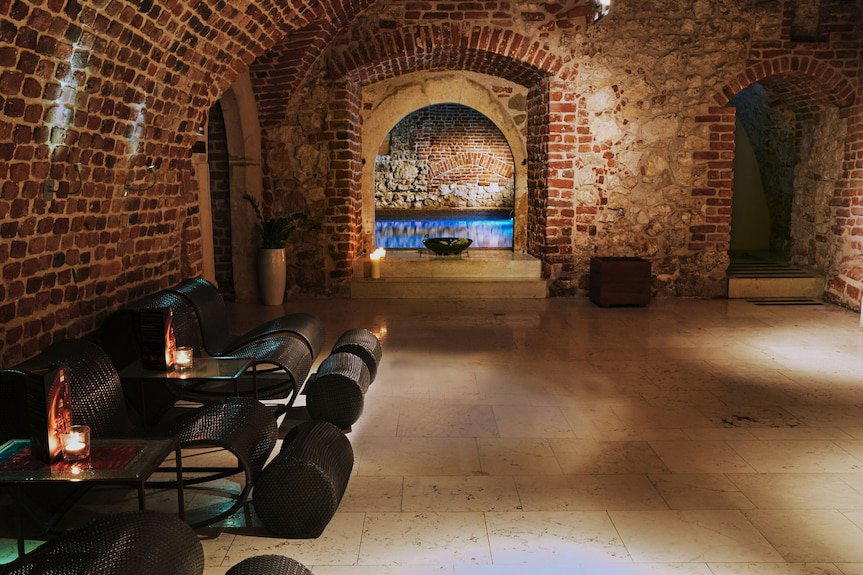
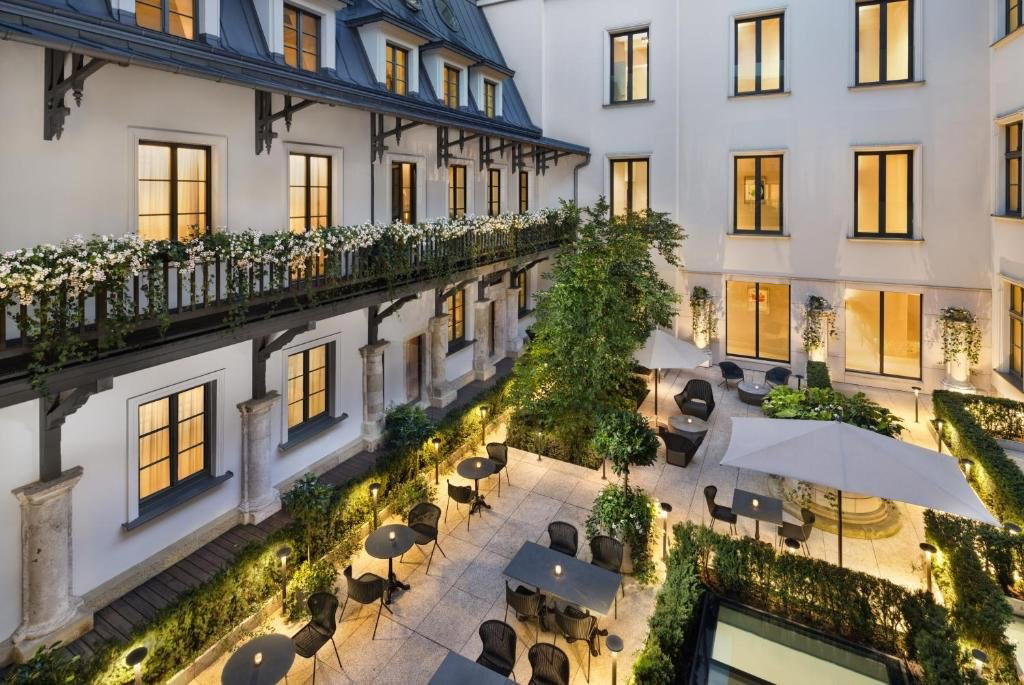
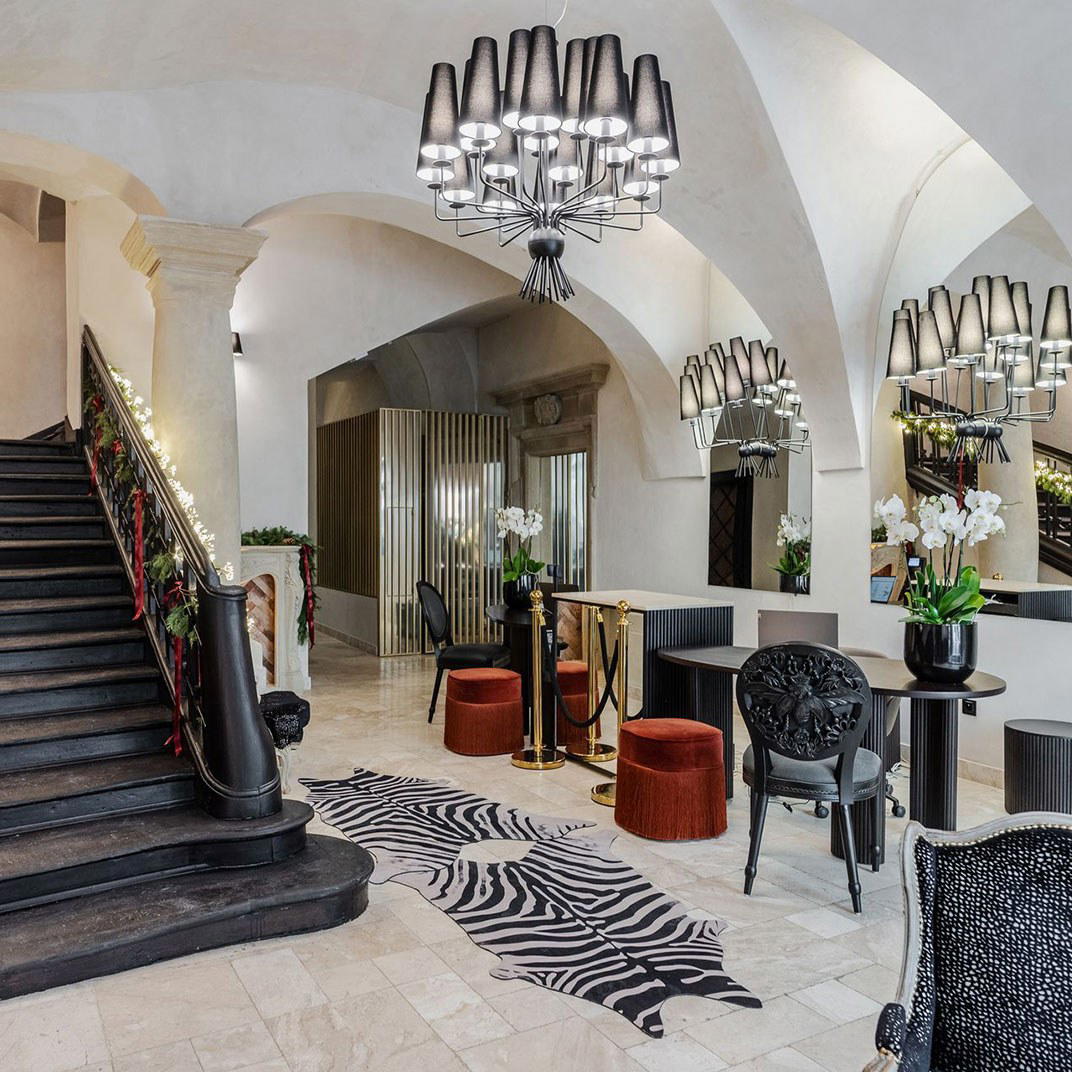
Chic retro quality with velvet curtains, candlelit wine cabinets, and multiple intimate dining rooms in a historic building; warm, cozy, and elegant atmosphere with refined décor.