Our verdict
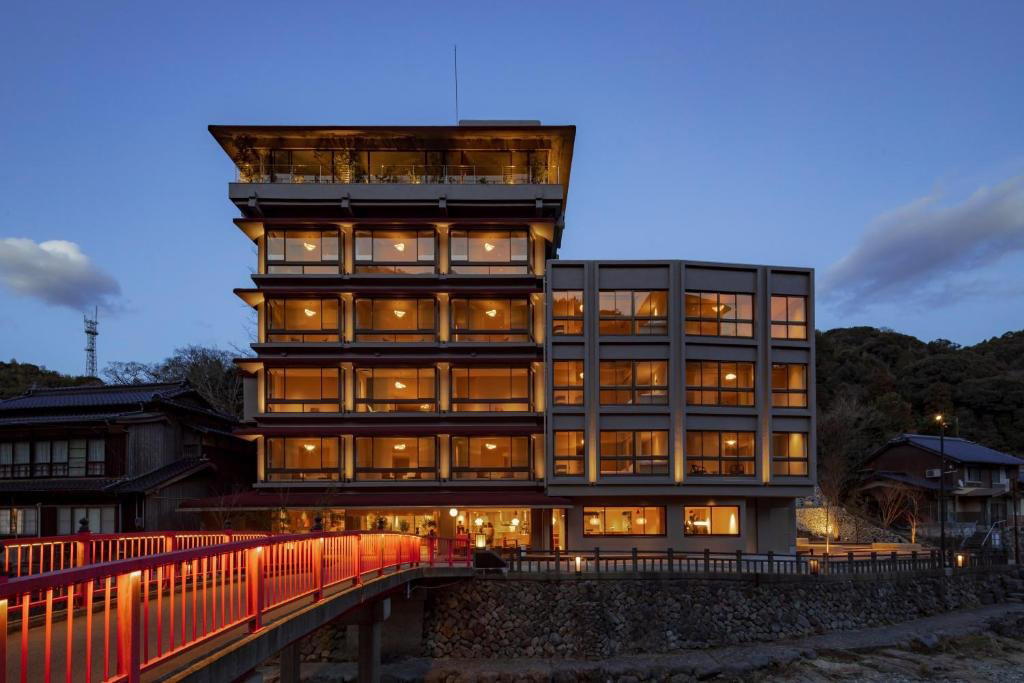
Restaurant Unyu sits in Nagato, a small city along Yamaguchi Prefecture's Sea of Japan coastline where the regional ryokan and fishing traditions set a specific culinary register. Details on format, price, and booking remain limited in public records, making advance local enquiry advisable. EP Club tracks the venue within the broader Yamaguchi dining scene alongside nearby Restaurant Hagi.

Pearl is the En Primeur Club membership app, where members save venues, book tables and use the concierge.
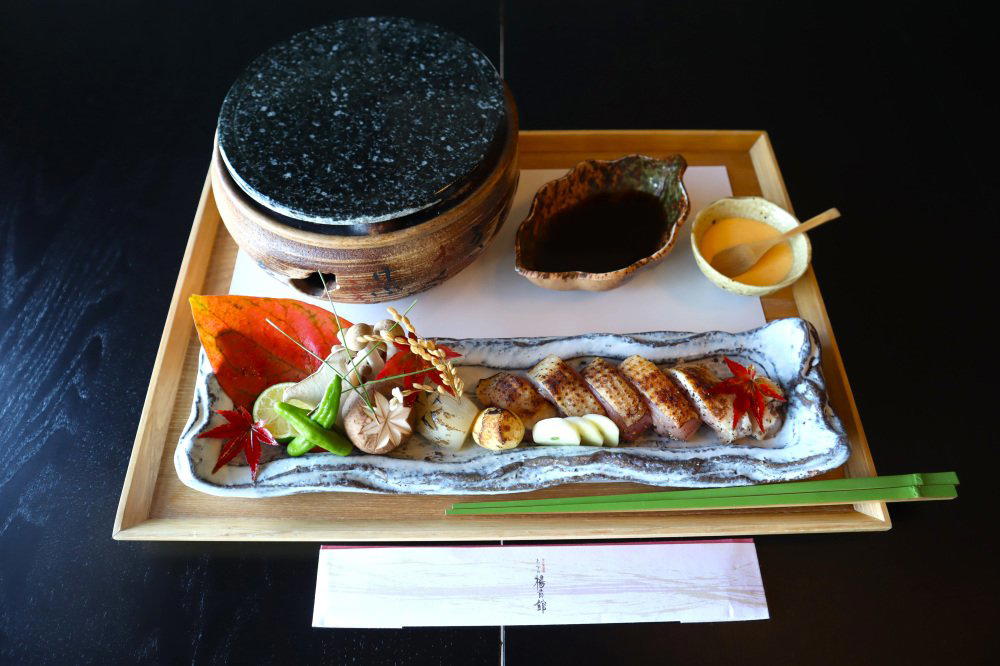
Where the Sea of Japan Sets the Table
Yamaguchi Prefecture sits at the western tip of Honshu, separated from Kyushu by the Kanmon Strait and facing the Sea of Japan along its northern edge. That geography is not incidental to how food works here. Nagato, the city where Restaurant Unyu operates, is part of a coastal stretch that has historically supplied some of Japan's most prized seafood, including fugu (pufferfish), which Yamaguchi has claimed as a regional identity marker for well over a century. The prefecture holds the largest volume of fugu processing in Japan, and Shimonoseki, roughly 70 kilometres south, remains the national clearing house for the fish. Dining in this part of the country carries that coastal weight, whether a restaurant leans into it explicitly or uses it as ambient context.
This matters for understanding what Restaurant Unyu represents, even where specific menu and format data is limited. Restaurants in Nagato operate within a culinary tradition shaped by proximity to cold, nutrient-rich waters and by a regional hospitality culture built around the ryokan model, where the kitchen and the guest's sense of place are understood as inseparable. That is a different starting point from the kaiseki counters of Kyoto or the high-density omakase market of Tokyo, where venues like Harutaka in Tokyo operate inside a competitive tier defined by Michelin recognition and allocation scarcity. Nagato's register is quieter, more regionally anchored, and less mediated by international food media.
The Regional Culinary Frame
Yamaguchi's dining scene has not attracted the same critical infrastructure as Osaka, Kyoto, or Fukuoka. That is partly a function of population and visitor volume, and partly a reflection of how Japan's restaurant recognition systems have historically concentrated on metropolitan areas. Venues like HAJIME in Osaka or Gion Sasaki in Kyoto operate in cities where international food media maintains active coverage. Regional Honshu, by contrast, tends to surface through travel writing about ryokan culture and onsen circuits rather than through restaurant-specific critical attention.
That absence of critical infrastructure does not indicate an absence of quality. It indicates a different distribution model. Restaurants in smaller Japanese cities frequently operate without the booking apparatus, multilingual interfaces, or PR support that make urban venues legible to international visitors. The relevant question for a traveller approaching Nagato is not whether the food measures against a metropolitan benchmark, but whether the regional tradition itself is worth the journey, and what local venues are doing with the ingredients and techniques that tradition provides.
In Yamaguchi, that tradition is worth taking seriously. Beyond fugu, the prefecture produces Hagi ware ceramics that have shaped Japanese tea ceremony and kaiseki presentation for centuries, and the region's fishing communities have maintained fish-handling practices that urban chefs now travel to study. The food culture here is not peripheral to Japan's culinary story; it is one of its less-documented chapters. For context on how regional Japanese dining compares across prefectures, EP Club also covers Goh in Fukuoka and akordu in Nara, two venues that illustrate how regional settings can support serious, destination-worthy kitchens.
What to Expect in Nagato
Public records on Restaurant Unyu's specific format, price tier, seating count, and hours are not available at time of publication. This is not unusual for smaller venues in rural Japanese cities, many of which rely on local reputation and word-of-mouth rather than digital booking platforms or English-language listings. Travellers planning a visit should treat direct enquiry, ideally through a hotel concierge in Nagato or a Japanese-speaking contact, as the practical starting point rather than an optional step.
What the address confirms is a base in Nagato city proper, within Yamaguchi Prefecture's postal district 759-4103. The city itself is accessible by the San-in Main Line from Shimonoseki or Hagi, though journey times along this rural coastal route are longer than travellers accustomed to Shinkansen networks might expect. Road access from Yamaguchi city adds roughly 90 minutes by car. Timing a visit around the region's quieter shoulder seasons, spring and late autumn, tends to align with both better weather and the fishing cycles that supply the coastal kitchen here.
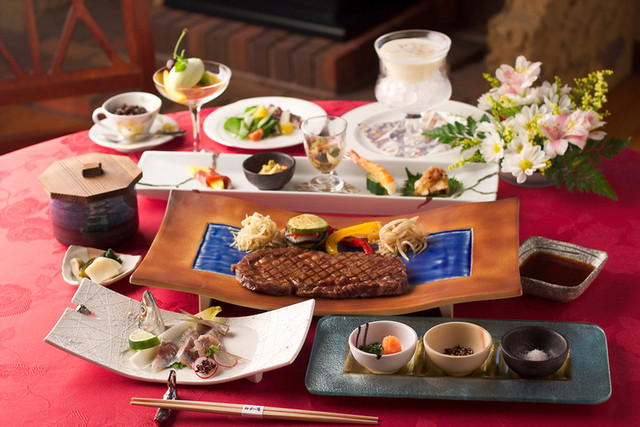
Given the regional context, the dining experience at venues of this type in Nagato is more likely to reflect a set-menu or course format tied to seasonal catch than an à la carte structure. Japanese coastal restaurants at this scale frequently operate omakase-adjacent formats where the kitchen decides based on the morning's market, a model that removes some of the friction of ordering in a second language but also means flexibility is limited once seated. Visitors with dietary restrictions should communicate these well in advance, again ideally through a local intermediary.
Placing Unyu in the Wider Scene
EP Club's coverage of Japan extends from high-density urban counters to regional venues where the culinary argument is made through terroir and tradition rather than through awards infrastructure. Restaurant Unyu sits in the latter category, alongside entries such as 一本木 石川割烹 in Nanao and 羽黒屋 in Nishikawa Machi, both of which operate in smaller Japanese cities where the dining identity is shaped more by geography than by metropolitan competition. The comparison with venues like Le Bernardin in New York City or Atomix in New York City is useful not as a quality benchmark but as a reminder of how differently the same emphasis on seafood and technique can be packaged and communicated across different markets.
For visitors building a Yamaguchi itinerary, pairing a visit to Nagato with the established dining scene in Hagi, covered separately in EP Club's Restaurant Hagi entry, gives a reasonable cross-section of how the prefecture's coastal and inland food cultures differ. The full regional picture is mapped in our full 長門市 restaurants guide.
Additional EP Club coverage of regional Japanese venues includes 古代山乃幸 in Sapporo, 湖魚庵 in Takashima, Birdland in Sakai, Bistro Ange in Toyohashi, Blue Ocean Steak in Nakagami District, bodai in 那智勝浦町, and Cafe Naoshima Konichiwa in Naoshima, which together illustrate the range of serious dining available outside Japan's headline cities.
Planning Your Visit
Is Restaurant Unyu child-friendly?
Nagato's dining venues tend toward a quieter, more contemplative register than urban family-oriented restaurants. If Restaurant Unyu operates a set-course format, as is common for serious coastal kitchens in this part of Yamaguchi, the structure and pace may suit older children or adults travelling without young children more naturally.
Is Restaurant Unyu formal or casual?
That typically means a respectful, composed atmosphere rather than a strict dress code, but it is not a casual drop-in environment. Nagato's scale and the regional dining culture suggest a mid-register experience, neither the high ceremony of a Kyoto kaiseki counter nor the easy informality of a Tokyo izakaya.
at Restaurant Unyu?
Within the regional context, Yamaguchi's coastal proximity means that seafood, and fugu in season, would represent the strongest argument for the kitchen's sourcing advantage. Venues in this part of the San-in coast typically build their offering around what the morning's catch and the prefecture's agricultural calendar provide. A set-course format, if offered, is likely to reflect that logic more coherently than selecting individual dishes.
How hard is it to get a table at Restaurant Unyu?
Nagato is not a high-traffic destination by Japan's tourist circuit standards, which typically means that reservation pressure is lower than at comparable venues in Kyoto, Tokyo, or Osaka. However, smaller regional restaurants often have limited covers and may not maintain online booking infrastructure, making early direct contact, ideally with local assistance, the more reliable approach than assuming availability on arrival.
Does Restaurant Unyu reflect Yamaguchi's fugu tradition?
Yamaguchi Prefecture, and Shimonoseki in particular, accounts for a substantial share of Japan's fugu trade, and the fish carries strong regional identity across the prefecture's coastal dining culture. Visitors with a particular interest in fugu should enquire directly about seasonal availability and the restaurant's specific sourcing approach.
Frequently asked questions
Is Restaurant Unyu child-friendly?
Nagato sits outside Japan's main tourist circuits, and restaurants in the area tend toward a quieter, unhurried register rather than the family-oriented energy of urban dining districts. The city's coastal setting and pace make it more suited to older children comfortable with a slower meal.
Is Restaurant Unyu formal or casual?
Nagato is a small city in Yamaguchi Prefecture, and dining formality in the region typically tracks with whether a venue operates a set course or à la carte format, neither of which is confirmed for Unyu at this time. Regional Japanese restaurants at this latitude often observe attentive but unpretentious service standards. Dressing neatly is a reasonable baseline for any sit-down dinner in this part of Yamaguchi.
Is Restaurant Unyu worth a detour from Shimonoseki or Hagi?
Nagato sits between Hagi to the east and the Shimonoseki-Kitakyushu corridor to the west, making it a logical stop on a Yamaguchi coastal route rather than a standalone destination for most travellers. Restaurant Unyu represents the kind of regional venue where the culinary argument is made through local sourcing and proximity to the Sea of Japan rather than through awards infrastructure. For anyone already tracing Yamaguchi's northern coast, Nagato warrants a meal stop.
What's the best thing to order at Restaurant Unyu?
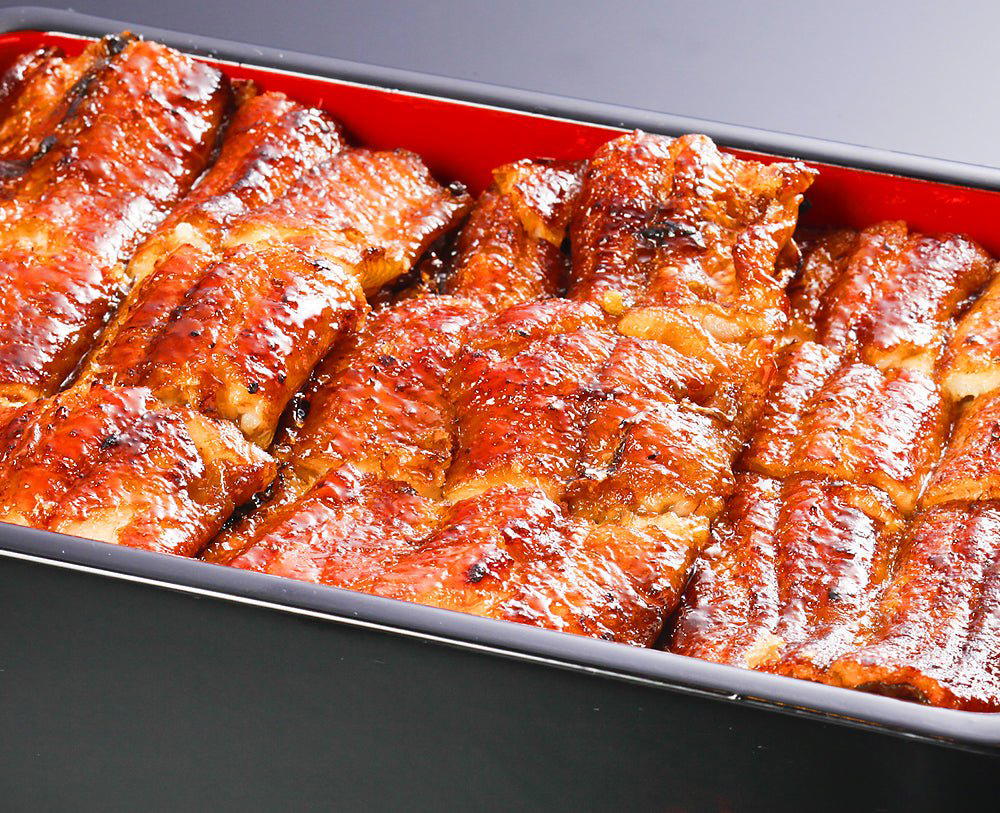
Specific menu data for Unyu is not available, but Yamaguchi Prefecture carries one of Japan's strongest regional identities for fugu, with Shimonoseki handling the majority of the national trade, and that culinary gravity extends across the prefecture. Coastal proximity in Nagato also points toward Sea of Japan seafood as a natural focus.
What part of town is Restaurant Unyu in?
Restaurant Unyu is located at 長門市, 山口県, 759-4103, 長門市.
How hard is it to get a table at Restaurant Unyu?
Nagato does not draw the volume of visitors that complicates bookings in Kyoto or Tokyo, so walk-in or short-notice reservations are plausible by comparison. That said, smaller regional venues in Japan often have limited covers, and a single set-course format can fill quickly on weekends. Contacting the restaurant directly remains the most reliable approach, as no online booking infrastructure is confirmed for Unyu.
Budget Reality Check
| Venue | Cuisine | Price | Awards | Notes |
|---|---|---|---|---|
| Restaurant UnyuThis venue (the venue you are viewing) | Japanese Cuisine | Not listed | Not listed | Not listed |
| HAJIME | Avant-Garde Japanese Fine Dining | $300–500 | 3 Michelin Stars · World's 50 Best #83 | French, Innovative |
| Harutaka | Edo-Style Omakase Sushi | $200–300 | 3 Michelin Stars · World's 50 Best #76 | Sushi |
| L'Effervescence | Modern French with Japanese Influences | $200–300 | 3 Michelin Stars · World's 50 Best #69 | French |
| RyuGin | Modern Kaiseki | $500+ | 3 Michelin Stars · World's 50 Best #41 | Kaiseki, Japanese |
| Crony | Modern French with Japanese Influences | $150–200 | 2 Michelin Stars · World's 50 Best #34 | Innovative, French |
Continue exploring
More in Nagato
Details
- Elegant
- Intimate
- Date Night
- Special Occasion
- Private Dining
- Hotel Restaurant
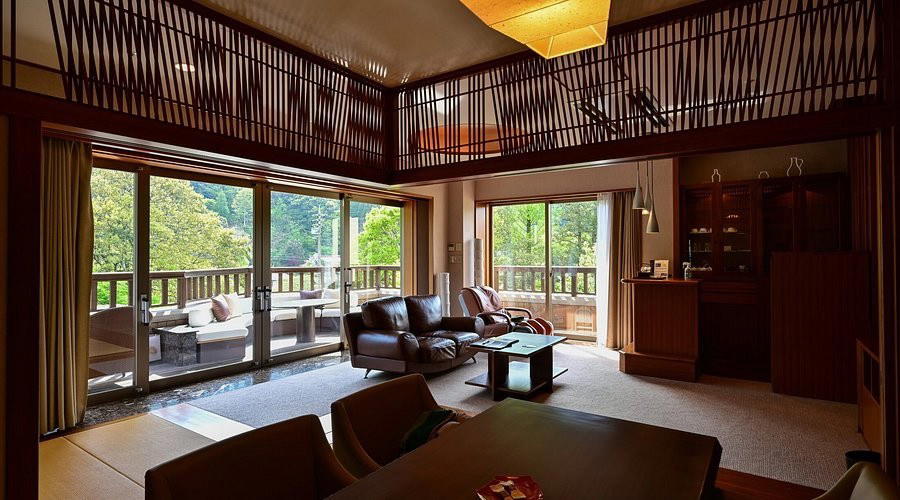
Refined and quiet, with a private-room ryokan dining atmosphere rather than a casual restaurant setting.