teppan sakaba hitojiman

Tabelog 100 #74
Our verdict
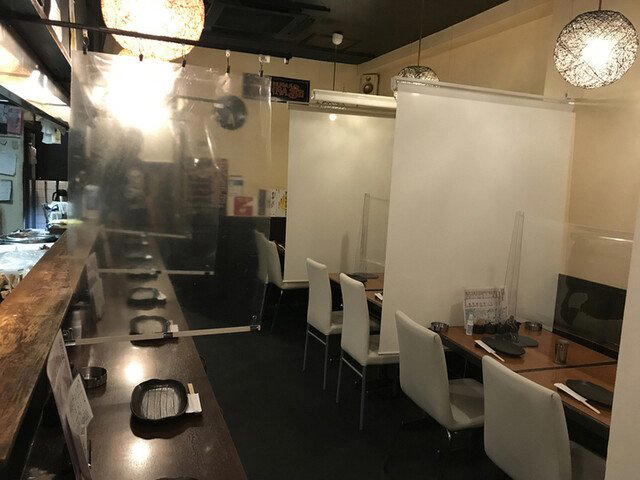
A compact teppan izakaya in Kokuraminami-ku, teppan sakaba hitojiman belongs to Kitakyushu’s more local, grill-led dining register rather than the city’s destination sushi or ramen circuit. Its Tabelog 100 selections for Izakaya WEST 2025 and Okonomiyaki 2022–2023 point to a room where griddle cooking, okonomiyaki, monjayaki, and drinks sit in the same casual evening frame.

Pearl is the En Primeur Club membership app — saves, bookings, and concierge access live there. Same editors, same standards.
The menu
What to order
- Jiman Special okonomiyaki
- Osaka-style okonomiyaki
- Monjayaki
The appeal begins with the practical promise of a local tavern: an easy dinner rhythm, food and drink taken together, and enough flexibility for families, friends, or after-work groups. Kitakyushu’s dining identity often gets flattened into ramen, market seafood, and station convenience, yet the city’s stronger local meals are frequently smaller and more practical: relaxed ordering, a social pace, and rooms that serve everyday dining with care. In that context, teppan sakaba hitojiman reads less like a special-occasion restaurant than a polished example of the everyday izakaya form.
That distinction matters. Izakaya cooking in Japan is not one cuisine but a service rhythm: drinking food, shared plates, and pace. A focused tavern setting narrows that rhythm around casual ordering and the way a table builds a meal in stages. The category can be treated too casually by travellers, but here the recognition trail is clear enough to take seriously: Tabelog Hyakumeiten for Izakaya WEST in 2025, with a listed dinner budget of JPY 3,000 - JPY 3,999 and a Tabelog score of 3.55. That recognition does not turn the place into formal dining; it underlines how seriously Japan’s review culture can treat modest formats when execution is consistent.
Izakaya culture gives Kitakyushu dining a sharper focus
Ingredient sourcing and kitchen priorities are not always announced through luxury labels. In an izakaya setting, they show up in balance: food that supports drinking rather than overwhelms it, seasoning that keeps the table moving, and pacing that lets a meal build in stages. A tavern format asks for its own grammar, because timing, texture, and serving rhythm matter as much as individual dishes. The useful point is not to force the restaurant into a grand category, but to see how a compact local format can still carry serious attention.
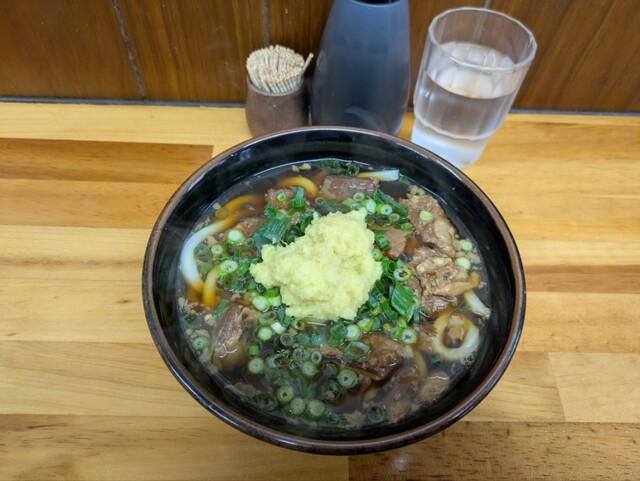
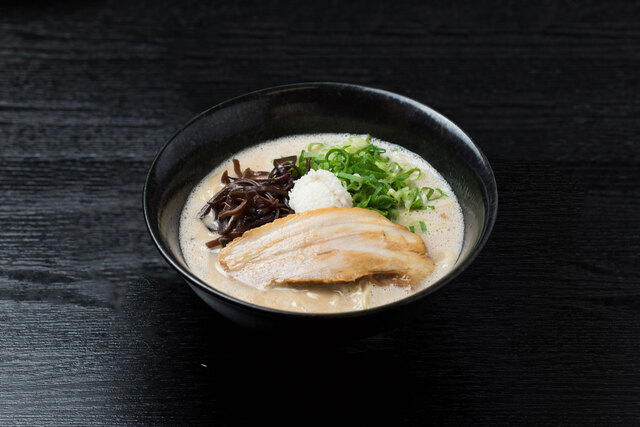
Kitakyushu has several dining lanes worth separating. Gyoran Tei Honten belongs to the ramen current; Imanami Udon reflects the city’s everyday noodle economy; other local specialists show how focused rooms can anchor a dining itinerary without needing ceremony. Against that spread, this izakaya fills a different need: a dinner built around drinks, shared ordering, and an easy tavern rhythm rather than a single bowl or formal sequence.
The format supports that reading. Rather than presenting itself as a destination for luxury dining, teppan sakaba hitojiman sits in the practical tavern register, with the public category listed as Izakaya. The draw is the combination of category clarity and ease: a room where ordering can stay flexible, the meal can remain social, and the stop can feel local without requiring a long tasting-menu commitment. That is often where Kitakyushu is most rewarding.
The scene is casual, but the recognition is not casual
Japan’s Tabelog Hyakumeiten lists reward depth in categories that international guides often compress. For a traveller used to Michelin-style hierarchies, the signal is different: a 2025 Izakaya WEST selection places the restaurant among notable western-Japan tavern formats, while the published score of 3.55 and dinner range of JPY 3,000 - JPY 3,999 give useful context for expectations. The useful inference is not luxury. It is category confidence.
This is also where Kitakyushu rewards readers who plan beyond the most obvious checklist. Kitakyushu is not one single dining proposition, and the choice between convenience, specialization, and local rhythm matters. The city asks for a more deliberate evening when the goal is a specific room rather than the nearest meal, and that tends to filter the audience toward locals, repeat diners, and visitors actively chasing regional food rather than convenience alone. The city’s broader restaurant map still helps frame the decision: use Our full Kitakyushu restaurants guide for dinner planning, then pair the meal with Our full Kitakyushu hotels guide, Our full Kitakyushu bars guide, Our full Kitakyushu wineries guide, or Our full Kitakyushu experiences guide depending on how much time the city gets in the itinerary.
The better comparison is not with grand counters, but with specialist casual rooms where a narrow format earns disproportionate attention. Kitakyushu has enough range for that idea to make sense: some meals are built around noodles, some around sushi, some around tavern cooking, and others around unnamed local specialties that reward closer attention. The common thread is not cuisine type; it is a focused proposition that makes sense without ceremony.
Who should put this on a Kitakyushu itinerary
This is a strong fit for travellers who want the social side of Japanese dining without giving up a clear food reason for the stop. Casual tavern cooking is often treated as filler between larger reservations, but in a serious local setting it becomes a useful test of balance, seasoning, and rhythm. The izakaya format also lowers the barrier for visitors who want a relaxed meal without needing to decode a more formal sequence.
The better order strategy is to think in categories rather than chase unverified named dishes: start with the house’s izakaya identity, add drinking food around it, and choose beverages according to the pace of the table. The listed dinner range keeps expectations in mid-range territory rather than high-end dining. For groups, the key is flexibility: this is the kind of place to approach as an izakaya first, with the food, drink, and room working together.
For readers building a wider Japan file, the same logic applies to compact specialists elsewhere: modest rooms can matter when the proposition is clear and the execution earns local attention. In Kitakyushu, that means reading teppan sakaba hitojiman alongside other focused dining rather than treating it as a generic stop. teppan sakaba hitojiman belongs in that practical, specialist tier: modest in posture, clear in category, and more useful to understand Kitakyushu than another generic central-city dinner.
Frequently asked questions
Is teppan sakaba hitojiman a family-friendly restaurant?
The public ground truth identifies teppan sakaba hitojiman as an izakaya in Kitakyushu, with a dinner price range of JPY 3,000 - JPY 3,999. Check the venue's official channels for the latest details.
How would you describe the vibe at teppan sakaba hitojiman?
It reads as a casual izakaya in Kitakyushu, with Tabelog Hyakumeiten recognition for Izakaya WEST in 2025 giving the restaurant extra category weight. Expect a practical tavern register rather than a high-end formal dining frame.
Is teppan sakaba hitojiman more mid-range or high-end?
Pricing at teppan sakaba hitojiman is listed as JPY 3,000 - JPY 3,999.
What is teppan sakaba hitojiman known for?
teppan sakaba hitojiman is known as an izakaya in Kitakyushu, with Tabelog Hyakumeiten recognition for Izakaya WEST in 2025.
In Context: Similar Options
Comparable venues by cuisine and price in the same metro.
| Venue | Cuisine | Price | Awards | Notes |
|---|---|---|---|---|
| teppan sakaba hitojimanThis venue (the venue you are viewing) | Teppan izakaya with okonomiyaki & monjayaki | $30–50 | Tabelog 100 #74 | Not listed |
| Kurosaki Inakaan Hibiya | Japanese Unagi (Eel) | Not listed | Tabelog 100 #68 | Kurosaki |
| 江戸前鮨 二鶴 | Edomae Sushi | $150–200 | Tabelog 100 #73 | Kitakyushu |
| Sushi Morita (もり田) | Kyushu-mae Sushi | $50–100 | Not listed | Kokurakita-ku |
| Inakaan (田舎庵 小倉本店) | Traditional Japanese Unagi | $30–50 | Not listed | Kokurakita-ku |
| Sushi Asauumi | Traditional Edomae-Style Sushi Omakase | $100–150 | Tabelog 100 #53 | Kokurakita-ku |
Recognition history
Dated appearances from independent guides and award organizations, with the underlying list record or original source where available.
Tabelog 100 #74 · No. 74
Tabelog · Tabelog 100 - Izakaya - WEST - 2025
Continue exploring
More in Kitakyushu
Details
- Cozy
- Lively
- Modern
- Intimate
- Casual Hangout
- After Work
- Group Dining
- Family
- Solo
- Celebration
- Open Kitchen
- Standalone
- Sake Program
- Beer Program
- Craft Cocktails
- A La Carte
- Small Plates
- Counter Dining
- Sake
- Shochu
- Beer
- Cocktails
Small, non‑smoking teppan tavern with a stylish but relaxed feel, counter and table seating, and an energetic, cozy atmosphere suited to casual drinks and shared plates.