Restaurant Tight
Our verdict
Restaurant Tight occupies a compact address on Hyskenstræde in central Copenhagen, operating within a city where multi-course tasting menus have become a serious local institution rather than an occasional luxury. The address places it inside walking distance of the medieval canal district, and the format aligns it with a generation of Copenhagen restaurants that treat the progression of a meal as the primary architectural element of the evening.

Pearl is the En Primeur Club membership app, where members save venues, book tables and use the concierge.

The menu
What to order
- BBQ back ribs
- Rillette of crab salmon and shrimps
- Surf ’n’ Turf
A Street in the Old City, a Format Built on Sequence
Hyskenstræde is one of those short Copenhagen streets that tourists walk past without stopping, tucked between the broader pedestrian energy of Strøget and the quieter canal-facing blocks of the medieval quarter. The address, number 10, is not designed to announce itself. That restraint is, in Copenhagen's current dining culture, a positioning statement in itself. The city's most serious tasting-menu restaurants have largely abandoned the ornamental entry, the towering floral arrangements, the theatrical door. What they offer instead is an immediate transition: street to room, city noise to the particular silence of a kitchen-focused space where the meal is already underway.
Restaurant Tight operates within that tradition. The name implies compression, of space, of concept, of the gap between kitchen intention and table experience. In a city where Geranium has spent years refining the idea of a complete, self-contained meal as aesthetic object, and where Noma built a global argument for hyperlocal sourcing as narrative structure, a newer address on a minor street carries a specific kind of pressure: to justify its place in a sequence that diners already know how to read.
The Architecture of a Copenhagen Tasting Menu
The multi-course tasting format arrived in Copenhagen partly through Nordic chauvinism, the conviction that regional ingredients, applied with technique, could produce meals that held attention across two or three hours, and partly through the practical economics of small kitchens. A fixed menu allows a kitchen to control waste, to sequence flavours with precision, and to build a narrative that a carte-style service cannot sustain. By the mid-2010s, that logic had spread far beyond the headline addresses. It filtered into neighbourhood restaurants, into wine-bar formats, into the kind of small rooms that seat fewer than thirty people and operate four nights a week by design.
Restaurant Tight sits within that broader diffusion. The format places it in a peer group that includes Kadeau, which built its reputation on Bornholm island produce expressed through a tightly controlled progression, and Koan, which introduced a kaiseki-inflected sequencing logic into the New Nordic conversation. What these rooms share is a belief that the meal's arc, from opening snack through middle courses to a dessert sequence, constitutes the dining experience more completely than any single dish within it.
That sequencing discipline is harder to execute than it appears. Pacing across ten or twelve courses requires the kitchen to anticipate fatigue, to manage fat and acid in relation to what came before, to know when to deploy something light and when a richer, slower course can be sustained without losing the table's attention. The restaurants in Copenhagen that have built sustained reputations, Alchemist with its fifty-course theatrical structure, Jordnær in Gentofte with its classical French foundation applied to Nordic produce, have each found a distinct answer to that problem. The newer entrants are still finding theirs.
Copenhagen's Tasting-Menu Tier and Where Tight Sits
Copenhagen's tasting-menu market has stratified considerably since 2015. At the upper end, prices at three-Michelin-star level now run comparable to equivalent counters in London or New York, a shift that reflects both the city's global reputation and the cost structure of ambitious Nordic kitchens, where seasonality drives sourcing costs and small teams command premium wages. Below that tier, a second band of restaurants offers comparable ambition at a lower price point, often with shorter menus, smaller rooms, and more personal service ratios.
Internationally, the comparison point for this format is clearer than it might seem. Le Bernardin in New York City represents one version of long-form tasting discipline applied through classical French structure; Atomix, also in New York, demonstrates how a Korean culinary logic can generate a tasting progression that carries equivalent intellectual weight. Copenhagen's contribution to this conversation has been to insist that New Nordic sourcing and seasonal discipline can produce the same quality of arc without borrowing either the French or the East Asian structural framework.
That argument continues across the Danish restaurant scene, not only in the capital. Frederikshøj in Aarhus, Henne Kirkeby Kro in Henne, LYST in Vejle, and Alimentum in Aalborg are each working through their own version of the same question: what does a serious multi-course meal look like when it is built for a room of thirty people rather than three hundred, and when it draws on produce from a specific and demanding Northern European climate? Addresses like ARO in Odense, Domæne in Herning, Dragsholm Slot Gourmet in Hørve, Frederiksminde in Præstø, and MOTA in Nykøbing Sjælland have each built local versions of an answer. Restaurant Tight, operating from a central Copenhagen address, enters that conversation with the advantage of proximity to the city's leading produce networks and the disadvantage of a comparison set that includes some of the most discussed restaurants in Europe.
Reading the Room on Hyskenstræde
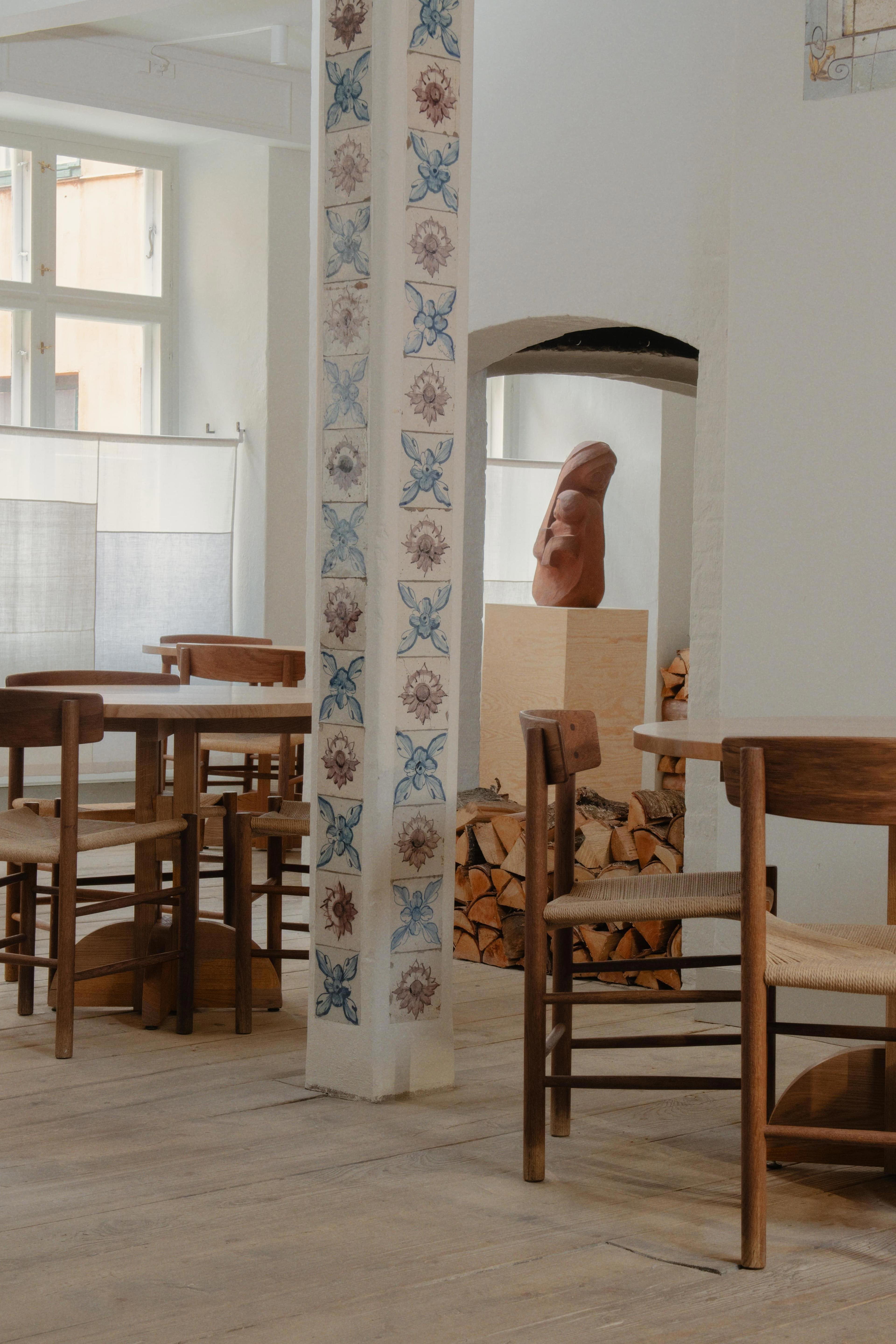
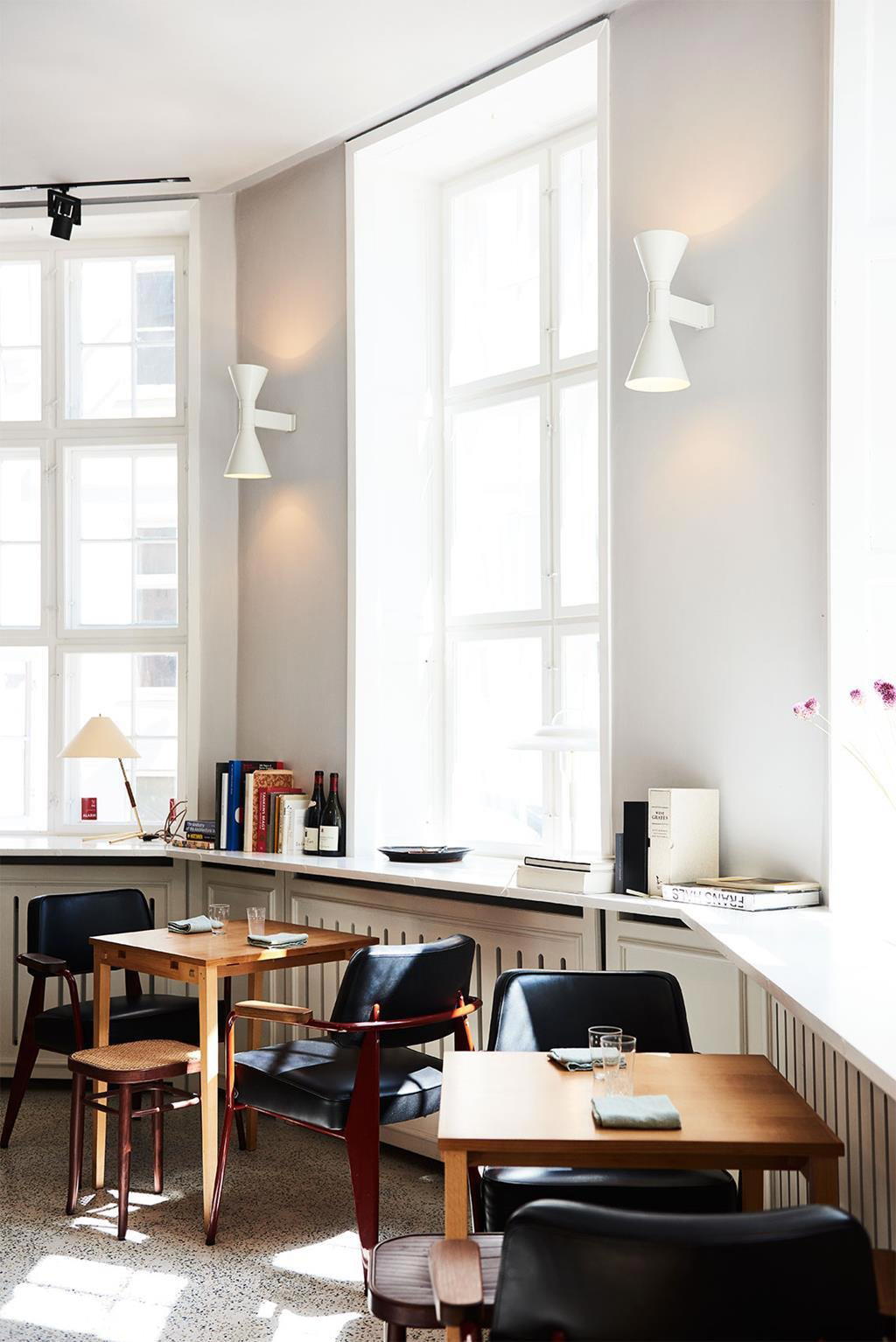
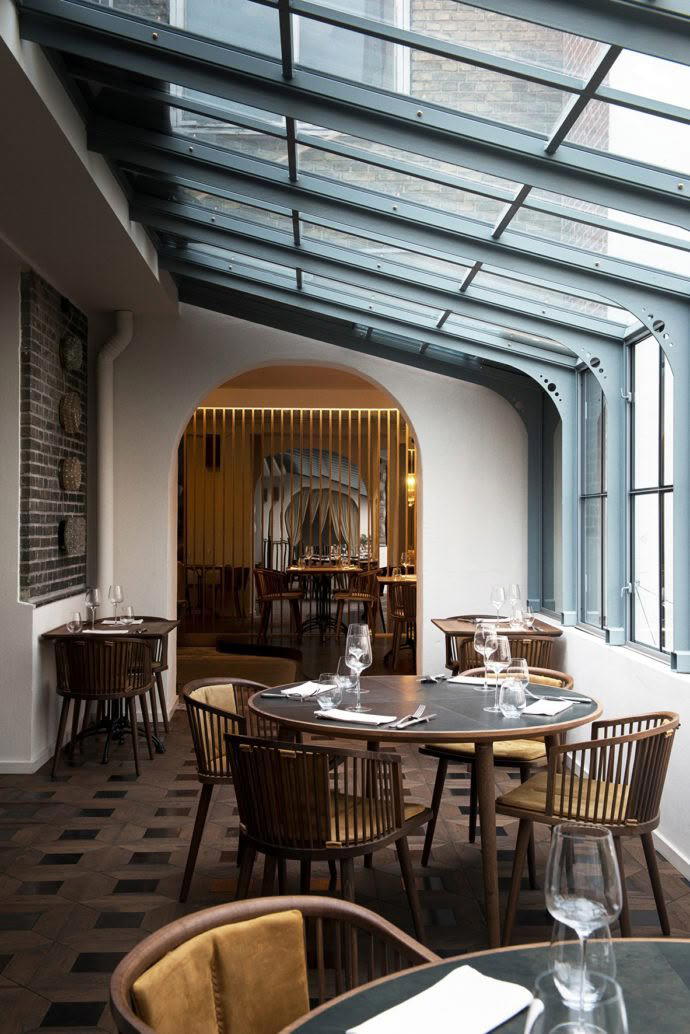
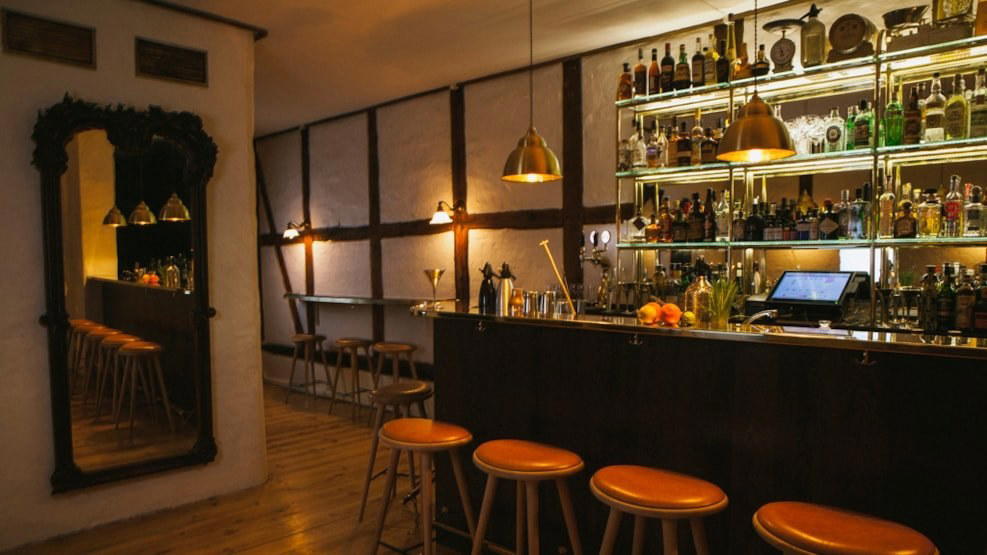
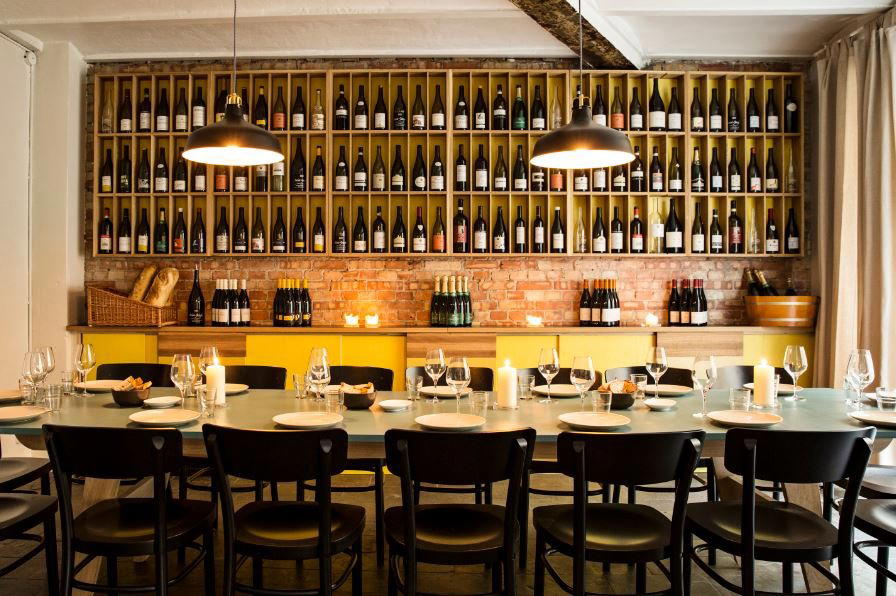
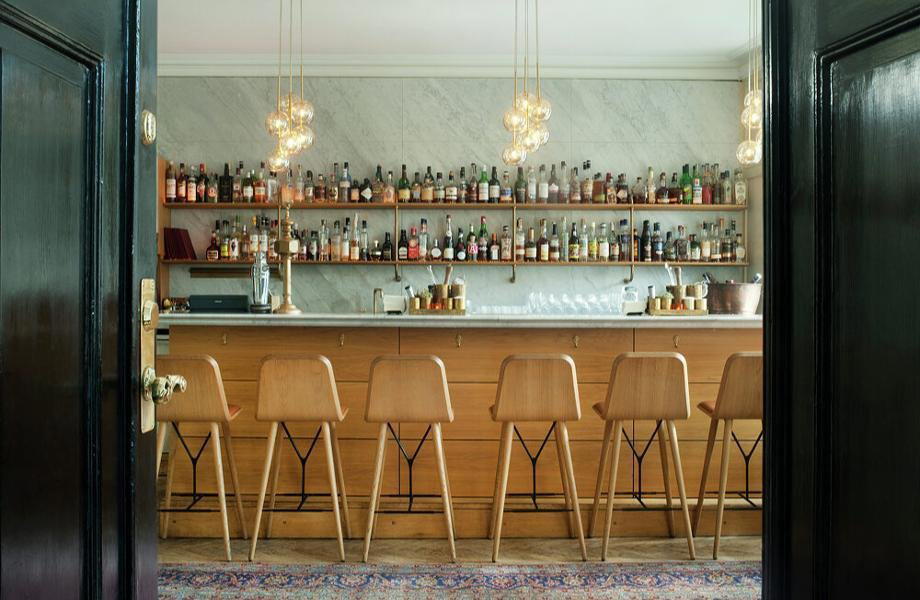
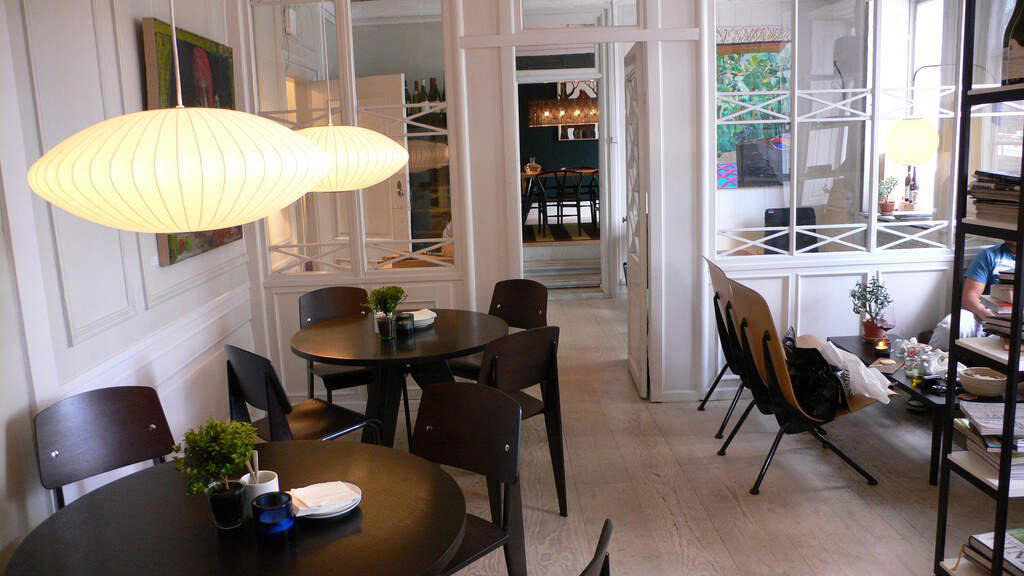
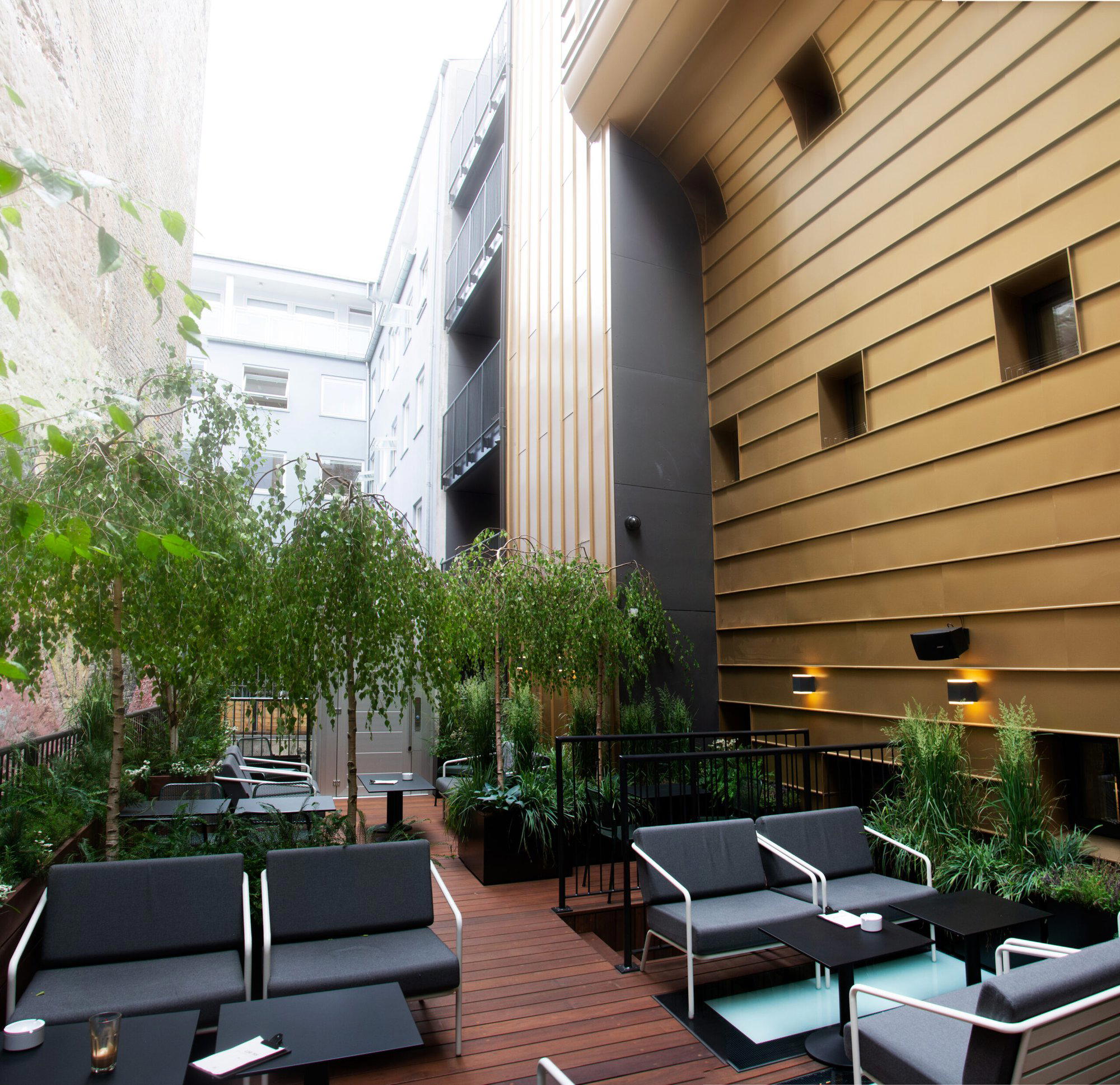
The physical reality of a small Copenhagen tasting-menu restaurant tends to be consistent in certain ways: stone or wood underfoot, natural materials on the table, lighting calibrated to flatten the distinction between the plate and the room so that neither overwhelms the other. These are not accidents of taste but practical responses to the format. A meal that unfolds over two and a half hours in a small room requires an environment that does not compete with the food for attention at the beginning and does not exhaust the diner by the middle.
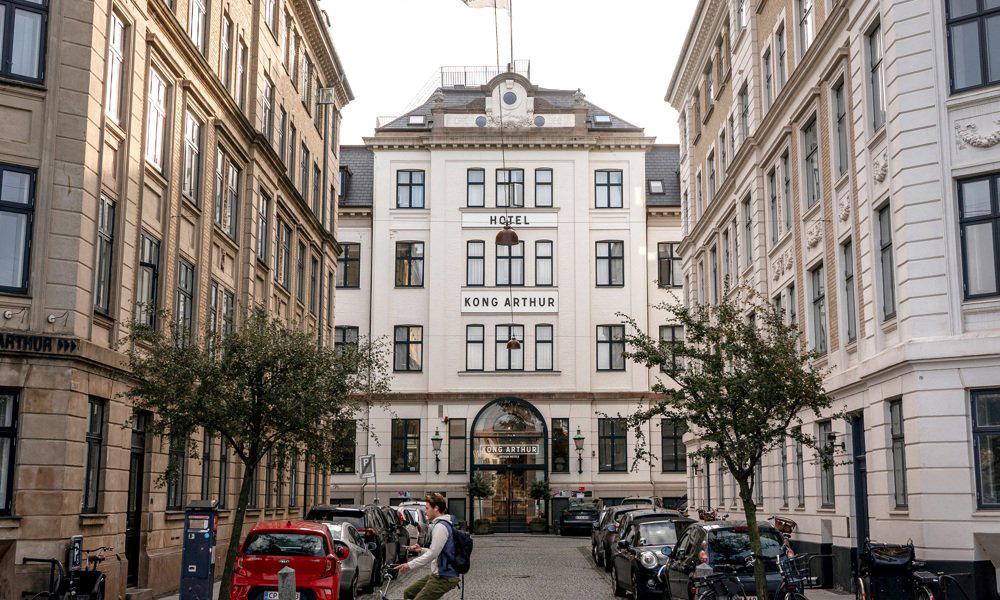
Hyskenstræde 10 sits in a part of the city where that kind of restraint reads naturally against the neighbourhood's own character. The medieval street grid in this district does not make room for large gestures. The buildings are narrow, the interiors tend to run deep rather than wide, and the street-level presence is often a single door with a small sign. That physical context means that Restaurant Tight's compression is not an affectation but a response to where it is.
For a fuller account of how the Copenhagen restaurant scene distributes across price points and formats, our complete Copenhagen restaurants guide maps the city's dining options from neighbourhood bistros to the multi-Michelin tier.
Know Before You Go
- Address: Hyskenstræde 10, 1207 København, Denmark
- Format: Tasting menu; specific course count and duration
- Booking: Booking method not confirmed; advance reservation recommended for any Copenhagen tasting-menu room at this address tier
- Hours:, verify before visiting
- Getting There: Central Copenhagen location; accessible on foot from both Kongens Nytorv and Nørreport metro stations
Frequently asked questions
What's Restaurant Tight's location?
Restaurant Tight is located at Hyskenstræde 10, 1207 København, Denmark, Copenhagen.
Is Restaurant Tight in Copenhagen suitable for a solo diner?
Copenhagen's smaller tasting-menu rooms, including those on streets like Hyskenstræde in the old city, tend to seat guests at individual covers or counter positions that accommodate solo diners without awkwardness. Restaurant Tight's compact format is consistent with this pattern, though no seating configuration is formally documented. Checking availability directly at Hyskenstræde 10 before booking is advisable for solo reservations.
What's the signature dish at Restaurant Tight?
Restaurant Tight does not publish a fixed signature dish, which is consistent with the tasting-menu format common to Copenhagen's structured dining tier. The kitchen at Hyskenstræde 10 works through a sequence of courses rather than anchoring the menu around a single plate.
Do they take walk-ins at Restaurant Tight?
Walk-in availability at a small Copenhagen tasting-menu restaurant on Hyskenstræde is unlikely without advance booking, given the fixed-sequence format that requires precise seat counts. No walk-in policy is formally published for Restaurant Tight. Contacting the venue directly through current reservation channels is the reliable approach before arriving without a booking.
What's the defining dish or idea at Restaurant Tight?
The defining idea at Restaurant Tight is the sequence itself. Copenhagen's tasting-menu restaurants in this tier build their identity around the architecture of a meal rather than a single standout plate, and Tight's address on Hyskenstræde, a short street between the pedestrian energy of the old city, frames an experience built on progression and format. No individual dish is documented as a signature; the course structure is the concept.
Comparison Snapshot
Comparable venues nearby, for context on price, style, and recognition.
| Venue | Cuisine | Price | Notes |
|---|---|---|---|
| Restaurant TightThis venue (the venue you are viewing) | Nordic with International Influences | $30–50 | Not listed |
| Hallernes Smørrebrød | Traditional Danish Smørrebrød | $20–30 | Indre By |
| Inferno | Cocktail Bar | Not listed | Vesterbro-Kongens Enghave |
| Restaurant Klubben | Traditional Danish | $30–50 | Vesterbro-Kongens Enghave |
| Peder Oxe | Danish | Not listed | Indre By |