Restaurant Klubben
On Enghavevej in Copenhagen's Vesterbro district, Restaurant Klubben occupies the kind of address that rewards those paying attention to the neighbourhood rather than the award lists. The kitchen works at the intersection of Scandinavian produce and continental technique, placing it within a broader Copenhagen tradition of grounding imported methods in indigenous ingredients. Reservations are advisable for evening sittings.
 Discover on Pearl
Pearl is the En Primeur Club membership app — saves, bookings, and concierge access live there. Same editors, same standards.
- Address
- Enghavevej 4, 1674 København, Denmark
- Phone
- +45 33 31 40 15
- Website
- restaurant-klubben.dk
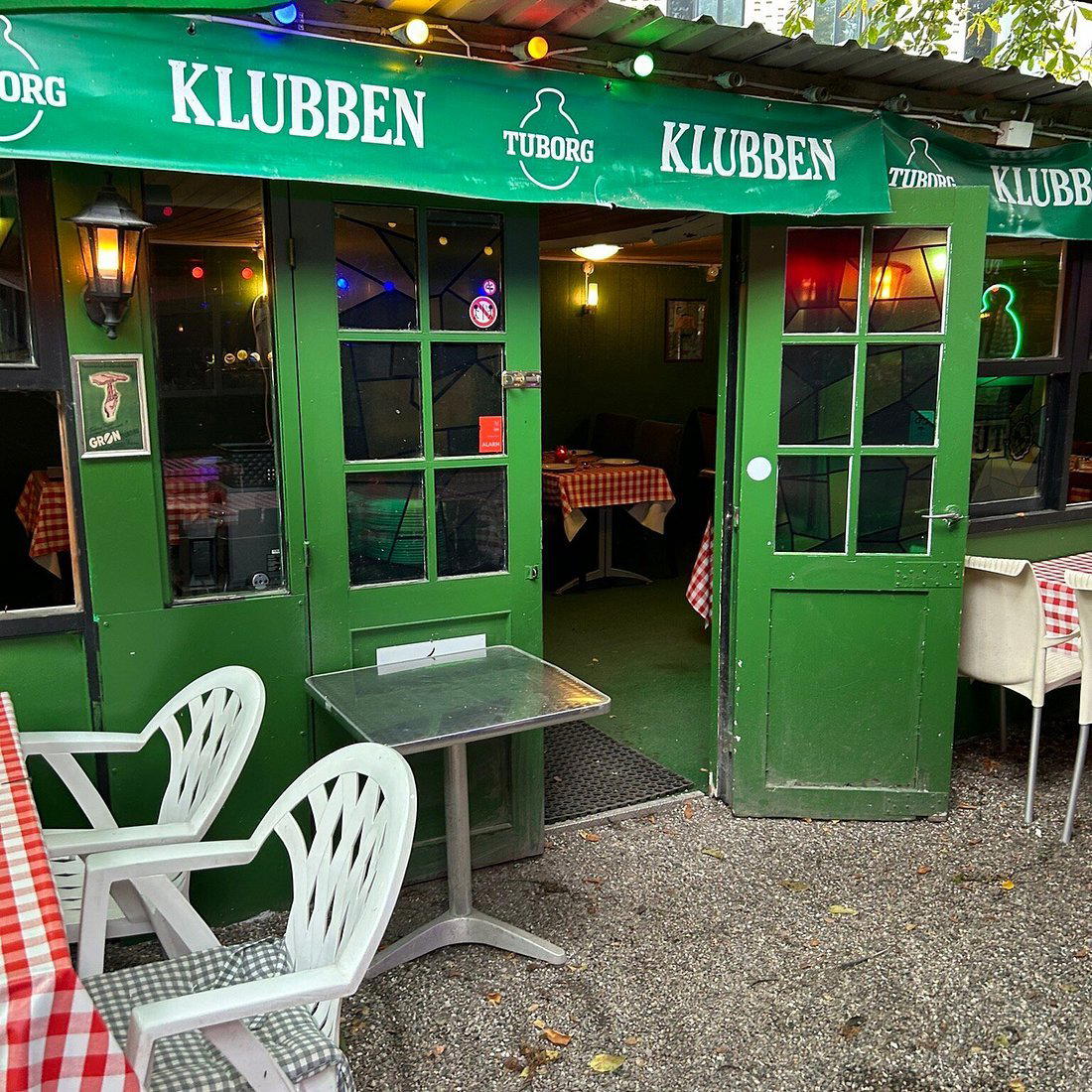
Where Vesterbro Meets the Table
Enghavevej runs through one of Copenhagen's more honestly urban stretches, a corridor where the city's working past and its present appetite for serious eating coexist without much self-consciousness. Vesterbro shed its rougher identity incrementally over the past two decades, and what emerged is a neighbourhood comfortable with contradiction: butchers beside natural wine bars, old social clubs beside focused restaurant projects. Restaurant Klubben is a traditional Danish restaurant at Enghavevej 4, 1674 København, Denmark, with a Google rating of 4.0 from 1,743 reviews and an average spend of about $35 per person. This is not the Copenhagen of Geranium or Alchemist, where theatre and international attention are baked into the format. It is closer to a neighbourhood institution, the kind of place a city actually needs if it is going to sustain a dining culture beyond its headline acts.
The Intersection of Local Produce and Imported Method
Copenhagen's restaurant conversation has been shaped for fifteen years by the New Nordic movement, a framework that began at Noma and spread through the city's kitchen culture with remarkable consistency. What that framework produced, at its most useful, was a generation of cooks who learned to ask what Danish soil, Danish coastline, and Danish seasons actually yield before reaching for a technique. The question Restaurant Klubben puts forward sits in that tradition, though the register is different from the tasting-menu formalism of Kadeau or the cross-cultural precision of Koan.
The broader pattern across Copenhagen's mid-tier and neighbourhood restaurants is one of technique imported from classical European training, then redirected toward ingredients that would have been unremarkable a generation ago: coastal herbs, root vegetables, cured fish, foraged elements from the Danish countryside. Kitchens operating in this mode are not making a statement about terroir in the way a Burgundy producer might. They are simply working with what arrives, and arriving at something coherent. That coherence is the story worth following on Enghavevej.
This approach has regional parallels worth mapping. Henne Kirkeby Kro in Henne applies similar logic in a rural inn format on Jutland's west coast. Dragsholm Slot Gourmet in Hørve does it inside a historic castle on Zealand, with a kitchen garden that shortens the distance between soil and plate to near zero. Frederikshøj in Aarhus and LYST in Vejle extend the conversation to Jutland's larger cities. What these kitchens share is a disposition toward Danish produce treated with technique that has no fixed national origin. The tools are wherever the cooks trained; the material is determinedly local.
Vesterbro in Context
Understanding what Restaurant Klubben offers requires understanding what Vesterbro has become as a dining neighbourhood. The district sits immediately west of the central station, accessible from most of Copenhagen's hotels within fifteen to twenty minutes on foot or by metro. Its restaurant density is high and its price range is wider than the city's more tourist-facing areas. You can spend carefully here or you can spend seriously, and the room next door to an affordable lunch spot might house a kitchen running a focused evening menu with genuine ambition.
That proximity matters. Vesterbro is not a monoculture. It is not the concentration of international destination restaurants you find in the inner city, nor the purely residential neighbourhood feel of Frederiksberg. It occupies middle ground, which means a place like Restaurant Klubben competes on neighbourhood loyalty and food quality simultaneously, without the safety net of a Michelin listing drawing visitors from abroad. That competitive pressure tends to produce honest cooking.
For broader orientation on where Restaurant Klubben sits within the city's dining geography, our full Copenhagen restaurants guide maps the capital's key districts and price tiers in detail.
The Wider Danish Table
Placing Restaurant Klubben within the national conversation requires acknowledging how dispersed serious Danish cooking has become. Copenhagen holds the density and the international names, but the provinces have produced their own kitchens worth tracking. Jordnær in Gentofte, just north of the capital, has accumulated two Michelin stars and operates in a different register entirely. Further afield, Ti Trin Ned in Fredericia, Tri in Agger, Pearl by Paul Proffitt in Kruså, Syttende in Sønderborg, and Frederiksminde in Præstø each represent a version of Danish restaurant ambition operating outside the capital's spotlight. What connects them is not style but disposition: an investment in place, in season, and in the specific ingredients that Danish geography makes available.
The international framing is also worth considering. The global conversation about local-ingredient, imported-technique kitchens runs from Le Bernardin in New York City, where classical French rigour is applied to Atlantic seafood with clinical precision, to communal-format projects like Lazy Bear in San Francisco, where the technique is American fine dining and the ingredient story is Californian. Copenhagen's contribution to that global pattern has been to apply New Nordic methodology to a specific and demanding climate, producing a cuisine that is seasonal almost by necessity rather than by choice.
Planning Your Visit
Restaurant Klubben is at Enghavevej 4, 1674 Copenhagen, in the Vesterbro district. Vesterbro is a short walk from Copenhagen Central Station and well served by bus routes along the main arterial streets. Current hours run Monday through Saturday from 11:30 AM to 11 PM and Sunday from 11:30 AM to 9 PM. Reservations are recommended. Booking ahead is recommended.
Recognition Snapshot
Comparable venues nearby, for context on price, style, and recognition.
| Venue | Cuisine | Price | Awards | Notes |
|---|---|---|---|---|
| Restaurant KlubbenThis venue — the venue you are viewing | Traditional Danish | $$ | , | |
| Københavner Cafeen | Traditional Danish Smørrebrød | $$ | , | Indre By |
| Slotskælderen Gitte Kik | Traditional Danish Smørrebrød | $$ | , | Indre By |
| Brønnum | Cocktail Bar | $$ | , | Indre By |
| The Flatiron | Danish with International Influences | $$ | , | Nørrebro |
| Restaurant Kronborg | Traditional Danish Smørrebrød | $$ | , | Indre By |
Continue exploring
More in Copenhagen
Restaurants in Copenhagen
Browse all →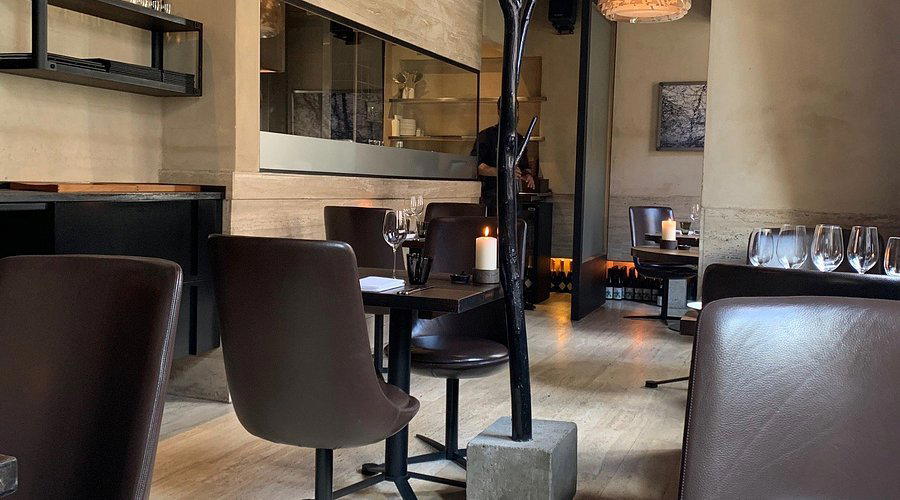
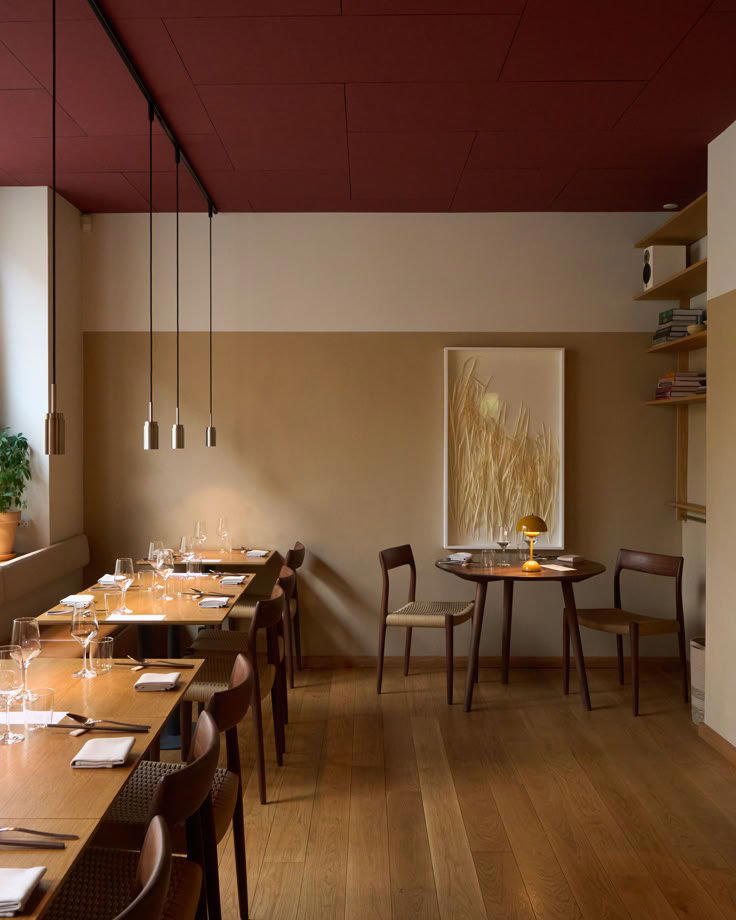
Bars in Copenhagen
Browse all →
At a Glance
- Classic
- Cozy
- Rustic
- Iconic
- Casual Hangout
- Group Dining
- Family
- After Work
- Standalone
- Beer Program
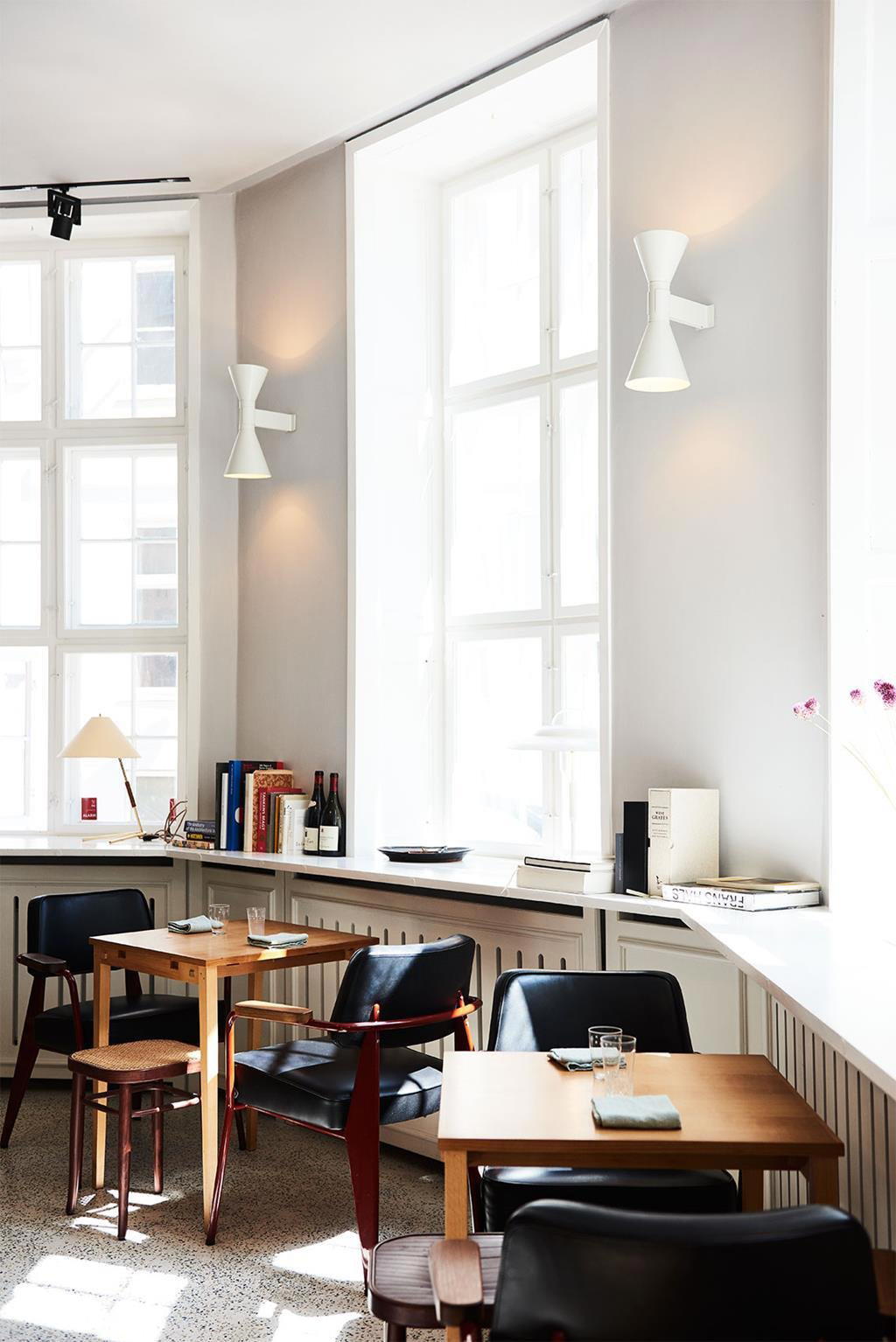
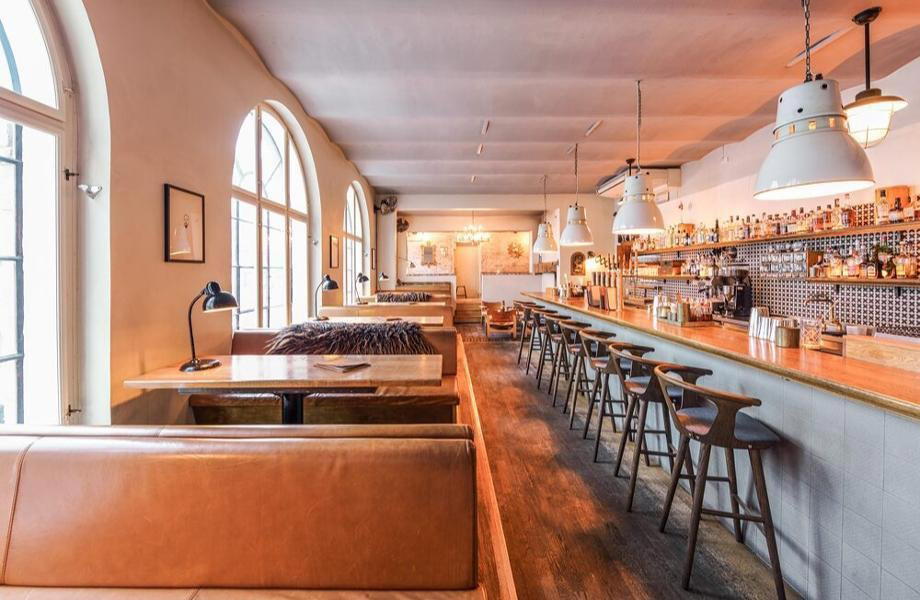
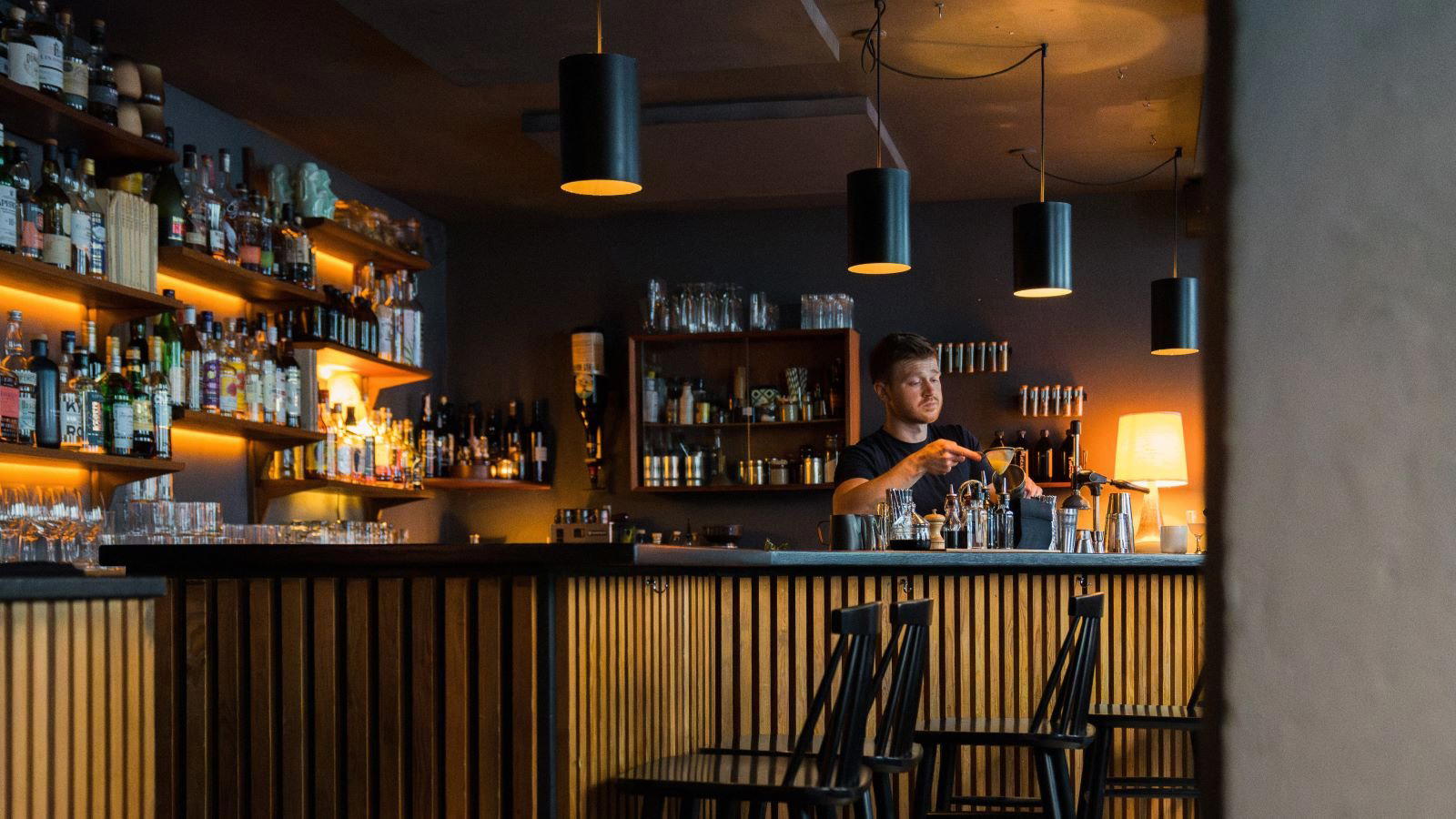
Traditional and local with classic decor; relaxed and informal atmosphere with a focus on comfort over polish.