Peder Oxe
Our verdict
This listing is retired after a June 2026 status audit.

The menu
What to order
- Smørrebrød
- Poached plaice
- Beef tartare
Gråbrødretorv and the Square That Sets the Scene
Copenhagen's dining map divides sharply between the tasting-menu avant-garde and the kind of room where you can eat well without committing three hours and a four-figure bill. Gråbrødretorv sits firmly in the second category's most atmospheric setting. The square, named after the Grey Friars who built a monastery here in the thirteenth century, is one of the few corners of the medieval city that retained its human scale after centuries of fire, rebuilding, and modernisation. The cobblestones, the pale ochre and terracotta facades, the sense that the proportions were set before the automobile, all of it creates a context that few Copenhagen dining rooms can claim. Peder Oxe has occupied this address at number 11 long enough to be considered part of the square's identity rather than a tenant of it.
That relationship between room and setting matters when you consider how the restaurant positions itself against the rest of Copenhagen's offer. Geranium and Alchemist operate in a register where the room, the experience, and the meal form a single designed argument. Noma built its influence by insisting that Danish ingredients, rigorously sourced and radically reinterpreted, could carry a global conversation. Peder Oxe does not make that argument. It makes a different one: that a well-run room in a medieval square, serving food that connects to Danish and northern European tradition without requiring you to decode it, is its own form of value. That argument has held across a long run in a city where restaurants at every level turn over quickly.
Menu Architecture: Straightforwardness as a Structural Choice
The way a menu is built tells you more about a restaurant's actual identity than any stated philosophy. Copenhagen's dominant tasting-menu format, as practised at Kadeau or Koan, is a linear sequence in which the kitchen controls pace, portion, and progression. The diner surrenders choice in exchange for a complete editorial vision. Peder Oxe's menu operates on the opposite logic. An à la carte structure means you compose your own meal from a set of options, which puts the emphasis on individual dishes rather than cumulative arc.
In practical terms, this shifts attention to the classics that anchor the list. The restaurant is closely associated with its steaks and its salad bar, a format that has become rare in European fine-casual dining but which survives here as something close to a signature. A salad bar in 2025 reads as an anachronism in most contexts, but at the restaurant it functions as a statement of continuity rather than nostalgia. Regulars return for it specifically, which is the clearest signal that a menu element has earned its place rather than simply persisted through inertia. The meat-focused sections of the menu reflect the Danish tradition of quality beef and game, positioned within the broader Nordic emphasis on produce integrity that runs across price tiers from the restaurant up through the Michelin bracket.
That bracket now includes a dense concentration of recognised addresses across Denmark. Beyond Copenhagen, Jordnær in Gentofte, Frederikshøj in Aarhus, and Henne Kirkeby Kro in Henne each represent the tasting-menu tier in their respective cities and regions. The restaurant's position is deliberately outside that comparable set, closer in spirit to the bistro and brasserie tradition than to the progression-led fine dining that has come to define Danish cooking internationally. It is also more accessible in direct sense: you can walk in from the square without a booking on many evenings, which is close to impossible at the addresses above.
Copenhagen in Context: Where This Room Fits
The New Nordic movement reshaped how Copenhagen's dining scene is perceived internationally, but it did not replace the city's appetite for uncomplicated European cooking in rooms with genuine atmosphere. What the restaurant represents is a category that persists across most major northern European cities: the reliable historic-address restaurant where the building's age and the square's character do substantial work, and the kitchen is asked to support rather than transcend that context. Peer examples in other Danish cities include Alimentum in Aalborg, ARO in Odense, and LYST in Vejle, each occupying a specific local position that is partly about food and partly about place. Further afield in Denmark, Domæne in Herning, Dragsholm Slot Gourmet in Hørve, Frederiksminde in Præstø, and MOTA in Nykøbing Sjælland demonstrate that quality Danish cooking now extends well beyond the capital, though Copenhagen remains the densest concentration.
For visitors arriving with time for only a handful of meals, the allocation question is real. If the priority is the New Nordic progression format at its most ambitious, the capital's Michelin addresses are the clear answer, and If the priority shifts toward something more operational, a lunch that doesn't require advance planning, a dinner with a view of the square's summer tables, a room where Danish and broadly European food is cooked with consistency, then the restaurant belongs in a different part of the same itinerary. The two registers serve different moments in a stay.
Internationally, the question of what format sits between the bistro and the tasting-menu destination is one that dining cities handle differently. New York has institutionalised it through places like Le Bernardin, where the prix-fixe format occupies a middle tier, or concept-led addresses like Atomix, which bring tasting-menu rigour to a Korean-inflected kitchen. Copenhagen's answer to that middle register looks different: it runs through the historic squares and the neighbourhood brasseries rather than through the converted industrial spaces that anchor the tasting-menu scene.
Know Before You Go
| Address | Gråbrødretorv 11, 1154 Copenhagen, Denmark |
|---|---|
| Getting There | Gråbrødretorv is a short walk from Nørreport station, which connects the S-tog, Metro, and multiple bus lines. |
| Booking | |
| Ideal time to visit | |
| comparable set | For the tasting-menu tier in Copenhagen, see Geranium, Noma, Alchemist, Kadeau, and Koan. The restaurant operates at a different price point and with a different format, making it a complement rather than an alternative to those addresses. |
Frequently asked questions
Where is Peder Oxe located?
Peder Oxe is located at Gråbrødretorv 11, 1154 København, Denmark.
Is Peder Oxe a good option for dining near Copenhagen's city centre without a set tasting menu?
Yes. Located at Gråbrødretorv 11 in central Copenhagen, Peder Oxe is one of the few established rooms in that part of the city where à la carte or shorter formats remain the structural norm rather than the exception. For visitors staying near the Latin Quarter or Strøget who want a full dinner without committing to a multi-hour progression, this address is worth noting. Peder Oxe is in price tier 2, with an estimated spend of about $35 per person.
What do regulars order at Peder Oxe?
Peder Oxe built its following on the kind of Danish kitchen staples that Copenhagen's tasting-menu circuit has largely moved past: grilled meats, open-faced preparations, and direct seasonal produce. The menu is structured around dishes that repeat well rather than surprise, which is precisely why the room fills with locals rather than first-time tourists chasing novelty. Regulars often come for grilled meats, open-faced preparations, and direct seasonal produce.
Do I need a reservation for Peder Oxe?
Gråbrødretorv 11 sits on one of Copenhagen's most frequented medieval squares, which means foot traffic is high and walk-in competition real, particularly on weekend evenings. Booking ahead is the reliable approach; Reservations are recommended.
What is Peder Oxe known for?
Peder Oxe occupies a specific position in Copenhagen's dining map: a room that prioritises approachable Danish cooking over the extended tasting formats that define the city's internationally recognised restaurants. Its address on Gråbrødretorv places it in the historic core of the city, and its identity is built on accessibility rather than spectacle. That positioning has kept it relevant as the wider Copenhagen scene has moved toward increasingly ambitious and expensive formats.
Cost Snapshot
Comparable venues nearby, for context on price, style, and recognition.
| Venue | Cuisine | Price | Notes |
|---|---|---|---|
| Peder OxeThis venue (the venue you are viewing) | Danish | Not listed | Not listed |
| Restaurant Klubben | Traditional Danish | $30–50 | Vesterbro-Kongens Enghave, Traditional Danish |
| Alle Tiders | Modern Danish Cafeteria | Not listed | Vesterbro-Kongens Enghave, Modern Danish Cafeteria |
| Madklubben Vesterbro | Multicultural Danish-Inspired | $20–30 | Vesterbro-Kongens Enghave, Multicultural Danish-Inspired |
| 1105 Copenhagen | Cocktail Bar | $20–30 | Indre By, Cocktail Bar |
| Restaurant Kronborg | Traditional Danish Smørrebrød | $30–50 | Indre By, Traditional Danish Smørrebrød |
Continue exploring
More in Copenhagen
Restaurants in Copenhagen
All restaurants in Copenhagen →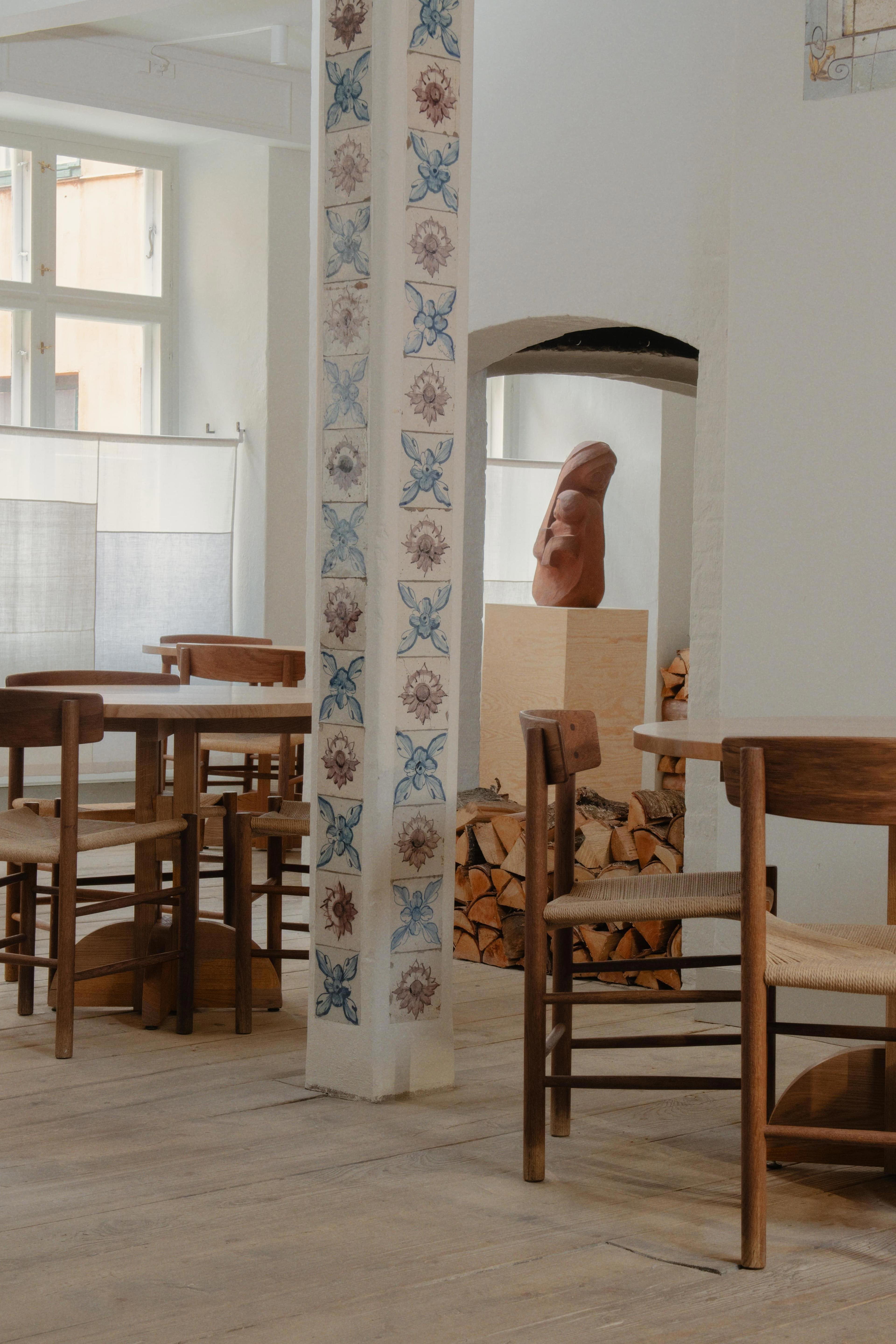
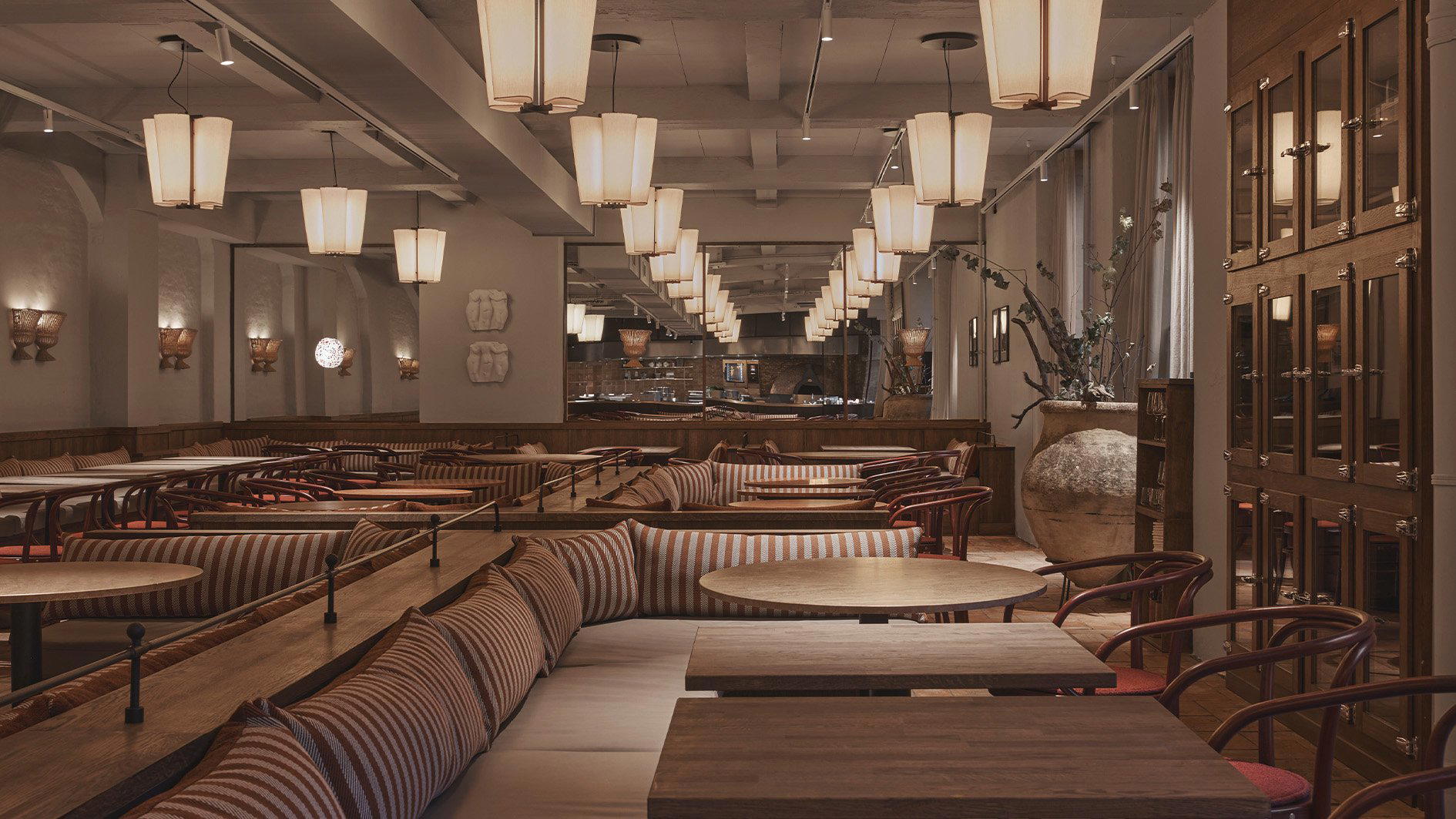
Bars in Copenhagen
All bars in Copenhagen →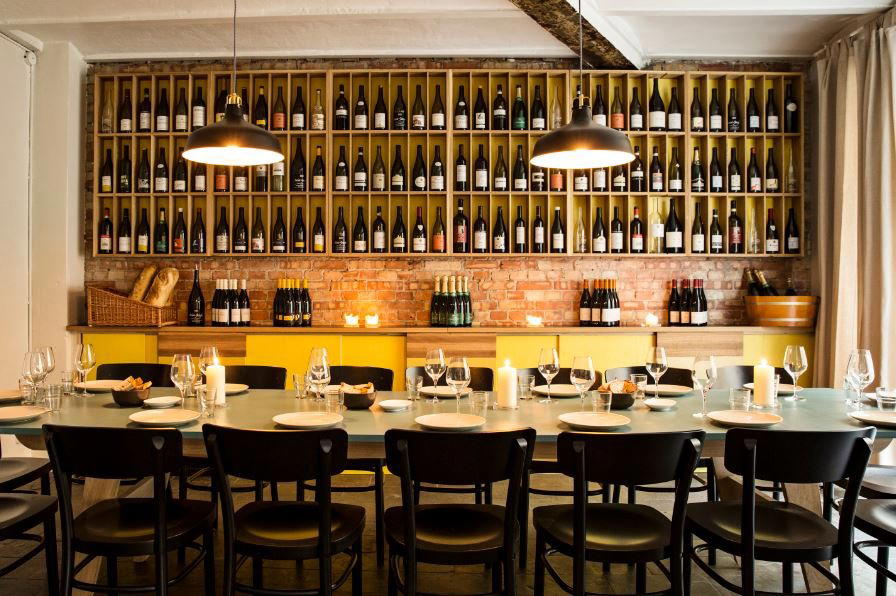
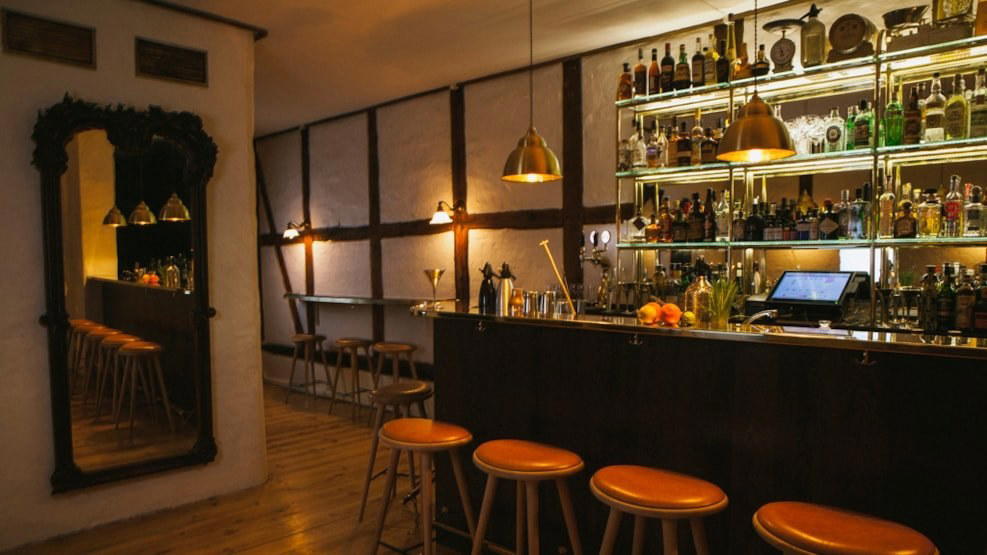
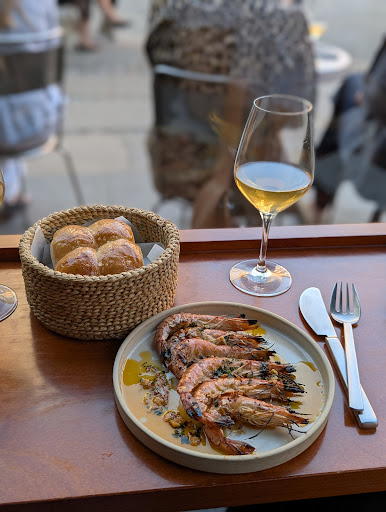

Details
- Cozy
- Rustic
- Whimsical
- Family
- Group Dining
- Casual Hangout
- Terrace
- Historic Building
- Extensive Wine List
- Local Sourcing
- Street Scene
- A La Carte
- Small Plates
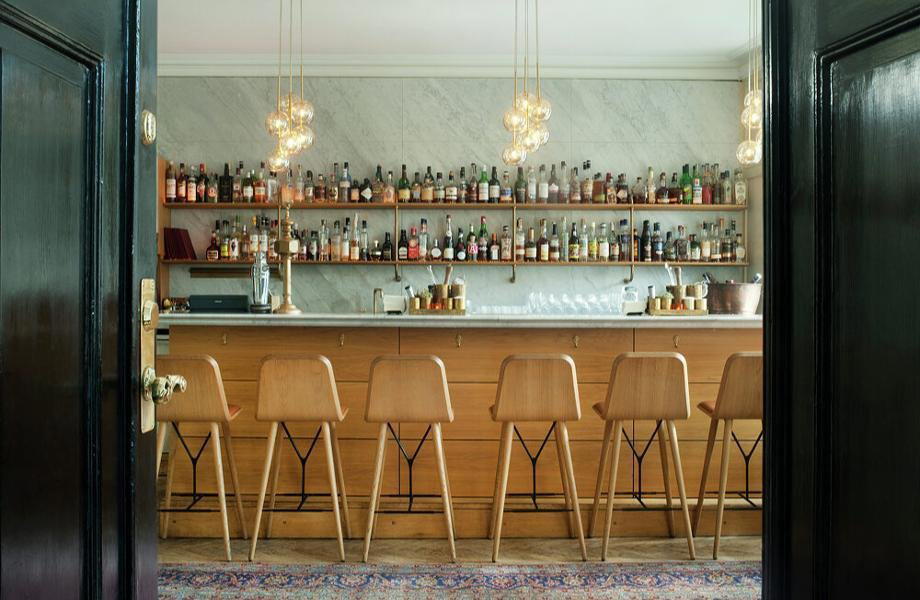
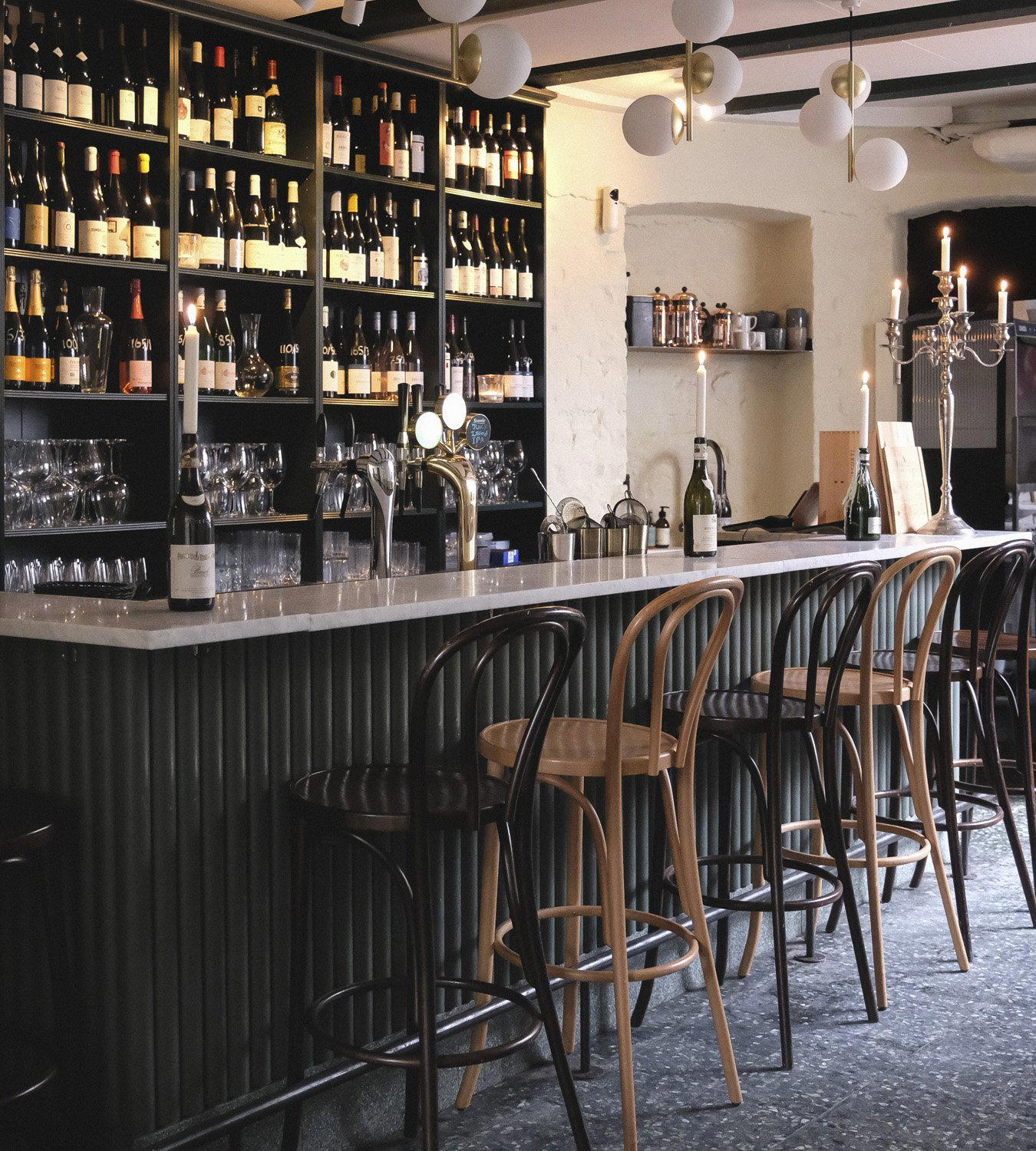
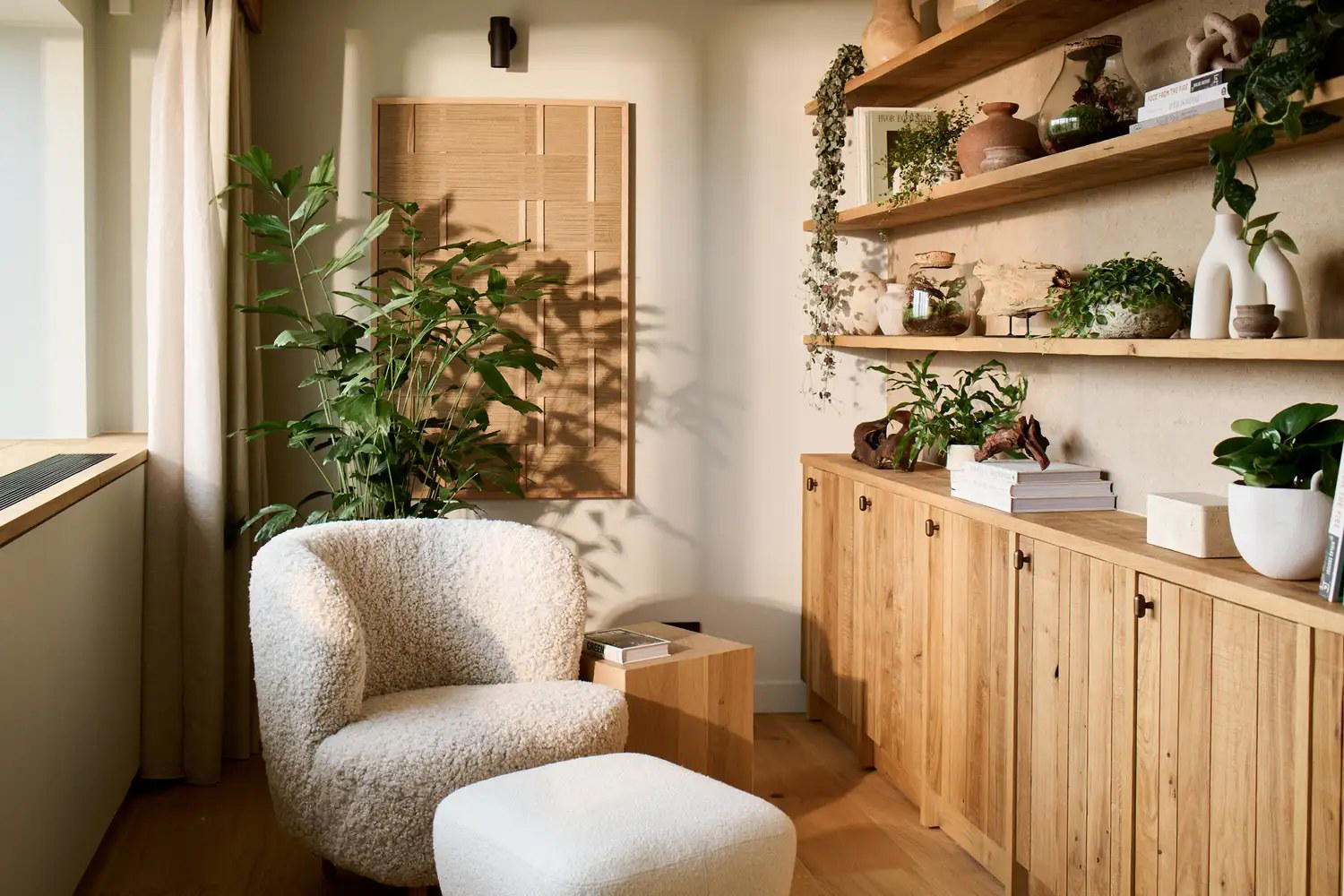
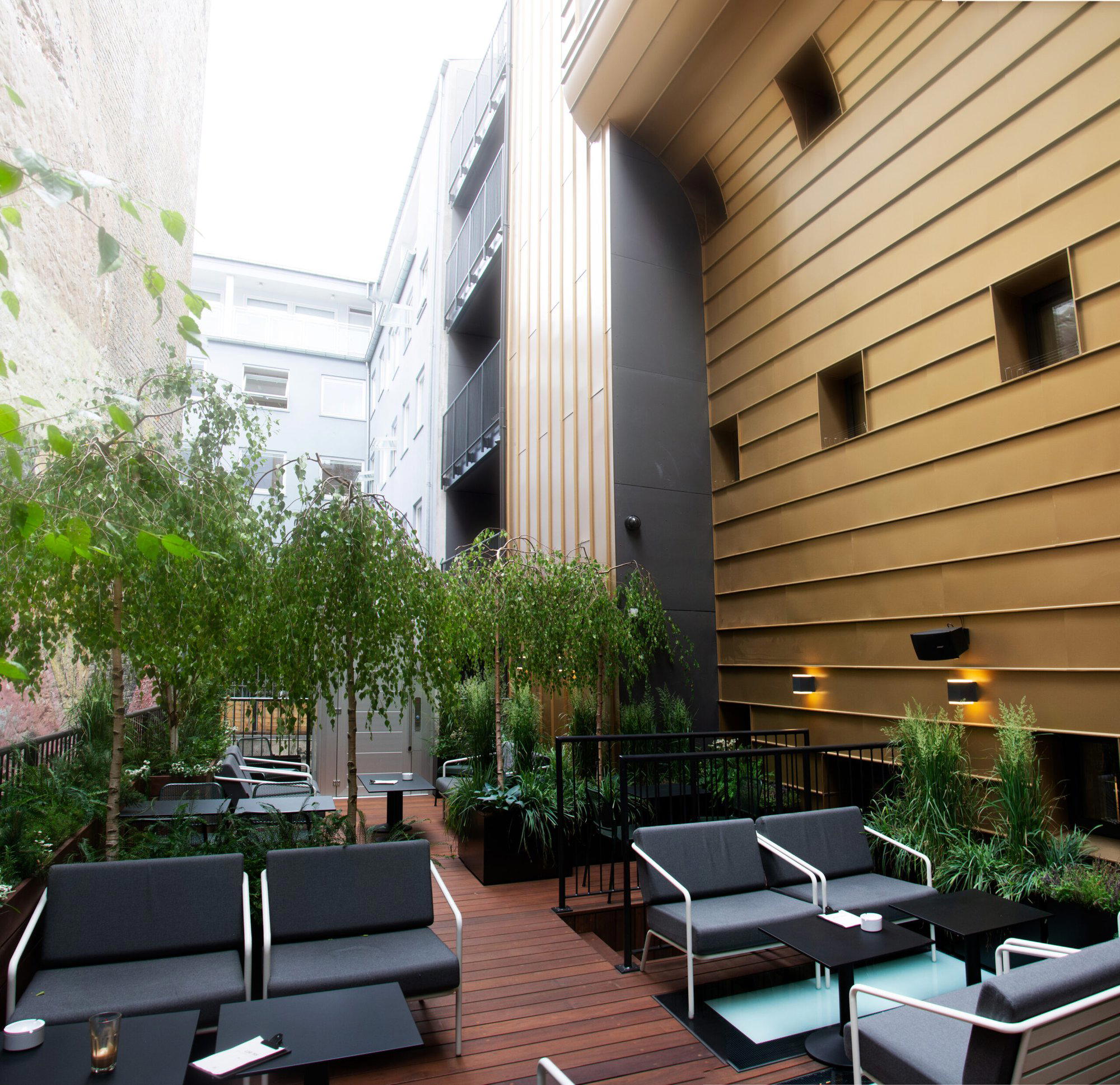
Cozy rustic interior with warm fire, clean white decor, and a lively family-friendly atmosphere.