

ARO earned its first Michelin star in 2025, bringing serious fine dining credentials to Odense's peripheral industrial edge. Set inside a converted factory on Østerbro, the restaurant runs a concise seasonal menu that moves between five and seven courses, with drinks pairings available. Chef Ivan Beacco leads a kitchen where seasonal produce drives every decision, and the format balances rustic technique with refined presentation.
Pearl is the En Primeur Club membership app — saves, bookings, and concierge access live there. Same editors, same standards.
- Address
- Østerbro 32, 5000 Odense, Denmark
- Phone
- +45 42 83 23 15
- Website
- restaurant-aro.dk
- Directions
- Get directions
 Saves & bookings on Pearl
A Factory Floor Turned Fine Dining Room
Odense's fine dining scene has historically operated in the long shadow of Copenhagen, where restaurants like Geranium and ambitious projects such as Jordnær in Gentofte have absorbed most of the international attention directed at Danish gastronomy. What that concentration has obscured is a quieter, more considered current running through Denmark's provincial cities, one where a 2025 Michelin star awarded to ARO on Østerbro signals something more than a local achievement. It represents Odense asserting itself as a serious stop on Denmark's fine dining circuit, alongside peers like Frederikshøj in Aarhus and Alimentum in Aalborg.
The physical setting at Østerbro 32 is deliberate and instructive. Old factory buildings on the edges of European cities have become familiar territory for ambitious kitchens, the combination of raw space, low rent, and architectural honesty suits restaurants that want to signal craft over ceremony. ARO uses that language consciously, framing its work around the idea of craftsmen in the workshop. It is a setting that asks you to read the cooking as labour and skill rather than performance, which shapes the entire register of the meal before a single plate arrives.
The Menu Logic
Danish fine dining in the post-Noma years has largely divided into two camps: the maximalist, concept-driven approach seen at Frederiksminde in Præstø or Dragsholm Slot Gourmet, and a more restrained, produce-led model that finds its confidence in seasonal specificity rather than theatrical gesture. ARO belongs firmly in the second camp. The menu is concise by design, a five or seven-course set menu anchors the format, with the option to build your own sequence from seven small plates listed separately. Drinks pairings are available for both set routes.
That structural flexibility is rarer than it sounds at this level. Most one-Michelin-star restaurants at comparable European price points (ARO sits at about $150 per person, a notable position for starred dining in Denmark) operate with a single fixed progression. Giving diners the option to compose their own meal from the small plates list reflects a degree of confidence in each dish as a standalone object, not merely a component in a choreographed arc. It also positions ARO closer to the informal-but-serious register that restaurants like Kadeau Bornholm have cultivated, where rigour in sourcing and technique coexists with an absence of stiffness in format.
The menu's described character, fresh seasonal produce handled in a way that mixes rustic with refined, places it in a tradition that runs through much of provincial Scandinavian fine dining. The rustic element is not a stylistic affectation but a reference to direct sourcing and minimal transformation; the refined element is what separates a Michelin-starred kitchen from a good farmhouse table. Getting that balance right is among the harder calibrations in contemporary Nordic cooking.
Chef Ivan Beacco and the Broader Trajectory
Chef Ivan Beacco leads the kitchen at ARO. In the context of Danish fine dining, the career arc that brings a chef to a provincial city and earns a Michelin star within a defined window is increasingly common, and increasingly deliberate. The restaurants that have built serious reputations outside Copenhagen, from LYST in Vejle to Domæne in Herning, have generally done so because a chef chose a smaller city as a place to build something rather than compete in an oversaturated capital market.
Beacco's presence in Odense fits that pattern. The city offers a tighter competitive field, a loyal local audience for serious dining, and the kind of producer relationships that become difficult to sustain in a city where every leading kitchen is pulling from the same regional supply. The €€ price point ARO occupies also suggests a deliberate positioning: accessible enough to build a regular local base, serious enough in its Michelin-starred format to draw visitors from further afield. That dual audience is what gives provincial fine dining its economic stability in Denmark.
The editorial comparison worth making is across the wider Danish starred tier. ARO at €€ is a different kind of commitment, you are paying for the food and the craft without the resort surcharge, which at the Michelin level is a fairly rare proposition in 2025.
Odense as a Dining City
Odense has spent years trading on its Hans Christian Andersen heritage for tourist traffic while its restaurant scene quietly matured. The city's dining character now runs broader than its fairy-tale reputation suggests. ARO's Michelin recognition in 2025 places it alongside Pasfall in a small cohort of restaurants giving Odense a reason to appear on itineraries built around food rather than cultural tourism alone.
For visitors structuring a Danish trip around table reservations, the practical case for routing through Odense strengthens with each starred arrival.
ARO sits in a conversation about what regional fine dining can achieve when removed from capital-city infrastructure. The model has parallels in Sweden, where Frantzén in Stockholm and its international extension FZN by Björn Frantzén in Dubai demonstrate the reach that a sharply defined culinary identity can generate, though at a different scale and price tier from what ARO is doing in Odense.
Planning Your Visit
ARO is located at Østerbro 32, on the edge of Odense in a converted factory building. The address sits outside the city's central pedestrian zones, which means you are arriving into an industrial perimeter rather than a heritage streetscape, the approach is part of the experience. Reservations are essential. The choice between the five-course and seven-course set menu, or the composed small plates format, is worth considering before you arrive.
Comparison Snapshot
Comparable venues nearby, for context on price, style, and recognition.
| Venue | Cuisine | Price | Awards | Notes |
|---|---|---|---|---|
| AROThis venue — the venue you are viewing | Modern European Fine Dining | $$$$ | Michelin 1 Star | Not listed |
| Kok & Vin | Classic French Bistro | $$$ | Not listed | Odense city center |
| HOS | Modern Danish with French influences | $$$ | Not listed | center |
| Oluf Bagers Gaard | Modern Danish-Nordic with French influences | $$$ | Not listed | central Odense |
| GOMA | Nordic-Japanese Omakase Fusion | $$$ | Not listed | Odense C |
| Den Gamle Kro A/S | Traditional Danish with French Influences | $$$ | Not listed | Odense Old Town |
Recognition history
Dated appearances from independent guides and award organizations, with the underlying list record or original source where available.
Michelin 1 Star
Michelin
White Guide Denmark Restaurants - Masters Level
White Guide
Michelin 1 Star
Michelin
Michelin 1 Star
Michelin
Continue exploring
More in Odense
Restaurants in Odense
Browse all →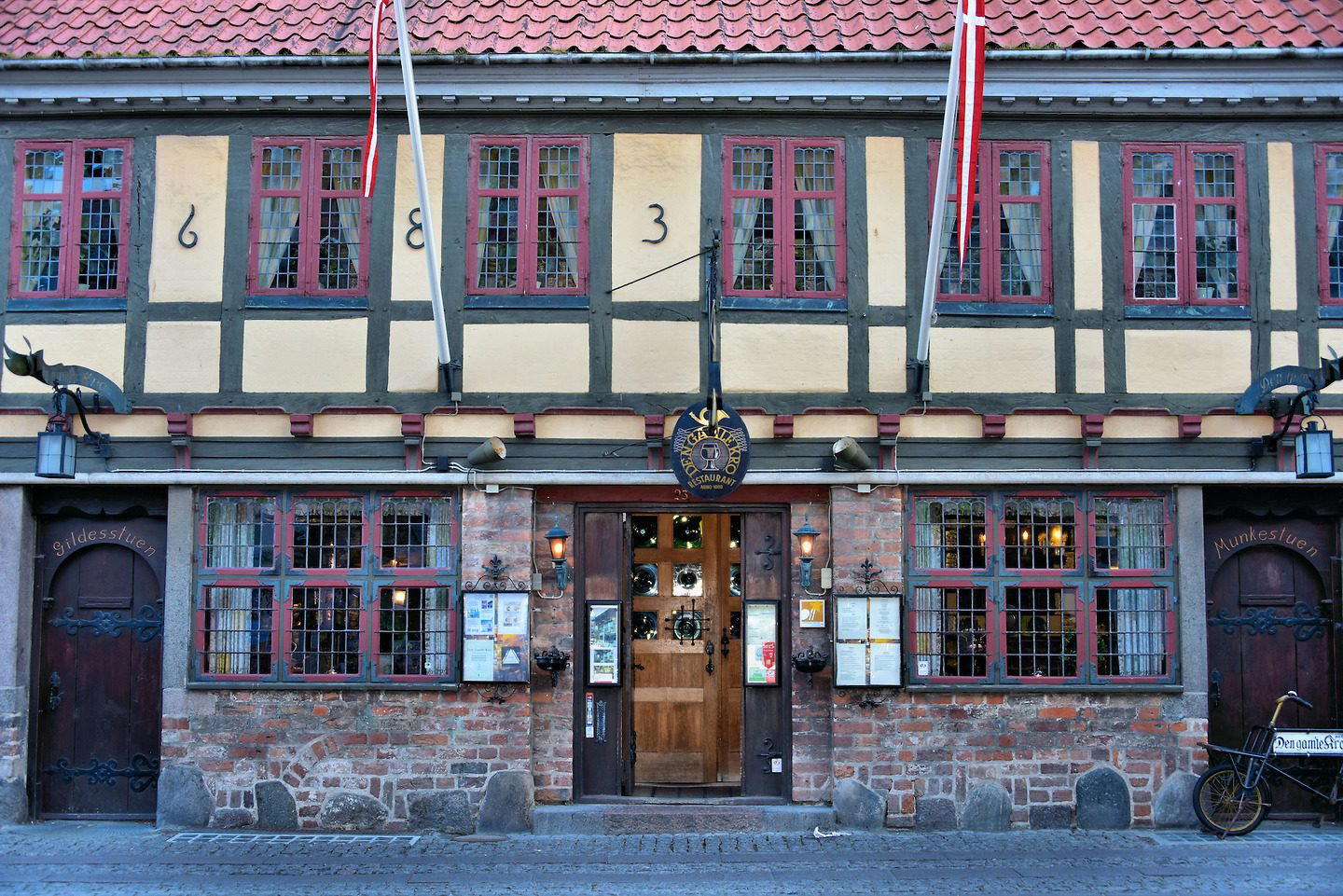
Bars in Odense
Browse all →

Hotels in Odense
Browse all →

At a Glance
- Cozy
- Modern
- Industrial
- Intimate
- Elegant
- Date Night
- Special Occasion
- Business Dinner
- Open Kitchen
- Historic Building
- Extensive Wine List
- Farm To Table
- Local Sourcing
Current opening hours
- Monday
- Closed
- Tuesday
- Closed
- Wednesday
- 6 PM–12 AM
- Thursday
- 6 PM–12 AM
- Friday
- 6 PM–12 AM
- Saturday
- 6 PM–12 AM
- Sunday
- Closed
Hours can change for holidays and private events. Last verified .
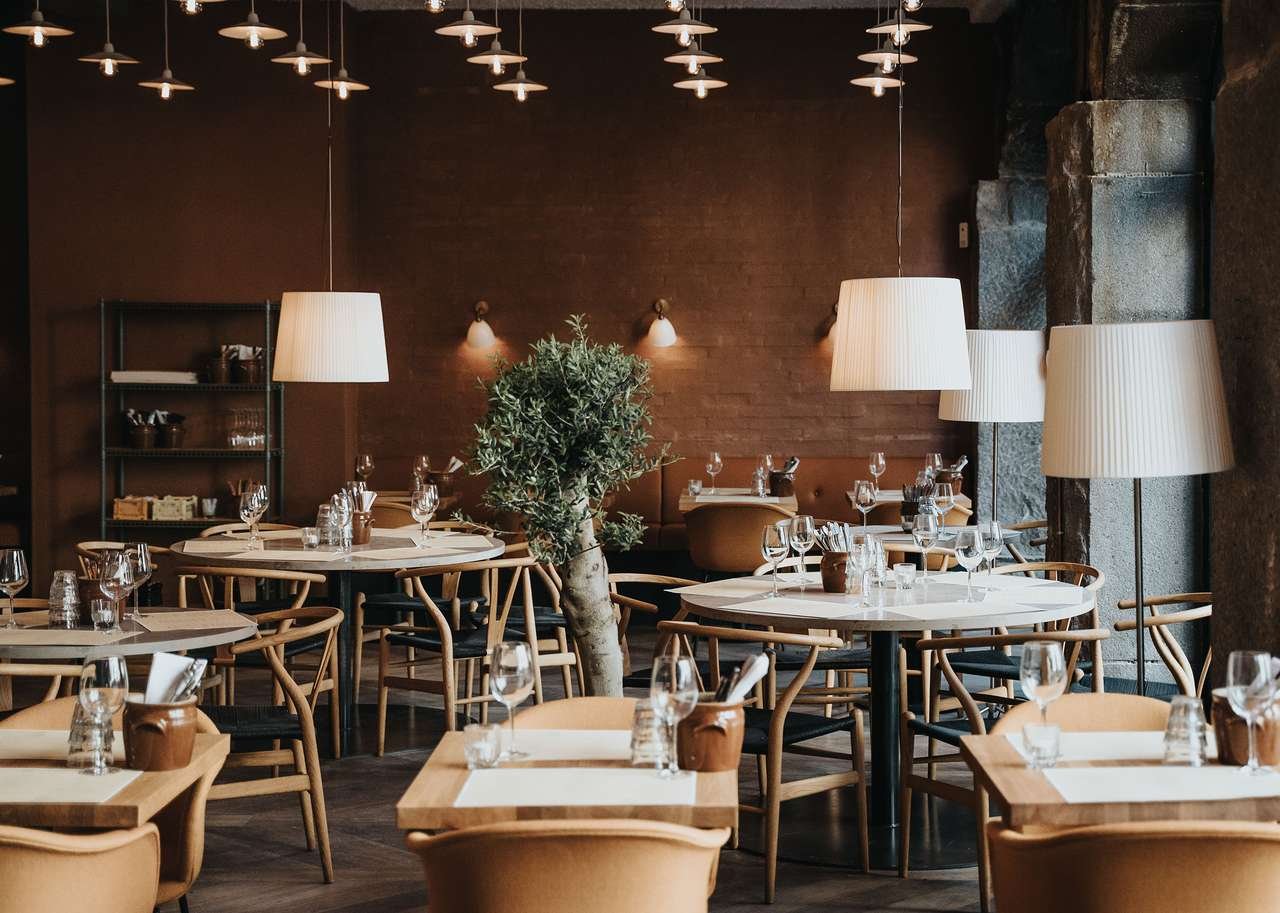
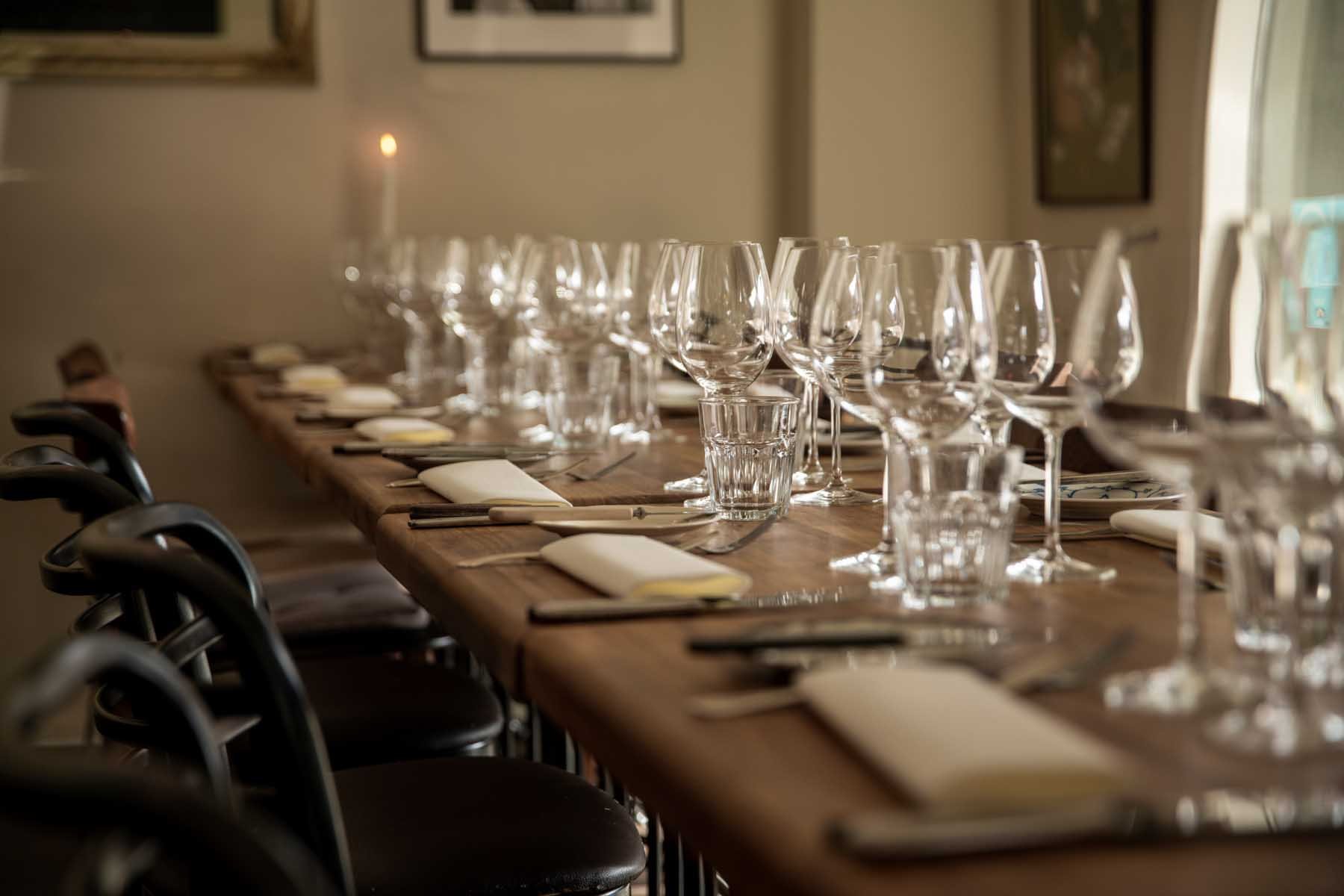
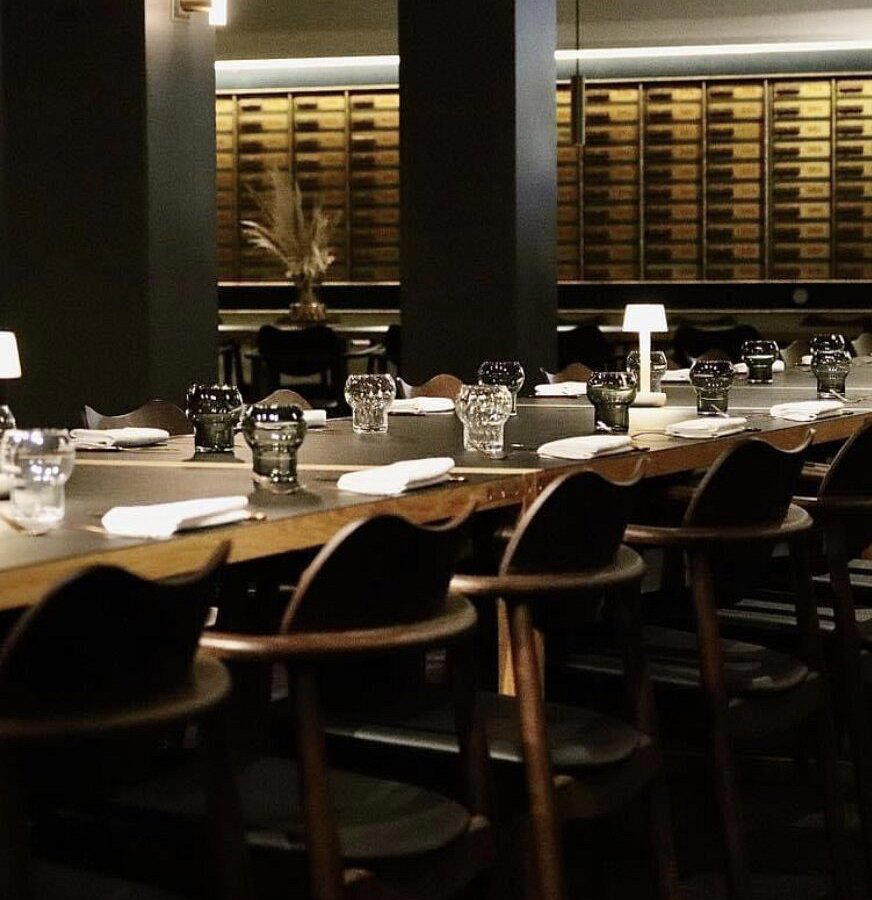
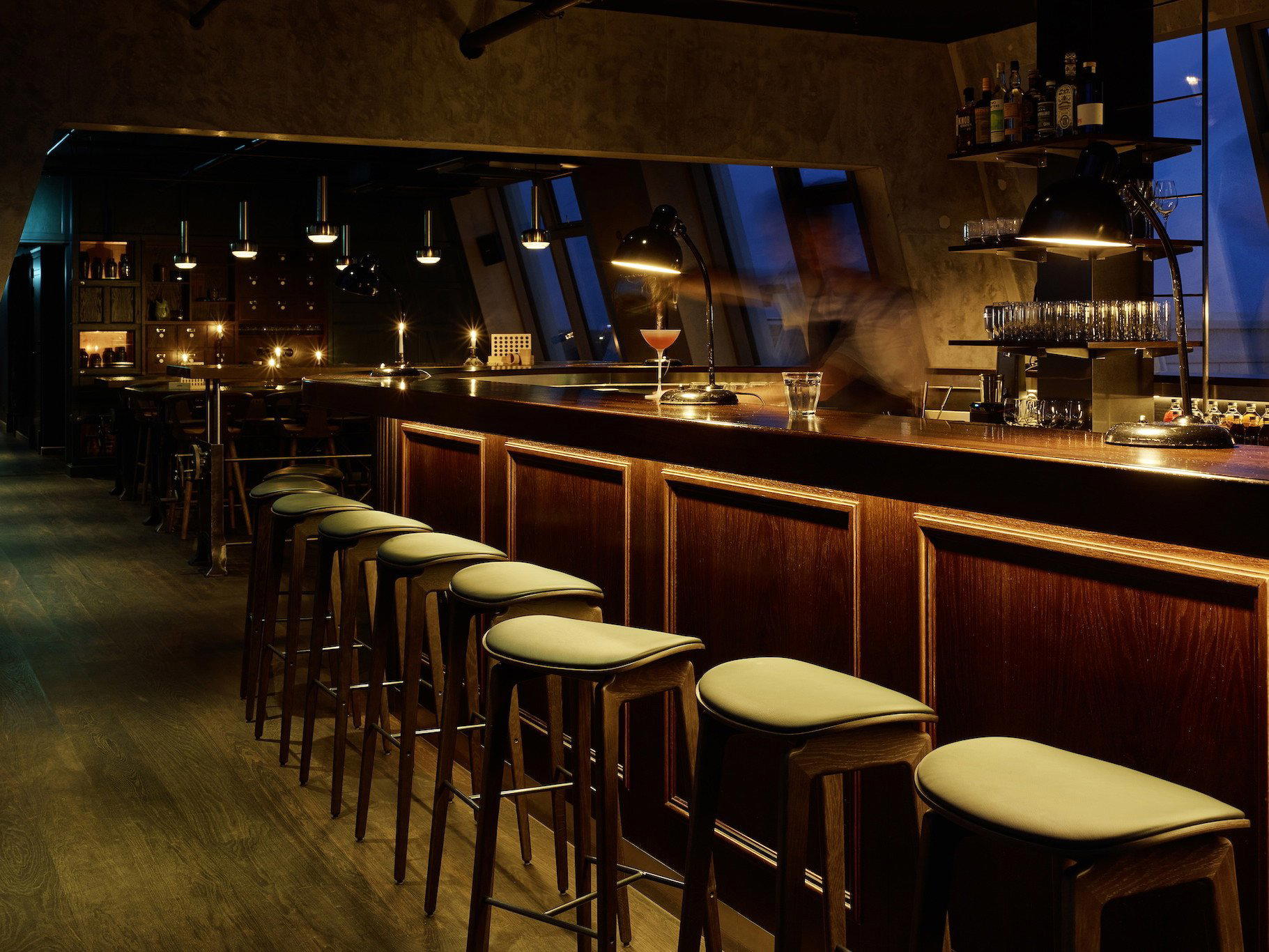
Cozy industrial atmosphere with exposed ducting, industrial lighting, stark walls, black wooden furnishings, and laid-back service.