Búzio Taberna

Búzio Taberna sits in Copenhagen's Nørrebro district at Refsnæsgade 47, where it has earned a White Star recognition from Star Wine List for its wine program. The taberna format positions it within a growing tier of European neighbourhood restaurants that anchor their identity in wine-forward hospitality. For Copenhagen visitors looking beyond the city's well-documented New Nordic circuit, it represents a deliberately different register.
Pearl is the En Primeur Club membership app — saves, bookings, and concierge access live there. Same editors, same standards.
- Address
- Refsnæsgade 47, st tv, 2200 København, Denmark
- Website
- buzio.dk
- Directions
- Get directions
 Saves & bookings on Pearl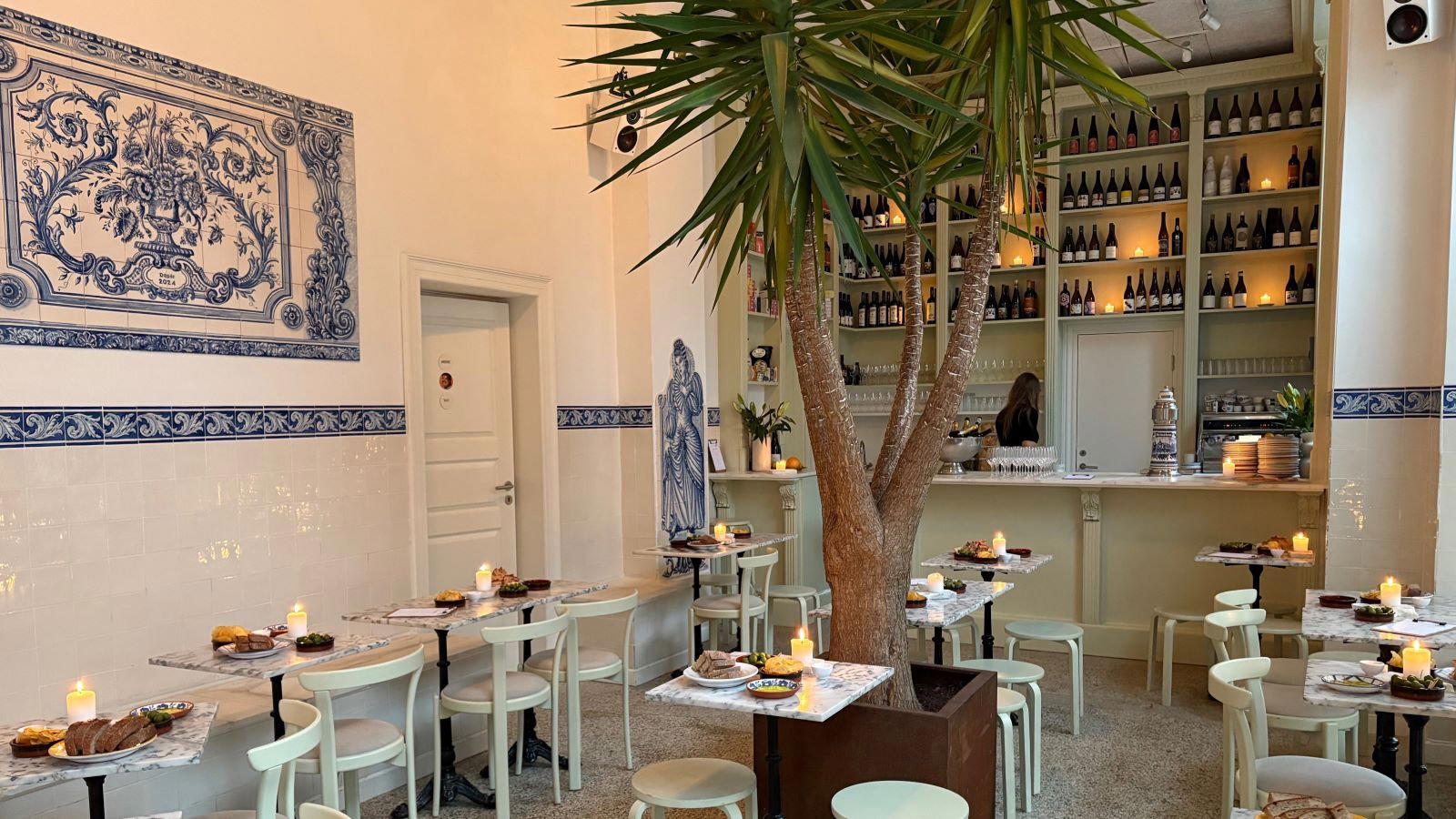
The Taberna Tradition in a Nordic City
The word taberna carries specific cultural weight. In Portuguese and Spanish culinary traditions, a taberna is not a restaurant in the formal sense, it is a neighbourhood room organised around wine, where the food exists to accompany the glass rather than the other way around. That model, common across the Iberian peninsula and parts of coastal France, has migrated steadily northward over the past decade, taking root in cities with strong wine cultures and populations that have absorbed southern European hospitality habits through travel and immigration. Copenhagen, which has spent twenty years building one of the world's most scrutinised fine-dining ecosystems through places like Noma, Geranium, and Alchemist, has also quietly developed a counter-current of wine-led, lower-formality spaces. Búzio Taberna is a Portuguese Taberna at Refsnæsgade 47 in København, Denmark.
Nørrebro as a Context
Location matters for understanding what a place is trying to be. Nørrebro is the district Copenhagen locals tend to mention when they are not talking about fine dining, it is dense, residential, and genuinely mixed in a way that the more tourist-facing Vesterbro or Indre By are not. Restaurants that open on streets like Refsnæsgade are not positioning themselves against the city's tasting-menu tier. They are positioning themselves against the neighbourhood's own ecosystem: the natural wine bars, the small imported-goods shops, the cafés that serve serious food without the ceremony. In that context, a taberna format makes particular sense. The model rewards regulars, discourages destination tourism, and builds its identity through the bottle list rather than through a signature dish or a celebrity chef.
Wine Recognition in the Taberna Format
Within the taberna format, a White Star carries particular editorial meaning: it confirms that the list is curated with intention rather than assembled by default. The taberna tradition, especially in its Portuguese incarnation, has always privileged wine over spectacle, short, well-chosen lists over encyclopedic cellar volumes, producers with a point of view over safe commercial labels. A recognition from a specialist platform like Star Wine List suggests Búzio Taberna is operating within that tradition rather than simply borrowing its aesthetic.
For context, the Copenhagen wine scene has developed depth alongside its food reputation. The city's upper-end restaurants, including Koan and Kadeau, run programmes that attract serious collector attention. Búzio Taberna operates in a different register, closer to the neighbourhood wine bar than the tasting-menu cellar, but the Star Wine List recognition places it above the generic bistro tier.
The Iberian Influence in Northern Europe
Copenhagen's relationship with southern European food and wine culture is longer and more complex than the city's Nordic-first reputation suggests. Portuguese and Spanish ingredients have filtered into the city's natural wine bars and small-plates restaurants steadily since the early 2010s, partly through the influence of chefs and sommeliers who trained or travelled on the Iberian peninsula, and partly through the Danish appetite for the kind of informal, wine-centred hospitality that tasting-menu formalism deliberately avoids. The taberna as a format answers a specific appetite: a room where you can eat well, drink seriously, and not feel that you are participating in a performance. That appetite exists across every price bracket in Copenhagen, from the tourist-heavy centre to the residential streets of Nørrebro.
The broader European pattern is instructive. Cities with strong fine-dining identities, Lyon, San Sebastián, Tokyo, tend to develop parallel informal traditions that exist specifically in reaction to high formality. Copenhagen's version of that reaction has produced a cluster of neighbourhood-scale rooms where wine knowledge and honest sourcing matter more than tasting-menu architecture. The restaurant belongs to that cluster.
Placing It Against Copenhagen's Wider Scene
Any honest account of Copenhagen's restaurant map has to acknowledge the weight of the city's creative fine-dining tier. The restaurants at the leading, Geranium, Alchemist, Noma, operate at price points and booking pressures that place them in a global rather than local competitive set. Below that tier, the city has a dense and increasingly confident mid-level, where places define themselves through specificity: a cuisine tradition, a wine region, a format. The taberna, with its Iberian origins and wine-forward structure, is one of the more coherent of those definitions. It asks the guest to accept the host's editorial logic, the list they have chosen, the food they believe accompanies it, rather than offering maximum optionality.
That is a meaningful difference from the open-format bistro or the Nordic small-plates room. It implies a kitchen and a wine buyer working from the same set of reference points, which is how the leading tabernas in Lisbon or Porto operate. What the Star Wine List recognition confirms is that the wine program is taken seriously by the people who evaluate such things professionally.
Planning a Visit
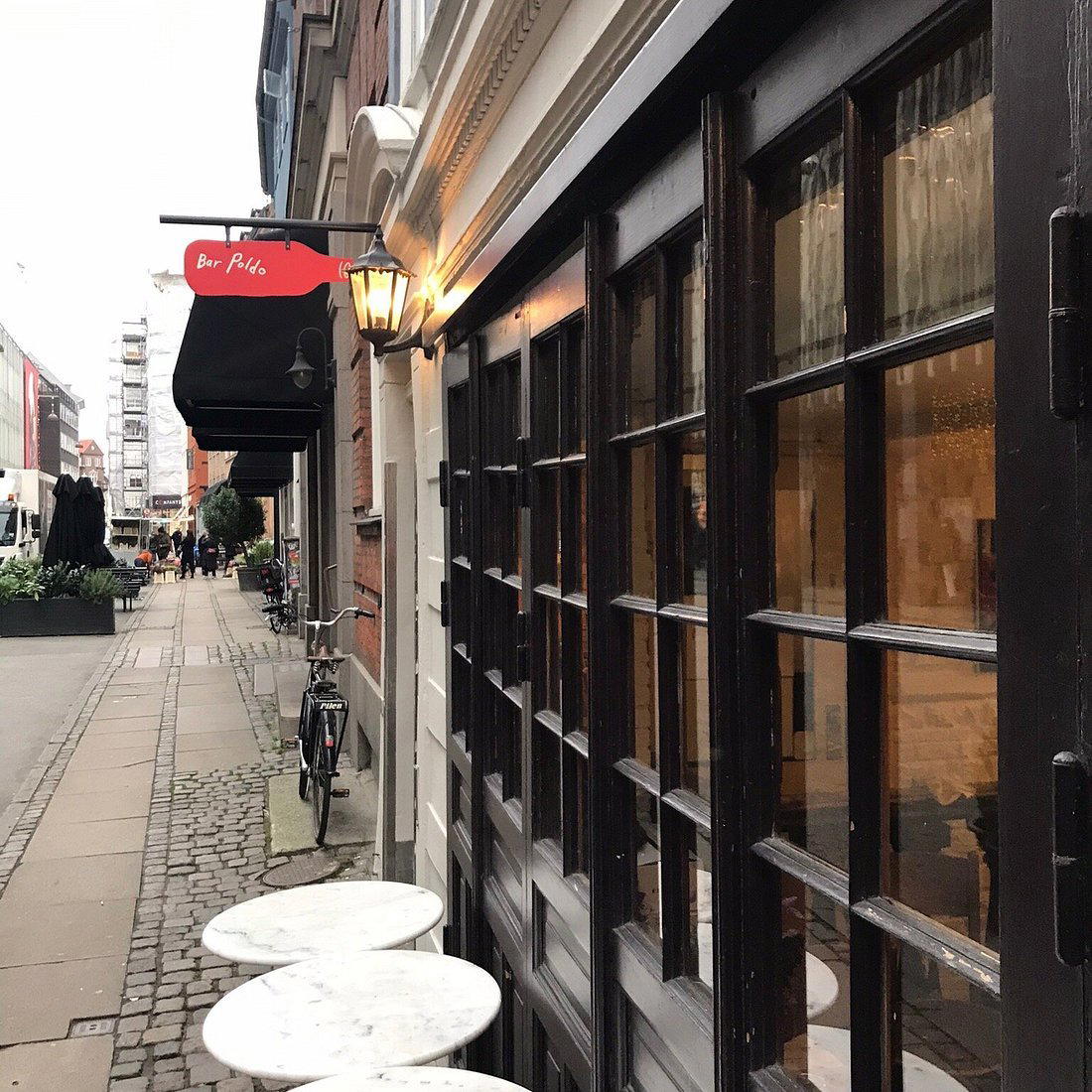
The restaurant is at Refsnæsgade 47 in Nørrebro, a street that runs through a residential section of the district rather than along its more commercial corridors. That address is a useful signal: this is a room for the neighbourhood and for visitors who treat neighbourhood rooms as the point of the trip rather than the fallback option. Current hours are Mon: Closed; Tue: Closed; Wed: 3–10 PM; Thu: 3–10 PM; Fri: 3 PM–12 AM; Sat: 3 PM–12 AM; Sun: Closed. The restaurant is walk-in friendly.
Those planning to move beyond the capital will find serious cooking at Jordnær in Gentofte, Frederikshøj in Aarhus, Henne Kirkeby Kro in Henne, Alimentum in Aalborg, ARO in Odense, and Domæne in Herning. For reference points in the wine-forward, seafood-focused taberna tradition from further afield, Le Bernardin in New York City and Emeril's in New Orleans represent how serious hospitality institutions anchor their identity through culinary tradition rather than novelty.
Cost and Credentials
Comparable venues nearby, for context on price, style, and recognition.
| Venue | Cuisine | Price | Notes |
|---|---|---|---|
| Búzio TabernaThis venue — the venue you are viewing | Nørrebro, Portuguese Taberna | $$ | Not listed |
| Inferno | Vesterbro-Kongens Enghave, Cocktail Bar | $$ | Not listed |
| Alle Tiders | Not listed | $$ | Vesterbro-Kongens Enghave, Modern Danish Cafeteria |
| Donda Deli | Not listed | $$ | Vesterbro-Kongens Enghave, Mexican-Peruvian Fusion Deli |
| KØBENHAVNS BAGERI | Indre By, Modern Danish Bakery | $ | Not listed |
| Coffee Collective | Indre By, Specialty Coffee Shop | $$ | Not listed |
Recognition history
Dated appearances from independent guides and award organizations, with the underlying list record or original source where available.
Star Wine List
Star Wine List
Continue exploring
More in Copenhagen
Restaurants in Copenhagen
Browse all →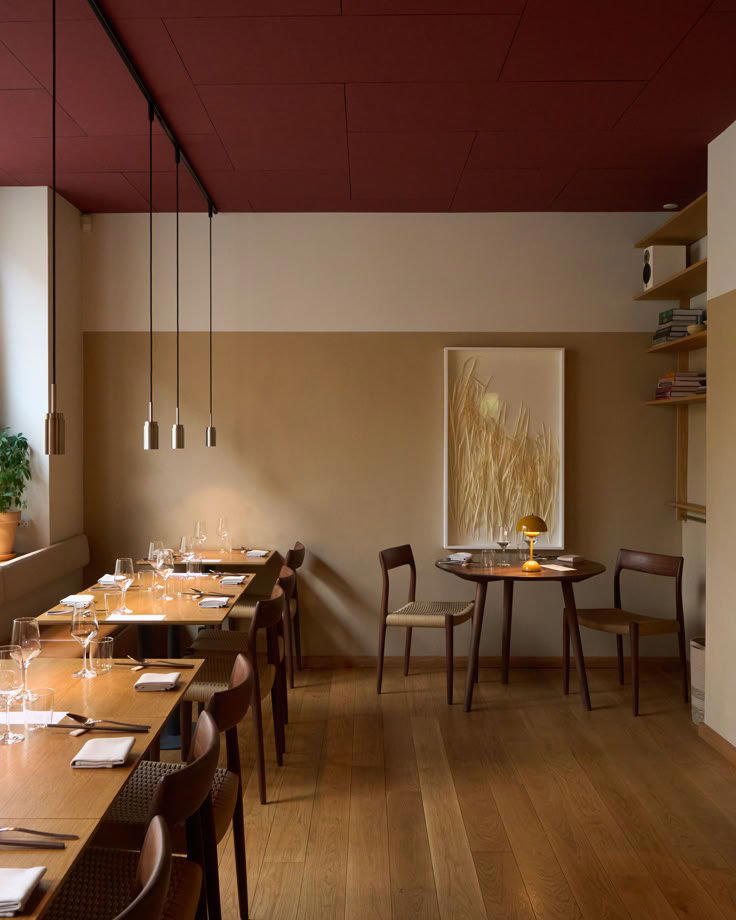
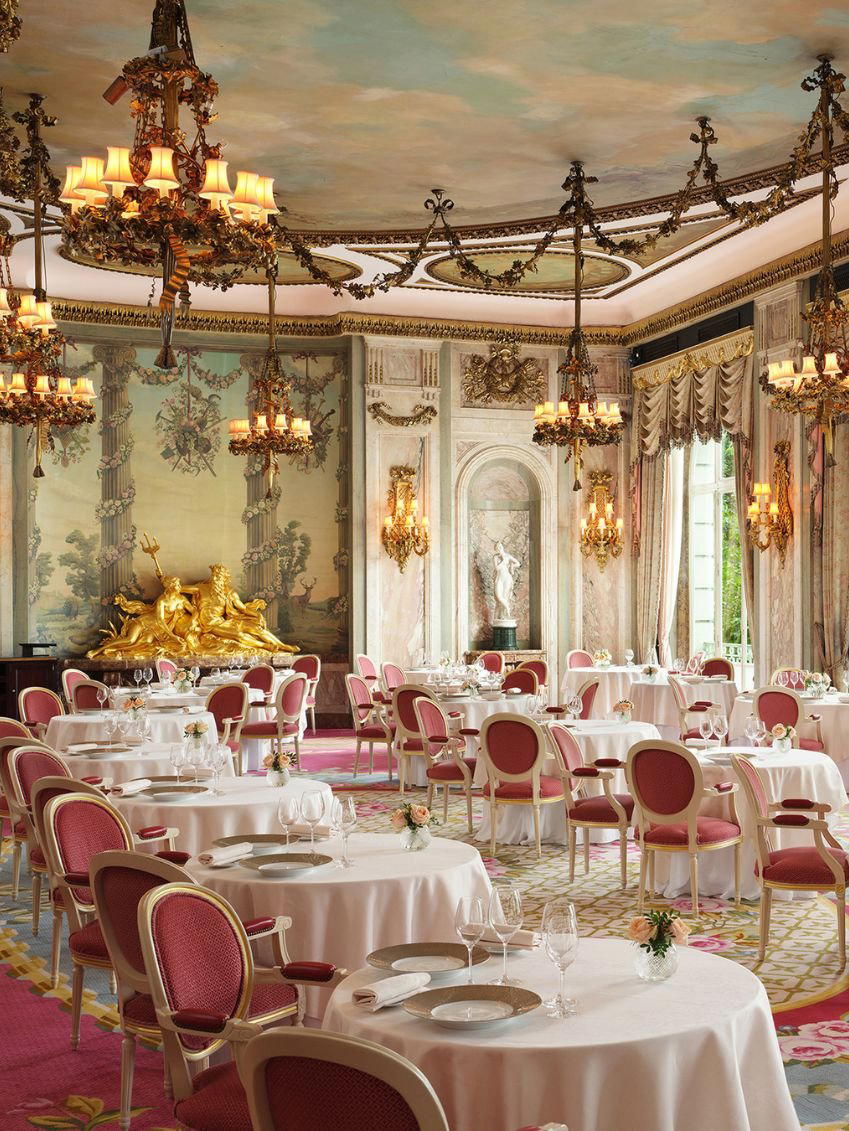
Bars in Copenhagen
Browse all →

At a Glance
- Cozy
- Rustic
- Intimate
- Trendy
- Casual Hangout
- After Work
- Standalone
- Natural Wine
Current opening hours
- Monday
- Closed
- Tuesday
- Closed
- Wednesday
- 3–10 PM
- Thursday
- 3–10 PM
- Friday
- 3 PM–12 AM
- Saturday
- 3 PM–12 AM
- Sunday
- Closed
Hours can change for holidays and private events. Last verified .
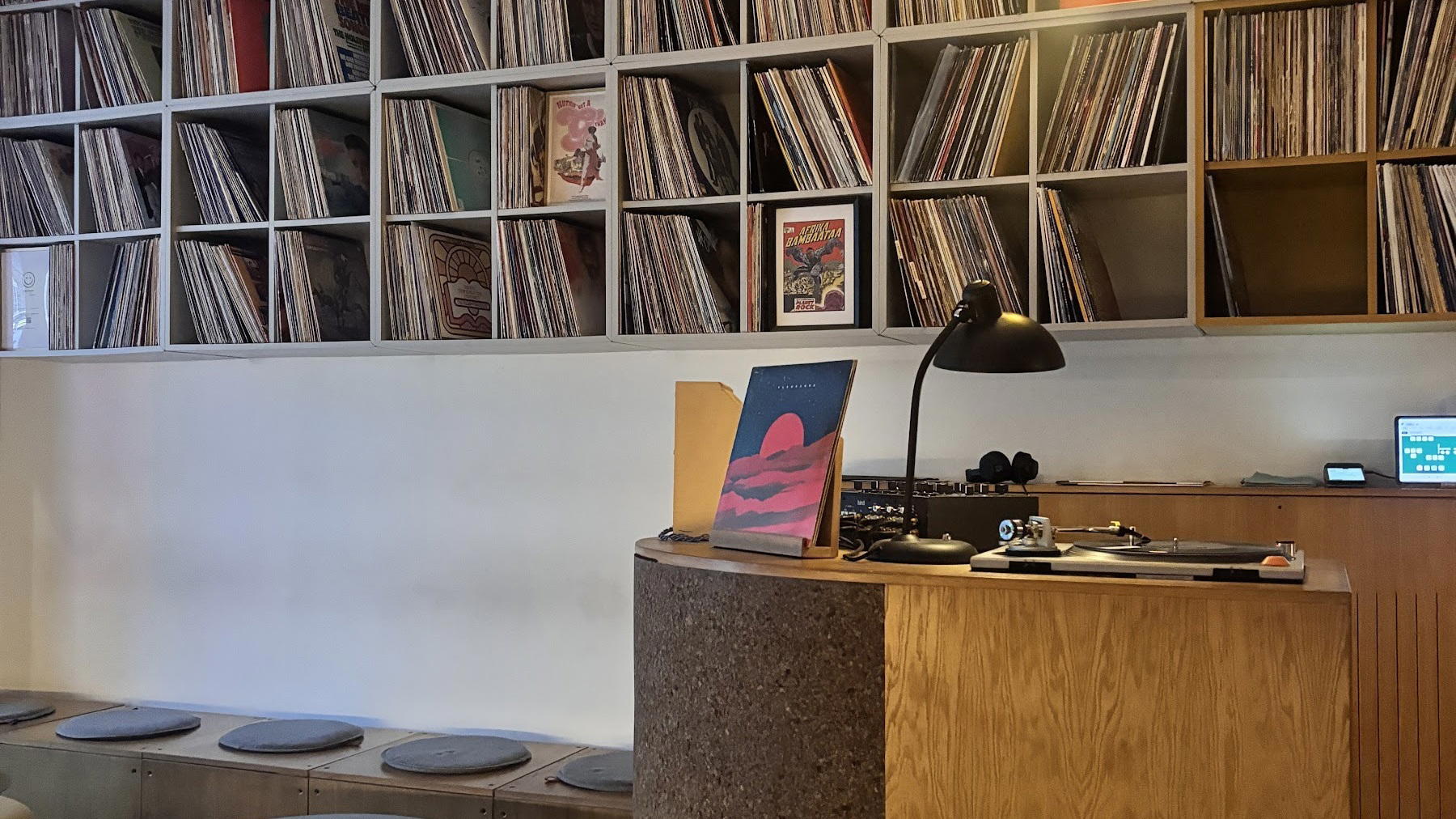
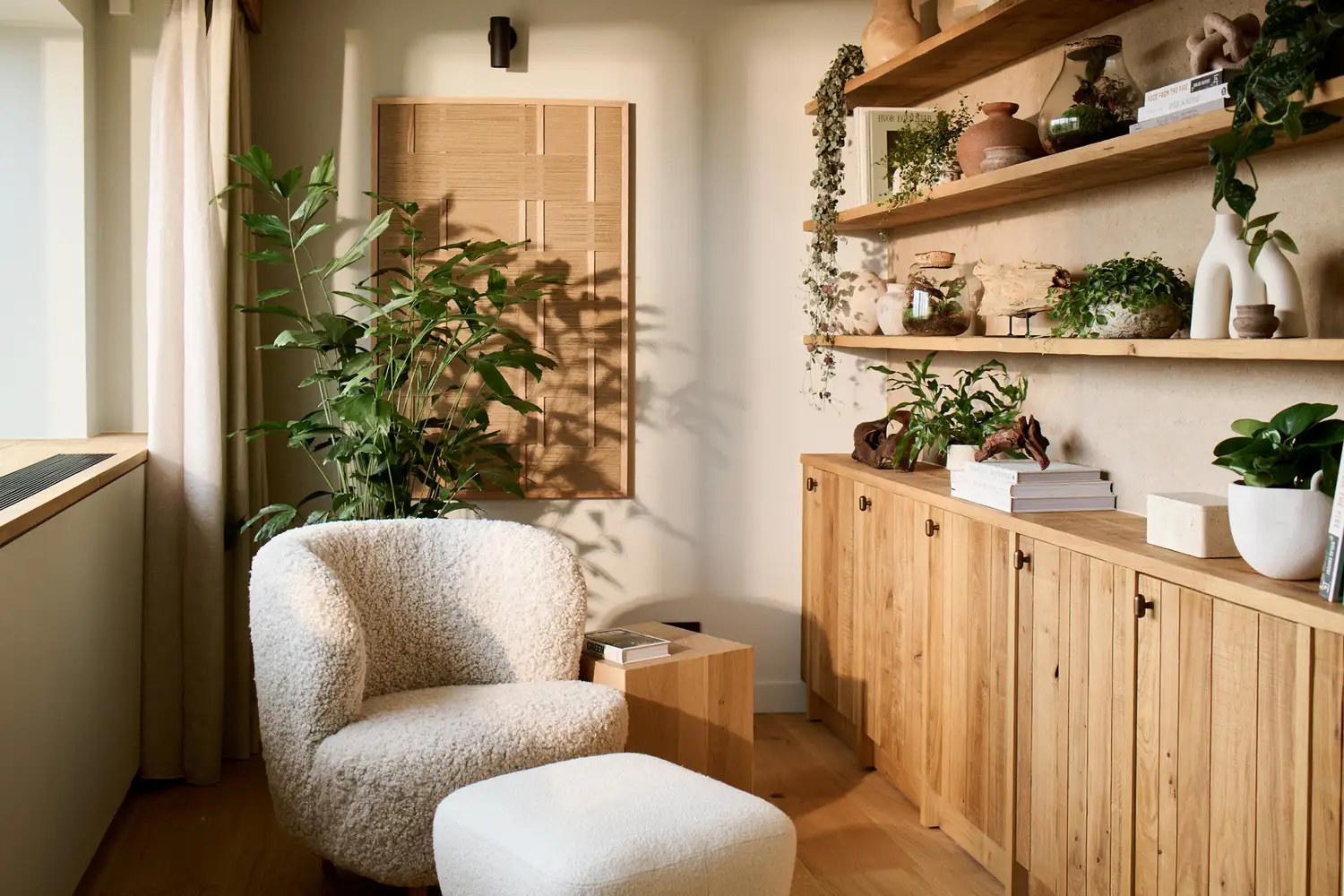
Cosy and beautiful surroundings with extremely beautiful and exclusive settings, evoking a laid-back Portuguese lifestyle amid lively Nørrebro.