Hallernes Smørrebrød
Our verdict
Hallernes Smørrebrød on Rømersgade 18 is where Copenhagen's open-sandwich tradition gets taken seriously. In a city that has spent two decades redefining Nordic cooking at the fine-dining tier, this address holds the line for the midday ritual that preceded all of it: rye bread, cold toppings, and a clear sequence of plates eaten in the right order.

Pearl is the En Primeur Club membership app, where members save venues, book tables and use the concierge.

The Ritual Before the Revolution
Before Noma rewired the global conversation about Nordic food, and before Geranium made Copenhagen a pilgrimage destination for tasting-menu devotees, the city's foundational meal was already fully formed: smørrebrød, eaten at lunch, in a particular order, with particular etiquette. Hallernes Smørrebrød on Rømersgade 18 operates within that tradition. The address is in central Copenhagen, close enough to the inner city that it draws office workers and locals rather than the hotel-circuit crowd that queues for the bigger-name tables.
The smørrebrød lunch is one of Scandinavia's most codified dining customs. Sequence matters: you begin with herring, move through meat preparations, and finish with cheese. Breaching the order is the kind of thing that marks you as someone who doesn't know the form. In the more relaxed contemporary version of the ritual, strict enforcement has softened, but the underlying logic, cold fish before warm proteins before aged dairy, remains the structural spine of the meal. Smørrebrød houses that respect the tradition tend to signal it through their menu design, which reads top-to-bottom in the same sequence the plates are meant to arrive.
What Copenhagen's Smørrebrød Scene Looks Like Now
Copenhagen's smørrebrød culture sits in its own tier, separate from the city's broader restaurant scene and largely immune to the tasting-menu arms race that defines places like Alchemist or Koan. These are lunch-only or heavily lunch-weighted formats, built around a different kind of hospitality: fast enough to fit a working day, deliberate enough to feel like a meal rather than a transaction. The price point sits well below the city's fine-dining bracket, which makes it the most accessible entry into Copenhagen's food culture for a visitor who doesn't have three months of runway to secure a reservation at Kadeau.
The category has its own internal hierarchy. At one end sit department store cafeterias offering smørrebrød as a menu item among many. At the other end are specialist houses where the bread itself is sourced from specific bakeries, the herring comes pickled in-house in several preparations, and the liver pâté arrives on the plate warm. Hallernes Smørrebrød positions itself in that specialist tier. The Rømersgade address implies a neighborhood rooted in the everyday city rather than the tourist corridor, which is typically where the more serious smørrebrød operations tend to anchor.
Reading the Meal: Pacing, Sequence, and What to Order
At a traditional smørrebrød table, the meal is assembled from individual open-faced sandwiches ordered à la carte or as a set of pre-decided combinations. The base is dark rye bread, rugbrød, dense and slightly sour, with the structural integrity to carry the weight of toppings without disintegrating. The contrast between the bread's acidity and the fat in cured fish or smoked meats is the central tension the dish is built around.
Herring is the conventional first plate, and Copenhagen smørrebrød houses typically offer it in multiple preparations: pickled in a sweet brine, curried, marinated with onion and capers, or served in a cream sauce. Following the herring, the meal moves to warmer or richer preparations: roast beef with remoulade and crispy onions, fried plaice with butter and lemon, or leverpostej, the classic liver pâté, often topped with sautéed mushrooms and bacon. Cheese, particularly a mild Danish variety, closes the sequence. Aquavit and cold lager are the conventional accompaniments, though the former has declined in frequency at contemporary lunch tables.
For visitors calibrating expectations: smørrebrød is not a fast-food format and should not be treated as one. The meal works well at a pace of two to four pieces per person, ordered in sequence, with time between each. The midday service window at most Copenhagen smørrebrød houses closes earlier than visitors accustomed to southern European lunch timing might expect, often by early-to-mid afternoon. Arriving closer to noon than to two o'clock is the practical move.
Where Hallernes Fits in the Broader Danish Picture
Smørrebrød is the lunch tradition that connects the daily habits of Copenhagen to fine-dining ambition elsewhere in Denmark. The same discipline around sourcing and seasonal produce that drives Jordnær in Gentofte, Frederikshøj in Aarhus, or Henne Kirkeby Kro at the tasting-menu level runs through the smørrebrød tradition as well: good bread, well-sourced fish, and proteins treated with restraint rather than disguised by sauce. The format is less theatrical than what you'll find at evening restaurants, but the underlying philosophy is continuous.
For those building a broader Danish itinerary, smørrebrød lunch in Copenhagen pairs naturally with evening tables across the country, from Frederiksminde in Præstø to LYST in Vejle, Ti Trin Ned in Fredericia, Dragsholm Slot Gourmet in Hørve, Tri in Agger, Pearl by Paul Proffitt in Kruså, and Syttende in Sønderborg. The smørrebrød lunch is a ground-level point of entry into Danish food culture at a fraction of the cost of those dinner tables, and the two formats are not in competition.
It is worth noting, by contrast, that formats elsewhere in the world that might seem analogous, like the set lunch at Le Bernardin in New York City or the communal dinner format at Lazy Bear in San Francisco, share the ritual pacing instinct but serve entirely different culinary purposes. The smørrebrød tradition is specifically about restraint and sequence within a closed ingredient logic: nothing arrives hot that should arrive cold, nothing is piled that should be layered.
Planning Your Visit
Hallernes Smørrebrød is located at Rømersgade 18, 1360 Copenhagen. The address sits in central Copenhagen, accessible on foot from the main rail infrastructure and within walking distance of the inner city. As a general rule across Copenhagen's smørrebrød category, weekend demand and the Friday lunch window can reduce available seats at specialist houses, so planning around a weekday midday visit is typically the lower-friction option.
Frequently asked questions
What should I eat at Hallernes Smørrebrød?
The smørrebrød tradition that houses like this one operate within has a clear internal logic: start with herring preparations, move through meat or fish toppings on rye bread, and close with cheese. In practical terms, two to four open-faced sandwiches per person is the conventional range, and ordering them in sequence rather than simultaneously is how the meal is meant to function. Copenhagen's specialist smørrebrød addresses typically distinguish themselves through the quality and variety of their herring preparations and the sourcing of their rye bread, both of which act as benchmarks for how seriously the kitchen takes the tradition.
Do I need a reservation for Hallernes Smørrebrød?
Copenhagen's smørrebrød houses generally operate at full capacity during the midday window, and the specialist tier of the category, where Hallernes Smørrebrød sits on Rømersgade 18, tends to attract a local clientele with established habits alongside visitors. Arriving early in the lunch window, typically before 12:30, reduces the risk of a full house at most Copenhagen smørrebrød addresses regardless of reservation policy.
Is Hallernes Smørrebrød a lunch-only restaurant?
Smørrebrød as a format is almost exclusively a lunch tradition in Denmark, and specialist smørrebrød houses across Copenhagen typically operate on a midday-only schedule rather than offering evening service. This reflects the cultural positioning of the meal itself: smørrebrød has always been the midday anchor of Danish food culture, distinct from the evening dining that drives Copenhagen's fine-dining reputation through addresses like Geranium and Alchemist. Visitors should confirm current hours directly with Hallernes Smørrebrød, but planning for a lunch visit rather than dinner is consistent with the format's conventions across the city.
Quick Comparison
Comparable venues nearby, for context on price, style, and recognition.
| Venue | Cuisine | Price | Awards | Notes |
|---|---|---|---|---|
| Hallernes SmørrebrødThis venue (the venue you are viewing) | Traditional Danish Smørrebrød | $20–30 | Not listed | Not listed |
| Inferno | Cocktail Bar | Not listed | Not listed | Vesterbro-Kongens Enghave |
| Manfreds & Vin | Vegetable-focused small plates with natural wines | Not listed | Not listed | Nørrebro |
| The Flatiron | Danish with International Influences | Not listed | Not listed | Nørrebro |
| Restaurant Bror | Modern Nordic Nose-to-Tail | Not listed | Not listed | Indre By |
| Atzepeng | Craft Cocktails | $20–30 | Falstaff Bar - 88 Falstaff Points | Vesterbro-Kongens Enghave |
Continue exploring
More in Copenhagen
Restaurants in Copenhagen
All restaurants in Copenhagen →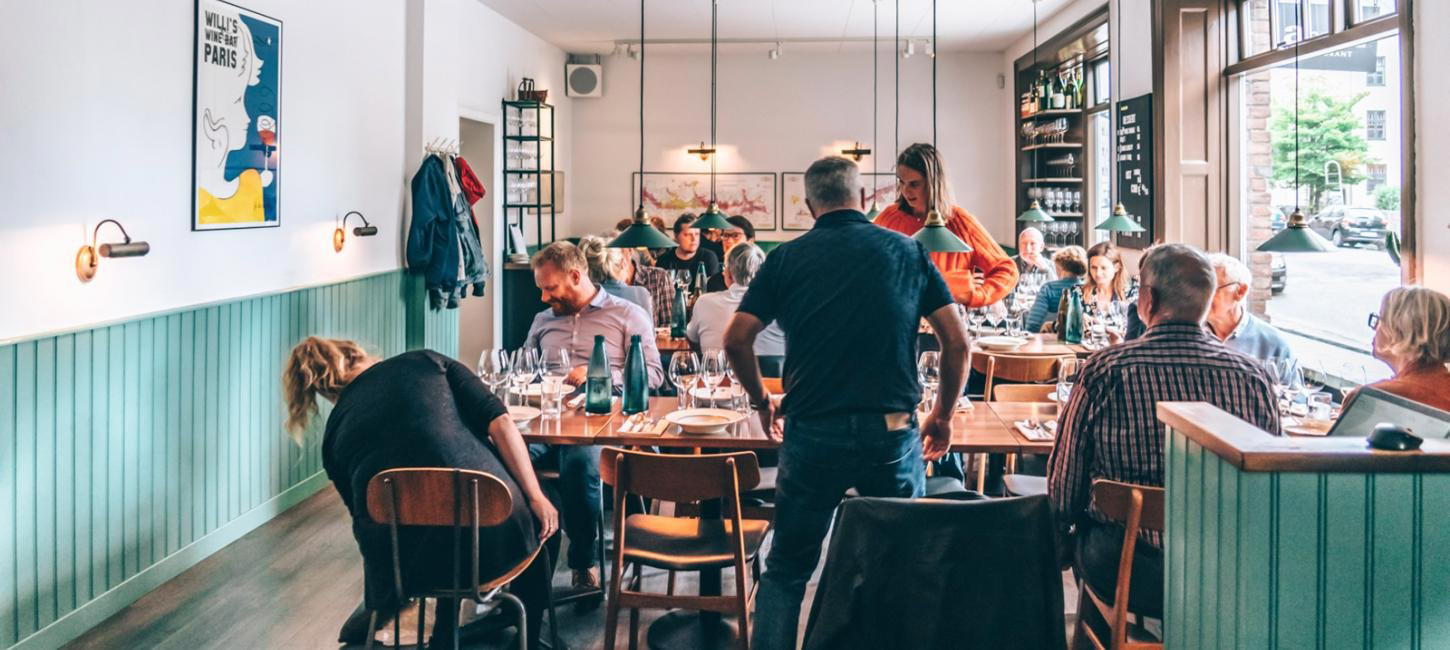
Bars in Copenhagen
All bars in Copenhagen →


Details
- Classic
- Lively
- Casual Hangout
- Local Sourcing
- A La Carte
- Vegetarian Friendly
- Vegan Options
Current opening hours
- Monday
- 10 AM–7 PM
- Tuesday
- 10 AM–7 PM
- Wednesday
- 10 AM–7 PM
- Thursday
- 10 AM–7 PM
- Friday
- 10 AM–7 PM
- Saturday
- 10 AM–6 PM
- Sunday
- 10 AM–6 PM
Hours can change for holidays and private events. Hours as of .
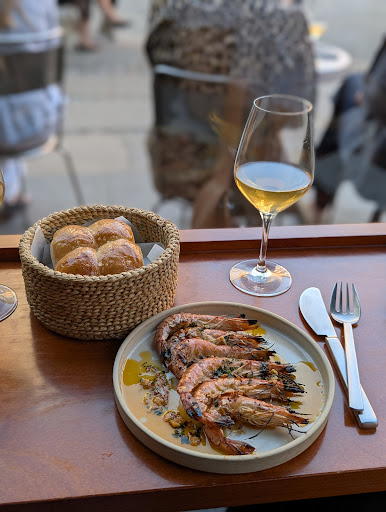
Casual and lively atmosphere typical of a popular food hall with communal seating.