Restaurant Scheune
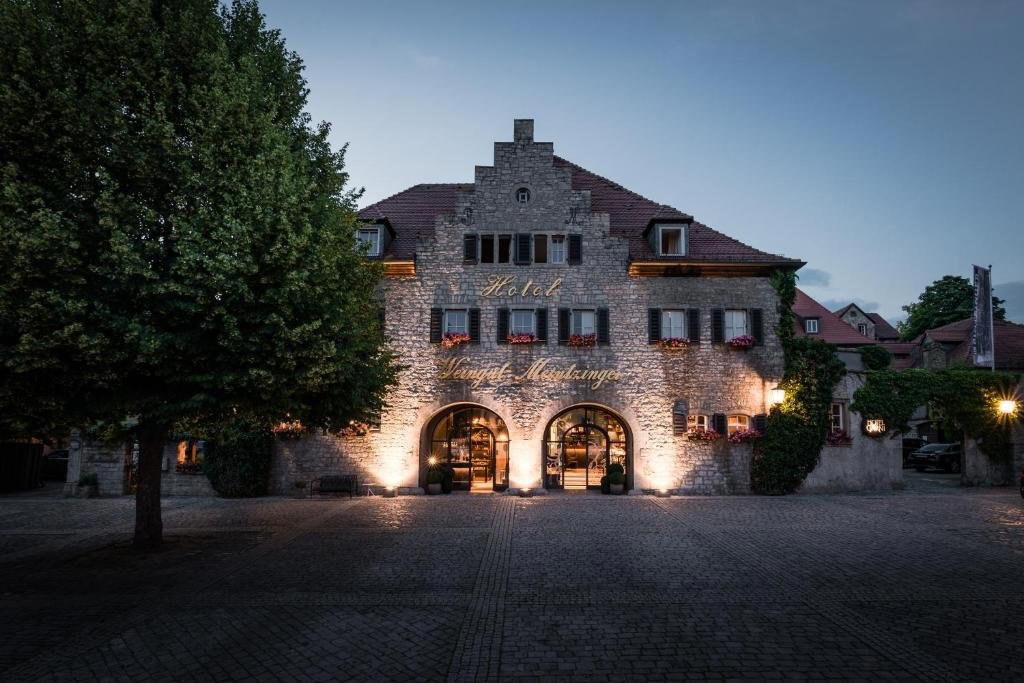
Restaurant Scheune sits on the edge of Hammelburg in Lower Franconia, a region where the Main river valley shapes both agriculture and appetite. The address, Zur Neumühle 54, places it outside the town centre, closer to the working countryside than the marketplace, which tells you something about the kitchen's orientation. For visitors exploring Franconian dining beyond the major cities, Scheune occupies a position worth understanding in context.
Pearl is the En Primeur Club membership app — saves, bookings, and concierge access live there. Same editors, same standards.
- Address
- Zur Neumühle 54, 97797 Hammelburg, Germany
- Phone
- +494997328030
- Website
- neumuehle-resort.de
- Directions
- Get directions
 Saves & bookings on Pearl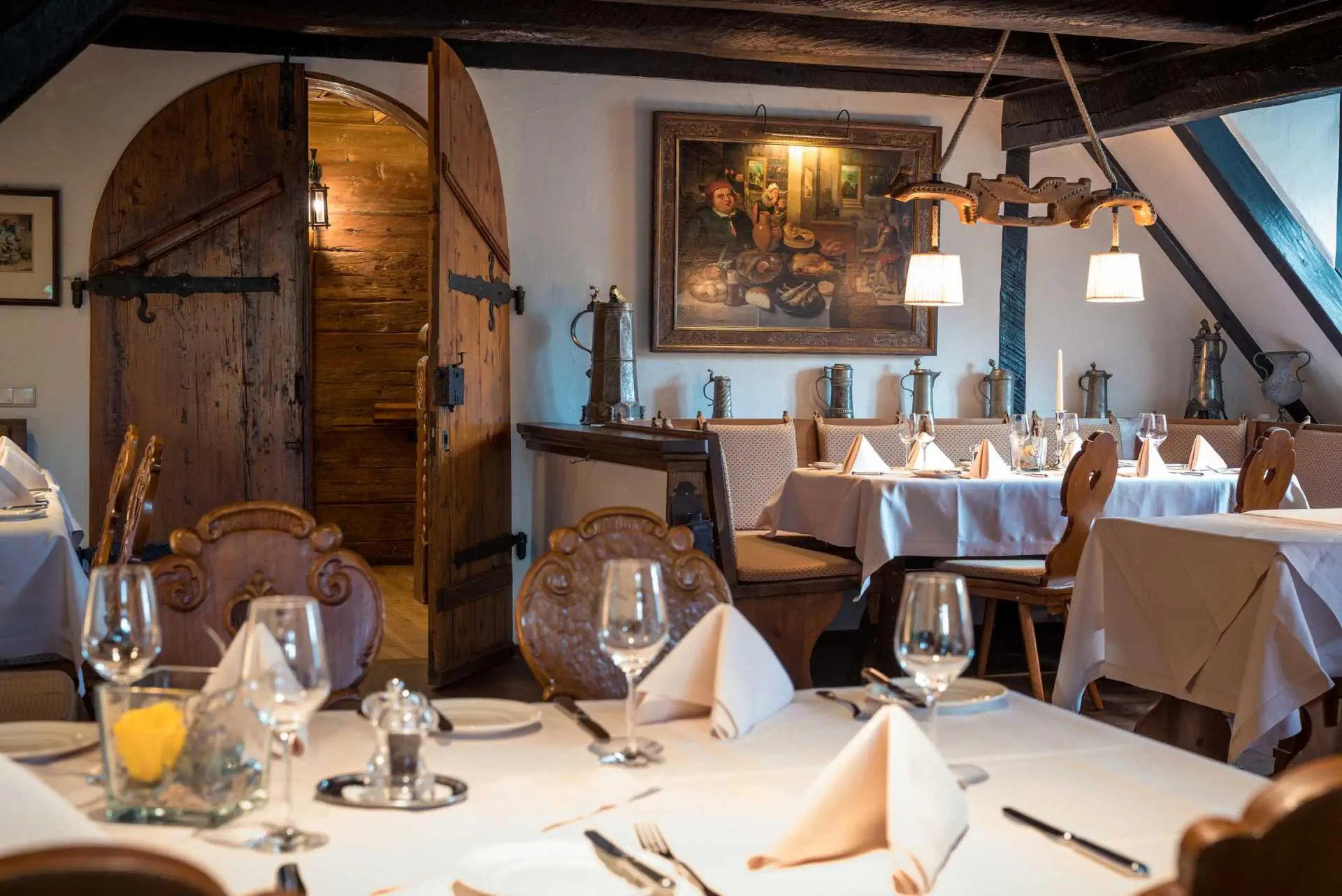
A Barn at the Edge of Franconian Country
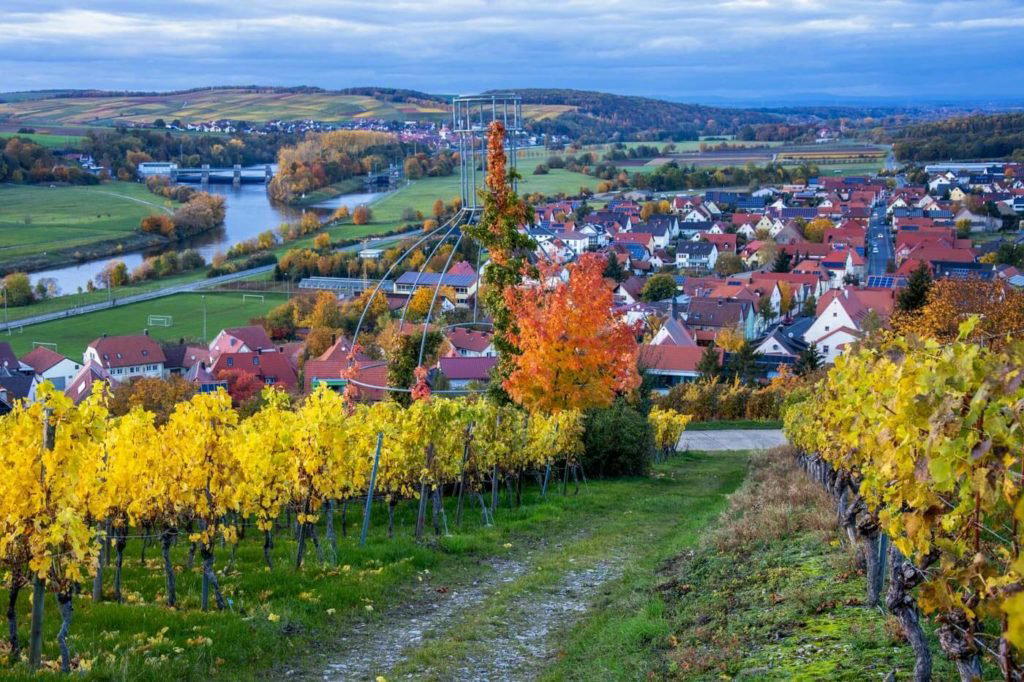
Approach Hammelburg from the Main valley and the town resolves slowly out of vineyard slopes and forested ridgelines. Lower Franconia is one of Germany's most coherent agricultural regions: the soils that produce Silvaner and Müller-Thurgau grapes also sustain vegetable growing, livestock farming, and the kind of short supply chains that urban restaurants spend considerable effort trying to replicate. Restaurant Scheune, addressed at Zur Neumühle 54 on the town's outskirts, sits inside that geography rather than apart from it. The name, Scheune means barn in German, signals an architectural relationship with working farm buildings that recurs across the region's better rural restaurants.
This positioning matters because it shapes what Franconian cooking at this level tends to be: grounded in local produce, responsive to season, and less preoccupied with technique as spectacle than its counterparts in Munich or Frankfurt. For comparison, the kind of creative abstraction on offer at CODA Dessert Dining in Berlin or the Franco-Japanese precision of Aqua in Wolfsburg operates at a different register entirely. Franconian country restaurants occupy a different tier of ambition, one oriented toward regional integrity rather than international citation.
Ingredient Sourcing as Culinary Argument
Lower Franconia's agricultural character is not incidental to its restaurant culture, it is the argument. The region produces wine under the Franken appellation, most famously in the distinctive Bocksbeutel bottle, and the same limestone and sandstone soils that define those wines also influence what grows around them. Asparagus in spring, game in autumn, river fish from the Main at various points in the year: the Franconian calendar organises itself around these cycles in ways that restaurants in the region either honour or ignore.
A restaurant called Scheune, positioned on the rural edge of a small market town, signals alignment with that calendar. This is distinct from the highly formal sourcing programs at places like Schwarzwaldstube in Baiersbronn, where sourcing is narrated as part of a fine-dining performance, or at Waldhotel Sonnora in Dreis, where classical French structure frames the product story. At Scheune, the framing is more direct and less ceremonial.
Franconian wine accompanies the food in most kitchens at this latitude. The region's Silvaner, dry, mineral, textural, pairs with local pork preparations and white asparagus in a way that the international wine list at somewhere like Vendôme in Bergisch Gladbach would not attempt to replicate. Regional wine pairings at small Franconian restaurants are often more interesting precisely because they are not trying to compete on global breadth.
Hammelburg in the Context of Franconian Dining
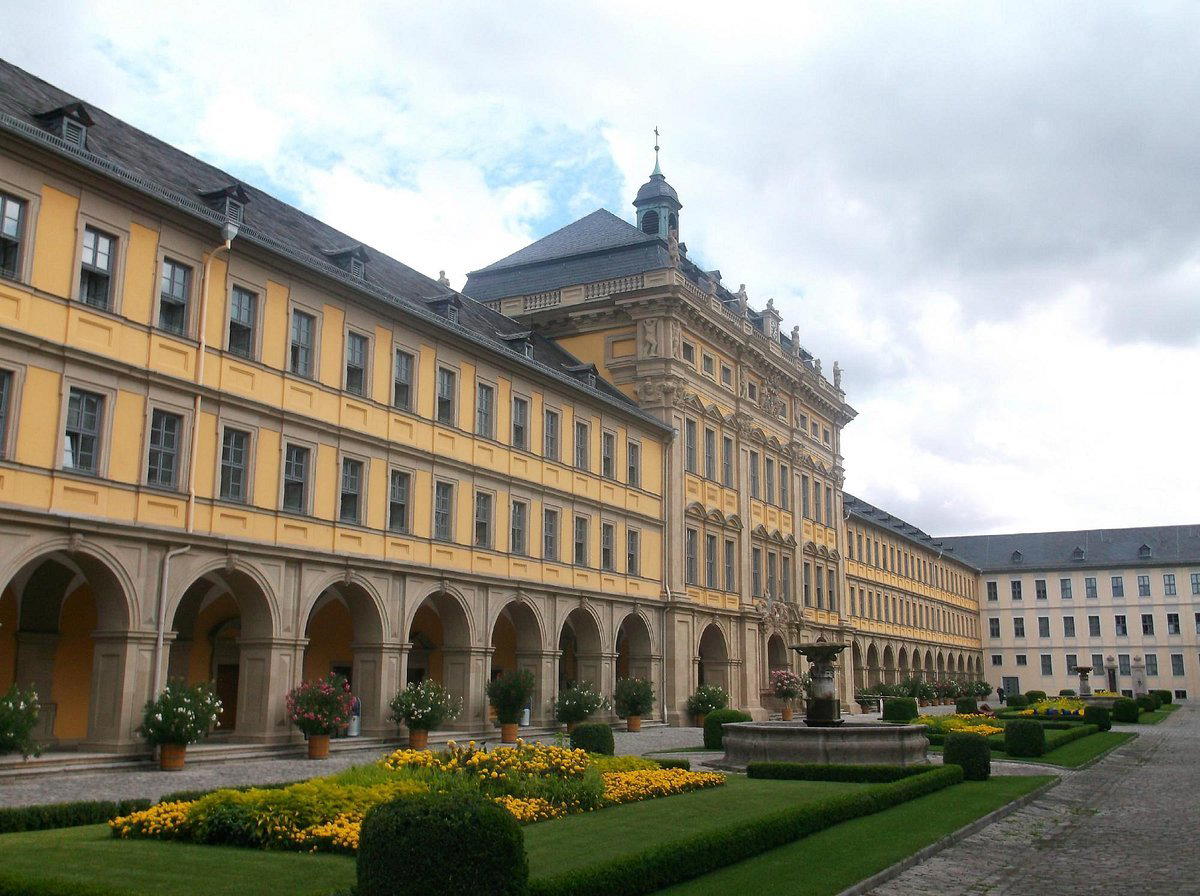
Hammelburg is a small town of roughly 12,000 residents in the Bad Kissingen district, historically notable for its wine production and its military training facilities. It is not a dining destination in the sense that Frankfurt, Nuremberg, or Würzburg are, and that is precisely why a restaurant like Scheune operates differently from urban peers. The competition is local rather than national, the clientele is predominantly regional, and the relationship between kitchen and community tends to be closer and less mediated by tourism.
This distinguishes it sharply from the kind of destination restaurants that function as reasons to travel: JAN in Munich, ES:SENZ in Grassau, or AURA by Alexander Herrmann and Tobias Bätz in Wirsberg draw visitors specifically because of their culinary programs. Scheune, by contrast, likely functions as the kind of well-regarded local restaurant that anchors a broader stay in the region rather than being the sole reason for arrival. Bavaria and Franconia have several restaurants in this category, from AUGUST in Augsburg at the higher end to smaller rural operations serving their immediate communities with less fanfare.
For travellers exploring the Main valley, whether for the wine routes, the Bad Kissingen spa town nearby, or a longer Franconian itinerary, Hammelburg offers a more authentic cross-section of regional life than the major cities.
Where Scheune Sits in the German Dining Picture
Germany's restaurant scene has polarised steadily over the past decade. At one end, a cohort of nationally recognised tables competes on international terms: Victor's Fine Dining by Christian Bau in Perl, Restaurant Haerlin in Hamburg, and Schanz in Piesport operate at price points and with critical recognition that places them in a pan-European conversation. At the other end, a large number of solid regional restaurants serve local markets without seeking that kind of attention. The interesting territory is in between: restaurants like Bagatelle in Trier, ammolite in Rust, or ATAMA by Martin Stopp in Sankt Ingbert, which operate in smaller cities with genuine culinary ambition and limited national visibility.
Scheune occupies this middle territory by geography if not necessarily by program. Hammelburg is off the main critical circuits, and without current awards data or press recognition on record, any claim about where the kitchen sits in quality terms would be speculative. What can be said is that the rural Franconian context in which it operates produces, historically, a particular kind of cooking: seasonally disciplined, locally sourced, and less interested in international fashion than in the immediate harvest. Whether Scheune meets that tradition well or merely occupies its postcode is a question answered by visiting.
For broader reference on what high-level ingredient-led cooking looks like outside Germany, Le Bernardin in New York City represents the apex of product-focused fine dining in an Atlantic context, while Atomix in New York City demonstrates how ingredient provenance can be built into a formal tasting structure with precision. These are comparative reference points, not peer comparisons for a small Franconian restaurant, but they illustrate how ingredient sourcing becomes narrative at the summit end of the market.
Planning Your Visit
Restaurant Scheune is located at Zur Neumühle 54, on the outskirts of Hammelburg in Lower Franconia, roughly 35 kilometres north of Bad Kissingen and within driving range of Würzburg for those on a longer Main valley itinerary. Given the rural address and small-town context, arriving by car is the practical approach; public transport connections to Hammelburg exist from Würzburg via train, but the final stretch to Zur Neumühle requires a taxi or private transfer.
Side-by-Side Snapshot
Comparable venues nearby, for context on price, style, and recognition.
| Venue | Cuisine | Price | Notes |
|---|---|---|---|
| Restaurant ScheuneThis venue — the venue you are viewing | Franconian Fine Dining | $$$ | Not listed |
| Brückenbaron | Modern Franconian with Seasonal Fine Dining | $$$ | Sonderhofen, Lower Franconia |
| Das Muskat | Organic German-Mediterranean | $$$ | Hauptstraße |
| Wilder Mann | Traditional German | $$$ | Wasseralfingen |
| Lenas am See | German Lakeside Bistro | $$$ | Utting am Ammersee |
| Il Plonner - Der Dorfgasthof | Bavarian-Italian Fusion | $$$ | Weßling |
Continue exploring
More in Hammelburg
Restaurants in Hammelburg
Browse all →
Hotels in Hammelburg
Browse all →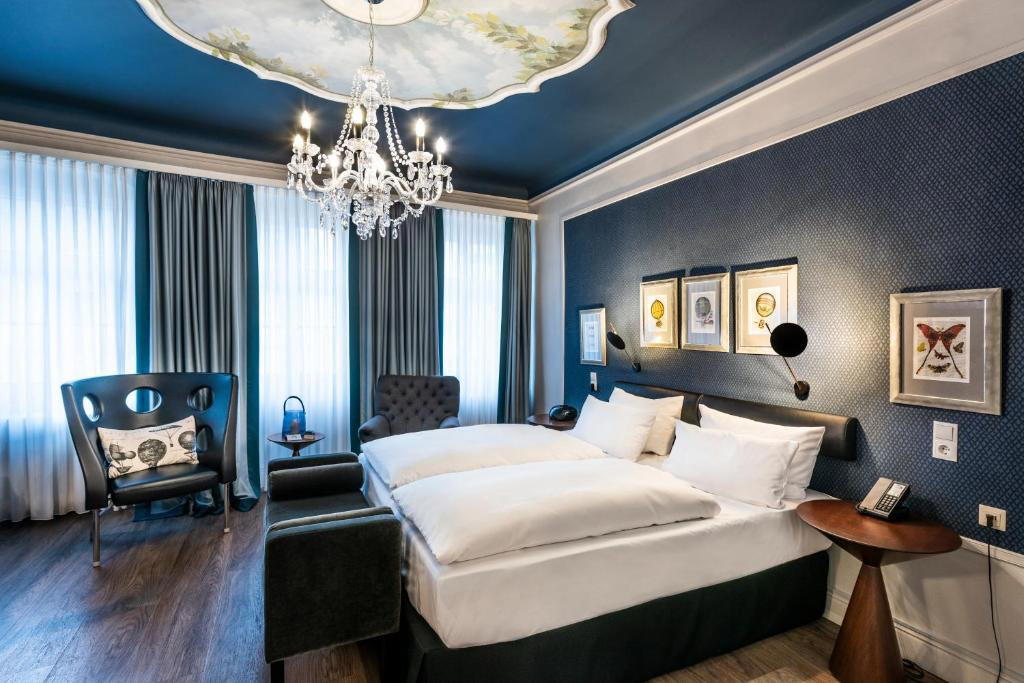

At a Glance
- Rustic
- Elegant
- Cozy
- Special Occasion
- Date Night
- Hotel Restaurant
- Extensive Wine List
- Local Sourcing
Current opening hours
- Monday
- 6–9:30 PM
- Tuesday
- 6–9:30 PM
- Wednesday
- 6–9:30 PM
- Thursday
- 6–9:30 PM
- Friday
- 6–9:30 PM
- Saturday
- 6–9:30 PM
- Sunday
- 6–9:30 PM
Hours can change for holidays and private events. Last verified .
Cozy and elegant ambiance with a focus on heartfelt service and high-quality, aesthetically presented dishes.