Restaurant Sassegg
Our verdict
Restaurant Sassegg sits on Via Sciliar in Kastelruth, a Dolomite village where South Tyrolean dining customs run deep and the surrounding alpine terrain shapes what ends up on the plate. The address places it within a small cluster of serious local tables that observe the unhurried pacing of mountain hospitality. For visitors working through the region's dining options, Sassegg represents the kind of address that rewards prior research and an early reservation.

Pearl is the En Primeur Club membership app, where members save venues, book tables and use the concierge.

Dining at Altitude: How Kastelruth Sets the Table
There is a particular quality to eating well in the Dolomites that has less to do with any single restaurant and more to do with the ritual conditions the mountains impose. Villages like Kastelruth sit at elevations where the growing season is short, the larder has historically been finite, and the pacing of a meal reflects the pacing of the landscape itself: unhurried, deliberate, structured by season. Restaurant Sassegg, located on Via Sciliar at the foot of the Sciliar massif, operates inside that tradition. The address alone signals something about what to expect: this is a road that runs toward one of South Tyrol's most recognisable natural formations, and the dining rooms along it tend to take their cues from the terrain rather than from metropolitan trends.
South Tyrolean cuisine occupies a genuinely distinctive position within Italian fine dining. The region's German-speaking majority, its long Habsburg history, and its proximity to Austria have produced a kitchen vocabulary that sits apart from anything you would find at Osteria Francescana in Modena or Enoteca Pinchiorri in Florence. Speck, canederli, wild game, and alpine dairy products form the backbone of the local table. The cuisine's reference points are central European as much as Italian, and the leading local kitchens treat that dual inheritance as a strength rather than an ambiguity. At the high end of the regional spectrum, Atelier Moessmer Norbert Niederkofler in Brunico has demonstrated how rigorously South Tyrolean sourcing can be applied at the international level. Kastelruth's own tables, including Sassegg, operate further down the formality register but within the same broader tradition of mountain-anchored cooking.
The Rhythm of a Mountain Meal
The dining ritual in this part of South Tyrol follows a structure that visitors from faster-paced urban restaurant cultures sometimes find disorienting at first and deeply satisfying by the end. Meals are rarely rushed. The expectation, particularly in village restaurants with limited seatings, is that a table is held for the evening and that the progression from aperitivo through dessert and grappa will unfold across two hours or more. This is not a format designed for efficiency. It is designed for conversation, for the slow presentation of seasonal ingredients, and for the kind of wine-and-food pairing that requires patience to appreciate properly. South Tyrolean whites, particularly Gewürztraminer and Pinot Grigio from the nearby Alto Adige DOC, are the natural companions to the local kitchen's repertoire, though the region's increasingly confident red wines from Lagrein and Schiava have expanded the pairing possibilities considerably over the past decade.
Within Kastelruth's dining scene, Sassegg sits alongside a small number of tables that observe this unhurried format. Gostner Schwaige, Furscher Mühle, and Gourmetrestaurant Lampl Stube each represent a different position within the local range, from rustic alpine hut to more considered gourmet format. Sassegg's placement on Via Sciliar positions it among tables that draw on the village's proximity to walking routes and its status as a base for guests spending multiple nights in the area. For our full overview of where this address sits within the broader local picture, see our full Kastelruth restaurants guide.
What the Alpine Dining Tradition Asks of the Guest
Eating in a Dolomite village restaurant requires some orientation for guests arriving from the Italian city dining circuit. The service model here is not the high-formal choreography you would encounter at Le Calandre in Rubano or Piazza Duomo in Alba, nor the driven technical intensity of places like Reale in Castel di Sangro or Enrico Bartolini in Milan. It is instead a form of warm functional hospitality, attentive without being theatrical, where the guest's role is largely to arrive at the agreed time, allow the kitchen's sequence to unfold, and engage with whatever the season has delivered to the larder. Menus in this context tend toward set formats or limited-choice structures that reflect what is available, not what a kitchen can source at any point of the year regardless of season.
The practical implication of that model is that planning ahead matters more than it would in a city with deep restaurant supply chains. Kastelruth has no equivalent of the walk-in flexibility that a district like Milan's Brera or Rome's Prati offers. Village restaurants at this elevation typically run at or near capacity during the summer hiking season and the winter ski period, which means that guests who arrive without a reservation are likely to find themselves eating at their hotel rather than at the address they had in mind. Contacting the restaurant directly, well in advance of arrival, is the appropriate approach.
Kastelruth in the Wider Italian Fine Dining Picture
Understanding what Kastelruth's restaurant scene is and what it is not helps calibrate expectations correctly. The village is not a destination for the kind of destination dining that drives cross-continental travel to Dal Pescatore in Runate or Quattro Passi in Marina del Cantone. Nor does it compete with the Michelin-dense corridors around Modena or Piedmont. What it offers instead is a more specific and in some ways more demanding form of value: the chance to eat within a coherent regional tradition, at a pace determined by that tradition, in a physical setting that most of the Italian dining circuit cannot replicate. Visitors who have built itineraries around tables like Uliassi in Senigallia, Da Vittorio in Brusaporto, or Casa Perbellini 12 Apostoli in Verona and who then head to South Tyrol for a walking week will find Kastelruth's better tables a satisfying complement to that circuit, precisely because they operate by different rules. For comparison from entirely different dining traditions, the structured tasting formats at Atomix in New York City or the seafood precision of Le Bernardin in New York City illustrate how differently the dining ritual can be configured when the underlying cultural logic shifts.
Planning Your Visit
Restaurant Sassegg is located at Via Sciliar 9, 39040 Castelrotto BZ, in the centre of Kastelruth village. The address is accessible on foot from the village square and from the main hotel cluster. Given the mountain context, the most practical approach for most visitors is to arrive by car or to arrange transport from Bolzano, the nearest major city with rail connections, approximately 25 kilometres to the south-west. Seasonal timing matters: the shoulder periods between the summer and winter peak seasons (typically October to early November and late April to early June) bring quieter village conditions and potentially more flexibility on availability, though some local restaurants reduce hours or close entirely during these periods.
Frequently asked questions
Where is Restaurant Sassegg located?
Restaurant Sassegg is located at Via Sciliar, 9, 39040 Castelrotto BZ, Italy, Kastelruth.
Is Restaurant Sassegg a good base for dining after hiking the Sciliar plateau?
Restaurant Sassegg sits at Via Sciliar 9 in the centre of Kastelruth, placing it within reach of hikers returning from the Sciliar-Catinaccio Nature Park trails that define the area's walking season. South Tyrolean village restaurants at this location tier often structure service around both lunch and dinner to accommodate walkers and cyclists on alpine routes. Confirming current service hours directly with the restaurant before arrival is advisable, as mountain village kitchens frequently adjust schedules by season.
What dish is Restaurant Sassegg famous for?
The kitchen at Sassegg draws from the South Tyrolean canon, where canederli (bread dumplings), speck-based antipasti, and wild game preparations form the structural core of the menu. Kastelruth sits within a short-season growing region, so the kitchen works with alpine dairy and foraged produce that reflects the Dolomite environment directly.
Is Restaurant Sassegg reservation-only?
Kastelruth is an alpine village with limited restaurant capacity and a compressed tourist season, conditions that make advance reservations the practical standard rather than the exception. Walk-in availability during peak hiking and ski seasons is narrow. check the venue's official channels at Via Sciliar 9, 39040 Castelrotto BZ to confirm current booking policy.
What's the signature at Restaurant Sassegg?
South Tyrolean kitchens at Sassegg's address level typically lead with the regional canon: alpine dairy, locally sourced game, and produce shaped by a short growing season at altitude. Kastelruth's position in the Sciliar natural park area further anchors the kitchen to hyper-local ingredient sourcing. No single dish has been publicly documented as a formal signature, but the South Tyrolean framework is the consistent through-line.
Do they accommodate allergies at Restaurant Sassegg?
Alpine village restaurants in South Tyrol, particularly those running set or limited-choice menus, generally require allergy and dietary information ahead of the booking rather than at the table. Given that Sassegg operates in Kastelruth with the constraints typical of a mountain village kitchen, contacting the restaurant in advance at Via Sciliar 9, 39040 Castelrotto BZ is the advised approach for any dietary requirements.
Where It Fits
Comparable venues nearby, for context on price, style, and recognition.
| Venue | Cuisine | Price | Notes |
|---|---|---|---|
| Restaurant SasseggThis venue (the venue you are viewing) | South Tyrolean Italian with Mediterranean influences | Not listed | Not listed |
| Gostner Schwaige | Contemporary Alpine Cuisine | $30–50 | Alpe di Siusi |
| Furscher Mühle | Traditional South Tyrolean Alpine Cuisine | $50–100 | Siusi allo Sciliar |
| Gourmetrestaurant Lampl Stube | South Tyrolean Fine Dining | $150–200 | Kastelruth |
| Schlosswirt | Modern South Tyrolean with Mediterranean Influences | $50–100 | Scena |
| THEDL | South Tyrolean Italian | Not listed | Partschins |
Continue exploring
More in Castelrotto
Restaurants in Castelrotto
All restaurants in Castelrotto →
Bars in Castelrotto
Browse all →
Details
- Scenic
- Rustic
- Special Occasion
- Terrace
- Panoramic View
- Mountain
- A La Carte
Current opening hours
- Monday
- Closed
- Tuesday
- Closed
- Wednesday
- 6:30–9 PM
- Thursday
- 6:30–9 PM
- Friday
- 6:30–9 PM
- Saturday
- 6:30–9 PM
- Sunday
- 12–2 PM
Hours can change for holidays and private events. Hours as of .
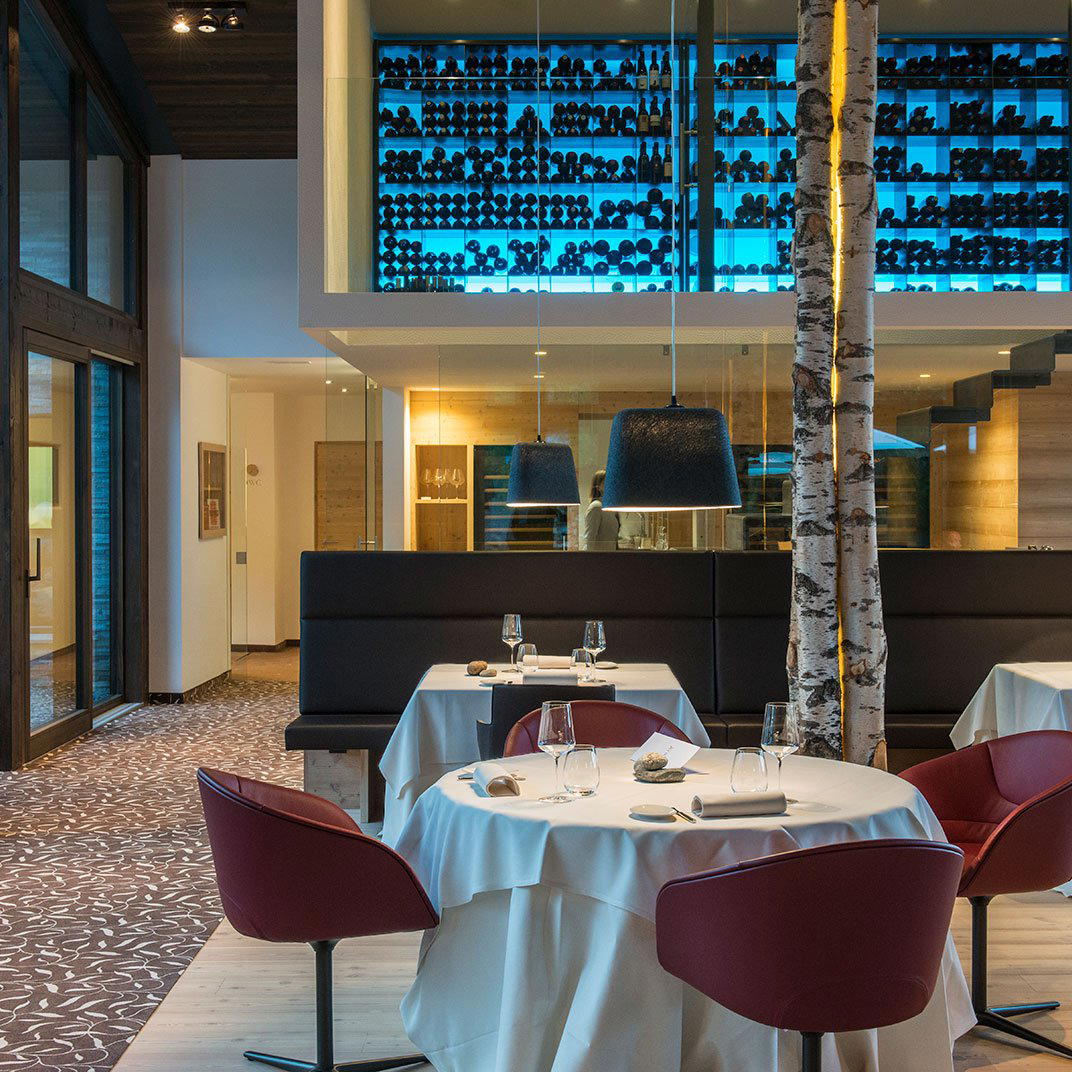
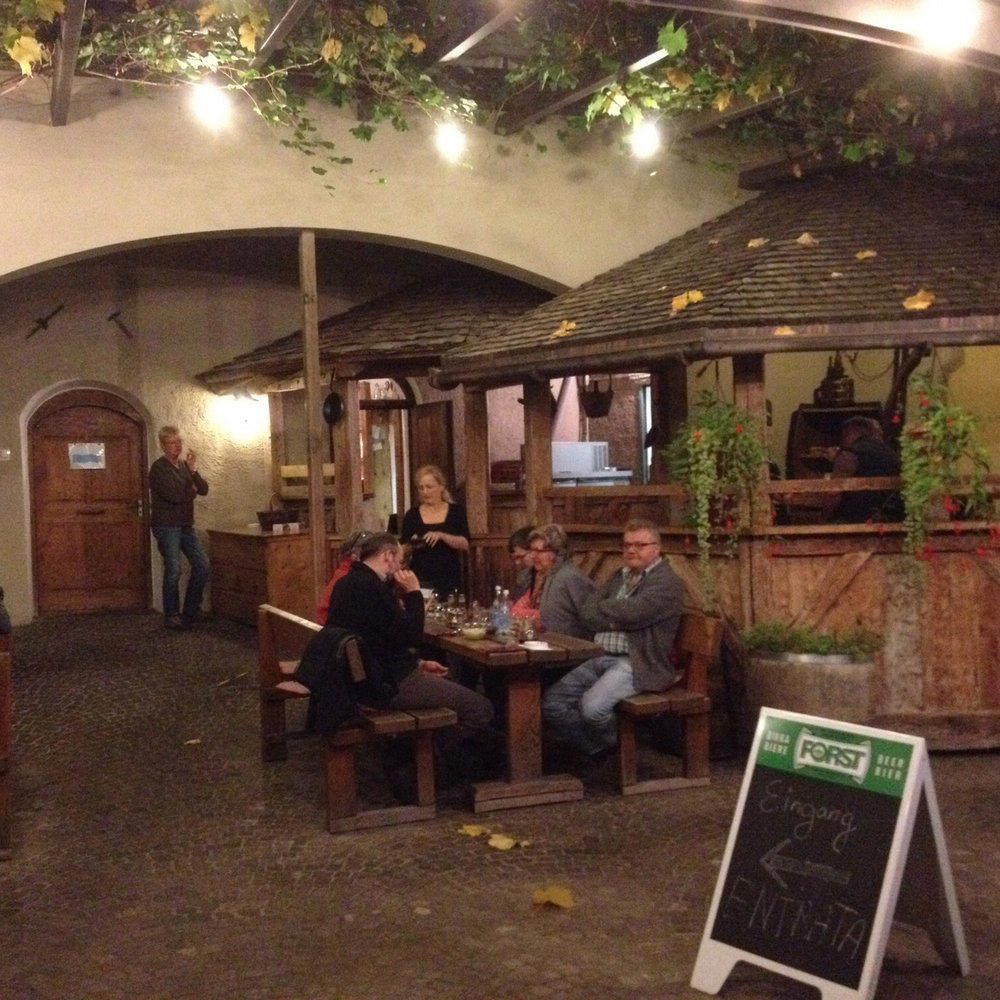
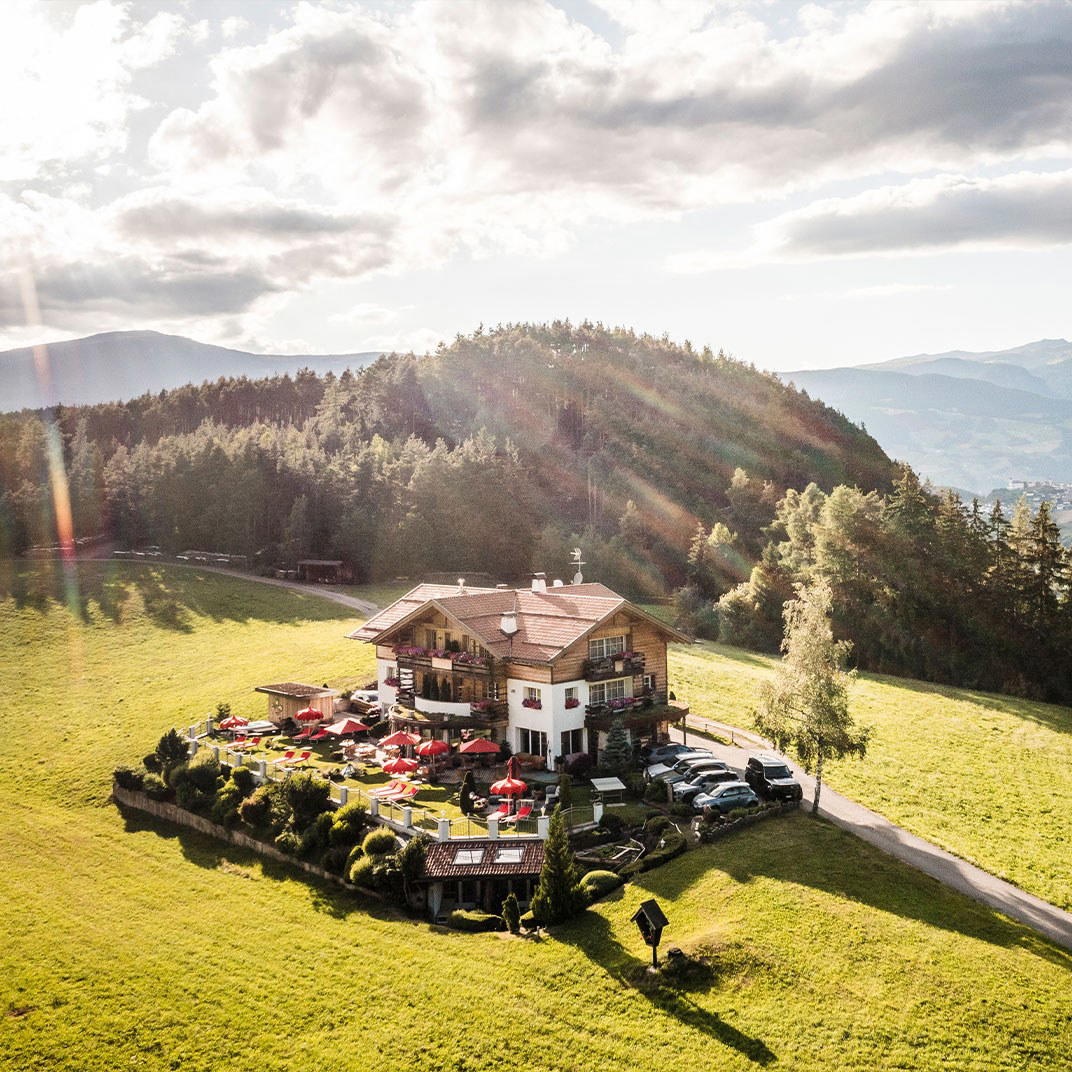
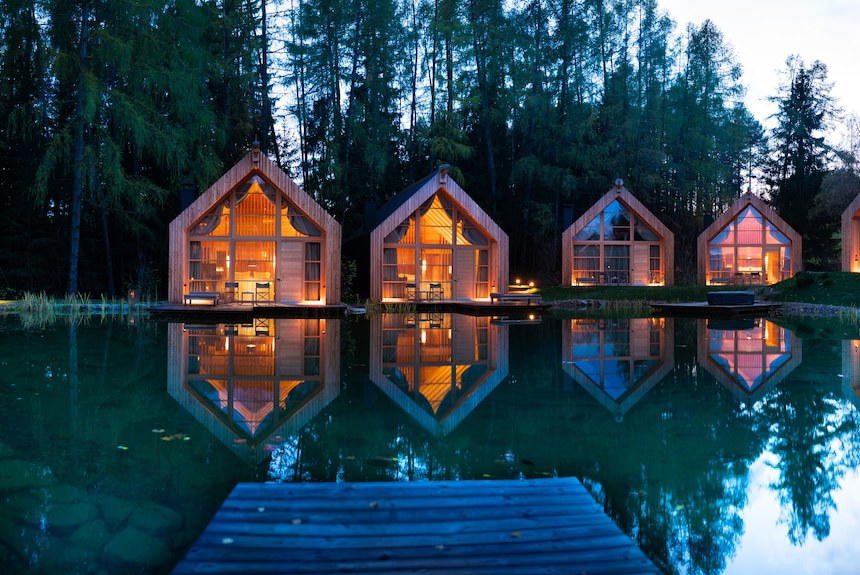
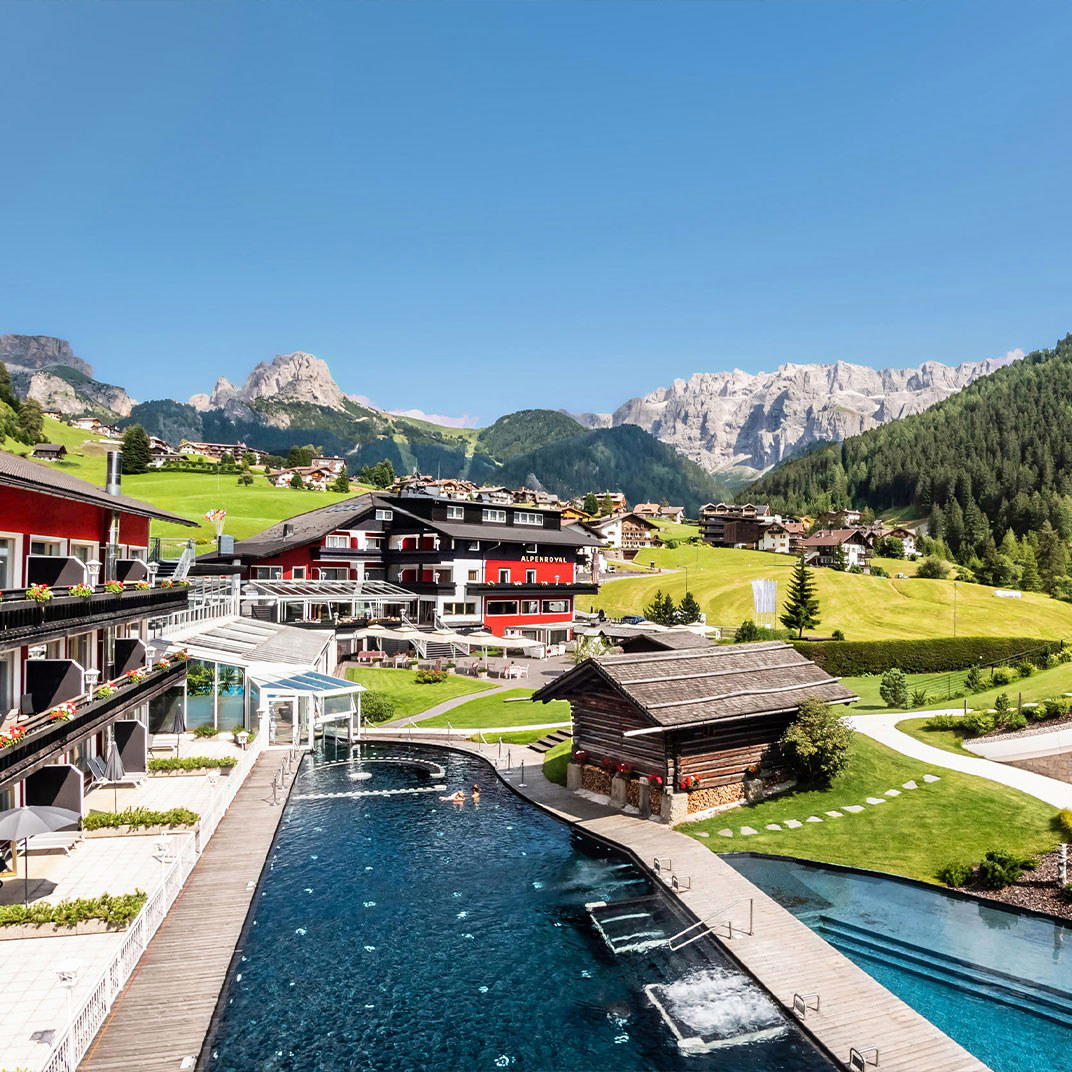
Inviting mountain atmosphere enhanced by panoramic terrace dining and scenic vistas.