Gourmetrestaurant Lampl Stube
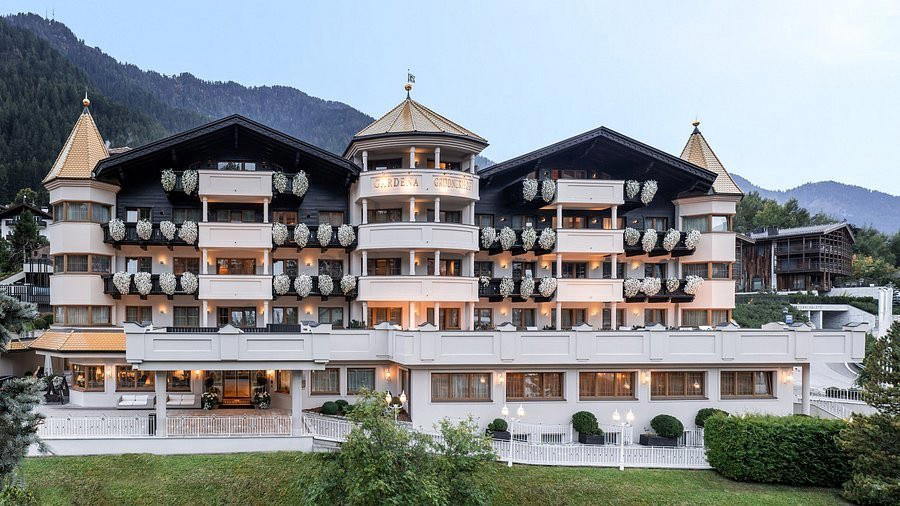
Set in the Dolomite village of Kastelruth in South Tyrol, Gourmetrestaurant Lampl Stube occupies a dining register where Alpine culinary tradition meets the region's German-Italian cultural crossroads. The address on Via Dolomiti places it within a village that draws serious mountain travellers, and the restaurant operates within a local fine-dining tier that rewards advance planning.
Pearl is the En Primeur Club membership app — saves, bookings, and concierge access live there. Same editors, same standards.
- Address
- Via Dolomiti, 19, 39040 Castelrotto BZ, Italy
- Phone
- +39471706343
- Website
- lamm-hotel.it
- Directions
- Get directions
 Saves & bookings on Pearl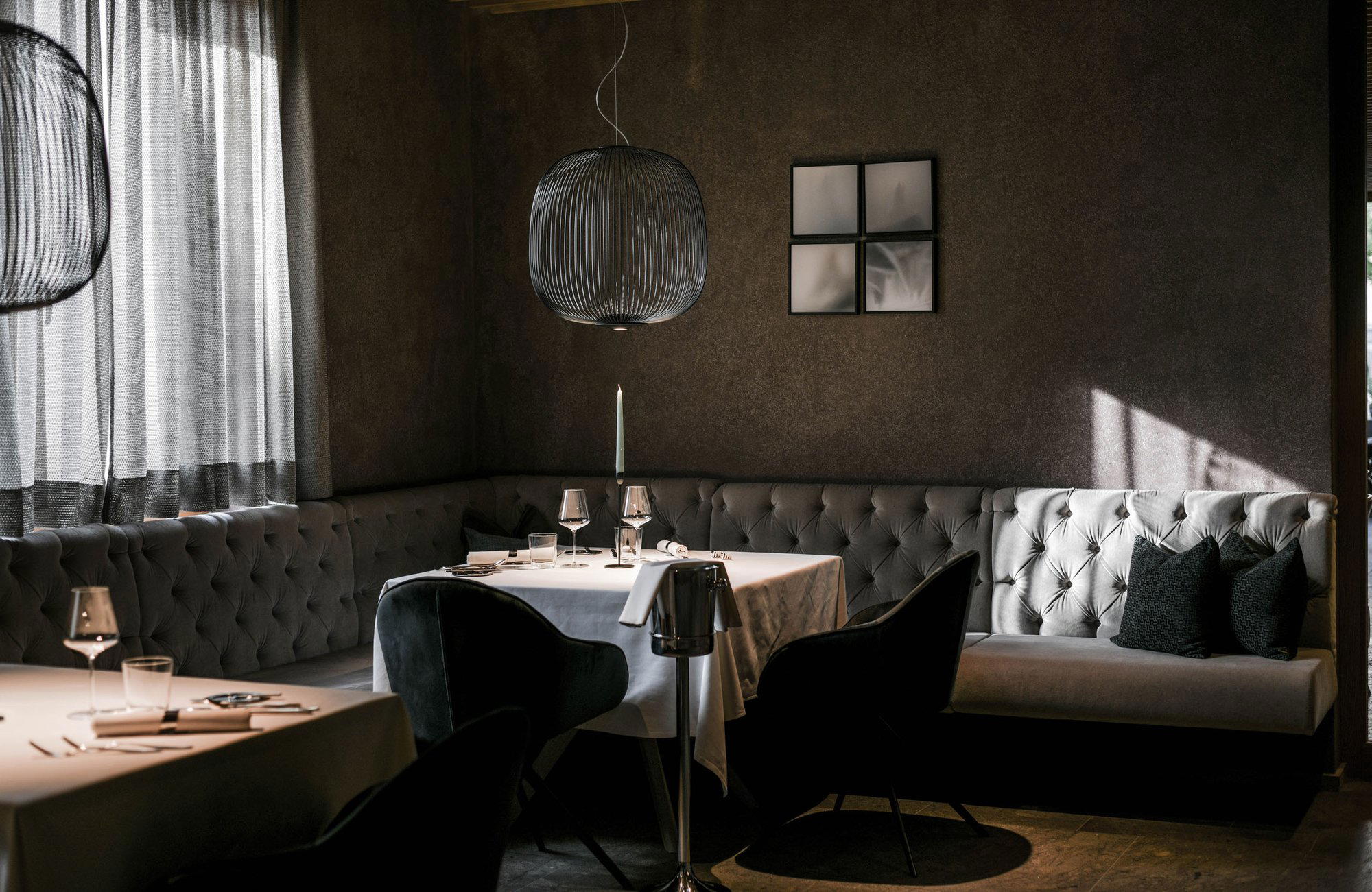
Where the Dolomites Meet the Table
South Tyrol's dining identity is built on a tension that few Italian regions share: the pull of Austrian-German mountain tradition against the weight of Italian culinary heritage. This is a province where Speck hangs alongside prosciutto, where Knödel appear on menus that also list risotto, and where the German name Kastelruth coexists with the Italian Castelrotto on road signs and restaurant addresses alike. Gourmetrestaurant Lampl Stube, located on Via Dolomiti in Castelrotto, is a restaurant serving Contemporary South Tyrolean Fine Dining in a smart casual setting with essential reservations, and it sits inside this layered cultural context. The cuisine tradition here is not simply Italian, nor simply Alpine, it is Tyrolean, and that carries specific weight for anyone arriving with expectations shaped by the restaurants of Milan or Rome.
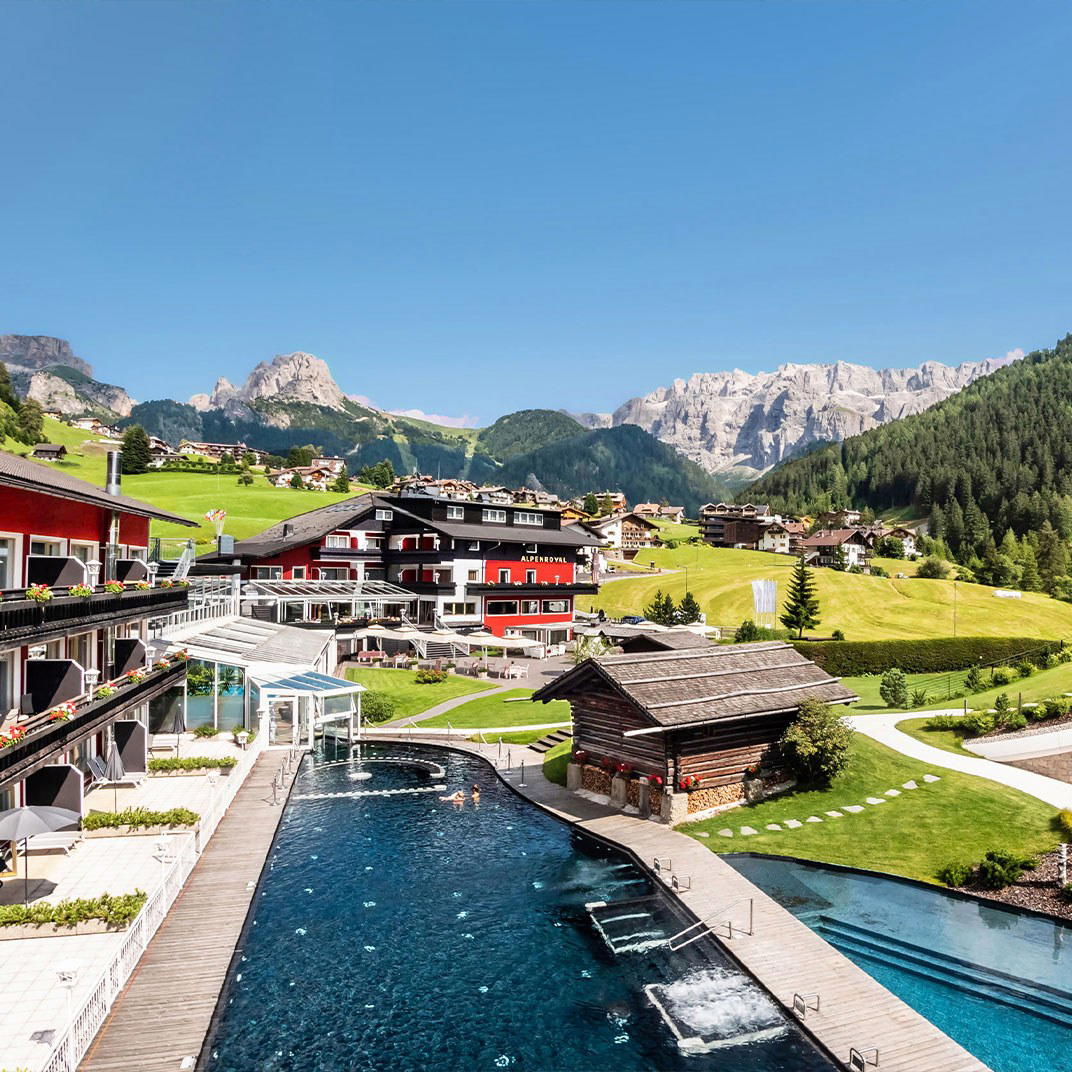
The village of Kastelruth sits at around 1,000 metres above sea level on the Alpe di Siusi plateau, surrounded by the UNESCO-designated Dolomiti. Arriving in the village, the architecture signals immediately that this is not a Tuscan hill town. The painted facades, the church tower, the narrow streets oriented against the mountain wind: all of it points north, toward Innsbruck and Salzburg as much as toward Bolzano and Verona. A restaurant operating within this environment draws from an ingredient pool shaped by altitude, season, and a centuries-old mountain economy. Wild herbs, aged dairy, cured meats, freshwater fish from Alpine streams, and game from the surrounding forests form the backbone of Tyrolean fine dining, and those ingredients dictate a kitchen logic quite different from what you find in the coastal or Po Valley traditions that produce places like Quattro Passi in Marina del Cantone or Uliassi in Senigallia.
The South Tyrolean Gourmet Register
Italy's fine-dining map rewards concentration: the majority of its starred addresses cluster in Lombardy, Emilia-Romagna, Campania, and Piedmont. South Tyrol, despite its small size and population, punches significantly above its weight in this distribution. The province has produced some of Italy's most discussed contemporary kitchens, with chefs like Norbert Niederkofler at Atelier Moessmer in Brunico building international reputations from mountain kitchens that deliberately refuse to import ingredients from below a certain altitude. That philosophy, rooted in strict Alpine terroir, has become a signature posture for the region's highest-profile tables.
Kastelruth's own dining scene operates within this broader South Tyrolean context, though at a more accessible register than the province's marquee addresses. The village's gourmet restaurants, including Lampl Stube alongside nearby options like Gostner Schwaige, Furscher Mühle, and Restaurant Sassegg, form a local tier that serves the village's significant tourist traffic alongside a resident population with expectations shaped by proximity to Austria. These are not urban fine-dining destinations in the mode of Enrico Bartolini in Milan or Osteria Francescana in Modena. They operate as place-specific dining, where the room, the view, and the mountain ingredients are as much a part of the proposition as the cooking itself.
The Tyrolean Table: Ingredients and Tradition
Understanding what a restaurant like Lampl Stube does requires understanding what Tyrolean cuisine actually is, because it differs substantially from the categories that most international visitors arrive with. This is a cuisine shaped by winters that last six months, by the absence of olive groves and wheat fields at altitude, and by a trading history that ran east-west across the Alps rather than north-south through the peninsula. The canonical dishes of the tradition, Schlutzkrapfen (half-moon pasta stuffed with spinach and ricotta), Tiroler Gröstl (a pan-fry of potatoes, beef, and onion), Kaiserschmarrn, are unmistakably Central European in their logic, even when finished with Italian technique or served in a room with Italian wine.
South Tyrolean fine dining has, over the past two decades, worked with this material rather than against it. The approach that has gained most traction treats the traditional dishes as architectural references, keeping the flavour logic intact while refining texture, proportion, and presentation. The result is a cuisine that can hold its own in comparison with Italy's coastal or lowland fine-dining registers, even if it operates by entirely different rules. Internationally celebrated rooms like Piazza Duomo in Alba, Le Calandre in Rubano, or Dal Pescatore in Runate draw on radically different ingredient pools; the Tyrolean kitchen's distinction is precisely its refusal to converge with those traditions.
Planning Your Visit
Kastelruth is accessible by road from Bolzano in approximately 30 minutes, and the village sits at the gateway to the Alpe di Siusi, making it a natural base for visitors combining hiking or skiing with serious eating. The mountain calendar shapes dining rhythms significantly in this part of South Tyrol: summer brings hikers and cyclists, while winter draws skiers from across Central Europe, and demand at the village's better tables tracks both seasons. Booking ahead at Gourmetrestaurant Lampl Stube is advisable during peak periods, the Dolomite high season runs roughly from late June through August and again from late December through March, when the plateau's ski lifts operate at capacity. For visitors comparing options across the broader Italian fine-dining circuit, the context provided by houses like Reale in Castel di Sangro, Enoteca Pinchiorri in Florence, or Casa Perbellini 12 Apostoli in Verona is useful precisely because it shows how different the South Tyrolean proposition is from the rest of the national map. The address on Via Dolomiti, 19 in Castelrotto BZ places Lampl Stube in the village core, walkable from the main square.
Price Lens
Comparable venues nearby, for context on price, style, and recognition.
| Venue | Cuisine | Price | Notes |
|---|---|---|---|
| Gourmetrestaurant Lampl StubeThis venue — the venue you are viewing | Not listed | $$$$ | Not listed |
| Restaurant Sassegg | Not listed | $$$ | Alpe di Siusi, South Tyrolean Italian with Mediterranean influences |
| Furscher Mühle | Not listed | $$$ | Siusi allo Sciliar, Traditional South Tyrolean Alpine Cuisine |
| Gostner Schwaige | Not listed | $$$ | Alpe di Siusi, Contemporary Alpine Cuisine |
| La Casati | San Marco, Contemporary Venetian | $$$$ | Not listed |
| Kräuterrestaurant Arcana | Not listed | $$$$ | Ahornach, Sand in Taufers, Alpine Herb-Forward Contemporary Italian |
Continue exploring
More in Kastelruth
Restaurants in Kastelruth
Browse all →
Bars in Kastelruth
Browse all →
Hotels in Kastelruth
Browse all →
At a Glance
- Cozy
- Intimate
- Elegant
- Sophisticated
- Special Occasion
- Date Night
- Celebration
- Business Dinner
- Hotel Restaurant
- Wine Cellar
- Extensive Wine List
- Local Sourcing
- Mountain
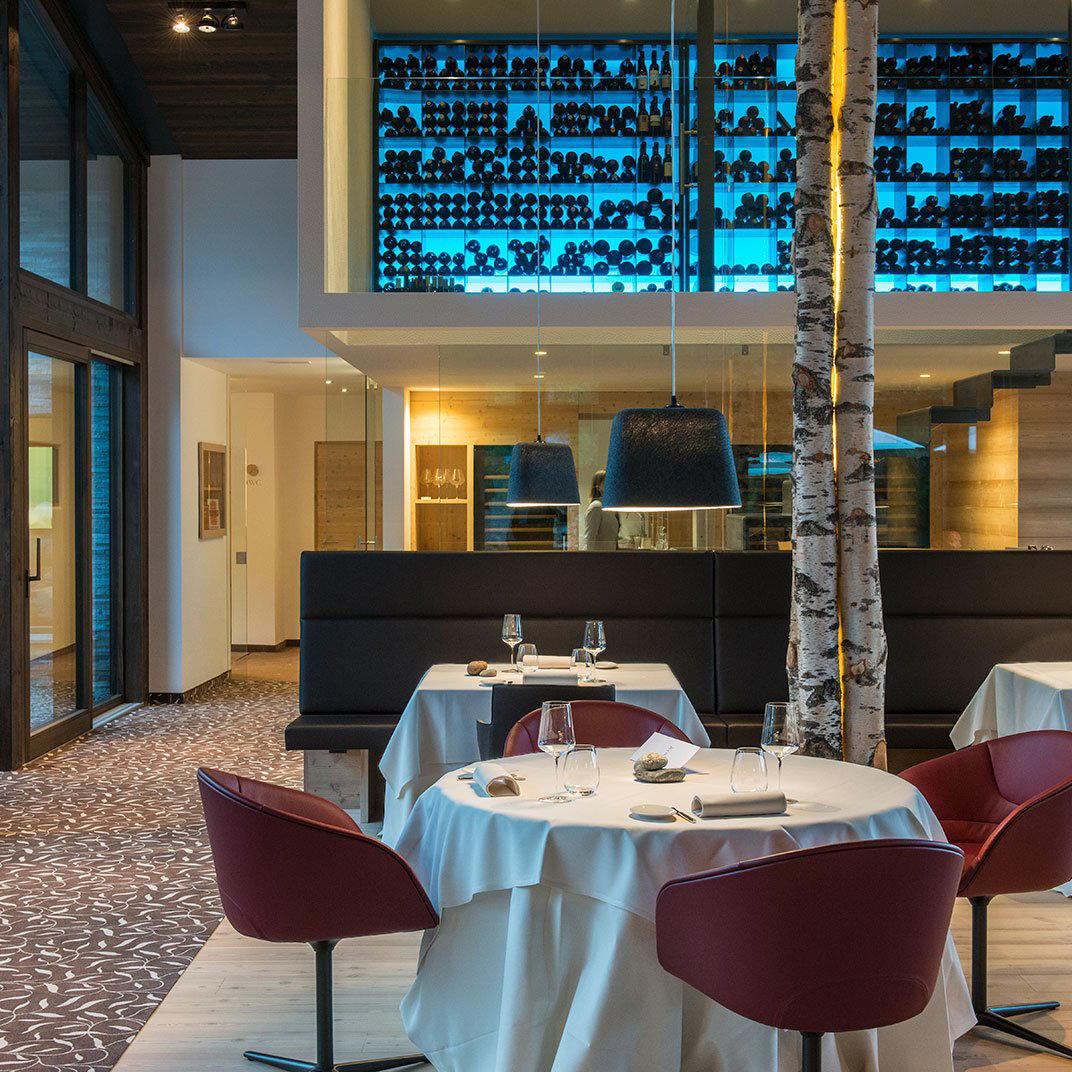
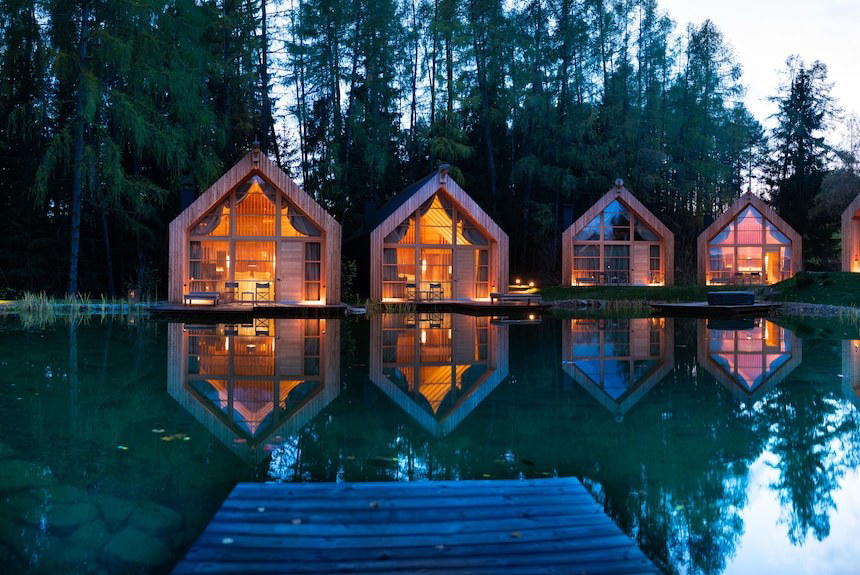
Cozy, detail-rich and intimate, designed for an exclusive gourmet experience with polished service in a casual yet refined atmosphere.