Schlosswirt sits at Via Al Castello in Schenna, a village in South Tyrol where castle proximity and alpine agriculture have shaped dining traditions for centuries. The address places it within a corridor of restaurants drawing from the same mountain-valley larder, where locally raised produce and regional culinary identity carry more weight than international trends.
Pearl is the En Primeur Club membership app — saves, bookings, and concierge access live there. Same editors, same standards.
- Address
- Via Al Castello, 2, 39017 Scena BZ, Italy
- Phone
- +39473945620
- Website
- schlosswirt.it
- Directions
- Get directions
 Saves & bookings on Pearl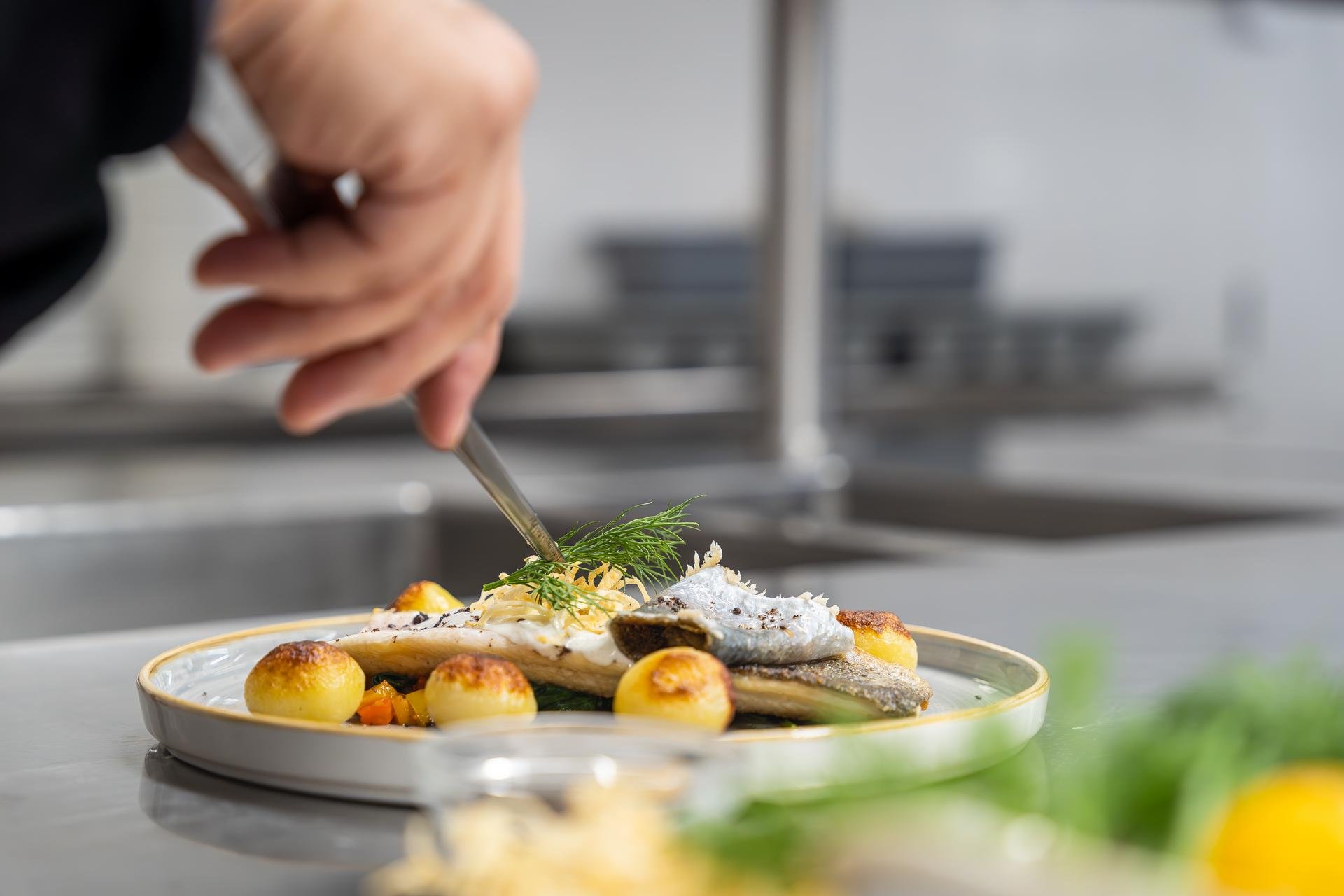
Where the Castle Meets the Kitchen: Dining in Schenna's Agricultural Belt
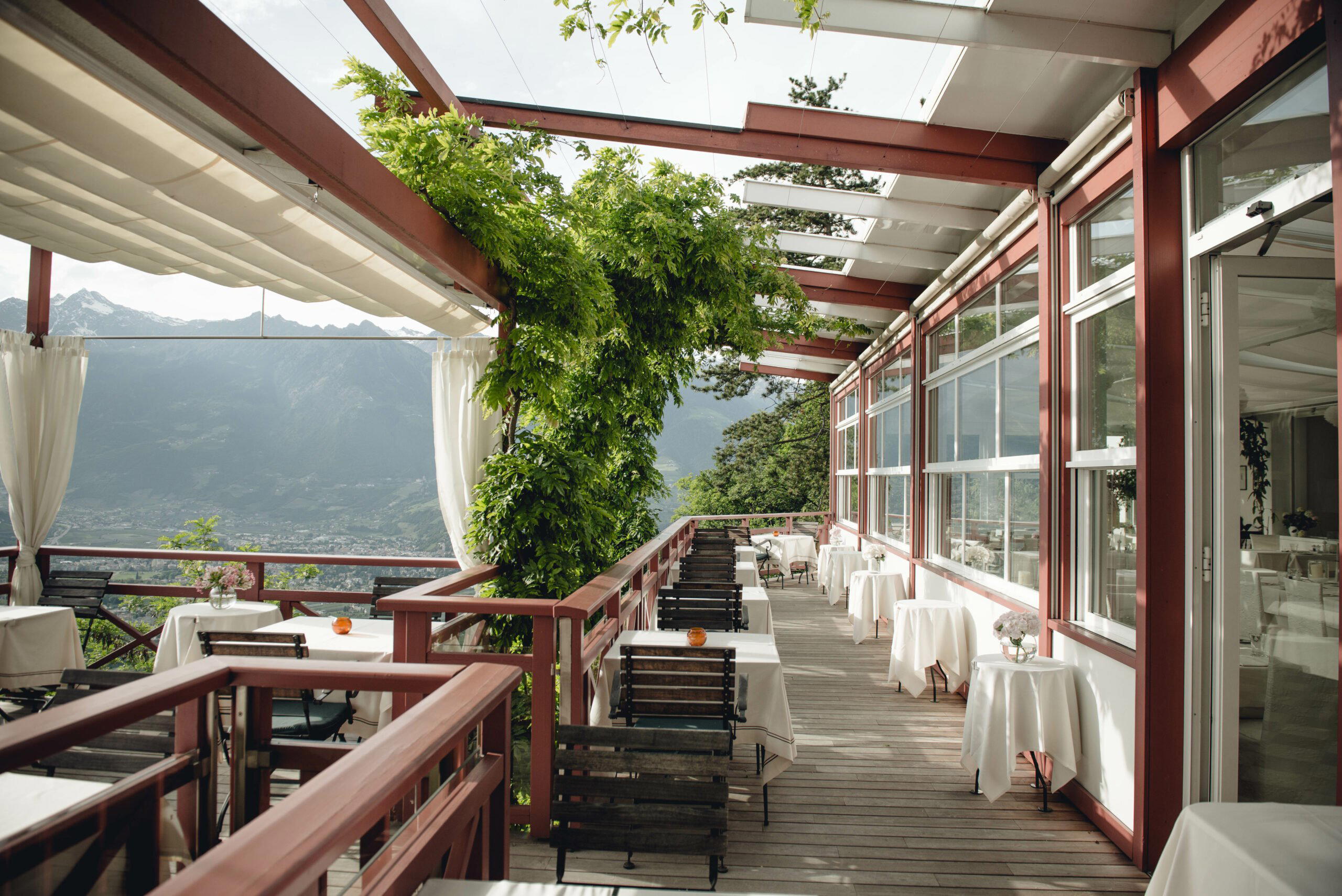
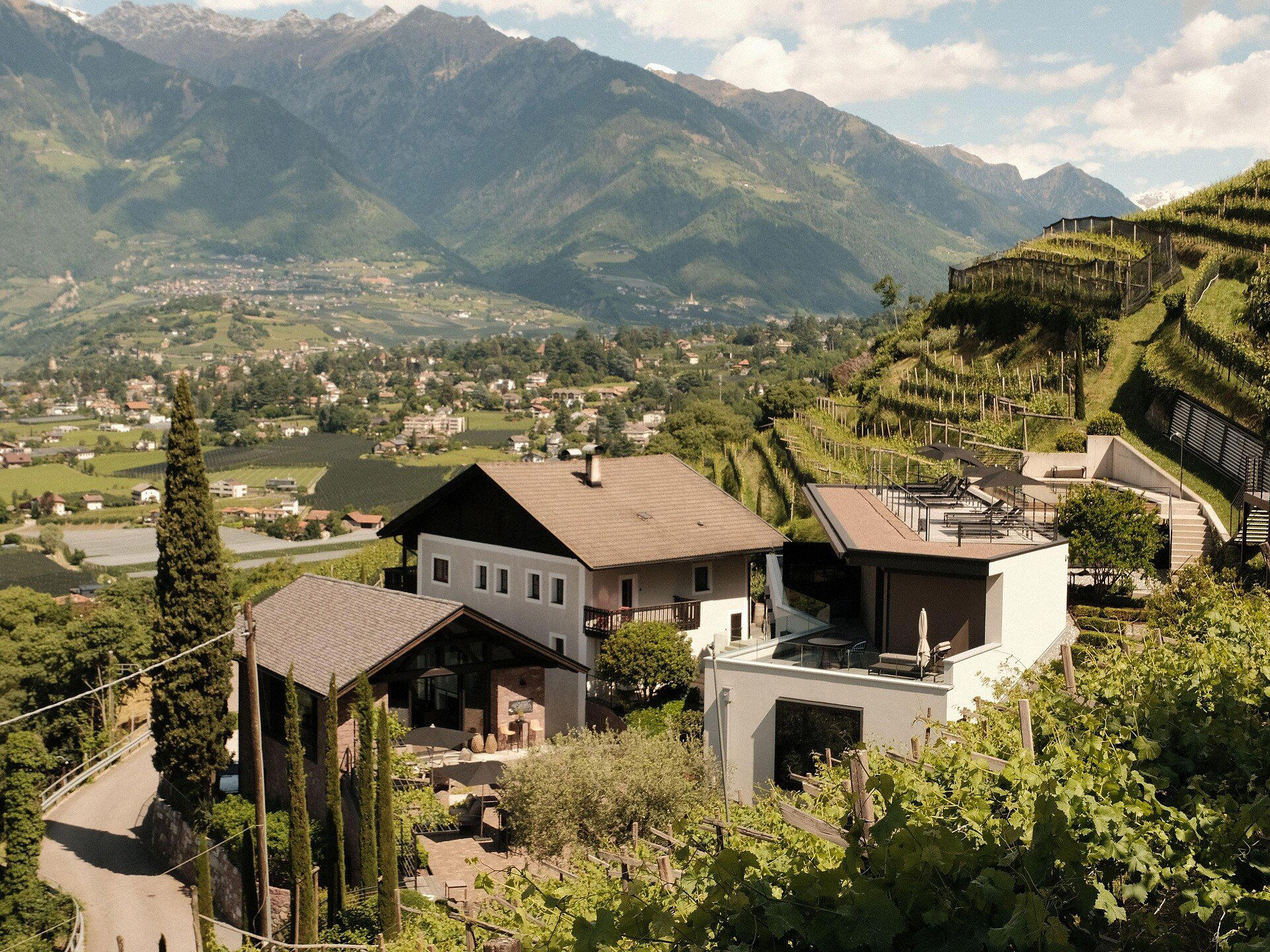
South Tyrol's hillside villages have a particular relationship between built heritage and food culture: the castle overlooking the town isn't decorative backdrop but a marker of centuries-old land use, where the slopes below sustained livestock, orchards, and vine cultivation long before fine dining became a category. Schlosswirt occupies that same geography, with the address placing it squarely within Schenna's historic core and the surrounding Merano valley providing the raw material that defines the table.
This part of northern Italy operates in a culinary register that doesn't map neatly onto either the Italian mainstream or the German-speaking Alpine tradition. South Tyrol's cooking draws from both inheritances simultaneously: speck and dumplings sit alongside herb-driven antipasti and locally pressed apple juice, while the wine production in the valley below Merano produces varieties that rarely travel far beyond the region. For visitors arriving from Italy's better-known fine dining destinations, places like Osteria Francescana in Modena or Enoteca Pinchiorri in Florence, the register here is more grounded, more tied to altitude and season, less interested in international reference points.
Sourcing at Altitude: Why Provenance Matters in the Merano Valley
The ingredient story in South Tyrol is inseparable from its geography. The Etschtal (Adige valley) running through this part of the province concentrates apple production, small-scale cattle farming, and a wine corridor that includes Vernatsch, Lagrein, and white varieties suited to cooler elevations. Schenna sits above the valley floor at roughly 600 metres, which affects both what grows here and how long seasons last. The result is a larder defined by altitude-specific conditions: shorter growing windows, more concentrated flavours in root vegetables and orchard fruit, and livestock that cover considerable ground before reaching the table.
This sourcing dynamic shapes the character of restaurants in the village differently from coastal or lowland Italian dining. The conversation happening at Atelier Moessmer Norbert Niederkofler in Brunico about alpine ingredient sovereignty, cooking strictly within what the mountains provide, has a philosophical cousin in the quieter, less publicised approach found in village restaurants throughout South Tyrol. Schlosswirt's position on Via Al Castello places it within this same agricultural context, even if its approach operates at a more traditional register than Niederkofler's explicitly documented programme.
Comparing sourcing philosophies across Italian fine dining reveals just how different the South Tyrolean model is. At Quattro Passi in Marina del Cantone or Uliassi in Senigallia, provenance means the Tyrrhenian or Adriatic at the door; here, provenance means the pasture visible from the dining room window.
Schenna's Restaurant Scene and Where Schlosswirt Fits
Schenna is a small village, and its restaurant offer reflects that compactness. The options cluster around a handful of traditional Gasthöfe and newer dining rooms that have absorbed some of the influence spreading outward from South Tyrol's more celebrated kitchens. Within that local context, Schlosswirt operates as part of a peer group that includes Schmied and Zmailer-Hof, all working within a similar radius and drawing from related ingredient sources.
What separates venues in a village this size is less about category distinction and more about emphasis: which traditions a kitchen chooses to prioritise, how far it leans into the German-speaking Alpine inheritance versus the Italian Mediterranean pull, and whether the approach stays conservative or absorbs outside technique. For a fuller mapping of how these restaurants relate to one another and to the broader dining character of the area,
South Tyrol as a whole has produced a disproportionate concentration of Michelin-recognised kitchens relative to its population, which has raised the ambient standard of cooking across the region. Even restaurants without starred recognition operate in an environment where produce quality and kitchen discipline carry cultural weight. That ambient pressure is part of what makes village dining here worth attention, even when individual venues lack the documented credential trail of flagship destinations like Piazza Duomo in Alba or Le Calandre in Rubano.
Getting to Schenna and Planning Around It
Schenna sits a short drive above Merano, which is itself reachable by train from Bolzano (approximately 40 minutes) and by road from Innsbruck or Verona. The village has limited public transport beyond seasonal connections, so most visitors arrive by car or taxi from Merano. Booking directly with the restaurant is the standard approach in South Tyrolean village dining, where online reservation systems are less uniformly adopted than in Italy's larger cities. Arriving without a reservation in high summer or during the apple harvest season, roughly September through October, carries meaningful risk of finding the room full. The landscape draws a mix of German-speaking tourists from Austria and Germany alongside Italian visitors from the south, which creates a genuinely bilingual dining environment where menus frequently appear in both Italian and German.
For travellers building a broader South Tyrol itinerary that combines village dining with Italy's more celebrated tables, the range of options spans from Reale in Castel di Sangro and Da Vittorio in Brusaporto to Casa Perbellini 12 Apostoli in Verona, giving a sense of how Schenna's quieter register fits within Italy's broader fine dining geography. Those looking further afield for reference points on how regional specificity drives a dining identity might also look at Dal Pescatore in Runate, a similarly location-rooted institution that has maintained a distinct character over decades, or at the contrast offered by fully metropolitan programs like La Pergola in Rome or Enrico Bartolini in Milan.
At-a-Glance Comparison
Comparable venues nearby, for context on price, style, and recognition.
| Venue | Cuisine | Price | Notes |
|---|---|---|---|
| SchlosswirtThis venue — the venue you are viewing | Modern South Tyrolean with Mediterranean Influences | $$$ | Not listed |
| Schmied | South Tyrolean-Mediterranean Fine Dining | $$$ | Scena |
| Zmailer-Hof | South Tyrolean Farmhouse Inn | $$ | Schenna |
| FIVE | Contemporary Italian Mediterranean | $$$ | Porta Venezia |
| Renzo | Contemporary Italian | $$$ | Cadenabbia di Griante |
| Hotel Plan de Gralba | South Tyrolean & Italian Fine Dining | $$$ | Selva di Val Gardena |
Continue exploring
More in Schenna
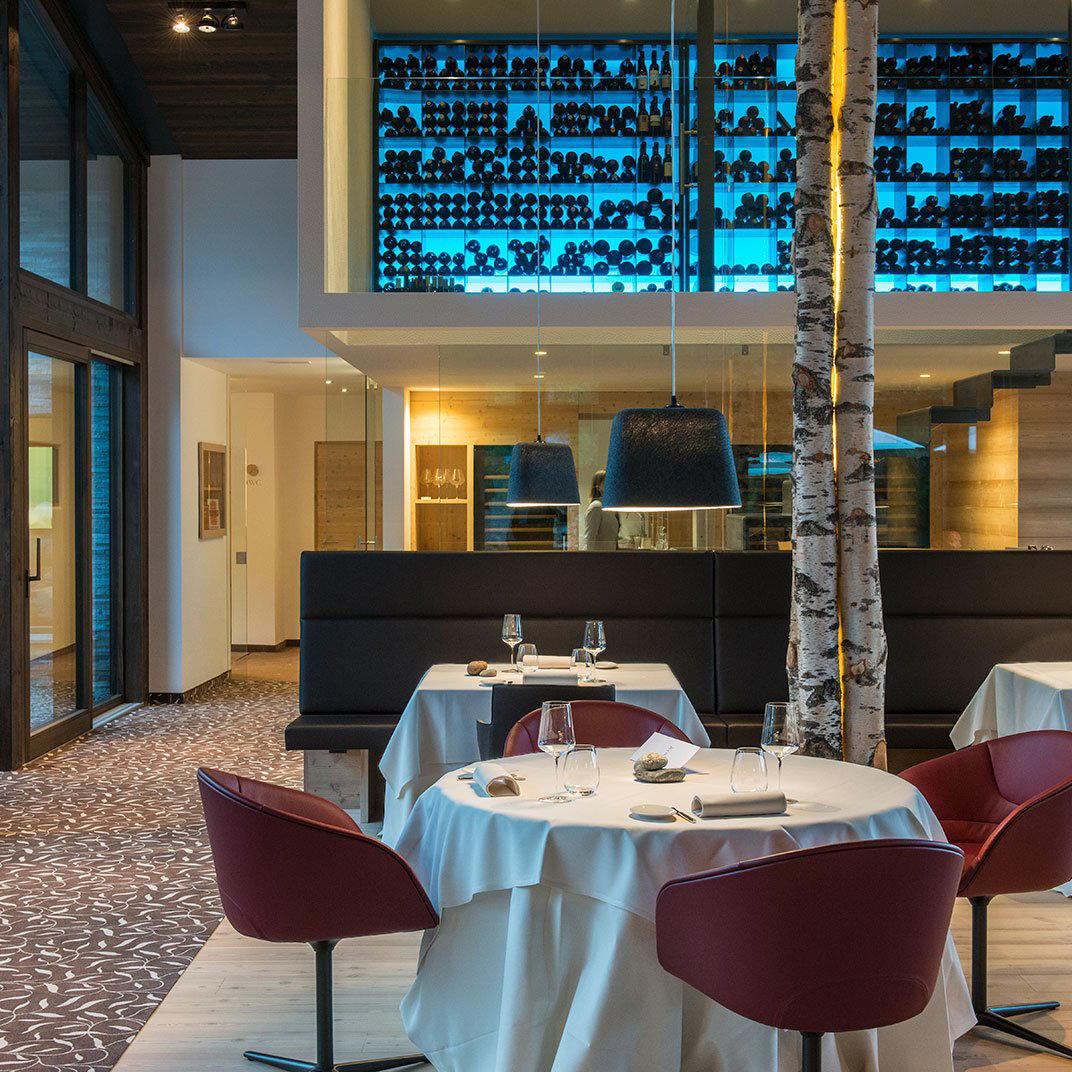
Restaurants in Schenna
Browse all →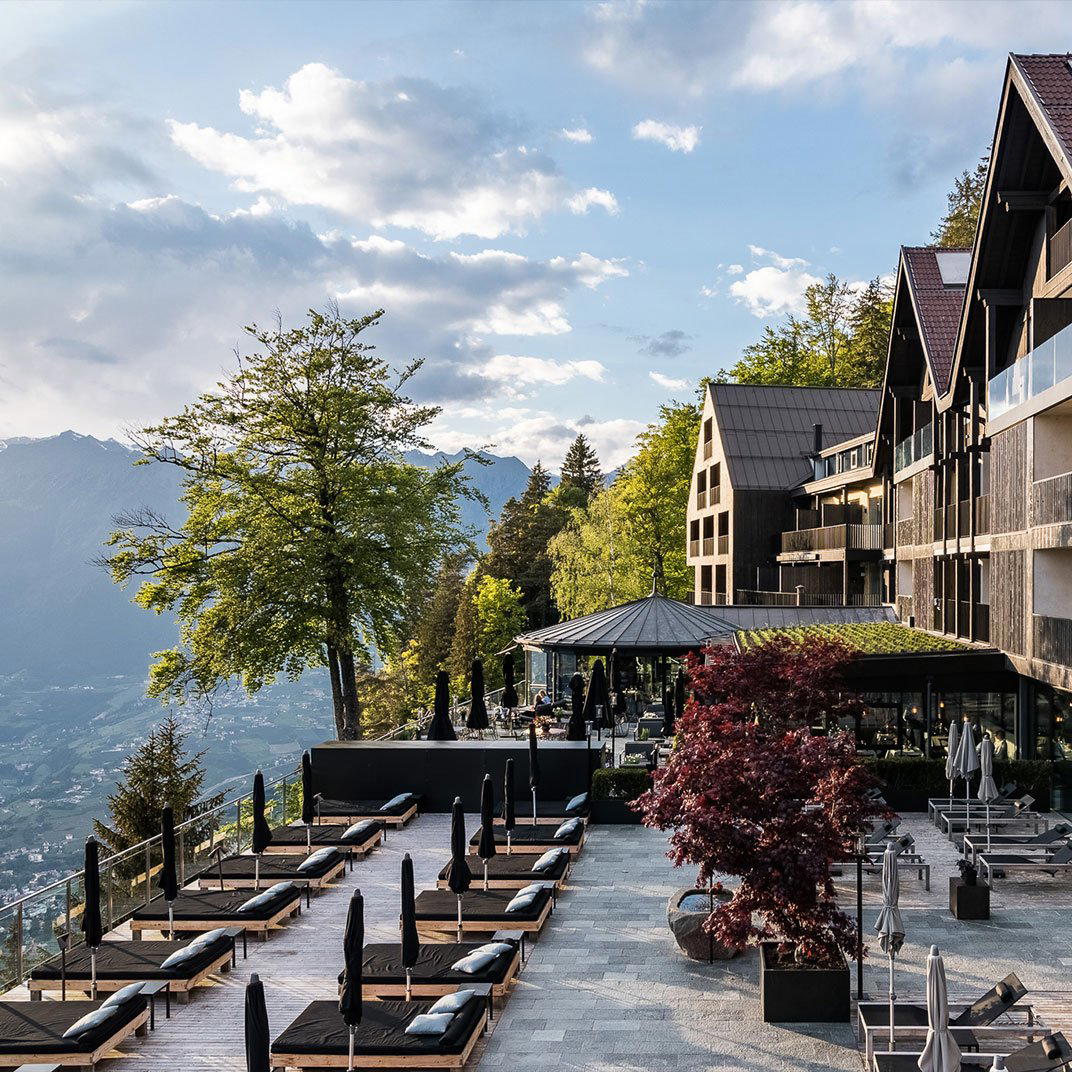
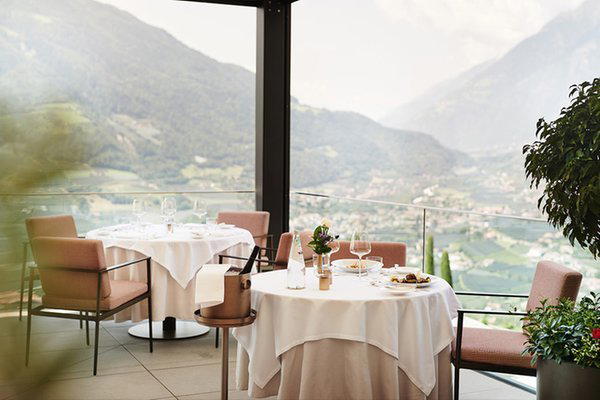
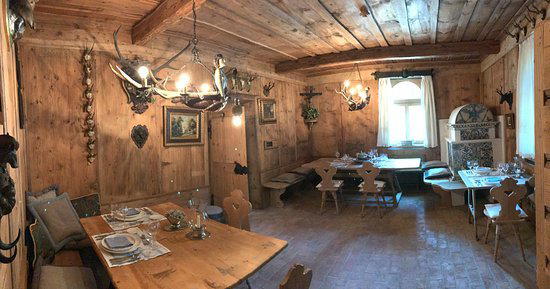
Bars in Schenna
Browse all →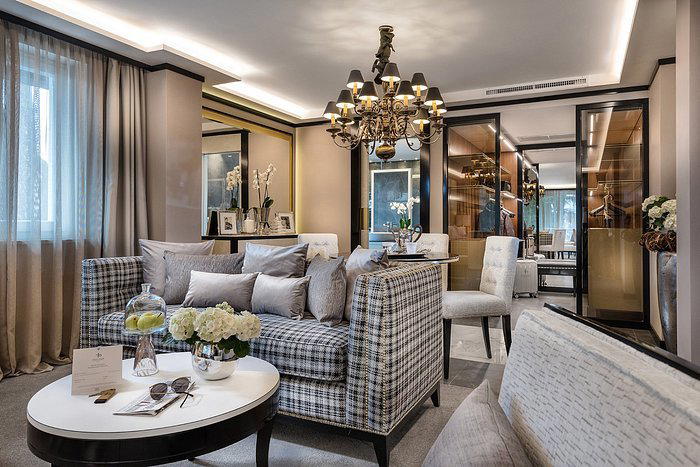
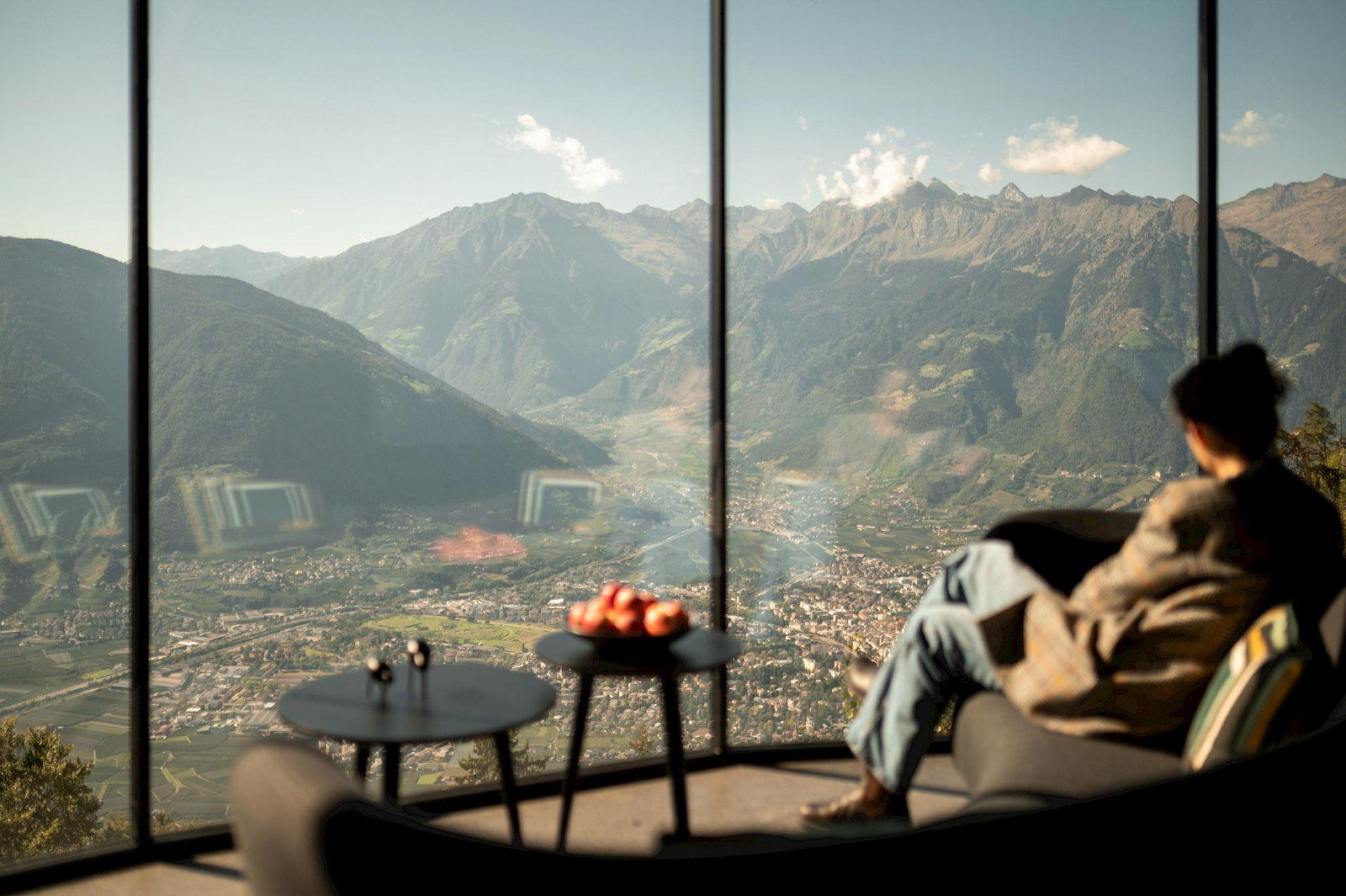
Hotels in Schenna
Browse all →
At a Glance
- Rustic
- Cozy
- Scenic
- Family
- Celebration
- Casual Hangout
- Terrace
- Panoramic View
- Hotel Restaurant
- Local Sourcing
- Mountain
Current opening hours
- Monday
- Closed
- Tuesday
- 2–9 PM
- Wednesday
- 12–9 PM
- Thursday
- 12–9 PM
- Friday
- 12–9 PM
- Saturday
- 12–9 PM
- Sunday
- 12–9 PM
Hours can change for holidays and private events. Last verified .
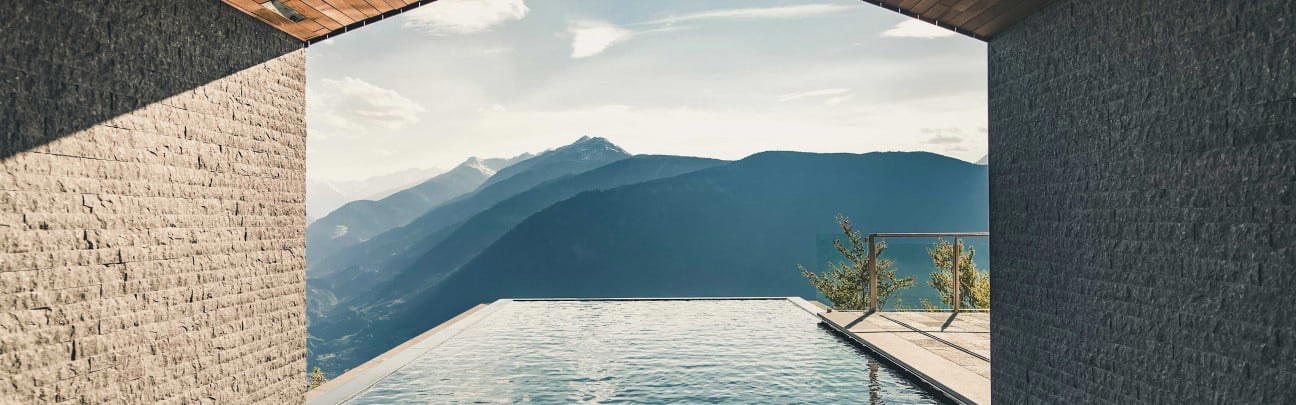
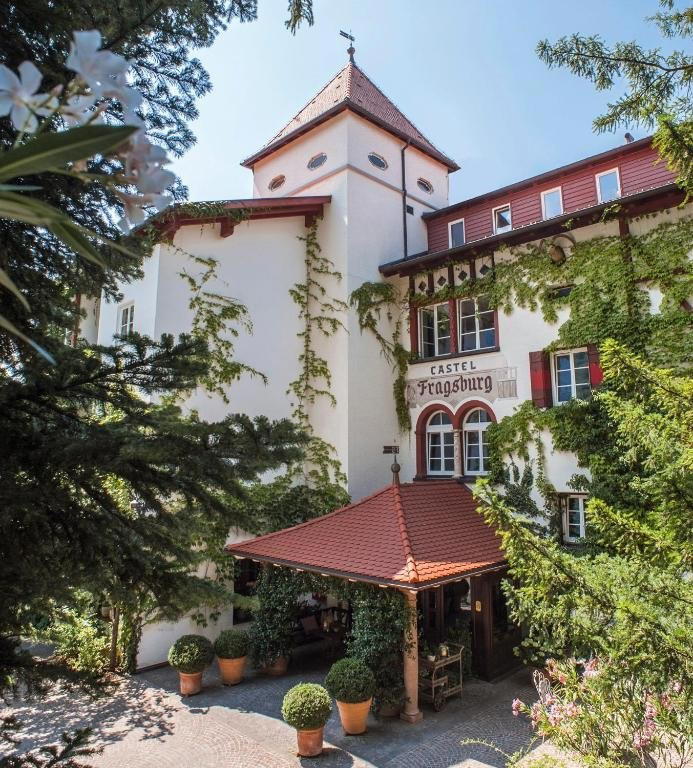
Warm and harmonious atmosphere blending South Tyrolean authenticity with Italian lightness, enhanced by scenic terrace dining.