Gostner Schwaige
A traditional Südtirol mountain refuge on the Seiser Alm plateau, Gostner Schwaige earns its place in the Kastelruth dining conversation through its grounding in alpine pasture ingredients and the kind of honest, place-rooted cooking that characterises stronger examples from this region. The address alone, high on one of Europe's largest alpine meadows, tells you something about the sourcing logic before you sit down.
Pearl is the En Primeur Club membership app — saves, bookings, and concierge access live there. Same editors, same standards.
- Address
- Saltriastrasse 13, 39040 Seiseralm, BZ, Italy
- Phone
- +393478368154
- Website
- gostnerschwaige.com
- Directions
- Get directions
 Saves & bookings on Pearl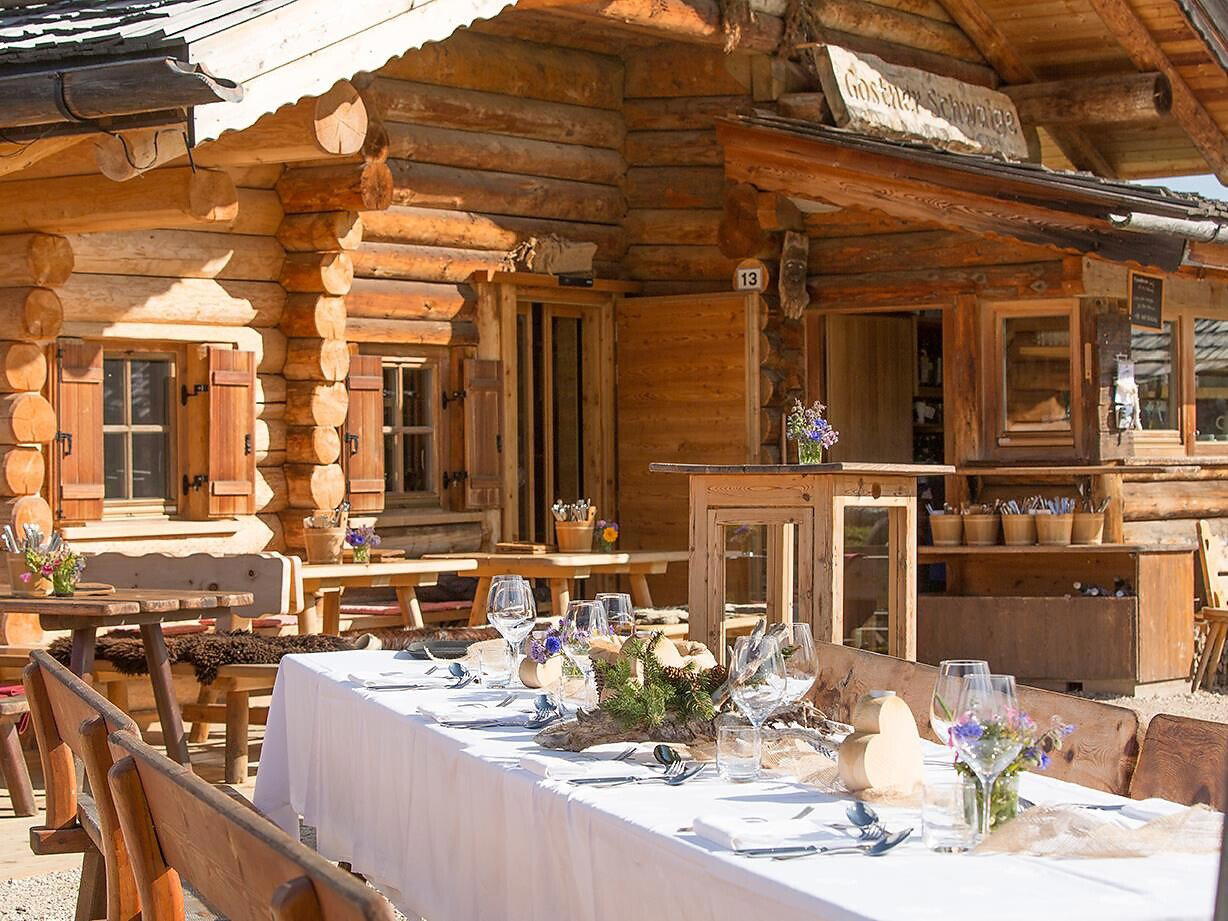
Where the Plateau Defines What's on the Plate
The Seiser Alm, known in Italian as Alpe di Siusi, sits above the Dolomite village of Kastelruth at an elevation that places it among Europe's largest high-altitude alpine meadows. At this height, the growing season is short, the grazing conditions are specific, and the food that emerges from kitchens here carries a traceable relationship to the land that lower-altitude restaurants can only simulate. Gostner Schwaige, positioned on the plateau at Saltriastrasse 13, belongs to a category of mountain refuge dining that is defined not by white-tablecloth formality but by the logic of proximity: what the alm produces is what appears on the table.
This is a meaningful distinction in a region that has spent decades building a credible culinary identity. Alto Adige, the German-speaking province of South Tyrol, where Kastelruth sits, has become one of Italy's most watched dining territories. The area around Brunico hosts Norbert Niederkofler's Atelier Moessmer, a three-Michelin-star address whose Cook the Mountain philosophy has become shorthand for the region's alpine-sourcing ethos. That broader context matters when reading a place like Gostner Schwaige: the Seiser Alm plateau has long operated as a working landscape, and the Schwaige format, a traditional alpine dairy farm that also feeds visitors, predates the fine-dining world's current enthusiasm for hyper-local sourcing by several generations.
The Sourcing Logic of a High-Altitude Kitchen
Schwaige kitchens occupy a specific position in the Südtirol dining ecosystem. They are not restaurants that happen to be in the mountains; they are working farm operations that have formalised their hospitality function. The distinction matters for how food arrives at the table. Dairy from cattle grazing the plateau's short-grass pastures produces milk, cream, and cheese with a compositional character that differs from valley-floor dairy. Hay-fed beef from Haflinger-country farms, local speck, cured in the dry alpine air rather than smoked over fruitwood in lower valleys, and foraged herbs from the surrounding meadows represent the ingredient logic that structures these menus seasonally.
In the broader context of Italian fine dining, where addresses like Osteria Francescana in Modena or Dal Pescatore in Runate make their sourcing arguments through highly refined technique, the Schwaige approach is deliberately less mediated. Ingredients travel short distances. Preparation methods, slow braises, dairy-rich sauces, hand-rolled dumplings, prioritise the ingredient over transformation. Piazza Duomo in Alba and Le Calandre in Rubano represent the high-technique pole of Italian regional cooking; the Seiser Alm Schwaige tradition sits at the opposite end of that spectrum, where restraint is a function of altitude rather than aesthetic choice.
Kastelruth's Position in the Südtirol Dining Map
Kastelruth itself is a small municipality, and its restaurant choices reflect both the village's scale and its tourism base. Alongside Gostner Schwaige, the area's dining scene includes Furscher Mühle, Gourmetrestaurant Lampl Stube, and Restaurant Sassegg, a small comparable set, each with a distinct positioning. Lampl Stube pushes toward the gourmet register; Sassegg holds a more mid-range, local character. The restaurant sits outside the village proper, on the alm, which already signals that the experience is as much about the journey to the table as what arrives on it.
The Seiser Alm plateau is accessible by cable car from Seis am Schlern or by road when open, and the seasonal rhythm of the alm itself shapes when the restaurant operates. Alpine refuges at this elevation typically follow the summer hiking season and the winter skiing calendar, with closures during shoulder seasons when the plateau is neither fully snow-covered nor yet in summer condition. Planning around those windows is a practical necessity, not an inconvenience: visiting outside peak season can mean finding the place closed entirely.
Reading the Experience Against Its Peers
Italy's most decorated tables, Enoteca Pinchiorri in Florence, Enrico Bartolini in Milan, Uliassi in Senigallia, Reale in Castel di Sangro, share a high-technique, chef-driven ambition that restaurant does not compete with on those terms. Nor does it need to. The relevant comparison set is different: other Schwaige operations on the Seiser Alm, traditional Stuben in the Kastelruth valley, and the small number of alpine-farm dining experiences across South Tyrol that have maintained authentic working relationships with the land rather than importing the aesthetic of farm-to-table without the farm. Internationally, the gap between a place like Le Bernardin in New York City and a Dolomite mountain refuge is self-evident; the interest in the restaurant lies precisely in what it does not attempt to be.
For travellers already engaged with Italy's serious dining tier, those who might also be planning visits to Quattro Passi in Marina del Cantone, Da Vittorio in Brusaporto, or Casa Perbellini 12 Apostoli in Verona, the restaurant functions as a counterpoint, a meal whose value comes from specificity of place rather than complexity of execution. That shift in register is part of what makes South Tyrol an interesting region to spend time in: the distance between its most refined and most elemental dining expressions is short in kilometres and significant in character.
Planning Your Visit
Reaching the restaurant requires deliberate effort: the address at Saltriastrasse 13 on the Seiser Alm means committing to the plateau, either by cable car from the valley or by road during periods when vehicle access is permitted. That logistical specificity is part of the experience's character. Reservations should be made ahead of any visit, alm restaurants at popular hiking and skiing destinations fill quickly during peak season, and the relatively small capacity typical of working Schwaige operations means walk-in availability is unreliable. Those travelling primarily for South Tyrol's broader dining scene might frame the restaurant as a morning or midday stop during a plateau excursion rather than a standalone dinner destination, though the alpine setting shifts that calculus considerably for visitors staying on or near the alm.
Comparable Venues
Comparable venues nearby, for context on price, style, and recognition.
| Venue | Cuisine | Price | Notes |
|---|---|---|---|
| Gostner SchwaigeThis venue — the venue you are viewing | Contemporary Alpine Cuisine | $$$ | Not listed |
| Restaurant Sassegg | South Tyrolean Italian with Mediterranean influences | $$$ | Alpe di Siusi |
| Gourmetrestaurant Lampl Stube | Contemporary South Tyrolean Fine Dining | $$$$ | Kastelruth |
| Furscher Mühle | Traditional South Tyrolean Alpine Cuisine | $$$ | Siusi allo Sciliar |
| Ungererhof | South Tyrolean Farm-to-Table | $$$ | Ratschings |
| Gostnerhof | South Tyrolean Farmhouse Cuisine | $$$ | Barbian |
Continue exploring
More in Kastelruth
Restaurants in Kastelruth
Browse all →
Bars in Kastelruth
Browse all →
Hotels in Kastelruth
Browse all →
At a Glance
- Rustic
- Cozy
- Scenic
- Intimate
- Special Occasion
- Family
- Open Kitchen
- Terrace
- Historic Building
- Farm To Table
- Local Sourcing
- Mountain
- Garden
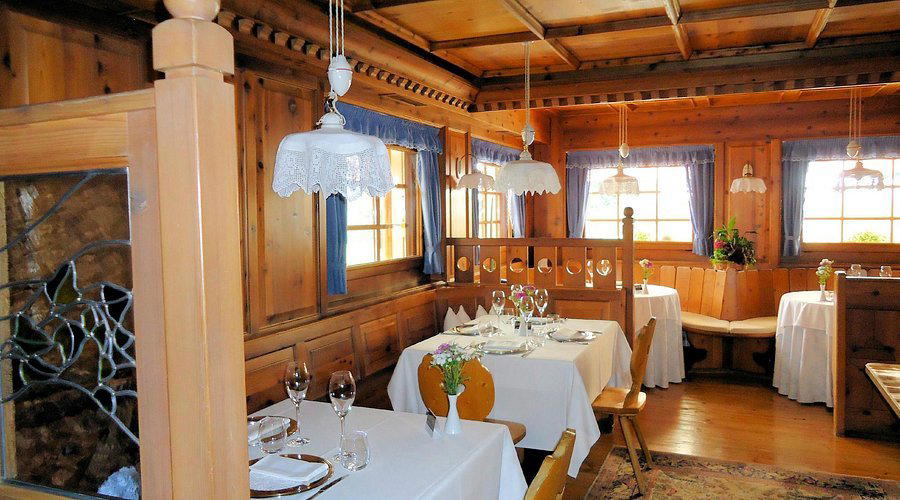
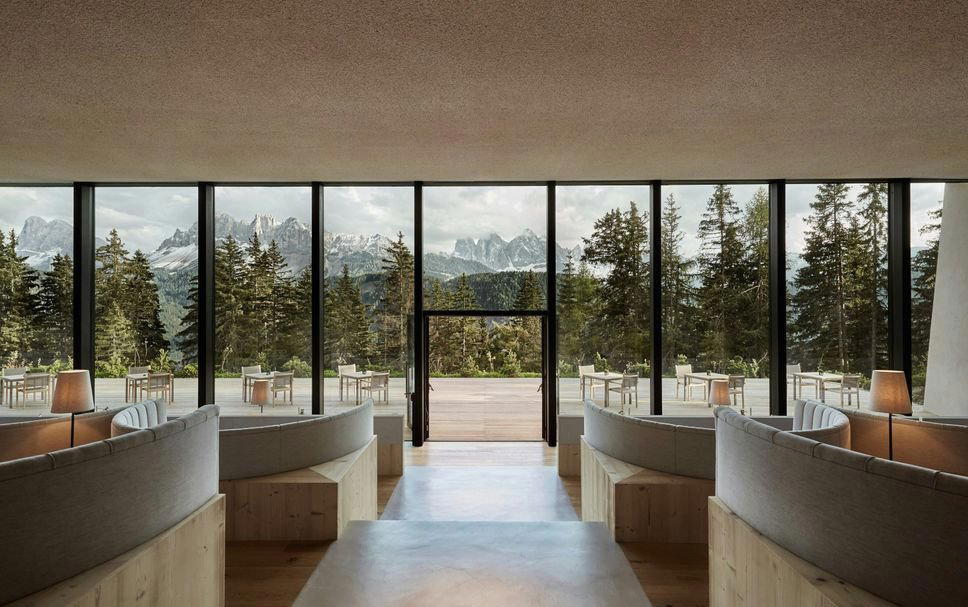
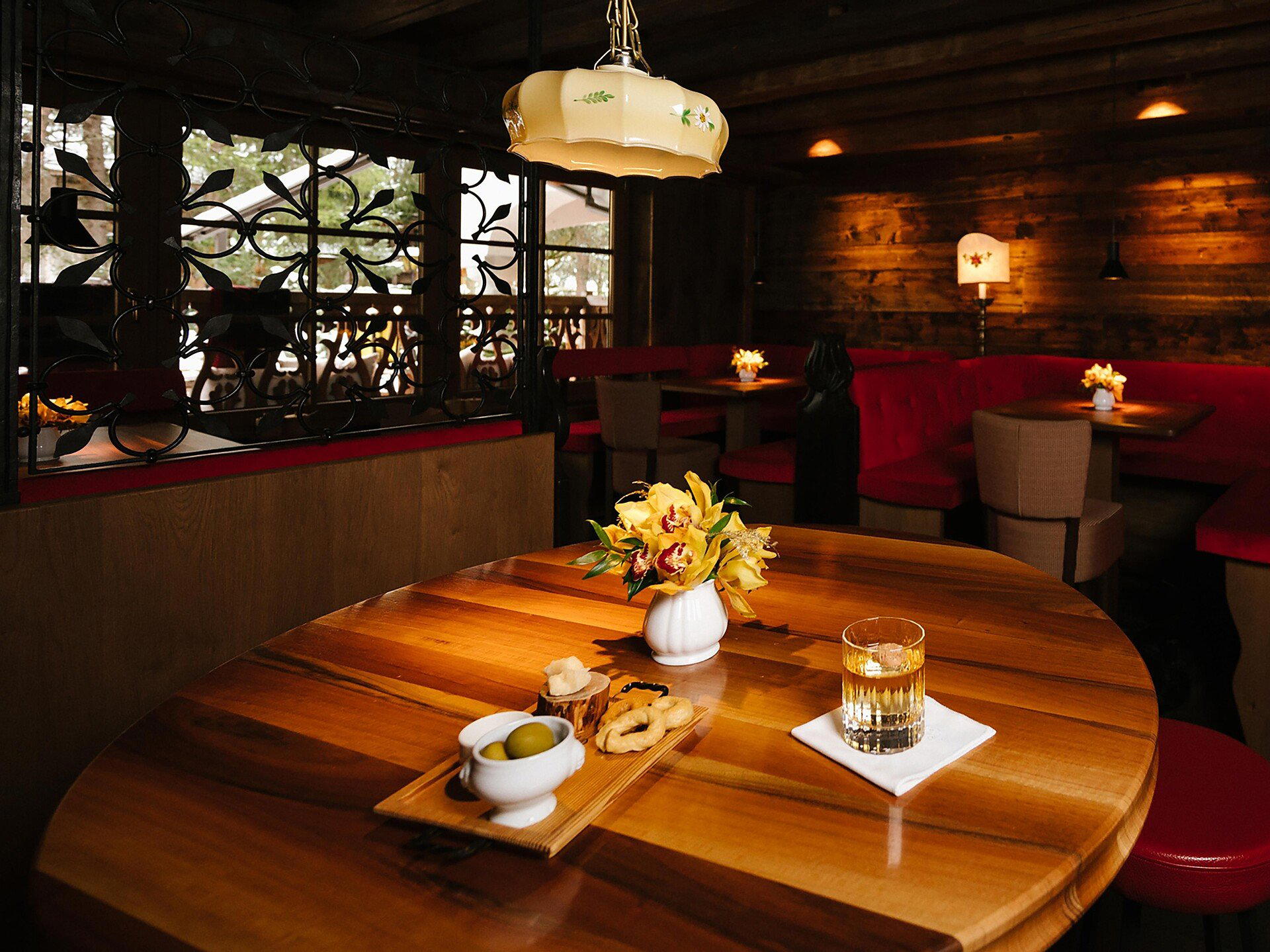
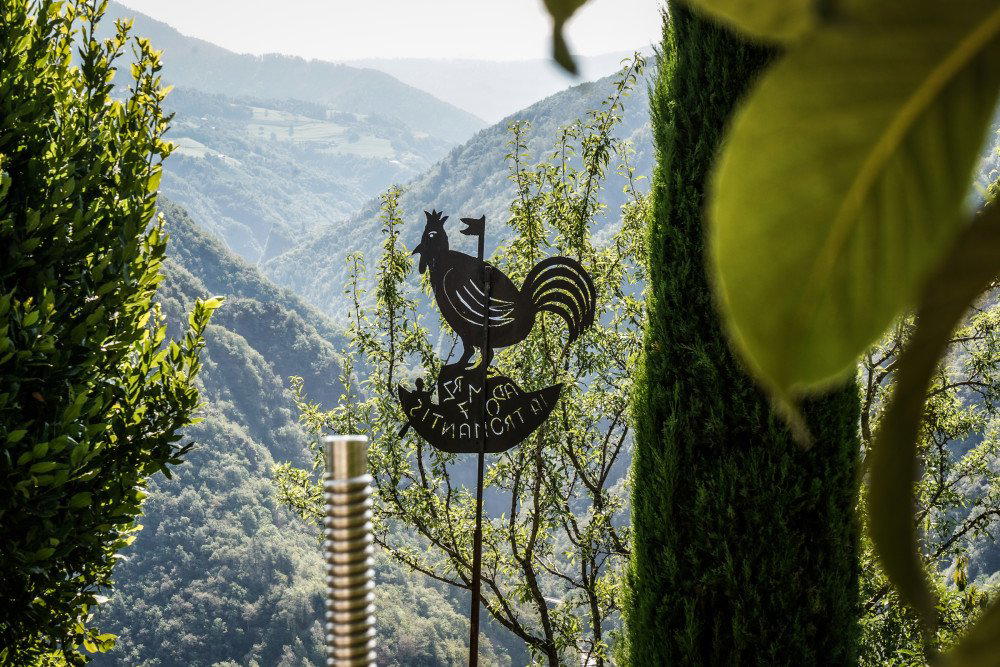
Cozy rustic mountain hut with relaxing evening atmosphere on scenic alpine meadows beneath Mt. Schlern.