Furscher Mühle
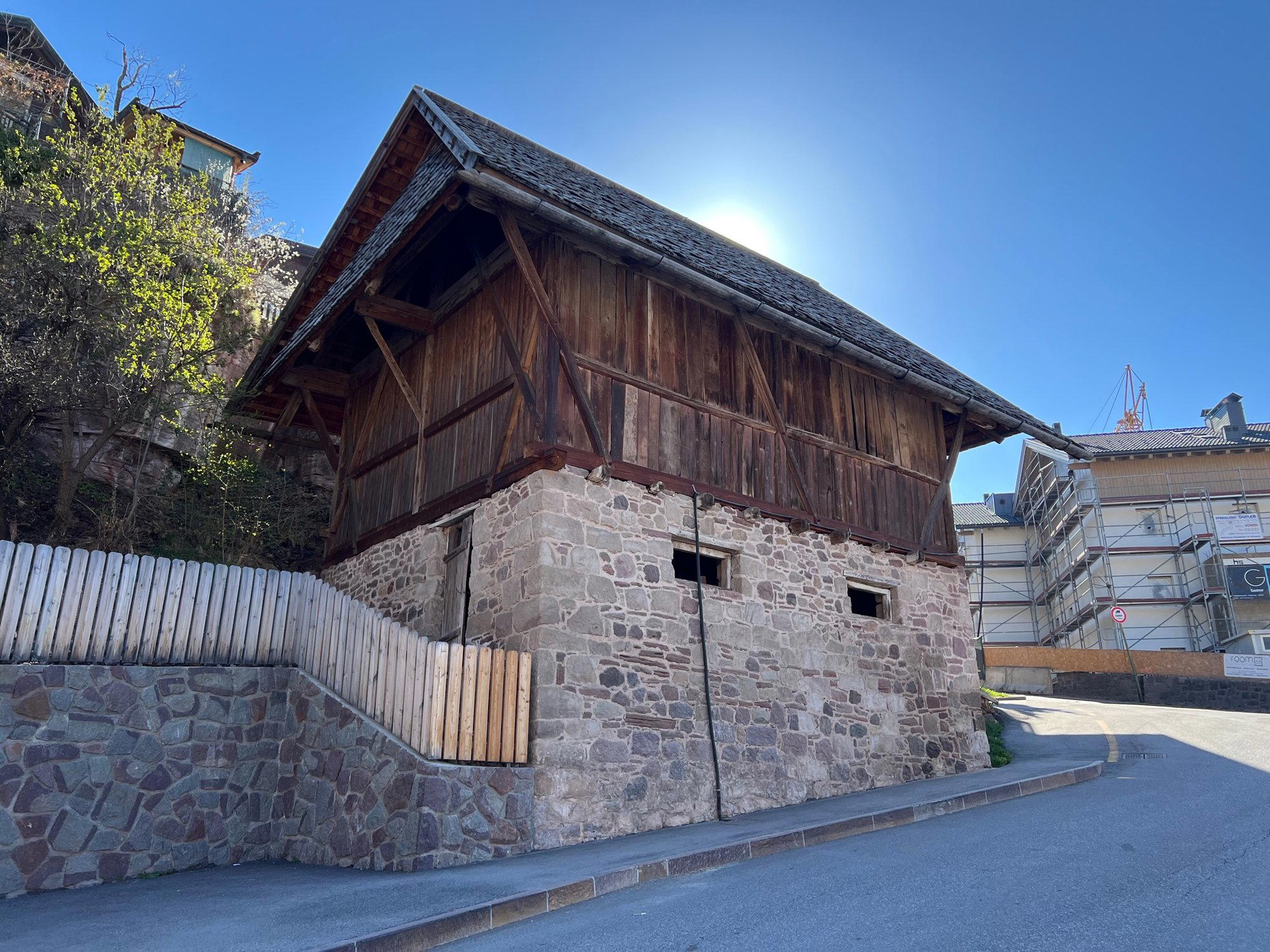
A historic mill property on the edge of Kastelruth, Furscher Mühle sits within the Südtirol's tradition of farm-anchored dining where altitude, pasture, and season shape what reaches the table. The setting connects the South Tyrolean highlands to a dining register that prioritises proximity of source over formality of service, placing it in a well-defined regional category that rewards visitors who approach the Alpe di Siusi area with appetite and patience.
Pearl is the En Primeur Club membership app — saves, bookings, and concierge access live there. Same editors, same standards.
- Address
- Via Felderer, 8/1, 39040 Castelrotto BZ, Italy
- Phone
- +393277892080
- Website
- furscher-muehle.it
- Directions
- Get directions
 Saves & bookings on Pearl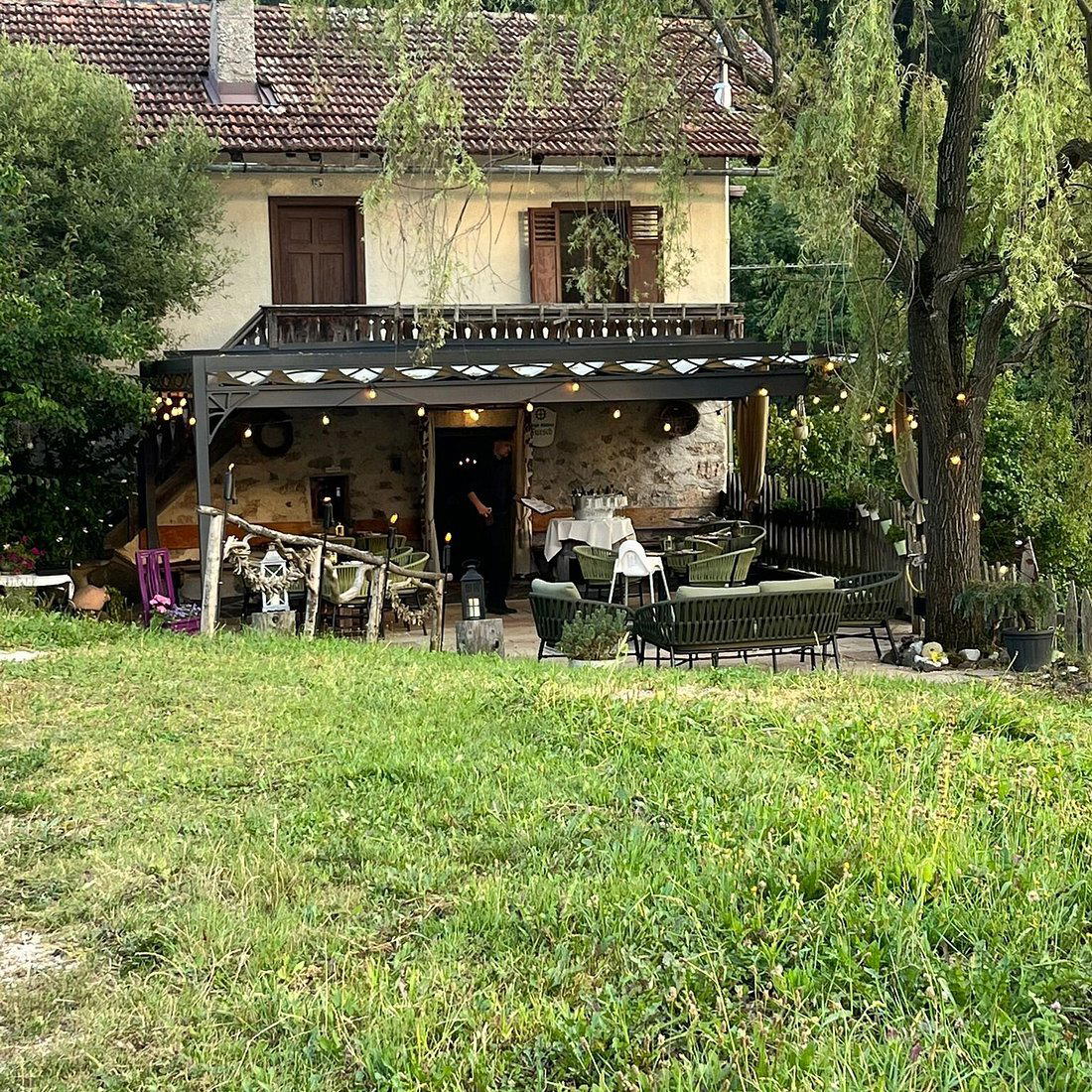
Where the Mill Meets the Mountain Table
Kastelruth sits at roughly 1,000 metres above the Isarco valley, at the foot of the Sciliar massif that defines the visual grammar of the Alpe di Siusi plateau. Dining here operates within a specific gravitational pull: the ingredients come from close by, sometimes from immediately outside, and the relationship between kitchen and landscape is less a marketing posture than a structural reality of altitude farming. Properties like Furscher Mühle, positioned at Via Felderer in the Castelrotto commune, occupy a category of place where the physical site itself, in this case a mill structure with working heritage, determines the register of hospitality. Furscher Mühle is a restaurant in Kastelruth, Italy, serving Traditional South Tyrolean Alpine Cuisine at a price tier of about $60 per person. You arrive aware that you are somewhere the land has shaped for longer than any current menu cycle.
That context matters because it distinguishes the Südtirol dining tradition from the broader Italian fine-dining conversation. Where places like Osteria Francescana in Modena or Piazza Duomo in Alba operate from urban creative platforms, the mountain properties of Alto Adige/Südtirol anchor themselves in a parallel logic: sourcing radius, seasonal hard limits, and an Alpine material culture that crosses the Italian-Austrian border in cuisine as it does in architecture and dialect.
Ingredient Geography in the Alpe di Siusi Corridor
The South Tyrolean highlands produce a specific pantry. Grey cattle graze on high pastures through the summer months; speck is cured in mountain air rather than temperature-controlled chambers; rye bread, sauerkraut, and fermented dairy reflect centuries of preservation necessity turned culinary identity. The regional produce calendar is compressed by elevation, the growing season runs shorter than in the Po valley below, which means kitchens here have historically relied on fermentation, curing, drying, and pickling as primary preservation methods, not as trend-driven techniques borrowed from Nordic dining. Those methods appear on tables in Kastelruth because they were never absent.
Mill properties occupy a particular position in this food geography. A working or restored mühl in Südtirol typically operated as a grain-processing node for the surrounding farms, and the relationship between the mill and its agricultural hinterland was one of material exchange rather than commerce in the modern sense. That history of embedded locality shapes the atmosphere of places that carry the mühl name. The architecture tends toward stone and timber, the spaces toward low ceilings and functional proportions, and the energy toward something domestic rather than theatrical. For a comparison in terms of how Südtirol properties handle this regional-material approach at the higher end of the register, Atelier Moessmer Norbert Niederkofler in Brunico is the regional reference point, operating an explicitly sourcing-led program that has drawn sustained international attention.
Kastelruth's Dining comparable set
Within Kastelruth itself, the dining options cluster into distinct tiers. Mountain huts and agriturismo-style properties form one layer, oriented toward hikers and day visitors on the Alpe di Siusi trails. A smaller number of sit-down restaurants take a more considered approach to the regional pantry, operating year-round or across the two main seasons. Gostner Schwaige and Gourmetrestaurant Lampl Stube both sit within this town's dining conversation at different points on the formality spectrum, while Restaurant Sassegg represents another angle on how local properties address the regional ingredient question. Furscher Mühle, with its mill provenance and rural address, occupies a position in this group defined by setting and heritage context as much as by menu register.
The Italian Fine Dining Frame, Held at a Distance
It is worth placing Kastelruth in relation to the Italian fine-dining circuit to understand what it is not, and why that matters. The marquee names of Italian cuisine, Dal Pescatore in Runate, Le Calandre in Rubano, Da Vittorio in Brusaporto, Enoteca Pinchiorri in Florence, or Enrico Bartolini in Milan, operate within a creative and institutional framework that measures itself against international benchmarks. The Südtirol mountain table tradition does something different: it measures itself against the season, the altitude, and the farm next door. Neither is superior to the other; they answer different questions about what a meal should do.
That distinction extends internationally. Properties like Le Bernardin in New York City or Lazy Bear in San Francisco build programs around technique and ingredient sourcing from a metropolitan position of abundance. The Alpe di Siusi operates under scarcity constraints that are genuine rather than performed, the pass closes, the season ends, the herd moves down. That constraint produces a different kind of table.
Italian regional depth outside the alpine frame is represented by places like Quattro Passi in Marina del Cantone, Uliassi in Senigallia, Reale in Castel di Sangro, and Casa Perbellini 12 Apostoli in Verona, each rooted in a specific geography, each answering to the ingredient logic of its own territory.
Planning a Visit
Kastelruth is accessible by road from Bolzano in under 30 minutes, and the town functions as a base for the Alpe di Siusi plateau year-round. The property sits on Via Felderer, which places it on the quieter edge of the built area. Visiting in the shoulder seasons, late spring before the summer hiking crowds arrive, or early autumn after they thin, typically means better availability at local tables and a food calendar that catches the transition between seasonal produce windows. Reservations are essential, and smart casual dress is appropriate.
At-a-Glance Comparison
Comparable venues nearby, for context on price, style, and recognition.
| Venue | Cuisine | Price | Notes |
|---|---|---|---|
| Furscher MühleThis venue — the venue you are viewing | Traditional South Tyrolean Alpine Cuisine | $$$ | Not listed |
| Restaurant Sassegg | South Tyrolean Italian with Mediterranean influences | $$$ | Alpe di Siusi |
| Gourmetrestaurant Lampl Stube | Contemporary South Tyrolean Fine Dining | $$$$ | Kastelruth |
| Gostner Schwaige | Contemporary Alpine Cuisine | $$$ | Alpe di Siusi |
| Sull’Albero Trattoria | Tuscan Trattoria | $$$ | Chiusdino |
| Oberholz | Alpine-Mediterranean | $$$ | Obereggen |
Continue exploring
More in Kastelruth
Restaurants in Kastelruth
Browse all →
Bars in Kastelruth
Browse all →
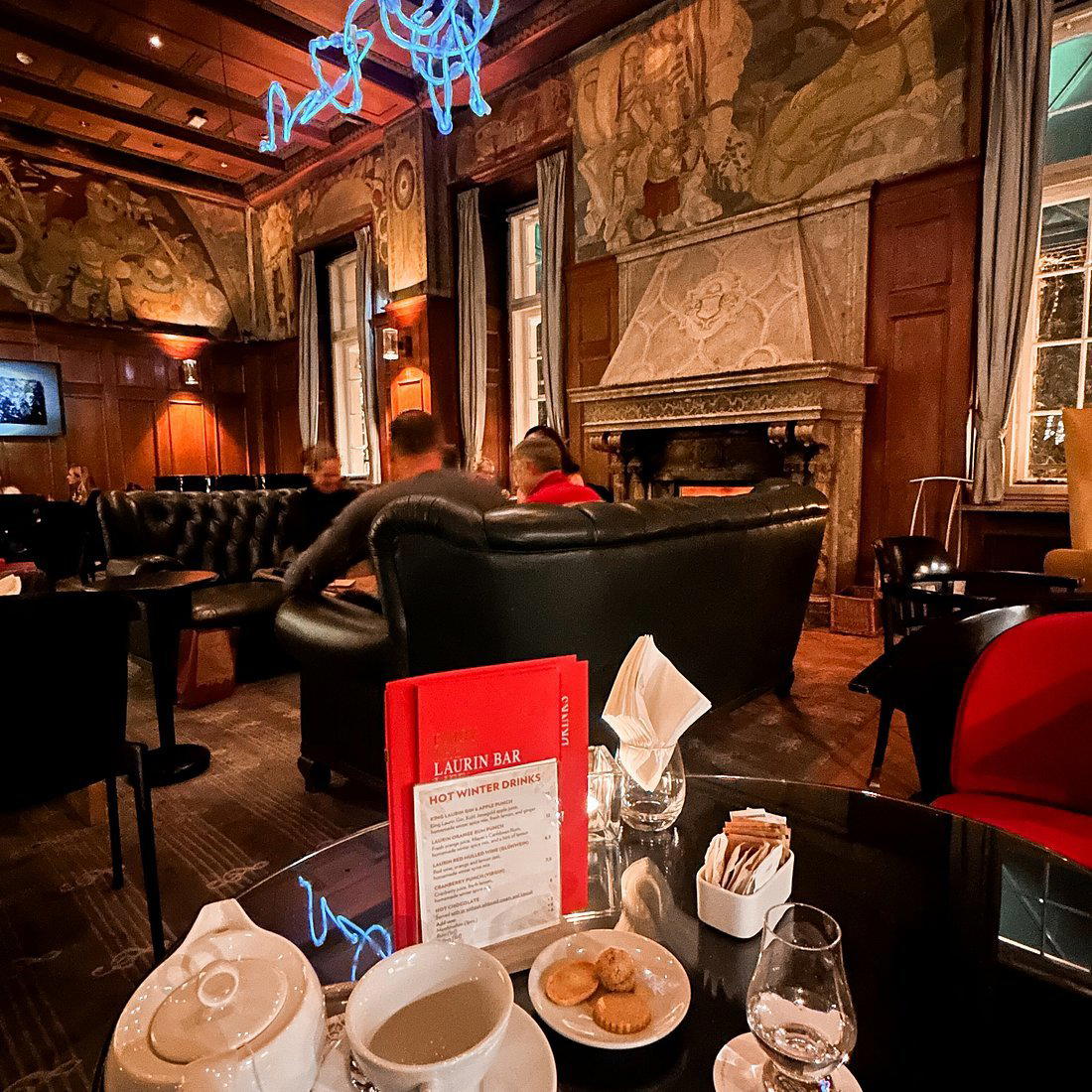
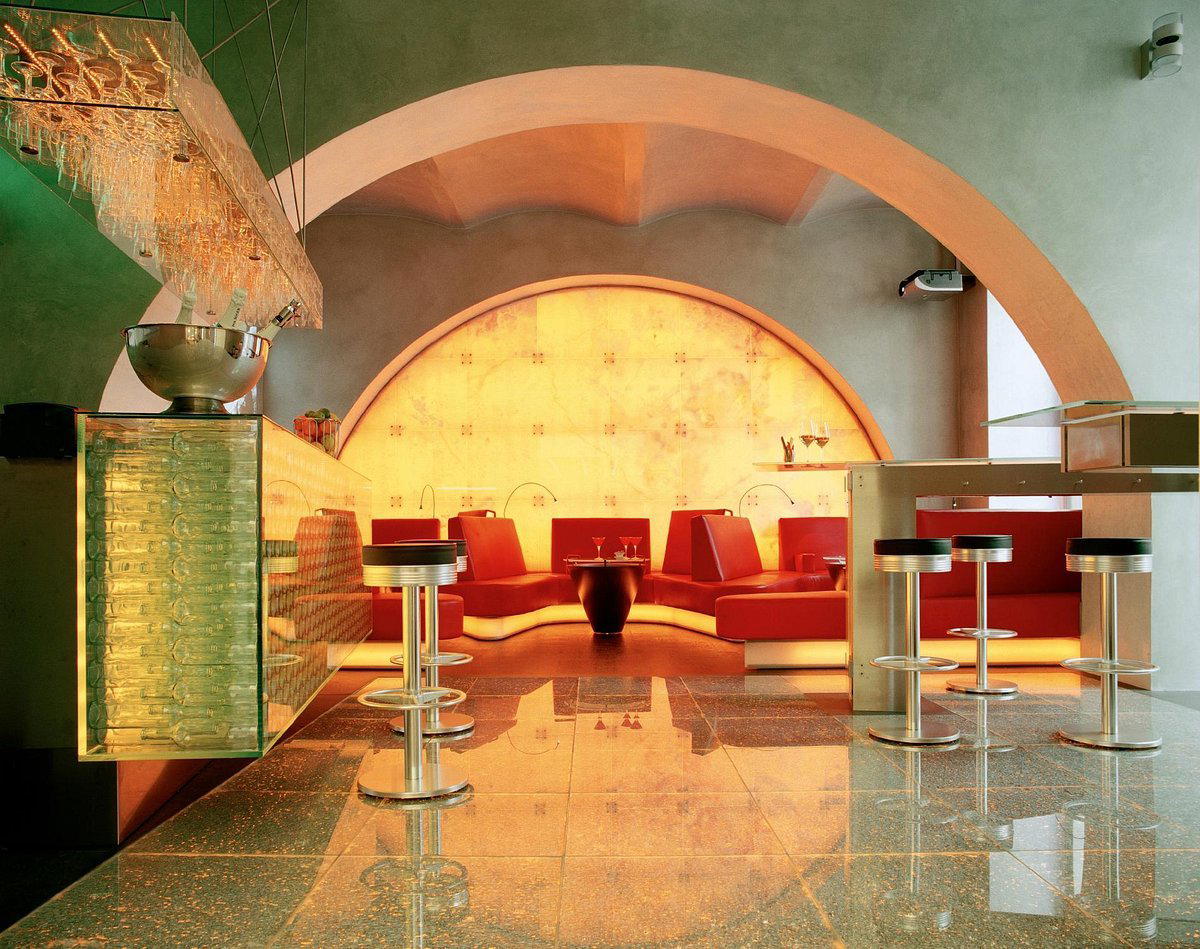
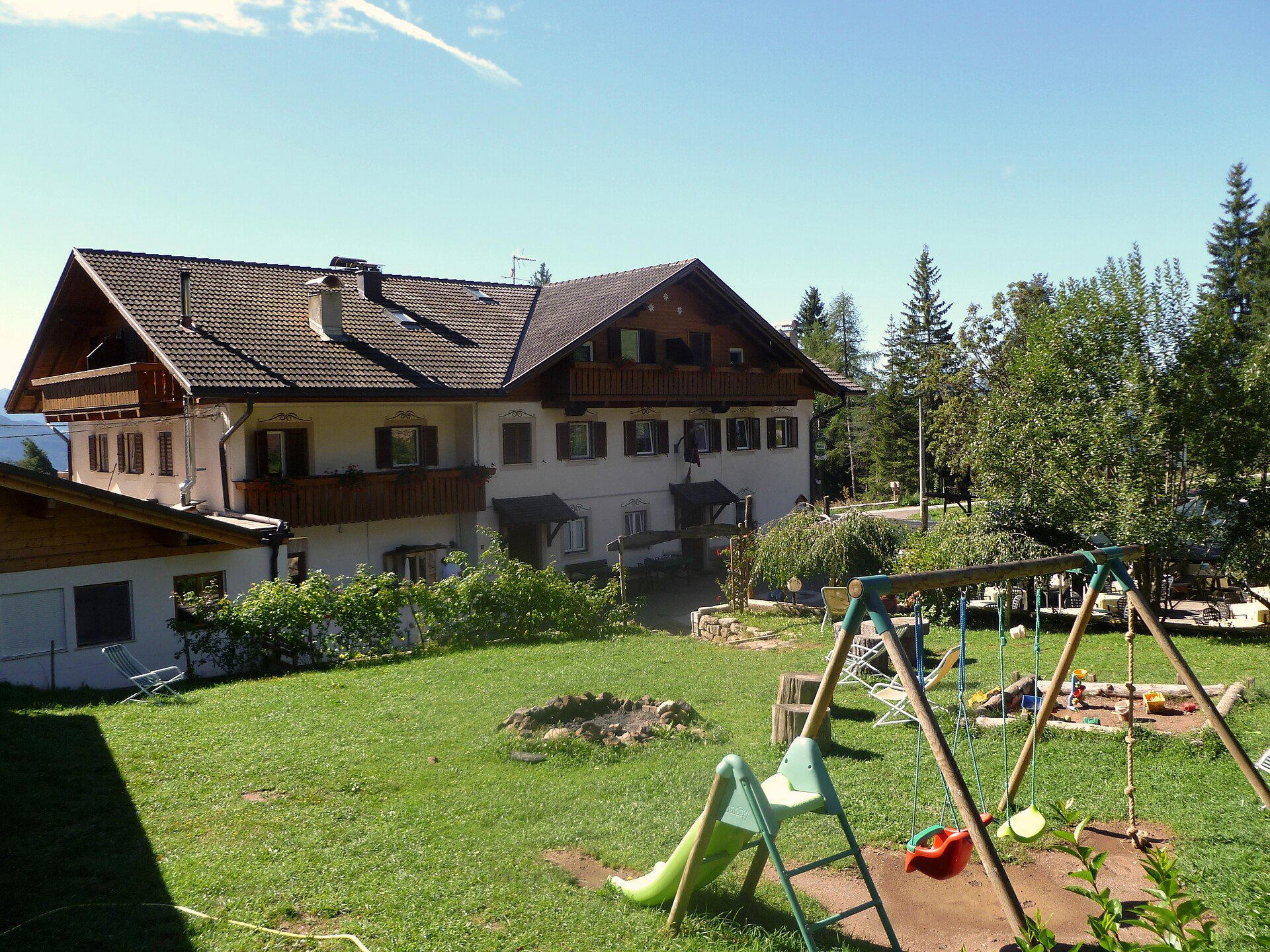
Hotels in Kastelruth
Browse all →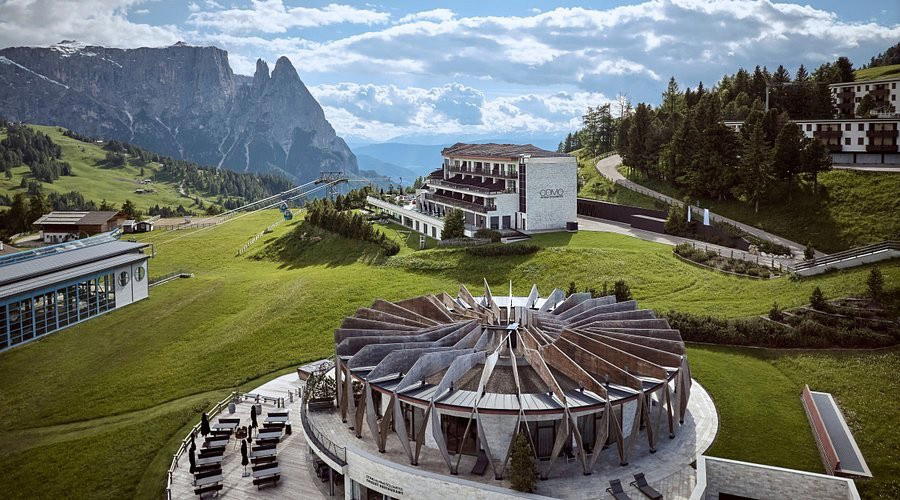
At a Glance
- Cozy
- Rustic
- Romantic
- Intimate
- Classic
- Date Night
- Special Occasion
- Celebration
- Historic Building
- Private Dining
- Terrace
- Local Sourcing
- Mountain
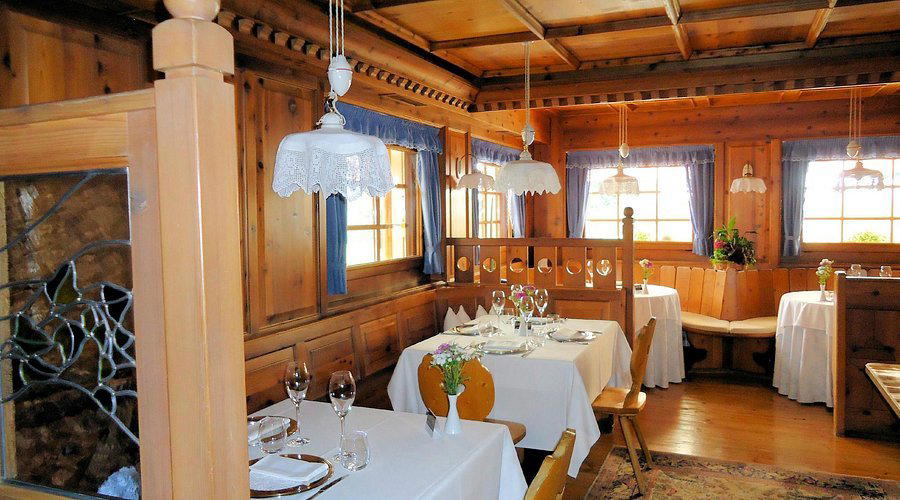
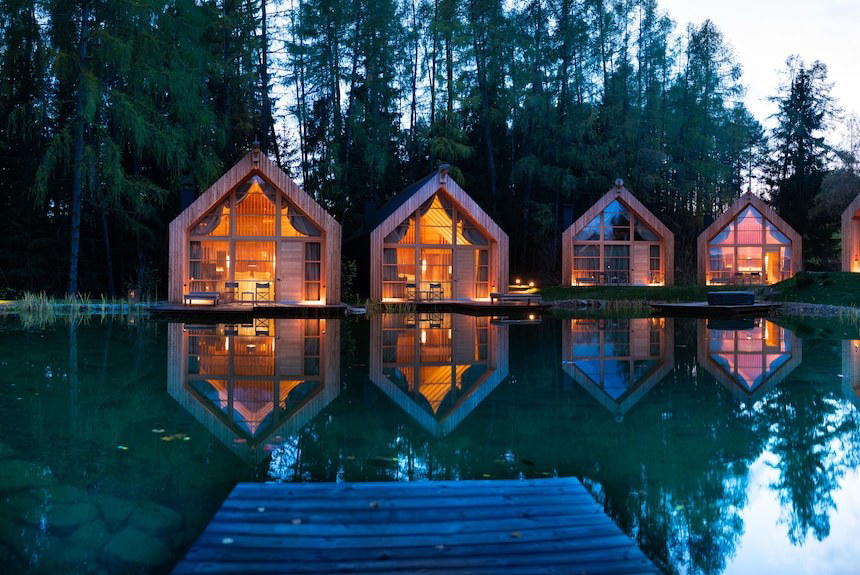
Warm and intimate atmosphere created by small tables set into the ancient stone walls of the mill, with historic charm and cozy lighting throughout the multi-level space.