Restaurant Liebstöckl
Our verdict
In the Zillertal village of Kaltenbach, Restaurant Liebstöckl takes its name from lovage, the assertive Alpine herb that signals where its kitchen looks for flavour. The address sits within Austria's western Tyrolean corridor, where a cluster of serious regional restaurants treat mountain produce as the primary argument on the plate. For travellers routing through the valley, it represents the kind of village-scale dining that rewards the detour.

Pearl is the En Primeur Club membership app — saves, bookings, and concierge access live there. Same editors, same standards.
Where the Zillertal Kitchen Begins: At the Source
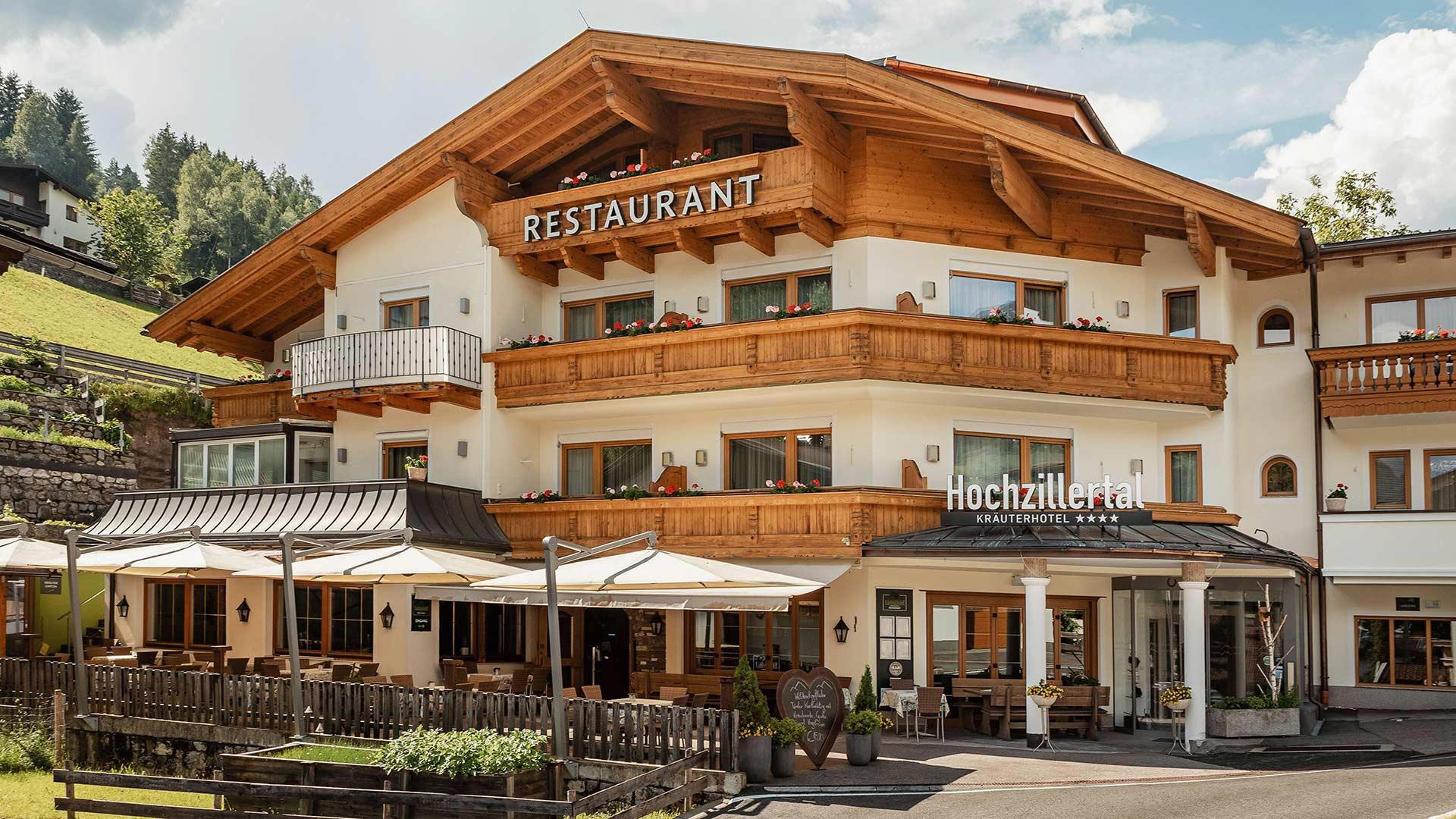
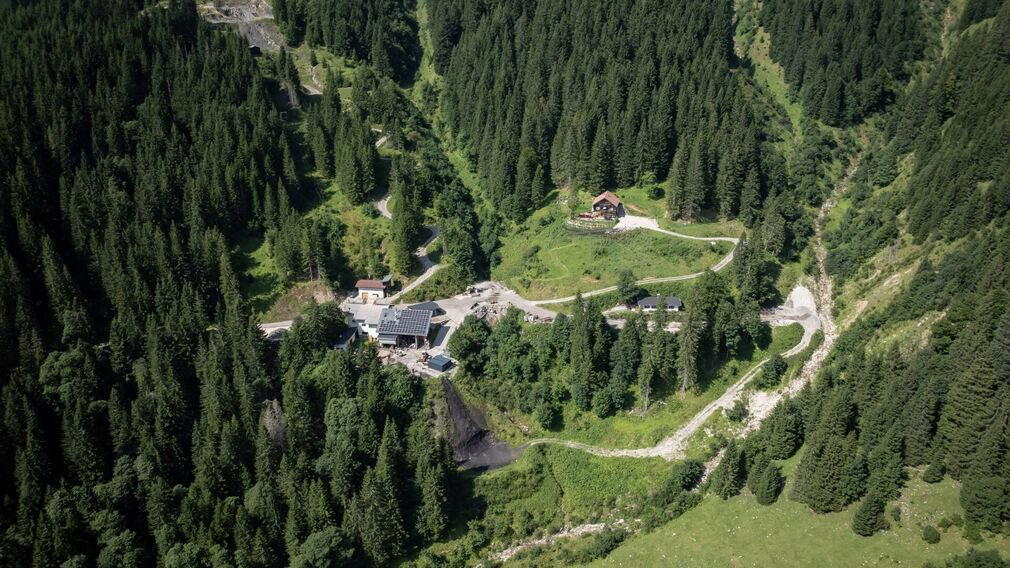
In the Tyrolean Alps, the distance between a kitchen and its raw materials has always been short by necessity. Mountain villages like Kaltenbach have never had the luxury of supply chains that span continents, and the cooking that emerged from this geography reflects that constraint as a point of pride rather than limitation. Restaurant Liebstöckl sits on Dorfstraße in the centre of Kaltenbach, a small settlement in the Zillertal valley where the surrounding range of high pasture, forest, and river defines what appears on the plate as much as any culinary decision made inside the kitchen. The restaurant takes its name from lovage, a hardy perennial herb with a flavour profile somewhere between celery and parsley, which grows readily at Alpine altitudes and has been a fixture of Tyrolean cooking for centuries. That naming choice is a declaration of intent about where the kitchen's sourcing priorities lie.
The Zillertal valley runs roughly east to west through Tyrol, connecting the Inn valley at Strass with the high-altitude terrain near Hintertux. Kaltenbach occupies the lower-middle section of this corridor, accessible by road from Innsbruck in under an hour. This positioning places it within the broader western Austrian dining circuit that includes destinations in the Arlberg region and down into Salzburgerland, a geography covered across our full Kaltenbach restaurants guide. Travellers already planning routes through Tyrolean ski country will find the valley sensible to include alongside better-known addresses such as Gourmetrestaurant Tannenhof in Sankt Anton am Arlberg or Griggeler Stuba in Lech, both of which operate in the higher-altitude resort tier of the same regional dining conversation.
The Case for Ingredient-Led Cooking in Alpine Austria
Austrian regional cooking at its most coherent is an argument about terroir applied not to wine but to food. The Tyrolean mountains produce dairy of exceptional fat content from cattle grazing at altitude, river fish from cold, fast-moving water, foraged mushrooms from dense spruce and larch forest, and cured meats developed over generations as practical responses to winter provisioning. When a kitchen builds its identity around these materials rather than around technique as spectacle, the result tends toward dishes with high internal logic: flavours that make geographic sense together because they come from the same few square kilometres.
This sourcing-first approach has gained considerable traction across Austrian fine dining over the past two decades. At the top of the country's culinary tier, Steirereck im Stadtpark in Vienna has long structured its menus around Austrian producers named explicitly on the plate. Döllerer in Golling an der Salzach has built a reputation specifically around Alpine ingredients interpreted through contemporary technique. Further afield in Salzburgerland, Kräuterreich by Vitus Winkler in Sankt Veit im Pongau centres its programme explicitly on wild herbs and mountain plants, making it perhaps the closest philosophical peer to what the Liebstöckl name implies. These restaurants collectively represent a strand of Austrian cooking that treats the Alps as a larder rather than a backdrop.
Village-scale operations like Restaurant Liebstöckl operate in a different register to those higher-profile addresses. Without the overhead of a destination resort or the marketing infrastructure of a Michelin-tracked city kitchen, they tend to serve communities as much as travellers, which imposes a different kind of discipline on the sourcing relationship. Suppliers are neighbours. Seasonal availability is non-negotiable rather than a menu concept. The herb garden, if there is one, is part of the building's logic, not a decorative gesture.
Sitting Within the Tyrolean Village Restaurant Tier
Austria's mountain regions support a distinct category of serious village dining that sits below the tasting-menu destination tier but well above generic Gasthof cooking. These addresses share certain characteristics: they are typically family-run or owner-operated, they maintain close relationships with local producers, they serve lunch as seriously as dinner, and they represent the kind of cooking that Austrian food culture has historically done better than almost anywhere in central Europe. The classic Tyrolean combinations of dairy, cured meat, freshwater fish, and foraged vegetables are treated not as folklore but as live culinary material.
For context across the wider Austrian village and regional restaurant category, addresses such as Obauer in Werfen, Landhaus Bacher in Mautern an der Donau, and Taubenkobel in Schützen am Gebirge demonstrate the range of what serious regional Austrian cooking looks like when it has time to develop a voice over decades. These are not urban showpieces but rooted operations whose authority comes from consistency and place. Ois in Neufelden and Atelier Fischer in Sankt Gilgen point to similar ambitions operating in similarly compact village contexts. Restaurant Liebstöckl belongs to this broader pattern: a kitchen that draws its credibility from specificity of place rather than from external validation or theatrical format.
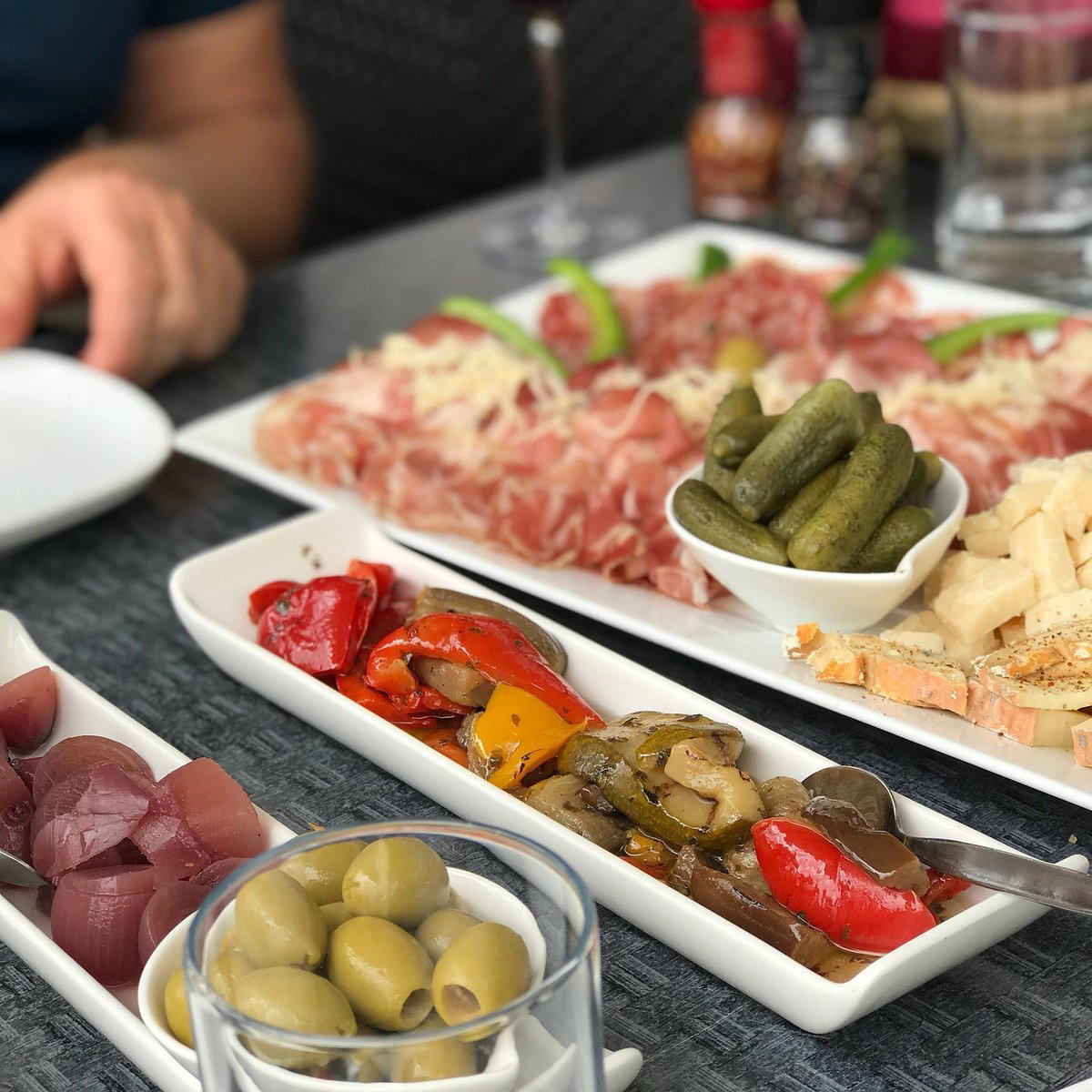
The Tyrolean context adds a particular character to this positioning. Tyrol has its own protected designations for several products, including Tiroler Speck, the dry-cured mountain ham that appears on virtually every serious table in the region. The valley's dairy farms produce butter and cheese with a depth of flavour that reflects high-altitude grazing, and the Ziller river system supports trout and char that appear on regional menus as a matter of seasonal routine rather than special occasion. A kitchen named after an Alpine herb is signalling that these materials are its primary vocabulary.
Planning a Visit to Kaltenbach
Kaltenbach sits in the Zillertal valley in Tyrol, reachable from Innsbruck via the A12 motorway and then south on the B169 through the valley. The address at Dorfstraße 16/a places the restaurant in the village centre, consistent with the Gasthof-origin architecture common to Tyrolean settlements of this size. The Zillertal is most heavily visited during the winter ski season and the summer hiking months, making spring and autumn the quieter windows if the preference is for a more local atmosphere. Travellers combining this visit with broader western Austrian dining should factor in the proximity to Innsbruck's own restaurant scene and the Arlberg addresses to the west. For those approaching from the Salzburg direction, the route passes through territory covered by addresses including Schwarzer Adler in Hall in Tirol and, further along, Ikarus in Salzburg. Village restaurants of this type in Tyrol commonly close one or two days mid-week and operate tighter hours outside peak season, patterns worth verifying directly. For broader Tyrolean context, Stüva in Ischgl and Restaurant 141 by Joachim Jaud in Mieming represent the kind of Tyrolean addresses worth considering as part of the same regional circuit.
Frequently asked questions
Is Restaurant Liebstöckl good for families?
Kaltenbach is a small Tyrolean village rather than a resort destination, and Liebstöckl sits on Dorfstraße at the community's centre — a setting that typically suits unhurried, multi-generational meals rather than high-paced dining. The village restaurant format across the Zillertal tends toward generous portions and familiar regional dishes, which accommodates mixed-age groups well.
Is Restaurant Liebstöckl worth the drive from Innsbruck for a dedicated dinner?
Kaltenbach sits roughly 65 kilometres southeast of Innsbruck via the A12 and B169 through the Zillertal, making it a committed journey rather than a casual detour. Liebstöckl operates in the serious village dining tier — above generic mountain Gasthäuser but without the tasting-menu credentials of a destination restaurant — so the case for the drive depends on whether that register of alpine, ingredient-led Tyrolean cooking is what you are specifically seeking.
What's the must-try dish at Restaurant Liebstöckl?
What the Zillertal region reliably produces is high-quality alpine dairy, cured meats, and foraged ingredients that form the backbone of serious Tyrolean cooking at this tier — expect the kitchen to reflect those local supply lines. Asking the kitchen what is seasonal and locally sourced on the day of your visit will get you further than any fixed recommendation.
What's the address for Restaurant Liebstöckl?
Restaurant Liebstöckl is located at Dorfstraße 16/a, 6272 Kaltenbach, Austria, Kaltenbach.
| Venue | Cuisine | Price | Awards | Notes |
|---|---|---|---|---|
| Restaurant LiebstöcklThis venue — the venue you are viewing | Austrian Herbal Cuisine | Not listed | Not listed | Not listed |
| Steirereck im Stadtpark | Modern Austrian Fine Dining | $200–300 | 3 Michelin Stars · World's 50 Best #33 | Creative |
| Döllerer | Modern Alpine Cuisine | $100–150 | 2 Michelin Stars · La Liste Top Restaurants | Contemporary Austrian, Innovative |
| Ikarus | Guest Chef Fine Dining | $200–300 | 2 Michelin Stars · La Liste Top Restaurants | Modern European, Creative |
| Konstantin Filippou | Modern Fish-Led Fine Dining | $200–300 | 2 Michelin Stars · La Liste Top Restaurants | Modern European, Modern Cuisine |
| Landhaus Bacher | Classic Austrian Fine Dining | $100–150 | 2 Michelin Stars · La Liste Top Restaurants | Austrian, Classic Cuisine |
Continue exploring
More in Kaltenbach
Restaurants in Kaltenbach
All restaurants in Kaltenbach →
Bars in Kaltenbach
Browse all →

Details
- Cozy
- Rustic
- Elegant
- Special Occasion
- Hotel Restaurant
- Local Sourcing
- A La Carte
- Vegetarian Friendly
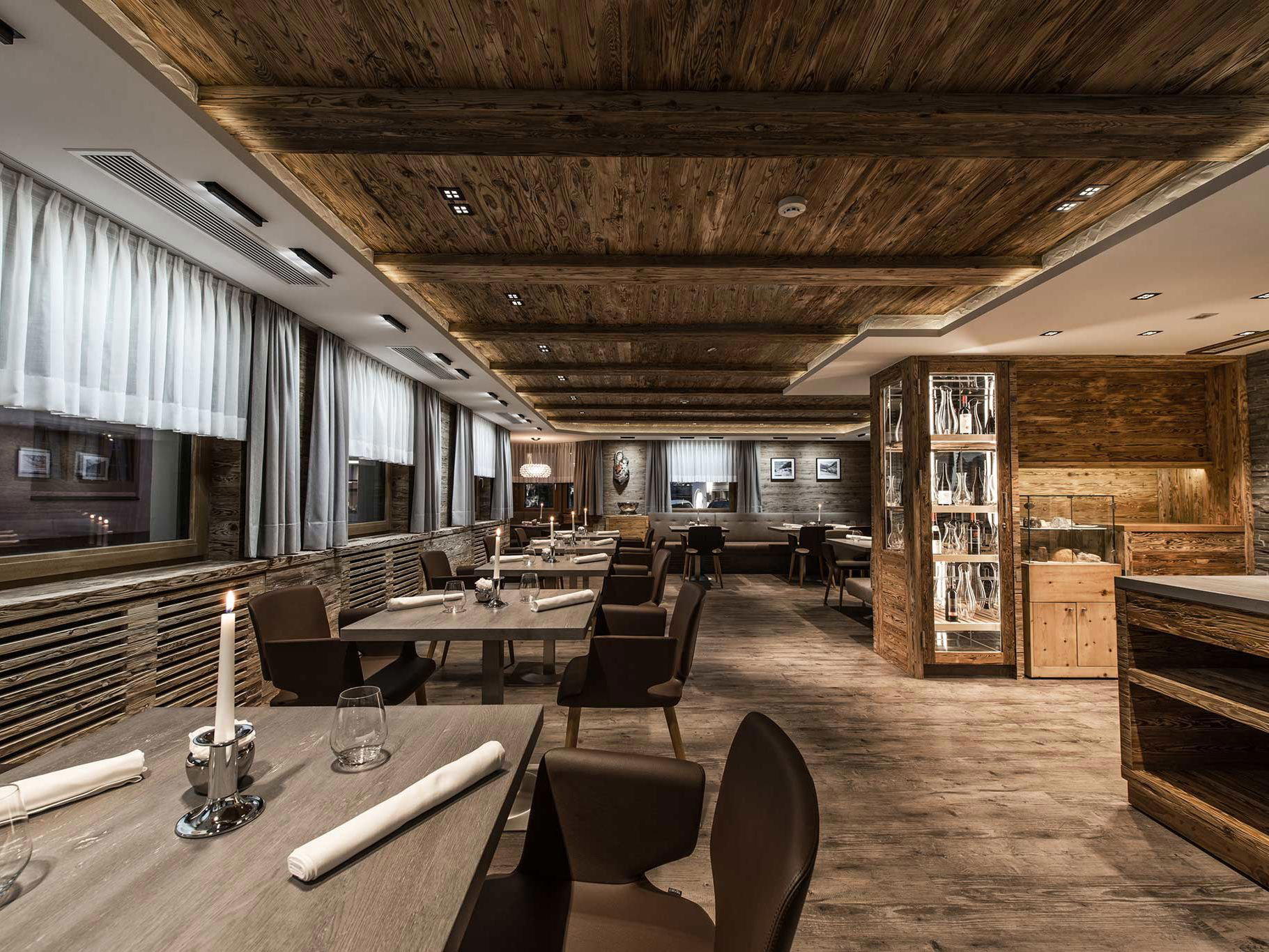
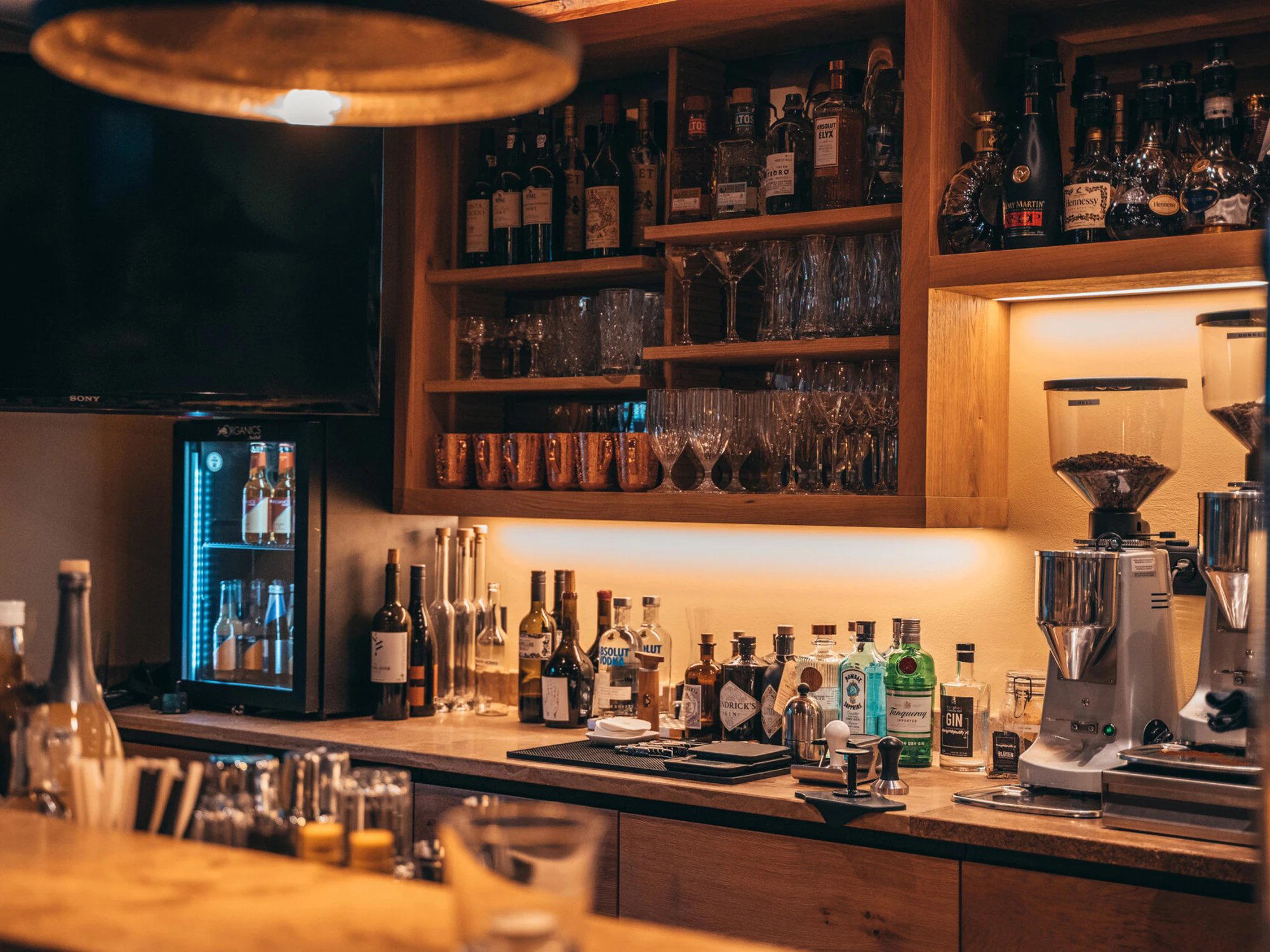
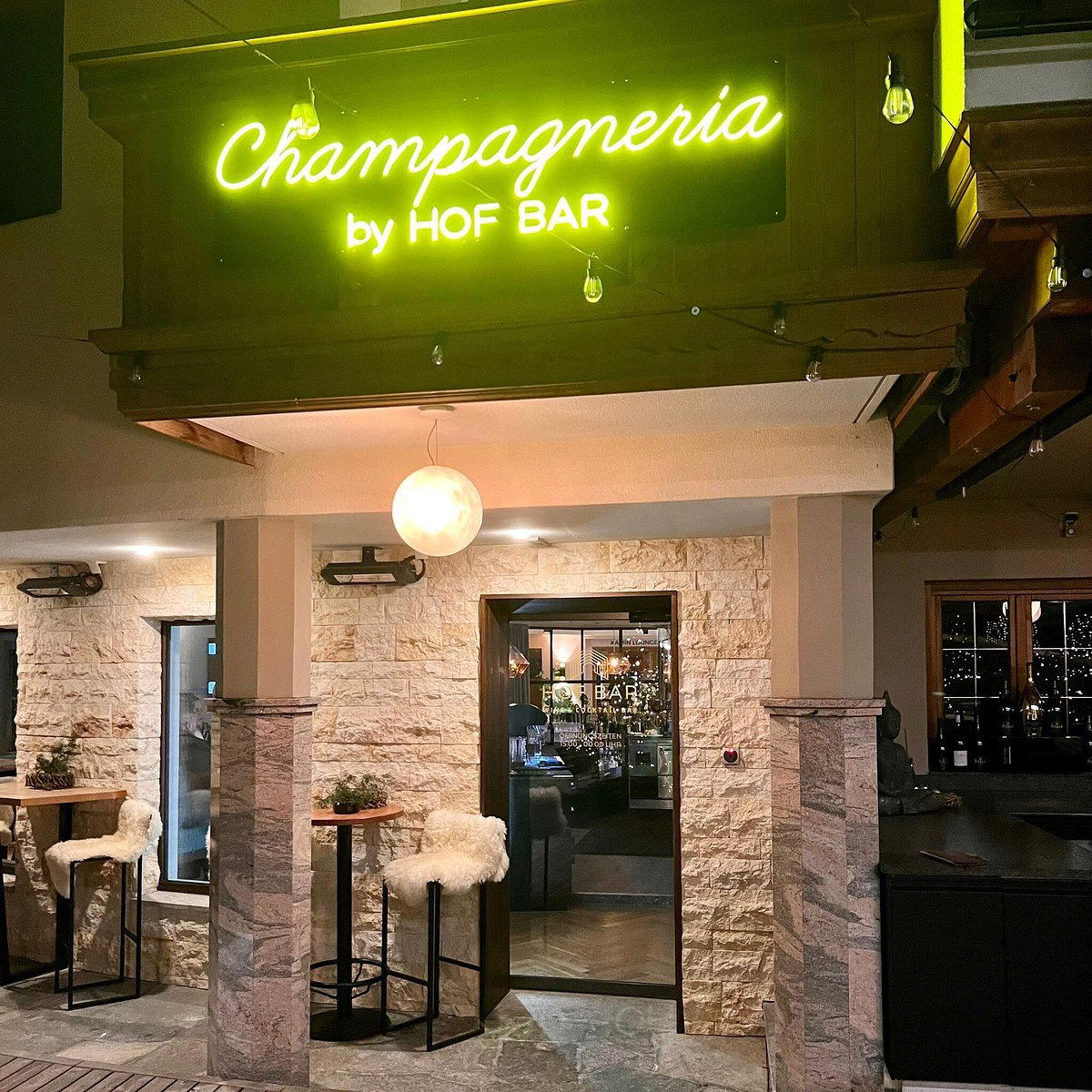
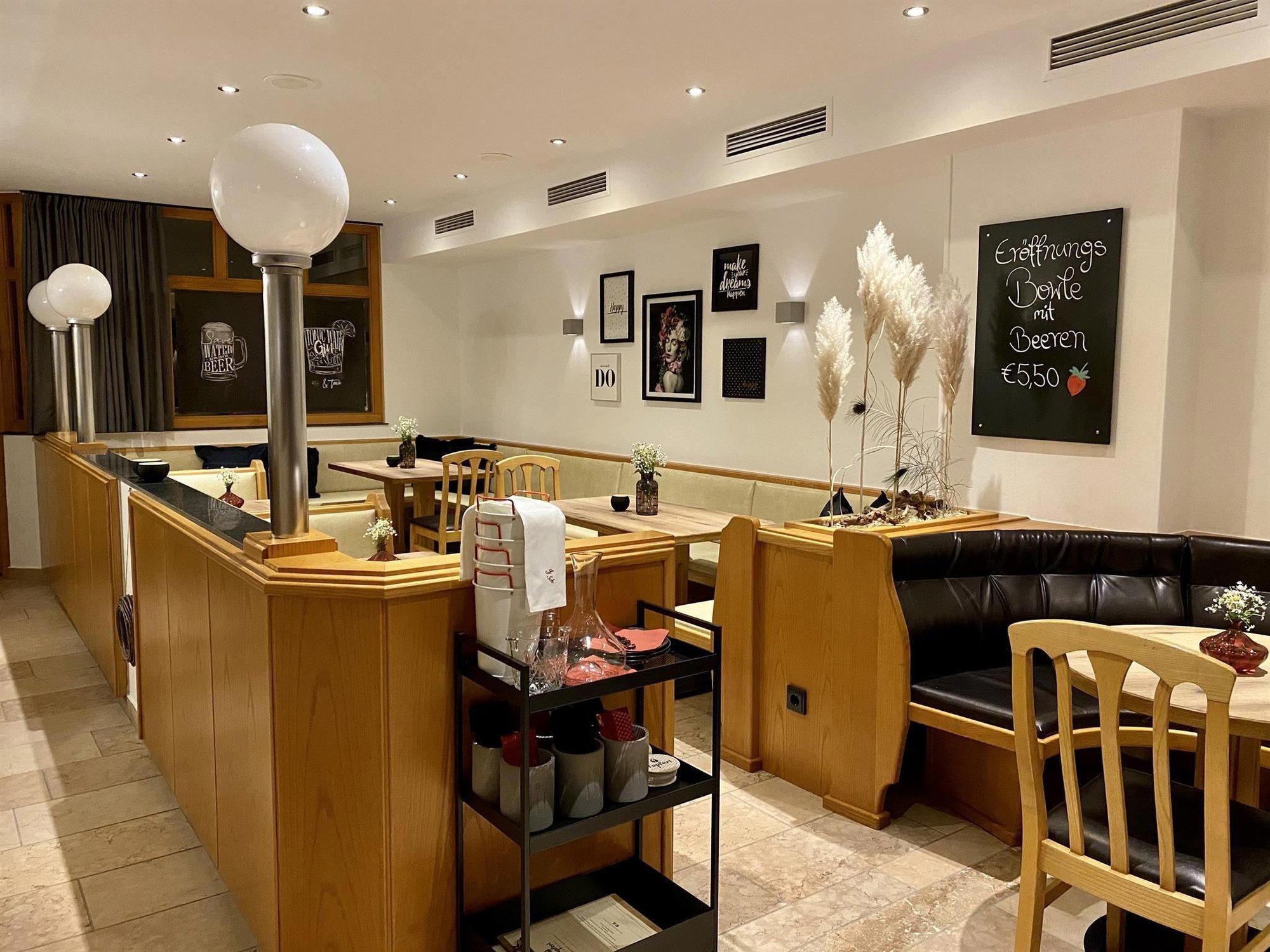
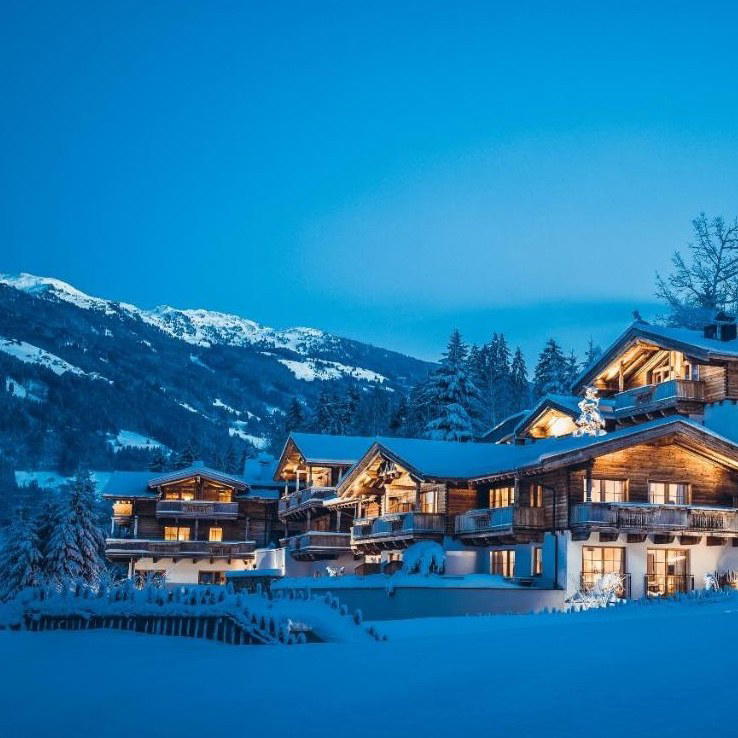
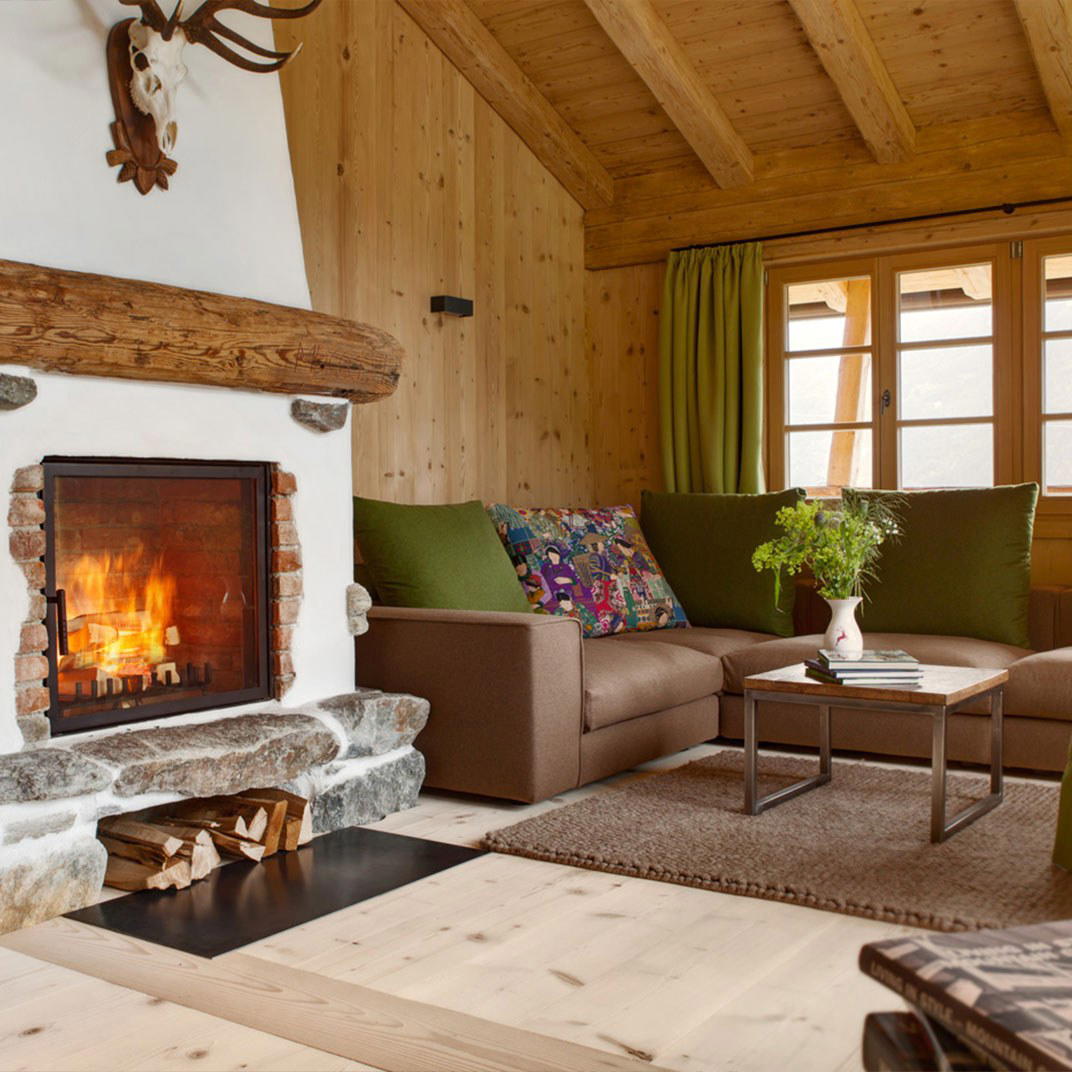
Cozy and gemütlich with warm hospitality and elegant alpine atmosphere.