Wilde Kräuterküche
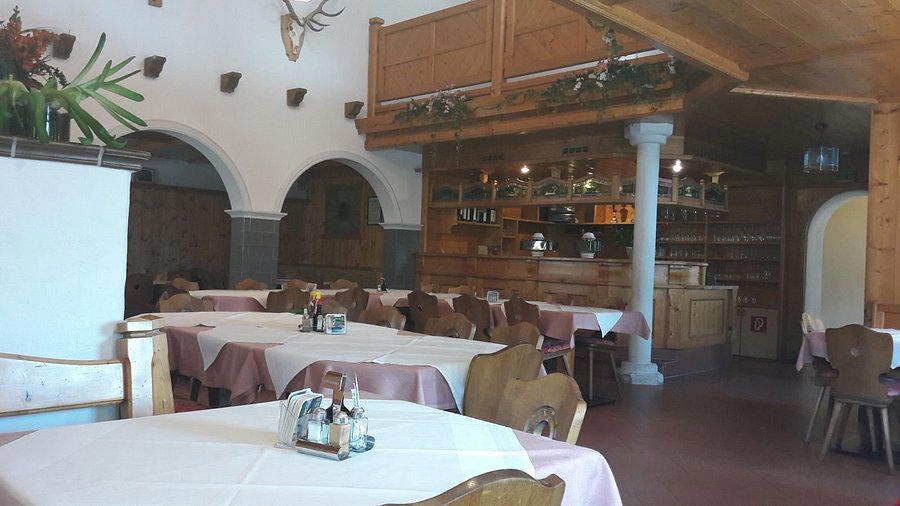
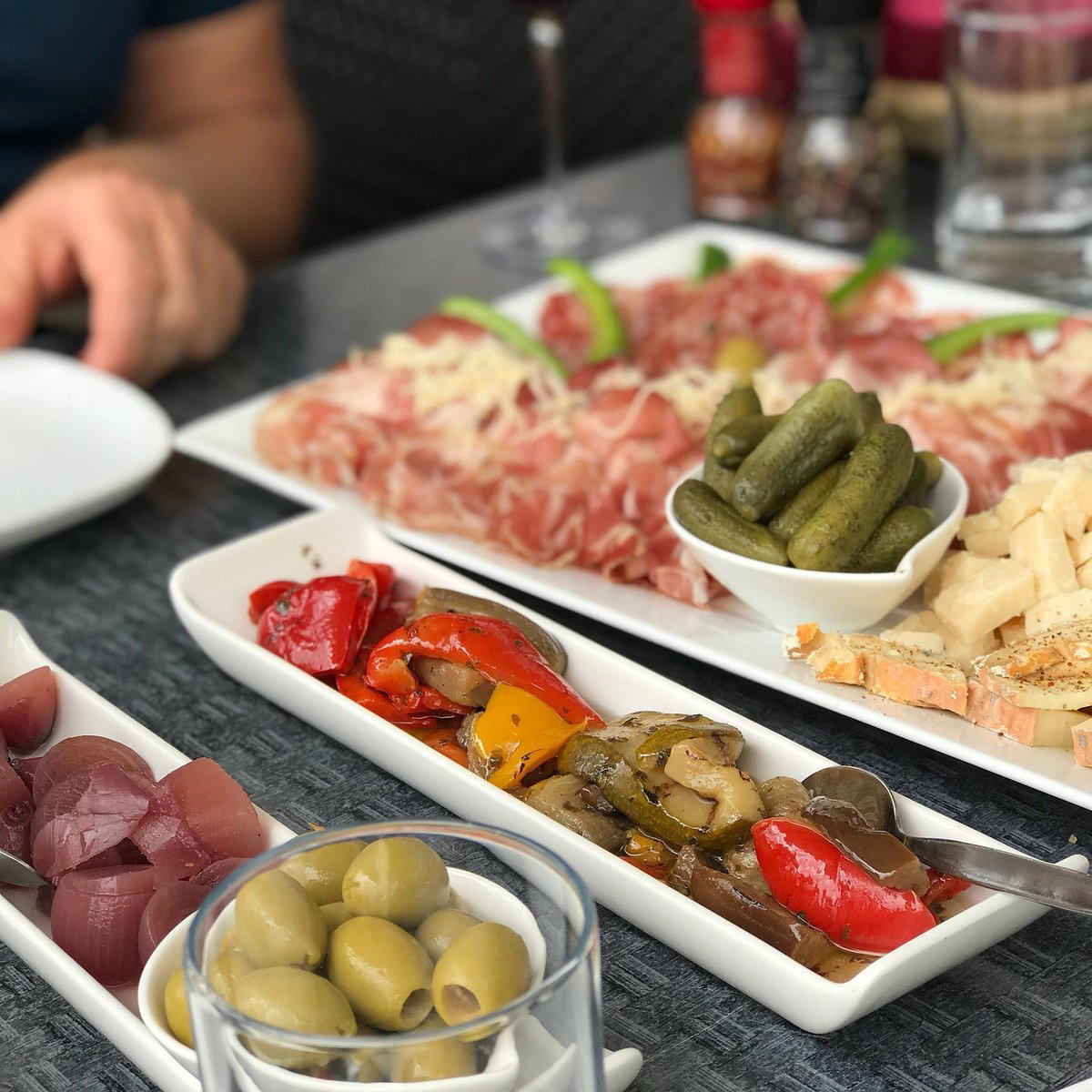
In the Zillertal valley town of Zell am Ziller, Wilde Kräuterküche takes its name and identity from the wild herb traditions of the Austrian Alps, placing foraged and cultivated plants at the centre of its cooking. The restaurant sits within a culinary scene that increasingly looks inward to mountain terrain rather than outward to urban trends. Visitors to the Zillertal who want to eat with a sense of place should have it on their list.
Pearl is the En Primeur Club membership app — saves, bookings, and concierge access live there. Same editors, same standards.
- Address
- Rohrerstraße 5, 6280 Zell am Ziller, Austria
- Phone
- +434352822236
- Website
- malisgarten.at
- Directions
- Get directions
 Saves & bookings on Pearl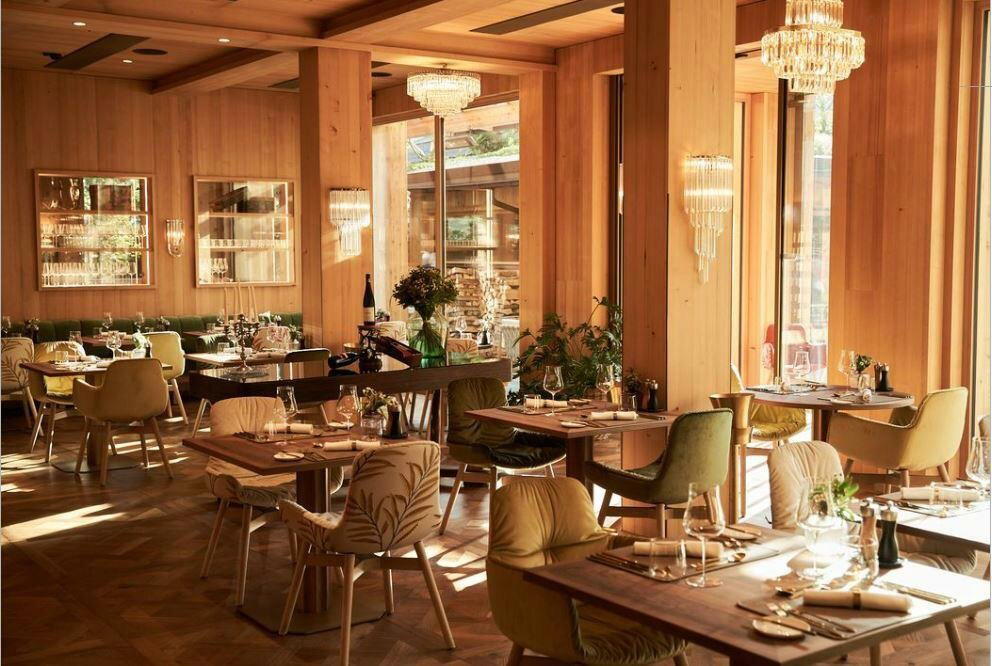
Where Alpine Herb Culture Meets the Zillertal Table
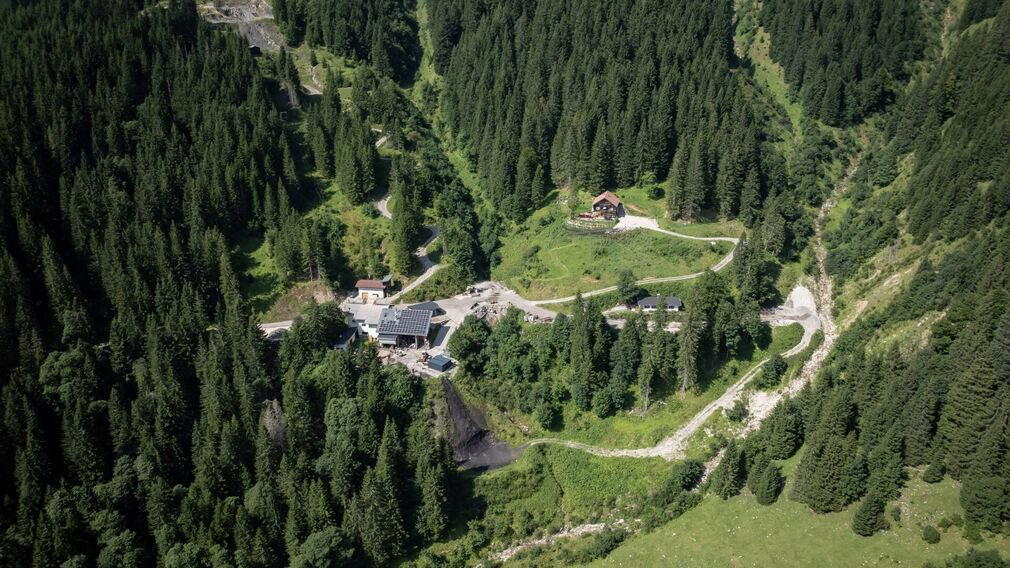
The Zillertal is not, by instinct, a destination that draws the kind of critical attention reserved for Austria's urban dining rooms. Zell am Ziller itself is a working valley town rather than a resort showpiece, and restaurants here tend to answer first to the rhythms of the mountain calendar and only secondarily to the preoccupations of food media. That context matters when approaching Wilde Kräuterküche, whose name translates roughly as 'wild herb kitchen' and signals an orientation toward the terrain above and around the valley rather than toward any metropolitan dining trend.
Wild herb cooking in the Austrian Alps carries genuine cultural weight. The practice of harvesting from mountain meadows, forest edges, and stream banks predates the current fashion for foraged ingredients by several centuries. In Tyrol and the surrounding regions, herbs like wild garlic, yarrow, wood sorrel, and alpine clover have long appeared in farmhouse kitchens not as garnish but as central ingredients, used to season cheeses, flavour broths, and preserve through the winter months. A restaurant that takes this tradition as its organising principle is doing something historically grounded, not merely fashionable.
That distinction matters in the context of Austrian dining more broadly. At the upper end of the country's restaurant spectrum, kitchens like Steirereck im Stadtpark in Vienna and Döllerer in Golling an der Salzach have built international reputations on the idea that Alpine terroir can be treated with the same intellectual rigour applied to the leading European regional cuisines. Further along the Tyrolean arc, Gourmetrestaurant Tannenhof in Sankt Anton am Arlberg and Griggeler Stuba in Lech occupy the mountain-luxury end of that same conversation. Wilde Kräuterküche operates at a different register from those celebrated rooms, but it draws on the same underlying argument: that the Austrian mountains contain a larder worth cooking seriously from.
The Scene at Rohrerstraße 5
Zell am Ziller sits roughly midway along the Zillertal, the wide glacially carved valley that runs south from the Inn river into the Tuxer Alps. The address, Rohrerstraße 5, places the restaurant in the residential fabric of the town rather than in any tourist-facing strip, which tends to produce a guest list weighted toward locals and returning visitors rather than first-night arrivals looking for the nearest open door. Restaurants in this kind of location often earn their trade through consistency rather than novelty, which is a different kind of pressure from the one faced by destination dining rooms chasing recognition.
The valley's dining scene is genuinely small. For a fuller orientation across Zell am Ziller's food options, our full Zell am Ziller restaurants guide maps the range. Within that context, Wilde Kräuterküche sits alongside DieMarie and HeLeni as part of a small cluster of addresses worth seeking out in this part of the valley.
Herb-Forward Cooking and the Alpine Tradition
The 'wild herb kitchen' framing connects the restaurant to a broader movement in Austrian and German-speaking Alpine cooking that takes mountain plant life seriously as a primary flavour source rather than a secondary flourish. In that sense, the closest parallel in terms of kitchen philosophy might be Kräuterreich by Vitus Winkler in Sankt Veit im Pongau, whose herb-centred programme has attracted meaningful critical attention in Salzburgerland. The Zillertal version of this approach is less publicised, but the underlying culinary logic, anchoring dishes to the specific botanical character of a mountain microclimate, is the same.
Austria has a handful of kitchens that operate in this botanical register at different price points and with different levels of formality. Obauer in Werfen and Landhaus Bacher in Mautern an der Donau represent the end of the spectrum where classical Austrian technique and serious wine programmes combine with strong regional sourcing. Ois in Neufelden and Taubenkobel in Schützen am Gebirge operate with more experimental frameworks. The herb kitchen format at the restaurant sits in a quieter register, more focused on the valley's own botanical identity than on positioning within any national competitive set.
For diners who know the format from other alpine contexts, including Stüva in Ischgl or Schwarzer Adler in Hall in Tirol, the Zillertal version offers a more local, less resort-facing take on the same mountain-food conversation. It is worth noting that the technical ambition here is not the kind that earns space in the same discussions as Ikarus in Salzburg, Restaurant 141 by Joachim Jaud in Mieming, or, further afield, the kind of precision-led tasting menus associated with rooms like Le Bernardin in New York City or Atomix in New York City. The scale and intent are different, and that is not a limitation so much as a different choice about what cooking is for.
Planning a Visit
Zell am Ziller is accessible via the Zillertal railway, which connects to Jenbach on the main Innsbruck–Salzburg line, making the valley reachable without a car for those arriving by rail through Tyrol. The town is busiest in the ski season (December through March) and during the summer hiking months (July and August), and restaurants at this level in small valley towns tend to fill quickly during peak periods without requiring the months-ahead booking windows associated with Michelin-recognised rooms. Visitors planning a trip during the high seasons should aim to contact the restaurant directly and well in advance, as the Zillertal's compact dining offer means that the few addresses worth seeking out do not absorb excess demand the way a city restaurant quarter might. Specific hours, pricing, and reservation methods for the restaurant are easy to confirm locally.
Pricing, Compared
Comparable venues nearby, for context on price, style, and recognition.
| Venue | Cuisine | Price | Notes |
|---|---|---|---|
| Wilde KräuterkücheThis venue — the venue you are viewing | Not listed | $$$ | Not listed |
| DieMarie | Zell am Ziller, Modern Austrian | $$$ | Not listed |
| HeLeni | Not listed | $$$$ | Zell am Ziller, Modern Austrian Fine Dining |
| Xandl Stadl | Hinterglemm, Alpine Austrian | $$$ | Not listed |
| Gramai Alm Alpengenuss & Natur Spa | Not listed | $$$ | Pertisau, Traditional Austrian Mountain Cuisine |
| Hotel Bismarck | Not listed | $$$ | Bad Hofgastein, Austrian Gourmet Healthy Cuisine |
Continue exploring
More in Zell am Ziller
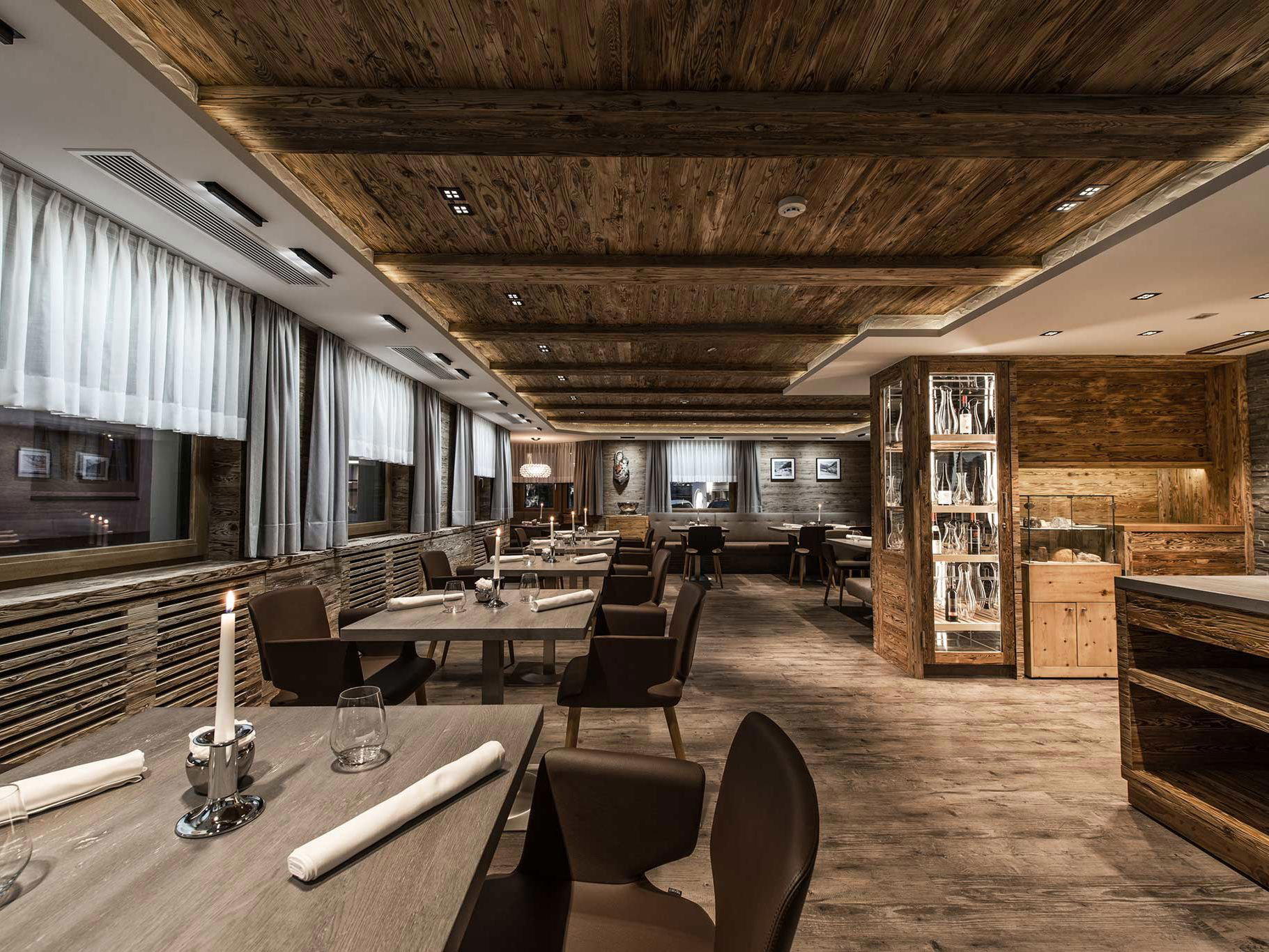
Restaurants in Zell am Ziller
Browse all →
Bars in Zell am Ziller
Browse all →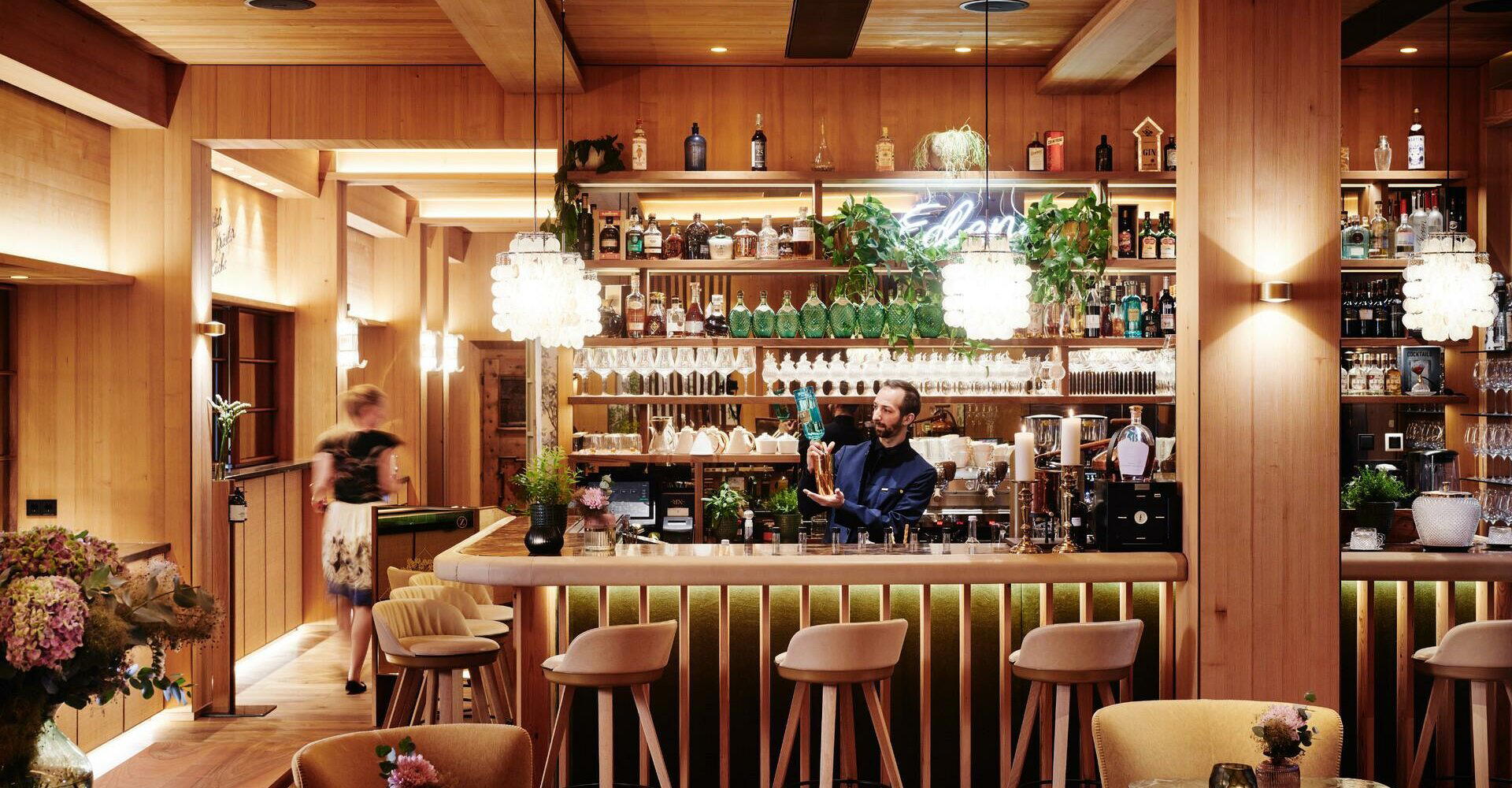
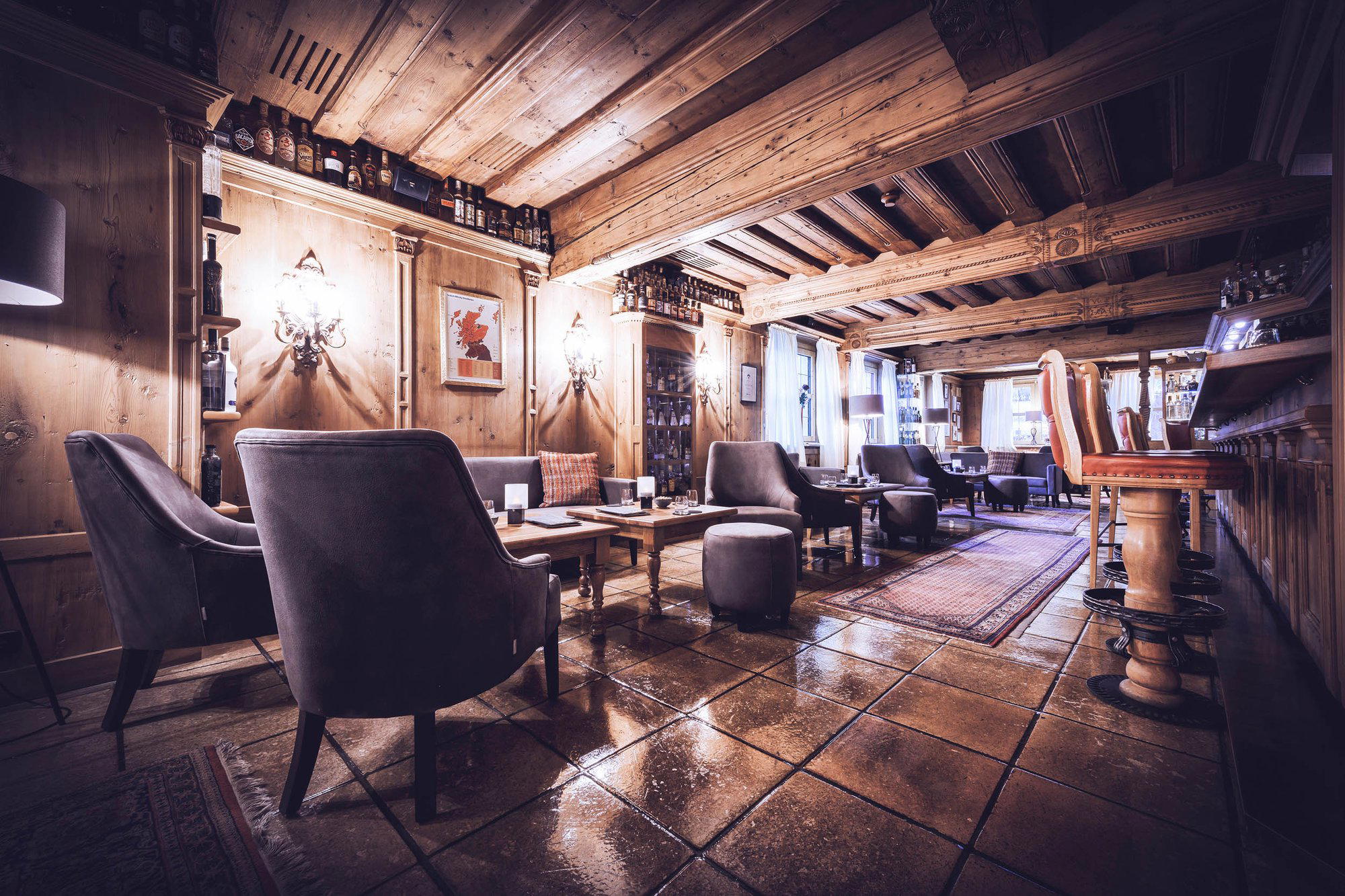
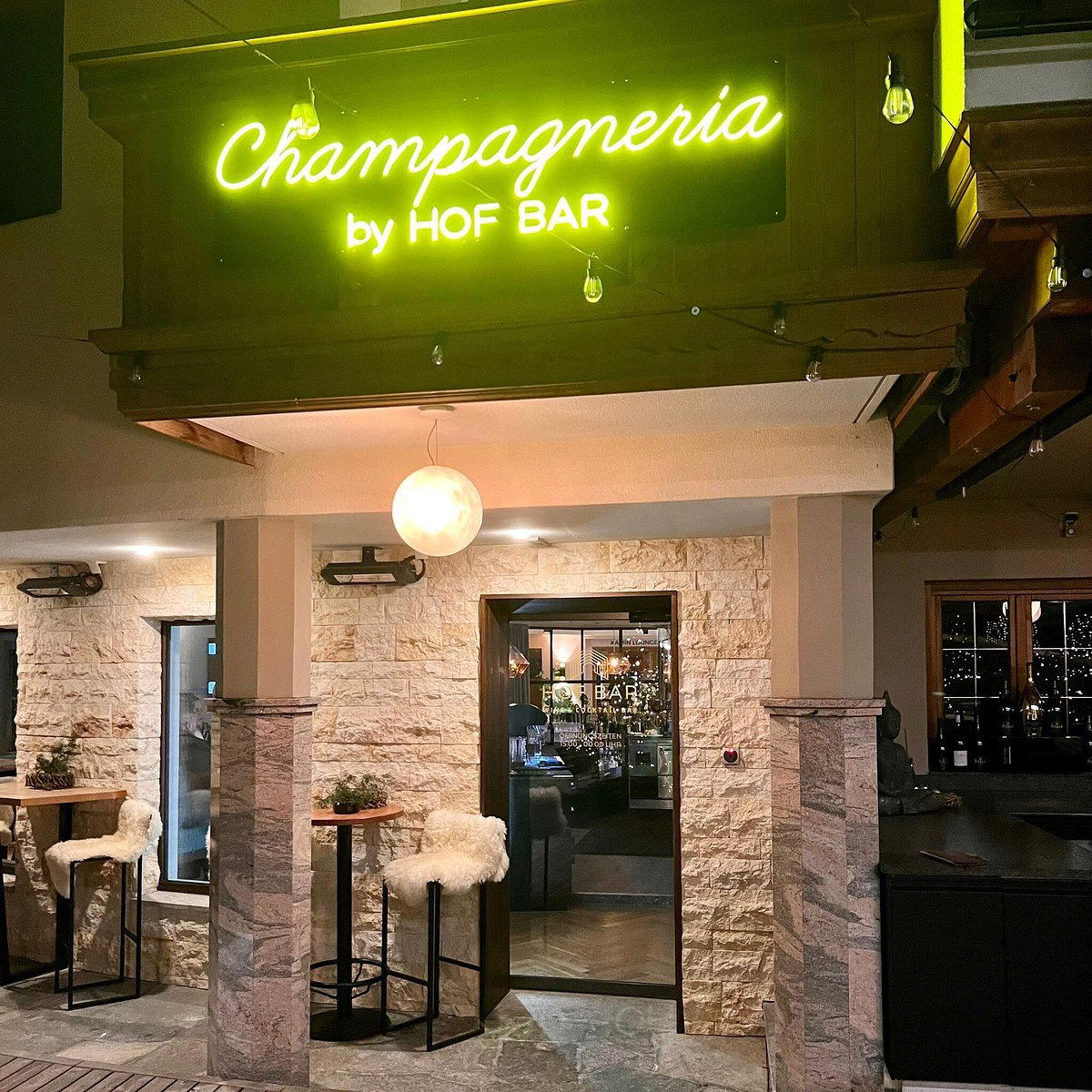
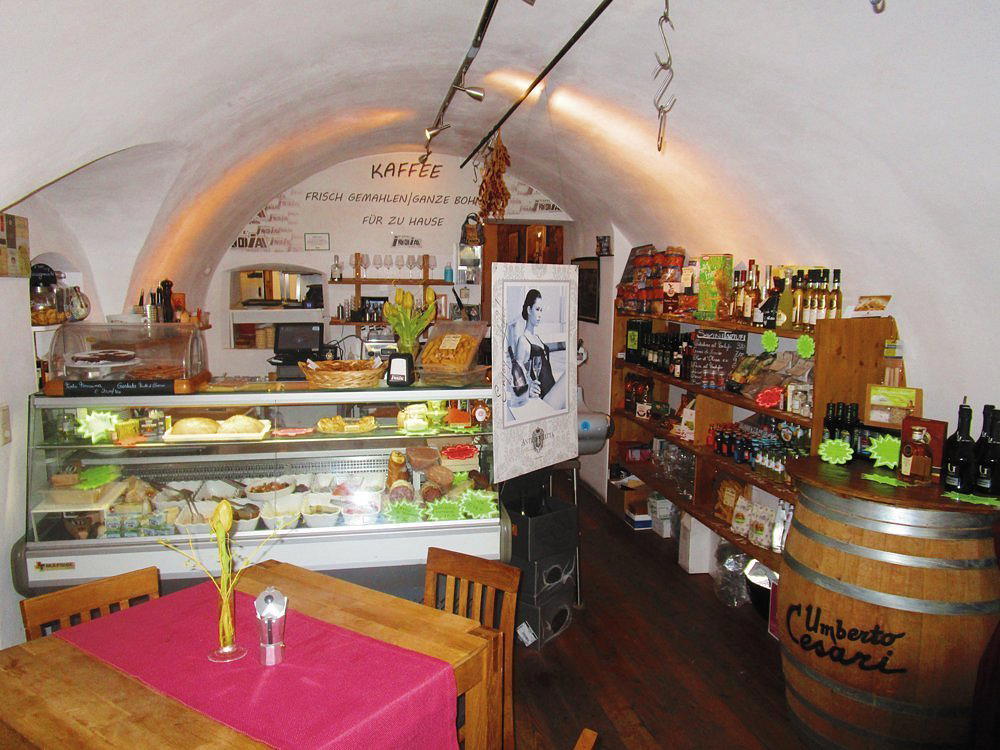
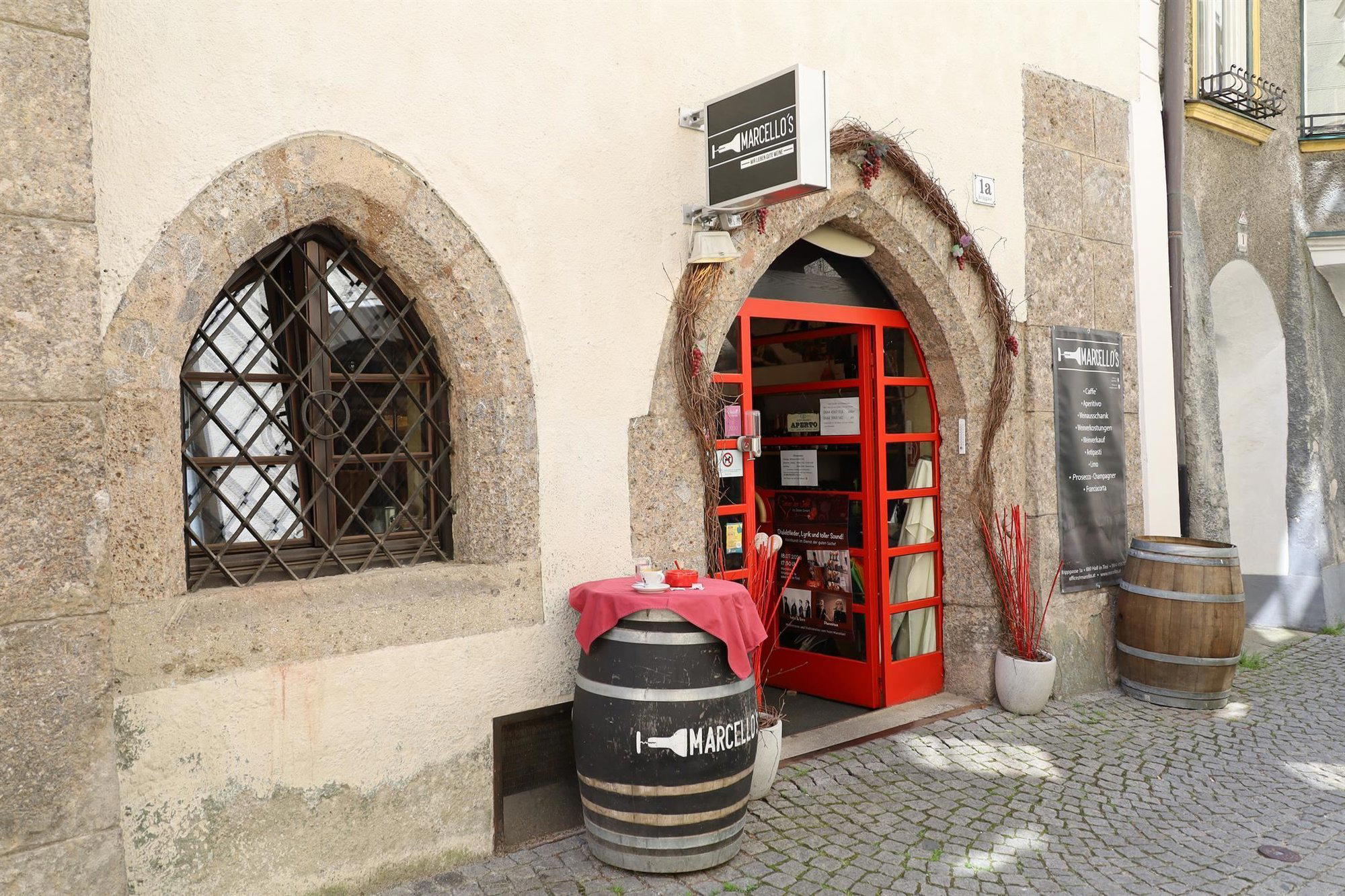
Hotels in Zell am Ziller
Browse all →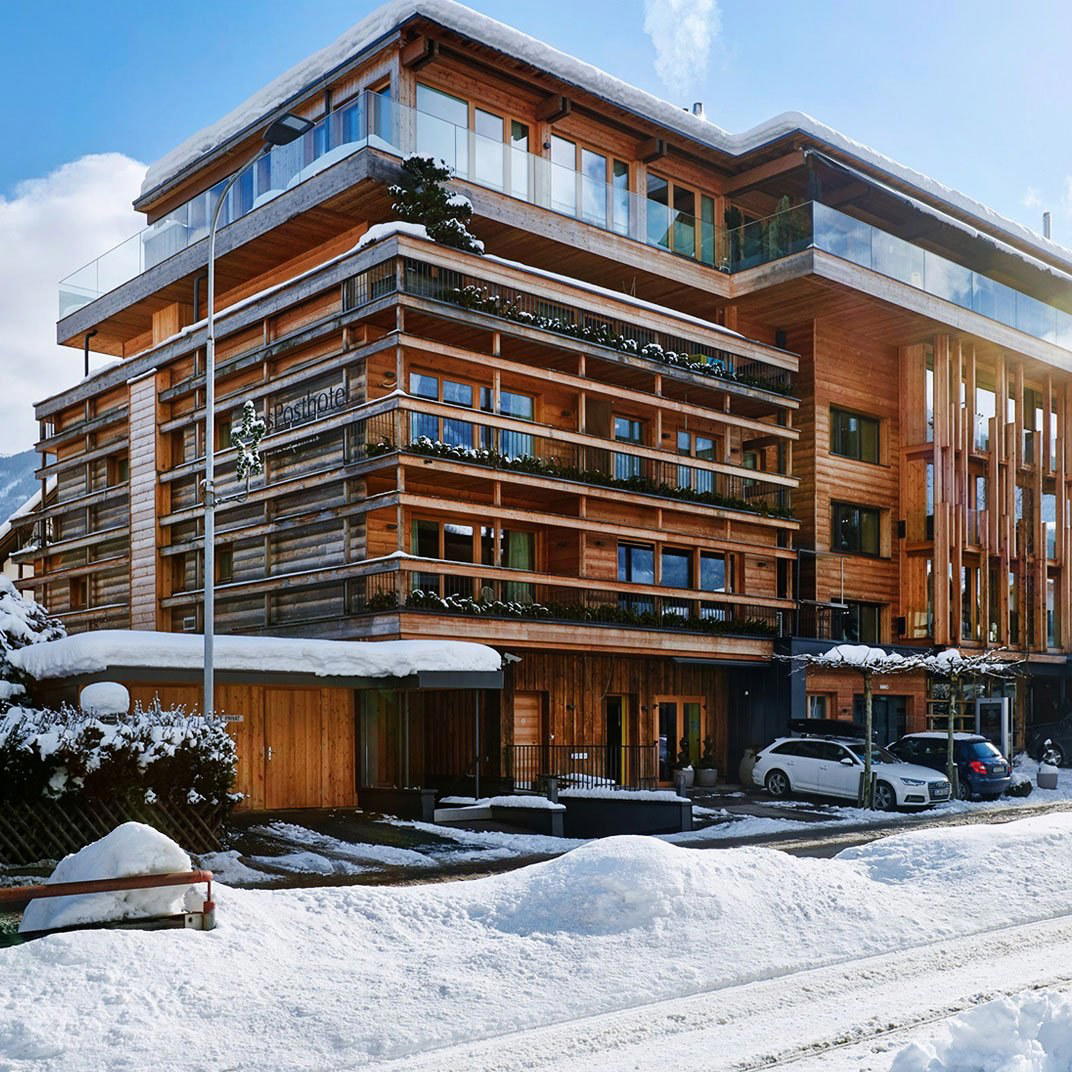

At a Glance
- Rustic
- Cozy
- Scenic
- Special Occasion
- Hotel Restaurant
- Local Sourcing
- Mountain
Current opening hours
- Monday
- 7:30 AM–9 PM
- Tuesday
- 7:30 AM–9 PM
- Wednesday
- 7:30 AM–9 PM
- Thursday
- 7:30 AM–9 PM
- Friday
- 7:30 AM–9 PM
- Saturday
- 7:30 AM–9 PM
- Sunday
- 7:30 AM–9 PM
Hours can change for holidays and private events. Last verified .
Traditional, modern, and romantic atmosphere with emphasis on natural, light dishes enhanced by fresh regional herbs.