A traditional Alpine Gasthof on Kellnerfeldstraße in Kaprun, Dorfstadl sits within the broader Salzburg region dining scene where local sourcing and mountain hospitality define the character of the table. The address places it within easy reach of the Kitzsteinhorn glacier and the village centre, making it a practical base for the kind of unhurried, ingredient-led meal that the Salzburgerland does well.
Pearl is the En Primeur Club membership app — saves, bookings, and concierge access live there. Same editors, same standards.
- Address
- Kellnerfeldstraße 15, 5710 Kaprun, Austria
- Phone
- +434365477280
- Website
- grainers-dorfstadl.com
- Directions
- Get directions
 Saves & bookings on Pearl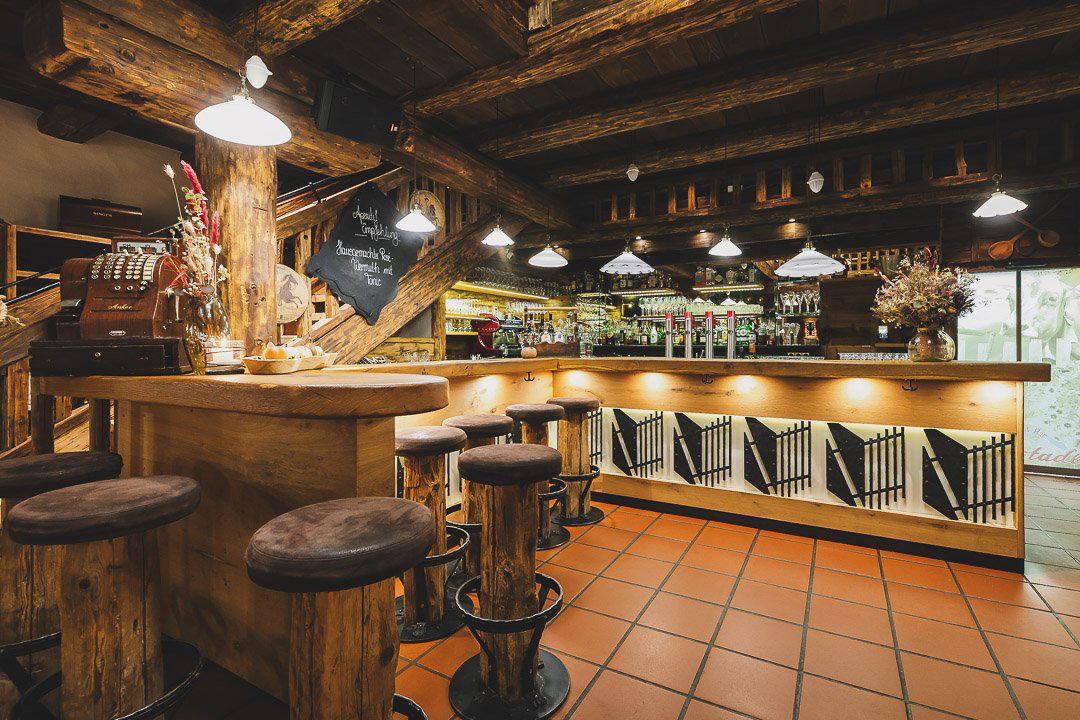
Alpine Dining in Kaprun: Where the Ingredient Is the Argument
Approach Kaprun from the valley road and the village resolves itself in a familiar Alpine sequence: church spire, timber-framed buildings, the silhouette of the Kitzsteinhorn rising above everything. The dining scene here operates at a register that suits that geography. This is a destination that has built its restaurant culture around direct Alpine dining rather than tasting menus and critical recognition in the way that, say, Steirereck im Stadtpark in Vienna or Obauer in Werfen have. Kaprun's table is set around a different logic: seasonal proximity, mountain-valley sourcing, and the kind of cooking that earns its place by being straightforwardly good rather than ambitious in a way that requires explanation.
Dorfstadl, at Kellnerfeldstraße 15, occupies that register. The address puts it close to the village core, within the pedestrian gravity of Kaprun's small centre, and that positioning matters. Guests arriving from the Kitzsteinhorn glacier lifts or from the reservoir road tend to arrive with an appetite shaped by altitude and cold air, and the Gasthof format that defines places like this is built around exactly that kind of hunger.
The Salzburgerland Sourcing Tradition
The editorial angle that makes Austrian Alpine restaurants worth understanding is not the format or the decor, but where the food comes from and what that proximity to source means for what ends up on the plate. The Salzburg region sits at the intersection of several serious agricultural traditions: dairy farming on the valley floors, game from managed mountain forests, freshwater fish from glacially fed rivers and lakes, and a growing network of small producers supplying herbs, root vegetables, and cured meats to kitchens that have learned to ask for them by name.
This sourcing infrastructure is what separates a well-run Gasthof from a generic tourist operation. The Salzburgerland has been building this kind of farm-to-table connective tissue for decades, not as a trend adopted in response to urban dining fashion, but as a continuation of what mountain communities have always done when the supply chain is literally the valley next door. Restaurants like Kräuterreich by Vitus Winkler in Sankt Veit im Pongau have built significant reputations on exactly this model, and Döllerer in Golling an der Salzach has pushed it into fine dining territory with considerable critical recognition. Dorfstadl operates further down the formality scale, but the underlying logic of the region is the same.
In Kaprun itself, the comparison set is modest in size. FinESSEN, operating at the €€€ tier with a seasonal cuisine focus, represents the more polished end of the village's table. Hilberger's Beisl and Weitblick are among the other addresses in the village's rotation. Against that small comparable set, Dorfstadl's position as a Gasthof suggests a more traditional, less curated experience, one where the menu is likely to read as a seasonal snapshot of regional produce rather than a composed tasting format.
What the Alpine Gasthof Format Actually Means
The Gasthof is a specific hospitality category in the German-speaking Alpine world, and it is worth being precise about what it implies. Unlike a hotel restaurant, which serves a captive audience, or a chef-driven destination, which requires advance planning and often advance payment, the Gasthof is a neighbourhood institution. It feeds the local farming community at lunch and the hiking and skiing crowd at dinner, and it tends to maintain that dual rhythm through the year. The menu does not change because a new chef has arrived with a new philosophy; it changes because the season changed and the suppliers changed with it.
That model produces a different kind of eating experience than what you find at Gourmetrestaurant Tannenhof in Sankt Anton am Arlberg or Griggeler Stuba in Lech, both of which operate in the upper tier of Austrian Alpine dining with corresponding price points and booking complexity. At the Gasthof level, the value proposition is different: the cooking is honest, the room is warm, and the bill reflects the local economy rather than the ambitions of a starred kitchen.
For travellers who have spent time at venues like Lazy Bear in San Francisco or Le Bernardin in New York City, the Gasthof can feel like a productive recalibration: a reminder that technical ambition is one way to be serious about food, and that seasonal fidelity in a place with genuine access to good ingredients is another.
Kaprun as a Dining Context
Kaprun's proximity to the Kitzsteinhorn glacier makes it an unusual Alpine destination in one respect: the ski season here extends further into the calendar year than most comparable resorts, with glacier skiing available well into spring and again from autumn. That extended season means the village sustains a dining economy across more months than a purely winter resort would, and it means that restaurants here develop menus across a longer arc of seasonal change than their counterparts in villages that effectively close between April and November.
The summer months bring a different crowd: hikers, cyclists, and visitors to the Zell am See lake district. The Kaprun reservoir and its historic power station draw visitors year-round. That diversity of visitor type and season shapes what the dining scene here needs to do, and a traditional Gasthof format is well suited to serving that range without the kind of specialisation that limits appeal to one type of guest.
For a fuller picture of what Kaprun's table offers across price points and formats, the full Kaprun restaurants guide covers the village's dining options in context. The broader Austrian Alpine dining tradition, which includes serious addresses like Stüva in Ischgl, Schwarzer Adler in Hall in Tirol, Restaurant 141 by Joachim Jaud in Mieming, Taubenkobel in Schützen am Gebirge, Landhaus Bacher in Mautern an der Donau, and Ois in Neufelden, runs from Gasthof-level village dining all the way to internationally recognised destination restaurants. Dorfstadl's place in that spectrum is at the accessible, locally rooted end, which is not a diminishment but a description of what this format does and why it exists.
Planning a Visit
Dorfstadl sits at Kellnerfeldstraße 15 in Kaprun's village core, which makes it walkable from most accommodation in the centre and from the main lift base areas. Reservations are recommended. The restaurant is closed Monday and Sunday, and is open Tuesday through Saturday from 5 to 11 PM. Arriving in the early evening and asking about the day's specials, which in a kitchen working with local suppliers will reflect what came in that week rather than a fixed printed menu, is one reliable approach to eating well at this level of the Austrian Alpine dining tradition.
Comparable Spots, Quickly
Comparable venues nearby, for context on price, style, and recognition.
| Venue | Cuisine | Price | Awards | Notes |
|---|---|---|---|---|
| DorfstadlThis venue — the venue you are viewing | Traditional Austrian | $$$ | Not listed | Not listed |
| Weitblick | Regional Austrian Organic | $$ | Not listed | Kaprun |
| Hilberger's Beisl | Modern Austrian Beisl | $$ | Not listed | Kaprun |
| FinESSEN | Modern Regional Austrian Fine Dining | $$$$ | Michelin Plate | Kaprun |
| im Stadl | Modern Tyrolean with Regional Influences | $$$ | Not listed | Nußdorf-Debant |
| Blaue Gans Salzburg | Modern Austrian with Mediterranean influences | $$$ | Not listed | Linke Altstadt |
Continue exploring
More in Kaprun
Restaurants in Kaprun
Browse all →
Bars in Kaprun
Browse all →
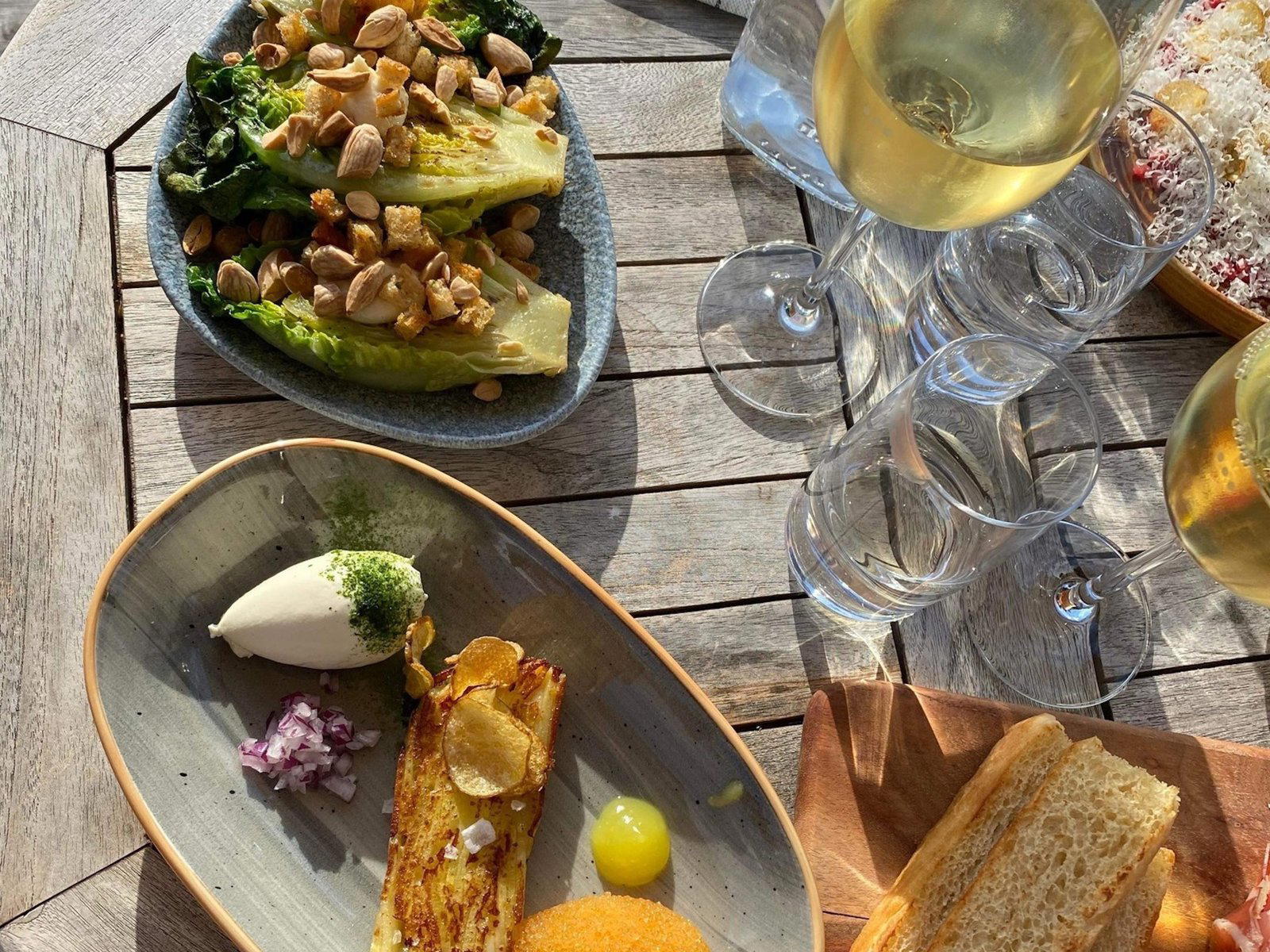
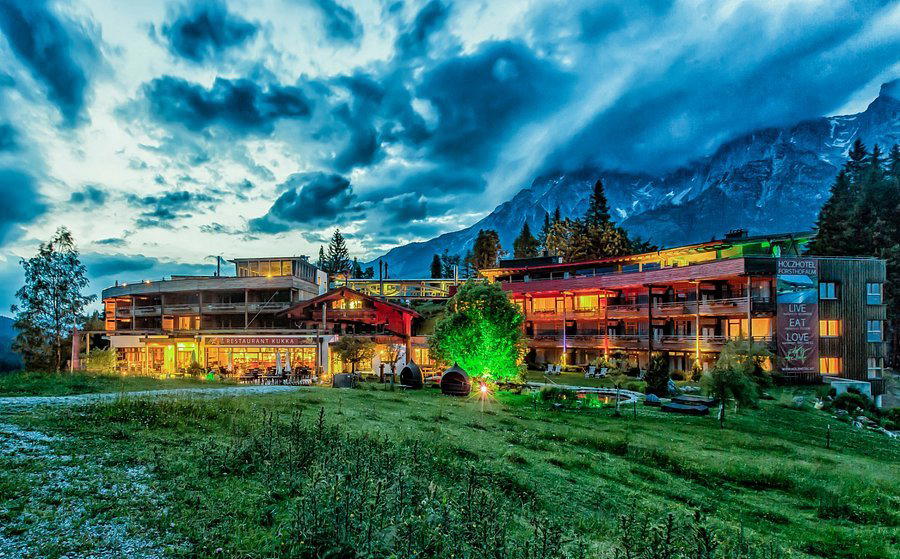

Hotels in Kaprun
Browse all →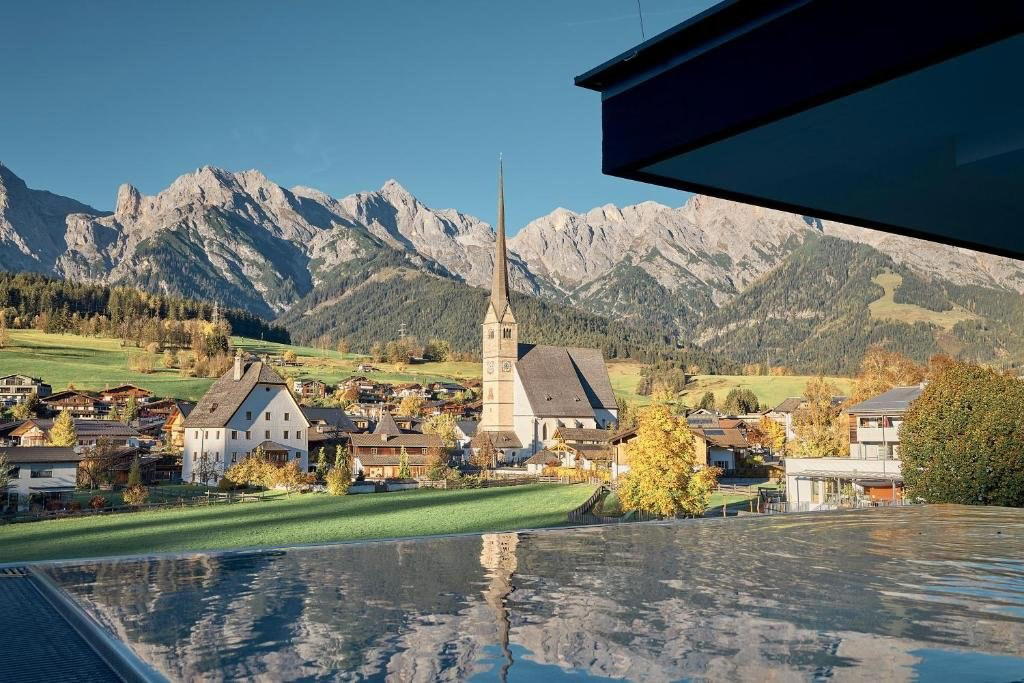
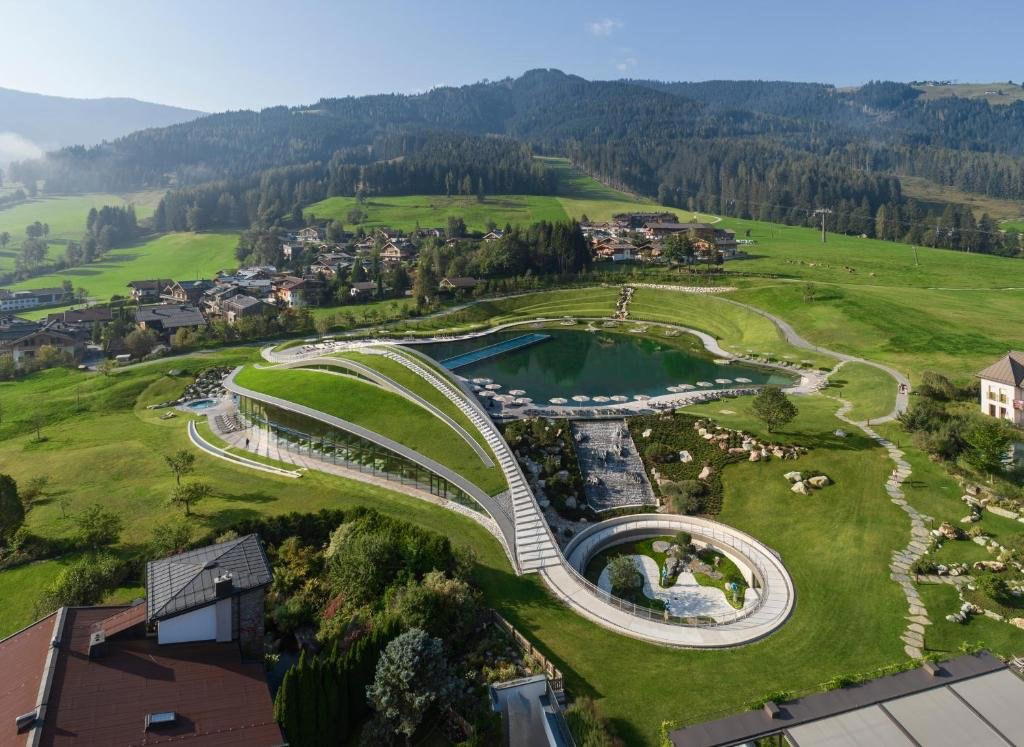
Wineries in Kaprun
Browse all →
At a Glance
- Cozy
- Rustic
- Classic
- Family
- Group Dining
- Casual Hangout
- Historic Building
Current opening hours
- Monday
- Closed
- Tuesday
- 5–11 PM
- Wednesday
- 5–11 PM
- Thursday
- 5–11 PM
- Friday
- 5–11 PM
- Saturday
- 5–11 PM
- Sunday
- Closed
Hours can change for holidays and private events. Last verified .
Cozy alpine atmosphere with wooden walls adorned by old milk jugs, antique kitchen utensils, and tiled stove creating a homely, quaint setting.