Maierl-Alm
Maierl-Alm sits at Krinberg 14 in Kirchberg in Tirol, positioned within Austria's Tyrolean alpine dining tradition where mountain hut culture and serious kitchens converge. The address places it in a region where proximity to high-altitude farms and alpine pastures shapes what ends up on the plate. For travellers moving through the Kitzbühel Alps, it represents the kind of mountain-rooted address that rewards advance planning.
Pearl is the En Primeur Club membership app — saves, bookings, and concierge access live there. Same editors, same standards.
- Address
- Krinberg 14, 6365 Kirchberg in Tirol, Austria
- Phone
- +43535721090
- Website
- maierl.at
- Directions
- Get directions
 Saves & bookings on Pearl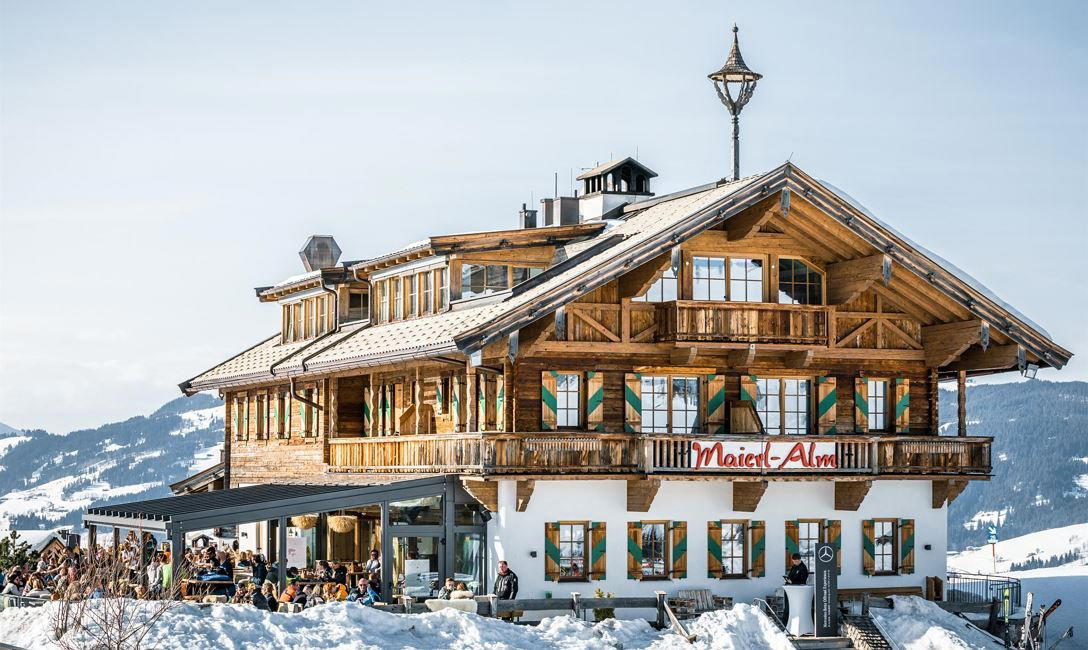
Where the Alps Shape What You Eat
Austria's alpine dining tradition does not begin in the kitchen. It begins several hundred metres higher, on the south-facing pastures and high-altitude farms that supply the restaurants below. In Kirchberg in Tirol, that connection between terrain and table is more direct than in most European mountain towns. The Kitzbühel Alps create conditions, short growing seasons, mineral-rich soils, cattle kept on steep gradients, that produce dairy, meat, and foraged ingredients with a flavour profile distinct from lowland equivalents. Maierl-Alm is a restaurant in Kirchberg in Tirol, Austria, serving Modern Tyrolean Alpine Cuisine at a price tier of 3. Its address alone signals something about sourcing logic: an alm, in Austrian-German, is a high-altitude mountain pasture or the structure associated with it, and the word carries weight in a region where the relationship between elevation and ingredient quality is taken seriously.
This is the frame through which Kirchberg's mountain restaurants are best understood. Unlike urban Austria, where kitchen ambition is measured against metropolitan peers such as Steirereck im Stadtpark in Vienna or refined destination kitchens like Ikarus in Salzburg, alpine restaurants operate with a different competitive logic. Proximity to raw material matters as much as technique. The question is not only what a kitchen can do, but what it has access to within a short radius of its door.
The Tyrolean Alm as a Dining Format
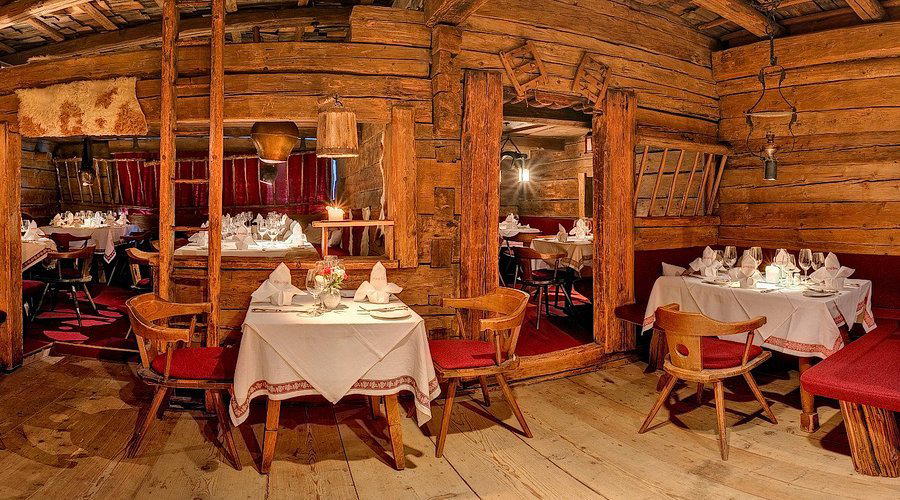
Across the Austrian Alps, the alm restaurant occupies a distinct category. It is neither a fine dining room nor a casual pub. At its most considered, it is a setting where alpine architecture, timber, low ceilings, surfaces worn by decades of use, functions as the first layer of the dining experience. You register the physical environment before a menu arrives: the weight of the building against winter, the smell of wood that has absorbed years of cooking. The approach to Maierl-Alm at Krinberg 14 follows this pattern, with the address sitting outside Kirchberg's village centre in a position that reflects the traditional separation between working mountain structures and the town below.
Across the Tyrolean region, this format has been refined by kitchens that take the alm setting seriously as a culinary premise rather than a decorative backdrop. Restaurants like Griggeler Stuba in Lech and Stüva in Ischgl demonstrate what happens when alpine format and serious kitchen intent intersect. In Kirchberg specifically, the dining scene is smaller but follows recognisable patterns: a handful of addresses serve the town's visitor base, ranging from the kind of classic Tyrolean cooking found at Stubn 1972 (Classic Cuisine) to more casual mountain options such as Bärstattalm and Restaurant Pfeffermühle.
Ingredient Sourcing in the Kitzbühel Alps
The sourcing logic that defines serious alpine cooking in this part of Austria is worth understanding before you sit down anywhere in Kirchberg. Tyrolean kitchens at the better end of the spectrum draw on a specific set of ingredients: Österreichisches Berglamm (Austrian mountain lamb), alpine dairy from cattle that graze at altitude, hand-foraged mushrooms and herbs gathered from surrounding forests, and freshwater fish from Tyrolean rivers and lakes. The short supply chain, farm to kitchen within a confined geographic radius, gives these ingredients a directness that longer-distance sourcing cannot replicate.
This is the model against which the broader Austrian alpine restaurant tradition is measured. Kitchens like Döllerer in Golling an der Salzach and Obauer in Werfen have built reputations on exactly this kind of regionally-anchored sourcing discipline, treating the Austrian Alpine corridor as a larder with its own internal hierarchy of producers. Closer to Kirchberg, Gourmetrestaurant Tannenhof in Sankt Anton am Arlberg and Kräuterreich by Vitus Winkler in Sankt Veit im Pongau show how herb-focused and ingredient-led approaches have taken root across the wider region. Addresses working within this tradition share a common premise: that the Alps themselves are the primary influence on what the kitchen produces, not any single chef's personal aesthetic.
Further afield, the contrast with international fine dining formats is instructive. Precision-driven restaurants like Le Bernardin in New York City or technique-centred kitchens such as Atomix in New York City operate from a fundamentally different premise, where the kitchen's internal logic dominates. Alpine kitchens invert this: the external environment sets the terms, and the kitchen responds. That inversion is the defining characteristic of eating well in the Tyrolean mountains.
Kirchberg in Context
Kirchberg in Tirol sits in the shadow of Kitzbühel, which draws the larger share of regional attention and dining investment. That dynamic has kept Kirchberg's restaurant scene smaller and less scrutinised, which in practice means less competition for tables and a more local-facing clientele at most addresses. For visitors oriented toward the ski area, Kirchberg functions as both a quieter base and a legitimate dining destination in its own right.
The wider Tyrolean restaurant geography also rewards attention. Addresses like Schwarzer Adler in Hall in Tirol, Restaurant 141 by Joachim Jaud in Mieming, and Landhaus Bacher in Mautern an der Donau demonstrate the breadth of serious kitchen ambition across the Austrian alpine and sub-alpine corridor. And for those willing to extend a trip beyond Tirol, Ois in Neufelden represents another strand of Austria's evolving regional dining identity.
Planning Your Visit
Maierl-Alm is at Krinberg 14, 6365 Kirchberg in Tirol, Austria. Given the alpine setting and the seasonal rhythms that govern most mountain addresses in this region, timing matters: the Kitzbühel Alps draw peak visitor numbers in winter (ski season, roughly December through April) and again in summer (hiking season, July through September), and mountain restaurants typically operate on seasonal schedules aligned with these windows. Confirming current opening periods directly is advisable before building a visit around any specific address. Reservations are recommended.
At-a-Glance Comparison
Comparable venues nearby, for context on price, style, and recognition.
| Venue | Cuisine | Price | Awards | Notes |
|---|---|---|---|---|
| Maierl-AlmThis venue — the venue you are viewing | Modern Tyrolean Alpine Cuisine | $$$ | Not listed | Not listed |
| Restaurant Pfeffermühle | Modern Austrian with International Influences | $$$ | Not listed | Kirchberg |
| Bärstattalm | Traditional Tyrolean | $$ | Not listed | Gaisberg |
| Stubn 1972 | Contemporary Alpine | $$$ | Michelin Plate | Kirchberg in Tirol |
| Der Schwarzacher | Traditional Austrian Alpine | $$$ | Not listed | Hinterglemm |
| Gramai Alm Alpengenuss & Natur Spa | Traditional Austrian Mountain Cuisine | $$$ | Not listed | Pertisau |
Continue exploring
More in Kirchberg in Tirol
Restaurants in Kirchberg in Tirol
Browse all →
Bars in Kirchberg in Tirol
Browse all →


Hotels in Kirchberg in Tirol
Browse all →
Wineries in Kirchberg in Tirol
Browse all →
At a Glance
- Rustic
- Cozy
- Scenic
- Lively
- Special Occasion
- Group Dining
- Celebration
- Terrace
- Panoramic View
- Open Kitchen
- Extensive Wine List
- Beer Program
- Local Sourcing
- Mountain
Cozy alpine atmosphere with rustic charm, warm tiled stove, lively terrace parties, and far-reaching mountain vistas.