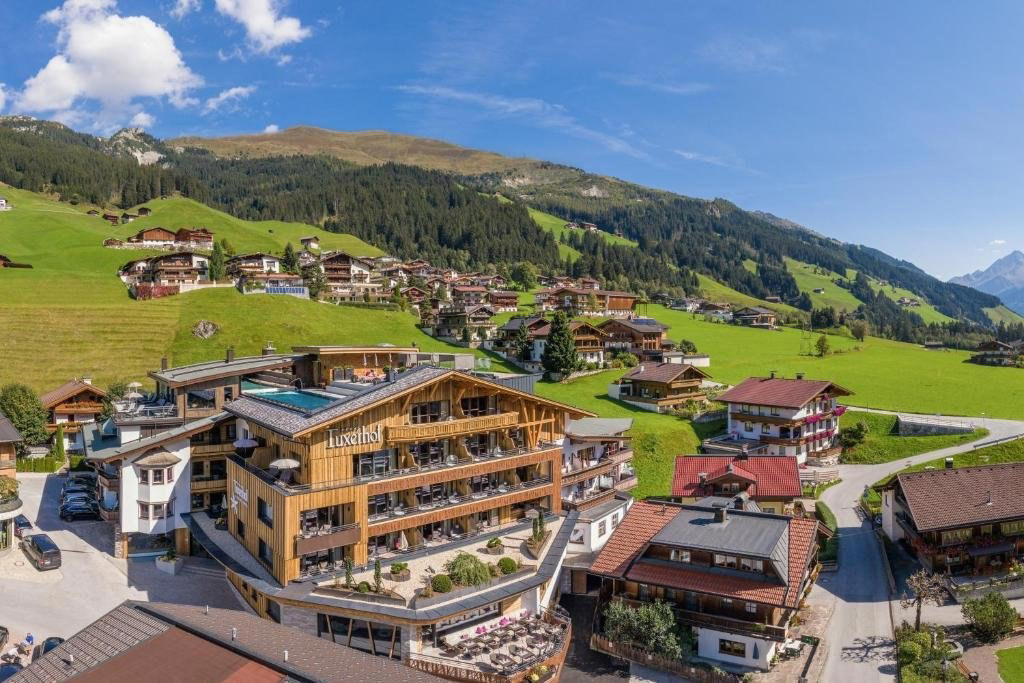
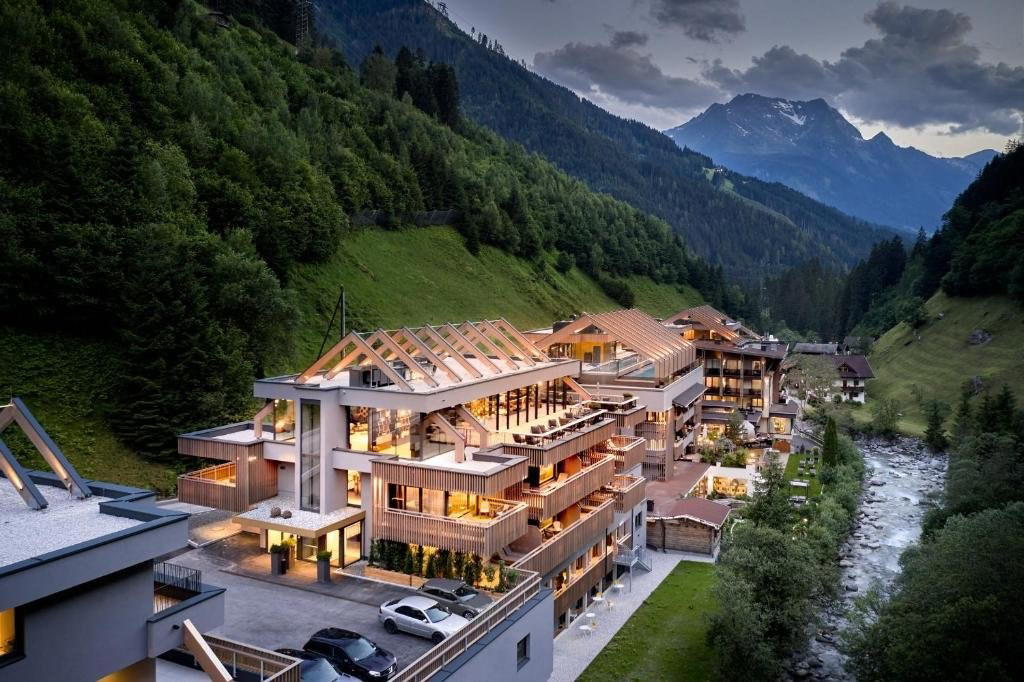
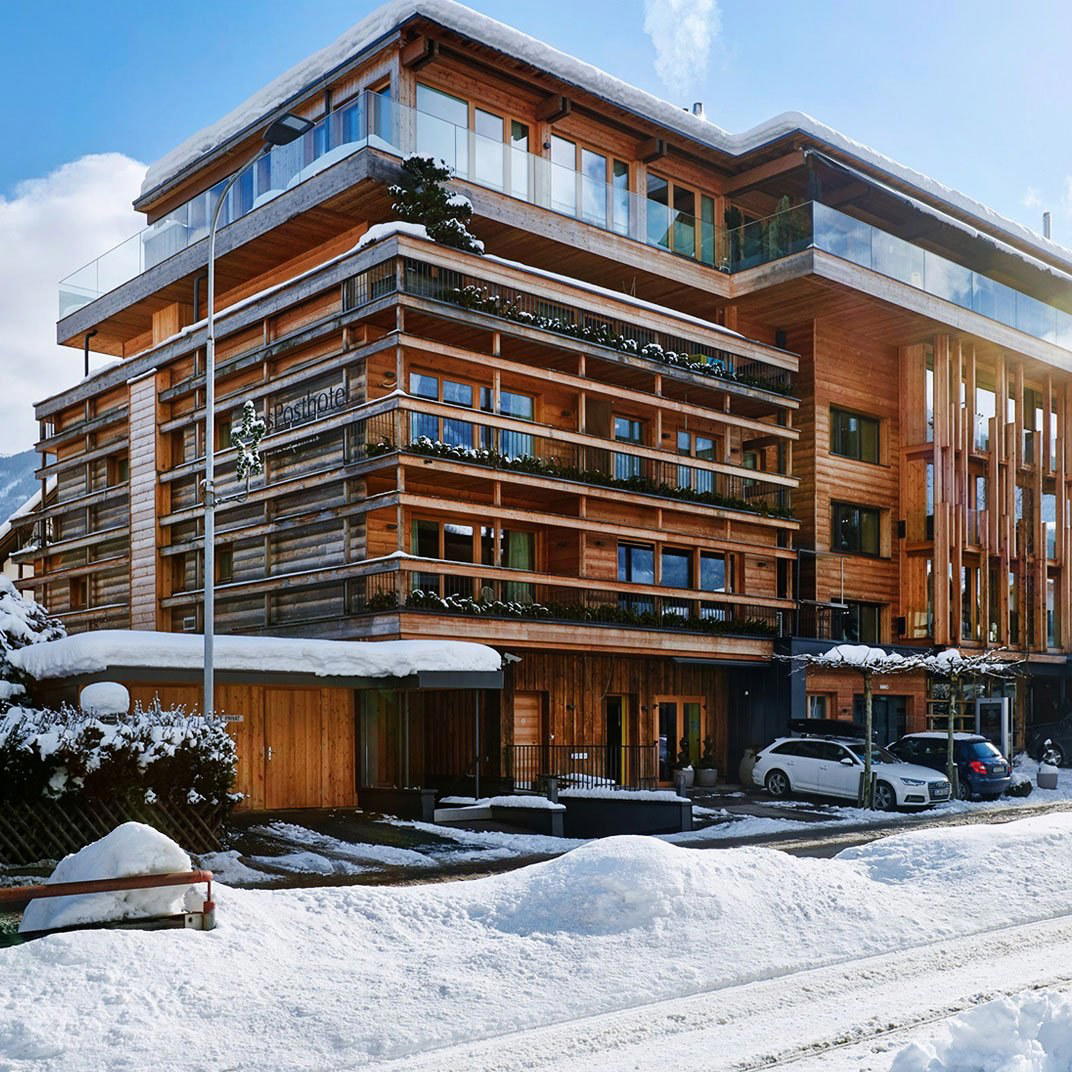
Lanersbacher Hof sits in the heart of Lanersbach, the quieter, lower-altitude end of Austria's Tux valley, where the Ziller Alps press in close and the village pace is set by farmers and ski lifts rather than resort marketing. The address places it squarely within Tux's modest but earnest dining scene, a stretch of mountain hospitality where the kitchen's relationship to its immediate landscape tends to matter more than its Michelin credentials.
Pearl is the En Primeur Club membership app — saves, bookings, and concierge access live there. Same editors, same standards.
- Address
- Lanersbach 388, 6293 Tux, Austria
- Phone
- +43528787256
- Website
- lanersbacherhof.at
- Directions
- Get directions
 Saves & bookings on Pearl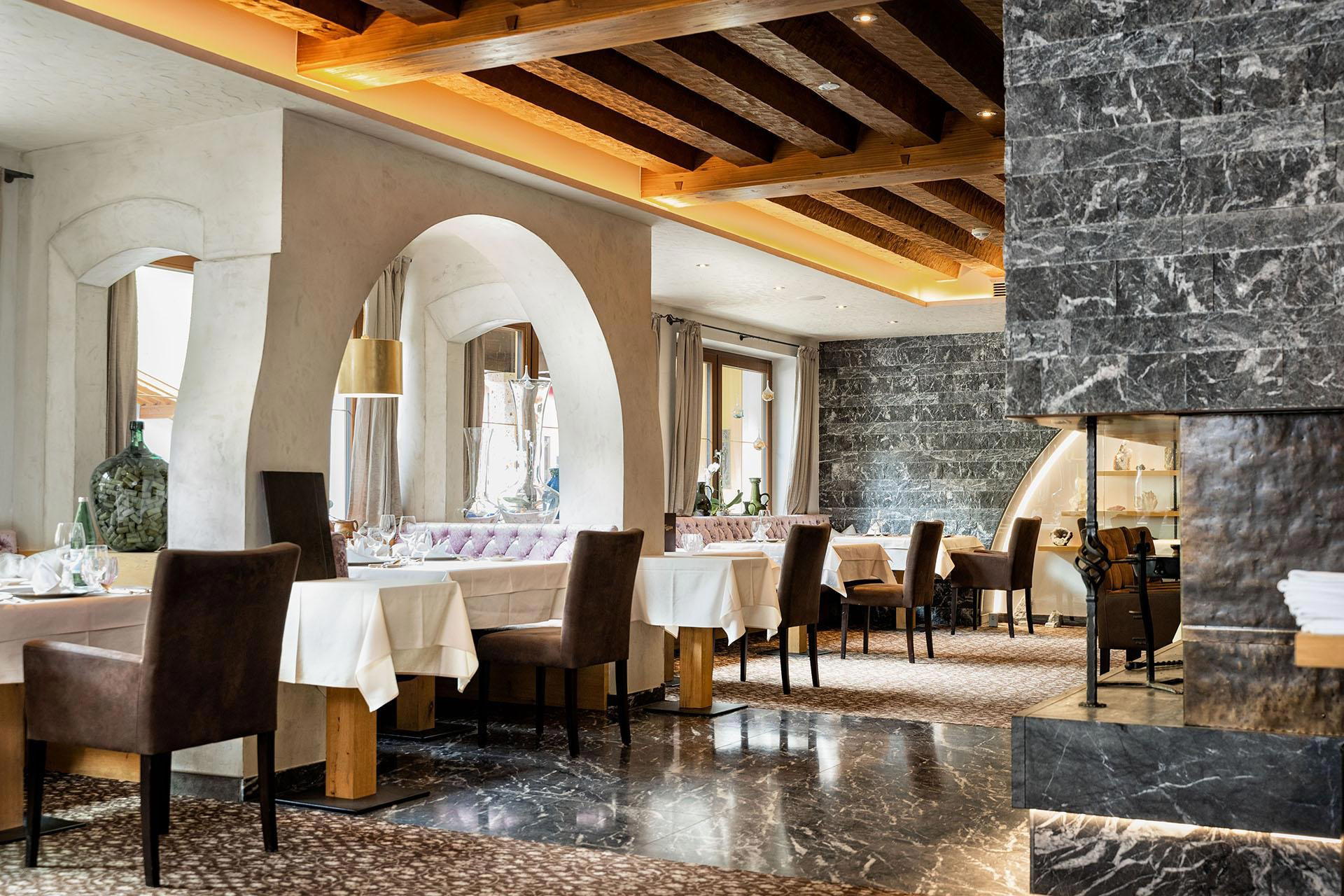
Where the Zillertal Alps Define the Plate
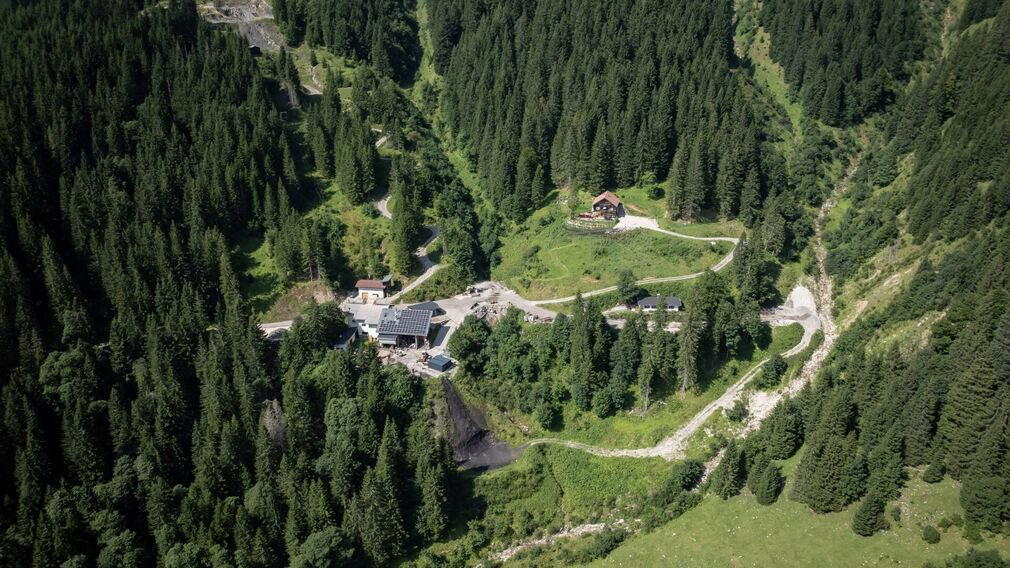
There is a particular kind of Austrian mountain restaurant that does not announce itself loudly. You find it by address rather than signage, at the end of a road where the valley has narrowed to something almost private and the surrounding peaks feel less like scenery and more like weather. Lanersbacher Hof, at Lanersbach 388 in Tux, occupies that register. Lanersbach is the more subdued of Tux's two main settlements, sitting below the glacier-accessed terrain that draws the performance skiers and day-trippers. The guests who end up at tables here have typically chosen the valley deliberately, not arrived by transfer bus from Innsbruck.
That self-selection matters because it shapes what the kitchen is asked to do. In the Austrian Alps, coherent mountain dining traditions are the ones rooted in proximity: cheese made within cycling distance, game from the surrounding forests, bread leavened with cultures maintained through the winter. The region running south from the Zillertal into the high Tux valley has sustained that proximity for generations, partly by necessity, supply chains get expensive at altitude, and partly because the guests who return year after year have come to expect the geography on the plate as much as on the trail map.
Alpine Sourcing as a Structural Fact
Across Austria's serious mountain kitchens, from Döllerer in Golling an der Salzach to Kräuterreich by Vitus Winkler in Sankt Veit im Pongau, the argument for ingredient sourcing is not primarily ethical or marketing-driven. It is logistical and seasonal. When a kitchen sits at over 1,200 metres and the road in becomes unreliable for weeks at a time, relationships with local producers stop being optional and become structural. The larder defines the menu, not the other way around.
This is the culinary tradition Lanersbacher Hof inhabits. The Tux valley's farms produce dairy at altitude, where the grazing season is shorter, the grasses more varied by elevation, and the milk correspondingly richer. Local butchers in the Zillertal have maintained cold-smoke and curing traditions that predate refrigeration. That inherited infrastructure, farms, smokehouses, small dairies, forest game, forms the raw material that kitchens like this one draw from, whether or not the menu explicitly announces it. The sourcing is background, not foreground, because for this category of Austrian mountain house it has never been anything other than the default.
For comparison within Tyrol's high-altitude dining tier, Gourmetrestaurant Tannenhof in Sankt Anton am Arlberg and Griggeler Stuba in Lech represent the end of the spectrum where Michelin recognition formalises the sourcing story into tasting menu format. Lanersbacher Hof sits outside that tier by geography and apparent format, belonging instead to the broader category of valley-rooted Gasthäuser where the sourcing discipline is real but the presentation stays closer to the Austrian table tradition than to the tasting counter.
The Tux Dining Context
Tux's restaurant scene is smaller and less trophy-driven than either Ischgl or Lech, which means the better addresses here compete on consistency and local character rather than on chef celebrity or wine list depth. Within the village, Die Geniesserstube im Alpenhof operates at the formal end of Tux's range, with an Alpine format pitched at guests staying in the Alpenhof property. Bergfried - Chefs Table represents the modern cuisine strand, with a format that signals contemporary ambition. Berghof occupies its own position in the valley's hospitality landscape. The restaurant's address in Lanersbach rather than Tux-Hintertux places it slightly apart from the glacier-adjacent trade, which in practice means a quieter room and guests who have come to the valley for the valley rather than for the après-ski corridor.
The broader Austrian alpine dining tradition it connects to runs from the Salzburg region, where Obauer in Werfen has maintained decades of serious kitchen work grounded in local produce, to the more rarefied urban reference point of Steirereck im Stadtpark in Vienna, which has built one of Europe's most cited commitments to Austrian sourcing at a scale and price point far removed from mountain valley dining. The thread connecting them is an orientation toward what grows or grazes within reach, treated seriously rather than sentimentally.
Planning a Visit
Tux sits at the head of the Zillertal, roughly 80 kilometres from Innsbruck. Road access is direct in summer and requires snow tyres or chains in winter; the Hintertux Glacier operates year-round, which means the valley never fully closes but does shift character dramatically between ski season and hiking season. Lanersbach itself is a short drive from Hintertux. For the wider Austrian alpine table, readers tracking serious mountain kitchens should also note Stüva in Ischgl, Schwarzer Adler in Hall in Tirol, Restaurant 141 by Joachim Jaud in Mieming, and Ikarus in Salzburg. For an overview of Tux's full dining range, the EP Club Tux restaurants guide provides the current picture. Further afield, Landhaus Bacher in Mautern an der Donau and Ois in Neufelden represent the Austrian tradition at its most considered outside the mountain corridor.
A Quick Peer Check
Comparable venues nearby, for context on price, style, and recognition.
| Venue | Cuisine | Price | Awards | Notes |
|---|---|---|---|---|
| Lanersbacher HofThis venue — the venue you are viewing | Tyrolean Gourmet Cuisine | $$$ | Not listed | Not listed |
| Berghof | Modern Tyrolean with International Influences | $$$$ | Not listed | Tux |
| Bergfried - Chefs Table | Modern Regional Austrian | $$$$ | Michelin Plate | Lanersbach |
| Die Geniesserstube im Alpenhof | Modern Alpine Fine Dining | $$$$ | Michelin 1 Star | Hintertux |
| DieMarie | Modern Austrian | $$$ | Not listed | Zell am Ziller |
| Seebichl | Modern Tyrolean Regional | $$$ | Not listed | Schwarzsee |
Continue exploring
More in Tux
Restaurants in Tux
Browse all →
Bars in Tux
Browse all →
Hotels in Tux
Browse all →

At a Glance
- Cozy
- Rustic
- Elegant
- Special Occasion
- Date Night
- Hotel Restaurant
- Extensive Wine List
- Local Sourcing
- Mountain
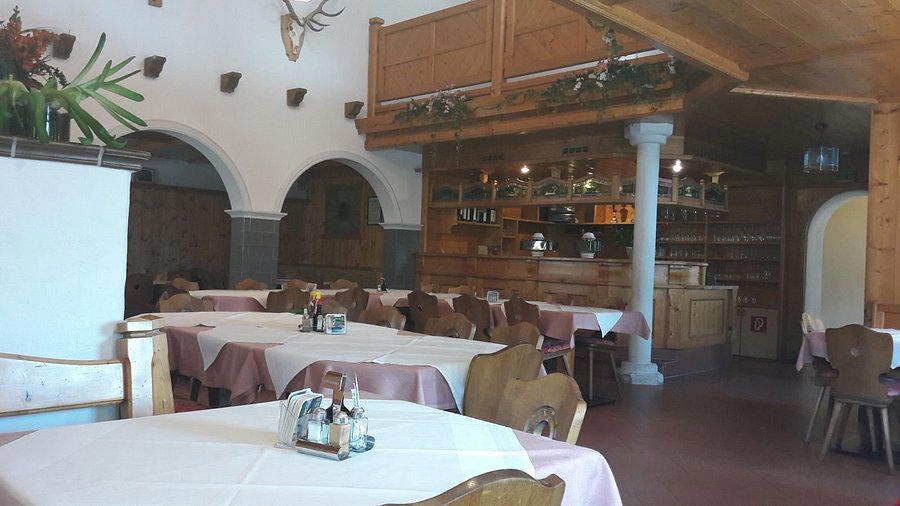
Warm and homely atmosphere with polished chalet-style setting and a touch of rustic flair.