La Taverne Brasserie
A brasserie positioned directly opposite Saint-Étienne's main SNCF station, La Taverne Brasserie occupies the practical and social crossroads of a city that has long supported a working French dining culture. The address on Avenue Denfert Rochereau places it squarely in the transit-adjacent tier of local restaurants, where accessibility and regularity matter as much as occasion dining.
Pearl is the En Primeur Club membership app — saves, bookings, and concierge access live there. Same editors, same standards.
- Address
- Face gare SNCF, 35 Av. Denfert Rochereau, 42000 Saint-Étienne, France
- Phone
- +33477379966
- Website
- latavernebrasserie42.fr
- Directions
- Get directions
 Saves & bookings on Pearl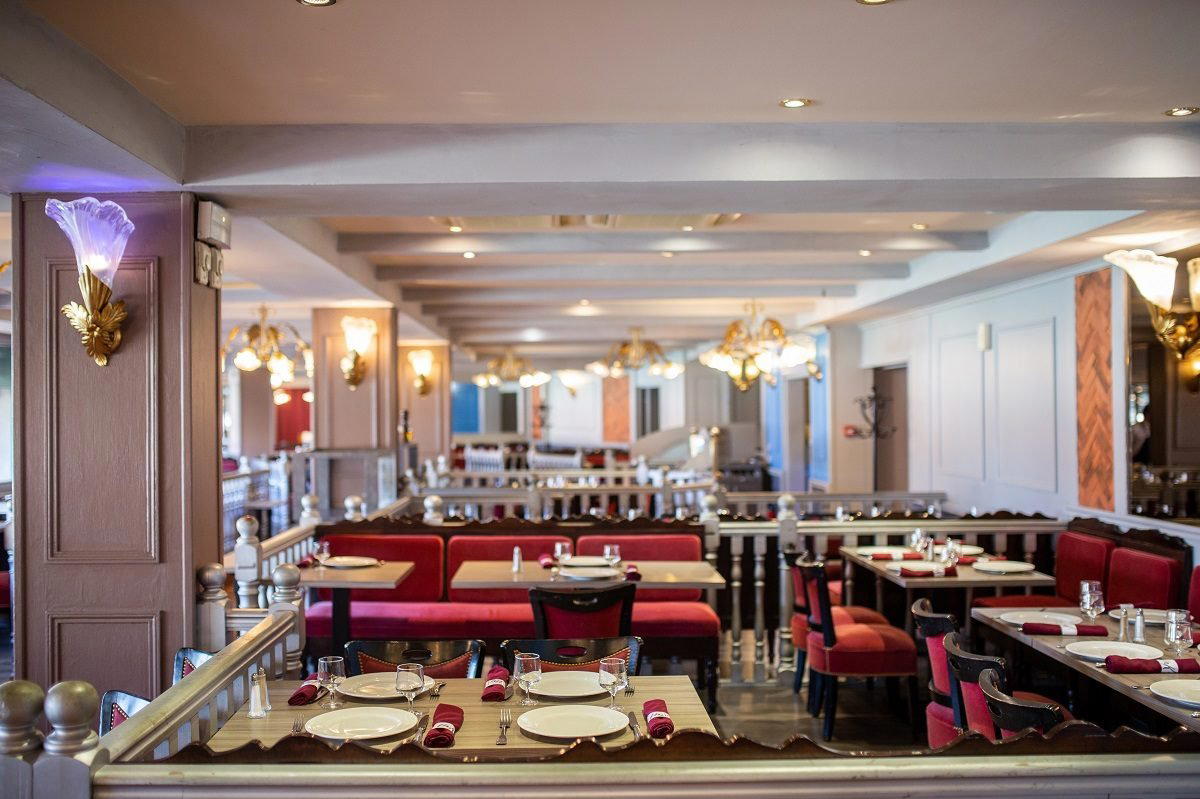
Where the Station Quarter Meets the Brasserie Tradition
French brasserie culture has always been anchored to transit. The format emerged in the nineteenth century partly because railway travel created a new class of diner: the traveller with time to fill, the commuter with a routine, the local who needed somewhere reliable before a departure. Across France, the station-adjacent brasserie became a social institution rather than a fallback option. Saint-Étienne's dining scene follows that pattern with some fidelity, and La Taverne Brasserie, positioned directly across from the Gare SNCF on Avenue Denfert Rochereau, sits directly opposite the station.
Saint-Étienne is not a city that organises its restaurant culture around spectacle. The Loire department's largest city has historically supported a density of neighbourhood and worker-focused establishments, places where the relationship between diner and kitchen is transactional in the leading sense: clear expectations, honest execution, and a physical space that earns repeat visits through consistency rather than novelty. La Taverne occupies that bracket, making it a different proposition from the city's newer modern-cuisine addresses like La Table des Matrus, which operates at the €€ tier with a more contemporary format, or the multi-course ambitions you find at higher price points elsewhere in the region.
The Sourcing Logic of a Station Brasserie
Understanding what a brasserie like this serves starts with understanding where its supply chain sits within French provincial dining. The Loire department has substantial agricultural production, and Saint-Étienne's position within the Auvergne-Rhône-Alpes region places it within reach of some of France's more consequential food corridors: the Rhône Valley to the east, the volcanic farmlands of Auvergne to the west, and Lyon's wholesale market infrastructure less than sixty kilometres north. A brasserie format does not typically source with the specificity of a tasting-menu kitchen, but the regional larder it draws from is not a limited one.
Brasserie menus in the French tradition tend toward dishes that absorb provenance without announcing it: a blanquette de veau made with local veal reads as comfort cooking, not as a sourcing statement. The same applies to charcuterie plates, grilled meats, or the kind of fish preparations that appear mid-week on a prix-fixe. The value of proximity to a supply corridor like the one Saint-Étienne occupies is less about premium ingredients appearing on the menu and more about baseline quality holding at a price point that station-adjacent venues have to maintain to survive. That is a different logic from the one operating at, say, Mirazur in Menton or Bras in Laguiole, where ingredient sourcing is the editorial point of the menu. Here, sourcing is infrastructure rather than identity.
Saint-Étienne's Broader Dining Context
The city's dining scene has diversified over the past decade without abandoning its working-city character. Alongside traditional brasseries and bistros, addresses like La Cempote and L'Aile ou la Cuisse have carved out distinct positions, while casual formats such as Gonzague Burgers Saint-Étienne serve a younger demographic. The Little Garden restaurant represents yet another strand of the city's appetite for accessible, neighbourhood-scale dining.
What this spread indicates is that Saint-Étienne has a functioning mid-market rather than a two-speed scene split between cheap and fine. La Taverne occupies the practical centre of that market, which is a structurally resilient position. Cities with strong mid-market dining cultures tend to support brasseries better than cities polarised toward either fast-casual or tasting-menu formats, because the brasserie depends on a local clientele with a rhythm of use, not on destination diners.
The French Regional Context
The Auvergne-Rhône-Alpes region produces some of France's most discussed restaurant culture. Troisgros in Ouches and Paul Bocuse's Auberge du Pont de Collonges sit within a few hours of Saint-Étienne and define the upper register of what the region is capable of producing. Further afield, Flocons de Sel in Megève and Alléno Paris au Pavillon Ledoyen represent the kind of destination cooking that attracts international attention. That context matters for understanding what La Taverne is not, and what it does not need to be. A city of Saint-Étienne's scale and working character needs functioning everyday dining more than it needs another aspirational address, and the station-adjacent brasserie format is specifically designed to provide it.
The contrast is worth holding onto when thinking about French dining at the national level. Addresses like Assiette Champenoise in Reims, Au Crocodile in Strasbourg, and Auberge de l'Ill in Illhaeusern anchor their cities' fine-dining reputations. The equivalent anchor for everyday dining is precisely the brasserie, and its cultural function is not diminished by the absence of stars. Even internationally, the gap between a destination counter like Le Bernardin in New York or Atomix and a neighbourhood-format venue is what makes the latter legible as a category rather than a failure to reach the former.
Arriving and Planning
Address on Avenue Denfert Rochereau, directly facing the Gare de Saint-Étienne-Chateaucreux, makes La Taverne among the more straightforwardly located restaurants in the city. For travellers arriving by rail from Lyon Part-Dieu, the journey runs approximately forty to fifty minutes; from Paris Gare de Lyon, TGV connections reach Saint-Étienne in around two hours. The station-facing position means that La Taverne functions as a natural first or last stop for rail travellers. Its hours are Mon: 9 AM-10:30 PM; Tue: 9 AM-10:30 PM; Wed: 9 AM-10:30 PM; Thu: 9 AM-10:30 PM; Fri: 9 AM-11 PM; Sat: 9 AM-11 PM; Sun: 9 AM-11 PM, reservations are recommended, and the price tier is around $25 per person, particularly for larger groups or weekend lunches when brasserie-format restaurants in French provincial cities tend to run at capacity.
For those exploring the city's dining options at multiple price points, positioning La Taverne as a lunch or early dinner stop pairs well with evening visits to more format-driven addresses. The station quarter is a practical base for covering the central city on foot, with the main commercial streets and cultural institutions within walking distance of the SNCF forecourt. AM par Alexandre Mazzia in Marseille is the kind of southern-France reference point that clarifies, by contrast, what a northern Loire brasserie is doing and why the two formats do not compete on the same terms.
In Context: Similar Options
Comparable venues nearby, for context on price, style, and recognition.
| Venue | Cuisine | Price | Notes |
|---|---|---|---|
| La Taverne BrasserieThis venue — the venue you are viewing | Traditional French Brasserie | $$ | Not listed |
| L Aile ou la Cuisse | French Rôtisserie | $$ | Place Jean Jaurès |
| La Cempote | French Bistro with Natural Wine Focus | $$$ | Châteaucreux |
| Restaurant Chimère | Bistronomic French Fusion | $$ | centre-ville |
| Restaurant le traditionnel | Traditional French Bistro | $$ | Cours Fauriel |
| Madame, table de cheffe | Modern French Creative | $$$ | Villeboeuf |
Continue exploring
More in Saint-Étienne
Restaurants in Saint-Étienne
Browse all →
Bars in Saint-Étienne
Browse all →
Hotels in Saint-Étienne
Browse all →

At a Glance
- Classic
- Cozy
- Group Dining
- Casual Hangout
- Terrace
Current opening hours
- Monday
- 9 AM–10:30 PM
- Tuesday
- 9 AM–10:30 PM
- Wednesday
- 9 AM–10:30 PM
- Thursday
- 9 AM–10:30 PM
- Friday
- 9 AM–11 PM
- Saturday
- 9 AM–11 PM
- Sunday
- 9 AM–11 PM
Hours can change for holidays and private events. Last verified .
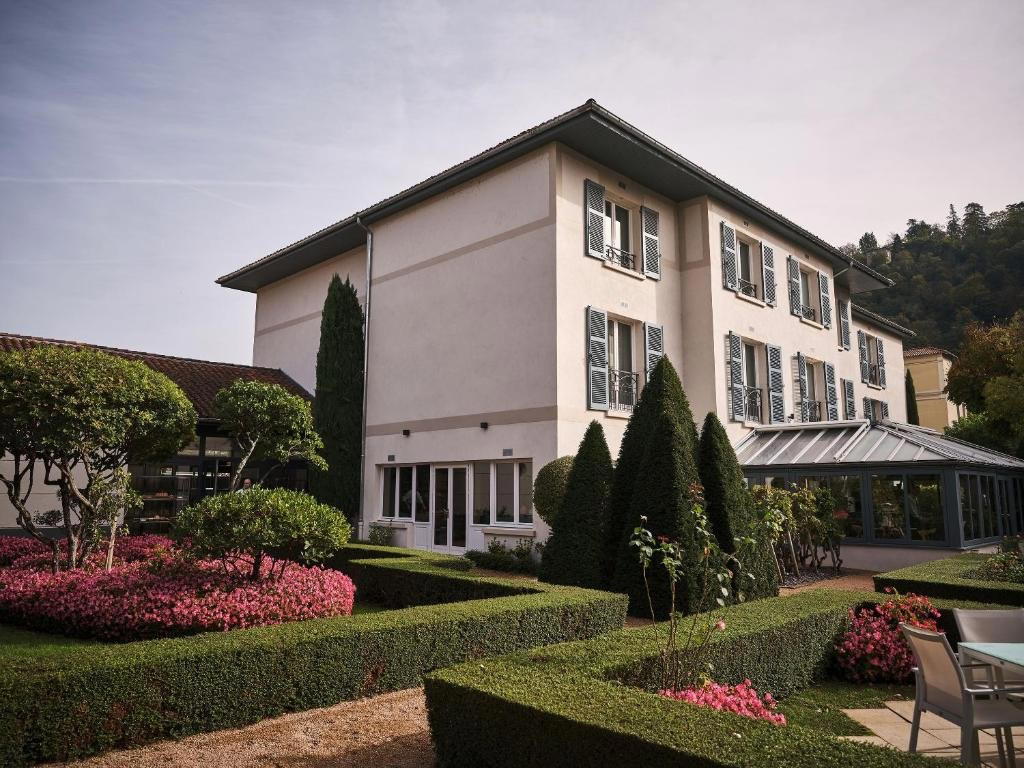
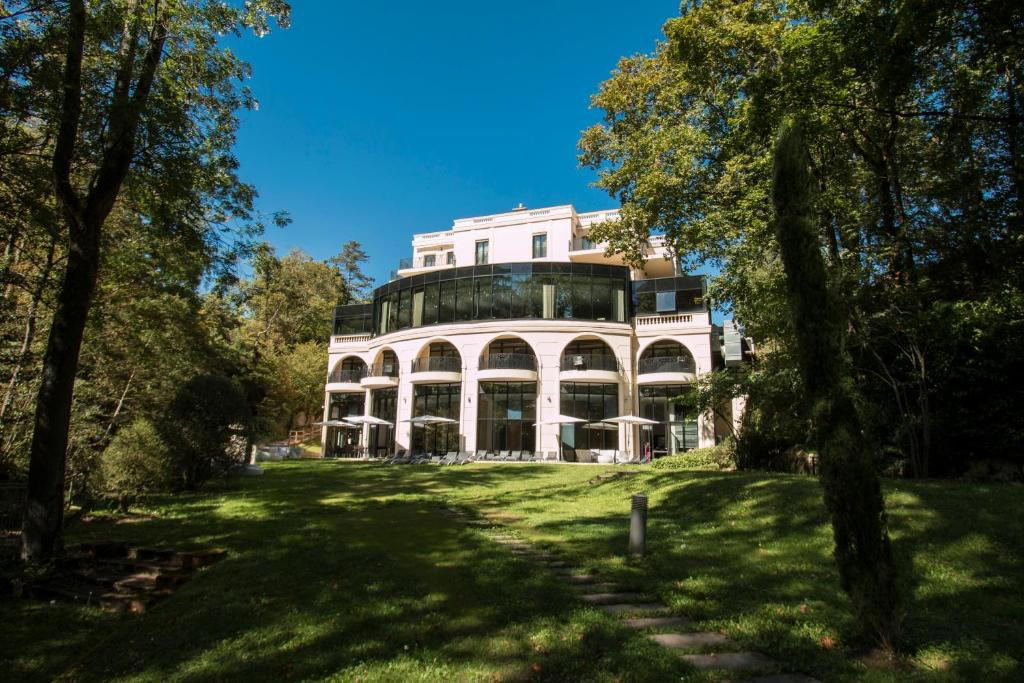
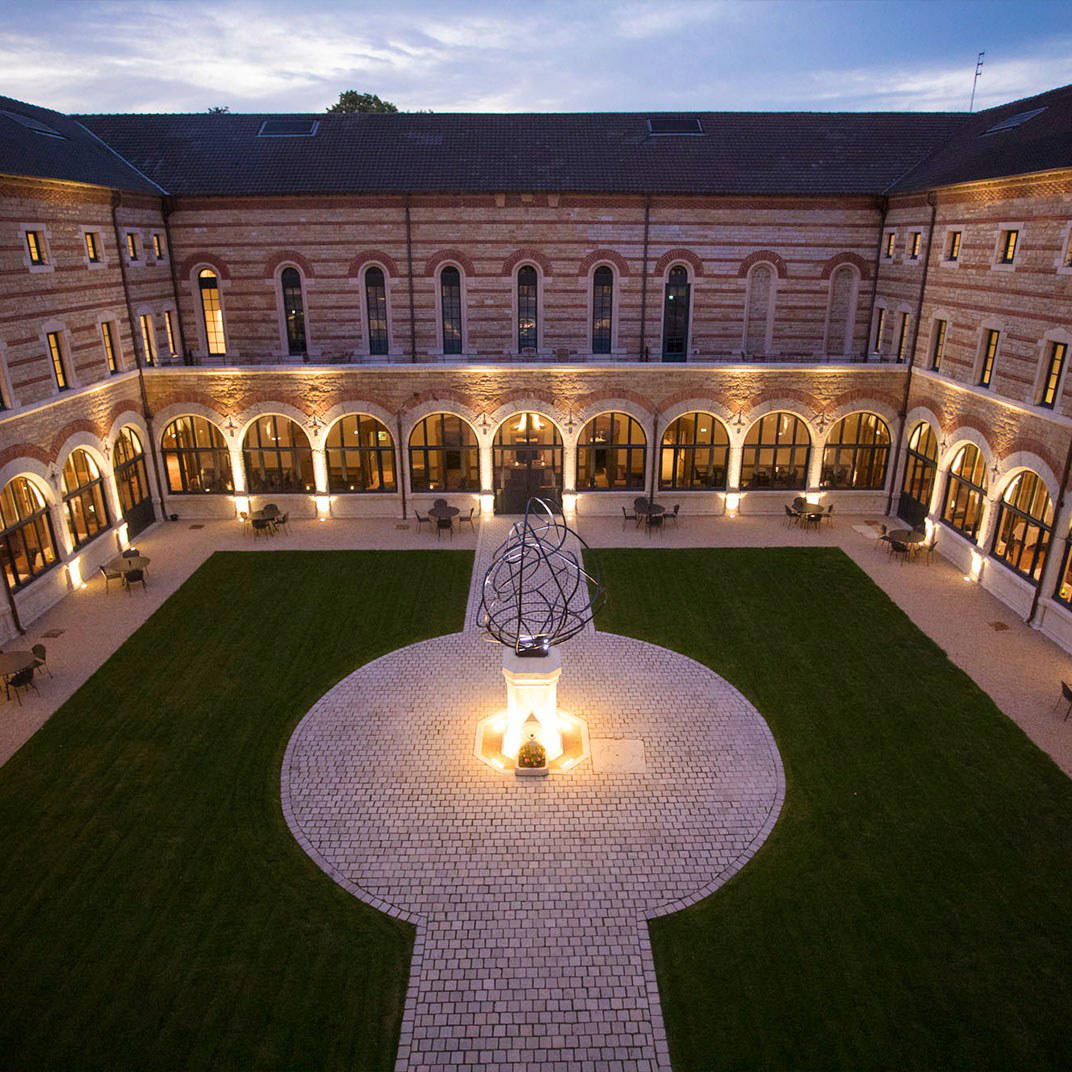
Warm and friendly atmosphere in huge rooms with two terraces, offering a classic brasserie feel.