La Cempote

World's Best Wine Lists Awards WBWL 3-Star
Our verdict
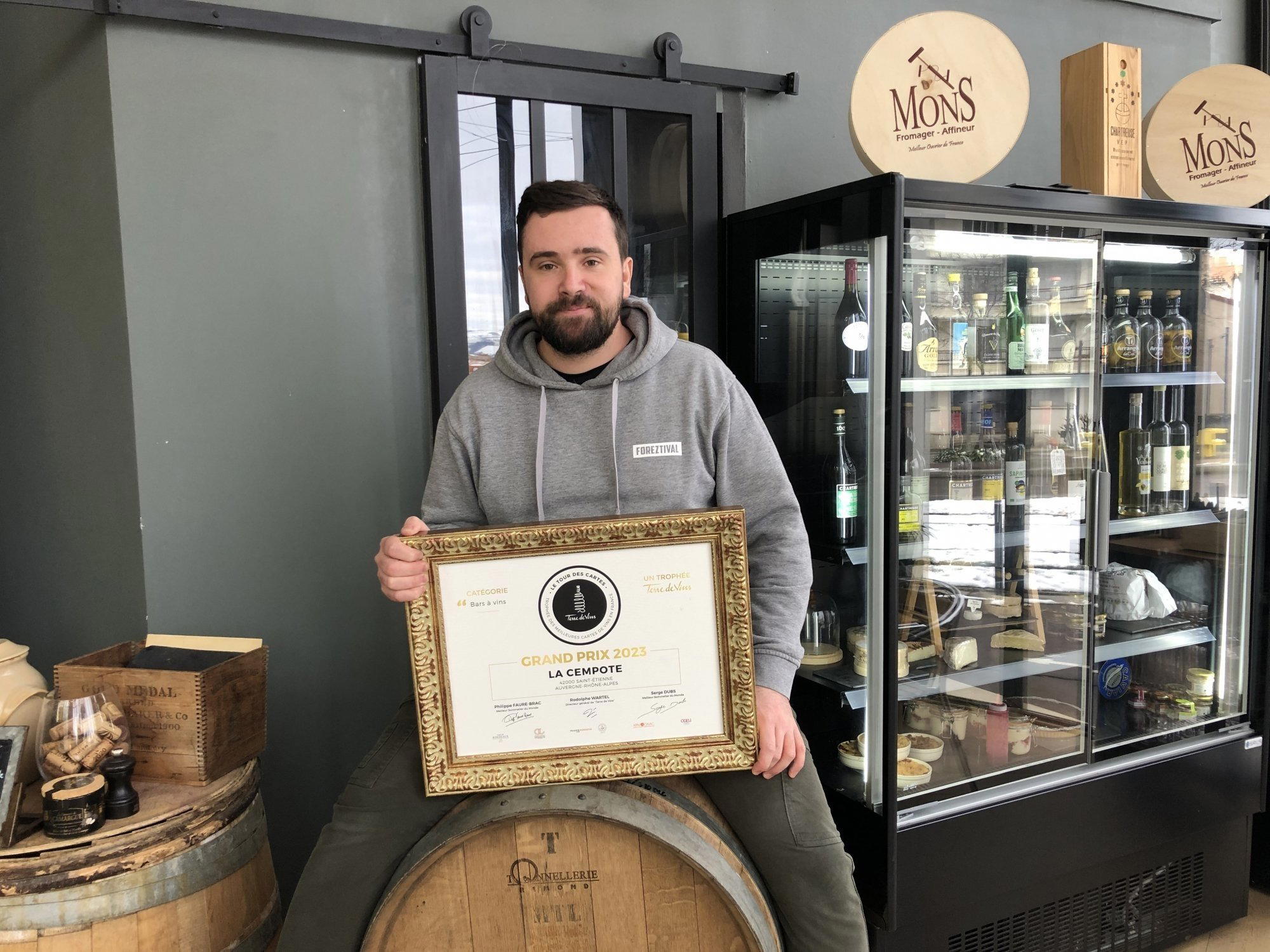
La Cempote holds a 3-Star Accreditation from the World of Fine Wine & London Awards, placing it among the more serious dining addresses in Saint-Étienne, a city whose restaurant scene punches above its industrial reputation. The address on Avenue Grüner positions it within reach of the city centre, and the accreditation signals a kitchen operating at a level that warrants attention from anyone passing through the Loire département.
Saint-Étienne at the Table: A City That Earns Its Reputation Quietly
Saint-Étienne does not announce itself the way Lyon does. Forty kilometres to the northeast, Lyon carries the full weight of French gastronomic mythology, its bouchons and three-star rooms referenced in every serious food conversation about the country. Saint-Étienne, by contrast, is a city that rewards attention rather than demanding it. Its dining culture has developed along a different axis: fewer flagship rooms, less international coverage, and a hospitality character shaped more by the rhythms of a working industrial city than by tourism infrastructure. That context matters when assessing where La Cempote sits in the regional picture. A 3-Star Accreditation from the World of Fine Wine & London Awards is not a credential that surfaces by accident in a city like this. It signals a kitchen operating with enough consistency and sourcing discipline to clear a bar set against national and international comparators.
For a broader orientation to dining in the city, see our full Saint-Étienne restaurants guide. You can also explore our Saint-Étienne hotels guide, bars guide, wineries guide, and experiences guide to plan a fuller stay in the département.
Arriving on Avenue Grüner
The address at 3 Avenue Grüner places La Cempote in a part of Saint-Étienne that reflects the city's character plainly: broad streets, functional architecture, a neighbourhood that has not been dressed up for visitors. This kind of setting often correlates with a certain type of French restaurant, one where the room is the point rather than the backdrop, where the food is expected to carry the weight of the evening without theatrical assistance from design or location. The Loire region's serious dining rooms have generally moved in this direction over the past decade, away from the heavy décor of earlier generations and toward a more focused, ingredient-led experience where the sourcing narrative is built into how dishes arrive at the table rather than described in marketing copy.
In the broader French regional dining context, this approach connects La Cempote to a tradition that runs through some of the country's most respected kitchens. Restaurants like Bras in Laguiole built their entire identity around the terroir of the Aubrac plateau, demonstrating that a non-metropolitan address can anchor a compelling sourcing argument. Auberge du Vieux Puits in Fontjoncouse made a similar case from the Languedoc. The pattern across French fine dining is consistent: the most credible provincial rooms do not apologise for their geography; they build an argument from it.
What the 3-Star Accreditation Actually Signals
The World of Fine Wine & London Awards 3-Star Accreditation places La Cempote in a tier that, across the programme, encompasses restaurants operating with serious kitchen discipline, coherent sourcing, and a wine programme that meets criteria beyond house-pour competence. This is a different credential from a Michelin star, and the two systems should not be conflated, but within its own framework the 3-Star level is a meaningful signal. It positions La Cempote above the general mid-market in Saint-Étienne and within a competitive set that includes restaurants receiving substantive critical attention.
For reference, the tier of French restaurants carrying comparable or higher-level fine wine recognition includes rooms like Assiette Champenoise in Reims, Au Crocodile in Strasbourg, and in the higher brackets, Alléno Paris au Pavillon Ledoyen and Mirazur in Menton. La Cempote is not competing in that upper bracket, but the accreditation places it on a continuum that takes wine and food integration seriously as a combined proposition, which is a meaningful differentiation in a city where most dining rooms treat the wine list as a secondary concern. Closer geographically, Troisgros in Ouches and Flocons de Sel in Megève represent what the wider Rhône-Alpes region can produce at its most ambitious. La Cempote occupies a more accessible register within that regional frame.
Sourcing as the Central Argument
The editorial angle that matters most when assessing any 3-Star World of Fine Wine accredited restaurant is ingredient provenance. The award criteria weight sourcing transparency and quality of raw material alongside cooking technique and wine coherence. In the Loire and Rhône corridor, that sourcing argument draws on a genuinely strong larder: the Forez plain southeast of Saint-Étienne produces market-garden vegetables and small livestock in a tradition that predates the city's industrial phase; the rivers of the Loire basin contribute freshwater fish that rarely appear on menus outside the immediate region; and the proximity to the northern Rhône, with Condrieu and Saint-Joseph less than an hour's drive south, gives any serious wine programme a natural local anchor.
This is the model that separates kitchens worth attention from those that merely source from the same wholesale networks as their neighbours. Paul Bocuse's Auberge du Pont de Collonges codified the Rhône Valley sourcing identity for an international audience; AM par Alexandre Mazzia in Marseille demonstrated that the sourcing argument does not have to be conservative to be convincing. Both models are relevant context for how a Loire city restaurant might build its kitchen identity. The accreditation at La Cempote suggests a kitchen that has done the work on provenance rather than relying on the city's relative obscurity to lower expectations.
For comparison beyond France, the sourcing-first approach is equally central to recognised rooms like Auberge de l'Ill in Illhaeusern, where Alsatian terroir has anchored the kitchen's identity across generations, and at the international level, Le Bernardin in New York City, where product integrity is the entire organisational logic. These rooms are not direct comparators to La Cempote, but they illustrate why sourcing discipline at any level of the market is the variable that separates a room worth travelling for from one worth visiting only when convenient. A comparison from the American South, Emeril's in New Orleans, shows how regional larder identity can become a defining asset rather than a default.
Planning Your Visit
La Cempote's address at 3 Avenue Grüner, 42000 Saint-Étienne, is accessible from the city's train station, which connects to Lyon Part-Dieu in under forty minutes by TGV, making a dinner visit practical as a same-day trip from Lyon for those whose itinerary does not include an overnight stay. Saint-Étienne itself warrants more than a transit visit, and the city's accommodation offer has expanded alongside its dining scene; a full itinerary for the area should account for both. Given the accreditation level and the relatively small dining culture of the city, tables at recognised addresses in Saint-Étienne tend to fill faster than in larger markets, where competition for the same tier of diner is spread across more rooms.
Frequently asked questions
Can I bring kids to La Cempote?
La Cempote holds a 3-Star World of Fine Wine & London Awards accreditation, which signals a dining register oriented toward serious food and wine pairing. That context suggests an adult-focused atmosphere, though families with older children who are comfortable at a formal table should check the venue's official channels to confirm current policy.
What's the overall feel of La Cempote?
La Cempote sits on Avenue Grüner in Saint-Étienne, a city that operates well outside the Lyon tourist circuit and doesn't perform for visitors. The 3-Star World of Fine Wine accreditation places it among restaurants where ingredient provenance and wine programming are taken seriously, which typically means a composed, focused room rather than a high-energy one.
Is La Cempote award-winning?
La Cempote has received recognition including:
What's the must-try dish at La Cempote?
Given the 3-Star World of Fine Wine & London Awards accreditation, which weighs sourcing and wine integration heavily, asking the team on booking about their current seasonal programme is the most reliable approach.
What's La Cempote's location?
La Cempote is located at 3 Av. Grüner, 42000 Saint-Étienne, France, Saint-Étienne.
How hard is it to get a table at La Cempote?
Saint-Étienne draws a local and regional clientele rather than heavy tourist flow, which can work in a visitor's favour compared to Lyon or Paris equivalents. That said, a 3-Star World of Fine Wine accreditation at 3 Avenue Grüner generates genuine demand, so booking ahead is advisable, particularly for weekend sittings.
A Quick Peer Check
| Venue | Cuisine | Price | Awards | Notes |
|---|---|---|---|---|
| La CempoteThis venue (the venue you are viewing) | French Bistro with Natural Wine Focus | Not listed | World's Best Wine Lists Awards WBWL 3-Star | Not listed |
| Alléno Paris au Pavillon Ledoyen | Modern French Fine Dining | $150–200 | 3 Michelin Stars · World's 50 Best #79 | Creative |
| Kei | Contemporary French, Modern Cuisine | Not listed | Michelin 3 Star | Not listed |
| L'Ambroisie | Classic French Haute Cuisine | $300–500 | 2 Michelin Stars · World's 50 Best #23 | French, Classic Cuisine |
| Le Cinq - Four Seasons Hôtel George V | Modern French Fine Dining | $300–500 | 3 Michelin Stars · World's 50 Best #24 | French, Modern Cuisine |
| Mirazur | Modern French Fine Dining | $300–500 | 3 Michelin Stars · World's 50 Best #1 | Modern French, Creative |
Recognition history
Dated appearances from independent guides and award organizations, with the underlying list record or original source where available.
World's Best Wine Lists Awards WBWL 3-Star
World's Best Wine Lists Awards
Continue exploring
More in Saint-Étienne
Restaurants in Saint-Étienne
All restaurants in Saint-Étienne →
Bars in Saint-Étienne
Browse all →
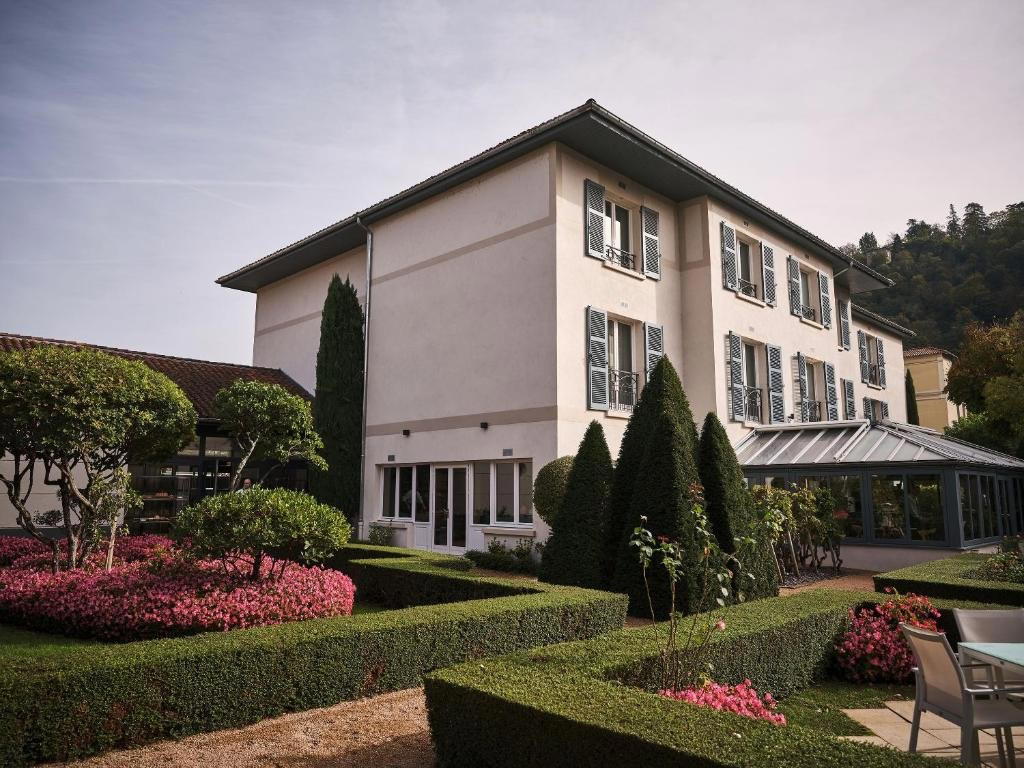
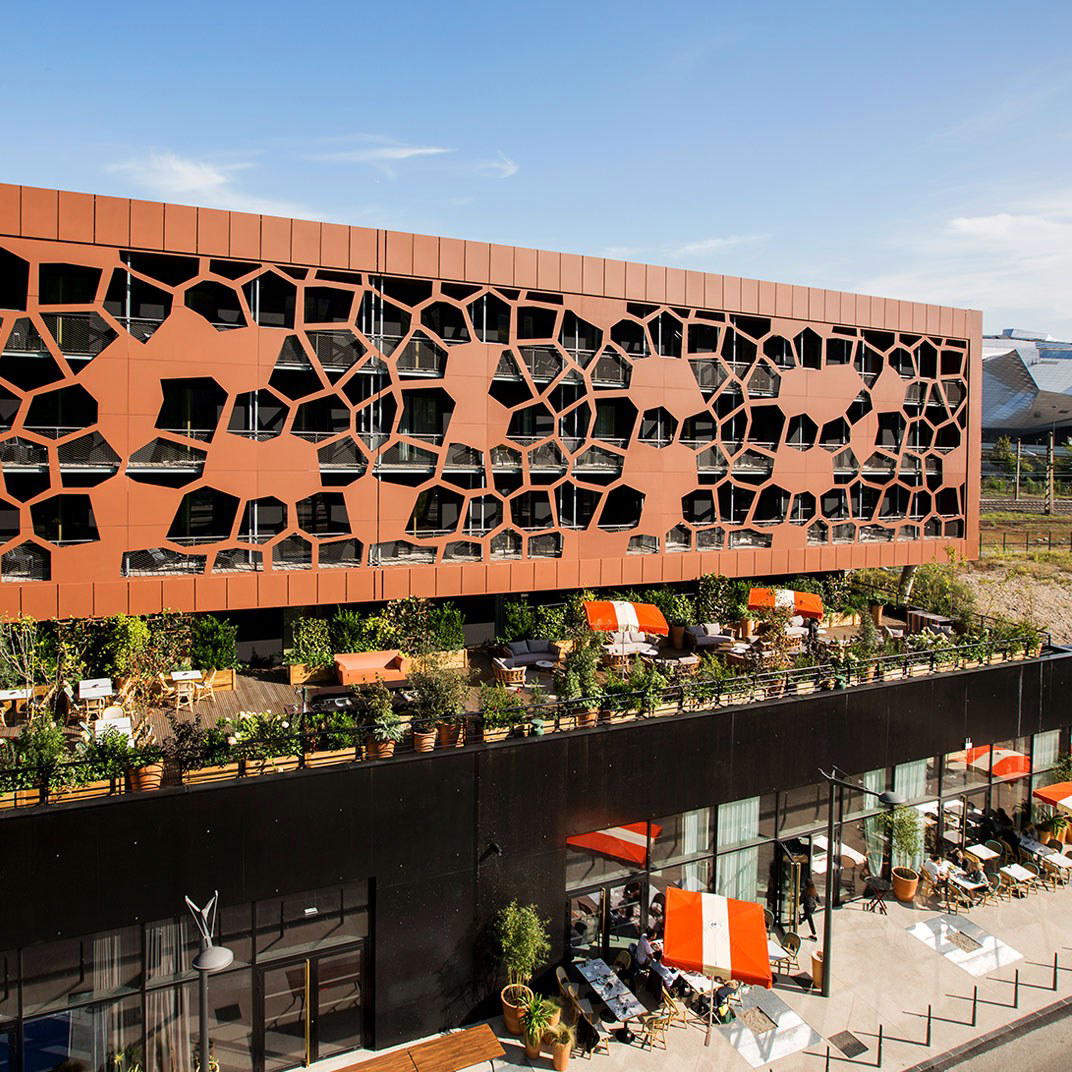
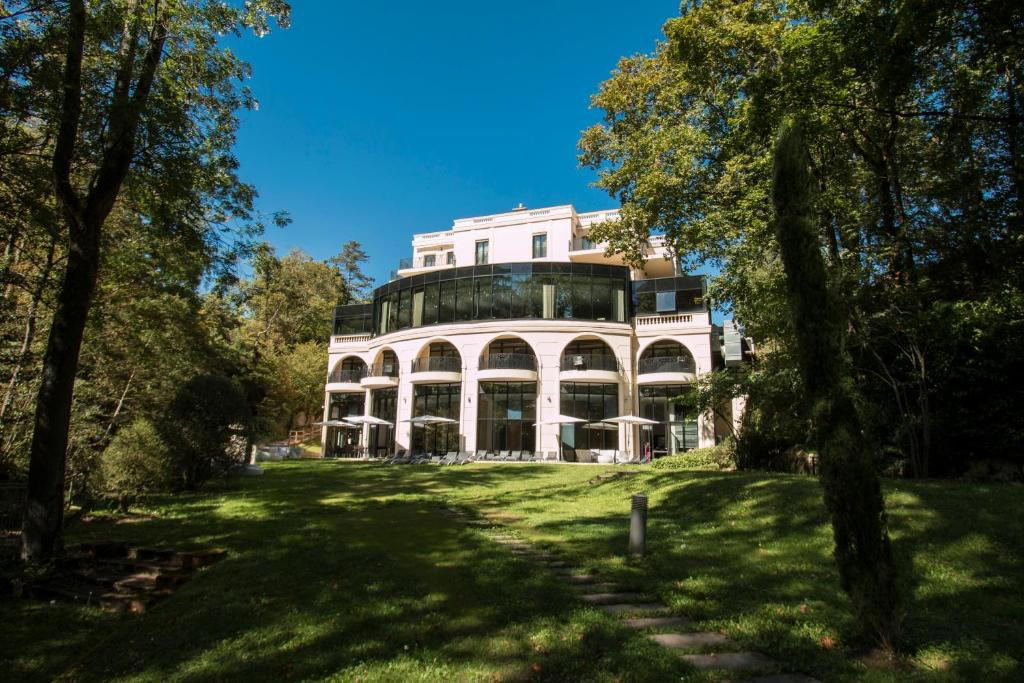
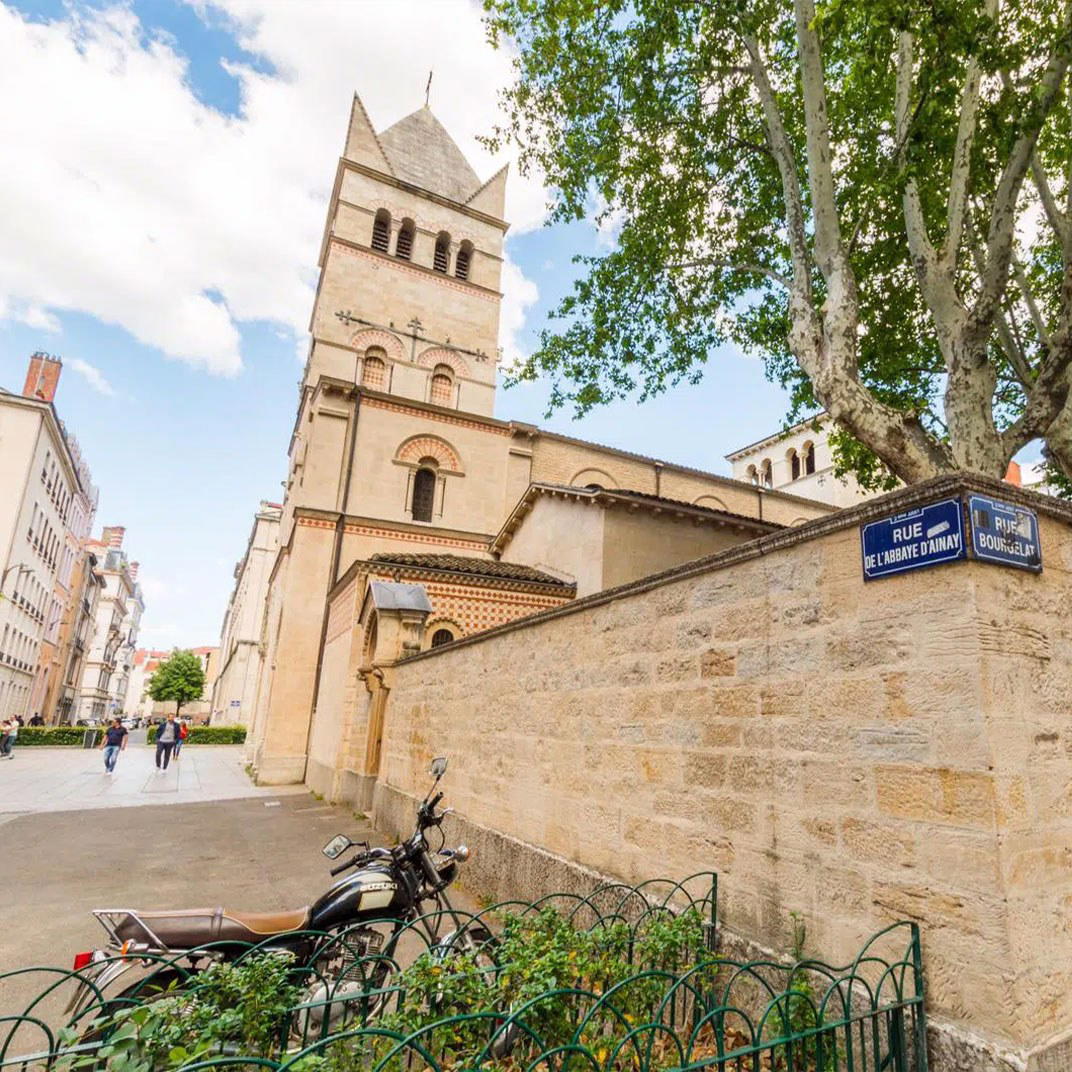

La Cempote
The wine
- Wine program
- Deep wine list
- Extensive wine list
- Sommelier-led
- Natural wine
Details
- Cozy
- Elegant
- Sophisticated
- Business Dinner
- Casual Hangout
- After Work
- Date Night
- Wine Cellar
- Standalone
- Extensive Wine List
- Natural Wine
- Sommelier Led
- Natural Wine
- Local Sourcing
- A La Carte
- Small Plates
- Natural Wine
- Organic Wine
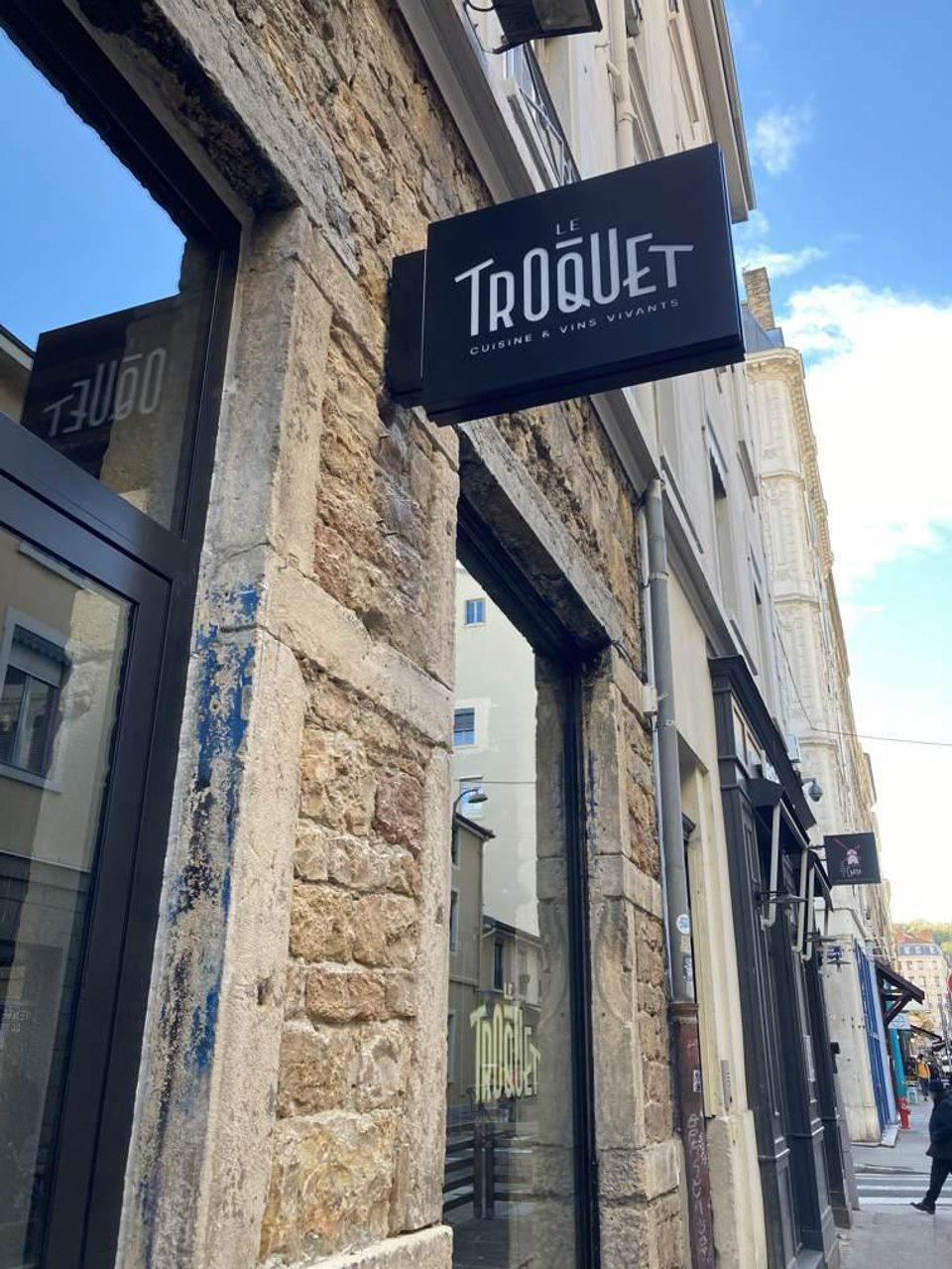
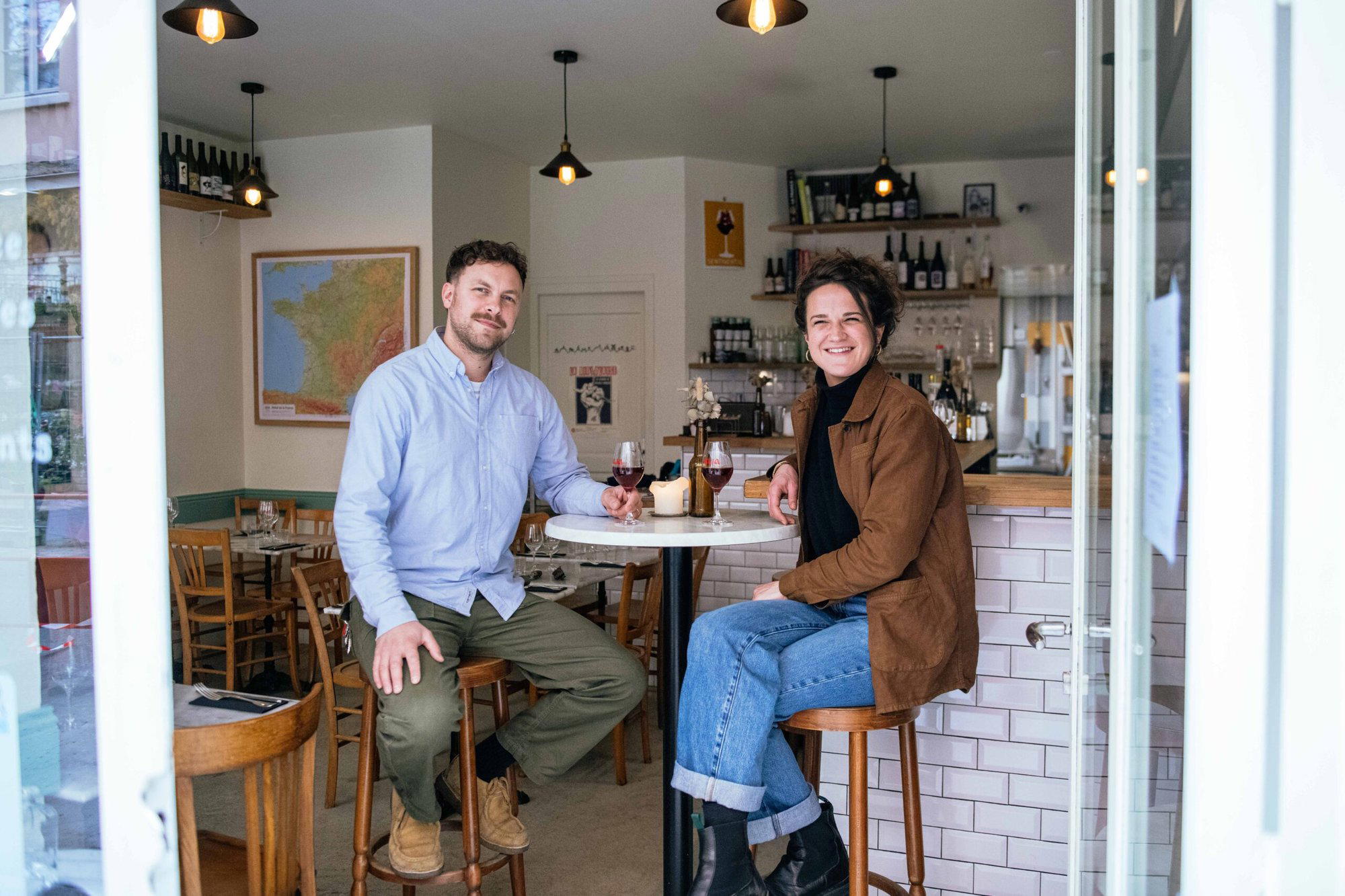
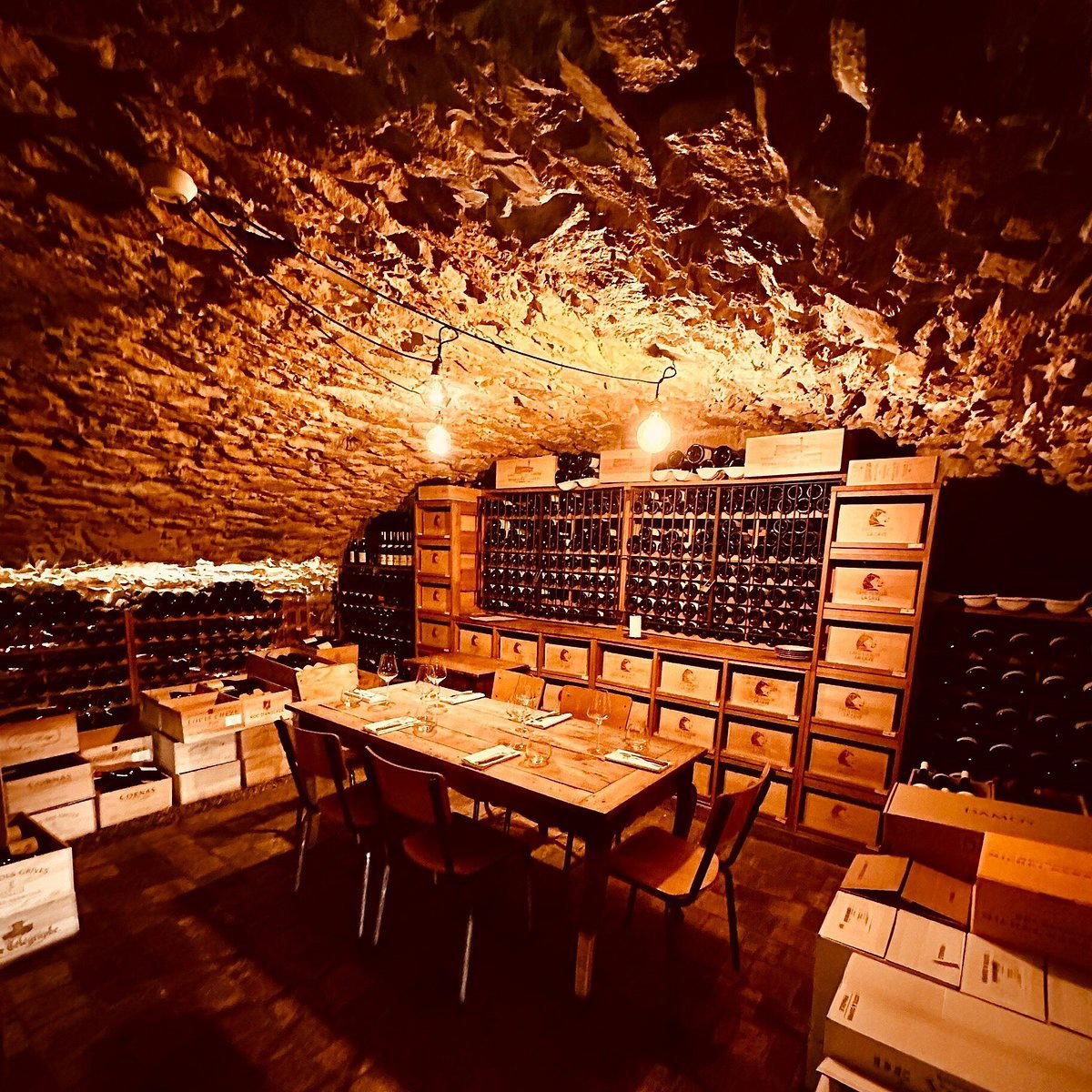
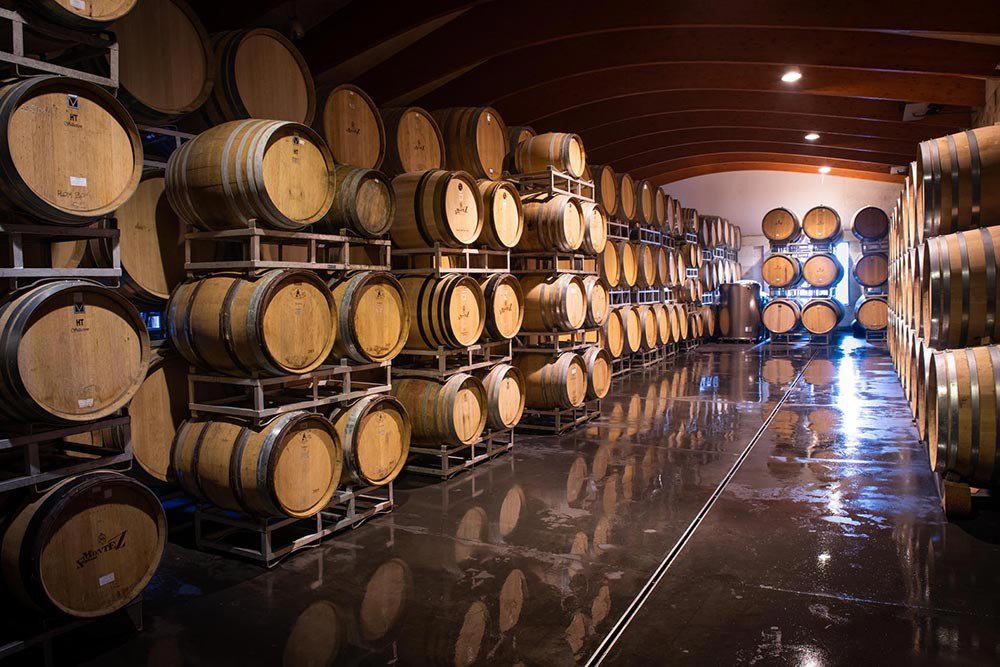
Warm and welcoming atmosphere with a refined, convivial setting that blends traditional cuisine with a notable wine selection in an intimate 120 m² space.