La Table de Philippe Girardon

A Michelin-starred table in a historic 18th-century former bishop's residence in Chonas-l'Amballan, La Table de Philippe Girardon represents four generations of family cooking rooted in the Rhône-Alpes tradition. The kitchen holds a Michelin star continuously since 1993 and earned the distinguished Meilleur Ouvrier de France title in 1997, anchoring its place among the Dauphiné region's most serious addresses. Open Thursday through Sunday for lunch and Friday and Saturday for dinner, at €€€€ pricing.
Pearl is the En Primeur Club membership app — saves, bookings, and concierge access live there. Same editors, same standards.
- Address
- 105 Chem. des Fontanettes, 38121 Chonas-l'Amballan, France
- Phone
- +33 4 74 58 81 52
- Website
- domaine-de-clairefontaine.fr
- Directions
- Get directions
 Saves & bookings on Pearl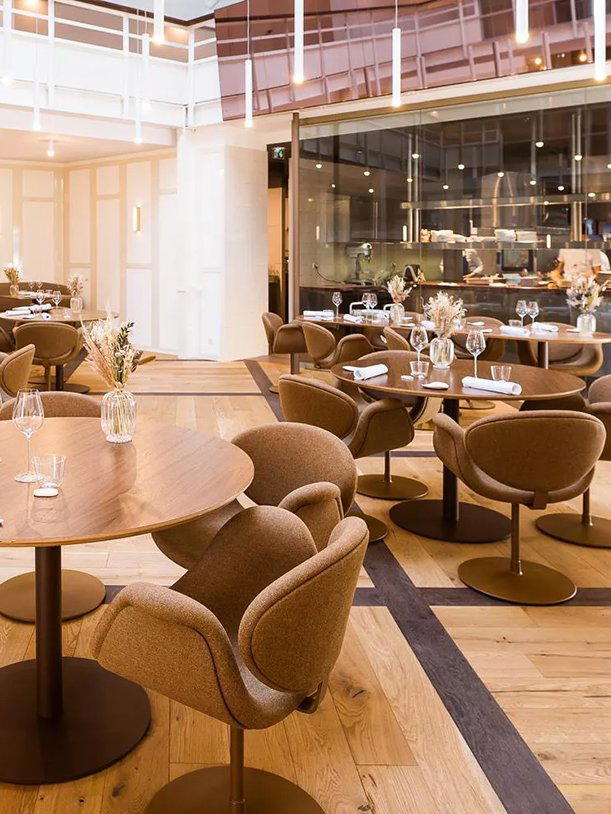
A Bishopric, a Family, and the Long Arc of French Gastronomy
La Table de Philippe Girardon is a one-star French gastronomic fine dining restaurant in Chonas-l'Amballan, France, with a €€€€ price tier. This is not the theatrical modernism of Paris, nor the destination spectacle of addresses like Mirazur in Menton or Alléno Paris au Pavillon Ledoyen. What this stretch of the Isère and Rhône departments has long produced is something quieter and in many ways more durable: the French family restaurant at its most technically serious. La Table de Philippe Girardon, housed in an 18th-century edifice at 105 Chemin des Fontanettes in Chonas-l'Amballan, is one of the clearest expressions of that tradition currently operating in the country.
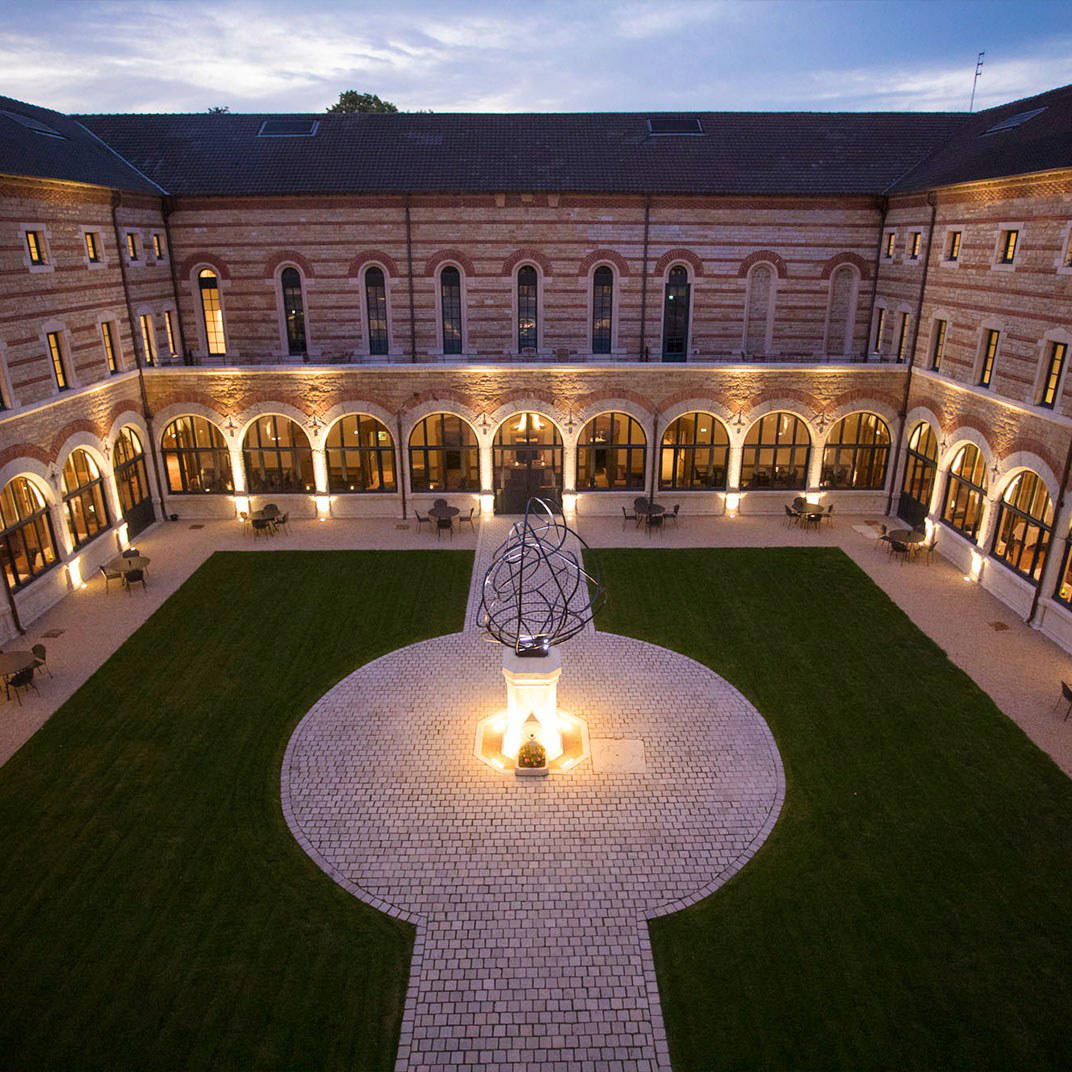
The building itself sets the register before a single course arrives. Once the holiday residence of the bishops of Lyon, it sits within its own grounds, the kind of address that France does not construct any longer and can barely maintain. Coming from the road, the property reads as a country estate rather than a restaurant, which is partly the point. The setting is not decorative affectation, it is the physical embodiment of the continuity that four generations of the same family have sustained here. That continuity matters as context, because the cooking cannot be separated from the institutional confidence that only long tenure in one place produces.
The Meilleur Ouvrier de France Standard and What It Signals
Within French gastronomy, the Michelin star and the Meilleur Ouvrier de France distinction operate on different axes. The star is renewed annually, functioning as a living assessment of current quality. The MOF title, awarded by competition and held for life, is a credential that speaks to a chef's command of classical technique at a national examination level. Kitchens that hold both, a sustained star and an MOF, occupy a specific tier in French fine dining, one where precision is not aspirational but structural. Houses like Auberge de l'Ill in Illhaeusern and Troisgros in Ouches operate from a similar institutional authority, though at higher star counts. La Table de Philippe Girardon sits in the same tradition of deep technical grounding, with a Michelin star held continuously since 1993 and the MOF designation earned in 1997.
That combination is not common. Across the broader Rhône-Alpes region, fewer than a handful of addresses combine multi-decade starred continuity with an MOF credential at the kitchen's centre. When Bras in Laguiole or Paul Bocuse's Auberge du Pont de Collonges are discussed, the conversation touches on exactly this question: what does it mean when classical mastery and sustained recognition coexist over decades? At Chonas-l'Amballan, the answer is expressed in the cooking itself.
Regional Identity on the Plate
The culinary identity of the Dauphiné and the broader Rhône-Alpes area is built on river fish, mountain herbs, soft grains, and the dairy richness of the Savoie and Bresse zones to the north. At La Table de Philippe Girardon, that regional character is not deployed as nostalgic local colour but as the primary material for technically demanding work. The Michelin inspectors describe frog's legs in a soup with mushrooms and wild garlic, arctic char from Grenoble prepared slowly in its own juices, and a risotto of soft wheat finished with beurre noisette. These are dishes that read straightforwardly on the page and are formidably difficult to execute at the level the kitchen reaches.
Arctic char is among the more technically demanding freshwater fish on any menu, its fat distribution and delicate texture require careful control of both heat and resting time. The beurre noisette risotto signals classical French technique applied to a format usually treated as Italian territory, which is itself an editorial statement about where this kitchen positions French technique in relation to neighbouring traditions. The wild garlic with frog's legs connects the kitchen to the seasonal foraging culture of the Rhône-Alpes, where wild garlic appears in spring across the marshy lowlands and river valleys. These are not generic luxury ingredients; they are specifically local, specifically seasonal, and specifically demanding.
The Michelin description characterises the approach as high-quality regional produce handled with surgical precision in a classical vein, with occasional modern technique. That proportion, classical first, modern occasionally, places this kitchen in a different conversation from the tasting-menu-led modernism of addresses like AM par Alexandre Mazzia in Marseille or the forward-looking frameworks at Flocons de Sel in Megève. The reference points here are closer to the Loire and Burgundy school of classical French cookery than to the avant-garde strand. That is a considered position, not a limitation.
Chonas-l'Amballan and the Village Fine Dining Model
Chonas-l'Amballan is a small commune in the Isère department, roughly midway between Vienne and Roussillon, positioned in the northern reach of the Rhône corridor. It is not a gastronomic capital in the way that Lyon or Grenoble are, but it carries a dining density that reflects the French tradition of serious restaurant culture in rural settings. The village hosts more than one address worth the journey, including the nearby Domaine de Clairefontaine (Sylvain Joffre) and Le Cottage, which represents the traditional bistro register of the same area. Taken together, they illustrate the French model of gastronomic villages that reward deliberate travel over casual discovery.
The broader Chonas-l'Amballan area is covered in EP Club's destination guides: for places to stay, the full Chonas-l'Amballan hotels guide covers the accommodation options; the bars guide and wineries guide map the wider drinking culture; and the experiences guide covers what else the area offers around a visit. The full Chonas-l'Amballan restaurants guide provides the complete picture of where the village sits in the regional dining map.
Fourth-Generation Continuity and What It Demands
Family restaurants in France that reach a fourth generation of continuous ownership and operation are rare enough to constitute a category of their own. The institutional knowledge that accumulates across that span, supplier relationships, seasonal rhythms, the specific demands of a historic building, the expectations of a returning clientele, cannot be replicated by newer addresses regardless of their ambition or capital. It is the kind of depth that distinguishes, say, the multigenerational houses of Alsace from comparable technically skilled restaurants that opened in the last decade. The comparison to Assiette Champenoise in Reims is instructive: both operate at the single-star level with deep regional roots, though the Reims address has moved toward a more overtly modern idiom. Chonas-l'Amballan's table has held its classical centre.
The fourth generation at the helm signals succession rather than reinvention, which in the context of a 1993 Michelin star and a 1997 MOF award means the kitchen's identity has been transmitted rather than reset. That is a deliberate choice about what French fine dining can be when it prioritises depth over novelty. Internationally, kitchens from Frantzén in Stockholm to FZN by Björn Frantzén in Dubai represent an opposite arc: single-generation, globally expansive, format-driven. Neither approach is more serious than the other, they represent different answers to the same question about what a strong restaurant is for.
Planning a Visit
The restaurant is closed Monday and Tuesday. From Wednesday, service runs in the evening only (7 PM to 11:30 PM). Thursday through Saturday the kitchen operates both lunch (from noon) and dinner through to 11:30 PM. Sunday lunch runs noon to 5:30 PM with no evening service. Pricing sits at the €€€€ tier. The property's grounds and historic setting make it a natural anchor for a longer stay in the area, and the concentration of serious tables within Chonas-l'Amballan supports building an itinerary around multiple meals rather than a single visit. The address at 105 Chemin des Fontanettes is accessible by car from Vienne, and the surrounding Isère countryside provides the context that makes arriving with time to spare the practical choice over a rushed lunch.
Price Lens
Comparable venues nearby, for context on price, style, and recognition.
| Venue | Cuisine | Price | Awards | Notes |
|---|---|---|---|---|
| La Table de Philippe GirardonThis venue — the venue you are viewing | Modern Cuisine | $$$$ | Michelin 1 Star | Not listed |
| Domaine de Clairefontaine | Not listed | $$$$ | Not listed | Chonas-l'Amballan, French Gastronomic Fine Dining |
| Le Cottage | Chonas-l'Amballan, French Bistro | $$ | Bib Gourmand | Not listed |
| Restaurant de la Loire | Not listed | $$$$ | Michelin 1 Star | Pouilly-sous-Charlieu, Modern French Seasonal Tasting Menu |
| Lamartine | Not listed | $$$$ | Michelin 1 Star | Bourdeau, Michelin-Starred Modern Savoyard French |
| Au Cœur du Village Hôtel & Spa | Not listed | $$$$ | Michelin 1 Star | La Clusaz village center, Modern French-Mauritian Fusion |
Recognition history
Dated appearances from independent guides and award organizations, with the underlying list record or original source where available.
Michelin 1 Star
Michelin
Michelin 1 Star
Michelin
Michelin 1 Star
Michelin
Continue exploring
More in Chonas-l'Amballan
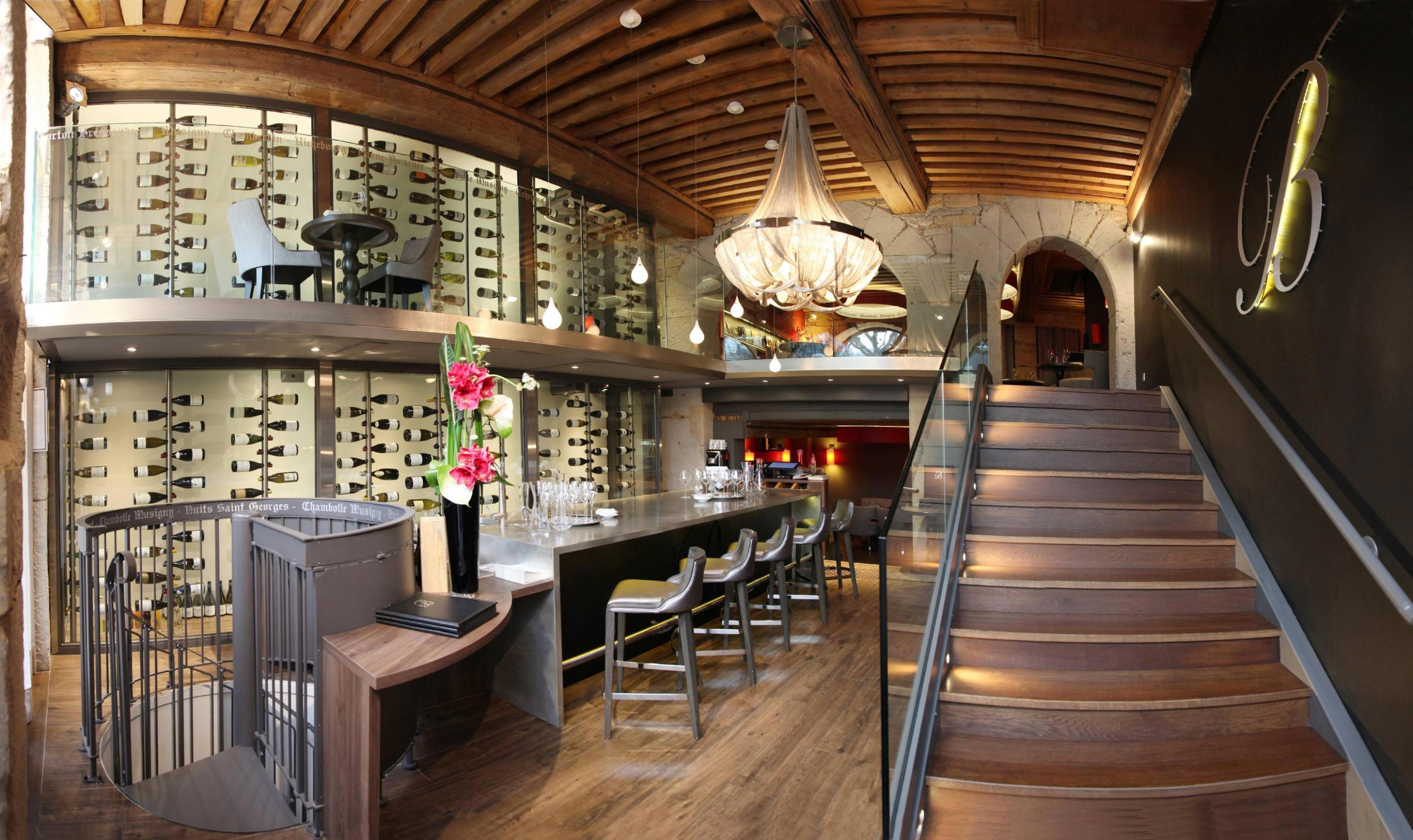
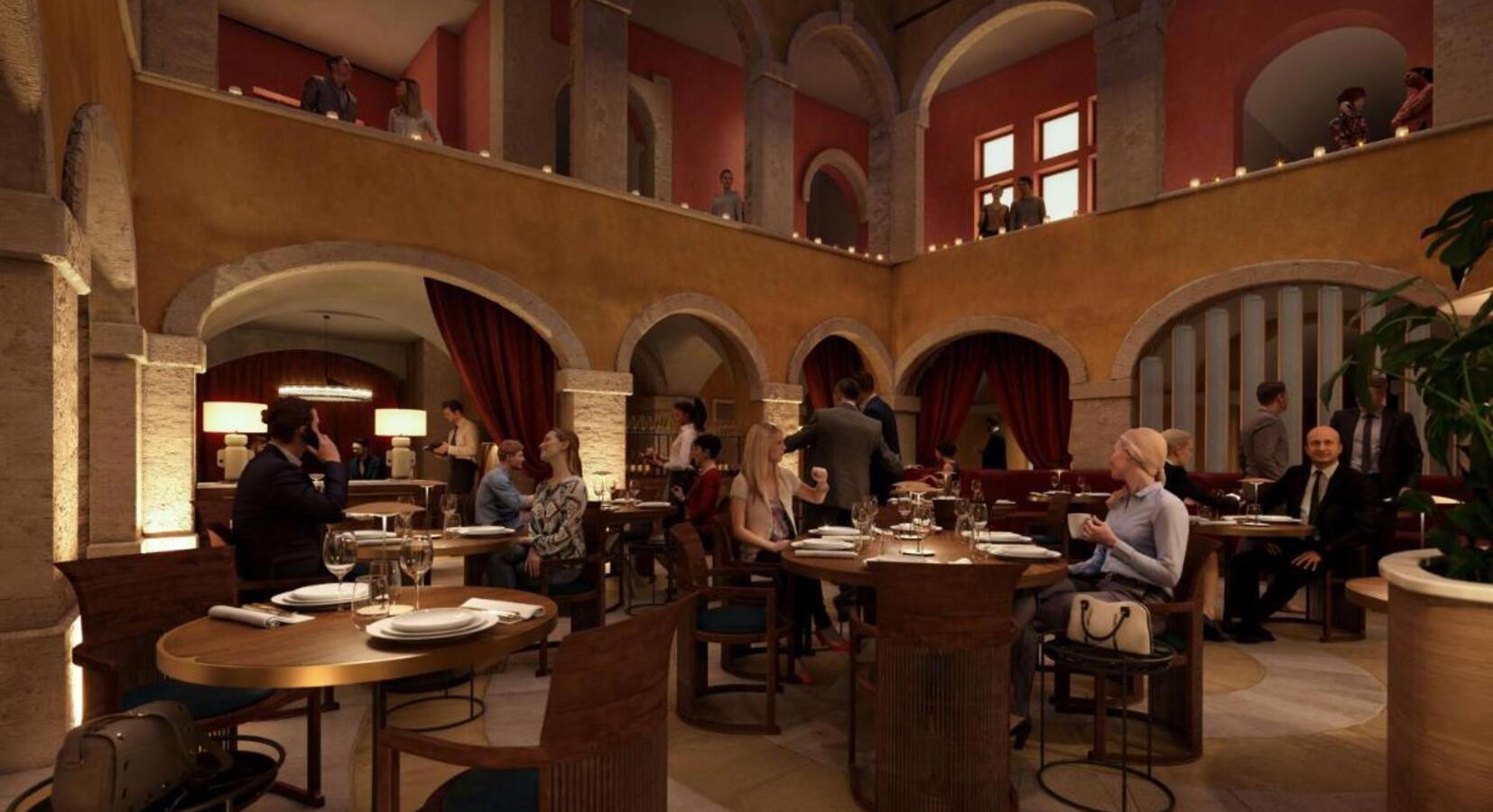
Restaurants in Chonas-l'Amballan
Browse all →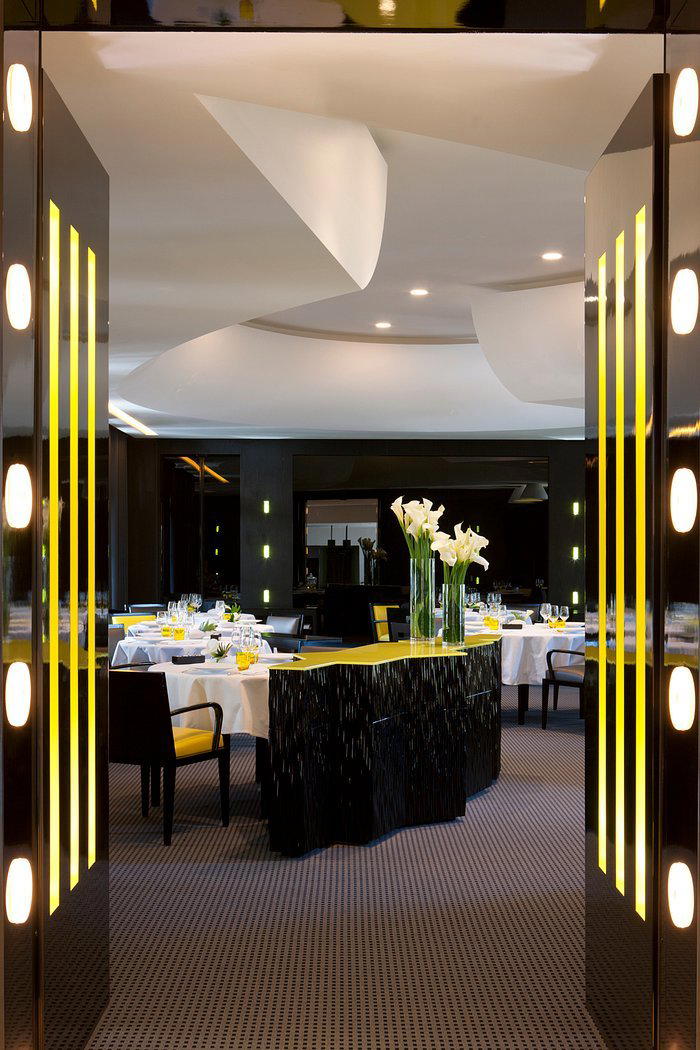
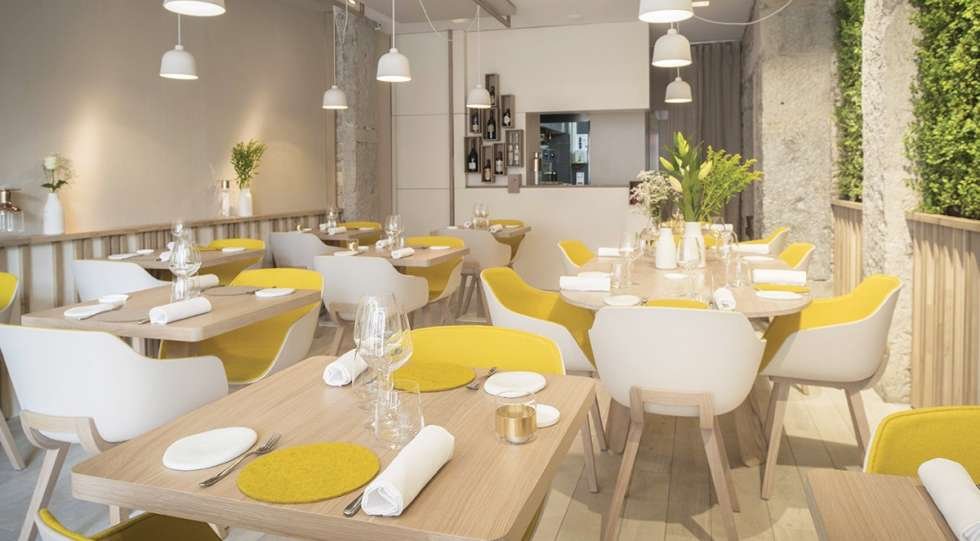
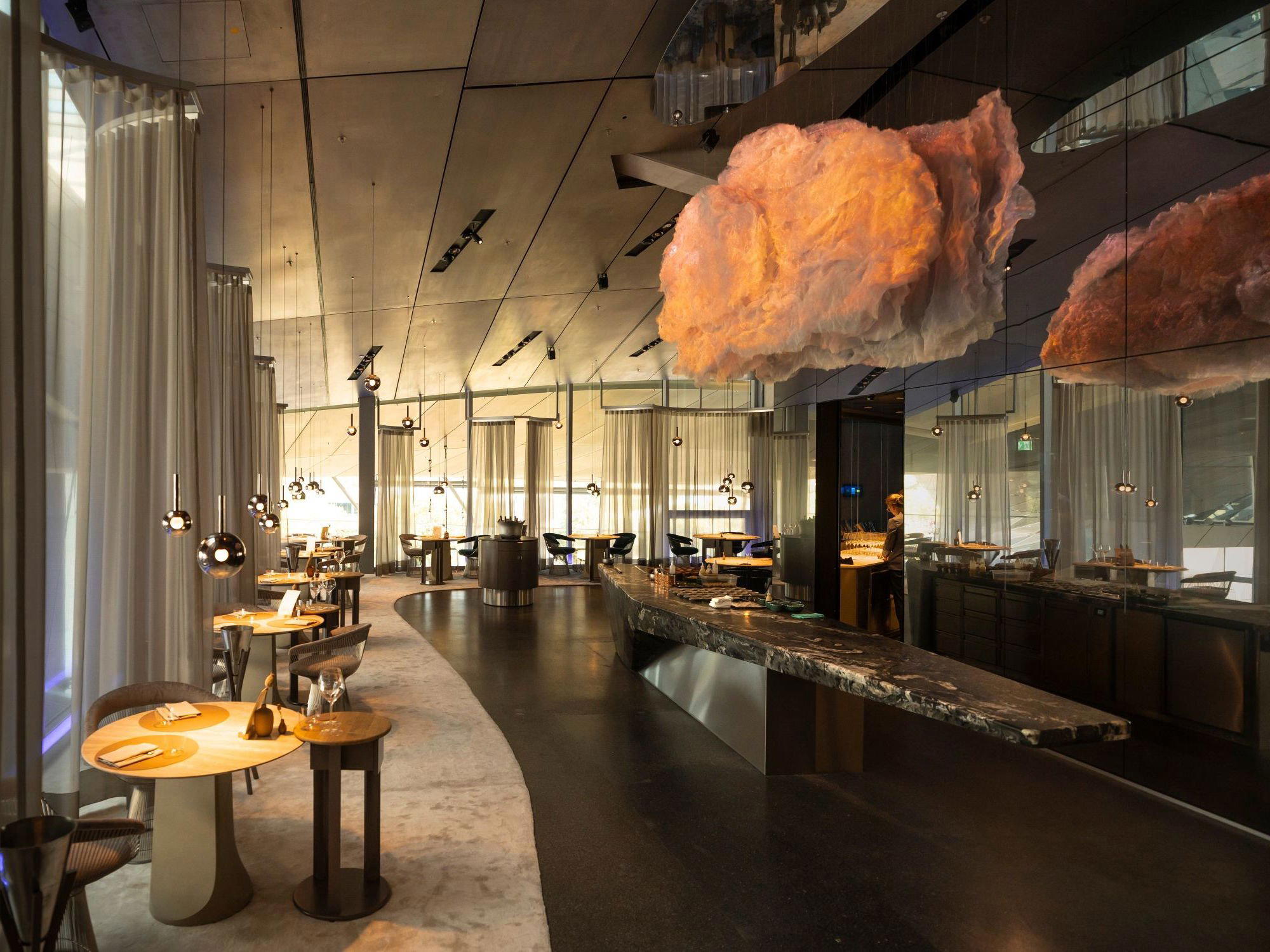
Bars in Chonas-l'Amballan
Browse all →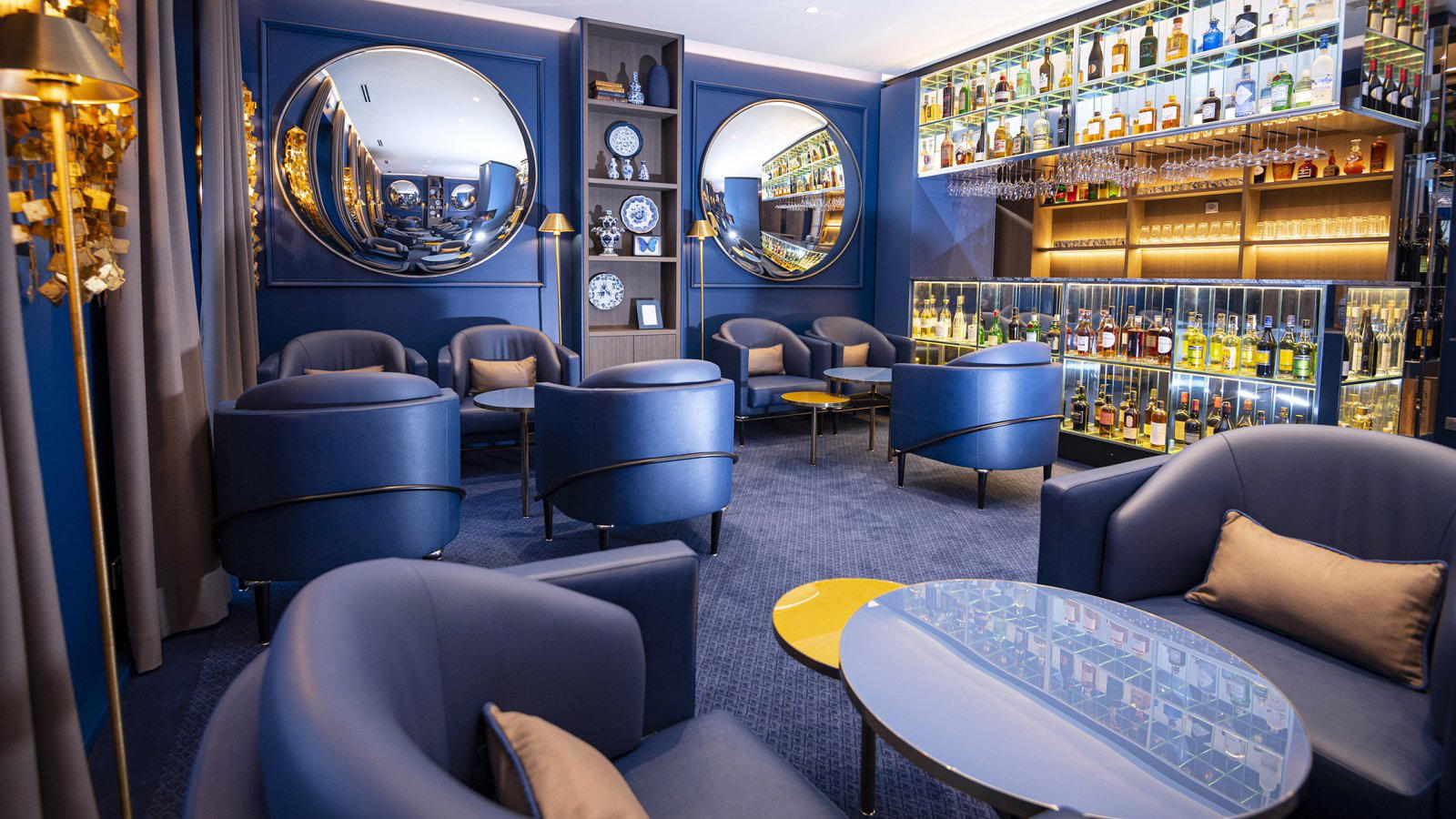
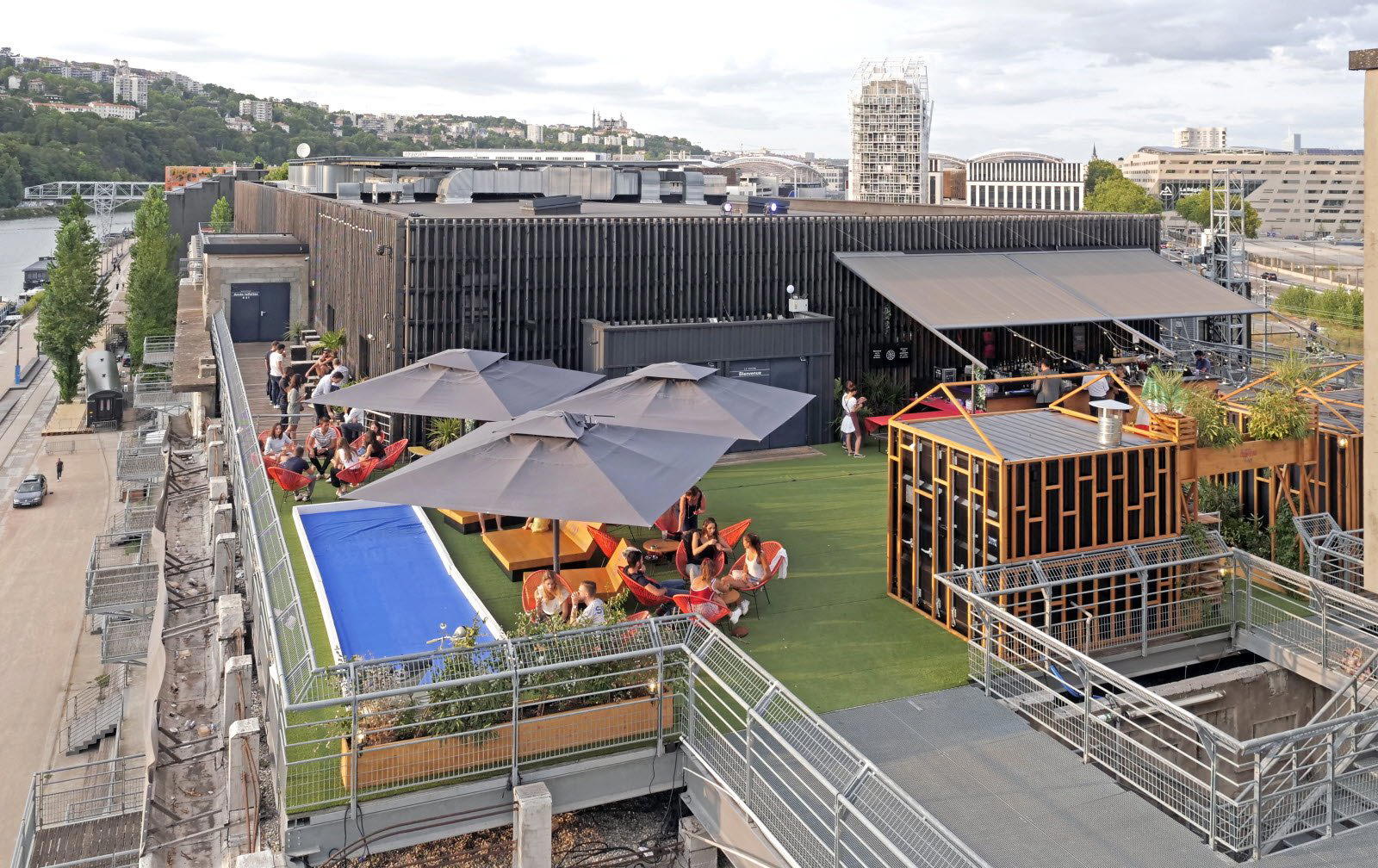
Hotels in Chonas-l'Amballan
Browse all →
At a Glance
- Elegant
- Sophisticated
- Intimate
- Classic
- Special Occasion
- Celebration
- Garden
- Terrace
- Local Sourcing
- Garden
Current opening hours
- Monday
- Closed
- Tuesday
- Closed
- Wednesday
- 7–11:30 PM
- Thursday
- 12–11:30 PM
- Friday
- 12–11:30 PM
- Saturday
- 12–11:30 PM
- Sunday
- 12–5:30 PM
Hours can change for holidays and private events. Last verified .
Charming setting in historic Maison de Maître at Domaine de Clairefontaine with garden and terrace.