little garden restaurant
Little Garden Restaurant occupies a quiet address on Rue Dormoy in Saint-Étienne, sitting within a city whose dining scene has been quietly expanding beyond its industrial past. The venue operates in a neighbourhood where mid-range and casual formats compete for a local audience that has grown more attentive to produce and cooking craft over the past decade. For visitors to the Loire department, it offers a low-pressure entry point into the city's evolving restaurant culture.
Pearl is the En Primeur Club membership app — saves, bookings, and concierge access live there. Same editors, same standards.
- Address
- 02 Rue Dormoy, 42000 Saint-Étienne, France
- Phone
- +33487669053
- Directions
- Get directions
 Saves & bookings on Pearl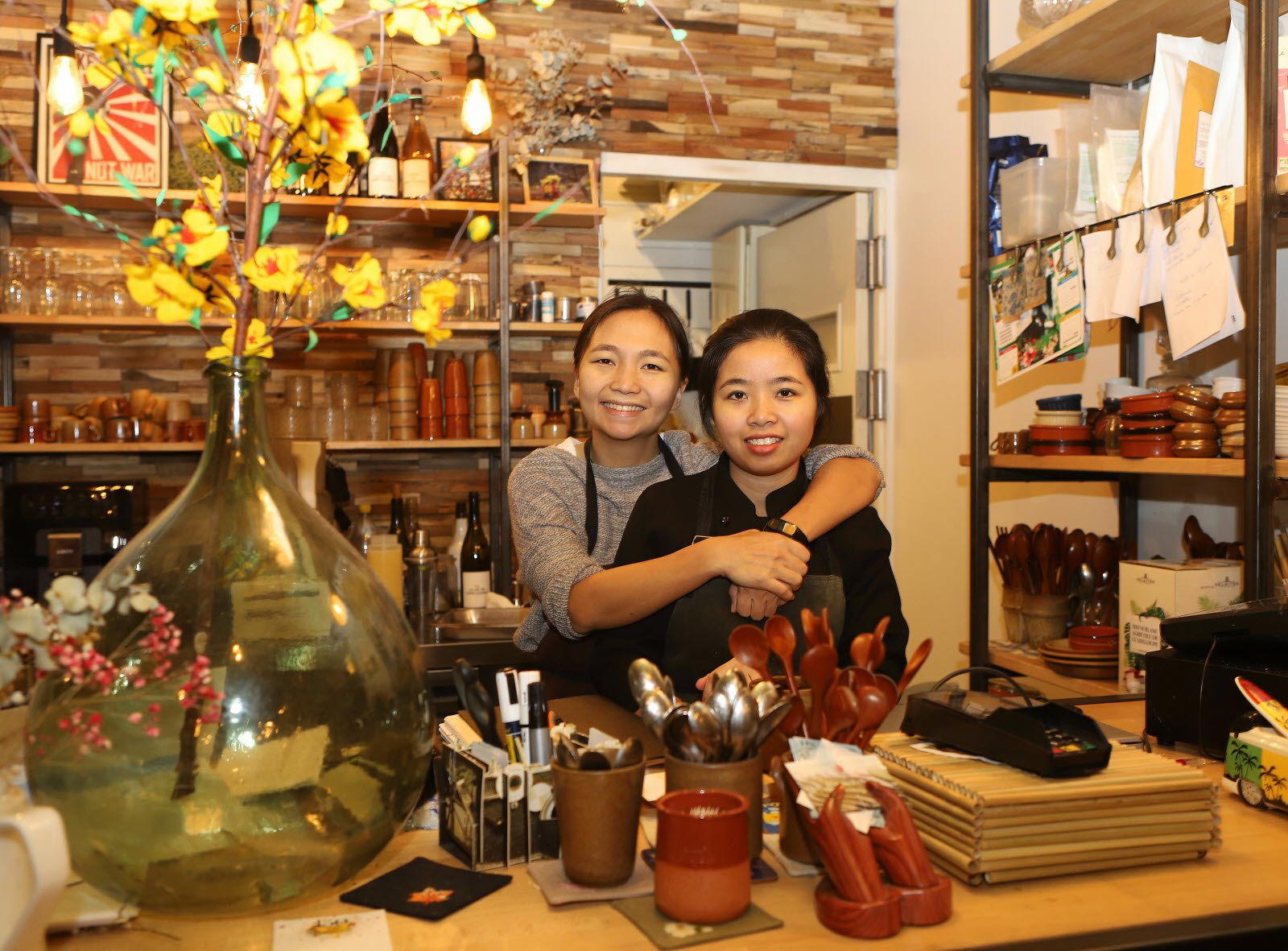
A Street-Level View of Saint-Étienne's Neighbourhood Dining
Rue Dormoy sits in the older residential and commercial fabric of Saint-Étienne, a city that spent much of the twentieth century defined by its coal and arms industries rather than its restaurants. That history shaped the food culture here in ways still legible today: hearty, unpretentious cooking rooted in the produce of the Loire department, with fewer of the self-conscious fine-dining conventions that mark cities further north. Walking along streets like this one, the dining offer tends toward neighbourhood restaurants with fixed-format menus, modest interiors, and a clientele that returns weekly rather than for occasions. Little Garden Restaurant, at 02 Rue Dormoy, fits that pattern on a practical level, an address embedded in everyday city life rather than in a tourist corridor or a polished dining quarter.
Saint-Étienne's restaurant scene has been in a slow process of change since the city began investing in cultural infrastructure in the 2000s, a shift accelerated by its 2010 designation as a UNESCO Creative City of Design. That status brought outside attention and, gradually, a younger, more curious dining public. The effect on restaurants has been incremental rather than dramatic: new formats have appeared alongside the traditional brasseries and family-run bistros, and there is now a broader range of price points and cooking styles than there was fifteen years ago. Venues like La Table des Matrus, operating in the modern cuisine tier at a mid-range price point, and La Cempote illustrate how the city's offer has diversified without losing its essentially local character.
The Atmosphere That Defines This Corner of the City
Neighbourhood restaurants on streets like Rue Dormoy typically read through their surroundings before you reach the door. The approach is urban and unadorned, Saint-Étienne's centre does not have the Haussmannian grandeur of Lyon, forty kilometres to the north, nor the Alpine drama that frames cities like Grenoble. What it has instead is a kind of functional density: apartment buildings, small shops, the rhythm of a city that works rather than performs. A restaurant calling itself Little Garden in this context signals something specific about its intended register: something approachable, with greenery as a visual or conceptual anchor, positioned against the harder lines of an industrial-heritage city.
Inside such venues in this tier and city context, the sensory experience is typically anchored by scale and simplicity. Rooms tend to be small, acoustics intimate rather than designed, and the smell of cooking arrives without the theatre of open kitchens or tableside preparation. The physical environment does the work of signalling what the meal will be: a transaction built on comfort and familiarity rather than spectacle. For visitors who have traced a route through the dining rooms of Flocons de Sel in Megève or Mirazur in Menton, the register here is entirely different, and that difference is the point.
Where Little Garden Sits in the Local Competitive Set
Saint-Étienne's mid-range dining tier runs from classic brasserie formats through to more contemporary bistro cooking, with price points generally lower than Lyon and substantially lower than Paris. La Taverne Brasserie represents the traditional end of that spectrum, while venues like Gonzague Burgers Saint-Etienne - Maison Gourmande speak to how casualisation has reshaped expectations even in provincial French cities. L'Aile ou la Cuisse adds another reference point in the city's mid-market dining geography.
Little Garden occupies a neighbourhood-restaurant position within that set. Without published awards, a named chef on record, or a documented cuisine type, the venue does not sit in the bracket of destination restaurants that pull visitors from outside the region. That is not a failing; it is a category. Most French cities of Saint-Étienne's size (around 170,000 residents in the commune proper) sustain a layer of exactly this kind of restaurant: known to locals, unremarked in national press, and often more reliably satisfying than the places that attract greater attention. The regional tradition running from Lyon southward through the Loire and Auvergne, pork, lentils from Le Puy, local cheeses, seasonal vegetables, provides a natural repertoire for cooking at this level, and restaurants in this tier tend to draw on it without fanfare.
For context on what French regional cooking looks like when pushed to its highest register in this part of the country, the trajectory from Saint-Étienne runs toward Troisgros - Le Bois sans Feuilles in Ouches, the multi-generational institution near Roanne that has held three Michelin stars for decades, or to Paul Bocuse - L'Auberge du Pont de Collonges in Collonges-au-Mont-d'Or, the benchmark for Lyon's culinary identity. Little Garden is not in that conversation, but understanding those poles helps locate what a neighbourhood restaurant in Saint-Étienne is and is not trying to do.
Practical Planning
Little Garden Restaurant is located at 02 Rue Dormoy, 42000 Saint-Étienne, placing it in the central part of the city and accessible on foot from the main commercial areas. The restaurant’s reservation policy is recommended, and its dress code is casual. In French neighbourhood restaurants of this type, walk-in tables are often available at off-peak times, midweek lunch, or early evening before the main dinner service, though this can change based on local demand and season. Arriving with some flexibility is sensible.
AM par Alexandre Mazzia in Marseille, Assiette Champenoise in Reims, Au Crocodile in Strasbourg, Auberge de l'Ill in Illhaeusern, Bras in Laguiole, and Alléno Paris au Pavillon Ledoyen in Paris for the broader range of French regional and capital dining.
Same-City Peers
Comparable venues nearby, for context on price, style, and recognition.
| Venue | Cuisine | Price | Notes |
|---|---|---|---|
| little garden restaurantThis venue — the venue you are viewing | Authentic Vietnamese | $$ | Not listed |
| Madame, table de cheffe | Modern French Creative | $$$ | Villeboeuf |
| La Taverne Brasserie | Traditional French Brasserie | $$ | Centre Gare |
| La Cempote | French Bistro with Natural Wine Focus | $$$ | Châteaucreux |
| Gonzague Burgers Saint-Etienne - Maison Gourmande | Gourmet French-Style Burgers | $$ | centre-ville |
| Restaurant le traditionnel | Traditional French Bistro | $$ | Cours Fauriel |
Continue exploring
More in Saint-Étienne
Restaurants in Saint-Étienne
Browse all →
Bars in Saint-Étienne
Browse all →
Hotels in Saint-Étienne
Browse all →

At a Glance
- Cozy
- Intimate
- Date Night
- Family
- Standalone
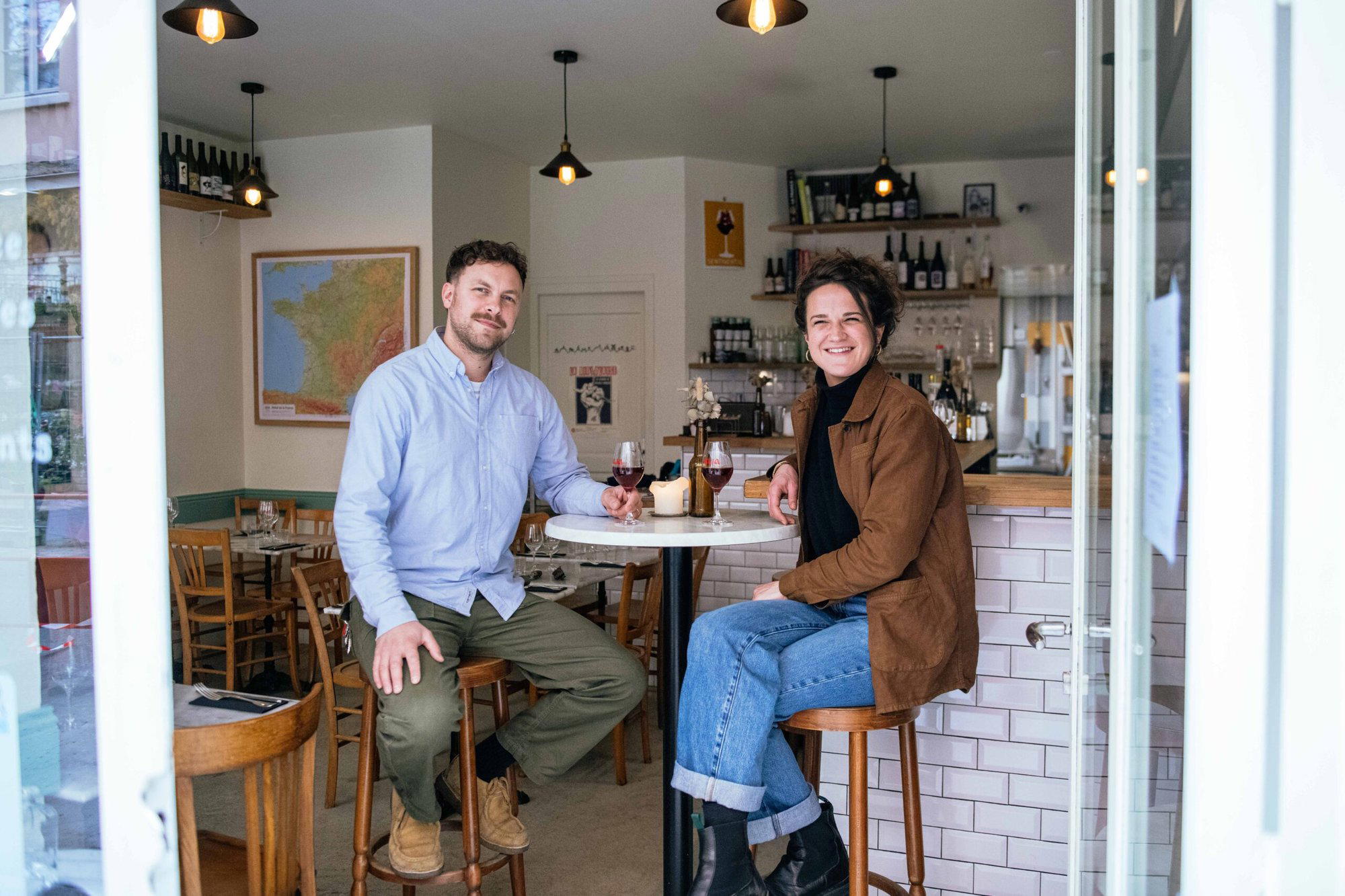
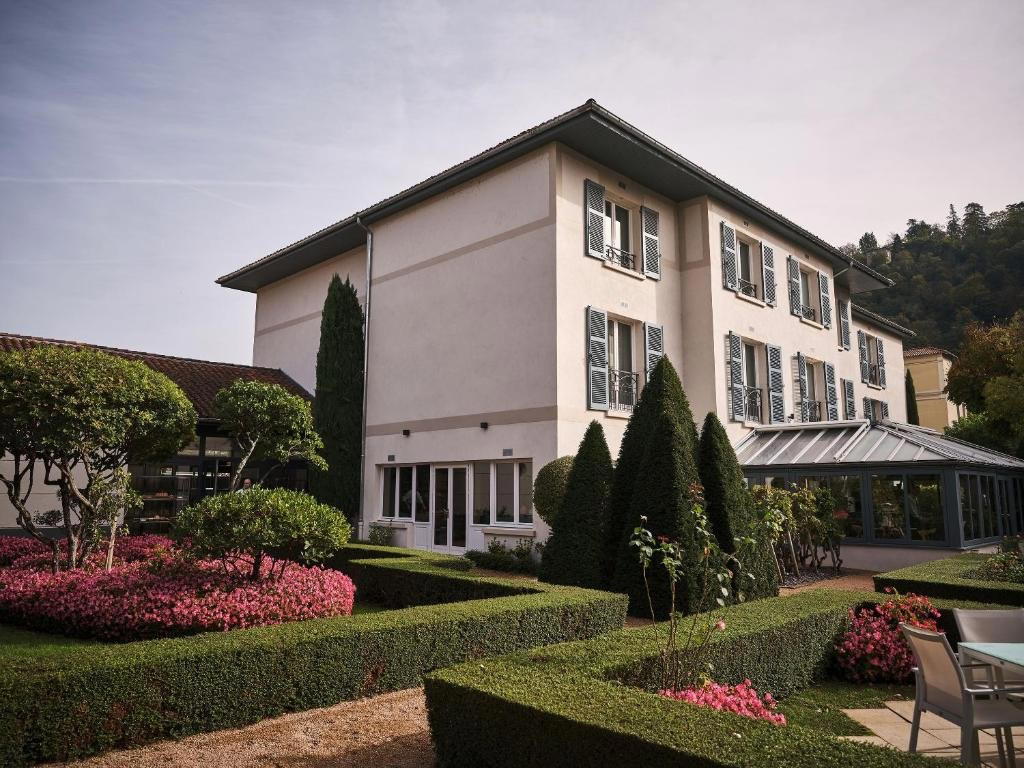
Warm, cozy, and friendly with a small, intimate setting praised for its welcoming vibe and beautiful room decoration.