
Michelin Selected and positioned on the Fourvière hillside above Lyon's UNESCO-listed old town, Fourvière Hôtel occupies a converted religious institution at 23 rue Roger Radisson. The property sits in a small cohort of Lyon hotels where architecture and setting do most of the editorial work, placing it alongside design-conscious alternatives to the city's grander palace-format addresses.
Pearl is the En Primeur Club membership app — saves, bookings, and concierge access live there. Same editors, same standards.
- Address
- 23 Rue Roger Radisson, 69005 Lyon, France
- Phone
- +33 4 74 70 07 00
- Website
- fourviere-hotel.com
- Directions
- Get directions
 Saves & bookings on Pearl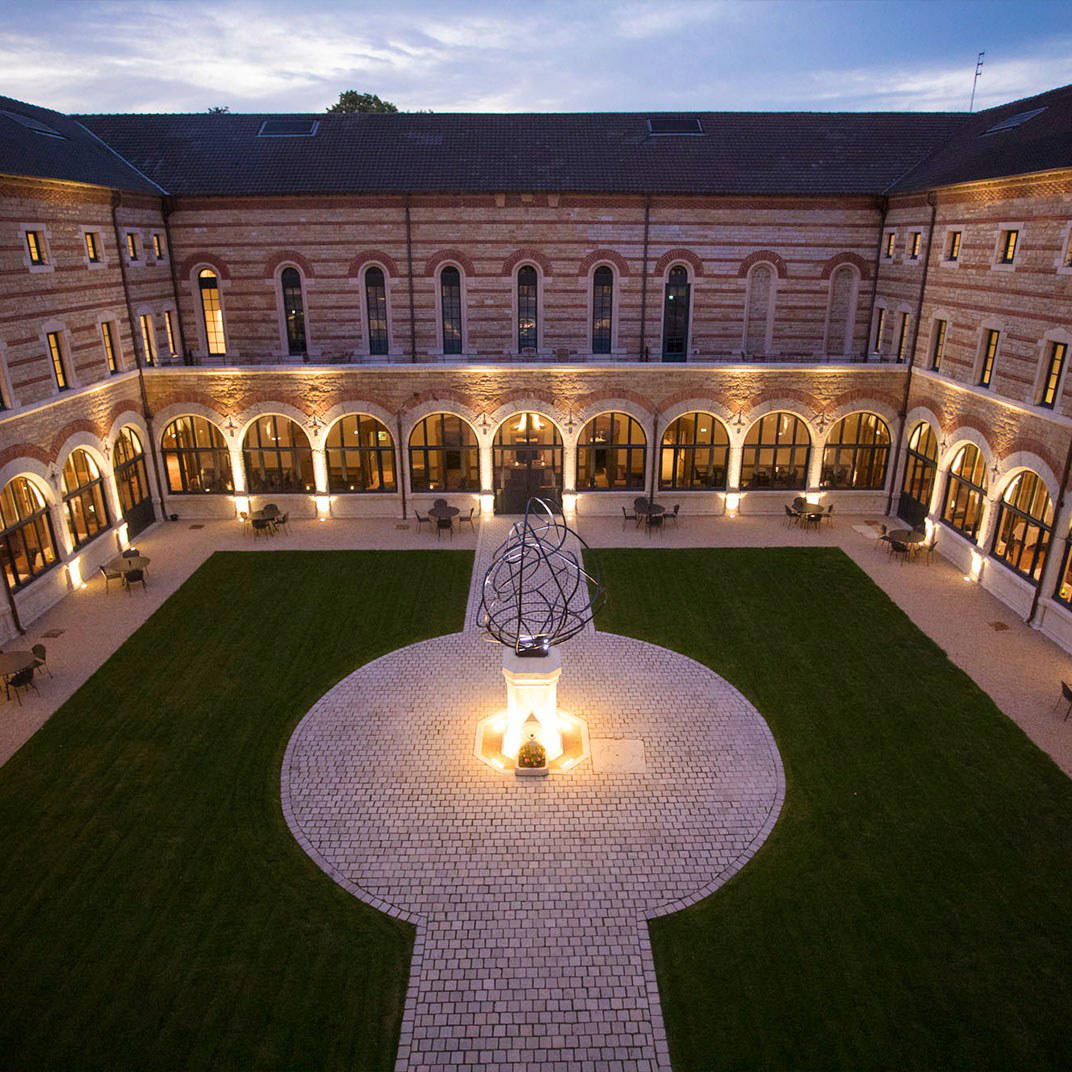
A Hill Above the City
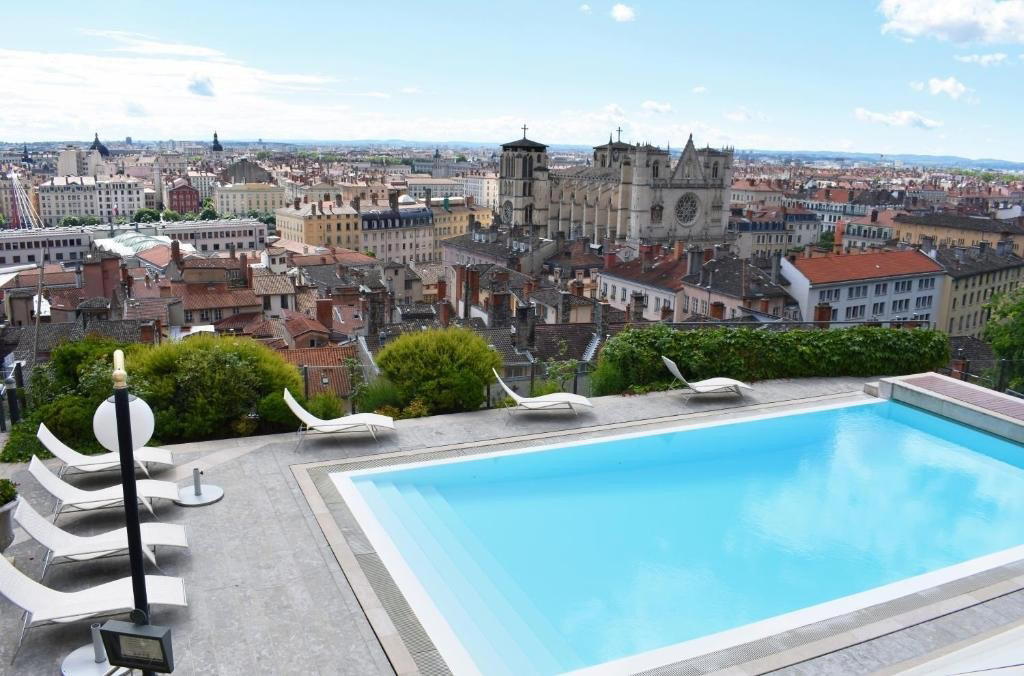
Lyon divides itself across rivers and elevation in ways that shape how hotels operate. The Presqu'île, wedged between the Saône and the Rhône, carries the commercial and gastronomic centre of gravity: brasseries, traboules, the covered markets of Les Halles Paul Bocuse. But Fourvière, the hill that rises sharply to the west, belongs to a different register entirely. Roman amphitheatres cut into its slope. The Basilique Notre-Dame de Fourvière sits at its crest, visible from most of the city below. Hotels up here do not compete on proximity to the restaurant scene; they compete on the quality of removal from it. Fourvière Hôtel, at 23 rue Roger Radisson, has positioned itself squarely in that logic.
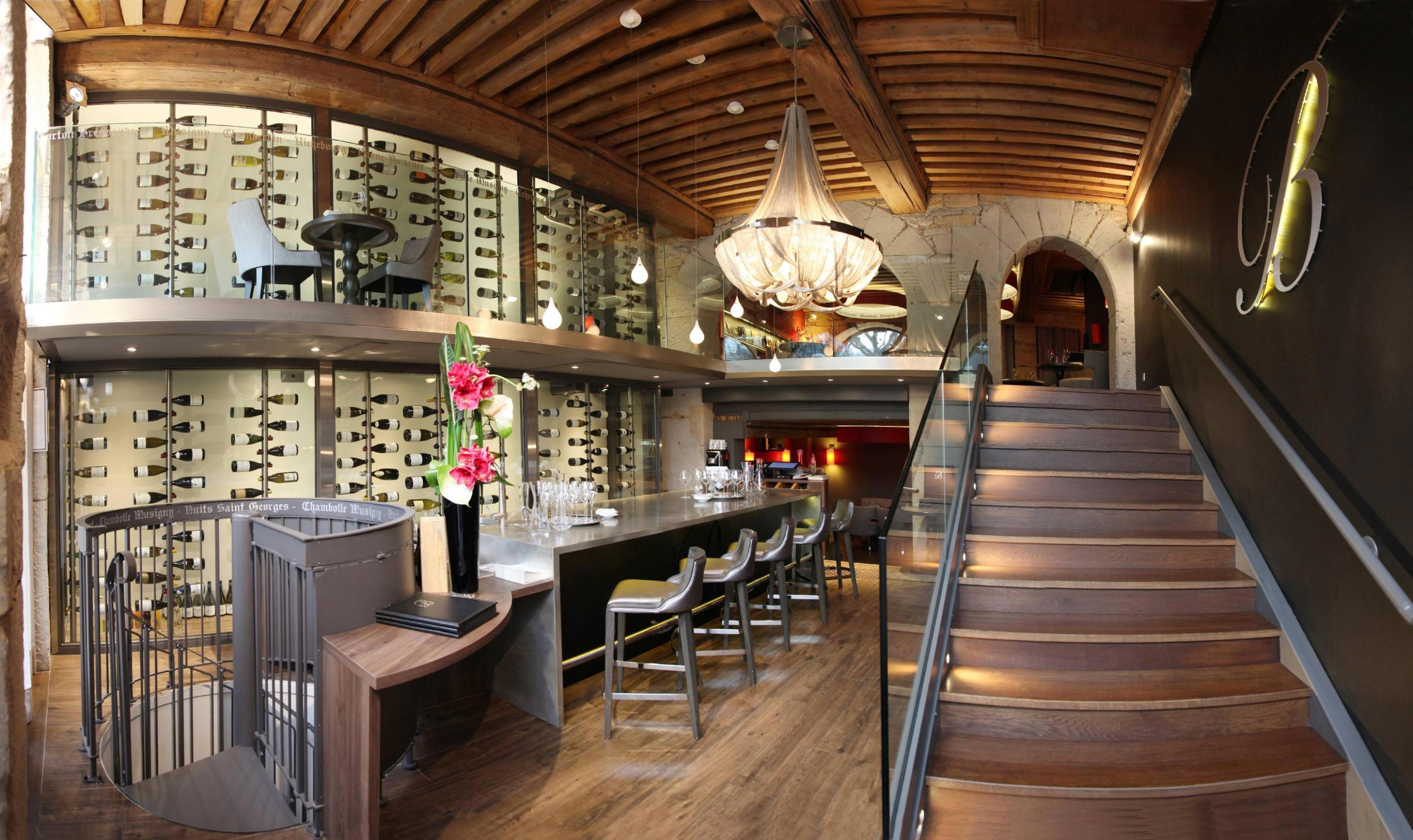
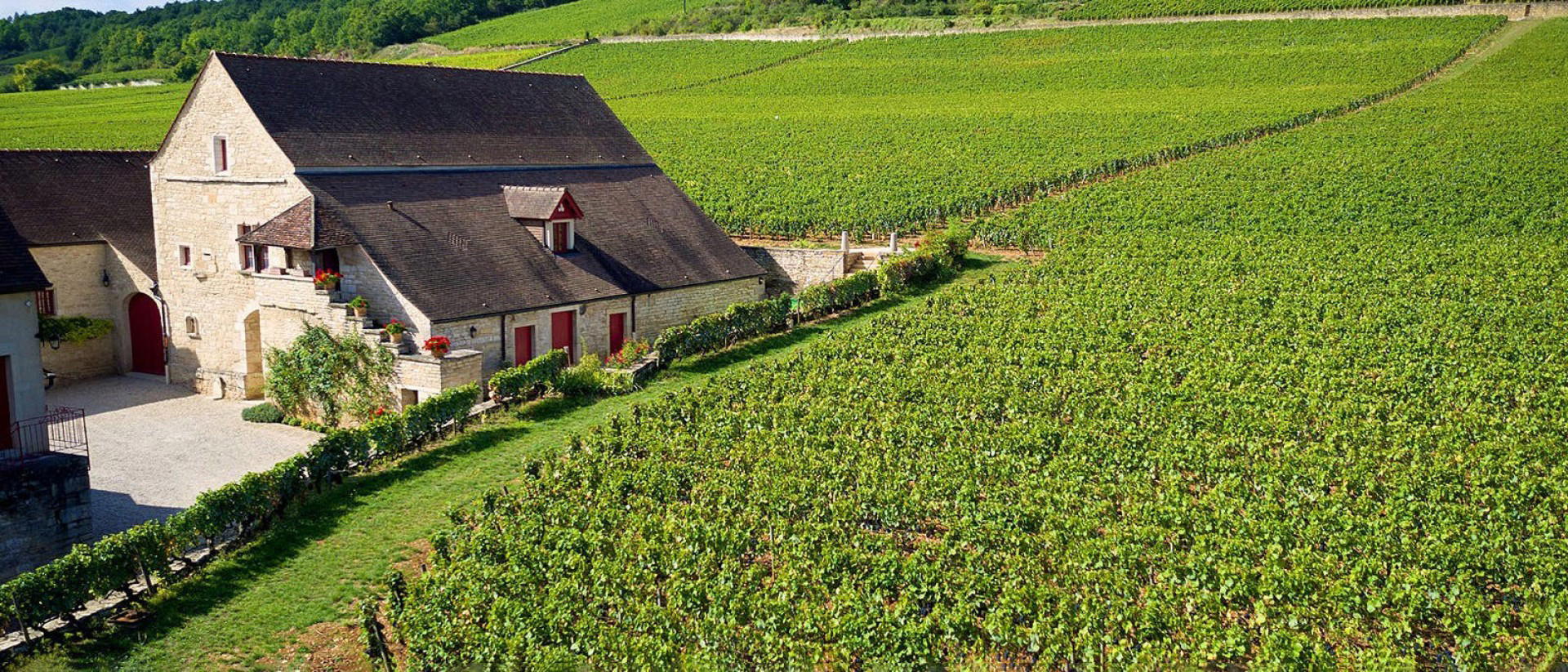
The building was originally a religious institution, and that origin matters architecturally. Converted hospitality properties in France tend to split between those that erase their history in favour of contemporary neutrality and those that treat the original structure as the design brief. Fourvière Hôtel belongs to the second category. The bones of the building, its proportions, its relationship to the hillside, its orientation toward the city below, remain the primary design elements. This is not an incidental detail. In Lyon's hotel market, where competitors like Villa Florentine and Cour des Loges have built reputations partly on their architectural heritage, the quality of a conversion carries real competitive weight.
Design Philosophy and Physical Environment
Lyon's most credible design-forward hotels tend to avoid the trap of period-room pastiche. The better properties use heritage structures as spatial frameworks and introduce contemporary material choices inside them, creating a productive friction between old volume and new surface. Villa Maïa, perched on the same Fourvière hillside, represents the more overtly contemporary end of that spectrum. Fourvière Hôtel reads as a more considered middle position: the architecture speaks first, and the interior language supports rather than competes with it.
What this produces, in practical terms, is a sense of quiet that is structural rather than merely decorative. The hillside location already insulates the property from the ambient noise of the city. The converted building type amplifies this: thick walls, interior courtyards, and the particular acoustic logic of institutional architecture all contribute to an atmosphere that is calmer than anything the Presqu'île hotels can offer, regardless of their sound-proofing specifications. For travellers coming to Lyon specifically for the eating and drinking circuit, this matters on the return leg as much as the departure: after a long table at a bouchon or a tasting menu at one of the city's serious addresses, returning to elevation and quiet is a meaningful hospitality proposition.
The Michelin Selected designation, awarded in the 2025 hotels guide, situates the hotel within a quality tier that Michelin applies on the basis of comfort, character, and overall guest experience. Within Lyon's hotel market, Michelin Selected properties include a cross-section of the city's better independents and boutique addresses. The designation places the hotel in a comparable set that includes Collège Hôtel, Académie, and Hôtel Le Royal, each of which occupies a distinct positioning within that bracket.
Setting in Context: The Fourvière Quarter
The hillside location involves a practical consideration that guests should account for when planning. The Fourvière funicular, which connects the old town to the basilica and the hilltop, is one direct route between the hotel and Vieux-Lyon's restaurants and the Presqu'île. It runs regularly and the journey is short, but it does mean the property is not a walk-out-the-door-and-eat destination in the same way that Boscolo Lyon or Hôtel Le Royal are from their respective positions on the flat. This is a reasonable trade for what the elevation provides: uninterrupted views over the city, access to the Roman archaeological sites without the tourist hour, and a physical separation from the commercial centre that reads less as inconvenience and more as deliberate positioning.
Roman theatre at Fourvière hosts the Nuits de Fourvière festival across summer months, a long-running programme of music, theatre, and performance that draws bookings from across France and beyond. Guests of the hotel are within walking distance of one of Lyon's most significant cultural venues, a proximity that is neither incidental nor easily replicated from anywhere on the flat.
How It Sits in Lyon's Broader Hotel Range
Lyon's premium hotel offer has broadened significantly in recent years. The InterContinental Lyon, occupying the restored Hôtel-Dieu along the Rhône, represents the grand-scale institutional conversion approach at a different budget level and with a different guest profile. Hôtel de L'Abbaye and Villa Florentine both work in the heritage-conversion register, but from different hillside positions and with different architectural premises. For travellers with a serious interest in French hotel design, Lyon is now a city that rewards comparison.
For those who use hotel choice to signal something about how they want to engage with a city, the hotel's position is legible. It is not the choice for someone who wants to roll out of bed and into a Michelin-starred lunch. It is the choice for someone who wants the city at a degree of remove, who values architectural context over logistical convenience, and who finds the prospect of looking down at Lyon from a converted building on a Roman hill more compelling than the leading room-service menu in the Presqu'île. Among French properties in a similar register, comparisons travel easily: La Bastide de Gordes in Provence and Domaine Les Crayères in Reims occupy the same broad category of French hotels where the building and its setting do as much editorial work as the service programme.
Comparison Snapshot
Comparable venues nearby, for context on price, style, and recognition.
| Venue | Cuisine | Price | Awards | Notes |
|---|---|---|---|---|
| Fourvière HôtelThis venue — the venue you are viewing | Historic convent converted into a contemporary luxury boutique hotel | $$$$ | 4-Star | Not listed |
| La Tour Rose | Historic 18th-century apartments reimagined as luxury suites | $$$$ | 4-Star | Quartier Quartiers Anciens |
| Boscolo Lyon | Contemporary luxury blending Haussmannian French architecture with Italian design tradition, featuring noble materials and refined craftsmanship. | $$$$ | 5-Star | Quartier Bellecour Cordeliers |
| Maison Nô - Hôtel et Rooftop | Intimate 4-star boutique hotel in a converted former bank in the heart of Lyon’s Presqu’île. | $$$ | 4-Star | Presqu'île |
| InterContinental Lyon - Hotel Dieu | Historic luxury hotel in restored 18th-century landmark | $$$$ | 5-Star | Quartier Bellecour Cordeliers |
| Académie | Historic Renaissance building renovated with contemporary touches themed on French academies | $$$$ | 4-Star | Quartier Quartiers Anciens |
Recognition history
Dated appearances from independent guides and award organizations, with the underlying list record or original source where available.
Michelin Selected
Michelin
Continue exploring
More in Lyon
Hotels in Lyon
Browse all →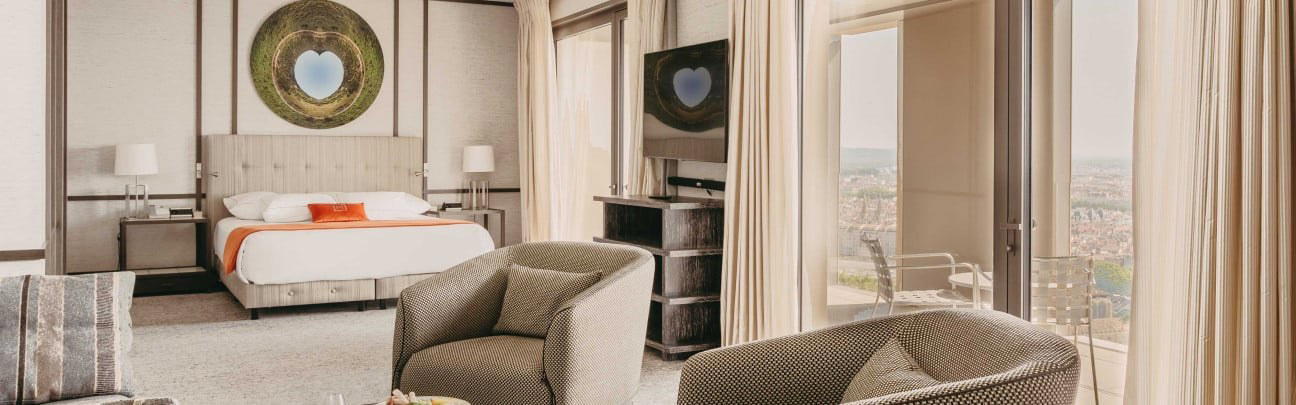
Bars in Lyon
Browse all →
Restaurants in Lyon
Browse all →
At a Glance
- Elegant
- Sophisticated
- Scenic
- Modern
- Quiet
- Romantic Getaway
- Weekend Escape
- Anniversary
- Historic Building
- Panoramic View
- Terrace
- Garden
- Wi Fi
- Pool
- Spa
- Hot Tub
- Fitness Center
- Room Service
- Concierge
- Restaurant
- Bar
- Wi Fi
- Pool
- Spa
- Hot Tub
- Fitness Center
- Room Service
- Concierge
- Restaurant
- Bar
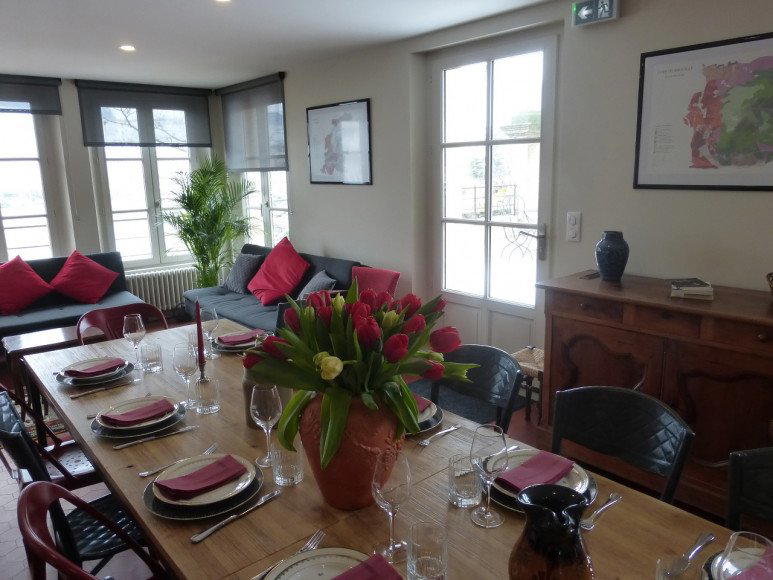
Serene and elegant atmosphere with preserved historic elements like the chapel reception and cloister restaurant, complemented by modern, soundproofed rooms and a peaceful hilltop setting away from city noise.