Restaurant Keko occupies a Mariahilfstraße address in Munich's Au-Haidhausen district, a neighbourhood that has steadily drawn independent dining concepts away from the city's established fine-dining core. With sparse public detail and no declared cuisine category, it sits in the tier of newer, harder-to-read openings that reward early attention before critical consensus forms around them.
Pearl is the En Primeur Club membership app — saves, bookings, and concierge access live there. Same editors, same standards.
- Address
- Mariahilfstraße 24, 81541 München, Germany
- Phone
- +494989659969
- Website
- restaurant-keko.de
- Directions
- Get directions
 Saves & bookings on Pearl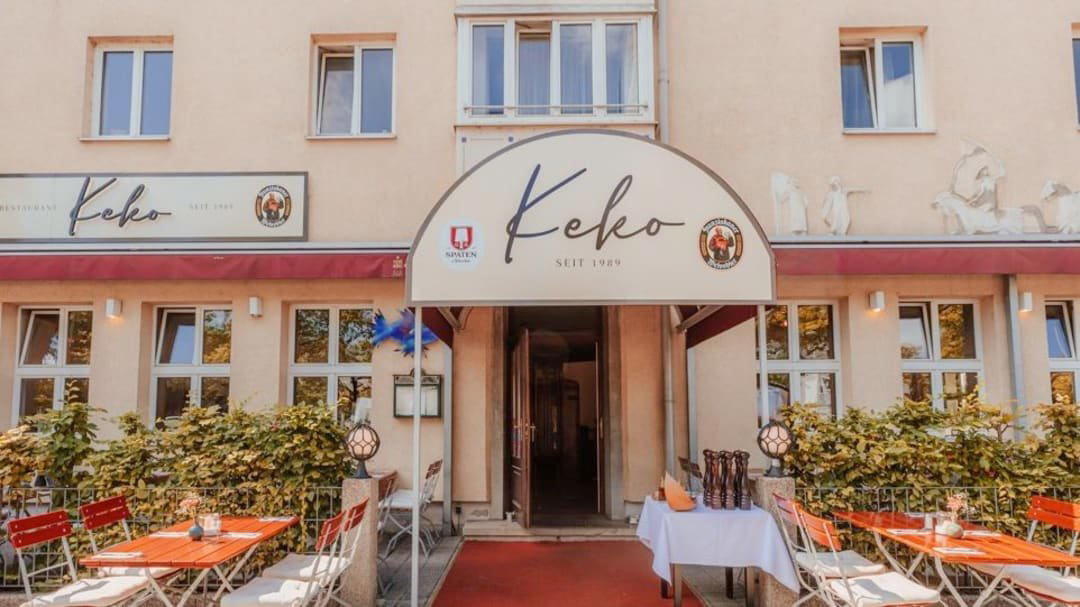
Au-Haidhausen and the Drift of Munich's Independent Scene
For most of the past three decades, Munich's serious dining conversation centred on a small cluster of addresses: the multi-Michelin rooms of Schwabing, the grand-hotel kitchens, and a handful of long-established independents. That geography is shifting. Au-Haidhausen, the left-bank neighbourhood stretching south from the Isar, has absorbed a steady stream of younger, less categorically obvious concepts that don't slot easily into the city's formal dining tier. Restaurant Keko, at Mariahilfstraße 24, sits inside that drift.
Mariahilfstraße is a working residential and commercial street rather than a dining destination in any conventional sense. That positioning is itself a signal. In German restaurant culture, that ask is increasingly common. Rooms like CODA Dessert Dining in Berlin and ES:SENZ in Grassau have demonstrated that destination credibility can be built from unconventional locations, provided the format is coherent enough to reward the detour.
What the Absence of Category Signals
Restaurant Keko serves Authentic Turkish & Mediterranean cooking and is priced at about $28 per person. In an era when algorithmic discovery and review aggregators have made category tagging almost mandatory for new openings, that absence is unusual enough to notice. It places Keko among Munich addresses that resist easy classification.
That resistance is not without precedent in the German fine-dining context. Tohru in der Schreiberei built its reputation on a Modern German-Japanese synthesis that defied single-category framing, and JAN operates under a broad Creative designation that leaves room for evolution. What both of those addresses share with Keko, at this stage, is that the dining public is being asked to engage before the critical apparatus has fully caught up. The practical effect is the same: the diner arrives with fewer preconceptions than usual.
Evolution as the Operating Condition
The editorial angle that makes most sense here is how the restaurant is evolving. Munich's restaurant scene has itself been in a period of structural change. The city's Michelin presence has historically been disproportionately weighted toward classical French and Modern European forms, a tradition anchored by long-standing addresses with decades of accumulated recognition. That model remains coherent, but it now coexists with a second tier of more restless, format-flexible rooms that are harder to place on a conventional prestige ladder.
Nationally, that restlessness is visible in the German fine-dining circuit. Rooms like Aqua in Wolfsburg, Schwarzwaldstube in Baiersbronn, and Vendôme in Bergisch Gladbach represent the established leading bracket of the German critical consensus. Further down the recognition ladder, addresses like Schanz in Piesport, Bagatelle in Trier, and Waldhotel Sonnora in Dreis show how regional addresses with consistent ambition have built durable reputations outside the major cities. For a Munich independent like Keko, the relevant question is where it is positioning itself along that spectrum and at what pace it intends to build critical mass.
At this point in its life, Keko is operating in the pre-consensus phase that many rooms pass through. The value for a diner who visits now is precisely that: engagement with a project before the review cycle has consolidated opinion around it. Internationally, rooms like Atomix in New York City, now a fixture of the global top-fifty conversation, were once in exactly this position, readable only by the attention paid to location choice, format discipline, and the quality of early word-of-mouth.
The Neighbourhood as Context
Au-Haidhausen has a distinct character relative to Munich's more tourist-dense quarters. The Isar riverbanks are accessible on foot, and the neighbourhood's residential density means that a significant proportion of any new restaurant's early audience will be local rather than visitor-driven. That tends to produce a different calibration of format and pricing than you see in hotel dining rooms or destination-quarter addresses. Rooms that open here typically need to sustain repeat custom, which places pressure on consistency and value proposition in a way that a single-visit tasting-menu format does not.
This is worth noting for a visitor planning a Munich dining itinerary. The city's high-end rooms, including counterparts in Hamburg and internationally referenced points like Le Bernardin in New York City, operate on a different logic from neighbourhood independents. Keko's Mariahilfstraße address places it in the latter category, which means the dining experience, whatever form it currently takes, is oriented toward a more recurring, embedded relationship with its clientele than a Michelin-circuit itinerary stop. For international visitors, that distinction matters: this is a room to book as a neighbourhood meal, not a capstone event.
Know Before You Go
Planning Notes
- Address: Mariahilfstraße 24, 81541 München, Germany
- Neighbourhood: Au-Haidhausen, on the east bank of the Isar
- Phone / Website: not listed at time of writing, check current listings before visiting
- Booking: No confirmed online booking channel available; direct contact via the venue is advised
- Price range: Not declared, verify current format and pricing on arrival or via local listings
- Awards: No formal award recognition on record at time of writing
- Nearest context: The Au-Haidhausen neighbourhood is well-served by U-Bahn and tram connections from Munich's city centre
- Keko-Köfte
- Adana Kebab
- Lamb Chops
- Börek
- Saksuka
- Manti
Comparable Spots
Comparable venues nearby, for context on price, style, and recognition.
| Venue | Cuisine | Price | Notes |
|---|---|---|---|
| Restaurant KekoThis venue — the venue you are viewing | Authentic Turkish & Mediterranean | $$ | Not listed |
| Türkitch | Turkish Köfte & Kebap | $$ | Maxvorstadt |
| Pera Meze | Modern Turkish Meze | $$ | Isarvorstadt |
| Gürmet | Turkish Meze & Natural Wine | $$ | Altstadt |
| Abant Restaurant | Turkish Grill & Pizza | $$ | Theresienwiese |
| Bosporus | Turkish Döner Kebab | $$ | Au |
Continue exploring
More in Munich
Restaurants in Munich
Browse all →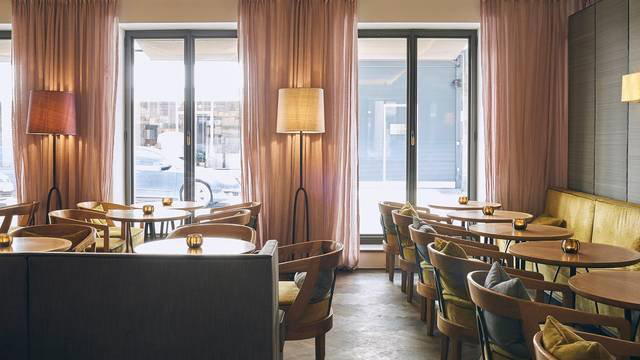
At a Glance
- Cozy
- Romantic
- Elegant
- Intimate
- Date Night
- Family
- Group Dining
- Brunch
- Celebration
- Standalone
- Open Kitchen
- Beer Program
- Local Sourcing
Current opening hours
- Monday
- 5 PM–12 AM
- Tuesday
- 5 PM–12 AM
- Wednesday
- 5 PM–12 AM
- Thursday
- 5 PM–12 AM
- Friday
- 5 PM–12 AM
- Saturday
- 10 AM–2 PM, 5 PM–12 AM
- Sunday
- 10 AM–2:30 PM, 5 PM–12 AM
Hours can change for holidays and private events. Last verified .
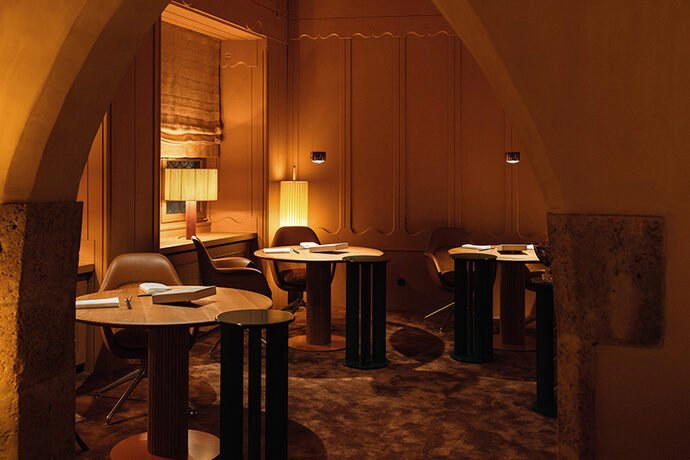
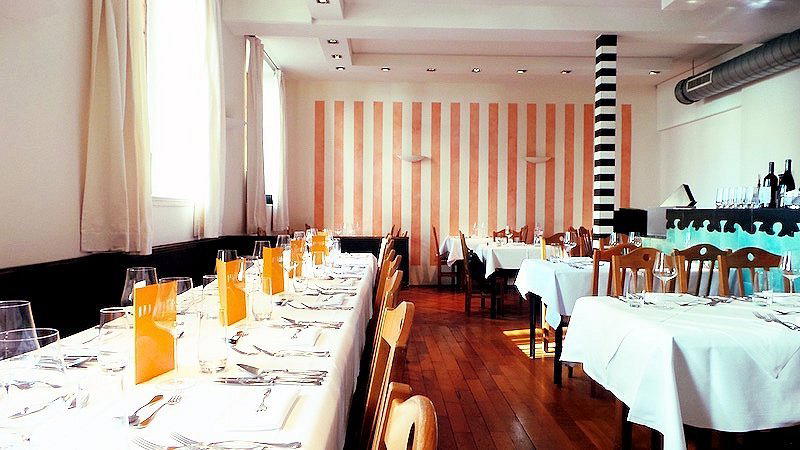
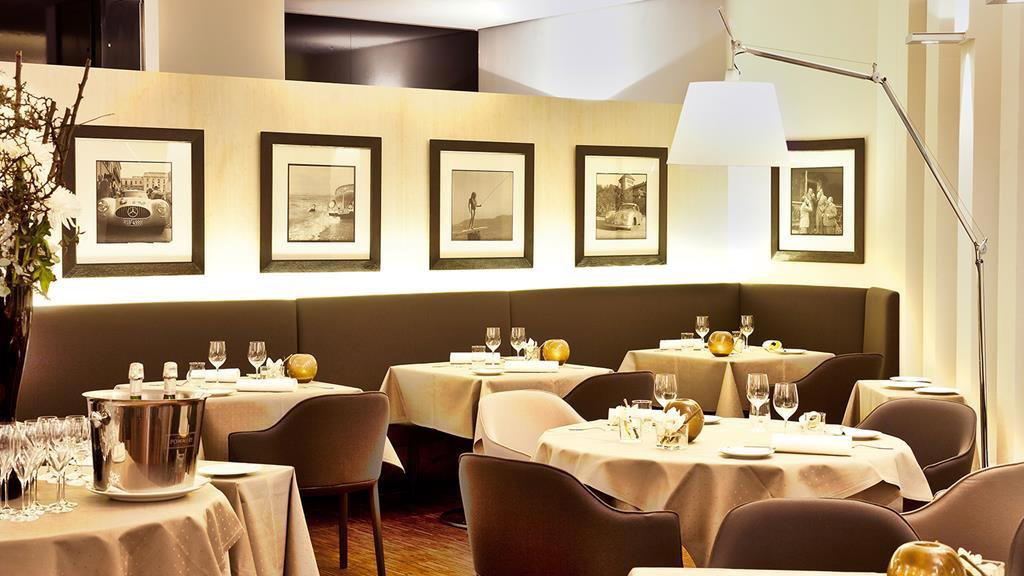
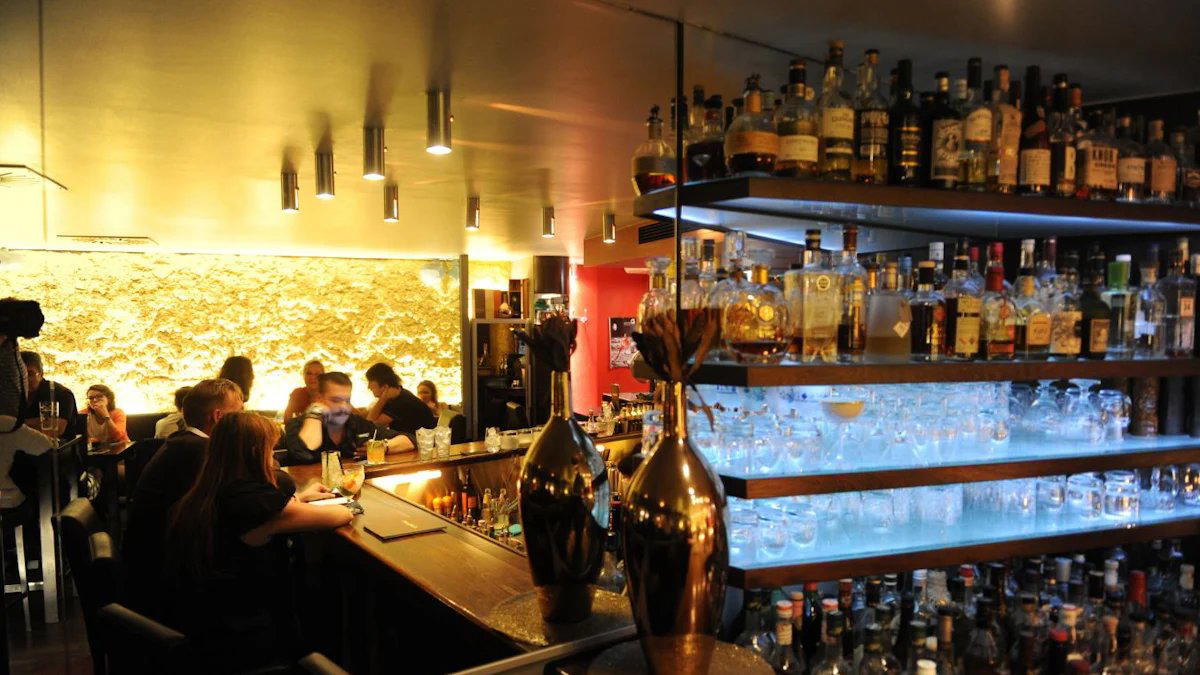
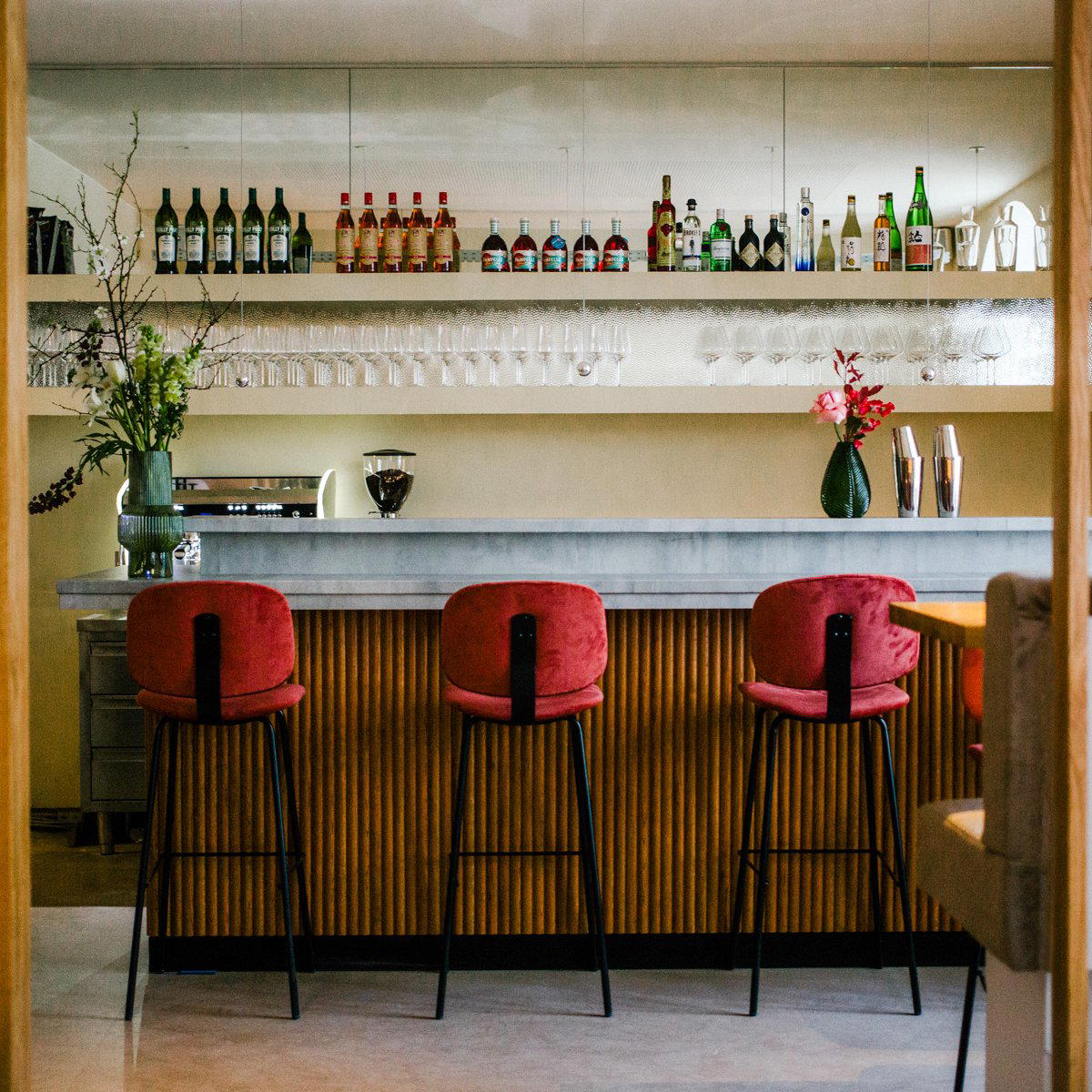
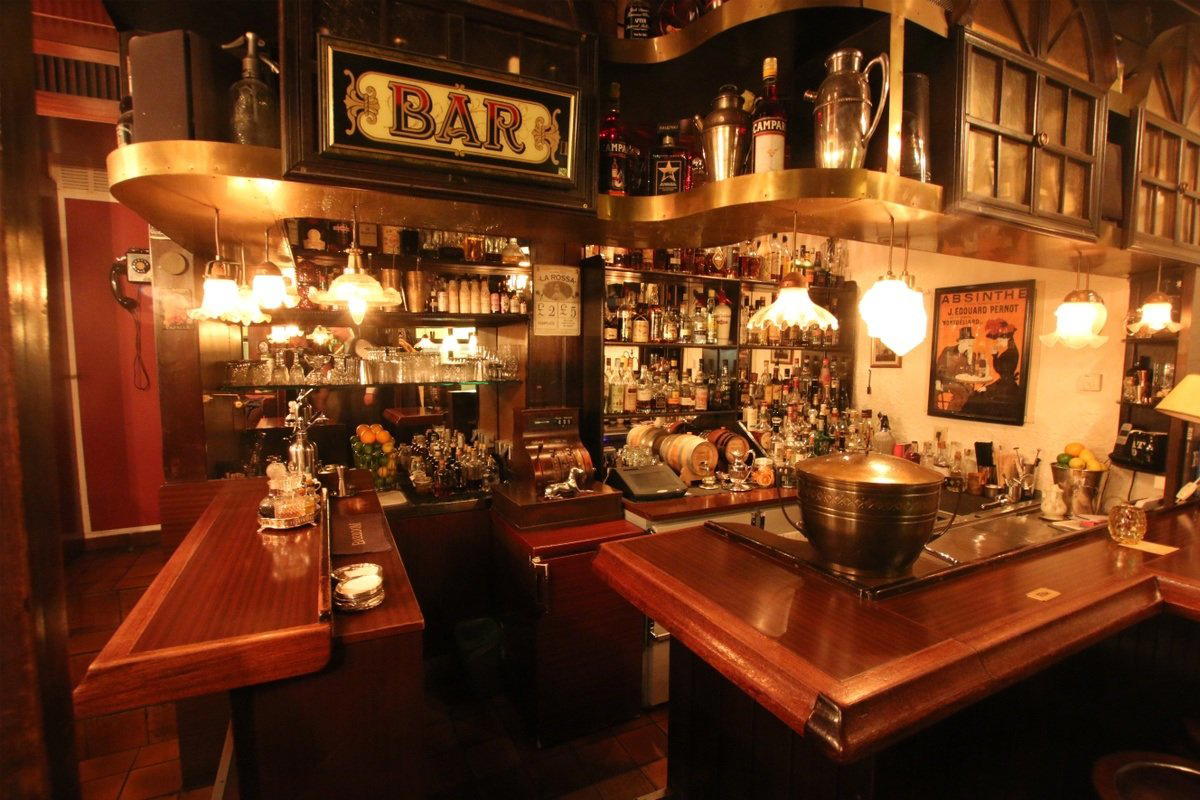
Simple and authentic interior with dark wooden tables creating an inviting, cozy ambiance that immerses diners in Turkish culture; described as quiet and romantic with intimate lighting.