Our verdict
Bosporus occupies a quietly considered address on Ohlmüllerstraße in Munich's Au-Haidhausen district, a neighbourhood that has consistently drawn residents who prefer substance over spectacle. In a city where fine dining tends toward French and Japanese frameworks, Bosporus holds a distinct position worth examining against Munich's broader dining context and Germany's wider restaurant culture.

Pearl is the En Primeur Club membership app, where members save venues, book tables and use the concierge.
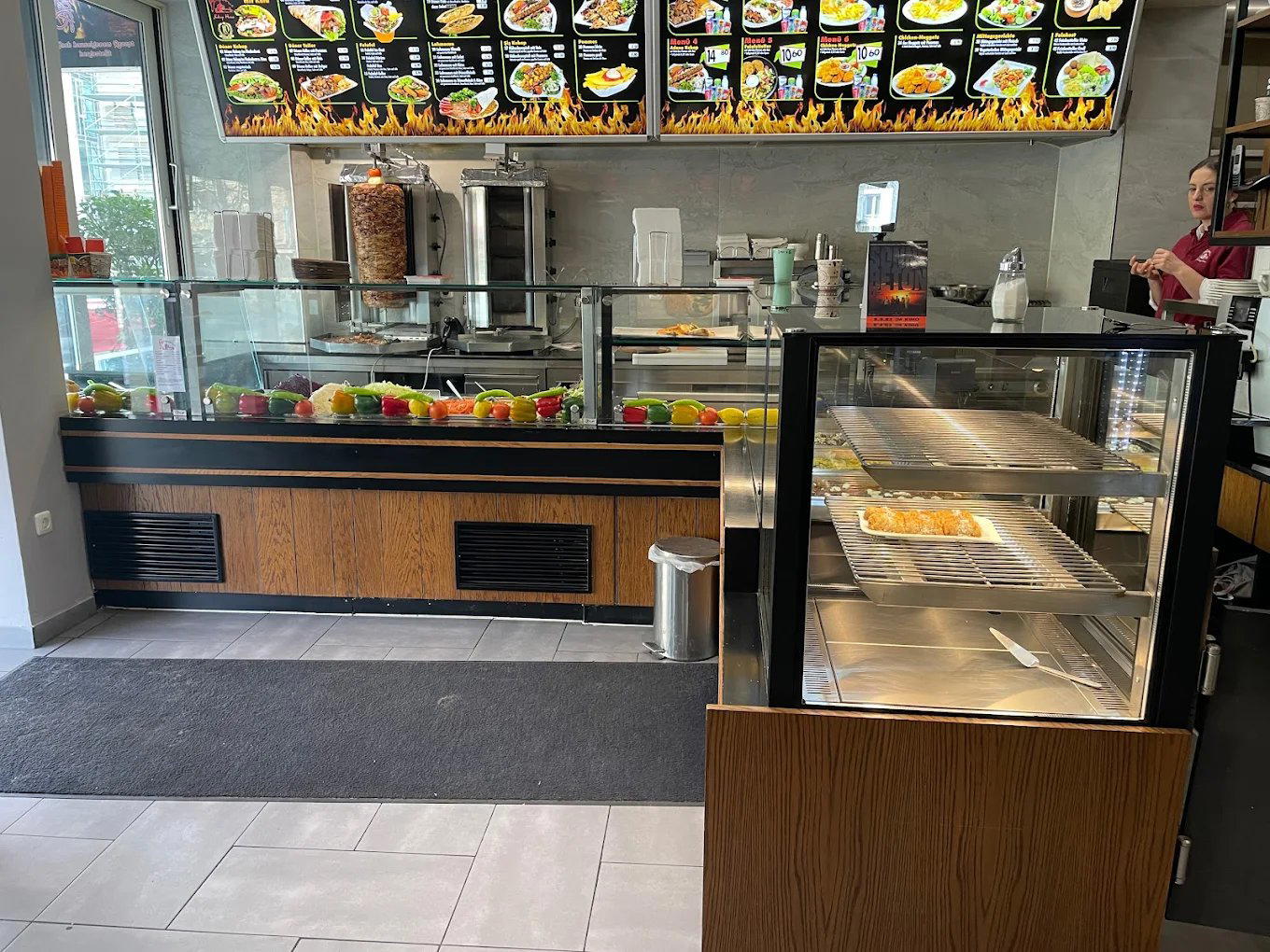
A Street That Sets Its Own Pace
Ohlmüllerstraße 26 sits in Au-Haidhausen, one of Munich's older residential quarters east of the Isar. The neighbourhood's character is defined less by landmark architecture than by the density of long-standing businesses that have survived successive waves of city-centre gentrification. Streets like this one, where the ground floor of a converted apartment block might house a restaurant that has been quietly building a regular clientele for years, represent a specific strain of Munich dining culture, one that operates at a remove from the tourist-facing Altstadt and the prestige corridors around the English Garden. Arriving here on foot from the Ostbahnhof or from the Müllerstraße tram lines, the transition from urban noise to the relative stillness of the side streets is itself a kind of calibration.
Munich's fine dining circuit is well documented at its upper end. The city's Michelin-starred tier includes JAN, Atelier, and Alois - Dallmayr Fine Dining, with French frameworks dominant at Tantris and German-Japanese synthesis at Tohru in der Schreiberei. Bosporus occupies a different register, one where the question of what draws a diner is not resolved by a star count or a tasting menu format, but by the particular logic of the address itself.
The Wine Dimension in a City Built on Beer
Munich's reputation as a beer city is so thoroughly established that the wine programs operating within it often go underexamined. That omission matters, because Bavaria sits at a curious intersection: close enough to Austria and the Danube wine regions to sustain genuine cellar depth, and far enough from the Rhine and Mosel valleys that a list requires deliberate effort rather than proximity. Across Germany, the restaurants that have built the most serious wine identities, Schwarzwaldstube in Baiersbronn, Aqua in Wolfsburg, Vendôme in Bergisch Gladbach, share a tendency toward cellar investment that predates their current recognition rather than following it. The wine program is not a response to acclaim; the cellar discipline is part of what generated the acclaim in the first place.
For a venue on a residential Munich street, the question of wine curation carries its own stakes. A list that reflects regional Austrian producers alongside French and Italian holdings signals a different kind of sourcing effort than one assembled from standard distributor catalogues. Whether Bosporus has pursued that depth is something a visit would confirm, but the address and the dining culture of the surrounding neighbourhood suggest a clientele that expects serious engagement rather than perfunctory coverage. Au-Haidhausen regulars, by and large, are not ordering the cheapest bottle on the list.
How Bosporus Sits in the German Dining Picture
Germany's restaurant culture beyond Munich's starred tier includes a range of operations that draw dedicated regional followings without necessarily accumulating guide recognition at the same rate. Venues like ES:SENZ in Grassau, Schanz in Piesport, and Waldhotel Sonnora in Dreis each operate in smaller or more remote markets than Munich, yet have built national and international reputations through consistency and specificity. The pattern matters: German diners, particularly in the upper-middle dining bracket, tend to reward reliability over novelty, and the venues that survive longest in competitive cities are often those that have identified a precise position and held it.
In Hamburg, Restaurant Haerlin demonstrates how a formally presented restaurant can sustain high-end credibility over decades. In Trier, Bagatelle shows how a smaller city can support ambitious dining when the local audience is engaged. Munich, as Germany's wealthiest city by GDP per capita, has the residential base to support multiple serious operations across price tiers and cuisine types. The question for any Munich restaurant is not whether the demand exists, it does, but whether the operation has found a coherent answer to what it is and for whom.
Internationally, the restaurants that have refined the idea of wine-led dining to its furthest point include venues like Le Bernardin in New York City, where the program's rigor matches the kitchen's precision, and communal-format operations like Lazy Bear in San Francisco, where beverage pairing is built into the structural logic of the meal. In Europe, CODA Dessert Dining in Berlin has shown that a tightly defined concept, applied with consistency, can generate both guide attention and a loyal repeat audience. These are reference points for what serious intent looks like when the execution matches the ambition.
Planning a Visit to Bosporus
Bosporus is at Ohlmüllerstraße 26, 81541 München, in the Au-Haidhausen district. The nearest public transport options are the Ostbahnhof S-Bahn hub, a short walk east, and several tram lines along Müllerstraße to the west, making the address accessible without requiring a car. For diners coming from the city centre, the journey is ten to fifteen minutes by tram or a manageable walk across the Isar bridges. Hours and reservation lead times are similarly unconfirmed, for any Munich restaurant drawing from a loyal neighbourhood base, contacting the venue directly ahead of a proposed visit remains the most reliable method. See our full Munich restaurants guide for broader context on planning a dining itinerary across the city's neighbourhoods.
Frequently asked questions
What is Bosporus known for?
Bosporus holds an address in Au-Haidhausen, a Munich neighbourhood with a long-standing residential dining culture distinct from the city's tourist-facing centre. Within Munich's restaurant scene, which includes a Michelin-starred tier anchored by venues such as JAN and Tantris, Bosporus operates in a different register, one shaped by neighbourhood loyalty and consistent positioning rather than guide-driven recognition.
What dish is Bosporus famous for?
For a Munich restaurant of this type, the cuisine focus and menu approach are best confirmed directly with the venue, where staff can speak to current offerings. Checking ahead is advisable, particularly given how menus in this dining tier tend to evolve seasonally.
How far ahead should I plan for Bosporus?
As a general principle, Munich restaurants with a loyal residential following, particularly those in Au-Haidhausen, where repeat clientele is common, can fill weeks ahead on weekend evenings. If a specific date matters, contacting the venue as early as possible is the practical approach regardless of whether formal awards data is on record.
What if I have allergies at Bosporus?
In Munich, as across Germany, restaurants are legally required to provide allergen information on request. The safest approach is to contact Bosporus directly before visiting, either by calling the number listed on current maps platforms or by reaching out via any email contact the venue provides, and to confirm requirements again on arrival.
Is eating at Bosporus worth the cost?
Whether that represents value is ultimately a function of what the menu and wine program deliver on the night, which places the question squarely in the territory of direct experience rather than external ratings.
Does Bosporus have a wine list worth exploring for visitors interested in German and Austrian producers?
Germany's most celebrated dining addresses, including venues like Schwarzwaldstube and Vendôme, have consistently treated cellar depth as a core part of the dining proposition rather than an afterthought. Asking the team directly about Austrian and regional German coverage is the most direct route to an honest answer before committing to a pairing.
Where the Accolades Land
Comparable venues nearby, for context on price, style, and recognition.
| Venue | Cuisine | Price | Awards | Notes |
|---|---|---|---|---|
| BosporusThis venue (the venue you are viewing) | Turkish Döner Kebab | Not listed | Not listed | Not listed |
| Abant Restaurant | Turkish Grill & Pizza | $20–30 | Not listed | Theresienwiese |
| Taverna Diyar | Kurdish-Turkish | $20–30 | Not listed | Haidhausen |
| Restaurant Harem | Authentic Turkish Barbecue | Not listed | Not listed | Untermenzing |
| Restaurant Keko | Authentic Turkish & Mediterranean | $20–30 | Not listed | Au |
| Gürmet | Turkish Meze & Natural Wine | $20–30 | Falstaff Wine Bar - 93 Falstaff Points | Altstadt |
Continue exploring
More in Munich
Restaurants in Munich
All restaurants in Munich →
Bars in Munich
All bars in Munich →
Details
- Cozy
- Casual Hangout
- A La Carte
Current opening hours
- Monday
- 9 AM–12 AM
- Tuesday
- 9 AM–12 AM
- Wednesday
- 9 AM–12 AM
- Thursday
- 9 AM–12 AM
- Friday
- 9 AM–12 AM
- Saturday
- 9 AM–12 AM
- Sunday
- 9 AM–12 AM
Hours can change for holidays and private events. Hours as of .
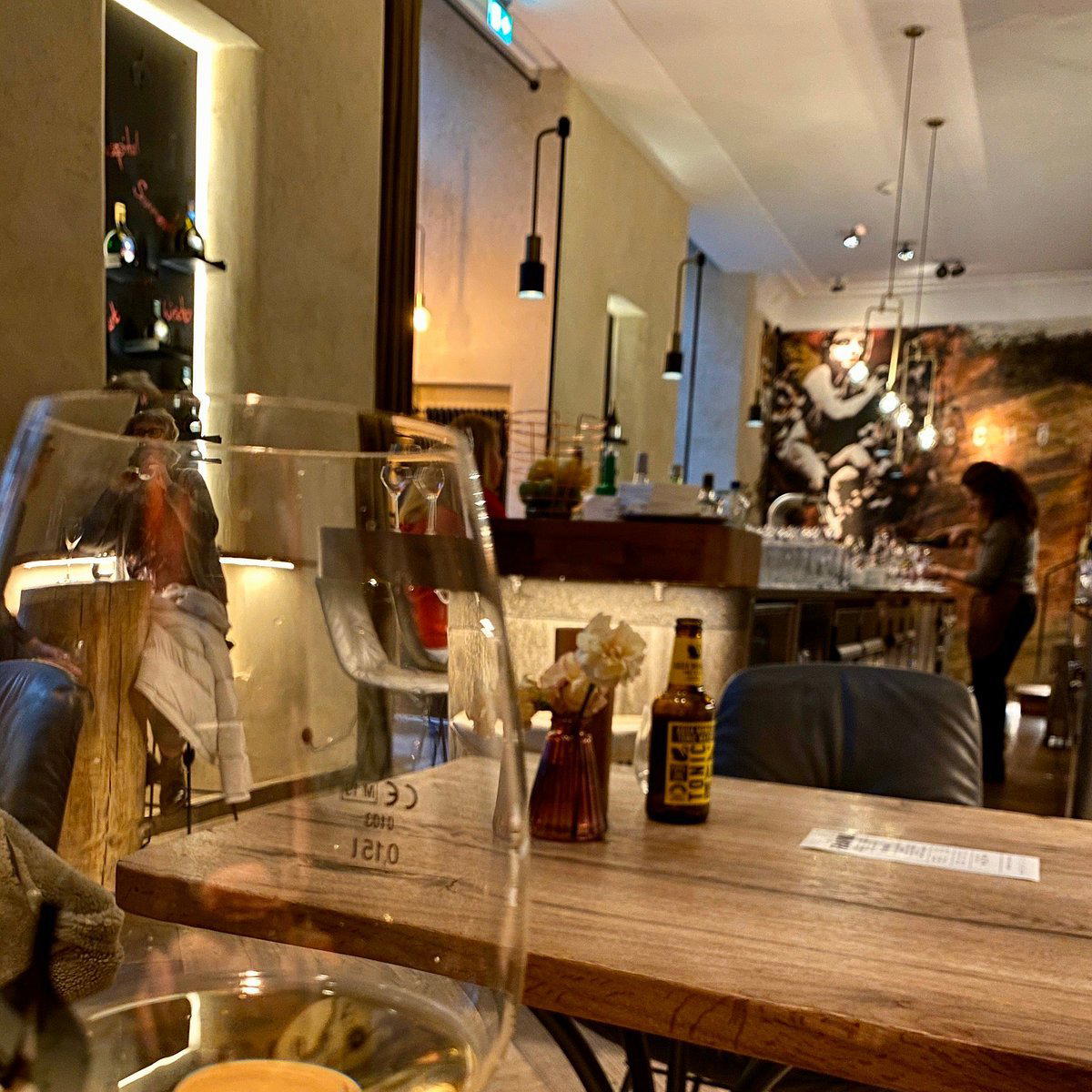
Casual and friendly atmosphere with good vibes from staff, suitable for quick meals.