Our verdict
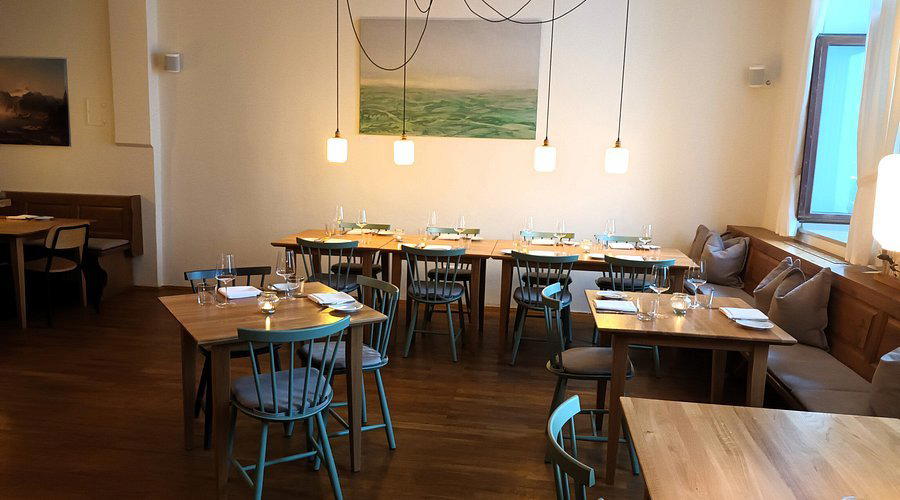
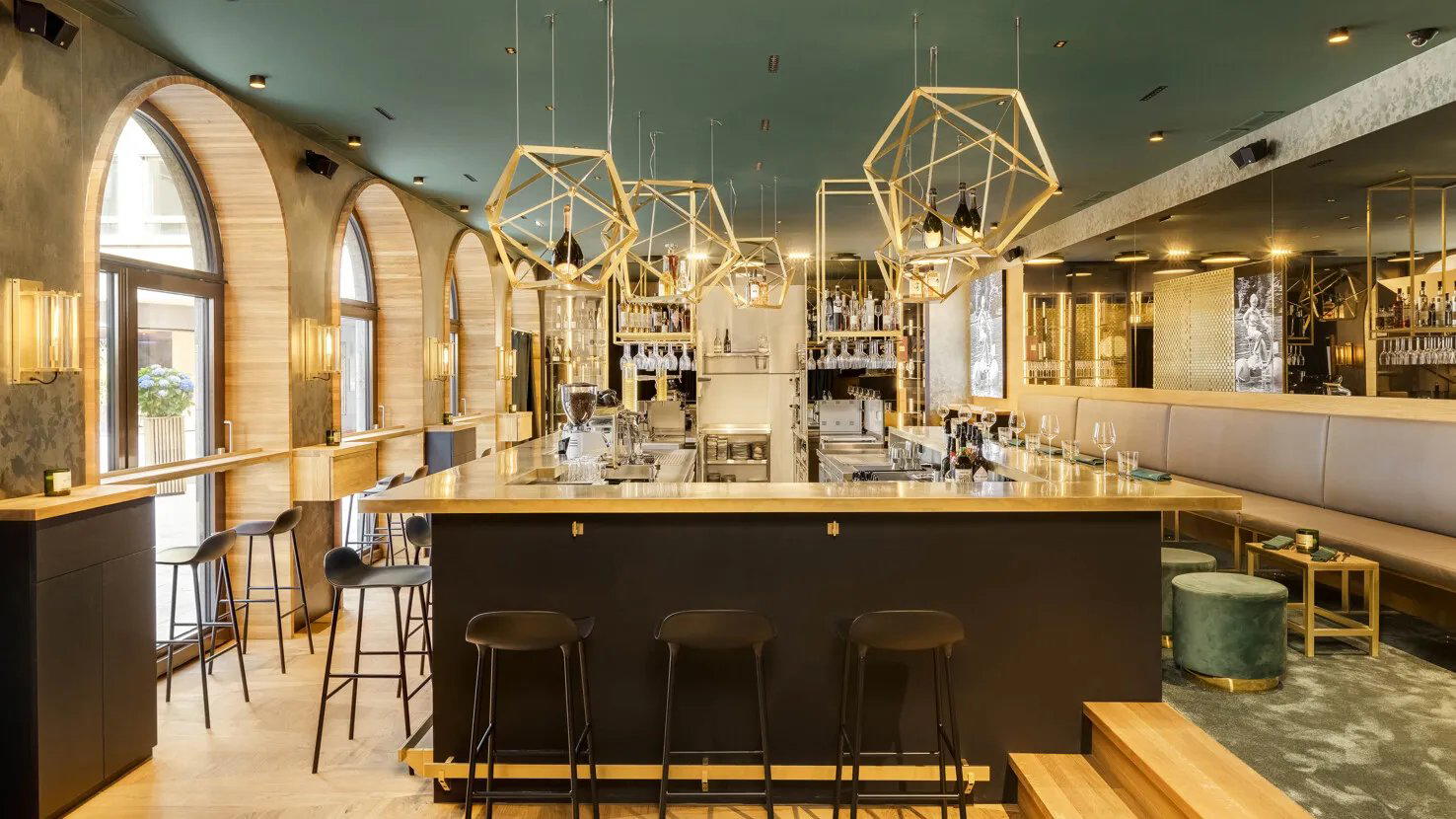
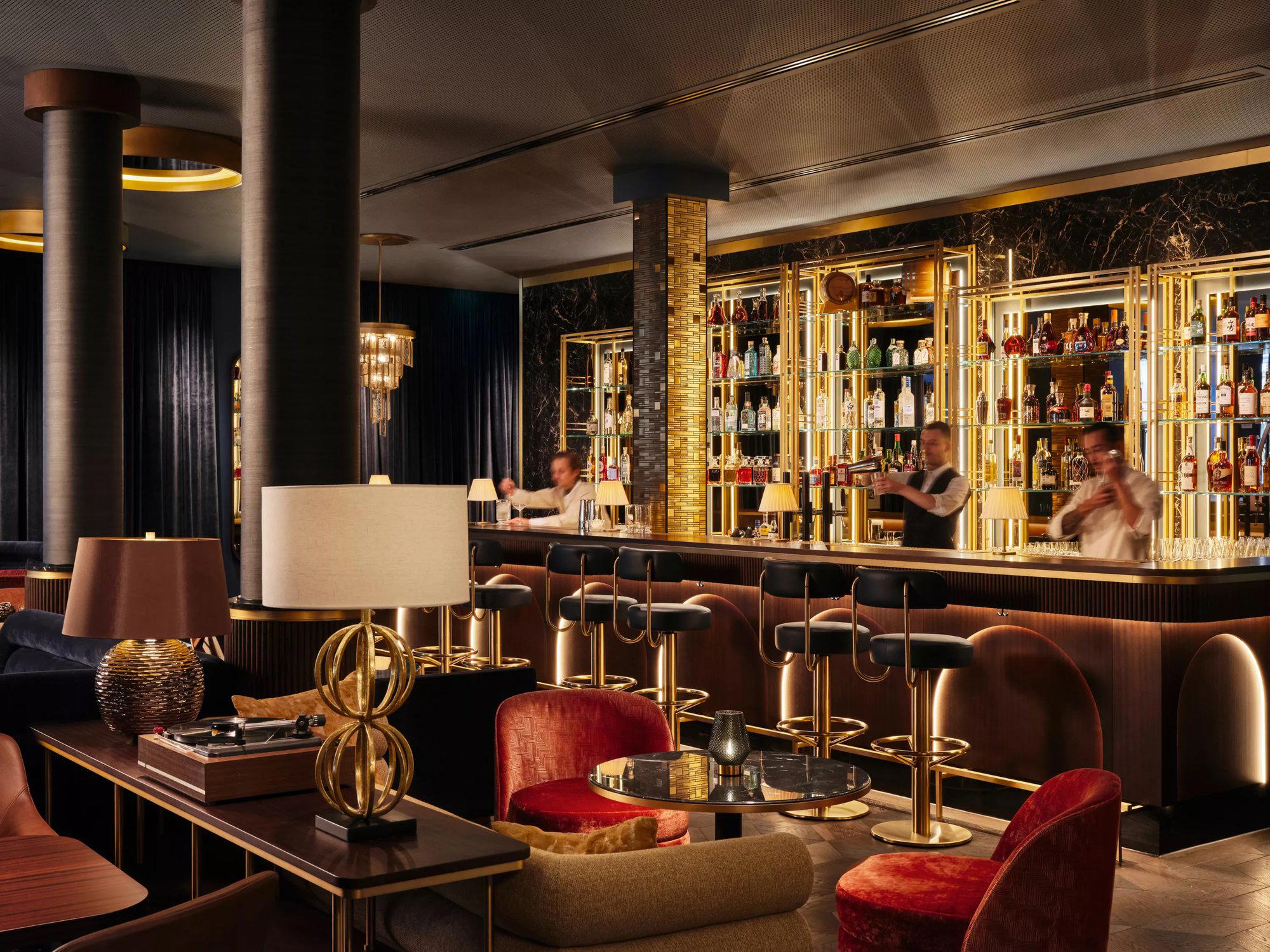
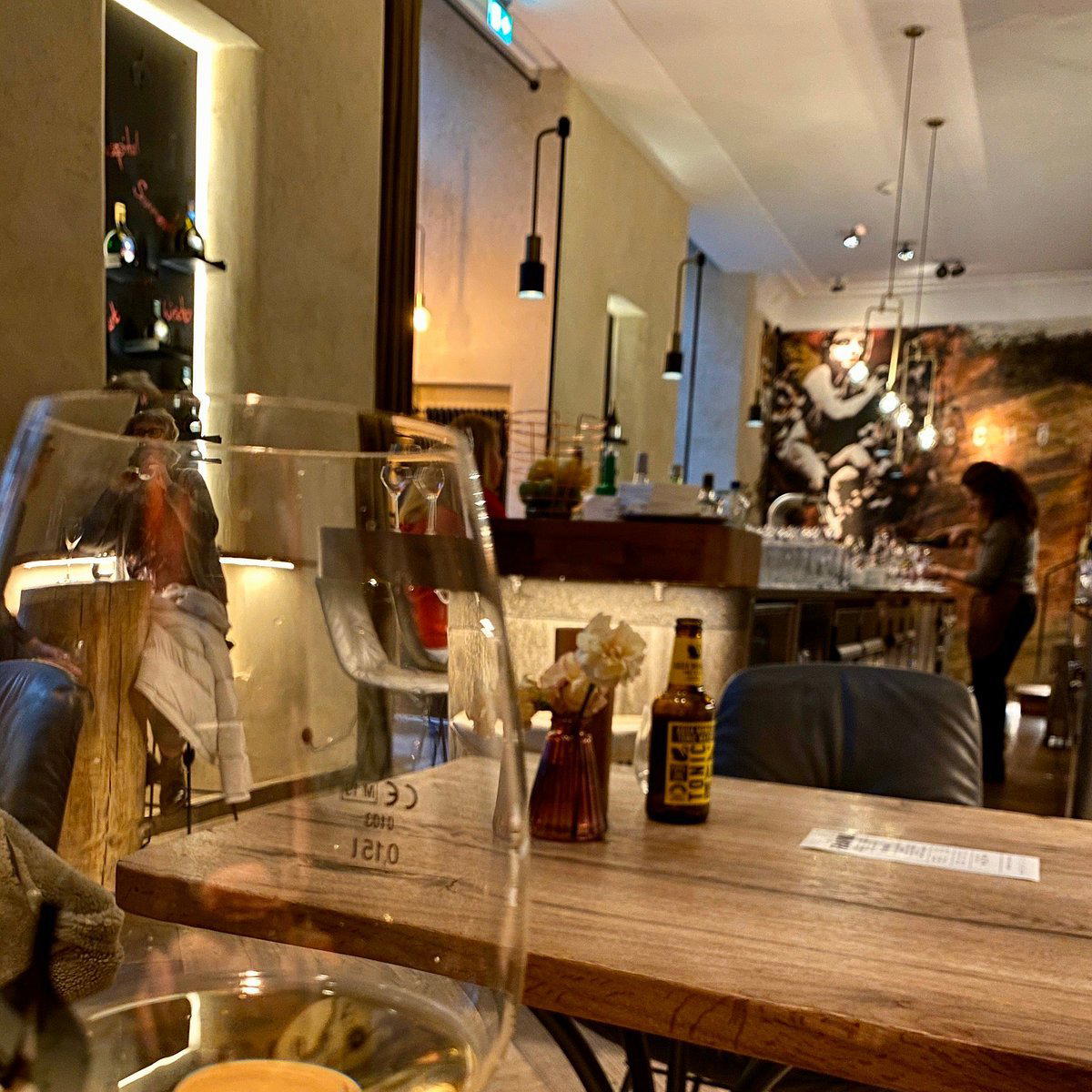
Abant Restaurant on Ligsalzstraße in Munich's Westend district occupies a corner of the city where neighbourhood dining still operates outside the Michelin circuit.

Pearl is the En Primeur Club membership app, where members save venues, book tables and use the concierge.

The menu
What to order
- Adana Kebab
- Lavastone Grilled Lamb Filet
- Lavastone Grilled Beef Tenderloin
- Wood-Fired Pizza
Where Munich Eats Between the Stars
Ligsalzstraße sits in Westend, a Munich district that has shifted gradually over the past decade from working-class residential to a neighbourhood where independent restaurants, small grocers, and third-wave coffee shops share blocks with older, family-run establishments. It is not the Maxvorstadt gallery belt or the Glockenbachviertel bar strip. Westend moves at a different pace, and the restaurants that survive here tend to do so because they serve a regular clientele rather than a rotating cast of tourists or expense-account diners. Abant Restaurant, at number 46 on Ligsalzstraße, sits inside that logic.
The broader dining structure of Munich rewards this kind of context. The city's Michelin-starred tier is concentrated in the centre and the wealthier inner suburbs: Tantris in Schwabing, Atelier in the Bayerischer Hof, Alois - Dallmayr Fine Dining in the Altstadt, JAN and Tohru in der Schreiberei each representing a distinct strand of contemporary ambition. Below and alongside that tier, Munich runs a parallel network of neighbourhood restaurants whose value lies precisely in their distance from the formal dining ritual those starred rooms are built around. Abant belongs to that parallel network.
The Ritual of the Neighbourhood Table
Dining in a neighbourhood restaurant like those found along Westend's residential streets follows a different set of customs than the paced, choreographed experience you encounter at a tasting-menu counter. There are no amuse-bouches signalling the start of a sequence. The meal begins when it begins. Regulars know the menu well enough that ordering is brief. The pacing is set by the kitchen's rhythm and the diner's own appetite, not by a pre-determined number of courses. This informality is not a compromise; it is the format.
Across Germany's dining culture, this distinction between the formal ritual and the informal neighbourhood meal has become more pronounced as the country's fine dining circuit has grown. Germany now runs three-star rooms in Baiersbronn, Wolfsburg, and Bergisch Gladbach, with destination restaurants scattered well beyond the major cities, from Dreis to Piesport. That ambition at the top of the market has, if anything, made the restaurants that sit outside it more legible as a distinct category. They are not failed fine dining; they are a different answer to the question of what an evening meal is for.
The name Abant is a Turkish toponym, a lake and district in the Bolu province of northwestern Turkey, which places the restaurant within Munich's significant Turkish and Turkish-German culinary presence. That community has shaped Munich's everyday eating in ways that rarely appear in the formal restaurant guides, running from the doner counters of the main train station area to sit-down restaurants in Westend and Schwabing where the cooking draws on Anatolian traditions, Black Sea ingredients, or the hybrid approaches that emerge from decades of migration and adaptation.
What the Address Tells You
Ligsalzstraße 46 is a residential address in a residential district. The restaurant's position in Westend places it within walking distance of the Theresienwiese, the site of Oktoberfest, but far from the tourism infrastructure that surrounds it for the rest of the year. This is a street where people live, and the restaurants on it serve the people who live there. That is a specific kind of pressure: the clientele returns weekly, knows what they like, and compares each visit to the last. Consistency matters more than novelty.
For the diner arriving from outside the neighbourhood, this dynamic is worth understanding before you go. You are entering a local rhythm, not a performance staged for visitors. The meal you have at a place like this is read differently than a meal at a destination restaurant where the kitchen is always presenting to first-time diners. The food, the service, and the pace all assume a certain familiarity.
This is a pattern visible in neighbourhood restaurant culture across European cities. In Hamburg, the strip around the Schanzenviertel operates similarly. In Berlin, Neukölln's residential streets hold Turkish and Middle Eastern restaurants that function as community anchors rather than destination dining. CODA Dessert Dining in Neukölln is a counter-example: a Michelin-starred format that inserted itself into a neighbourhood context. Most of the street-level restaurants nearby are not. Abant reads closer to those than to CODA.
Munich's Broader Dining Geography
Understanding where Abant sits requires a working map of Munich's dining geography. The city's fine dining cluster is well-documented: ES:SENZ operates in Grassau to the southeast, while within the city, the Michelin presence runs through a handful of central and near-central addresses. Beyond those rooms, Munich's everyday eating is organised by neighbourhood character: the Viktualienmarkt area for produce-driven lunch culture, Haidhausen for casual bistro formats, Westend for a denser mix of migrant-community restaurants and newer independent openings.
For readers planning a Munich visit who want to move beyond the starred tier, the Westend district is worth a dedicated afternoon or evening. The neighbourhood's restaurant density is lower than Glockenbach or the Viktualienmarkt area, which means the places that do operate there tend to be more firmly rooted. For the full picture of what Munich's restaurant scene covers, from the tasting-menu rooms to the neighbourhood tables, see our full Munich restaurants guide.
Planning Your Visit
Frequently asked questions
Where do I go for Abant Restaurant?
Abant Restaurant is located at Ligsalzstraße 46, 80339 München, Germany, Munich.
Is Abant Restaurant in Munich's Westend worth the detour from the city centre?
Abant sits at Ligsalzstraße 46 in Westend, a district that has drawn increasing attention as Munich's dining scene has spread beyond the Innenstadt and Maxvorstadt fine dining cluster. While Michelin-recognised restaurants like ES:SENZ operate closer to the centre, Westend's appeal is precisely that it operates outside that framework. For anyone tracking where Munich eats without the occasion-dining price point, the address is reason enough to make the trip.
Booking and Cost Snapshot
Comparable venues nearby, for context on price, style, and recognition.
| Venue | Cuisine | Price | Notes |
|---|---|---|---|
| Abant RestaurantThis venue (the venue you are viewing) | Turkish Grill & Pizza | $20–30 | Not listed |
| Lezizel Manti | Traditional Turkish Manti Dumplings | $10–20 | Isarvorstadt, Traditional Turkish Manti Dumplings |
| Pardi | Turkish | $30–50 | Neuhausen, Turkish |
| Pera Meze | Modern Turkish Meze | Not listed | Isarvorstadt, Modern Turkish Meze |
| Bosporus | Turkish Döner Kebab | Not listed | Au, Turkish Döner Kebab |
| HAN | Modern Turkish Grill | Not listed | Schwabing, Modern Turkish Grill |