Our verdict
On Klenzestraße in Munich's Glockenbachviertel, Pera Meze occupies the quieter, slower end of the city's Middle Eastern dining scene, a meze-format restaurant where sharing plates drive the table's rhythm. The format places it outside Munich's dominant fine-dining circuit, closer to the neighbourhood trattoria model than the tasting-menu tier. For those planning around it, the Glockenbachviertel address puts it within easy reach of the Isar and the district's concentrated restaurant corridor.

Pearl is the En Primeur Club membership app, where members save venues, book tables and use the concierge.

Klenzestraße and the Logic of Munich's Meze Scene
Munich's restaurant scene orients heavily around the tasting-menu format. The city's decorated tables Tantris, Atelier, Alois - Dallmayr Fine Dining, Tohru in der Schreiberei, operate at the €€€€ tier, with structured menus, advance reservations weeks or months out, and a formality that sets the tone for the evening before you sit down. Pera Meze, at Klenzestraße 23 in the Glockenbachviertel, operates in a different register entirely. The meze format is by nature communal and iterative: plates arrive in sequence or simultaneously, the table decides the pace, and the meal's shape is negotiated rather than dictated. That distinction matters when you're deciding how and when to plan a visit.
The Glockenbachviertel has long been one of Munich's more densely populated restaurant corridors, particularly along Klenzestraße and the streets radiating from it toward the Isar. The neighbourhood's mix of independent operators across cuisine types, Italian, Middle Eastern, Japanese-inflected modern European, gives it a character distinct from the Maxvorstadt or Schwabing fine-dining enclaves. Arriving on foot from the Fraunhoferstraße U-Bahn stop or from the Isar promenade puts you into a street-level dining environment rather than a destination-restaurant context, which shapes the expectations appropriately.
Planning Around the Meze Format
The booking dynamics for a meze-format restaurant differ structurally from those at tasting-menu venues. At Munich's Michelin-starred tables, JAN included, reservations open on fixed windows and fill quickly, sometimes within hours of release. The infrastructure around booking is explicit and managed. Meze-format restaurants in neighbourhood contexts like Glockenbachviertel tend to operate with shorter booking horizons and more walk-in availability, though this varies considerably by day of week and season. For Pera Meze specifically, verifying current reservation policy directly with the venue is the practical starting point: phone and online contact details are subject to change, and the operational posture of neighbourhood restaurants in Munich can shift seasonally.
What the format itself implies about timing: meze meals expand or contract with the table's appetite, which means the kitchen's pacing matters more than at a set-course restaurant. Arriving at opening rather than mid-service gives the table more flexibility to work through the menu without pressure. In the Glockenbachviertel, where restaurant density means kitchens can get stretched on Friday and Saturday evenings, earlier sittings generally produce more attentive service across the board, this is a neighbourhood-level observation that applies broadly, not a venue-specific claim.
Where Pera Meze Sits in Munich's Broader Dining Map
Munich's decorated dining circuit spans a wide geographic footprint. JAN draws from across the city; so does Alois - Dallmayr Fine Dining, anchored to the Dallmayr address in the Altstadt. Pera Meze belongs to a different competitive set: neighbourhood restaurants serving a cuisine tradition with a regional character, priced and positioned for regular use rather than occasion dining. The comparison set here is less Atelier and more the Glockenbachviertel's other independent operators.
Germany's broader meze and Middle Eastern dining scene has developed most visibly in Berlin and Frankfurt, where larger communities and longer-established immigrant restaurant cultures have produced more differentiated operators. Munich's version is smaller in scale, which means individual restaurants carry more of the representational weight for their cuisine category. That context is worth holding when assessing what Pera Meze does relative to peer venues in the city: the competitive set is thin enough that execution quality matters more than positioning.
For a sense of the range across Germany's broader fine-dining map, venues like Aqua in Wolfsburg, Schwarzwaldstube in Baiersbronn, and Vendôme in Bergisch Gladbach occupy the country's highest formal tier. Pera Meze operates well outside that conversation, which is not a criticism, it's a locating device. The meze format exists to serve a different purpose than a three-Michelin-star progression.
What to Know Before You Go
Klenzestraße 23 is the confirmed address. Beyond that, the practical details that most shape a visit, current hours, booking method, price range, whether the menu has shifted seasonally, are best confirmed directly with the restaurant before arrival. Munich's neighbourhood restaurant scene has seen meaningful turnover since 2020, and operational details that were accurate six months ago may no longer apply. The Glockenbachviertel address is stable; everything else should be verified.
If you're building a wider Munich dining itinerary, our full Munich restaurants guide maps the city's dining tiers and neighbourhoods in more detail. For international comparison points on what high-functioning meze and sharing-plate formats look like at the top of their category, the contrast with Atomix in New York City, which applies a similarly communal course structure at a very different price and formality tier, is instructive. Closer to home, CODA Dessert Dining in Berlin shows what specialist-format dining can achieve when a clear concept is applied with discipline.
For those travelling to Munich specifically for the restaurant scene, the combination of Glockenbachviertel neighbourhood dining with one of the city's Michelin-starred venues across two or three nights is a workable structure. Pera Meze fits the neighbourhood-evening slot: lower planning friction, earlier confirmation of availability, and a format that allows for a more spontaneous table dynamic than a structured tasting menu permits.
Planning at a Glance
Frequently asked questions
What's the must-try dish at Pera Meze?
Meze-format restaurants in this tradition typically anchor their menus around cold mezedes (dips, stuffed vegetables, cured preparations) followed by warmer grilled and braised dishes. The structure of the meal is as important as any single dish: order broadly across categories rather than focusing on a single plate.
Should I book Pera Meze in advance?
Neighbourhood meze restaurants in Munich's Glockenbachviertel generally carry shorter booking windows than the city's tasting-menu venues, where reservations at places like Tantris or Alois - Dallmayr Fine Dining may require weeks of lead time. That said, Friday and Saturday evenings in a dense restaurant corridor like Klenzestraße can fill quickly. Checking availability a few days in advance is a reasonable baseline; for larger groups, earlier is better regardless of day.
What do critics highlight about Pera Meze?
No formal critical assessments or award citations for Pera Meze appear in current reference sources. The absence of Michelin or major press recognition places it in the neighbourhood-restaurant tier rather than the destination-dining category, a distinction that reflects format and positioning as much as quality. For Munich's critically recognised venues, the decorated circuit includes Tohru in der Schreiberei and Atelier, both of which carry formal recognition and operate in a different format tier.
Do they accommodate allergies at Pera Meze?
Allergy accommodation policies vary by venue and are subject to change. Meze-format menus can involve shared oils, nut-based preparations, and gluten-containing components that may not be immediately visible in a dish description. If dietary restrictions are a factor, contacting the restaurant directly in advance of your visit is the only reliable approach.
Is Pera Meze a good option for groups visiting Munich's Glockenbachviertel?
The meze format is structurally better suited to group dining than a fixed tasting menu: sharing plates allow the table to cover more of the menu, dietary preferences across a group are easier to manage, and the communal structure makes the meal's pacing more flexible. Munich's Glockenbachviertel, with JAN and several other independent operators within walking distance, works well as a base for an evening that moves between venues or ends with drinks nearby. For groups larger than four, confirming availability and any group-booking requirements directly with Pera Meze before the visit is advisable.
Reputation Context
Comparable venues nearby, for context on price, style, and recognition.
| Venue | Cuisine | Price | Notes |
|---|---|---|---|
| Pera MezeThis venue (the venue you are viewing) | Modern Turkish Meze | Not listed | Not listed |
| Lezizel Manti | Traditional Turkish Manti Dumplings | $10–20 | Isarvorstadt |
| Taverna Diyar | Kurdish-Turkish | $20–30 | Haidhausen |
| Ali Bey Restaurant | Authentic Turkish Fine Dining | $30–50 | Schwabing |
| Bosporus | Turkish Döner Kebab | Not listed | Au |
| Pardi | Turkish | $30–50 | Neuhausen |
Continue exploring
More in Munich
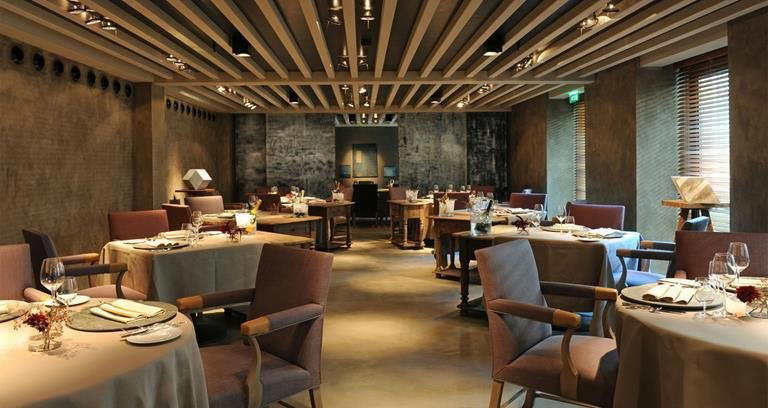
Restaurants in Munich
All restaurants in Munich →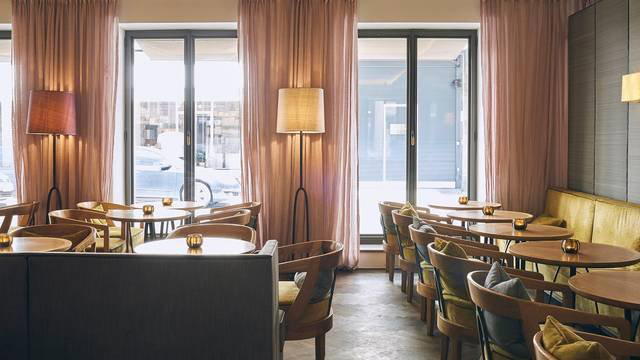
Bars in Munich
All bars in Munich →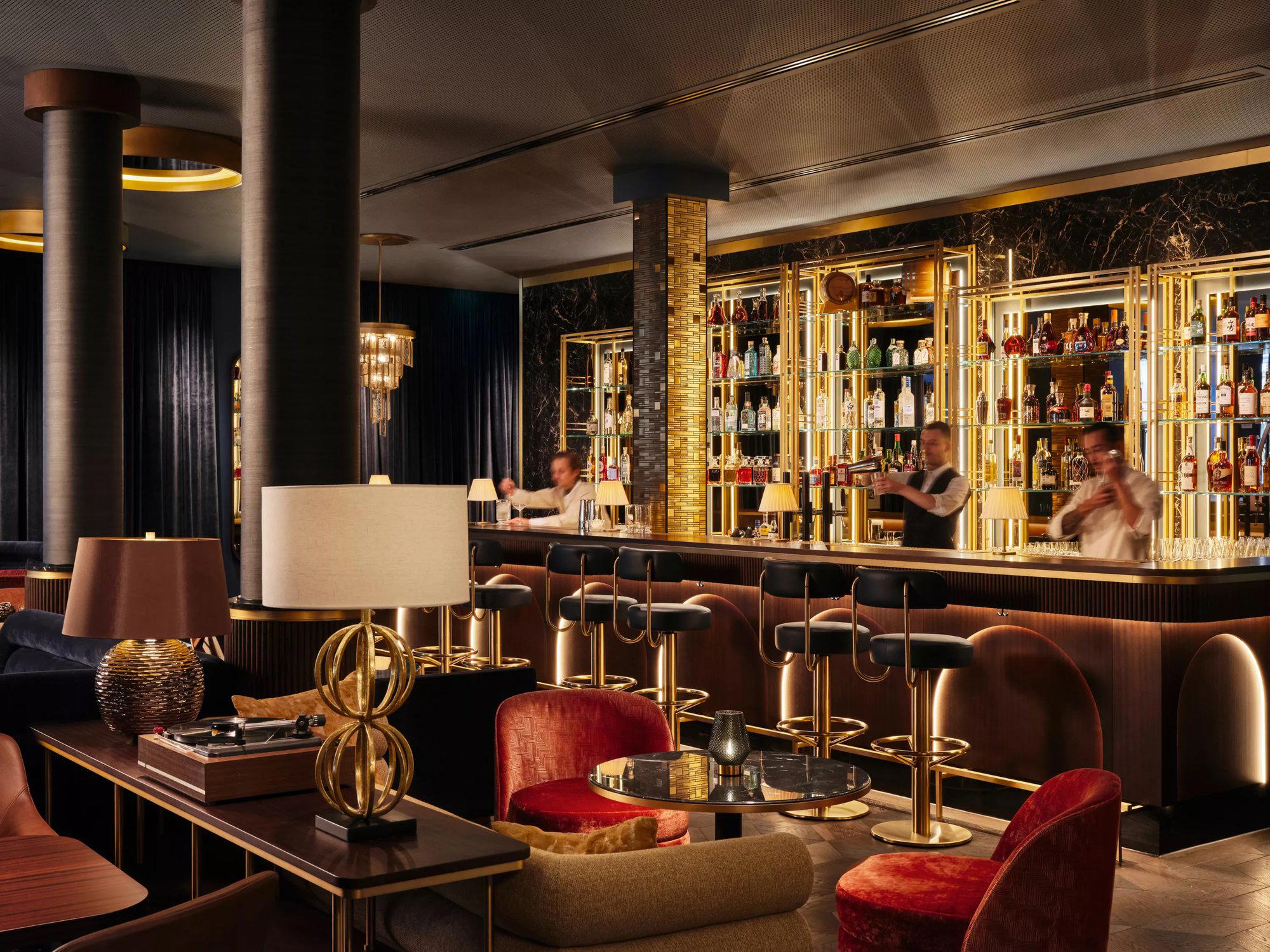
Details
- Cozy
- Lively
- Modern
- Casual Hangout
- Open Kitchen
- Natural Wine
- Small Plates
- A La Carte
- Vegetarian Friendly
- Gluten Free Options
Current opening hours
- Monday
- Closed
- Tuesday
- 12–10 PM
- Wednesday
- 12–10 PM
- Thursday
- 12–10 PM
- Friday
- 12–10 PM
- Saturday
- 12–10 PM
- Sunday
- Closed
Hours can change for holidays and private events. Hours as of .
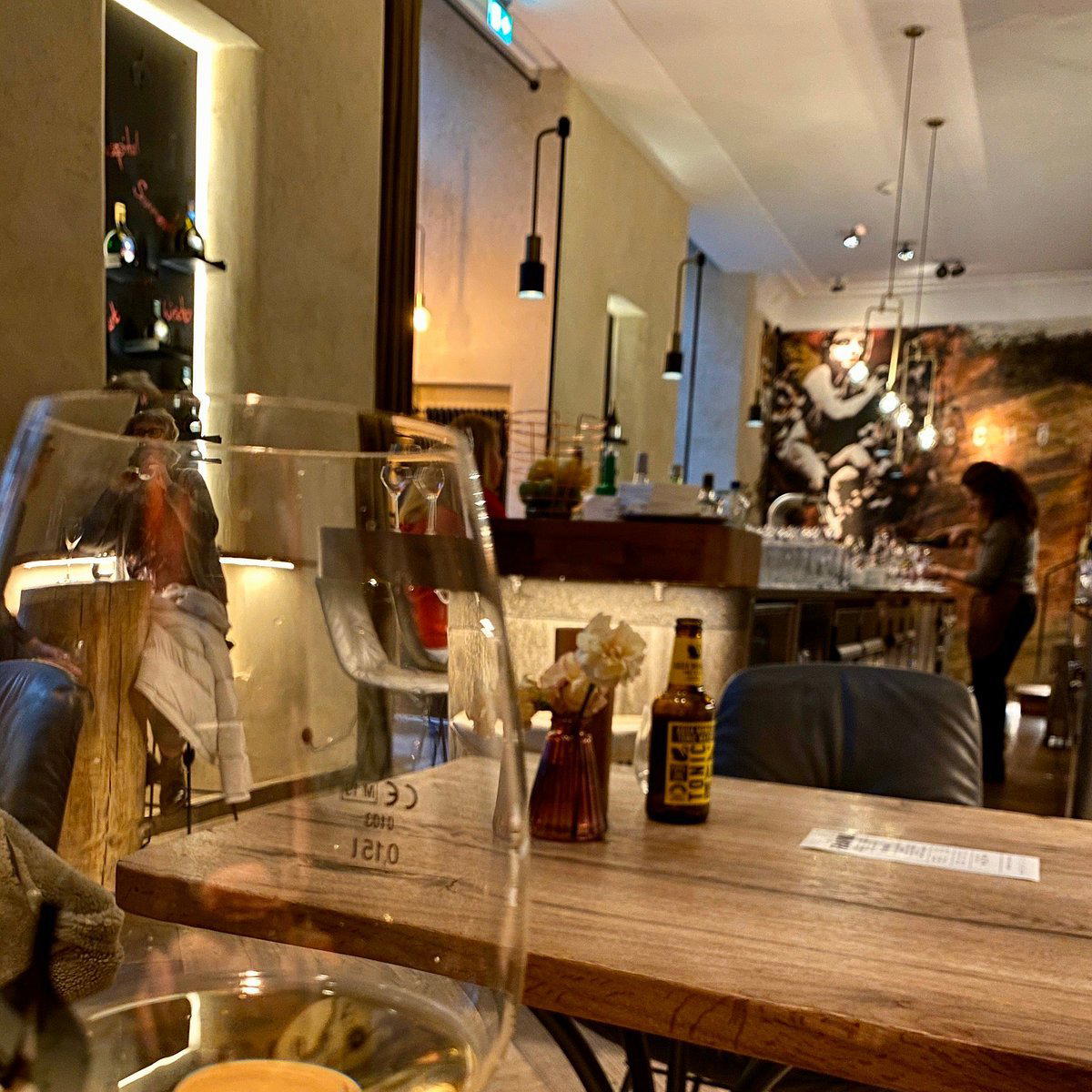
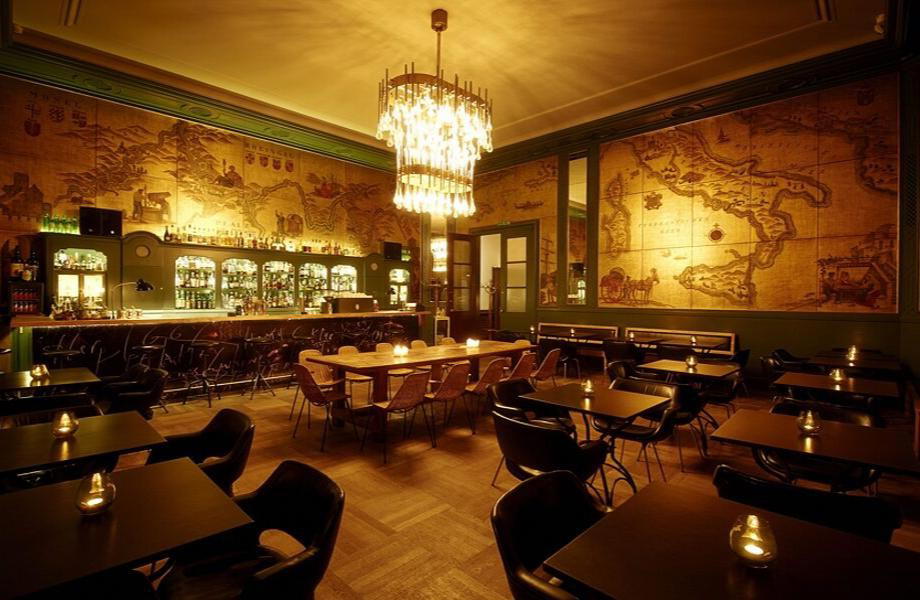
Relaxed and cozy bistro atmosphere, modern inside with simple seating, lively yet peaceful, pleasant outdoor seating without much noise.