Türkitch sits at the intersection of Turkish culinary tradition and contemporary European technique in Munich's Haidhausen district, occupying a position that few restaurants in the city attempt. The address at Humboldstr. 20 places it among a wave of neighbourhood-anchored restaurants redefining what German-Turkish cooking can look like at table. For a city that defaults to French and Japanese as its benchmark fine-dining languages, Türkitch argues a different case.
Pearl is the En Primeur Club membership app — saves, bookings, and concierge access live there. Same editors, same standards.
- Address
- Humboldstr. 20, 81543 München
- Directions
- Get directions
 Saves & bookings on Pearl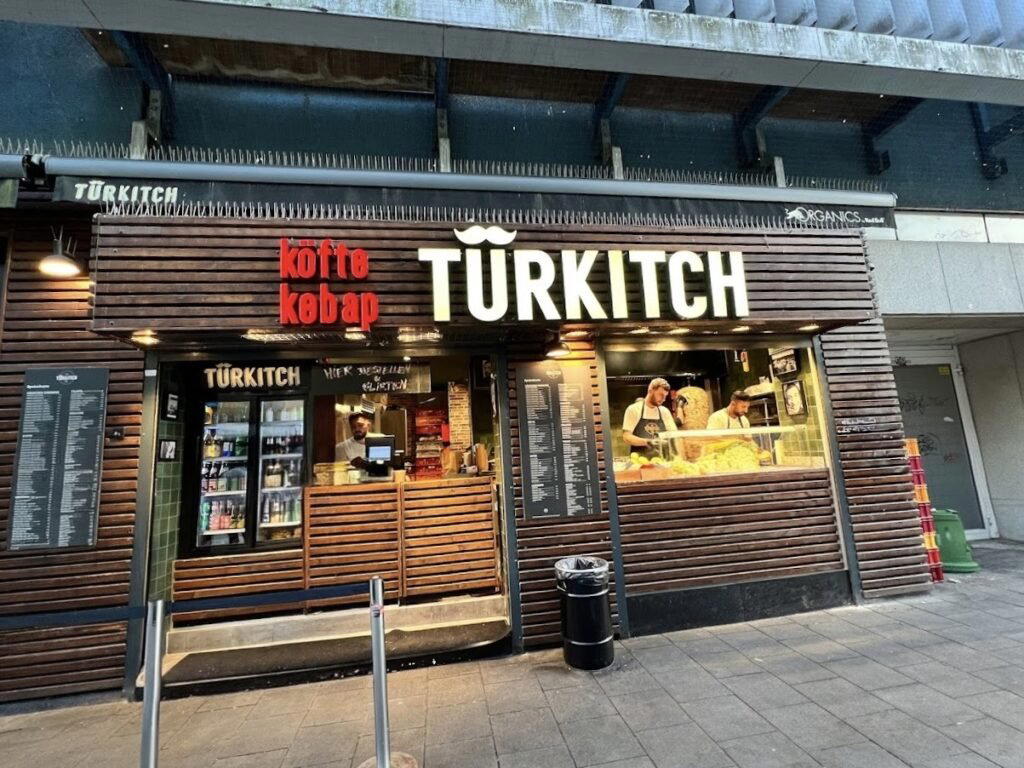
Where Turkish Tradition Meets European Technique in Munich
Türkitch is a Turkish Köfte & Kebap restaurant in Munich at Humboldstr. 20, 81543 München. The city's Michelin-decorated tier reads, with few exceptions, as a survey of those two traditions: Tantris carrying the French Contemporary flag, Tohru in der Schreiberei fusing German and Japanese sensibilities, Atelier working a refined French-creative register, and Alois at Dallmayr pushing creative cuisine with German roots. What the upper tier has not historically done is take Turkish cooking seriously as a source language for ambitious, technique-led work. That is the gap Türkitch occupies at Humboldstr. 20 in Haidhausen.
The Haidhausen neighbourhood, south-east of the Isar, has evolved steadily over the past decade into one of Munich's more interesting dining postcodes. It lacks the Michelin cluster of Maxvorstadt or the institutional weight of Schwabing, but it supports a range of independent restaurants with genuine points of view. Türkitch fits that context: it is not aiming at the formal fine-dining conventions that define the city's starred tier, but it is doing something more considered than the casual Turkish restaurants that Munich has in considerable number. The address announces a middle ground that German cities have struggled to populate, Turkish food taken seriously on its own technical terms.
The Culinary Logic: Anatolian Ingredients, Continental Discipline
The editorial angle that explains Türkitch's position is not fusion in the diluted, everything-goes sense, but something more specific: the application of European kitchen discipline to Anatolian ingredients and structural ideas. This is a pattern visible in serious Turkish restaurants across European capitals, London's Oklava, Amsterdam's Baut, where chefs trained in continental techniques return their attention to the spice logic, fermentation traditions, and protein preparations of Turkey, without either abandoning those roots or simply replicating them. The result tends to be menus where Turkish flavour architecture is treated as a fixed point and method becomes the variable.
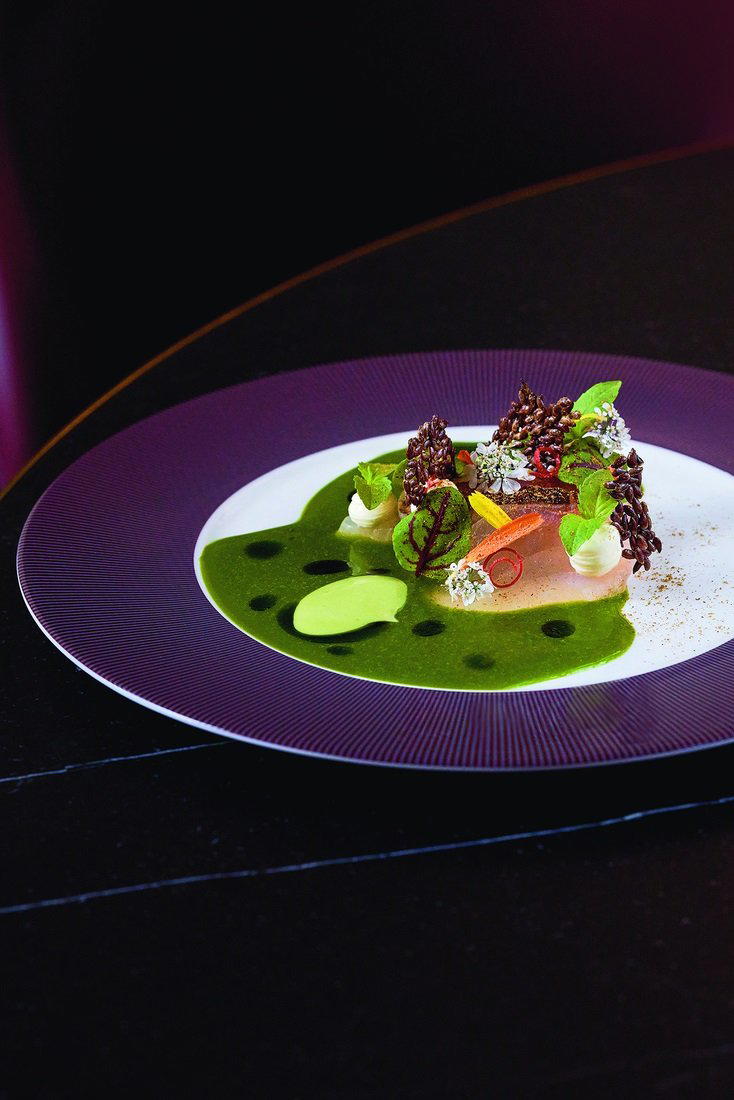
In practical terms, this means dishes where sumac, pomegranate molasses, or dried Urfa pepper appear not as garnish but as structural seasoning, where slow-braising methods associated with Anatolian village cooking are applied with the precision timing of a European brigade, and where the bread course, in Turkish culinary tradition, non-negotiable, is given the same attention as a French house's amuse-bouche sequence. Whether Türkitch executes all of this at the level its concept implies is a question the kitchen must answer course by course; the framework, at minimum, is coherent and underserved in Munich.
For comparison, consider what JAN has done for South African-inflected cooking in Munich: a cuisine with a distinct ingredient vocabulary, brought to a European audience through fine-dining structure without abandoning its source logic. Türkitch is attempting something analogous with Turkish cuisine, in a city where that cuisine has historically been visible only at the street-food and casual end. The ambition is notable; the execution determines whether it belongs in the same conversation.
Turkish Cuisine's Place in Germany's Dining Conversation
Germany has the largest Turkish diaspora outside Turkey itself, approximately three million people of Turkish heritage live in Germany, concentrated in Berlin, Hamburg, and the major Ruhr cities, but present in Munich too. That demographic fact has generated an enormous and varied Turkish food culture at the casual and neighbourhood level, but it has rarely produced ambitious restaurant concepts that bridge traditional Turkish flavour with contemporary dining formats. Berlin has moved furthest in this direction; CODA Dessert Dining in Berlin demonstrates how a German city can host experimental dining that argues a genuine culinary thesis, and the same logic applies to what Türkitch is attempting with a different source cuisine in Munich.
Across Germany's wider fine-dining circuit, from Aqua in Wolfsburg and Vendôme in Bergisch Gladbach to Schwarzwaldstube in Baiersbronn and Victor's Fine Dining by Christian Bau in Perl, the dominant register is French-influenced European with German ingredient emphasis. Regional exceptions exist: Waldhotel Sonnora in Dreis, Schanz in Piesport, ES:SENZ in Grassau. But none of these are drawing on Anatolian traditions as a primary culinary language. That makes the space Türkitch occupies in Germany's broader dining map genuinely sparse.
What to Know Before You Go
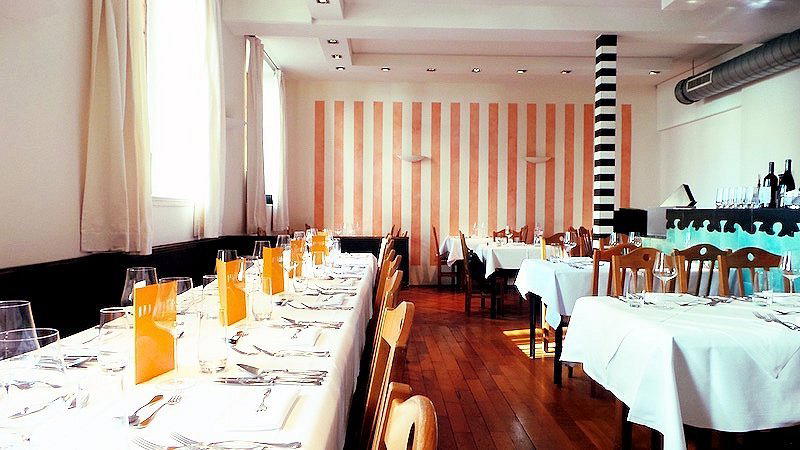
Türkitch is located at Humboldstr. 20, 81543 München, in Haidhausen, reachable by U-Bahn to Max-Weber-Platz or tram connections along Rosenheimer Strasse. The neighbourhood is navigable on foot from the eastern Isar banks. The Haidhausen location means it sits outside Munich's formal fine-dining corridor, which affects atmosphere expectations: this is not the white-tablecloth register of Maximiliansstrasse; it operates in a more neighbourhood-immediate mode.
Internationally, the closest conceptual peers include Atomix in New York City, which does something similar for Korean cuisine, and the broader movement that Le Bernardin in New York City helped establish: that a non-French culinary tradition, treated with absolute seriousness and technical discipline, can occupy the highest tier of contemporary dining. Restaurant Haerlin in Hamburg and Bagatelle in Trier represent other points on Germany's fine-dining spectrum. Türkitch argues for a different point on that spectrum altogether.
Just the Basics
Comparable venues nearby, for context on price, style, and recognition.
| Venue | Cuisine | Price | Notes |
|---|---|---|---|
| TürkitchThis venue — the venue you are viewing | Maxvorstadt, Turkish Köfte & Kebap | $$ | Not listed |
| Restaurant Keko | Au, Authentic Turkish & Mediterranean | $$ | Not listed |
| DJANGO'S | Giesing, Turkish Döner Kebab | $ | Not listed |
| Ali Bey Restaurant | Schwabing, Authentic Turkish Fine Dining | $$ | Not listed |
| Hans Kebab | Freimann, Premium Turkish Döner Kebab | $$ | Not listed |
| Café Münchner Freiheit | Not listed | $$ | Schwabing, Traditional German Bakery Café |
Continue exploring
More in Munich
Restaurants in Munich
Browse all →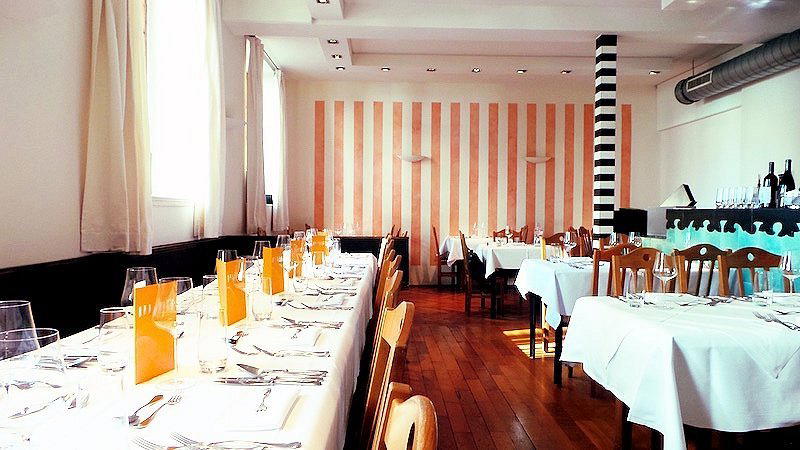
At a Glance
- Trendy
- Cozy
- Casual Hangout
- Open Kitchen
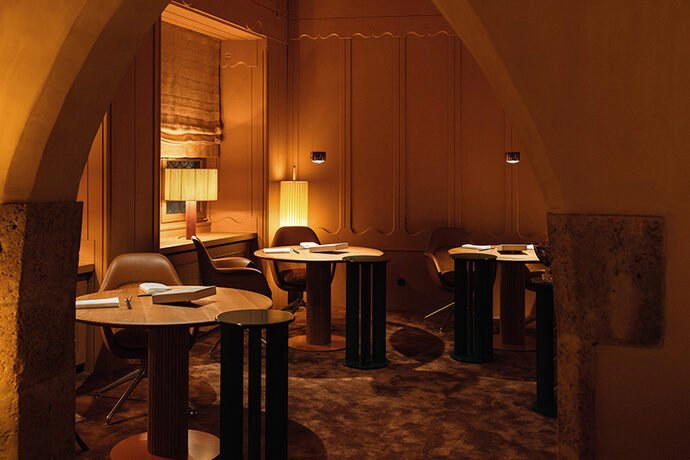
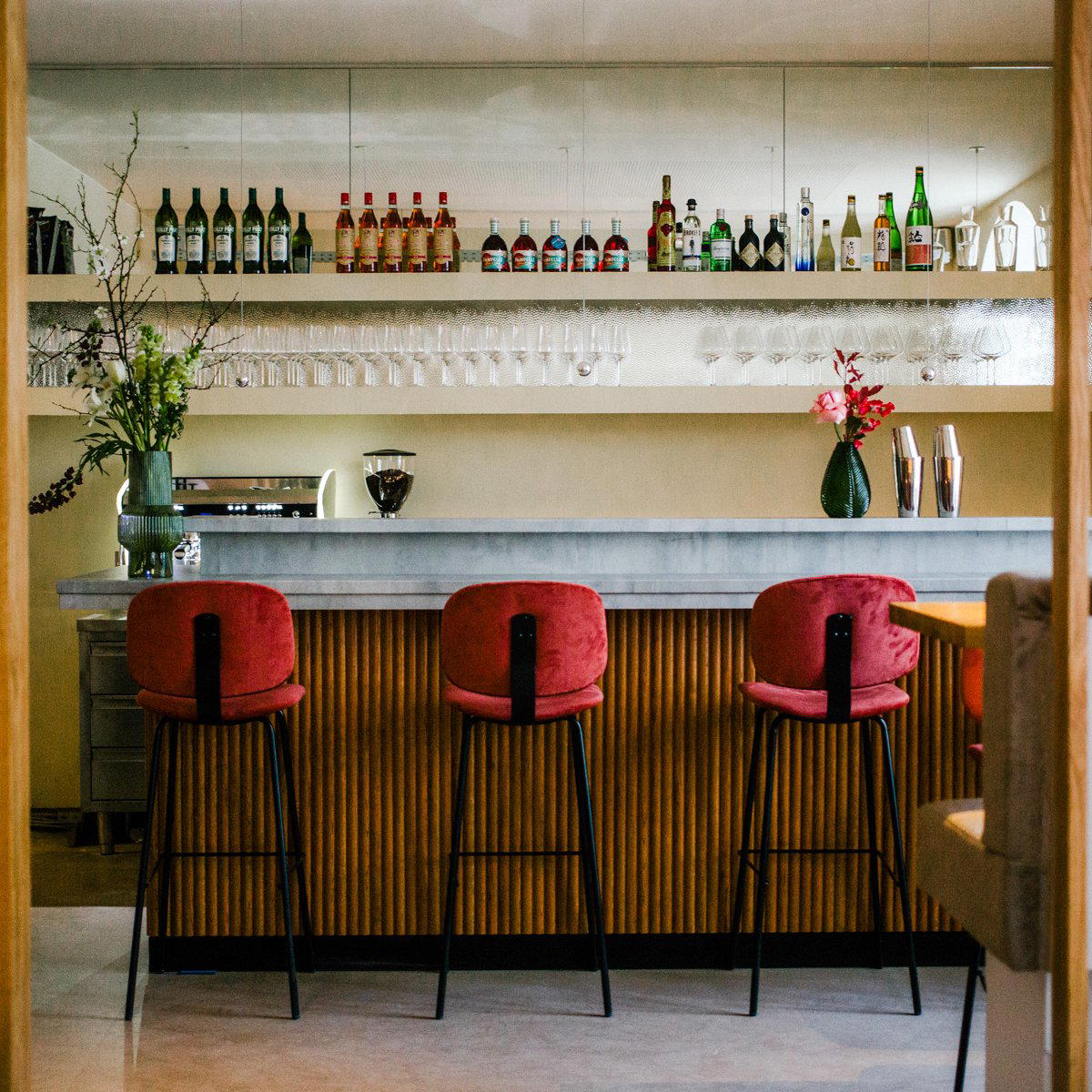
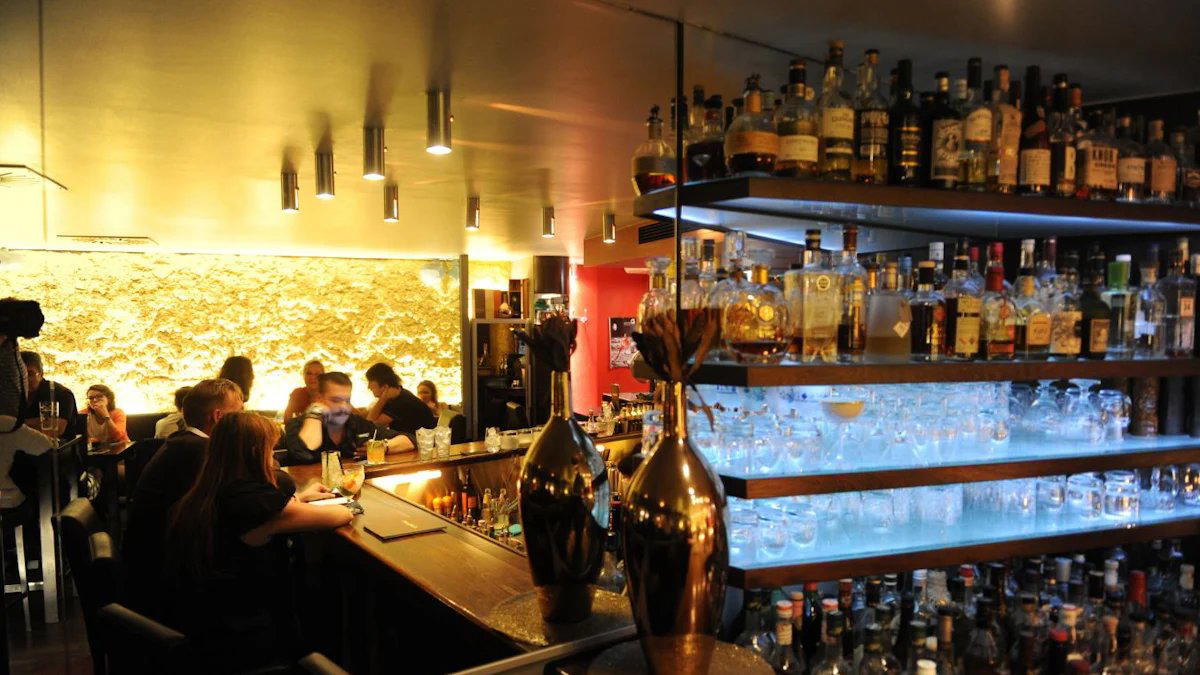
Casual fast-food atmosphere with limited indoor and outdoor seating in a bustling neighborhood setting.