Located on Rosenheimer Strasse in Munich's Haidhausen district, Zen Panasia Cuisine sits at the quieter end of the city's Asian dining scene, away from the tourist-facing spots around Marienplatz. The restaurant draws on pan-Asian cooking traditions, positioning itself in a Munich market where European fine dining still dominates and serious Asian kitchens occupy a distinct, smaller niche.
Pearl is the En Primeur Club membership app — saves, bookings, and concierge access live there. Same editors, same standards.
- Address
- Rosenheimer Str. 6, 81669 München, Germany
- Phone
- +498915888698
- Website
- zen-munich.de
- Directions
- Get directions
 Saves & bookings on Pearl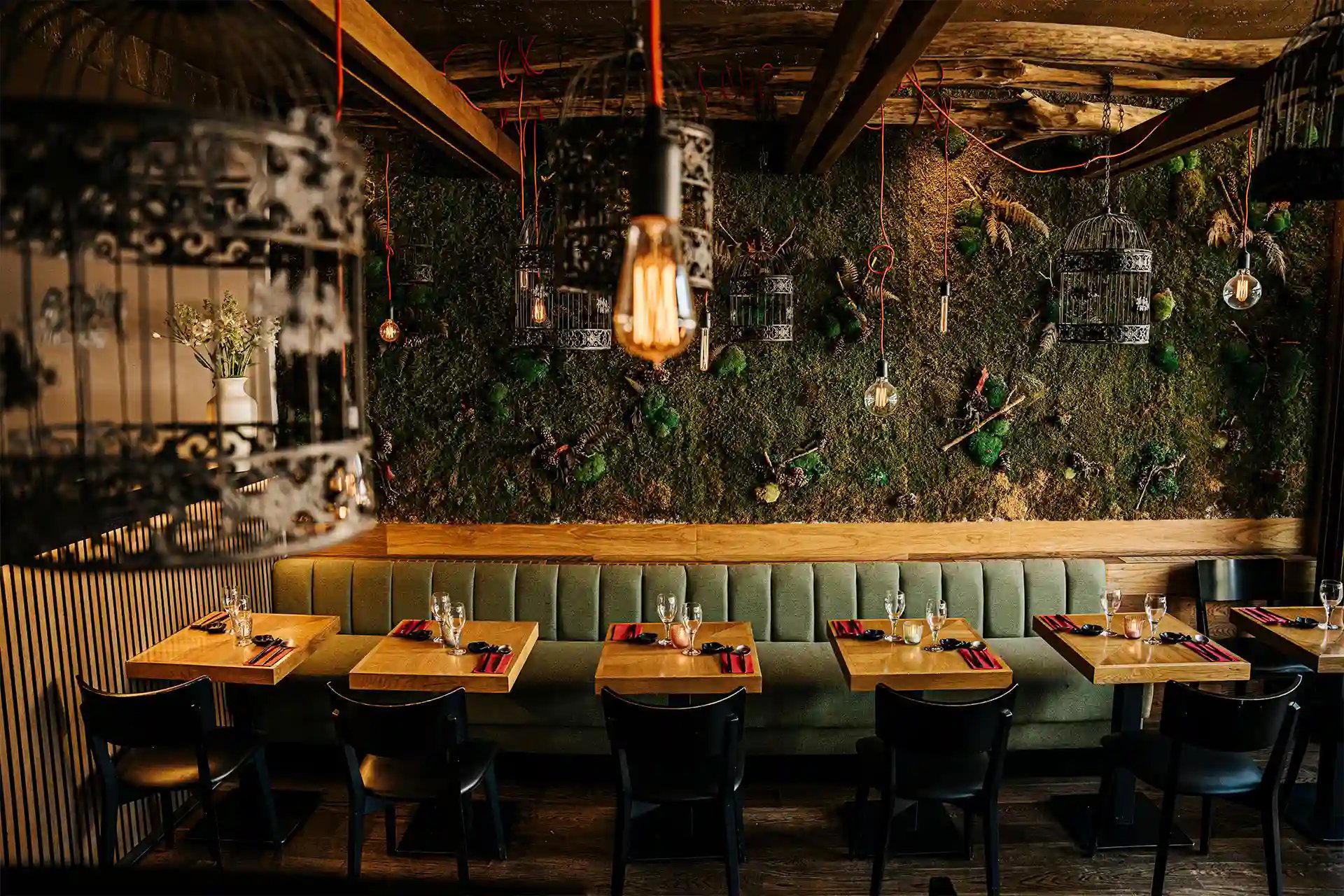
Pan-Asian Cooking in a City Built on Bavarian Tradition
Munich's restaurant scene has long been defined by the gravity of its own regional cooking. Weisswurst, schnitzel, and the rituals of the beer hall have given the city a culinary identity so coherent that international cuisines often exist at the margins, serving specific communities or newer demographic arrivals rather than the fine dining mainstream. Against that backdrop, pan-Asian cooking occupies a genuinely different position here than it would in Hamburg or Berlin, where port history and Cold War division created more porous cultural boundaries. In Munich, Asian restaurants that move beyond delivery-format Chinese or Japanese conveyor-belt sushi tend to cluster in Haidhausen and Schwabing, the districts where younger professional populations and expat communities have shifted the demand curve.
Zen Panasia Cuisine is a Pan-Asian Sushi restaurant at Rosenheimer Str. 6, 81669 München, Germany, in Munich's Haidhausen quarter east of the Isar, a neighbourhood whose character has moved considerably over the past two decades from working-class residential to a mixed area of cafes, independent restaurants, and design studios. That address places it within reach of Gasteig and the Deutsches Museum, giving the surrounding streets a foot traffic mix of locals, students, and culturally-inclined visitors that differs from the tourist-weighted centre.
The Pan-Asian Premise: What It Means in Practice
Pan-Asian as a restaurant category carries a complicated reputation. At its worst, it is a commercial shortcut, a menu that assembles Thai curries, Japanese sushi, Vietnamese pho, and Korean bibimbap without meaningful command of any tradition. At its leading, it reflects a genuine conversation between techniques and ingredients that share geographical proximity but diverge sharply in flavour logic. The distinction between those two approaches is visible in the detail: whether the rice is calibrated differently for Japanese and Southeast Asian preparations, whether the spice balance in a Thai dish respects coconut milk chemistry rather than simply sweetening heat, whether umami is built through fermentation or through stock reduction depending on the dish's origin.
Within Munich's Asian dining offer, this category sits apart from the city's most credentialled Japanese addresses, which tend toward omakase-adjacent formats or high-end sushi counters drawing on Japanese technique with German produce. It also differs from the city's Southeast Asian specialists. A pan-Asian kitchen has to answer a harder question than a single-country restaurant: which traditions are being honoured at depth, and which are being referenced lightly? That editorial question is what separates pan-Asian venues that build sustained reputations from those that cycle on novelty.
For context on where serious Asian cooking has pushed boundaries in Germany, Atomix in New York City and Tohru in der Schreiberei in Munich itself demonstrate what happens when Asian culinary lineage is applied with fine dining rigour. Tohru's Modern German-Japanese approach, at the €€€€ tier, shows that Munich has appetite for Asian-inflected cooking at the highest price points when the craft is evident. Zen Panasia operates in a different register, but the presence of that tier in the same city sets the standard against which any serious Asian kitchen in Munich is implicitly measured.
Where Zen Panasia Sits in Munich's Broader Dining Picture
Munich's fine dining core is dominated by European kitchens. Tantris and Atelier anchor the Modern French and Creative French traditions at the €€€€ level. Alois - Dallmayr Fine Dining and JAN extend the Creative category with different price and format propositions. That peer group tells you something important about where Munich's hospitality investment has historically flowed: toward European traditions, French technique, and locally-rooted German produce.
Asian restaurants that hold sustained reputations in this market tend to do so by specialising rather than ranging widely. Across Germany more broadly, the addresses that have earned significant recognition, from Aqua in Wolfsburg to Vendôme in Bergisch Gladbach, have achieved it through specificity and sustained craft, not breadth of offer. That context is worth holding when thinking about what a pan-Asian address needs to do to earn long-term standing in a German dining market that rewards depth of focus.
For those building a broader German dining itinerary, the country's range is considerable: Schwarzwaldstube in Baiersbronn, Waldhotel Sonnora in Dreis, Schanz in Piesport, Bagatelle in Trier, Restaurant Haerlin in Hamburg, Victor's Fine Dining by Christian Bau in Perl, ES:SENZ in Grassau, and CODA Dessert Dining in Berlin each represent distinct regional and conceptual approaches. Munich's own scene is documented fully in our full Munich restaurants guide.
Planning Your Visit
Haidhausen is accessible from the city centre by S-Bahn and U-Bahn, with Rosenheimer Platz the nearest major interchange. The address on Rosenheimer Strasse places it within walking distance of the Gasteig cultural centre, making it a practical choice for dinner before or after an evening programme there. The neighbourhood has enough independent restaurant density that the area rewards arriving early to explore on foot before a booking.
For context on the Haidhausen dining tier generally, the neighbourhood sits in a mid-range bracket, below the €€€€ fine dining addresses of Maxvorstadt and the Altstadt, which means it tends to attract a more relaxed, neighbourhood-regular clientele than the formal tasting-menu circuit.
Price and Positioning
Comparable venues nearby, for context on price, style, and recognition.
| Venue | Cuisine | Price |
|---|---|---|
| Zen Panasia CuisineThis venue — the venue you are viewing | Au, Pan-Asian Sushi | $$ |
| Maisha's Kitchen | Giesing, Latin American Fusion | $$ |
| Malva | Haidhausen, Modern Seasonal Fusion | $$$ |
| Magari by Geisha | Haidhausen, Modern Asian Fusion | $$$ |
| ONE Nation Immortl | Haidhausen, Healthy Fusion Cafe | $$ |
| MAUI | Lehel, Hawasian & Vietnamese Fusion | $$ |
At a Glance
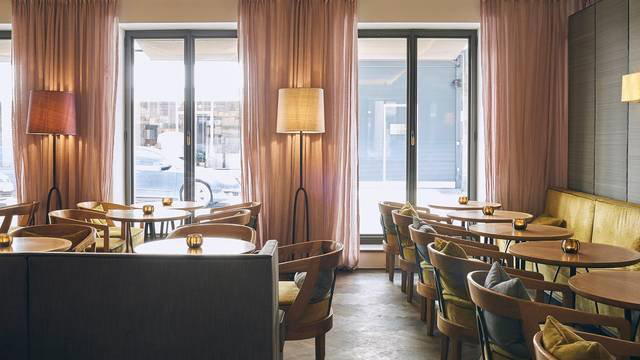
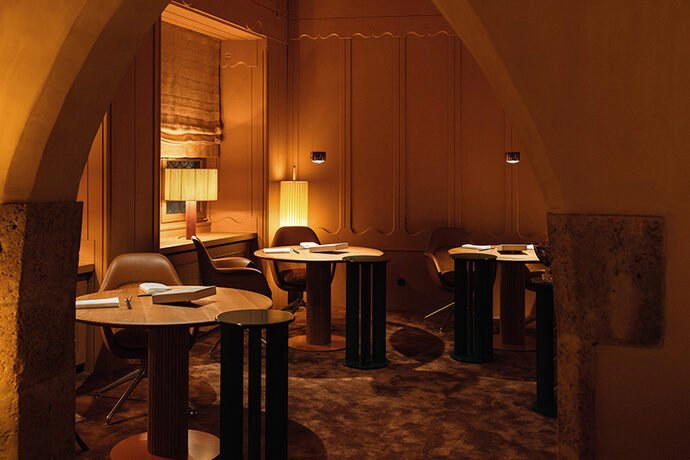
- Cozy
- Modern
- Casual Hangout
- Date Night
Current opening hours
- Monday
- 11:30 AM–3 PM, 5:30–11 PM
- Tuesday
- 11:30 AM–3 PM, 5:30–11 PM
- Wednesday
- 11:30 AM–3 PM, 5:30–11 PM
- Thursday
- 11:30 AM–3 PM, 5:30–11 PM
- Friday
- 11:30 AM–3 PM, 5:30–11 PM
- Saturday
- 4–11 PM
- Sunday
- 12:30–10:30 PM
Hours can change for holidays and private events. Last verified .
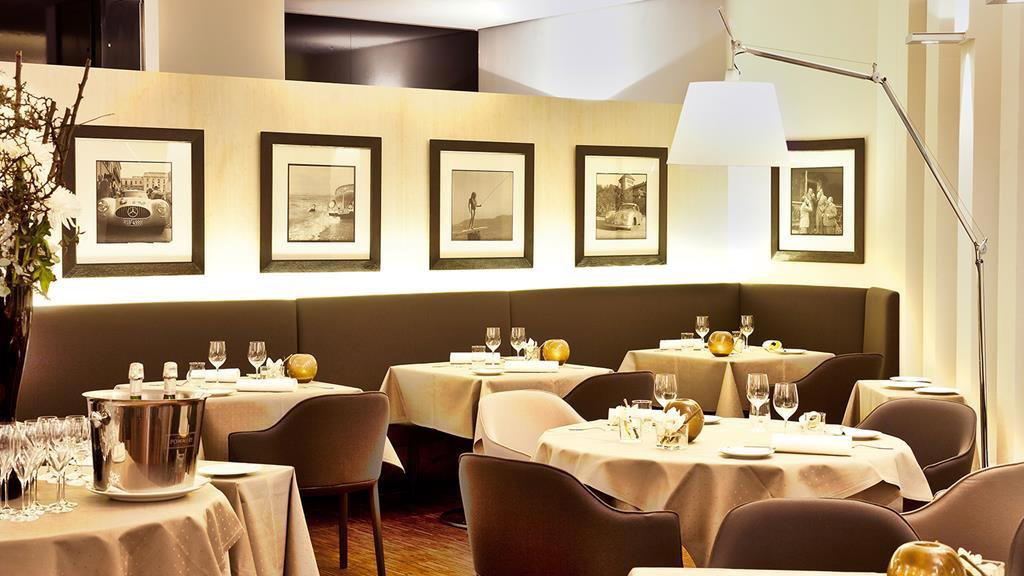
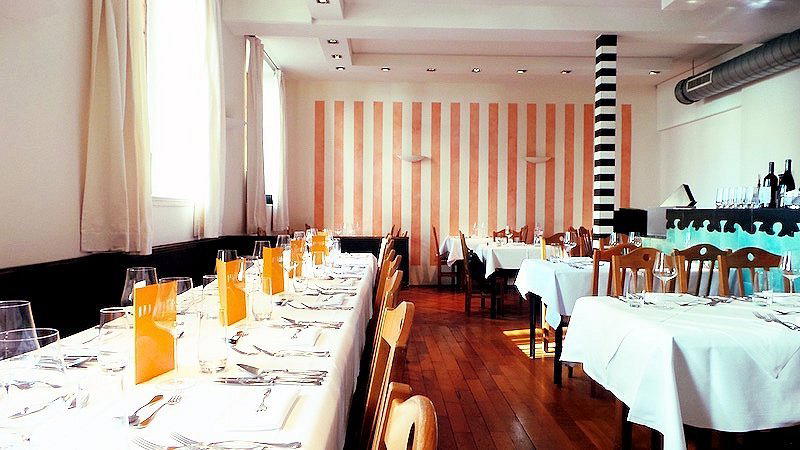
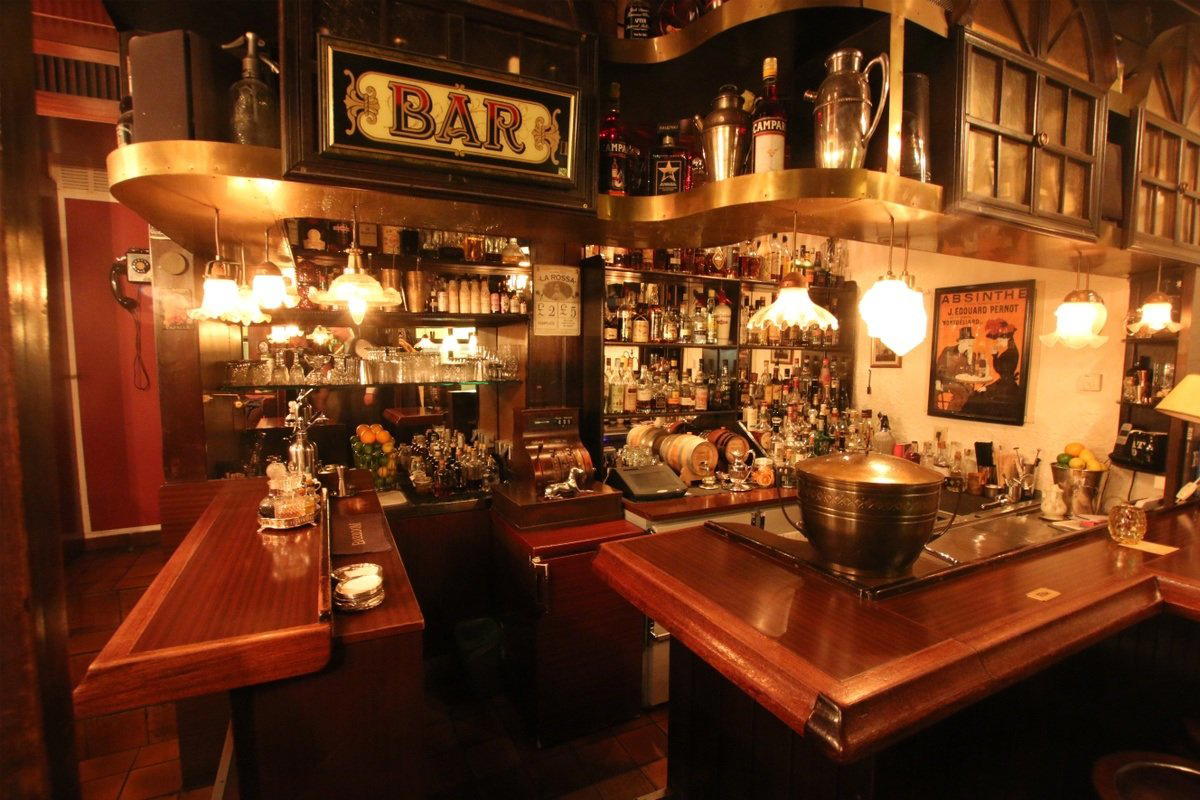
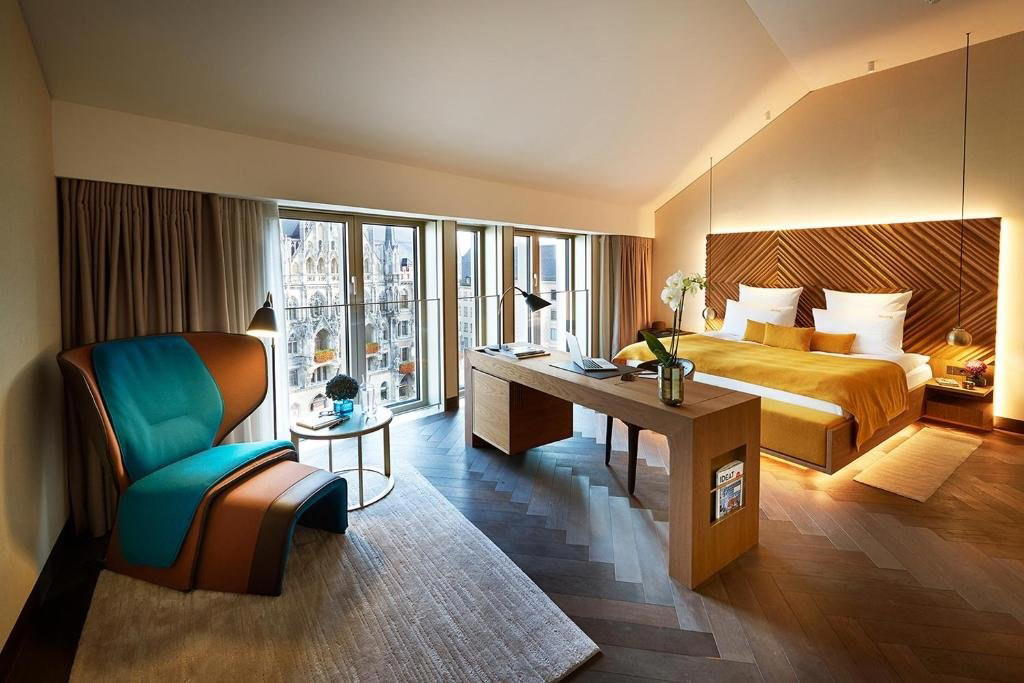
Cozy and comfortable with nice interior decor, relaxed atmosphere.