
Tabelog 100 #8
Our verdict
Kyoto’s French dining scene has moved beyond old hotel formality into smaller rooms where technique meets local rhythm. RESTAURANT hidamarino fits that shift: a 16-seat French and creative restaurant in Shimogyo-ku, selected for Tabelog French WEST 100 in 2025 and 2023, with a fish-conscious kitchen and a wine-led drinks program.

Pearl is the En Primeur Club membership app, where members save venues, book tables and use the concierge.
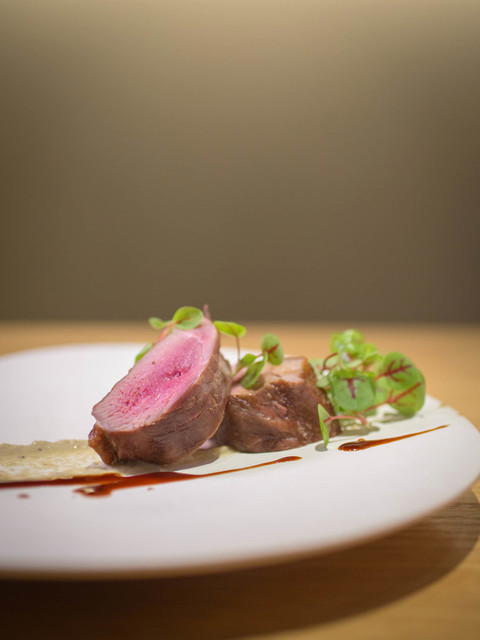
The menu
What to order
- Seasonal Japanese-Western course menu
- Garlic and tomato-rubbed baguette (HANAKAGO baguette preparation)
Kyoto’s appeal is not theatrical. Across the city, office blocks, department-store corridors, temple lanes and attentive restaurants sit close together. Here, French dining has taken a quieter route than in Tokyo or Osaka: fewer grand claims, more compact-feeling rooms, and a stronger pull toward seasonality, restraint and Kyoto service.
RESTAURANT hidamarino fits that newer Kyoto category. It is French by classification and creative by temperament, a restaurant in a city where Western technique has long been absorbed into local dining rather than staged as foreign display. Its 2025 Tabelog Hyakumeiten recognition gives it a clear place in the Kansai French conversation, but the sharper point is what that recognition says about the category: Kyoto’s serious French rooms are judged not only by Parisian fidelity, but by restraint, scale and how convincingly they sit inside the city.
Kyoto French, after the era of grand-room formality
French restaurants in Kyoto once leaned on occasion dining: hotel rooms, anniversary tables, polished service and set-piece luxury. That model remains, but the sharper energy now sits in smaller restaurants where room, menu and service operate with less ceremony. Kyoto diners know counter culture from sushi, tempura and kappo, so close attention and a visible sense of pacing do not feel novel; they feel adapted to local expectations.
That is where hidamarino’s format matters. It reads closer to a Kyoto specialist restaurant than to a conventional brasserie or hotel French room. A contained dining room changes French cooking: pacing becomes personal, the menu can feel responsive, and the gap between kitchen and guest narrows. In Kyoto, that intimacy is not a luxury flourish. It is how serious dining often functions.
The restaurant’s French and creative classification also aligns with a broader Kansai preference for adaptation over display. Kyoto fine dining depends on surrounding supply lines, deep seasonal habits and a tradition of treating ingredients with precision. French technique gives structure, but the restaurant’s Kyoto identity comes from restraint, balance and a rhythm that suits the city rather than copying a grand-restaurant template.
For a Kyoto comparison, 3TOKU6MI Shijo karasuma ten sits in the same broader city conversation at a different spend, while other Kyoto dining rooms point to the city’s wider appetite for restaurants with local regulars rather than tourist pageantry. The contrast matters: Kyoto supports both everyday dining and serious small rooms, often within the same trip.
A small room with restraint, counter culture and less Kyoto cliché
The strongest reason to read hidamarino as part of Kyoto’s current dining evolution is its refusal of the visitor’s easiest fantasy. This is not lantern drama or temple-view kaiseki theatre. It is an urban Kyoto restaurant, where lunch, business meals, family occasions and considered dinners can coexist without the room becoming anonymous.
The restaurant’s identity sits with its French and creative category rather than with a rigid imitation of old European formality. In this tier of Kyoto dining, the appeal is often the way technique, pacing and service distinguish the meal from kappo and washoku while still feeling compatible with the city. That combination gives the room more flexibility than a purely ceremonial special-occasion restaurant, even though its recognition places it in a serious bracket.
Kyoto restaurant formality is also changing. The city can be exacting, but not every respected table requires grand-restaurant choreography. A serious French room asks for attention: arrive on time, follow the restaurant’s format, and treat the meal as paced dining rather than a quick stop between sightseeing and a train. The tone is best understood as focused rather than ostentatious, with local usefulness as important as visitor appeal.
That usefulness often separates a restaurant with recognition from one that holds its place in Kyoto. Awards can bring visitors, but the city’s dining culture is not sustained by visitors alone. Restaurants in Kyoto survive by serving residents, office diners, repeat guests and travelers who understand that the city is not only a sightseeing corridor. It is a working dining district.
How to place it in a Kyoto itinerary
Hidamarino works for travelers who want Kyoto French without turning the meal into a theatrical statement. It can fit naturally into a city itinerary built around shopping, hotels, museums, temples and taxis rather than a single destination neighborhood. For hotel planning here, Our full Kyoto hotels guide is the more relevant companion than a temple-district itinerary; for after-dinner drinking, Our full Kyoto bars guide maps the city’s quieter cocktail and wine rooms.
As a dining decision, this is not the obvious pick for Kyoto’s traditional cuisine in its purest form. Washoku Haru, from the comparison set, belongs to another lane, and Kiu or Izugen point toward different forms of serious Kyoto dining rather than French technique. Hidamarino makes more sense for a second or third Kyoto meal, after a more traditional or counter-led obligation, when the question becomes how contemporary Kyoto absorbs outside forms. The answer here is measured: French structure, creative classification, small-room seriousness and a Kyoto setting grounded in the city’s daily life.
For broader context, Our full Kyoto restaurants guide covers the city’s range, from sweets traditions to casual anchors and contemporary rooms. Readers comparing Japan dining beyond Kyoto can widen the lens with other unnamed dining rooms across the country, from regional specialists to casual city restaurants. For adjacent planning, see Our full Kyoto experiences guide and Our full Kyoto wineries guide, plus broader references for Japanese-leaning dining overseas.
Frequently asked questions
Is RESTAURANT hidamarino formal or casual?
It reads as a focused Kyoto dining room rather than a formal grand-room French restaurant. The venue is classified as French and creative, with a measured style that suits serious dining without heavy ceremony.
Is RESTAURANT hidamarino expensive?
Pricing at RESTAURANT hidamarino is listed as Dinner: JPY 10,000 - JPY 14,999; Lunch: JPY 8,000 - JPY 9,999.
What's RESTAURANT hidamarino's location?
Kyoto.
How far ahead should I plan for RESTAURANT hidamarino?
With Tabelog Hyakumeiten 2025 recognition and a listed score of 3.70, planning ahead is sensible for a Kyoto lunch or dinner slot.
Side-by-Side Snapshot
Comparable venues by price and recognition.
| Venue | Cuisine | Price | Awards | Notes |
|---|---|---|---|---|
| RESTAURANT hidamarinoThis venue (the venue you are viewing) | Modern French in central Kyoto | $30–50 | Tabelog 100 #8 | Not listed |
| Briant Kitayama honten | Bakery café and casual French bistro | $20–30 | Tabelog 100 #8 | Kita |
| Chez Moi | French Fine Dining | $50–100 | Tabelog 100 #11 | Nakagyō |
| Canele | French Café / Canelé Shop | Not listed | Tabelog 100 #2 | Nakagyō |
| LA VOITURE | French Patisserie Cafe | $10–20 | Tabelog 100 #2 | Sakyō |
| Din Tai Fung (鼎泰豊) | Taiwanese Dim Sum | $20–30 | Not listed | Shimogyo-ku |
Recognition history
Dated appearances from independent guides and award organizations, with the underlying list record or original source where available.
Tabelog 100 #8 · No. 8
Tabelog · Tabelog 100 - French - WEST - 2025
Continue exploring
More in Kyoto
Restaurants in Kyoto
All restaurants in Kyoto →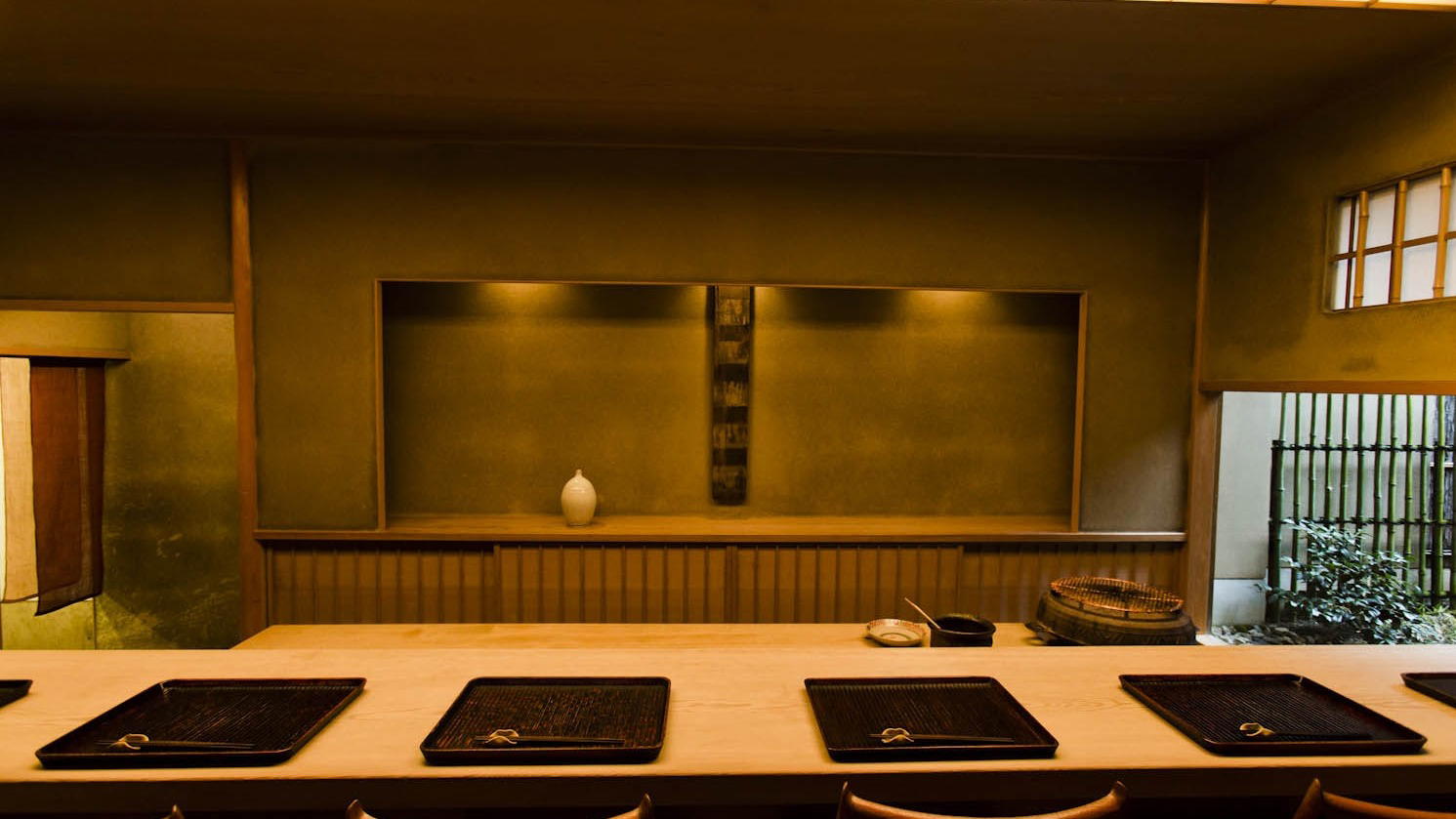
Bars in Kyoto
All bars in Kyoto →
Hotels in Kyoto
All hotels in Kyoto →
Wineries in Kyoto
Browse all →
Details
- Cozy
- Modern
- Intimate
- Date Night
- Business Dinner
- Celebration
- Special Occasion
- Group Dining
- Solo
- Standalone
- Design Destination
- Extensive Wine List
- Local Sourcing
- Tasting Menu
- A La Carte
- Set Menu
- Wine
- Sake
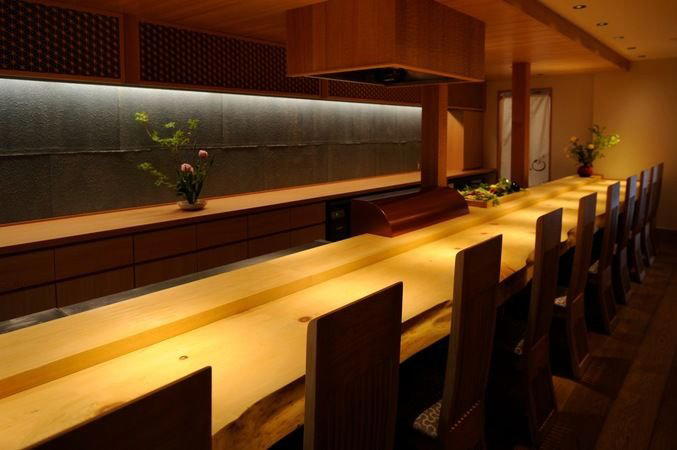
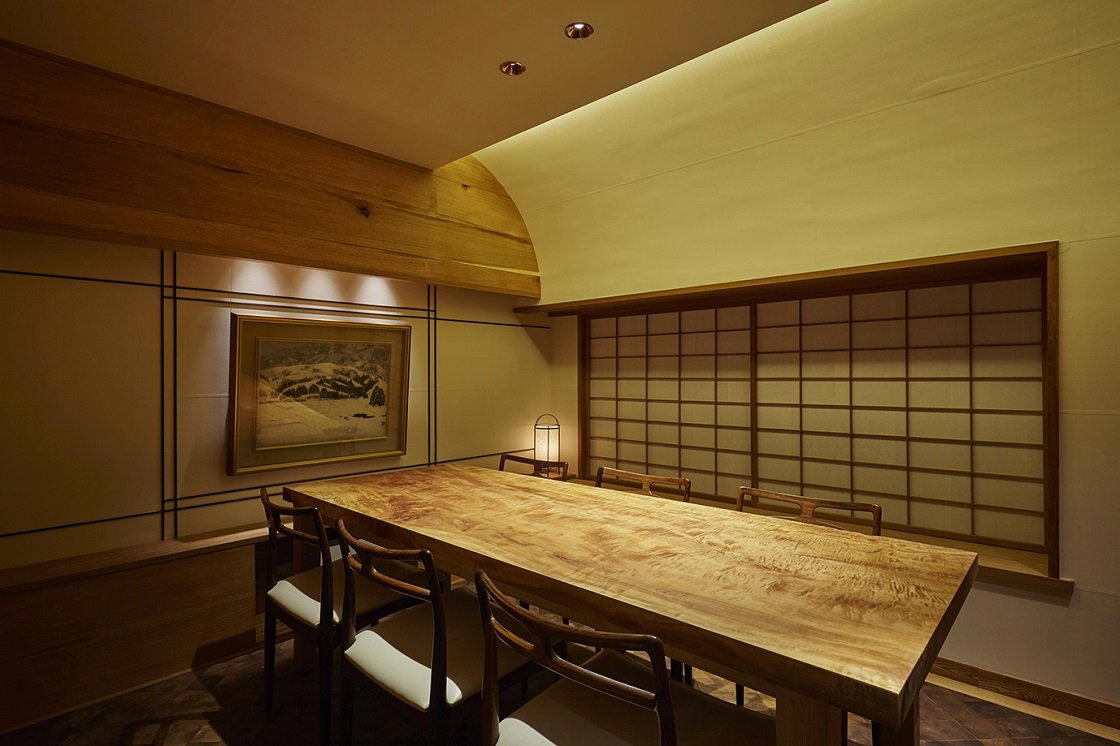
Reviews describe a warm, modern and clean dining room with a relaxed, friendly atmosphere; lighting appears soft rather than dim, giving an intimate but not formal feel that suits both couples and small groups.