
Tabelog 100 #8
Our verdict
Briant Kitayama honten places Kyoto’s northern bread culture in a quieter register than the city’s kaiseki and temple-district dining circuits. The bakery-cafe-bistro format, Tabelog Bread WEST “Tabelog 100” selections in 2020 and 2022, and family-friendly setup make it a useful counterpoint to central Kyoto’s reservation-led restaurant scene.

Pearl is the En Primeur Club membership app, where members save venues, book tables and use the concierge.
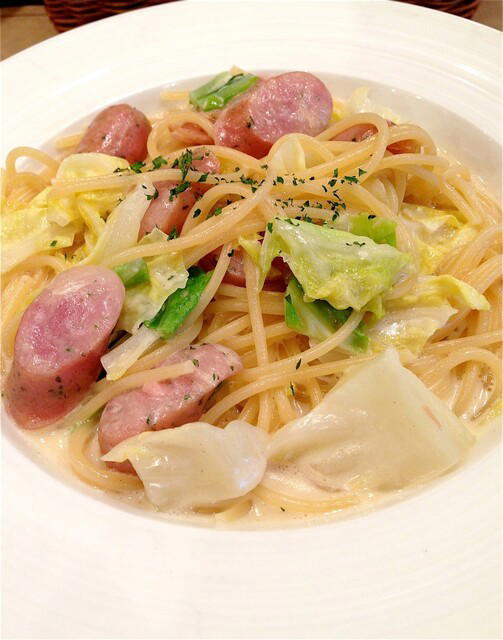
Kitayama changes Kyoto dining’s rhythm. North of denser shopping corridors and evening restaurant clusters, the city opens into broader streets, residential routines, and a morning economy that rewards bakeries as much as formal dining rooms. Bread in Kyoto is not a side note: it sits alongside coffee shops, department-store counters, French-influenced patisseries, and neighborhood bakeries as part of the city’s daily food grammar. Briant Kitayama honten fits that register, using a bakery, cafe, and bistro format to give bread the role usually reserved for a meal’s main event.
The reputation signal is specific rather than inflated. Selection for Tabelog Bread WEST “Tabelog 100” in 2020 and 2022 places the shop inside western Japan’s competitive bread conversation, a category often more exacting than visitors expect. Kyoto’s international dining image still leans toward kaiseki counters, wagashi houses, and refined tea culture, but its bread scene has its own audience: commuters before work, families after school, and travelers who understand that breakfast can reveal a city as clearly as dinner.
Kitayama bread culture, measured by repeat recognition
A Tabelog Hyakumeiten selection separates a bakery from the long tail of competent neighborhood shops. Bread WEST covers a region with deep bakery density, from Kyoto and Osaka to other parts of western Japan, so repeat selection in 2020 and 2022 is a useful shorthand for consistency. It does not make the place a luxury restaurant, nor should it. The appeal is grounded: a bread-led address with enough range for breakfast, takeaway, cafe use, and a casual bistro meal.
That range gives the format value in Kyoto. Travelers often over-plan dinners, then leave breakfast to hotel buffets or convenience stores. Kitayama offers another model: a neighborhood stop between temple routes, garden visits, and a slower northern Kyoto itinerary. Compared with central entries such as 3TOKU6MI Shijo karasuma ten, 551蓬莱, [ki:], and Abbesses, the point is not a late reservation or chef-driven tasting format, but the quieter discipline of a bakery that can carry several parts of the day.
Within northern Kyoto, the comparison set is local and revealing. Marie France Kitayama ten and Radio Bagel sit in the lower everyday-spend band, while Kawabata Doki occupies a different traditional sweets register. Aburi Mochi Honke Nemoto Kazariya adds another old Kyoto texture nearby, built around a specific confection rather than a bread-and-cafe rhythm. Against that group, Briant Kitayama honten reads as a broader-format bakery with enough critical recognition to justify a deliberate detour, not just a convenient pastry stop.
A bakery-cafe-bistro rather than a single-purpose counter
Kyoto’s stronger casual addresses often work because they are precise about use. Some are built for a single item, some for a narrow lunch window, some for takeaway. This one covers more ground without becoming vague: bread anchors the identity, while the cafe and bistro categories make it viable for seated meals and longer pauses. That matters in Kitayama, where the neighborhood does not depend on the compressed tourist turnover of Gion, Shijo, or Kyoto Station.
The room is not framed as a temple of scarcity. It is non-smoking and family-friendly, with children welcome, private rooms unavailable, and private use available, placing it closer to the city’s daily social fabric than Kyoto’s hushed special-occasion circuit. Wine is part of the drinks profile, and takeaway is part of the service model. These details point to an address that can handle multiple guest behaviors: a local buying bread, a small group sitting down, or a traveler using breakfast as a practical anchor before moving north or back toward the subway.
There is useful restraint in what to expect. This is not a venue for a chef biography, named signature dish, or ceremonial service arc. The evidence supports a different reading: category breadth, repeat Tabelog recognition, and a location that broadens the Kyoto food map beyond the usual temple-adjacent lunch and central-city dinner patterns. For travelers building a fuller itinerary, pair it mentally with the city’s more formal restaurant research in Our full Kyoto restaurants guide, then use Our full Kyoto hotels guide, Our full Kyoto bars guide, Our full Kyoto wineries guide, and Our full Kyoto experiences guide to keep the day from becoming one long transit plan.
How to place it in a Kyoto itinerary
The sharper editorial use is morning or early-day dining, especially for visitors staying north or planning time around Kitayama and Kyoto’s upper reaches. Bread shops reward timing more than ceremony: arrive with flexibility to let the selection dictate the meal, then decide whether the visit is takeaway, cafe break, or seated bistro-style pause. The price positioning belongs to Kyoto’s accessible casual tier, which makes the award recognition more interesting; it is not acclaim attached to rarefied spend, but to a daily category executed well enough to be noticed.
For broader Japan context, the contrast helps. A Kyoto bakery with regional bread recognition sits far from the beef-focused format of -Grilled beef Sukiyaki- KAMAKURA TANUKIAN 鎌倉 たぬき庵 in Kamakura, the Tokyo izakaya-grill lane of. 鮪と炭火焼き うお炭 秋葉原店 in Tokyo, the cafe culture around.cafe in Osaka, and the regional dining patterns behind.know in Kumamoto. It also differs from specialist casual formats such as (Shoku) Vietnam in Kawasaki, [Curry Senmon Ten] Maruyama Kyoju. in Sapporo, Jōdo Saké Bar in Los Angeles, and Onigiri Time in Pasadena. The through-line is not cuisine type, but format clarity: each works when the reader understands exactly what occasion it serves.
The verdict is practical and reputation-led. Briant Kitayama honten is strongest as a northern Kyoto breakfast, cafe, or bread-focused stop with credible regional recognition, not a substitute for the city’s formal dining rituals. In a city where visitors often chase ceremony, this is a reminder that routine can be just as instructive.
Frequently asked questions
Is Briant Kitayama honten child-friendly?
Yes. the public record lists it as child-friendly, with “children welcome” and a family-friendly format in Kyoto’s Kitayama area. It also has 66 seats, which suits groups and slower breakfasts. Check the venue's official channels for the latest details.
How would you describe the vibe at Briant Kitayama honten?
Expect a bakery-cafe-bistro with a practical daytime rhythm: bakery hours run from 7:30 AM to 7 PM, while the restaurant side serves until 6 PM. The listed space is stylish, relaxing, and spacious, with sofa seating, so it reads as polished rather than formal.
What price level is Briant Kitayama honten?
Pricing at Briant Kitayama honten is listed as JPY 2,000 - JPY 2,999 JPY 1,000 - JPY 1,999.
When is Briant Kitayama honten open?
Hours at Briant Kitayama honten: Mon: Closed; Tue: 7:30 AM–7 PM; Wed: 7:30 AM–7 PM; Thu: 7:30 AM–7 PM; Fri: 7:30 AM–7 PM; Sat: 7:30 AM–7 PM; Sun: 7:30 AM–7 PM.
Where is Briant Kitayama honten located?
Briant Kitayama honten is located in Kyoto.
A Pricing-First Comparison
Comparable venues at the same tier.
| Venue | Cuisine | Price | Awards | Notes |
|---|---|---|---|---|
| Briant Kitayama hontenThis venue (the venue you are viewing) | Bakery café and casual French bistro | $20–30 | Tabelog 100 #8 | Not listed |
| PTISSERIE.S salon | Modern French patisserie salon | $10–20 | Tabelog 100 #46 | Nakagyō, Modern French patisserie salon |
| LA VOITURE | French Patisserie Cafe | $10–20 | Tabelog 100 #2 | Sakyō, French Patisserie Cafe |
| ラ ブッシュ | Wood-Fired French with Ohara Terroir | $100–150 | 1 Michelin Star · Tabelog 100 #92 | Ohara, 薪焼き自然派フレンチ |
| Chez Moi | French Fine Dining | $50–100 | Tabelog 100 #11 | Nakagyō, French Fine Dining |
| RESTAURANT hidamarino | Modern French in central Kyoto | $30–50 | Tabelog 100 #8 | Shimogyō, Modern French in central Kyoto |
Recognition history
Dated appearances from independent guides and award organizations, with the underlying list record or original source where available.
Tabelog 100 #8 · No. 8
Tabelog · Tabelog 100 - Bread - WEST - 2022
Continue exploring
More in Kyoto
Restaurants in Kyoto
All restaurants in Kyoto →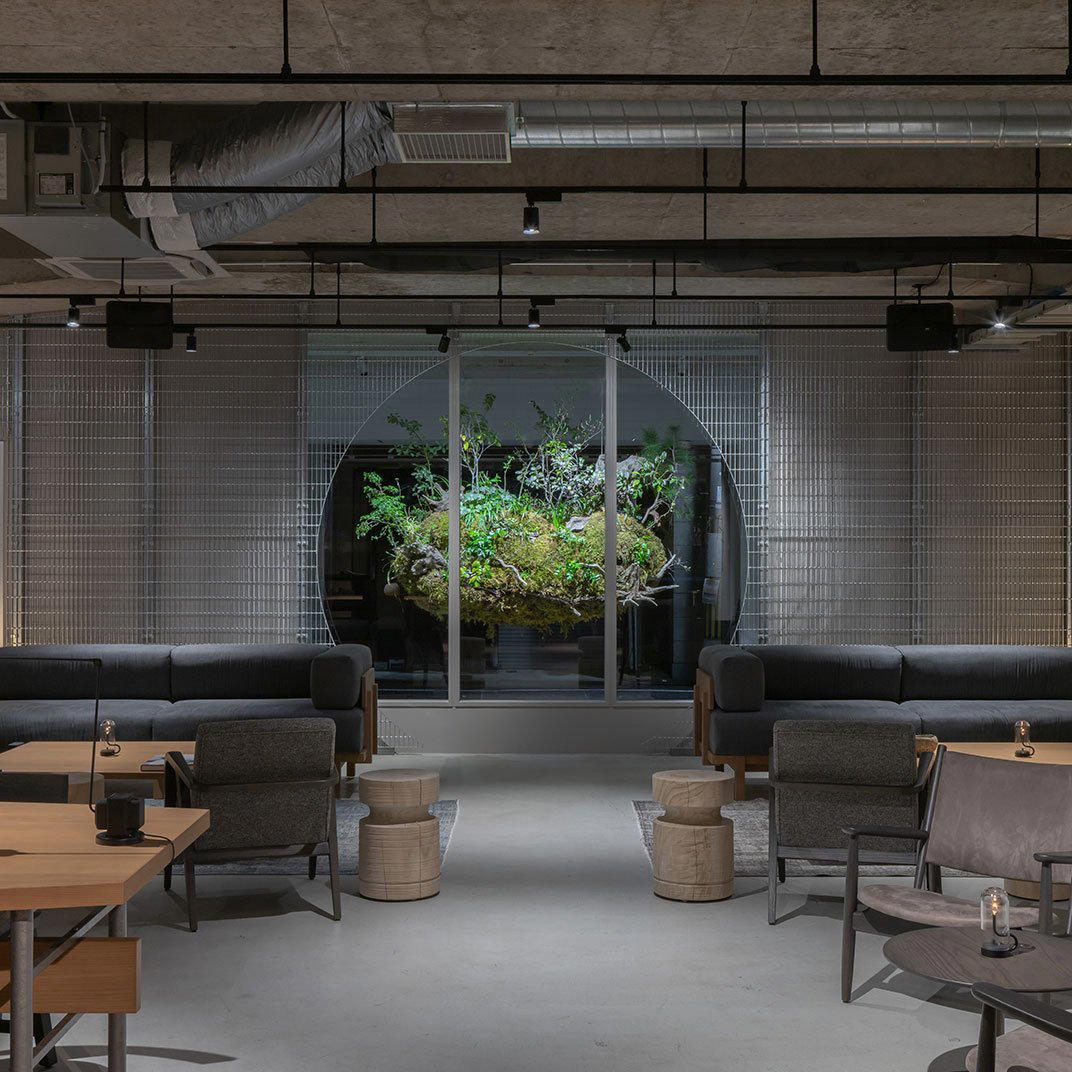
Bars in Kyoto
All bars in Kyoto →
Hotels in Kyoto
All hotels in Kyoto →
Wineries in Kyoto
Browse all →
Details
- Cozy
- Classic
- Lively
- Casual Hangout
- Family
- Solo
- Group Dining
- Standalone
- Street Scene
- A La Carte
- Coffee
- Tea
Current opening hours
- Monday
- Closed
- Tuesday
- 7:30 AM–7 PM
- Wednesday
- 7:30 AM–7 PM
- Thursday
- 7:30 AM–7 PM
- Friday
- 7:30 AM–7 PM
- Saturday
- 7:30 AM–7 PM
- Sunday
- 7:30 AM–7 PM
Hours can change for holidays and private events. Hours as of .