Restaurant Du Nord
Our verdict
Restaurant Du Nord sits on Dorpstraat in Noorbeek, a village in the southern Dutch province of Limburg where the agricultural terrain and proximity to the Belgian and German borders have long shaped what ends up on local plates. The address alone signals something about the kitchen's priorities: in this corner of the Netherlands, sourcing is geography, and geography is flavour. For the full picture of fine dining in this region, see our full Noorbeek restaurants guide.

Pearl is the En Primeur Club membership app — saves, bookings, and concierge access live there. Same editors, same standards.
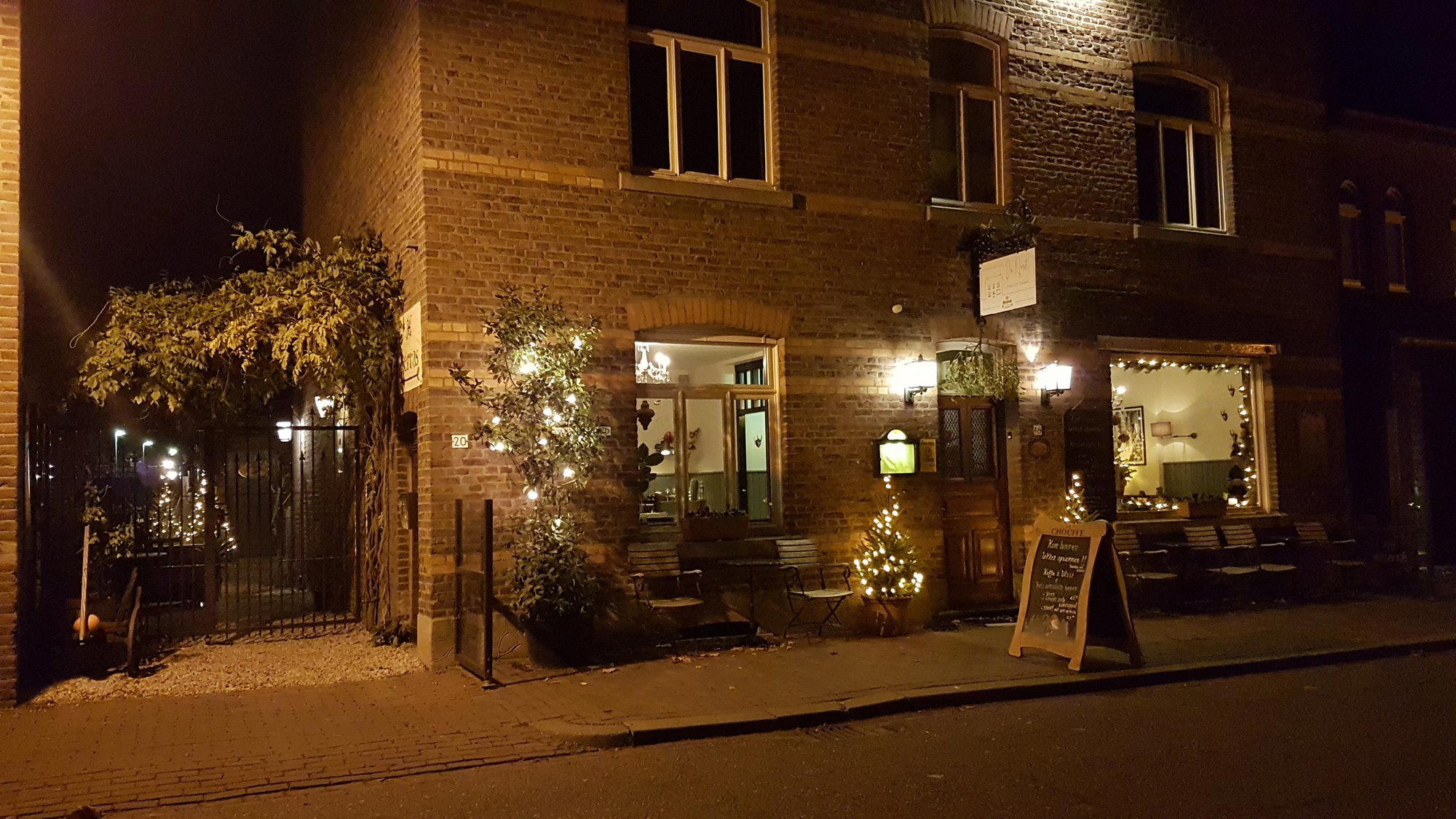
A Village Address in South Limburg's Larder
Approach Noorbeek along any of the roads that thread through the Gulp valley and you quickly understand why this part of Limburg operates on different culinary assumptions from the rest of the Netherlands. The terrain is hilly by Dutch standards, the soil transitions between chalk and clay within short distances, and the borders with Belgium and Germany sit close enough that the regional food culture draws freely from all three countries. Dorpstraat, the village's central artery, is quiet in the way that working agricultural villages tend to be: purposeful rather than sleepy. Restaurant Du Nord occupies number 18 on that street, and the address itself is an editorial statement about what the kitchen is likely doing. In South Limburg, proximity to source is not a marketing position; it is a structural condition of the local food economy.
This pattern repeats across the premium end of Dutch regional dining. Venues like De Lindehof in Nuenen and De Treeswijkhoeve in Waalre have built reputations in part by anchoring their menus to the agricultural specificity of their immediate surrounds. The logic is consistent: the further a restaurant sits from a major city's distribution infrastructure, the more the kitchen tends to rely on direct supplier relationships. For Du Nord, Noorbeek's position on the edge of a cross-border farming zone makes that reliance both a practical necessity and a culinary argument.
What South Limburg Puts on the Table
South Limburg's food geography is worth understanding before you book a table anywhere in the region. The province produces asparagus, cherries, and several varieties of soft fruit that have regional designation status in Belgium and Germany across the border. Game from the Voer and Geul valleys moves through local suppliers in autumn and winter. Dairy from Limburg farms carries a different fat profile from the polderland milk that dominates northern Dutch supply chains. The chalk-rich soil influences root vegetables in ways that agronomists document and that attentive cooks notice. A kitchen at Dorpstraat 18 in Noorbeek is, geographically, inside that supply basin rather than importing from it.
This is the terrain that has produced some of the more serious regional tables in the Netherlands. Brut172 in Reijmerstok, a village just a few kilometres to the south, has demonstrated that the South Limburg countryside can support fine dining formats that compete credibly with urban peers. The proximity to Belgian fine dining culture, with its own tradition of technically serious regional cooking, adds a further layer of context. Restaurants here operate in a conversation with Flemish and Walloon kitchens in a way that Amsterdam venues do not.
How Du Nord Sits in the Regional Picture
What the address and location do confirm is that Du Nord operates within a regional framework where ingredient sourcing has always been the primary argument. South Limburg's premium restaurant tier is not large. The venues that have built durable reputations, among them Inter Scaldes in Kruiningen and De Nieuwe Winkel in Nijmegen, have done so through consistency of product and a clear sense of place rather than through the kind of urban visibility that drives Amsterdam bookings.
The contrast with the Netherlands' metropolitan fine dining scene is instructive. At the upper end of urban Dutch dining, venues like Ciel Bleu in Amsterdam or FG - François Geurds in Rotterdam operate with the supply chain advantages of major cities but also with the competitive pressure of operating in front of an international audience. Regional venues in South Limburg face a different set of trade-offs: lower visibility, higher dependence on loyal local and regional clientele, and the particular challenge of convincing guests that a drive into the hills is worth the effort. The venues that survive that test tend to do so by offering something the city cannot replicate, and in this region, that thing is almost always a depth of local sourcing that urban kitchens cannot match without significant logistical effort.
For broader comparisons across Dutch fine dining at this level, venues like De Librije in Zwolle and 't Nonnetje in Harderwijk represent the national benchmark for what serious Dutch kitchens can achieve when regional identity and technical ambition align. Aan de Poel in Amstelveen and De Bokkedoorns in Overveen occupy a comparable position in the greater Amsterdam area. Du Nord operates in a different register, geographically removed from those competitive clusters but embedded in a food-producing landscape that those urban venues can only access from a distance.
Planning a Visit to Noorbeek
Noorbeek is not a destination you arrive at by accident. The village sits in the southernmost spur of the Netherlands, accessible by car from Maastricht in roughly twenty minutes. There is no direct train connection to Noorbeek; visitors travelling by rail will need to arrive into Maastricht and arrange onward transport. That logistical fact is relevant to how you plan the evening: Noorbeek operates on the assumption that guests are arriving from somewhere and will need to get back, which in practical terms means considering overnight options in or around Maastricht, or building in appropriate drive time if you are returning north. The South Limburg countryside at this latitude also means that seasonal timing affects the experience beyond just the menu: late spring and autumn both offer the region at particular agricultural intensity, and the valley roads in those seasons carry more than scenic value.
For those building a wider itinerary around Dutch regional fine dining, venues such as De Groene Lantaarn in Staphorst, Tribeca in Heeze, De Lindenhof in Giethoorn, and 't Amsterdammertje in Loenen aan de Vecht each represent a different provincial argument about what Dutch cooking can be when it commits to its immediate geography. At the international level, the comparison between ingredient-led European regional cooking and the sourcing philosophies of venues like Le Bernardin in New York City or Atomix in New York City illustrates how the conversation about provenance has become genuinely global while remaining rooted in specific, local supply chains.
Frequently asked questions
Is Restaurant Du Nord okay with children?
Noorbeek is a quiet village address on Dorpstraat, and restaurants in this part of South Limburg tend to draw a mixed local and visiting crowd rather than a strictly adult dining scene. Village dining rooms in this region often accommodate families, particularly at lunch.
What should I expect atmosphere-wise at Restaurant Du Nord?
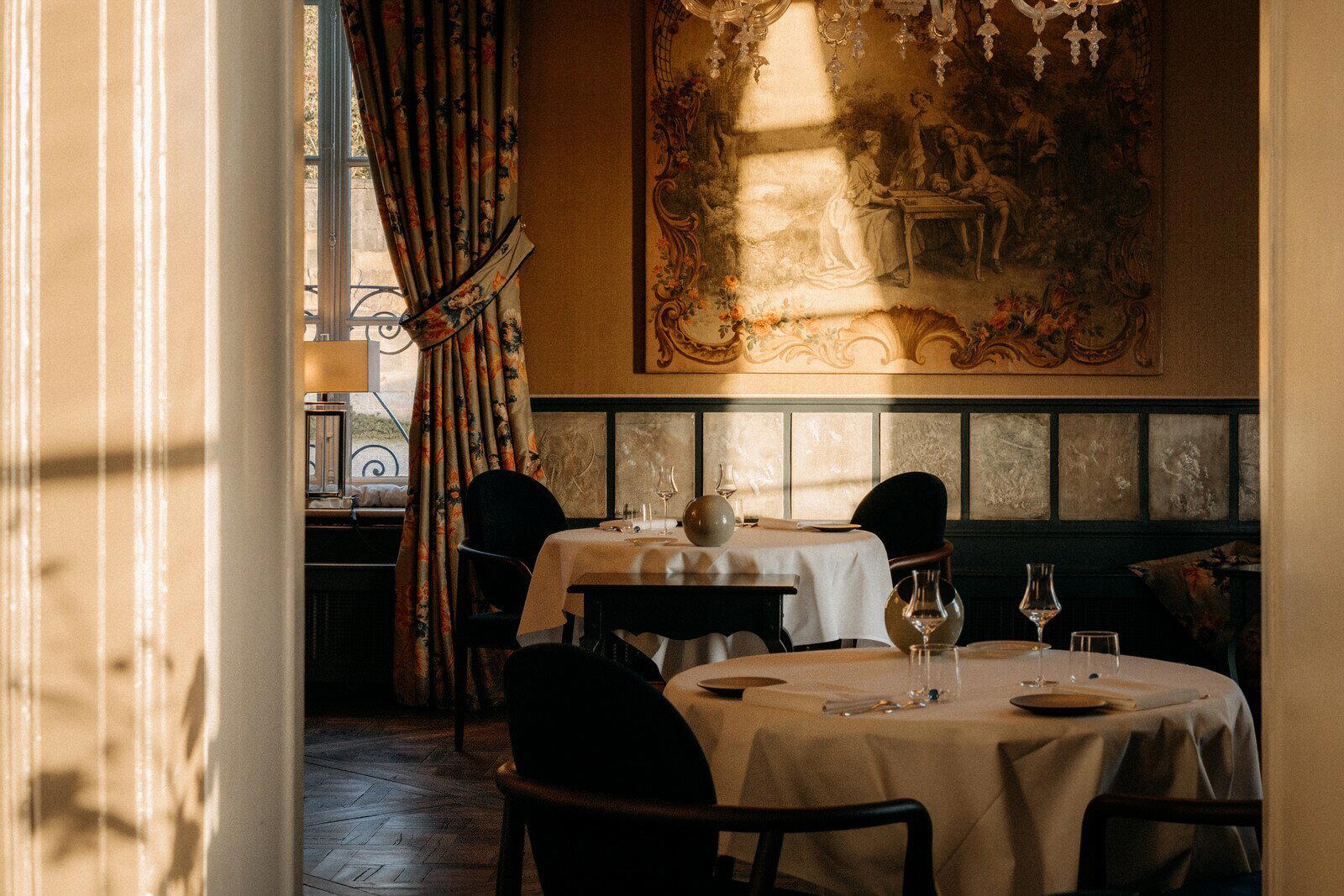
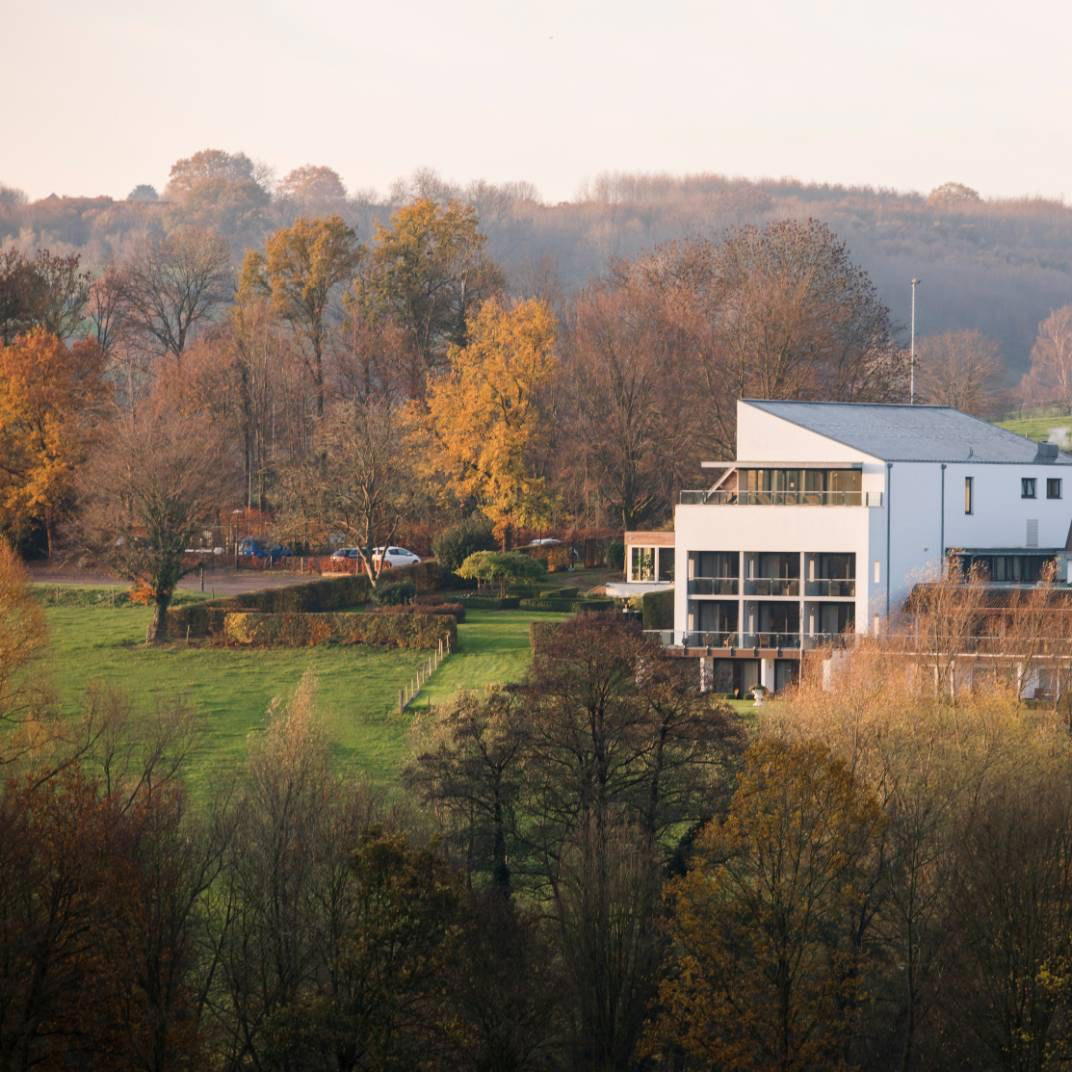
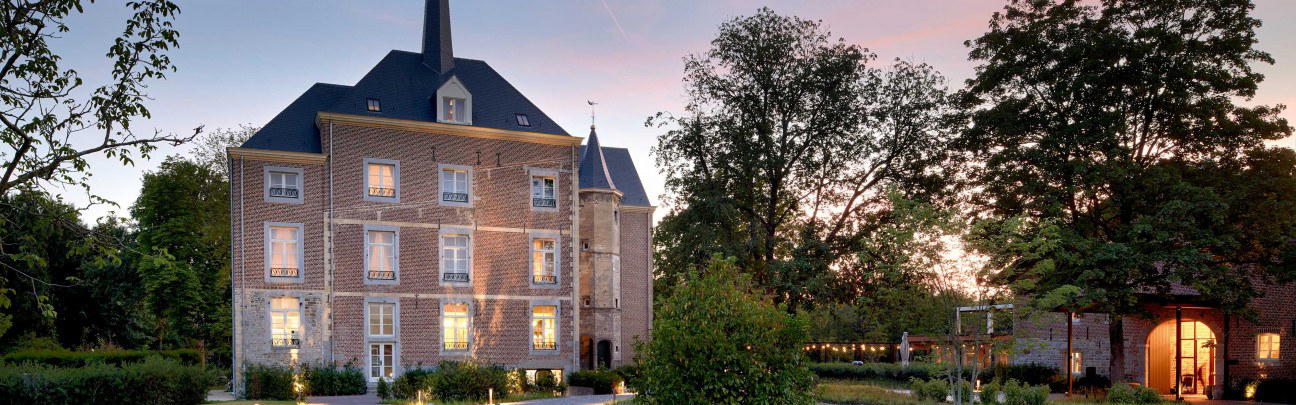
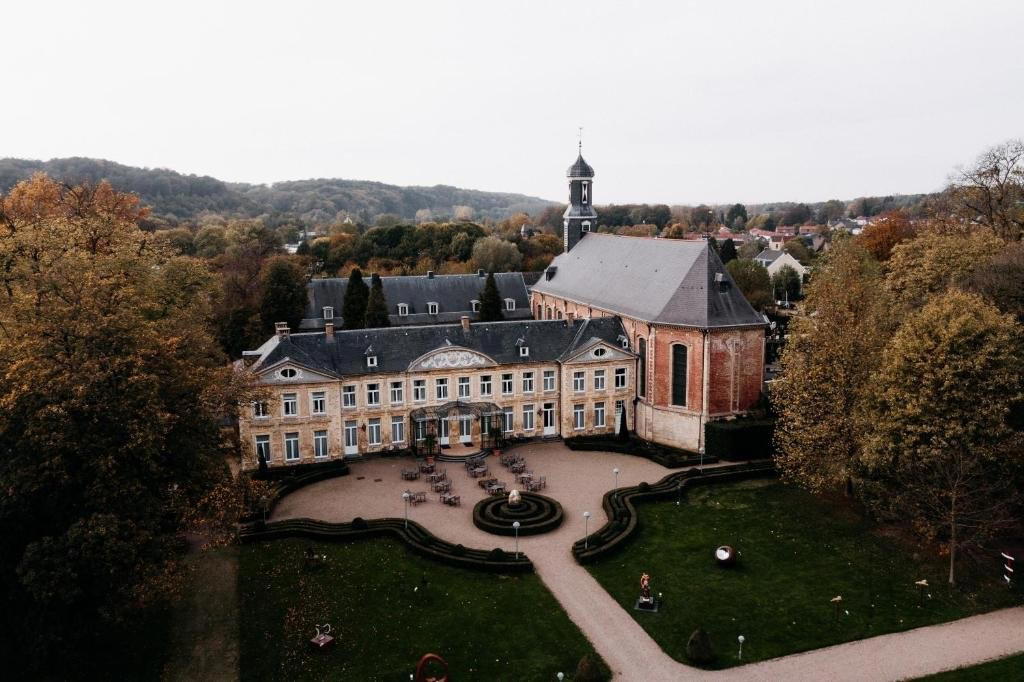
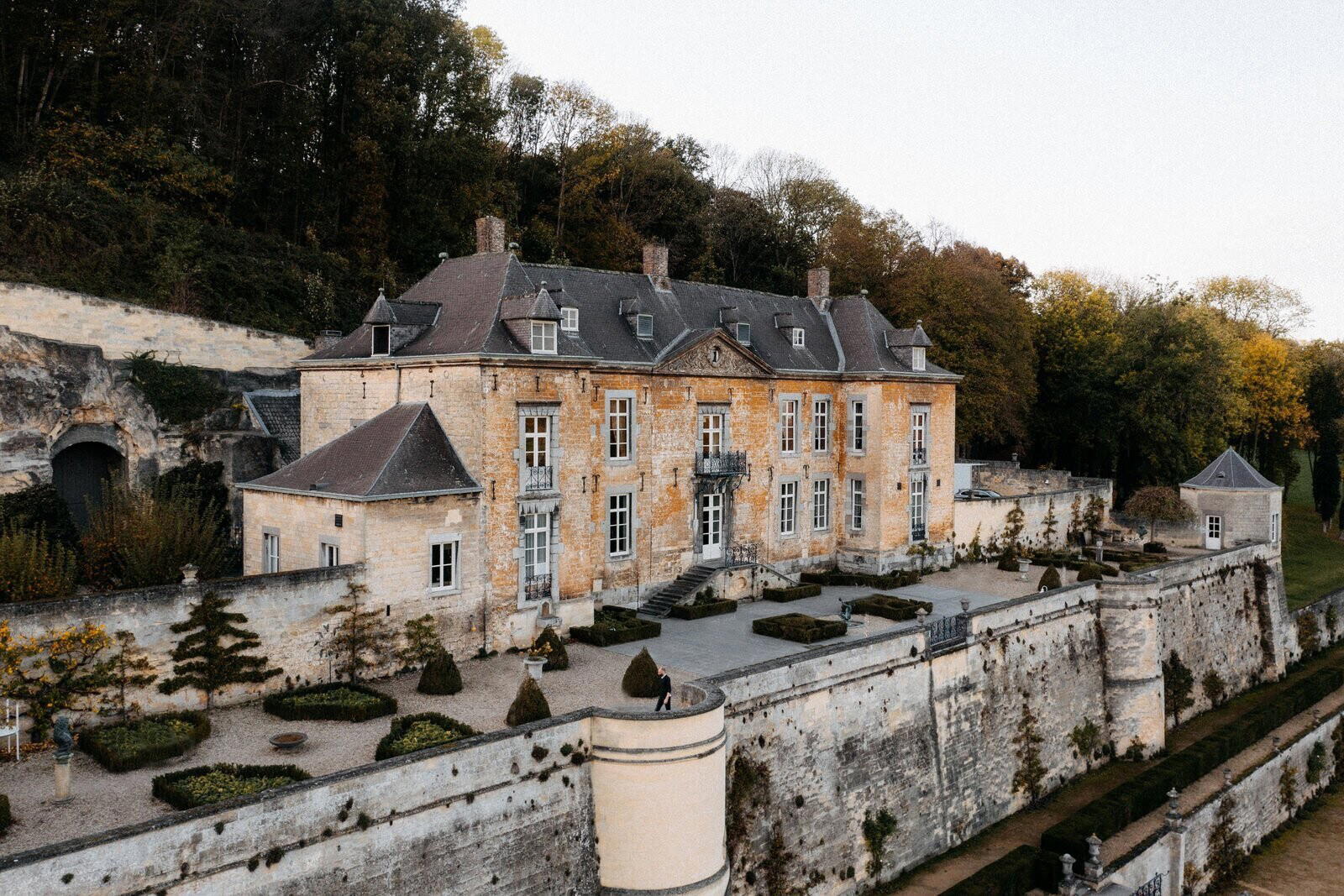
Noorbeek itself sets the tone: a small village in the southernmost tip of the Netherlands, surrounded by the Gulp valley's hills and orchards, with few concessions to tourist infrastructure. A restaurant at Dorpstraat 18 in that context reads as a neighbourhood fixture rather than a destination showroom. Expect an atmosphere shaped by the village's scale and pace rather than by urban dining-room theatrics.
Why do diners travel specifically to Noorbeek rather than dining in Maastricht?
Noorbeek sits roughly 20 kilometres south-east of Maastricht in the Gulp valley, a stretch of South Limburg that produces some of the Netherlands' most distinct agricultural output, including asparagus and stone fruit. Diners who make the drive are generally seeking a table embedded in that producing landscape rather than a city dining room serving the same region's ingredients at a remove. Restaurant Du Nord's Dorpstraat address places it at the centre of the village rather than on its edge, which in a settlement this size means it functions as a genuine local anchor.
What's the signature dish at Restaurant Du Nord?
Verified menu details for Restaurant Du Nord are not available at the time of writing. What is well-documented is that South Limburg's producers supply asparagus, cherries, and soft-fruit harvests that regional kitchens work with closely, and any serious Noorbeek table would draw on that local geography. For current dish specifics, reaching out to the restaurant directly is the reliable route.
Where is Restaurant Du Nord located?
Restaurant Du Nord is located at Dorpstraat 18, 6255 AN Noorbeek, Netherlands, Noorbeek.
Comparable Spots, Quickly
Comparable venues nearby, for context on price, style, and recognition.
| Venue | Cuisine | Price | Notes |
|---|---|---|---|
| Restaurant Du NordThis venue — the venue you are viewing | French with Limburg Influences | $50–100 | Not listed |
| Crijns | French-Dutch Bistro | $50–100 | Bladel |
| Ons Jongens | French-Dutch Fine Dining | Not listed | Someren-Eind |
| Jan & Ellen bistro | French Bistro | $50–100 | Moergestel |
| 't Misverstant | French Fine Dining with Dutch and Seafood | $50–100 | Vught |
| Kruidt | Modern French Fine Dining | $50–100 | centrum |
Continue exploring
More in Noorbeek
Restaurants in Noorbeek
All restaurants in Noorbeek →
Bars in Noorbeek
Browse all →

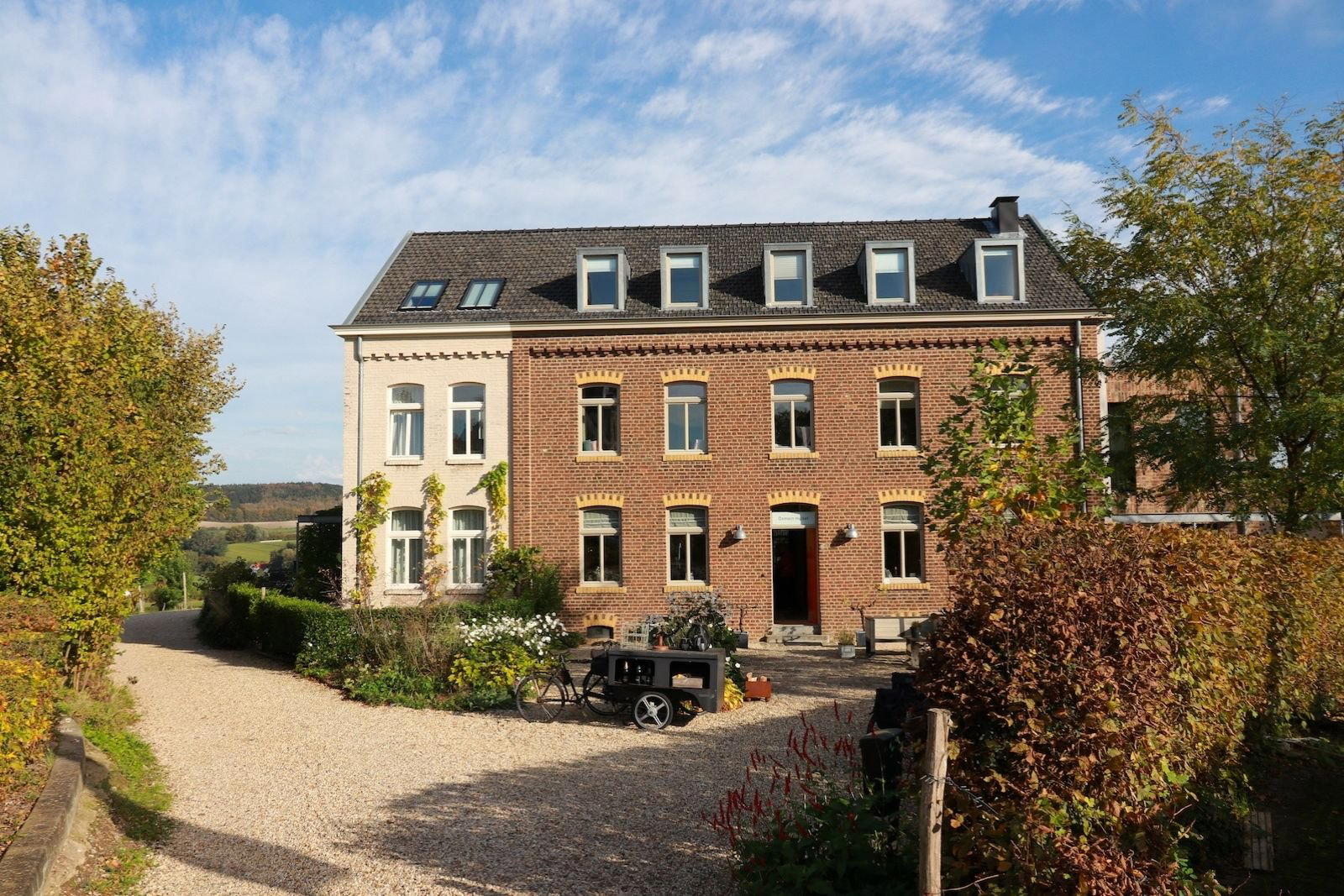
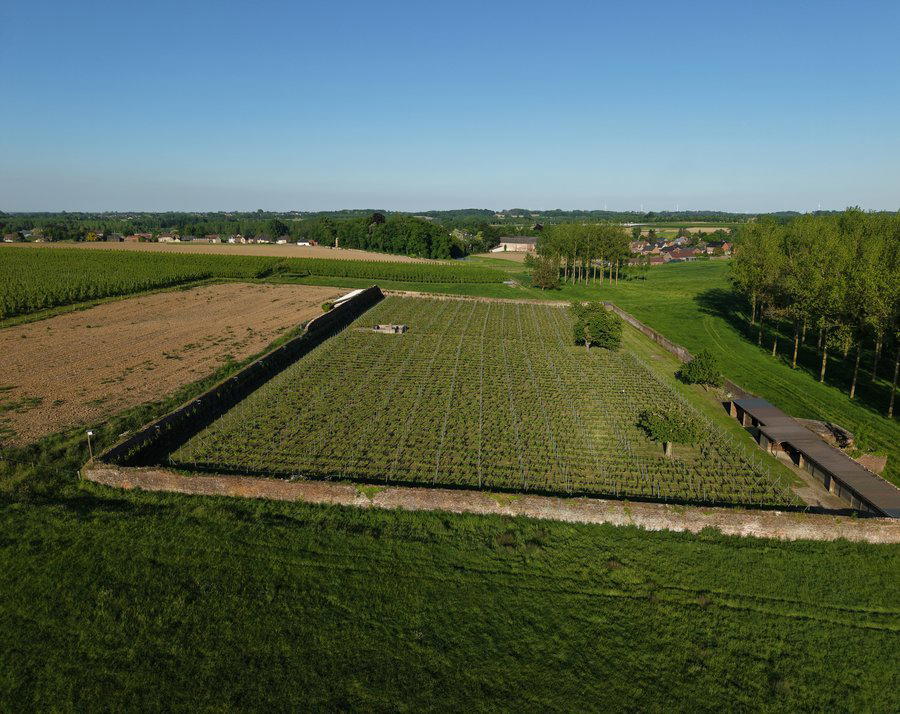
Restaurant Du Nord
The wine
- Wine program
- Curated wine list
- Extensive wine list
Details
- Cozy
- Rustic
- Intimate
- Elegant
- Date Night
- Family
- Special Occasion
- Garden
- Terrace
- Extensive Wine List
- Local Sourcing
- Garden
- A La Carte
- Wine
- Vegetarian Friendly
- Vegan Options
- Gluten Free Options
Current opening hours
- Monday
- Closed
- Tuesday
- Closed
- Wednesday
- 5–11 PM
- Thursday
- 5–11 PM
- Friday
- 12–11 PM
- Saturday
- 1–11 PM
- Sunday
- 12–11 PM
Hours can change for holidays and private events. Last verified .
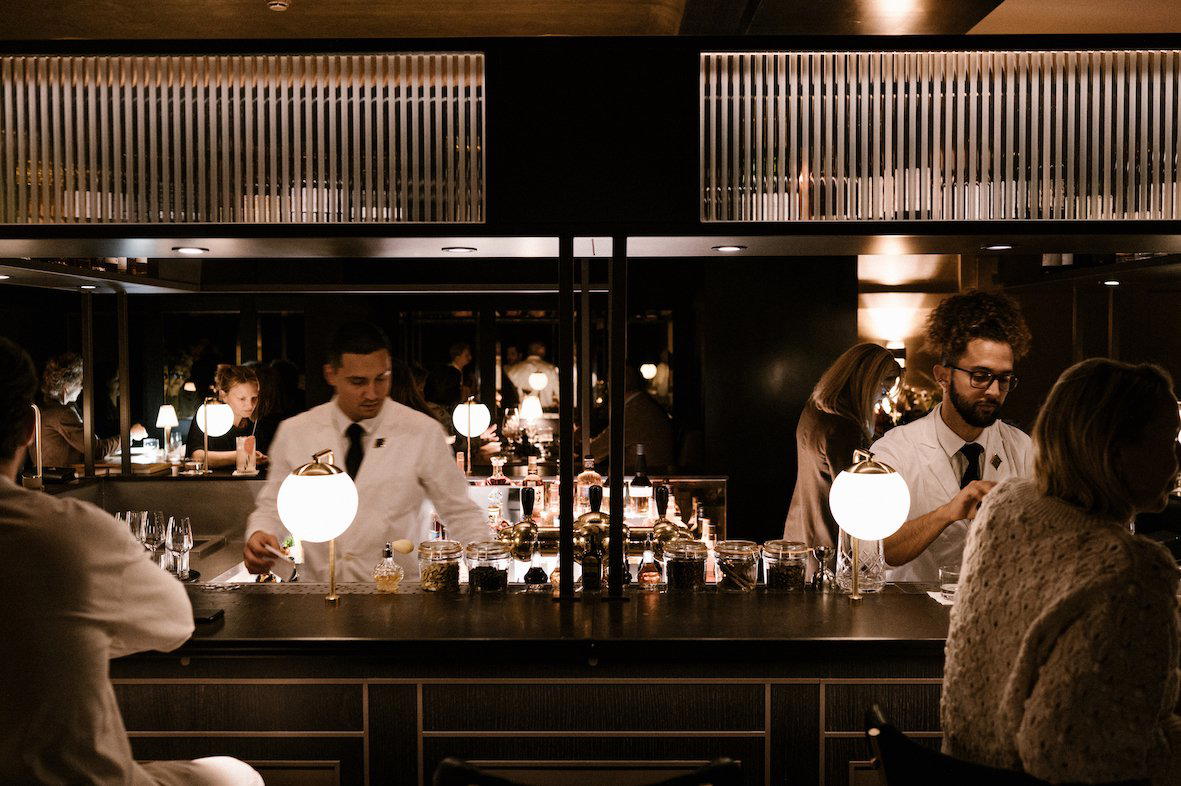
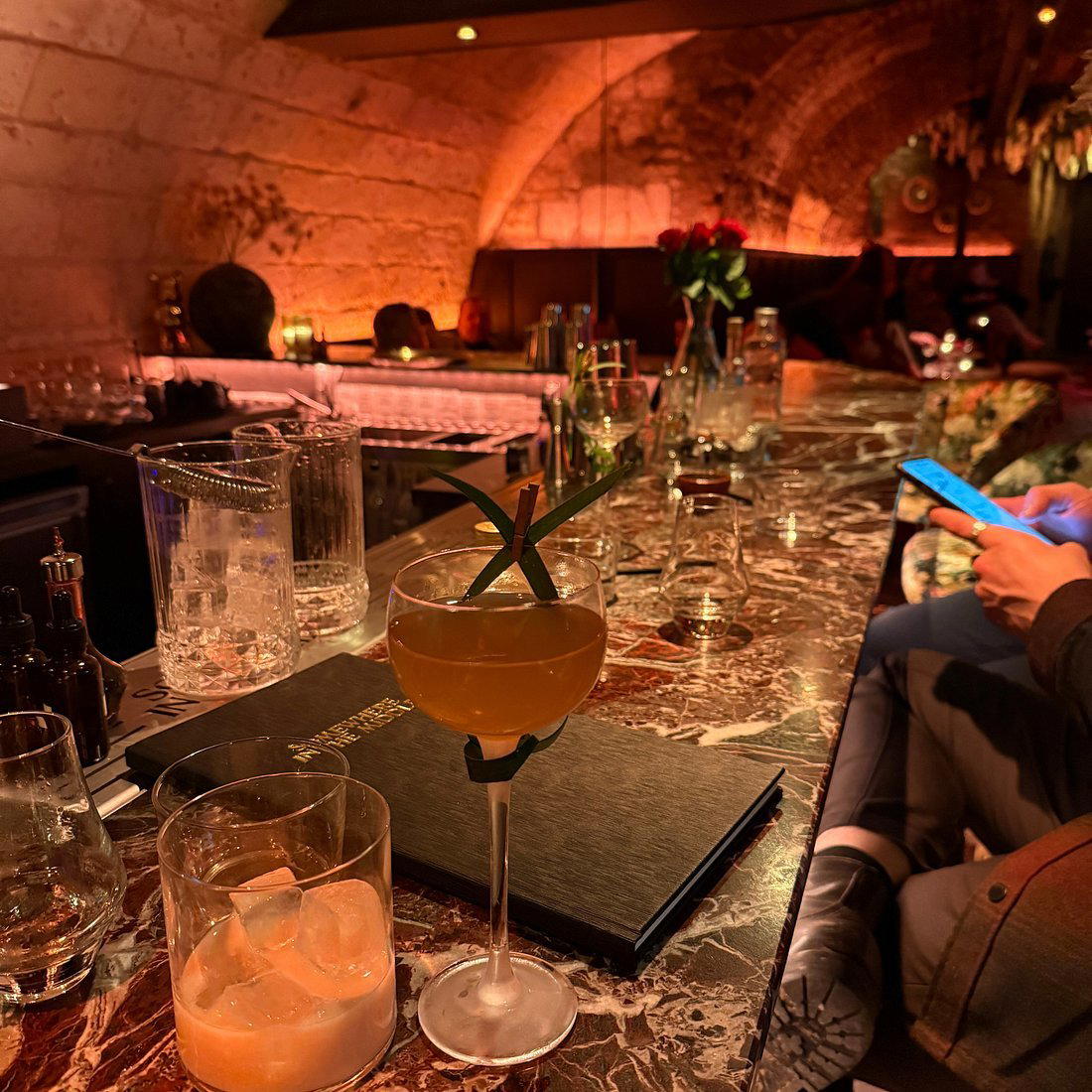
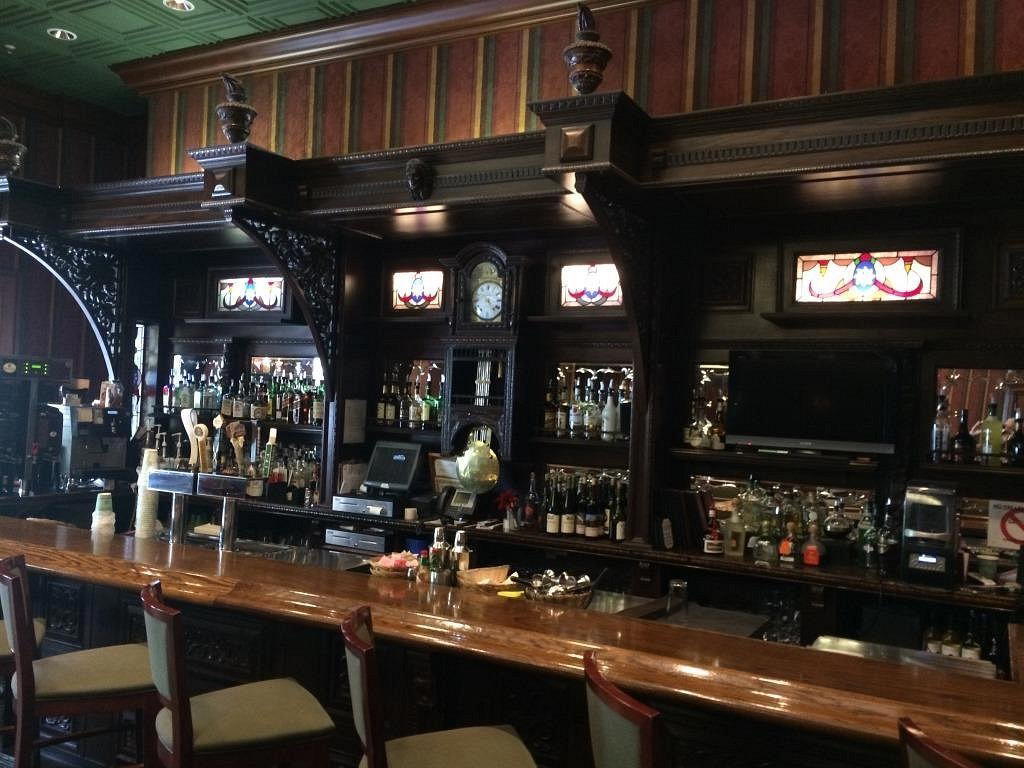
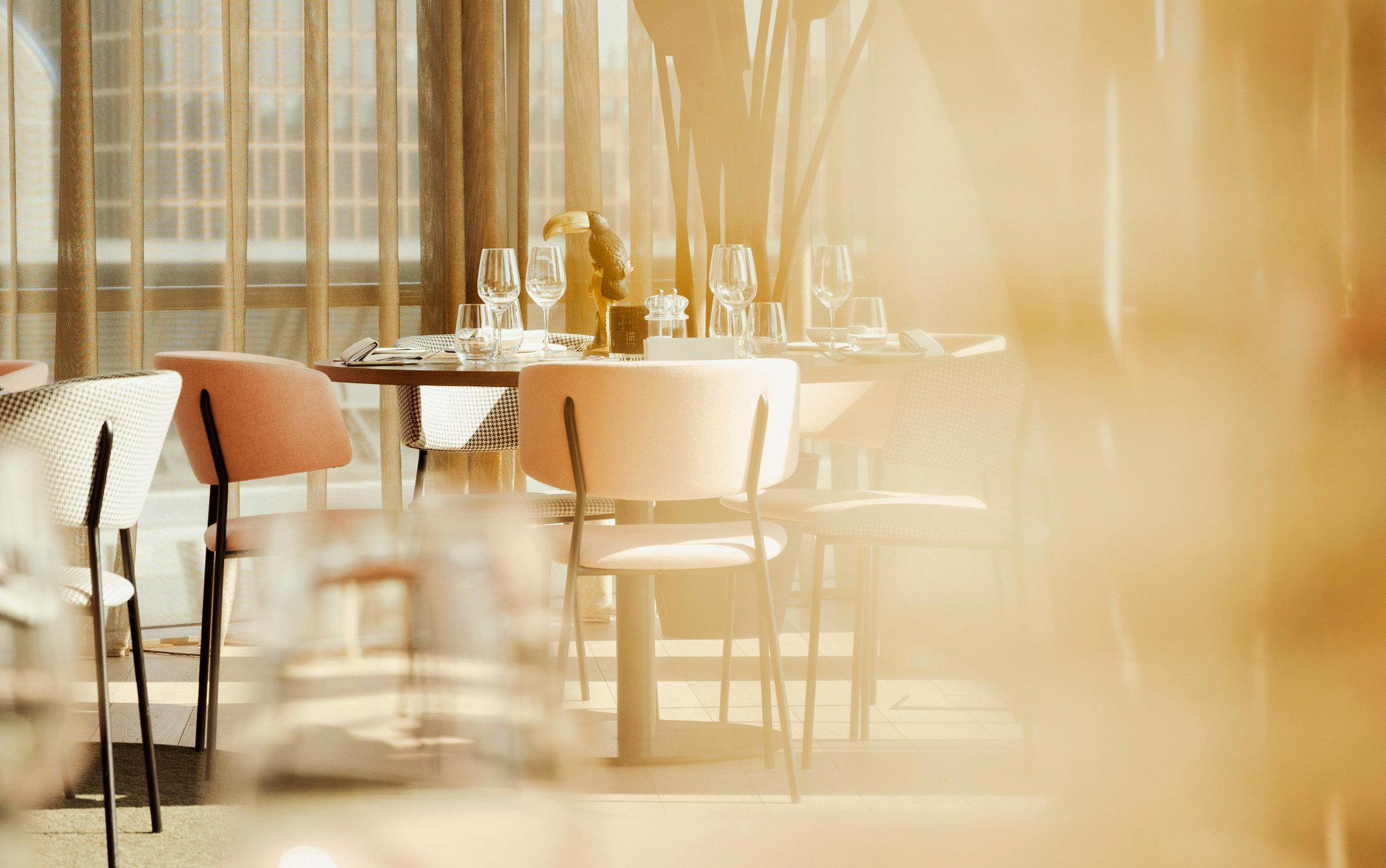
Warm, cozy interior evoking French countryside charm with pleasant lighting; atmospheric garden terrace in summer.