Bar Papillon gives Lanaken a bar address attached to Le Manoir rather than the usual town-centre café format.
Pearl is the En Primeur Club membership app — saves, bookings, and concierge access live there. Same editors, same standards.
- Address
- Paalsteenlaan 90, 3620 Lanaken (Le Manoir)
- Phone
- +32 89 73 97 70
- Directions
- Get directions
 Saves & bookings on Pearl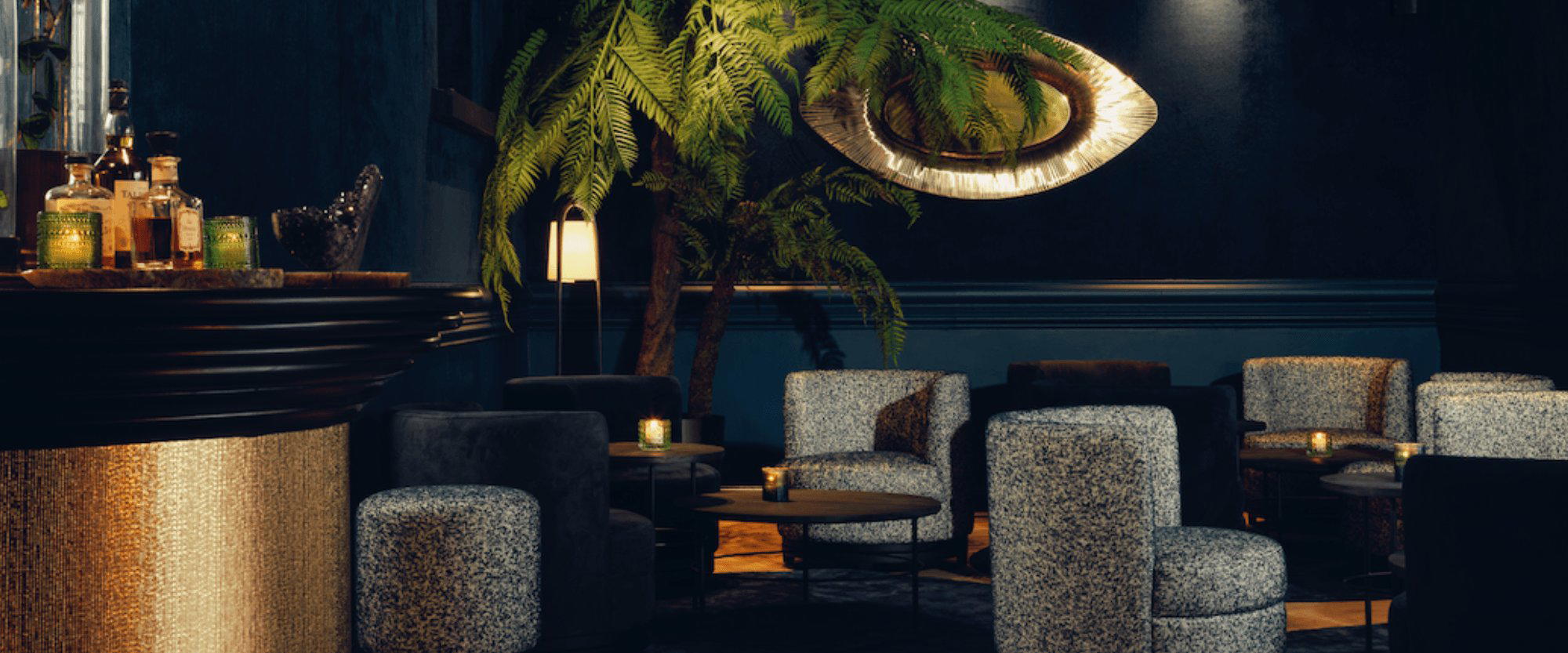
Arriving at a Lanaken bar address shaped by Le Manoir
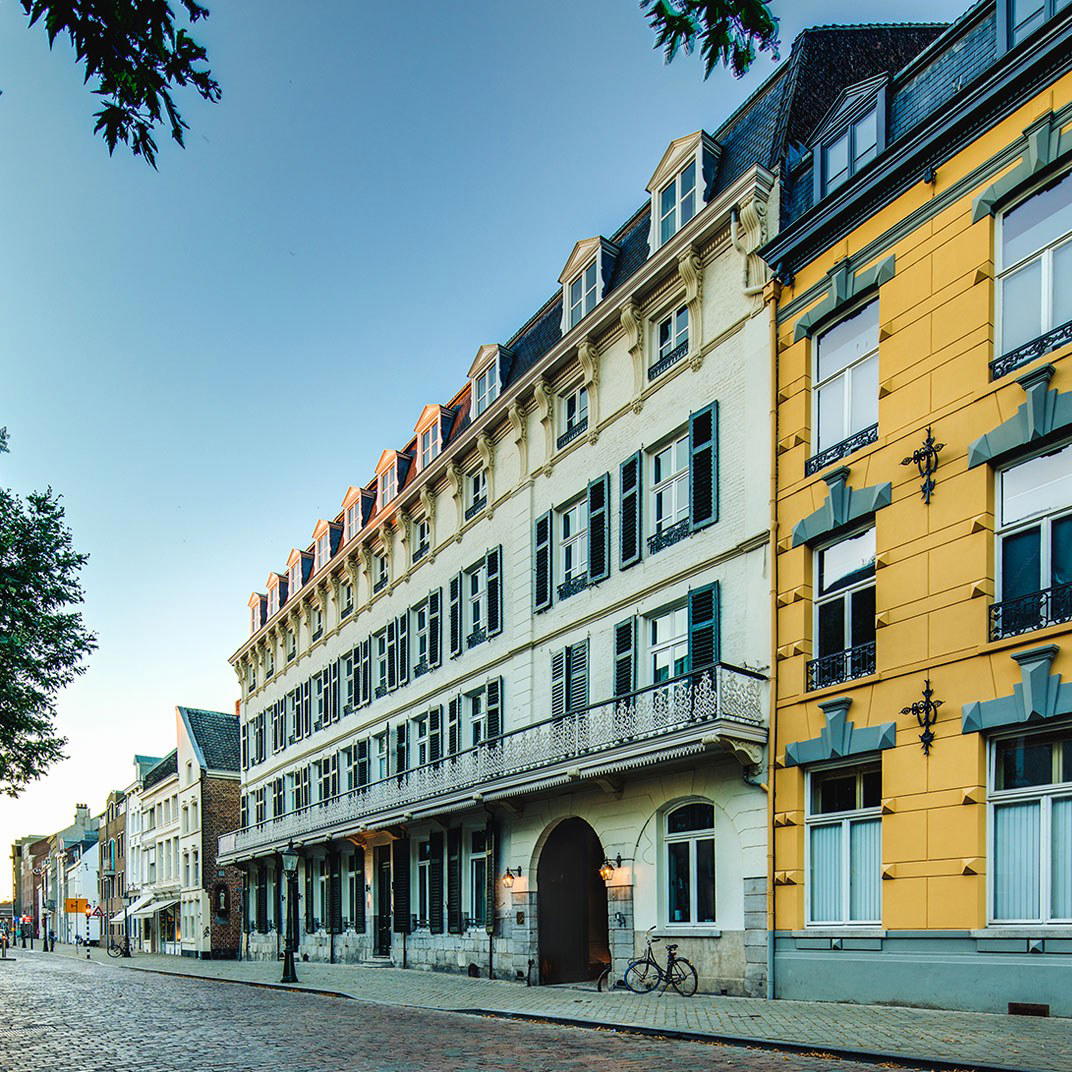
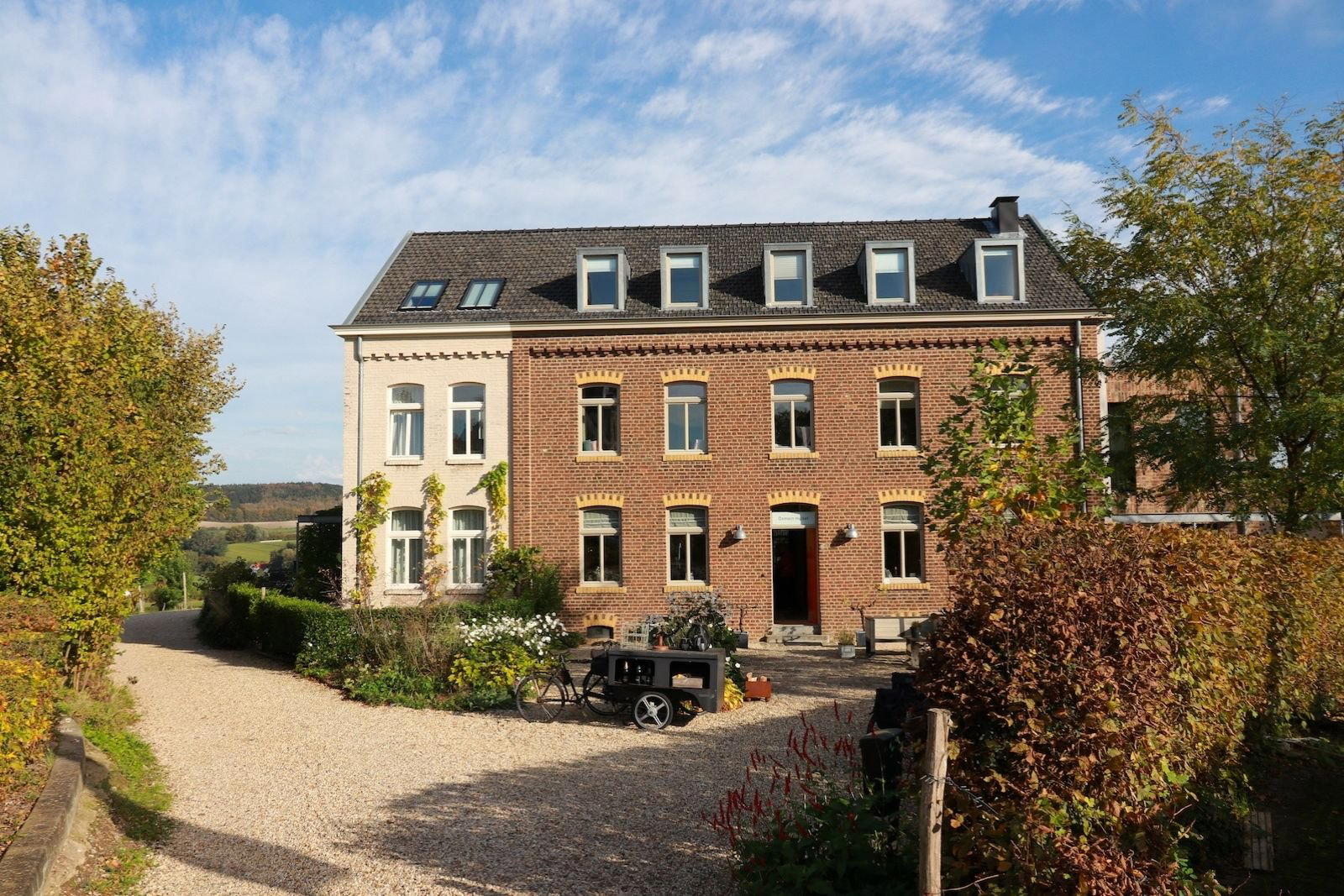
Paalsteenlaan is not the kind of approach that announces a bar with neon, street noise, and a queue spilling onto the pavement. The address places Bar Papillon at Le Manoir in Lanaken, a town in Belgian Limburg where drinking culture tends to move at a lower volume than in Brussels, Antwerp, or Bruges. That setting matters. In smaller Belgian towns, the serious bar experience is often defined less by spectacle and more by context: the building, the pace of the room, the relationship between a drink and the evening around it. A bar attached to a manor address reads differently from a corner café, and the distinction gives this listing its editorial interest.
That absence should not be dressed up as mystery. It simply means the practical judgement has to be made from verified anchors: the name, the Lanaken location, and the Le Manoir address. For travellers using Lanaken as a quiet base near Maastricht, Maasmechelen, or the Hoge Kempen area, the relevance is clear. This is not a documented cocktail laboratory with a public awards trail; it is a place to consider when the appeal of the evening is a composed local setting rather than a big-city bar crawl.
Belgium’s drinking culture has long had two strong public identities: beer cafés with deep lists and old-room atmosphere, and wine-led bars that have become sharper in Brussels, Flanders, and the Limburg corridor. Cocktail programmes occupy a more selective lane, especially outside major urban centres. Bar Papillon sits inside that question: what does a cocktail address mean when the surrounding scene is not built around late-night density? The answer is usually format. A smaller destination can work when the room, pacing, and drink style make sense for a contained evening, rather than asking guests to treat it as a stop among five others.
The cocktail programme as a Lanaken proposition
That limitation changes how a reader should evaluate it. In cities with heavily documented cocktail scenes, technical detail is public currency: clarified serves, fermentations, dedicated ice programmes, zero-waste prep, guest shifts, competition records, and bar-team biographies all help place a venue within a peer group. Lanaken does not supply that same ecosystem at scale, so the stronger assessment is contextual. A bar at Le Manoir has to be read against hotel-adjacent drinking rooms, restaurant bars, and small-town European salons rather than against the international cocktail circuit.
The drink does not need theatrical garnish or a dense manifesto to make sense. It needs consistency, a room that supports conversation, and enough focus to separate the experience from a casual beer stop. In this part of Belgium, that distinction is useful because the evening often begins or ends around dining, countryside hotels, or cross-border travel rather than club traffic. A cocktail programme in this setting works when it respects time: aperitif, digestif, nightcap, and the quiet middle hour when a second drink becomes the reason to stay.
There is a wider Belgian pattern behind that. Brussels has the weight of historic cafés and a newer wine-bar grammar; Antwerp has developed a more design-conscious cocktail culture; Bruges balances tourism with smaller specialist rooms; Limburg, by comparison, is more dispersed and more dependent on destination addresses. That makes Lanaken a different proposition. A venue here has to justify itself through setting and reliability rather than neighbourhood momentum. The Le Manoir address gives Bar Papillon a built-in frame, but the drink programme remains the part to verify directly because no official menu details are available in the record.
For readers comparing Belgian bar styles, it helps to look across categories rather than ranking them. Le Wine Bar des Marolles in Brussels speaks to the capital’s wine-led urban rooms, where bottle choice and neighbourhood energy do much of the work. Robijn Wine&Food in Genk reflects the Limburg habit of pairing drinks with a broader food context. À La Mort Subite in Pl De Brouckere belongs to the historic café tradition, where atmosphere is inseparable from Belgian beer culture. Bar Papillon occupies a quieter lane, with the manor address doing part of the storytelling before the glass arrives.
Why the setting matters more here than a public awards trail
Awards can clarify a bar’s competitive position. The World’s 50 Best Bars list, Michelin-adjacent hotel recognition, national cocktail competitions, and named press coverage help readers understand whether a venue belongs to an international circuit or a local one. No such award data is listed for Bar Papillon. That is not a negative by itself; it simply removes one kind of evidence. In its place, the address becomes the main trust signal. Paalsteenlaan 90, 3620 Lanaken, at Le Manoir, places the bar in a specific hospitality setting rather than a generic nightlife strip.
That is a meaningful distinction in Limburg. The region’s strength lies in short distances between countryside, design-led hotels, spa towns, and border cities. Maastricht sits close enough to influence expectations, while Belgian Limburg brings its own slower rhythm and food-and-drink habits. A traveller choosing a bar in Lanaken is usually not chasing the same experience as a visitor walking through central Brussels. The decision is less about volume of choice and more about whether the setting supports the night’s purpose: a drink before dinner, a low-key final stop, or a composed room attached to a broader stay.
This is where editorial caution helps. The better reading is comparative. In larger Belgian cities, the bar scene asks guests to choose between historic beer halls, wine bars, hotel lounges, and technique-led cocktail counters. In Lanaken, the category is narrower, so a Le Manoir-linked bar has less direct local competition and more responsibility to carry the full evening. That makes the fundamentals more important: opening reliability, seating comfort, service pacing, and drink execution.
Lanaken, Limburg, and the cross-border drinking rhythm
Lanaken’s geography gives its hospitality scene a particular character. It is Belgian, Limburgish, and border-conscious, with Maastricht close enough to shape dining and drinking expectations without turning Lanaken into a satellite neighbourhood. That produces a different kind of premium bar demand. Guests may arrive by car, may be staying nearby, and may value a controlled setting over a late-night circuit. For a cocktail programme, that context encourages restraint: classic structures, digestif culture, wine or beer intelligence, and service that understands the evening rather than only the drink.
The wider region also resists the easy capital-city model. Brussels can sustain specialist rooms because there is enough footfall, press attention, and international audience. Antwerp can support design-forward bar concepts because its restaurant and fashion cultures create the right audience. Bruges has tourist volume but also the burden of cliché. Lanaken has neither the same density nor the same pressure. That can be an advantage when the room is coherent. A bar does not have to compete for noise; it has to give a reason not to drive elsewhere.
EP Club readers planning a broader itinerary should treat Bar Papillon as part of a Lanaken map rather than an isolated trophy stop. The local picture is easier to read through category guides: Our full Lanaken restaurants guide for dinner context, Our full Lanaken hotels guide for where the night is likely to begin or end, Our full Lanaken bars guide for comparison within the town, Our full Lanaken wineries guide for bottle-focused planning, and Our full Lanaken experiences guide for the cultural frame around the area. Those links matter because Lanaken is not a place where every decision can be made by walking past ten options and choosing by instinct.
How it compares with Belgium's better-documented bar circuits
Belgian bars are often misunderstood by visitors who arrive with a single category in mind. The country’s drinking culture is not only beer, even if beer remains its public calling card. It is also built on cafés as social rooms, wine bars as neighbourhood anchors, and hotel bars as controlled environments for travellers who want a less improvised night. A Lanaken address connected to Le Manoir belongs most naturally to the last two categories: destination-adjacent and setting-led, with the potential for cocktails to carry the experience if the programme is disciplined.
Comparison sharpens the point. Bar Boutique in Bruges sits in a city where visitors often seek atmosphere first and learn the drinks culture second. 1000 Brussels in Grand Place belongs to a capital-city context where location carries heavy interpretive weight. Bar Burbure in Antwerp connects to a sharper metropolitan cocktail conversation. Even Café La Trova in Miami, outside Belgium, is useful as a contrast because it shows how a bar can be driven by performance, music, and a documented city tradition. Lanaken asks for a quieter scale. The question is not whether it imitates those scenes, but whether it offers a coherent alternative for the traveller already in the area.
That is the fairest way to position Bar Papillon. It should not be sold as a secret address or a grand international cocktail statement without evidence. Its editorial value lies in the small-town premium format: a bar setting tied to a named manor property, in a town where the drinking scene is less publicly mapped than Belgium’s urban centres. For some readers, that is precisely the point. The evening is not about collecting famous rooms; it is about choosing a place whose surroundings match the tempo of the trip.
Planning a visit without over-reading the record
The practical facts are limited and should be treated with care. The verified address is Paalsteenlaan 90, 3620 Lanaken, at Le Manoir. That means travellers should confirm current operating details through their hotel, host, or local contact before building a fixed evening around the bar. This is especially relevant in smaller towns, where hours may be more sensitive to season, private events, hotel occupancy, or staffing than in larger nightlife districts.
Pricing is also unlisted, so assumptions are unhelpful. The Le Manoir address suggests a more composed hospitality setting than a casual town-centre stop, but no verified price band is available. The useful planning approach is to treat it as a destination-adjacent bar: suitable for a considered aperitif or a final drink when the night is based in or near Lanaken, less suitable as the sole anchor for a long itinerary unless the hours and format have been confirmed. Visitors moving between Maastricht, Maasmechelen, Genk, and Lanaken should also account for transport, because the experience is unlikely to function like an urban walk-in crawl.
Seasonality deserves attention. Belgian Limburg draws different rhythms across the year: softer countryside travel in spring, terrace and cycling traffic in warmer months, and hotel-led evenings during colder periods. Still, the regional pattern affects planning. A bar connected to a manor setting may feel most useful when the evening is already oriented around a stay, a dinner reservation, or a quiet return rather than an open-ended late-night route.
Continue exploring
More in Lanaken
Bars in Lanaken
Browse all →
Restaurants in Lanaken
Browse all →
Hotels in Lanaken
Browse all →

At a Glance
- Sophisticated
- Elegant
- Quiet
- Classic
- Date Night
- After Work
- Special Occasion
- Hotel Bar
- Standalone
- Seated Bar
- Lounge Seating
- Classic Cocktails
- Craft Cocktails
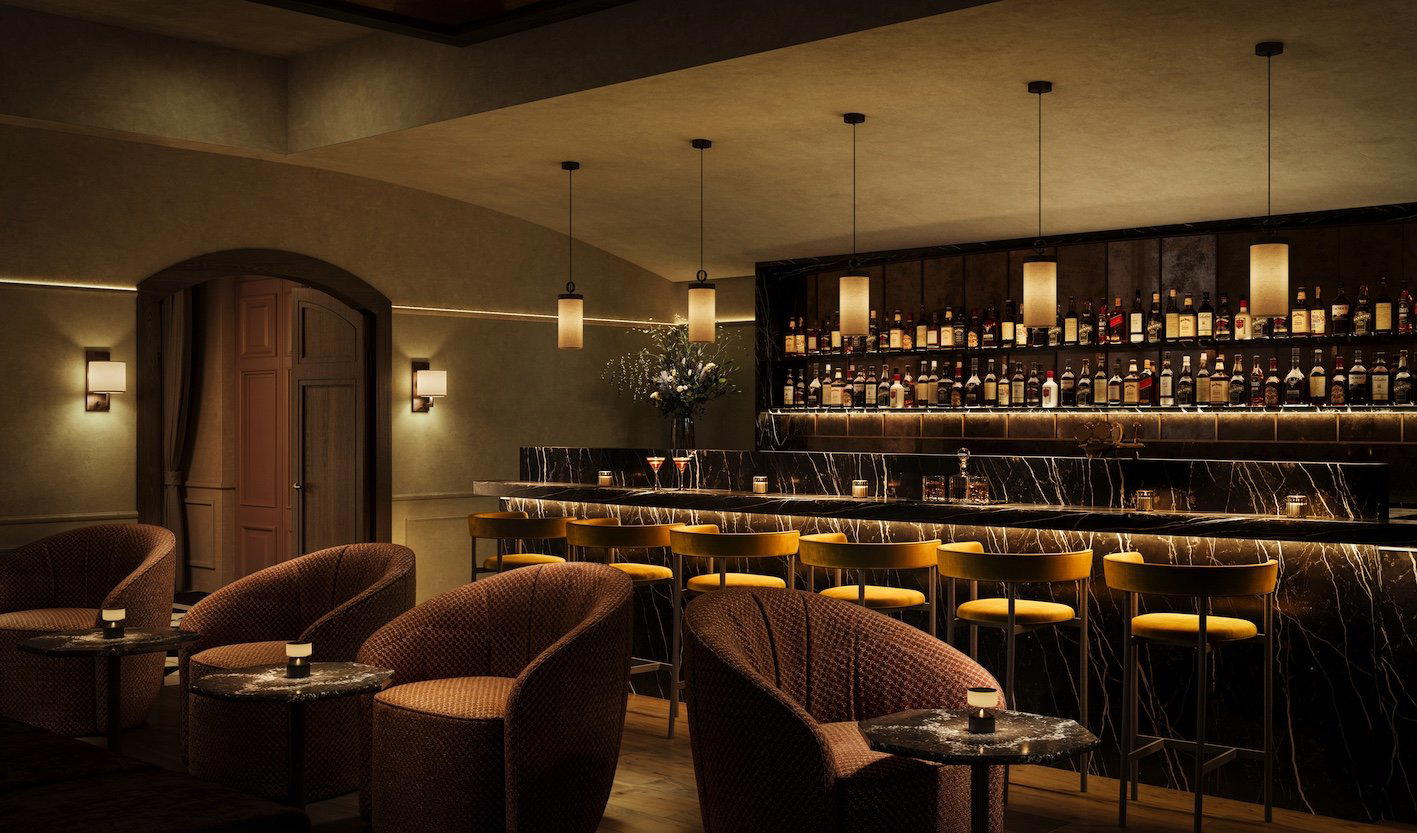
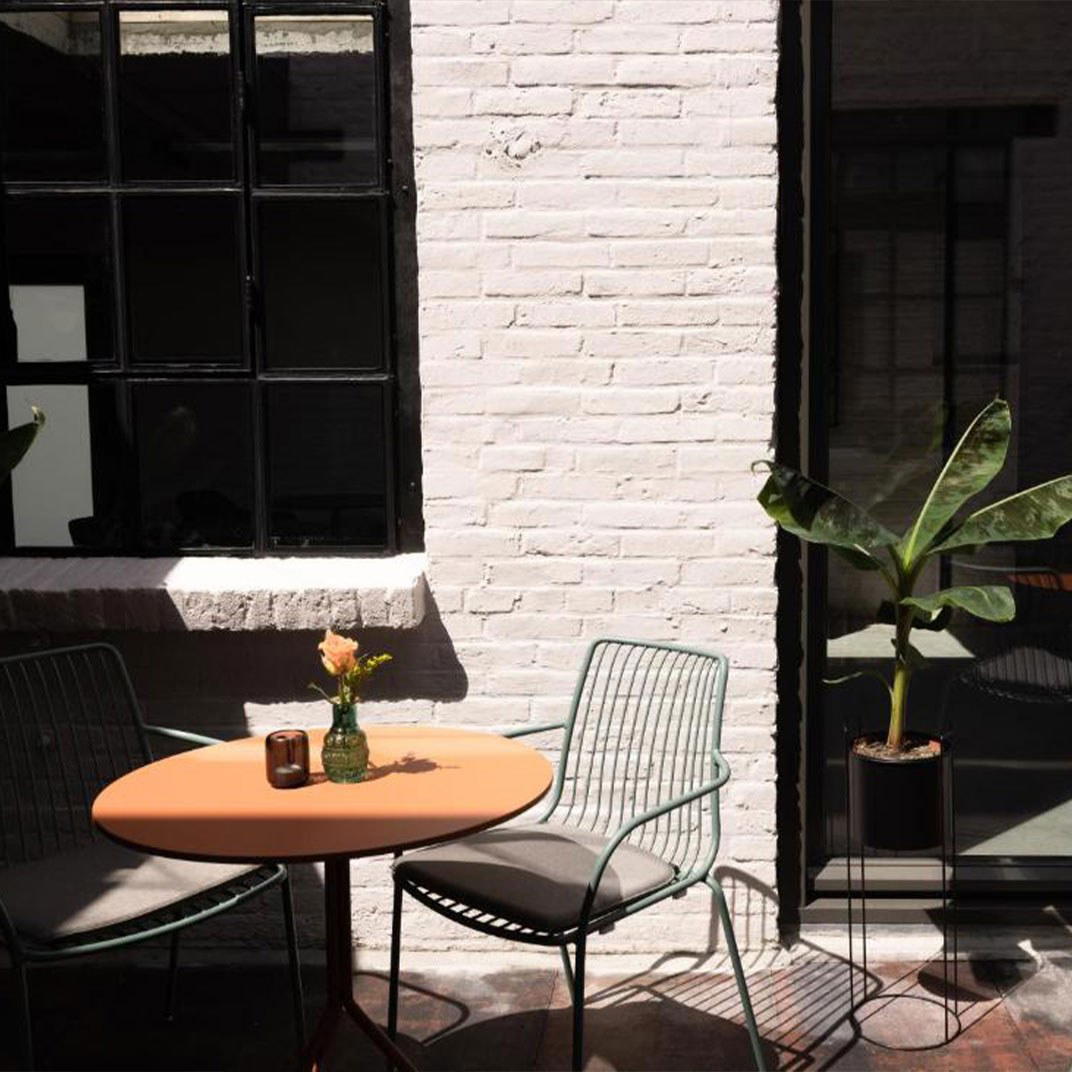
A sultry, tranquil hotel-bar atmosphere with elegant seating and a calm, refined mood.
Know Before You Go
- Getting there
- Paalsteenlaan 90, 3620 Lanaken (Le Manoir)