Crijns
Crijns sits on Sniederslaan in Bladel, a small Noord-Brabant town that punches above its size in serious Dutch dining. The restaurant holds a place in a regional scene defined by ingredient-driven kitchens and close relationships with local producers. For a town of Bladel's scale, Crijns represents the kind of address that rewards a deliberate detour rather than a passing visit.
Pearl is the En Primeur Club membership app — saves, bookings, and concierge access live there. Same editors, same standards.
- Address
- Sniederslaan 121, 5531 EK Bladel, Netherlands
- Phone
- +31497338946
- Website
- restaurantcrijns.nl
- Directions
- Get directions
 Saves & bookings on Pearl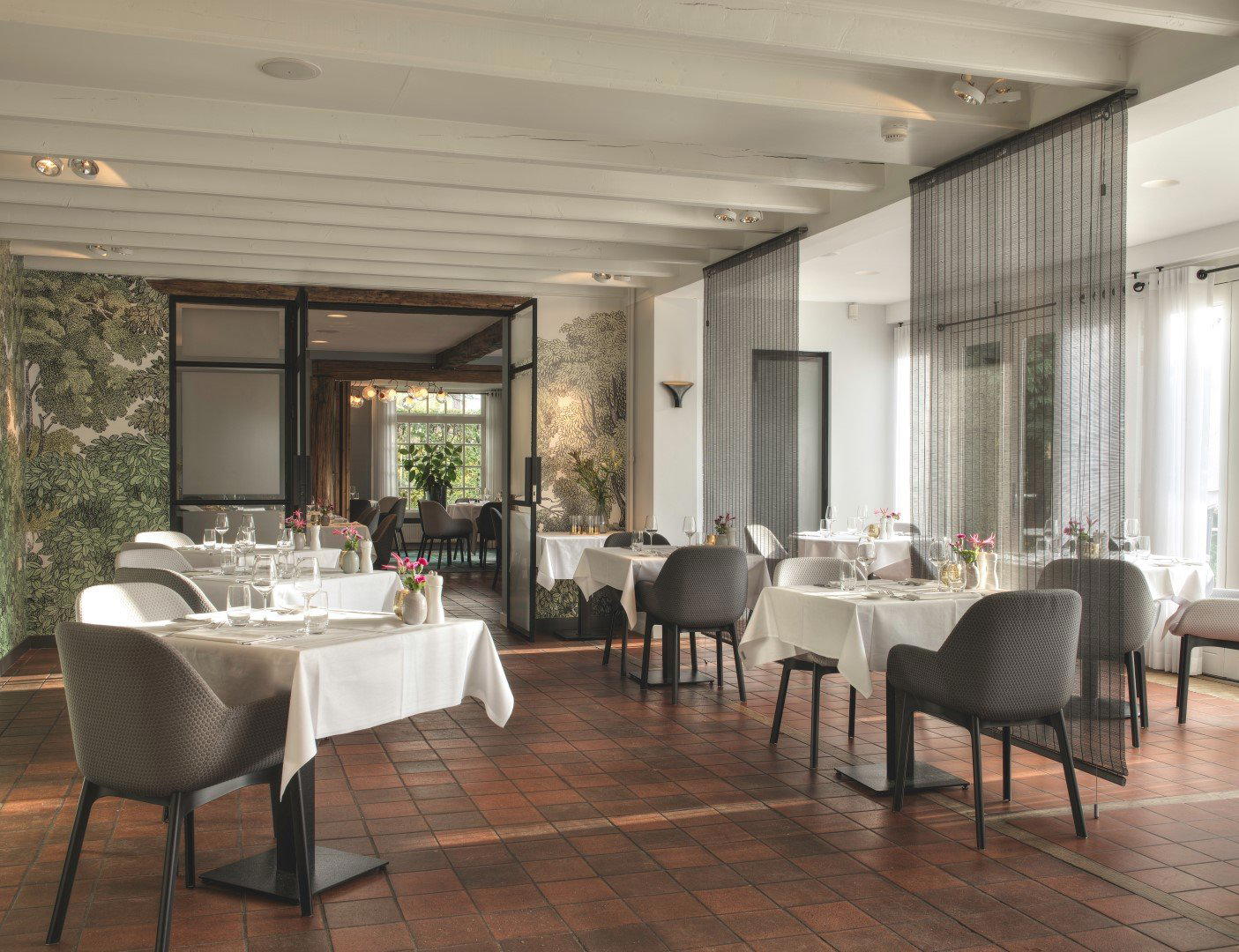
Brabant's Quiet Ambition
The southern Dutch province of Noord-Brabant has built a reputation for serious, produce-led cooking that sits at some distance from the big-city noise of Amsterdam or Rotterdam. Bladel, a compact municipality in the Kempen region, belongs to this broader pattern. The landscape here is flat heathland and agricultural land, and the kitchens that have taken root in towns like this tend to reflect that terrain: grounded, specific, connected to what grows and grazes close by. Crijns, at Sniederslaan 121, is a French-Dutch Bistro in Bladel, Noord-Brabant, with. It is part of that provincial dining fabric, operating in a town where a good restaurant functions less as a social backdrop and more as a destination in its own right.
That dynamic, where a kitchen must earn its own gravity rather than borrow it from a busy neighbourhood, shapes what serious Noord-Brabant restaurants tend to do well. The region has produced several addresses, including Tribeca in Heeze and De Treeswijkhoeve in Waalre, that draw guests from well beyond their immediate catchment. Crijns occupies a similar position within Bladel itself, serving a town that sits roughly between Eindhoven and the Belgian border.
Where the Food Comes From
In the Dutch fine dining context, the sourcing question has become increasingly central to how kitchens define their identity. This is not a recent trend. The Netherlands has a long agricultural tradition, and the Kempen region specifically has a history of small-scale farming, pork production, and market gardening. Restaurants operating in this area have access to a supply network that larger urban kitchens often have to work harder to replicate. The short distances between producer and plate matter here not as a marketing claim but as a practical reality of operating in an agricultural zone.
That regional sourcing context places Crijns in a peer group that includes Dutch kitchens celebrated specifically for their relationships with producers. De Nieuwe Winkel in Nijmegen has built its reputation on an organic sourcing framework that extends to near-total plant focus. De Groene Lantaarn in Staphorst operates with a similarly tight relationship to its agricultural surroundings. These are different kitchens in different corners of the country, but they share a commitment to provenance that defines a particular strand of contemporary Dutch cooking, one that treats ingredient origin as a structural decision rather than an afterthought.
For Crijns, operating in Bladel means the Kempen agricultural zone is the obvious and logical supply base. The heath and farmland of this part of Brabant produce a specific palette of ingredients, from game in season to local pork breeds, and the leading kitchens in this region have historically used that palette as a starting point rather than a constraint.
The Broader Dutch Provincial Scene
Understanding Crijns requires understanding what provincial fine dining in the Netherlands looks like as a category. The Dutch Michelin Guide has consistently recognised restaurants outside the major cities, and some of the country's most awarded addresses sit in villages and small towns. Inter Scaldes in Kruiningen operates in a Zeeland village of a few thousand people. De Lindenhof in Giethoorn draws guests to a tourist-known village specifically for the food. Brut172 in Reijmerstok sits in a hamlet in South Limburg with a population smaller than many city apartment blocks.
This is the context in which a Bladel restaurant like Crijns exists. The Dutch dining public has a well-established habit of driving distances for a good meal, and the infrastructure of serious hospitality in small towns is correspondingly developed. Restaurants in this tier tend to combine a tasting-menu or semi-formal format with a wine list that reflects genuine curatorial effort. The comparison set for Crijns is not Amsterdam's dense restaurant row but rather this network of provincial addresses, from De Lindehof in nearby Nuenen to De Bokkedoorns in Overveen on the North Holland coast.
Beyond the Netherlands, the model of a destination restaurant in a small town has international parallels. Lazy Bear in San Francisco and Le Bernardin in New York City operate in a fundamentally different urban register, but they demonstrate the same principle that serious cooking does not require a major metropolitan address to develop a following. In the Dutch case, the provincial restaurant tradition is deeper and more self-sufficient than in many comparable European countries.
Bladel as a Dining Destination
Bladel itself is a municipality of around 20,000 people, connected by road to Eindhoven to the north and Tilburg to the northeast. It is not a destination in the way that a historic city centre might be, but it functions as a point on a Noord-Brabant dining circuit that serious Dutch food travelers have mapped out over decades. The area around Eindhoven, which includes Nuenen, Heeze, Waalre, and Bladel, constitutes a cluster of serious kitchens that collectively justify a multi-day visit. Seen that way, Crijns sits inside a regional dining geography that is considerably more substantial than its individual town size would suggest.
For a more complete picture of what the area offers, our full Bladel restaurants guide maps the town's dining options in detail. Nearby, Tribeca in Heeze and De Lindehof in Nuenen represent the regional standard against which Crijns competes. For those extending a trip north, De Librije in Zwolle, 't Nonnetje in Harderwijk, and Ciel Bleu in Amsterdam offer reference points at the upper tier of Dutch fine dining. South toward the coast, Aan de Poel in Amstelveen and FG in Rotterdam complete a picture of a national scene with genuine geographic spread. Central Park in Voorburg adds another data point for the range of serious cooking operating outside the major cities.
Planning a Visit
Crijns is at Sniederslaan 121, 5531 EK Bladel. Bladel is accessible by car from Eindhoven in under 30 minutes, and the town has sufficient accommodation to support an overnight stay for those combining dinner with a broader Brabant circuit. Hours are Tue to Sat from 6 PM to 12 AM, with Monday and Sunday closed. Reservations are recommended.
Comparable Spots, Quickly
Comparable venues nearby, for context on price, style, and recognition.
| Venue | Cuisine | Price | Notes |
|---|---|---|---|
| CrijnsThis venue — the venue you are viewing | French-Dutch Bistro | $$$ | Not listed |
| 't Misverstant | French Fine Dining with Dutch and Seafood | $$$ | Vught |
| TITUS | French-Dutch Fusion | $$$ | Megen |
| De Goedheyd | Modern French Fine Dining | $$$ | Museumkwartier |
| Restaurant Unique | Creative French Fine Dining | $$$ | Gouda Vest |
| World kitchen by Shiran | French-Based World Fusion Tasting Menu | $$$ | Binnenstad |
At a Glance
- Cozy
- Elegant
- Rustic
- Date Night
- Special Occasion
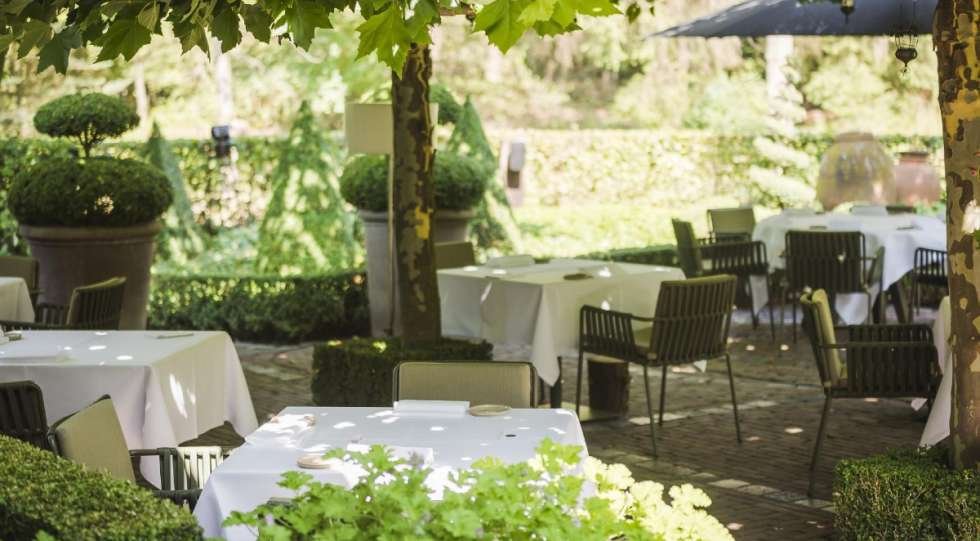
- Garden
- Extensive Wine List
- Garden
Current opening hours
- Monday
- Closed
- Tuesday
- 6 PM–12 AM
- Wednesday
- 6 PM–12 AM
- Thursday
- 6 PM–12 AM
- Friday
- 6 PM–12 AM
- Saturday
- 6 PM–12 AM
- Sunday
- Closed
Hours can change for holidays and private events. Last verified .
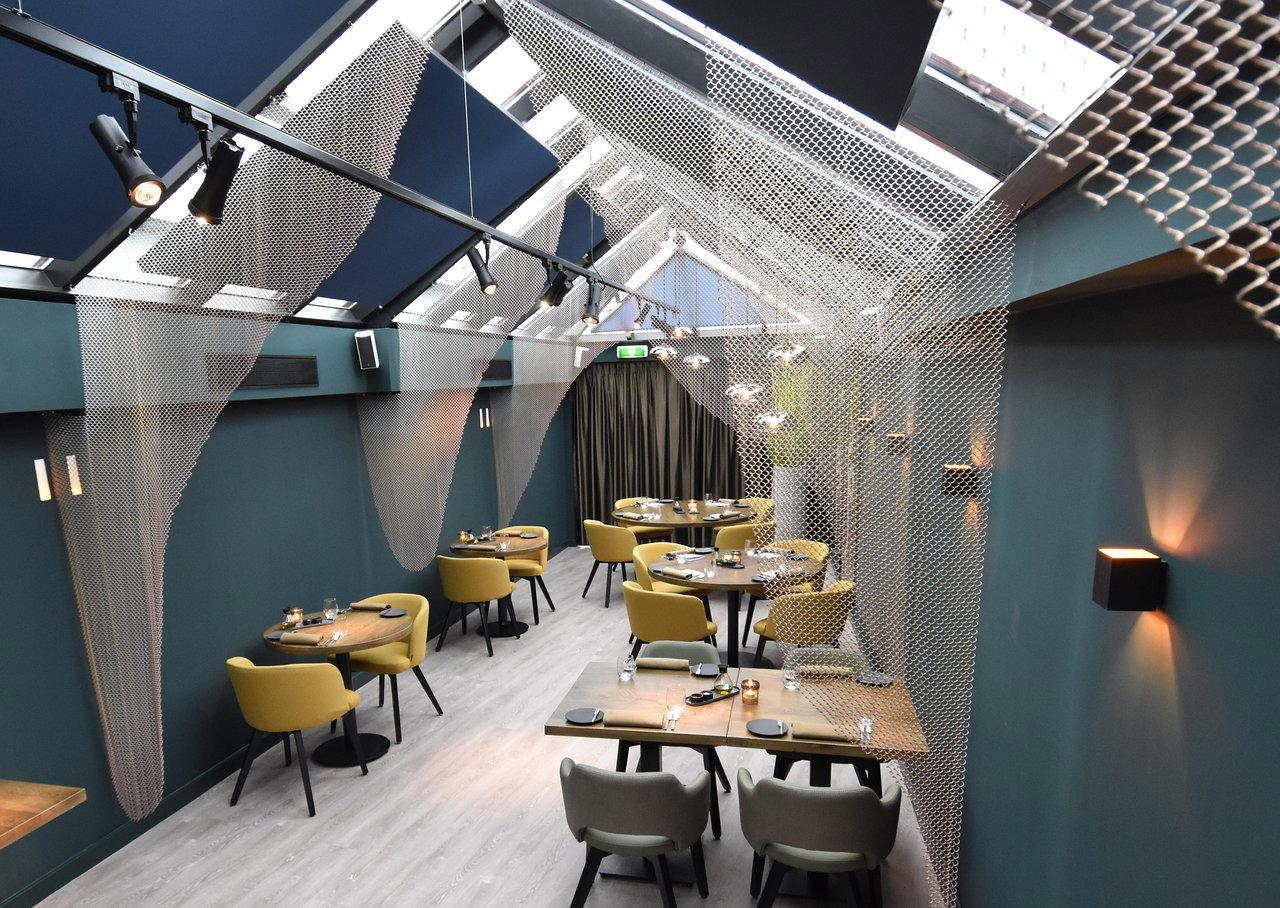
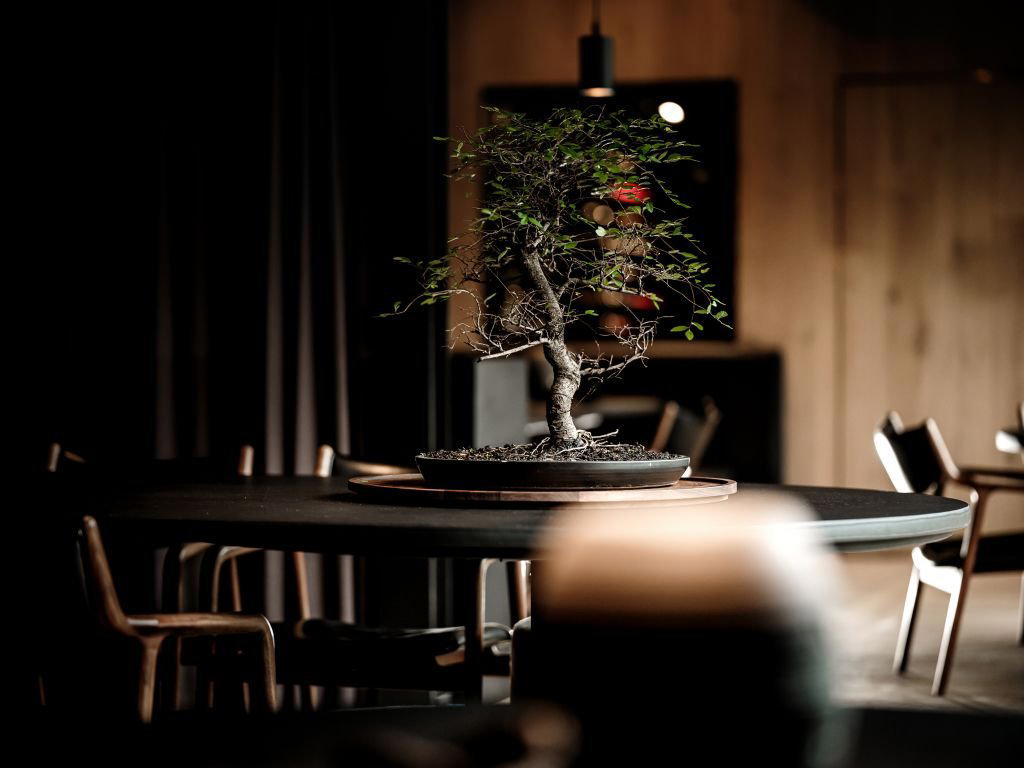
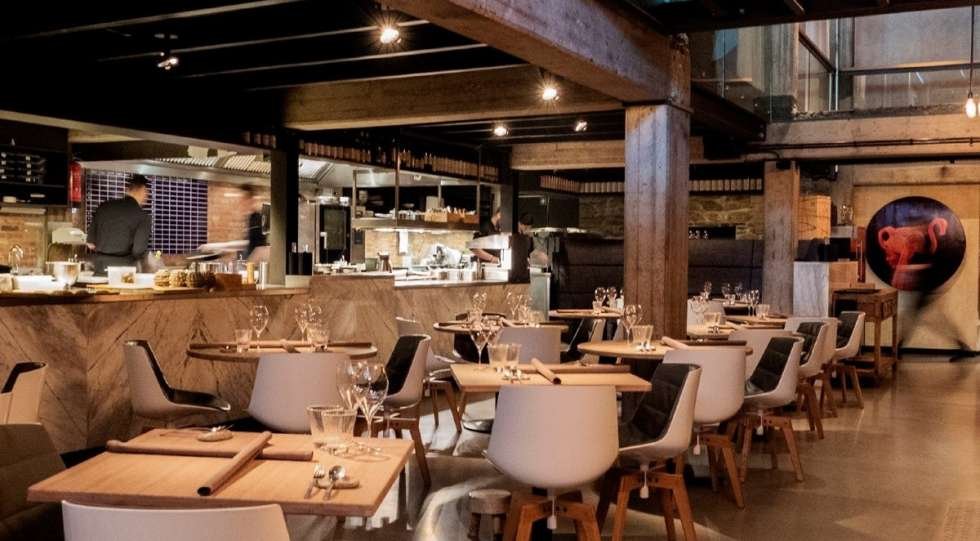
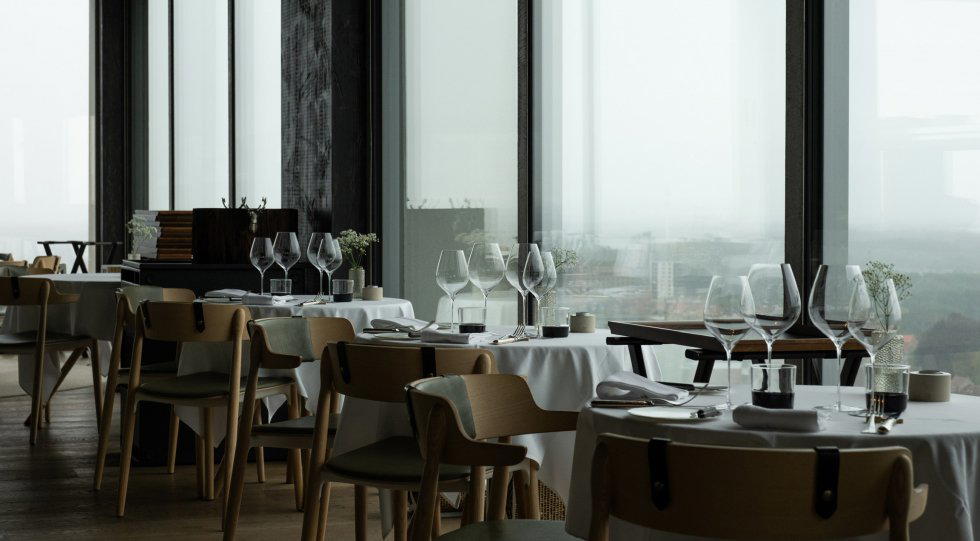
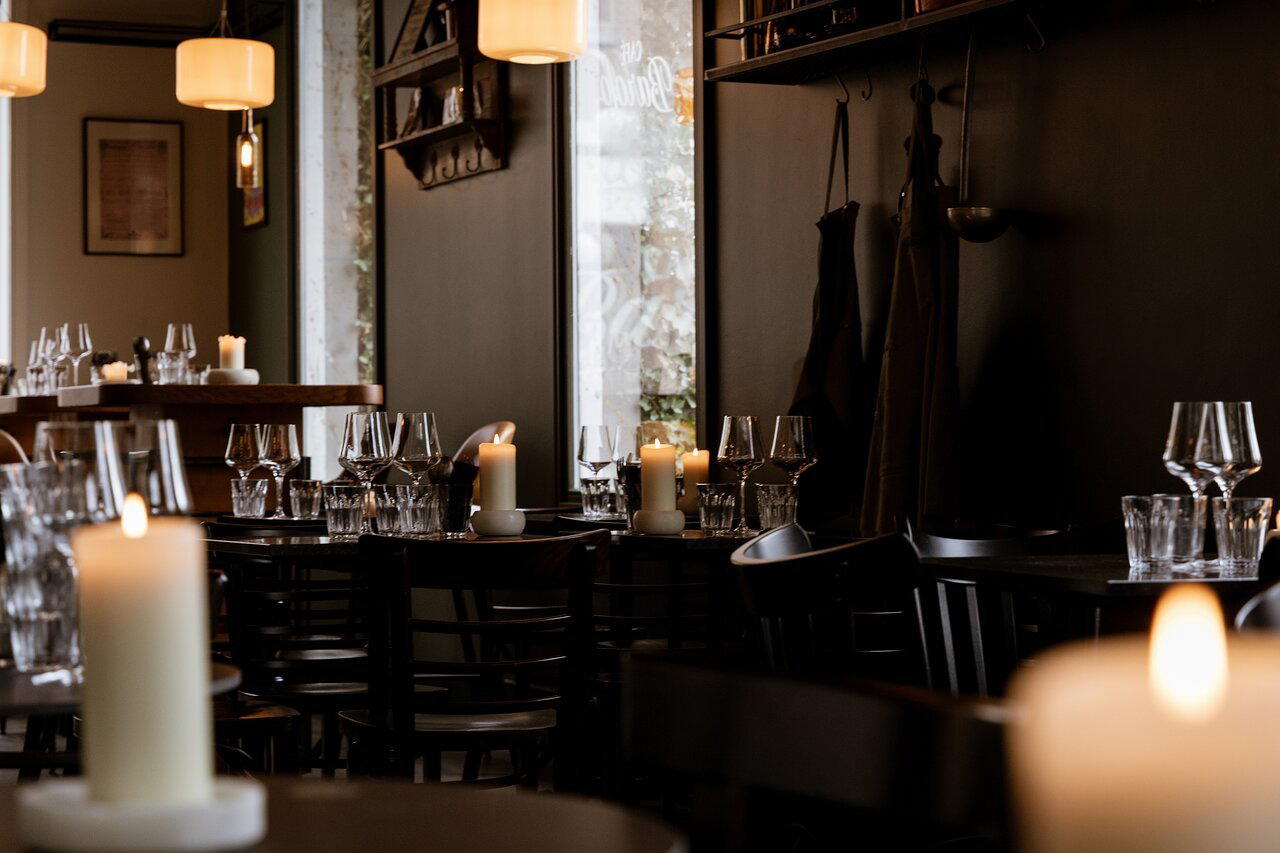
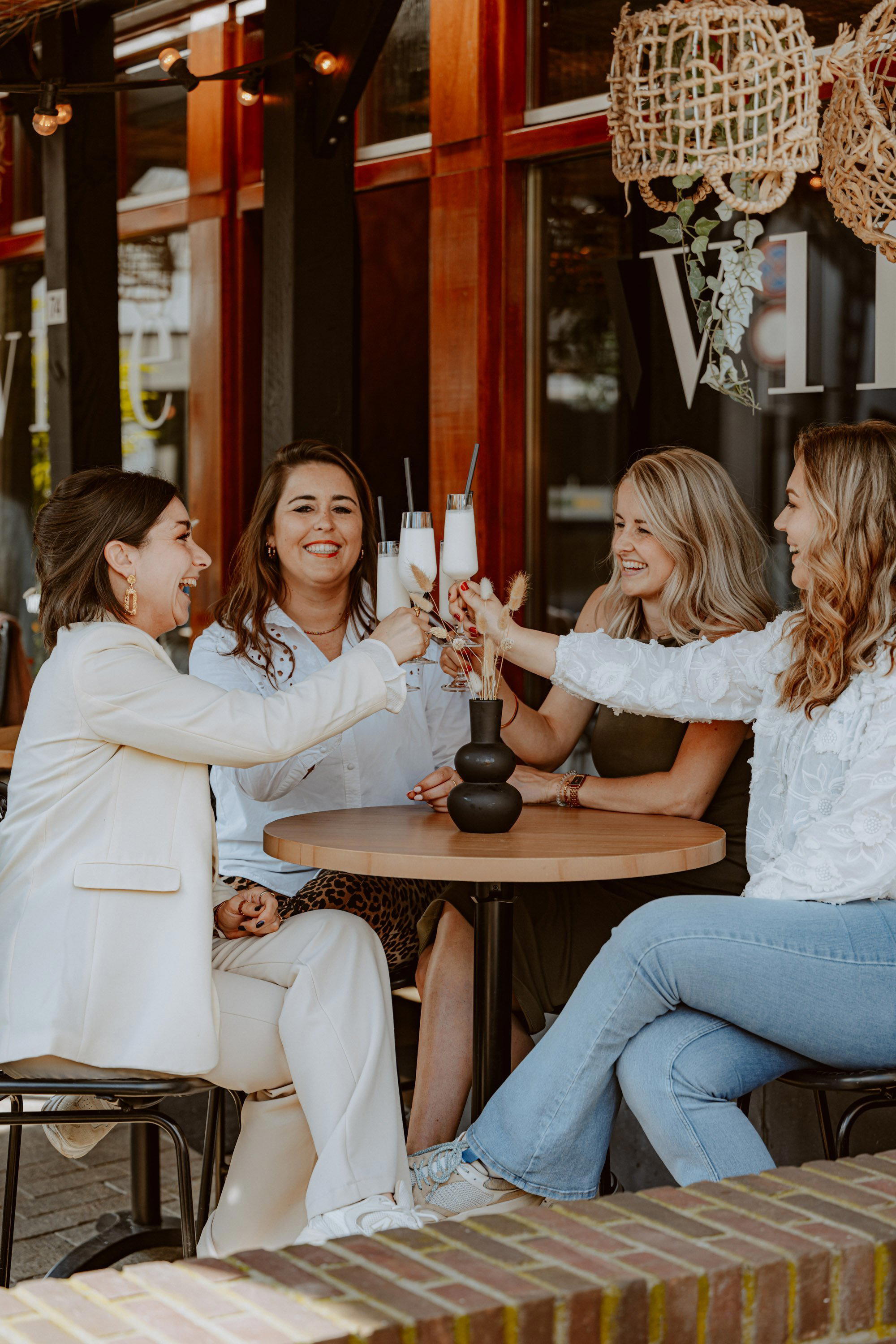
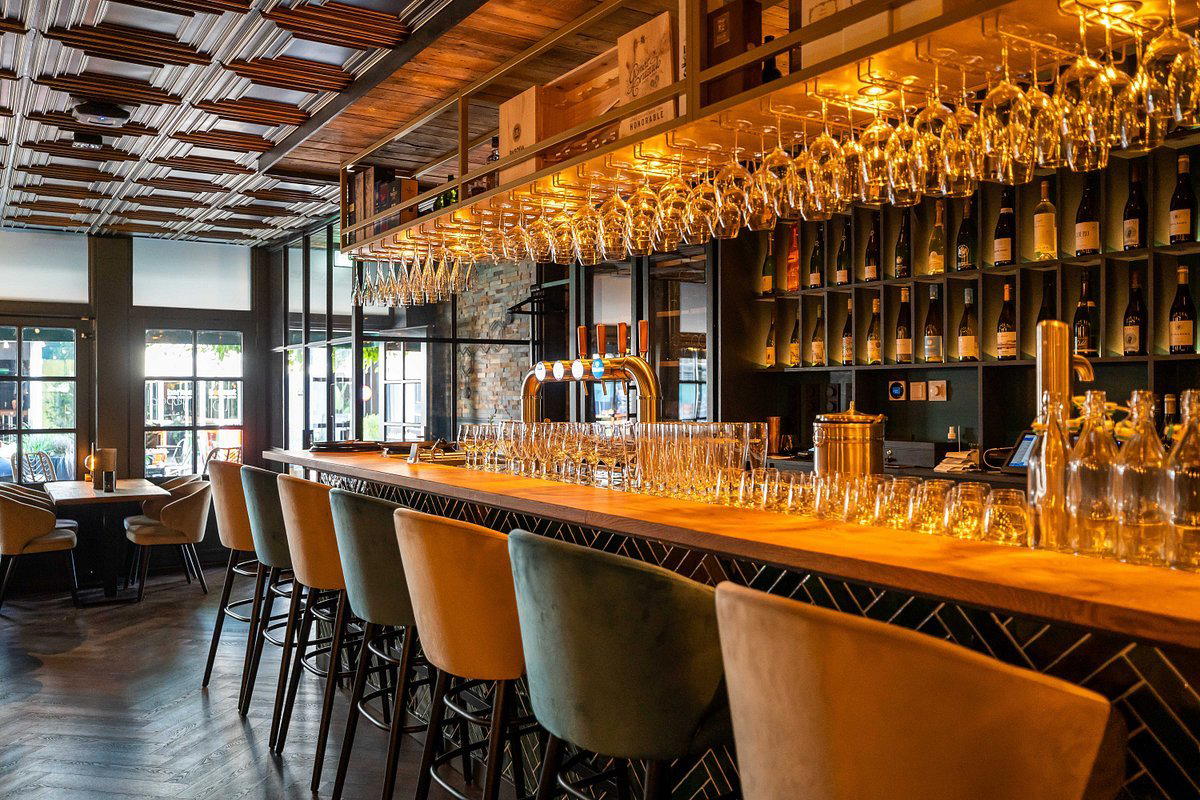
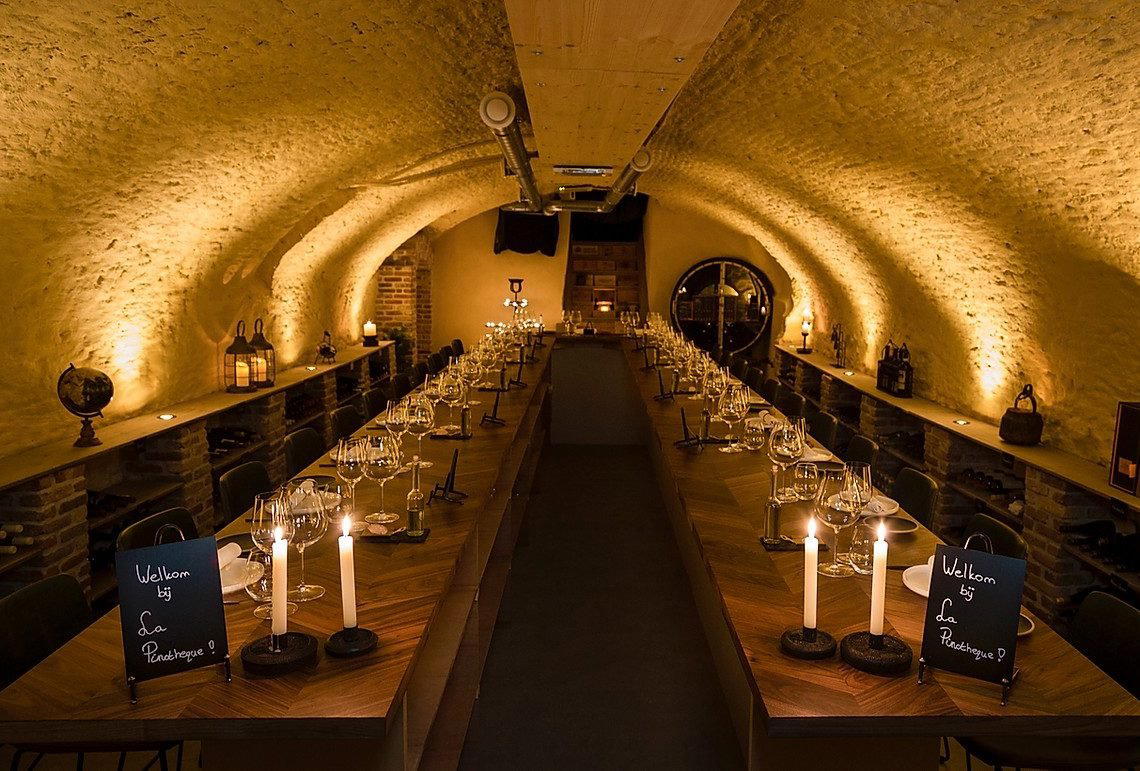
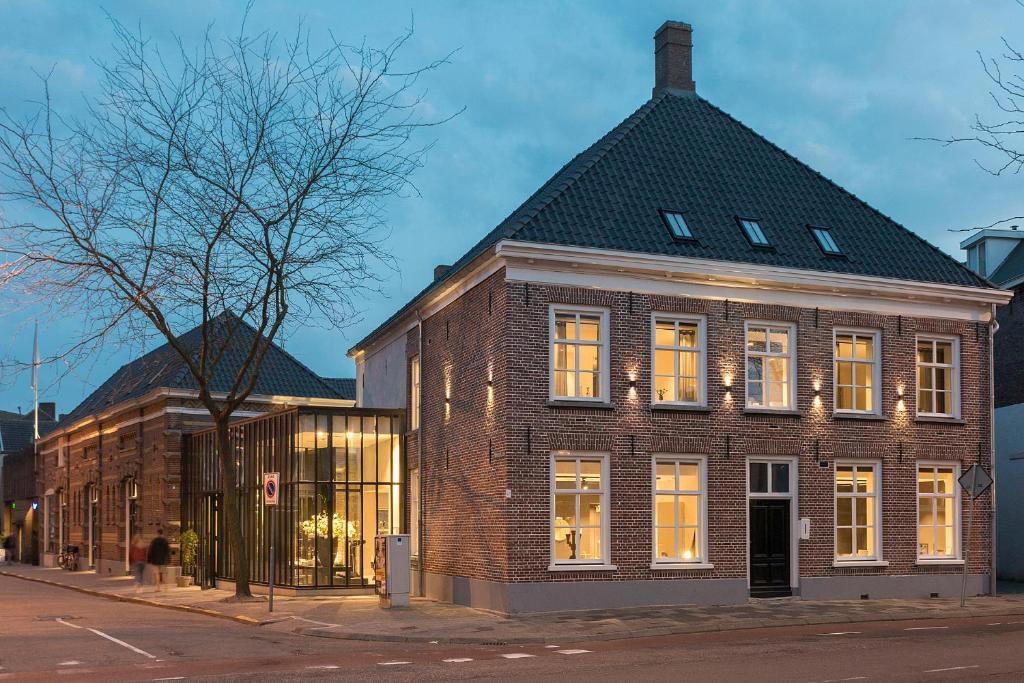
Cozy and stylishly decorated with hospitable Brabant warmth.