

1 Michelin Star
Our verdict
Chef Koen Somers works in a Modern European and Modern French register, and an Opinionated About Dining recommendation from 2023 places the kitchen in the same critical conversation as recognised French-influenced tables across the region.

Pearl is the En Primeur Club membership app, where members save venues, book tables and use the concierge.
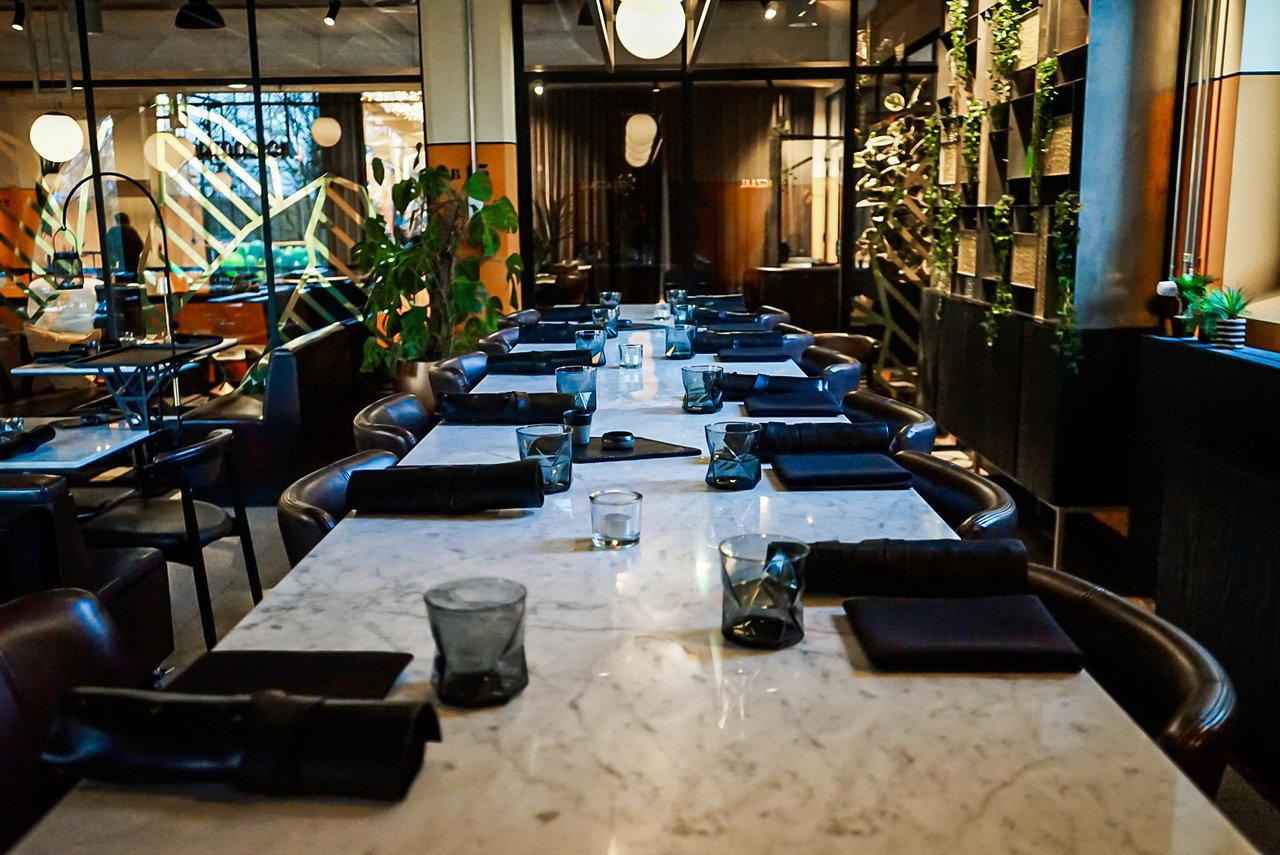
Genk is not a dining capital in the way Antwerp or Brussels announce themselves. What it does have is a dining scene with genuine range across price tiers, from the Moonstone and Feast end of the market through to De Kristalijn at the top of the local price bracket. For the full spread of what the city currently offers, the Genk restaurants guide maps the current picture. The guide's inspectors have consistently rewarded tables outside the obvious metropolitan corridors, and De Kristalijn's one-star retention across both the 2024 and 2025 cycles is evidence of a kitchen operating at a sustained level rather than a one-year peak.
The 2023 Opinionated About Dining Classical recommendation adds a specific dimension: the OAD Classical designation tends to distinguish kitchens grounded in technique and French culinary tradition from those operating in a more contemporary-experimental mode. That credential places De Kristalijn in a distinct peer group within Belgian fine dining, alongside tables like Boury in Roeselare and Zilte in Antwerp, where classical French foundations underpin the cooking without necessarily dominating the plate presentation. Internationally, the same tradition runs through rooms like Le Bernardin in New York, where technique is the argument rather than concept. The reality is more complex. Limburg, the province in which Genk sits, produces fruit and vegetables at a quality level that has sustained serious kitchens for decades. The region's asparagus harvest, its strawberries, and its broader market garden output have historically supplied tables across the country. For a kitchen operating at the Michelin starred level, that proximity to primary production is not incidental, it shapes the seasonal logic of a menu more directly than it would in a capital city restaurant working through wholesale supply chains.
The Modern French register at De Kristalijn implies a menu architecture built around classical preparation techniques applied to this regional ingredient supply.enprimeurclub.com/restaurants/castor-beveren-restaurant">Castor in Beveren and Bartholomeus in Heist, demonstrate how much range exists within that pairing depending on what the local geography offers.
Across the border, the same French-technical approach operating in a different ingredient environment produces a noticeably different result, as at PURS in Andernach, where the Rhine Valley's produce shapes the cooking in ways that distinguish it clearly from a Flemish interpretation of the same tradition. What De Kristalijn represents is a specifically Limburg expression of that broader Franco-Belgian form.
The €€€€ Tier in Genk's Current Scene
Pricing at the €€€€ level in Genk places De Kristalijn at the top of a local market where the majority of serious dining sits at lower price points. The Thrill operates at €€€ with a grills focus; La Botte covers Italian seafood at the €€€€ tier, making it De Kristalijn's closest direct price-tier peer in the city. The spread suggests that Genk's dining market supports a narrow band of premium spending, with De Kristalijn and La Botte between them covering the two dominant fine dining traditions, French-European and Italian, at the ceiling of local price expectations.
For a point of comparison at the Belgian national level, Bozar Restaurant in Brussels operates in a similar Modern European frame but within a very different context: a capital city arts institution location versus a Limburg destination address. The contrast illustrates how the same culinary category performs differently depending on the surrounding infrastructure and visitor base a kitchen draws from.
Planning a Visit
De Kristalijn operates Tuesday through Saturday, with evening service running from 6:30 to 9 pm across all five days. Lunch service is available Wednesday through Friday, from noon to 2 pm, which makes midweek visits a viable option for those travelling specifically to dine rather than combining with another itinerary purpose. The kitchen is closed Sunday and Monday. At the Michelin starred level in a non-metropolitan setting, advance booking is advisable, the combination of limited evening slots and a destination address means this is not a room that typically has open tables on short notice.
For those building a broader Genk itinerary around the visit, the Genk hotels guide covers accommodation, and the bars guide, wineries guide, and experiences guide map what else the city supports at the premium end.
What the Record Shows
The OAD Classical tag is the most directionally useful signal for a prospective diner: it says the cooking is grounded in tradition rather than concept, that technique carries more weight than novelty, and that the experience is likely to be legible to anyone who has dined seriously in the French-European register. That is a specific promise, and the award consistency suggests it is being met with regularity.
Frequently asked questions
What awards or recognition does De Kristalijn have?
De Kristalijn has received recognition including: Michelin 1 Star (2025); Michelin 1 Star (2024); Opinionated About Dining Classical in Europe Recommended (2023).
What's the signature dish at De Kristalijn?
No single dish has been documented as a signature across verified public records. The kitchen operates in a Modern French register under Chef Koen Somers, and the OAD Classical in Europe recommendation for 2023 points to a technique-grounded approach rather than a concept-driven menu. At the €€€€ price tier, expect composed courses built around produce rather than a fixed showpiece. The safest route is to check the venue's official channels before visiting.
What are the operating hours at De Kristalijn?
Hours at De Kristalijn: Hours: Monday Closed Tuesday 6:30–9 pm Wednesday 12–2 pm, 6:30–9 pm Thursday 12–2 pm, 6:30–9 pm Friday 12–2 pm, 6:30–9 pm Saturday 6:30–9 pm Sunday Closed.
How do I find De Kristalijn?
De Kristalijn is located at Wiemesmeerstraat 105, 3600 Genk, Belgium, Genk.
Who is the chef or culinary lead at De Kristalijn?
The chef associated with De Kristalijn is Koen Somers.
Comparable Spots, Quickly
| Venue | Cuisine | Price | Awards | Notes |
|---|---|---|---|---|
| De KristalijnThis venue (the venue you are viewing) | Modern French-Belgian Fine Dining | $100–150 | 1 Michelin Star | Not listed |
| La Botte | Modern Sicilian-Italian Fine Dining | $100–150 | 1 Michelin Star | Italian Seafood, Italian |
| Feast | Modern Neo-Bistro Sharing Plates | $30–50 | Michelin Plate · Wine Spectator Best of Award of Excellence | Creative French |
| Moonstone | Modern French | $50–100 | Michelin Bib Gourmand | Not listed |
| The Thrill | Belgian Steakhouse with Charcoal Grill | $50–100 | Michelin Plate | Grills |
Recognition history
Dated appearances from independent guides and award organizations, with the underlying list record or original source where available.
Michelin 1 Star
Michelin
Opinionated About Dining Classical in Europe Recommended
Opinionated About Dining
Full recognition history (4 entries)
Michelin 1 Star
Michelin
Michelin 1 Star
Michelin
Continue exploring
More in Genk
Restaurants in Genk
All restaurants in Genk →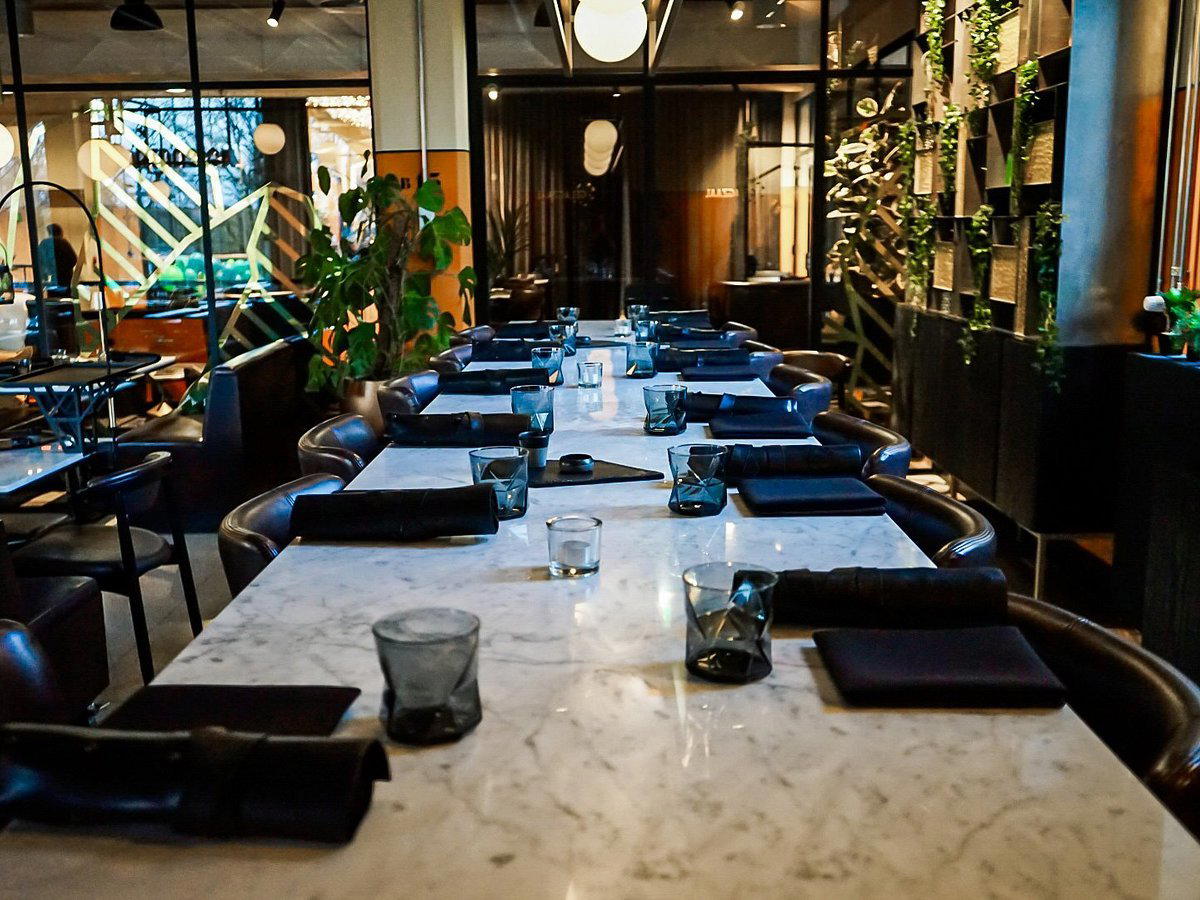
Bars in Genk
Browse all →
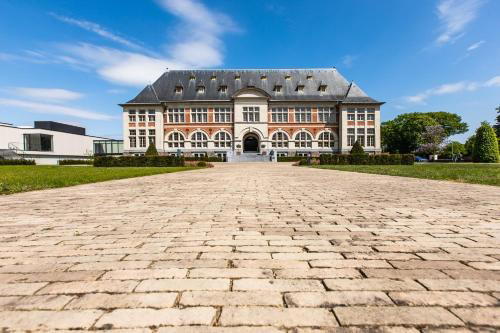
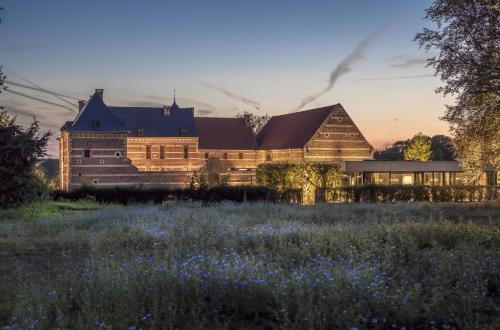
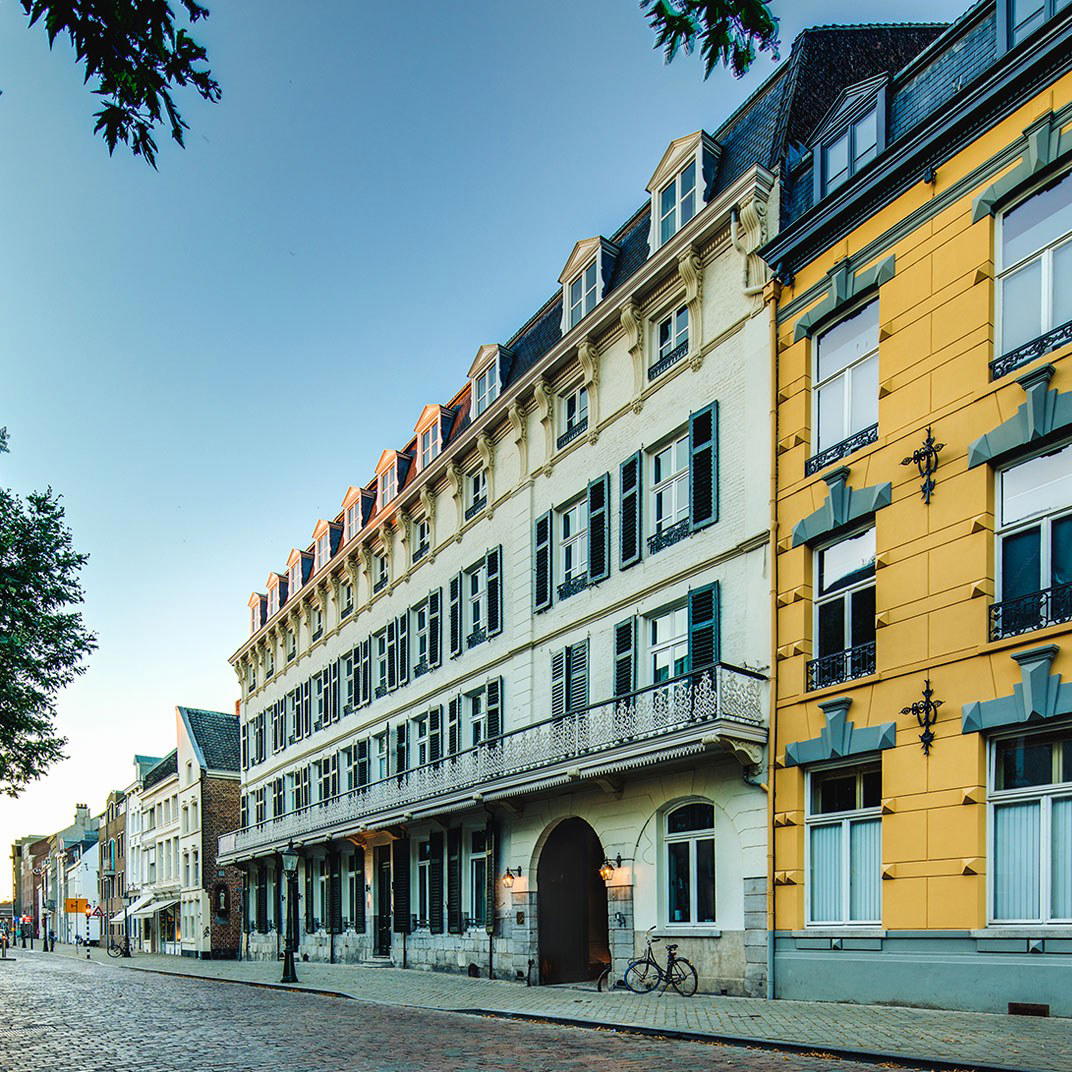
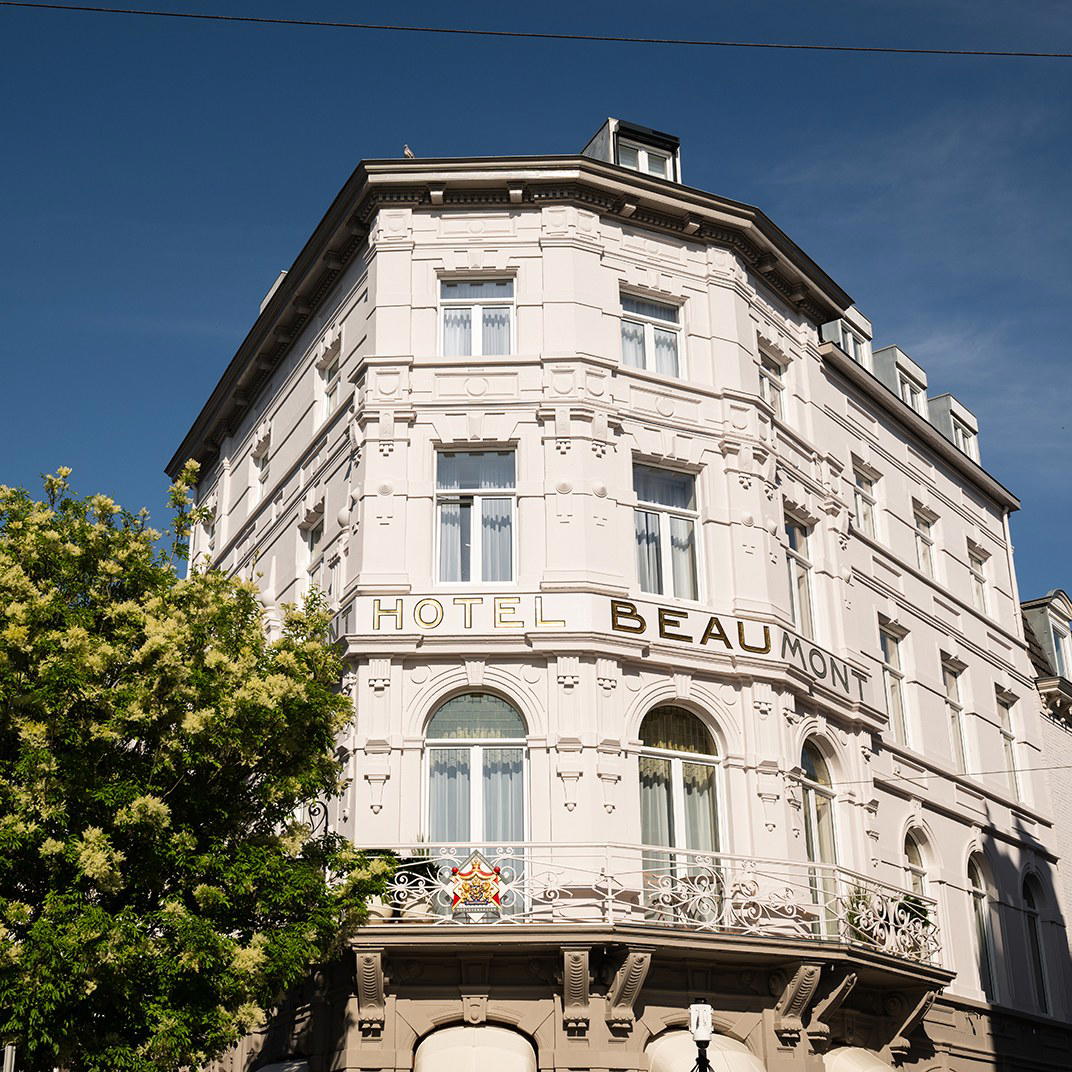

De Kristalijn
The wine
- Wine program
- Deep wine list
- Extensive wine list
- Sommelier-led
Details
- Modern
- Elegant
- Sophisticated
- Cozy
- Date Night
- Special Occasion
- Business Dinner
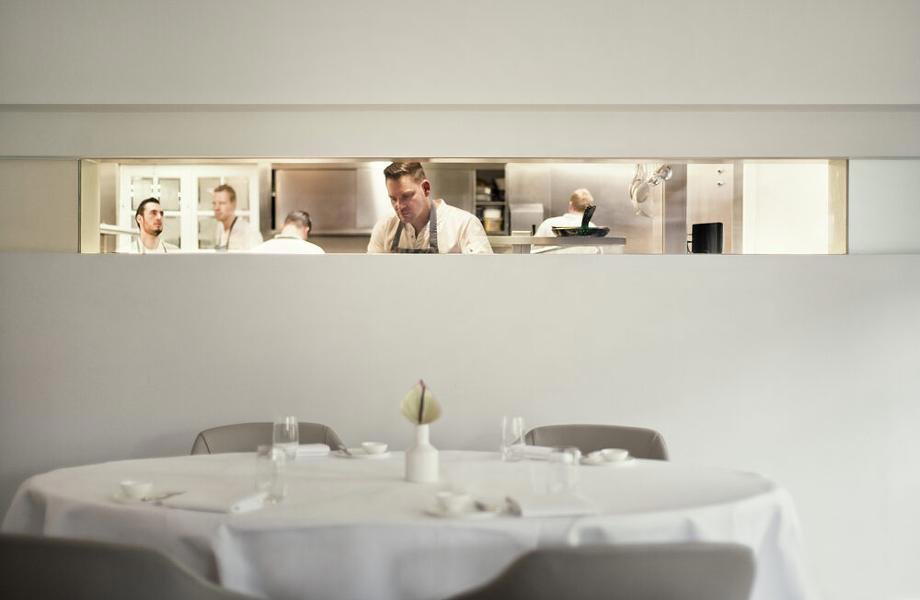
- Open Kitchen
- Extensive Wine List
- Sommelier Led
- Garden
- Tasting Menu
- Vegetarian Friendly
- Vegan Options
- Gluten Free Options
Current opening hours
- Monday
- Closed
- Tuesday
- 6:30–9 PM
- Wednesday
- 12–2 PM, 6:30–9 PM
- Thursday
- 12–2 PM, 6:30–9 PM
- Friday
- 12–2 PM, 6:30–9 PM
- Saturday
- 6:30–9 PM
- Sunday
- Closed
Hours can change for holidays and private events. Hours as of .
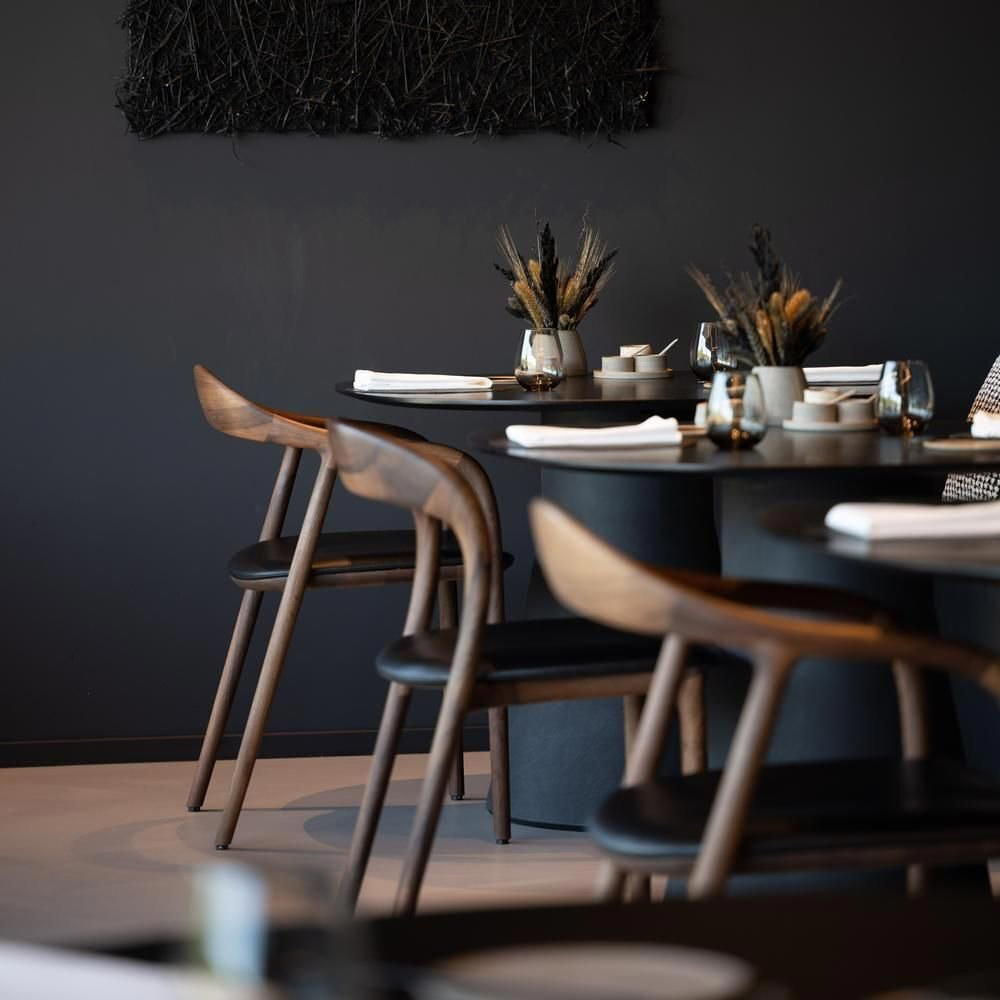
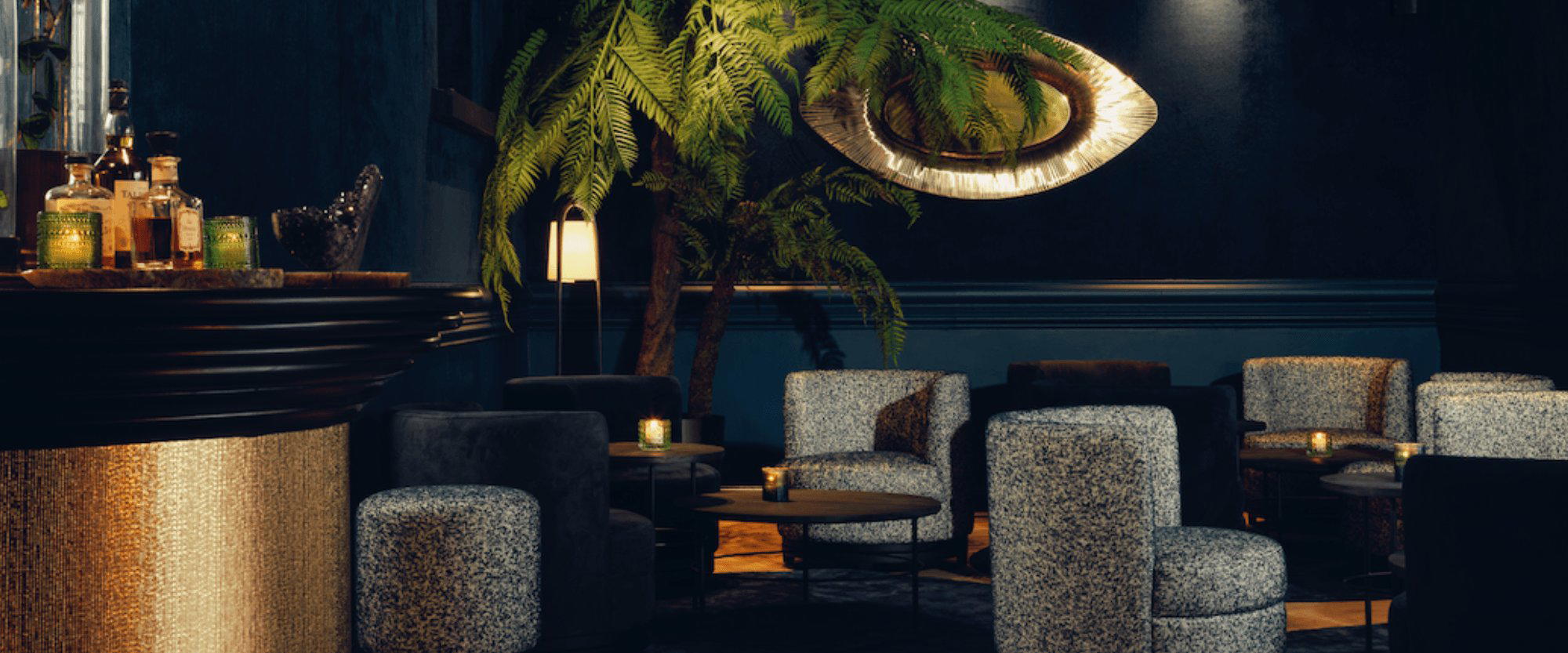
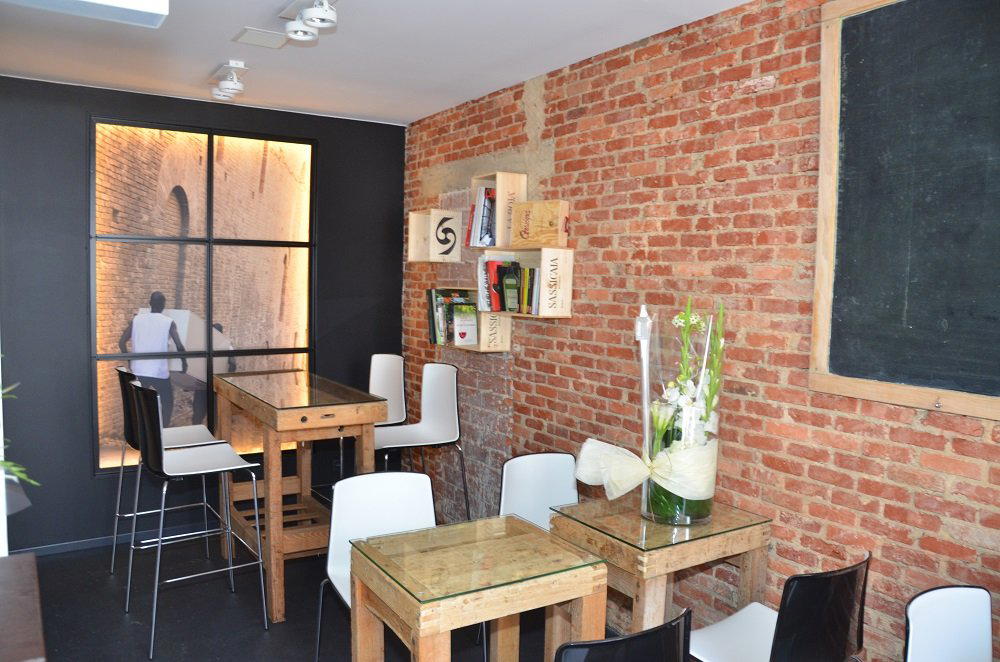
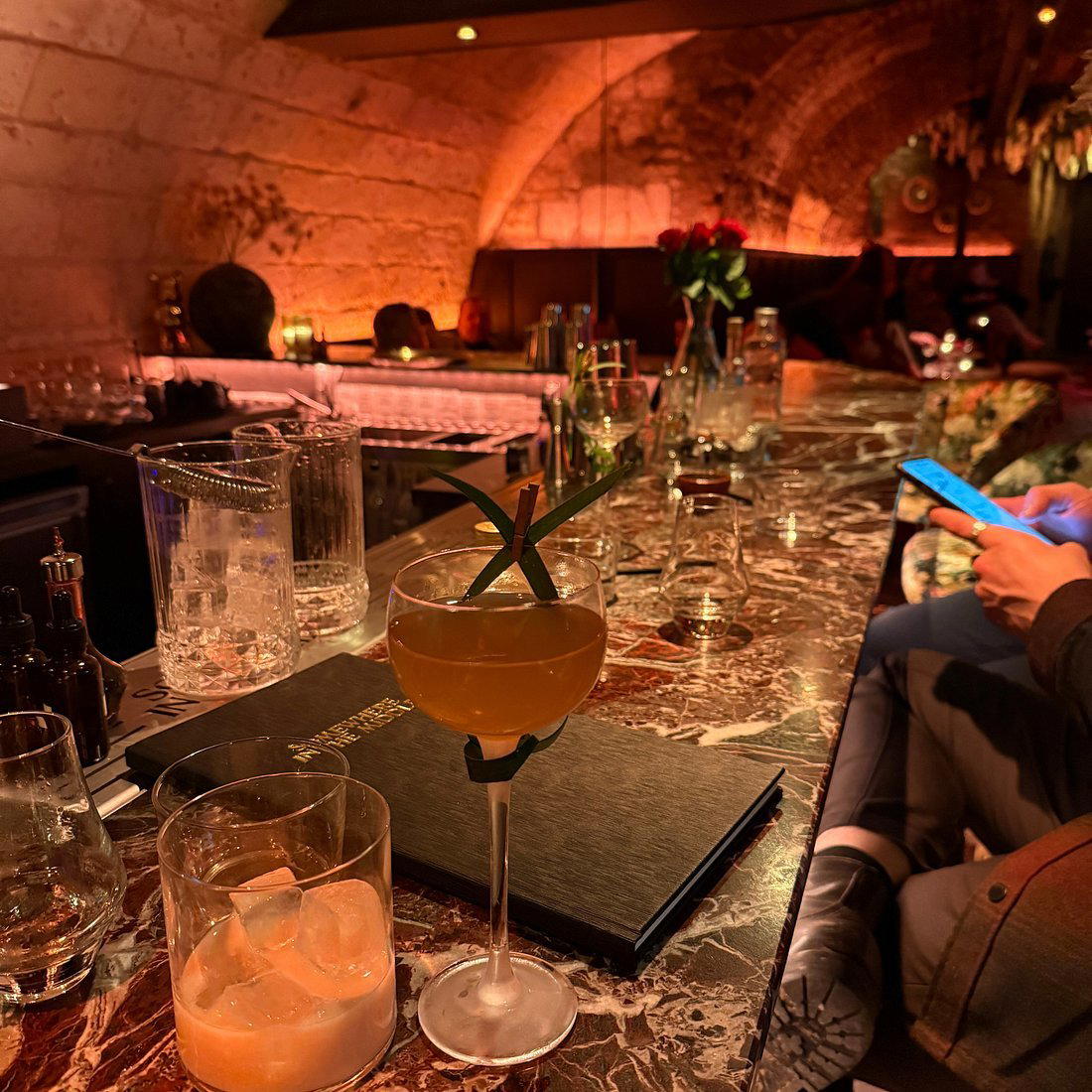
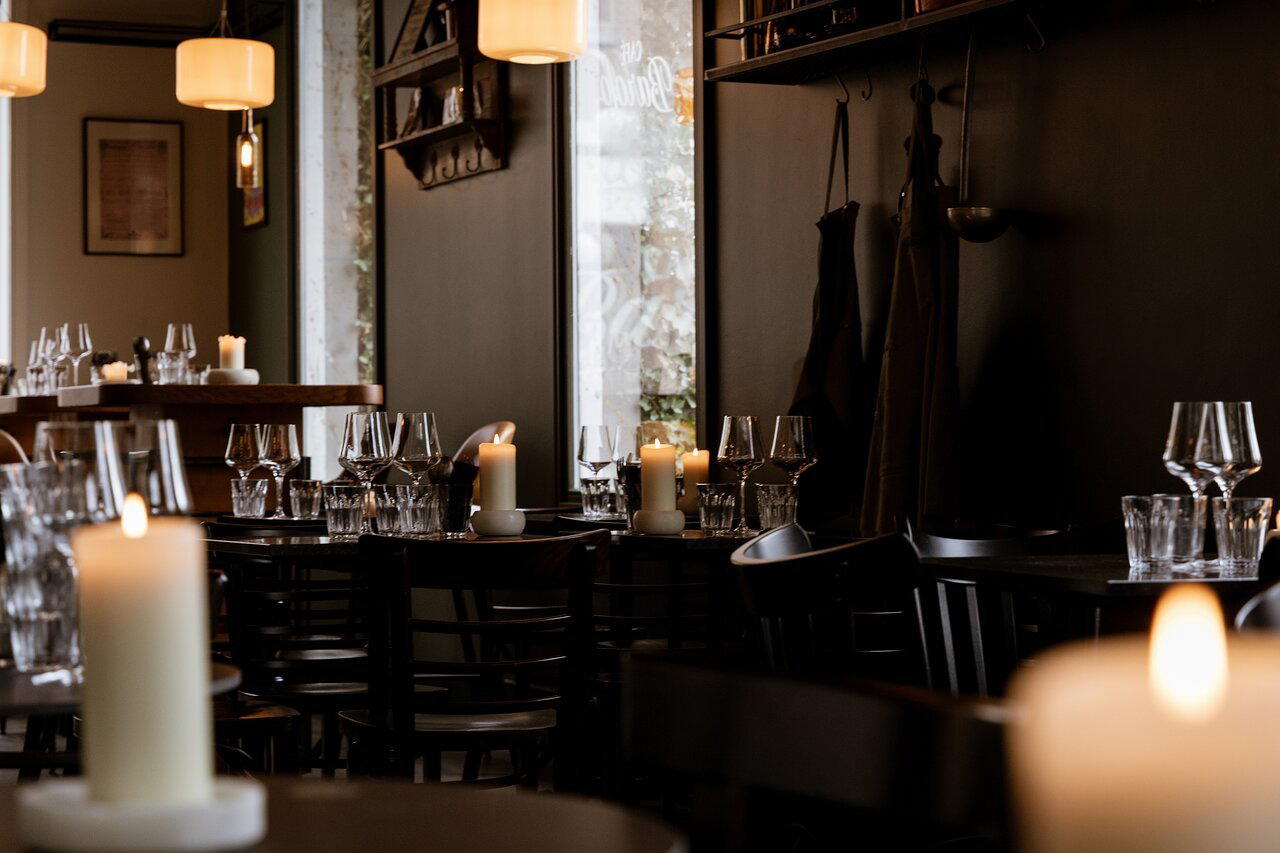
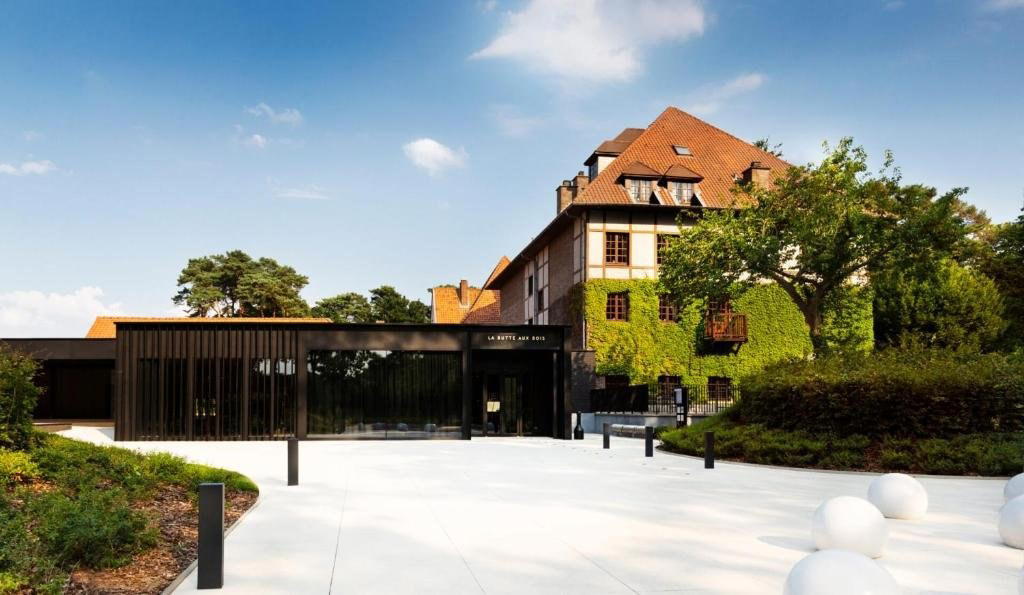
Trendy modern interior with designer lighting, warm gold and brown tones, and dramatic nature views through large windows creating a stylish yet cozy atmosphere.