
Falstaff Winery - Listed
La Maison du Riesling is a small German-wine specialist in Luik, built around Riesling, artisan growers, and consultative tastings rather than estate production. Its value is curatorial: a Belgian access point for small family domaines, sustainable farming approaches, and German terroir translated through guided retail and tasting-room hospitality.

Pearl is the En Primeur Club membership app — saves, bookings, and concierge access live there. Same editors, same standards.
- Address
- Rue de Renory 81, 4031 Liège, Belgium
- Phone
- +32 499 48 56 12
- Hours
- Mon–Fri ClosedSat 11 am–6 pmSun Closed
- Website
- lamaisonduriesling.be
- Directions
- Get directions

Inside the room, the signal is not spectacle but concentration: shelves, bottles, conversation, and the quiet work of explaining why German wine rewards attention. La Maison du Riesling is a small specialist German wine importer in Luik, with an intimate, consultative atmosphere focused on artisan Riesling and other German wines. The appeal is guidance: helping visitors understand bottles through conversation, tasting, and a more personal reading of style. It is the kind of address where the value sits less in display and more in interpretation, where a bottle is not simply pointed out but placed into context.
Riesling is the anchor, but the more useful way to read the offer is through specialist attention. German wine can be opaque for casual buyers: regional styles, acidity, sweetness, producer language, and bottle context can all matter. A focused importer earns its place by translating those variables without flattening them. Here, the experience is closer to a guided buying session than a conventional bottle-shop browse. That distinction matters, because the visitor is not left alone with labels and assumptions; the visit is shaped by questions, explanation, and a patient narrowing of choice.
German wine, translated through consultation
La Maison du Riesling works from Luik as a focused address for German wine rather than as a broad generalist shop. The picture is deliberately modest: artisan Riesling, other German wines, personalized guidance, and tastings in a small retail or warehouse-style setting. That makes the room useful for visitors who want help choosing bottles and understanding what they are tasting. Its strength is not breadth for its own sake, but the confidence that comes from returning to a defined subject and treating it seriously.
Because this is an importer rather than a producing estate, the sense of place is mediated through selection and explanation. The land in question is not outside the door; it is carried in through bottles and conversation. This Luik address works by making another country’s wine language more legible through curation. The result is a form of proximity created indoors: visitors encounter German wine through the choices on the shelf and through the way those choices are described.
That curatorial role is not a lesser craft. In specialist wine retail, selection is part of the craft. For Riesling in particular, that matters because the grape can be discussed through balance, acidity, expression, and use at the table. La Maison du Riesling’s focus gives visitors a clearer route into German wine than a broad, anonymous retail shelf would. Instead of treating Riesling as a single idea, the consultative approach allows it to be understood as a range of possibilities, with nuance carried through the tasting and buying conversation.
A tasting-room model built on consultation, not performance
The hospitality format is intimate and conversational. The room is better understood as a specialist importer’s tasting and retail space than as a restaurant or large public cellar door. The scale is small, the atmosphere is cozy, and the setting is modest rather than showy. That combination suits people who want to ask questions, compare styles, and leave with bottles chosen through direct guidance. It also sets the tone of the visit: unhurried, specific, and built around the visitor’s curiosity rather than around a scripted presentation.
For travellers building a wider Luik itinerary, La Maison du Riesling is best treated as a wine-focused stop rather than a meal replacement. Its purpose is narrower, and that is part of its usefulness. It offers a pause in which the subject is German wine itself: how it tastes, how to think about it, and how to choose with more confidence.
Specialist wine addresses often stand on focus: one region, one grape family, or one clear point of view. La Maison du Riesling fits that pattern by narrowing attention to German bottles, especially artisan Riesling, and by using consultation as part of the visit. The focus gives the experience a readable shape. Visitors who arrive with little knowledge can use the conversation as an introduction, while those who already enjoy Riesling can use the same setting to refine their preferences.
La Maison du Riesling makes sense when the goal is education as much as purchase. Choose it for German wines, Riesling fluency, personalized guidance, and a quieter consultative exchange. Do not approach it as a vineyard tour or a restaurant substitute. Its lane is narrower and more useful: a Luik specialist translating German wine through tasting, selection, and direct advice. In that lane, its modesty becomes an advantage, keeping attention on the bottle, the explanation, and the exchange between visitor and specialist.
Recognition history
Dated appearances from independent guides and award organizations, with the underlying list record or original source where available.
Falstaff Winery - Listed
Falstaff
Continue exploring
More in Luik
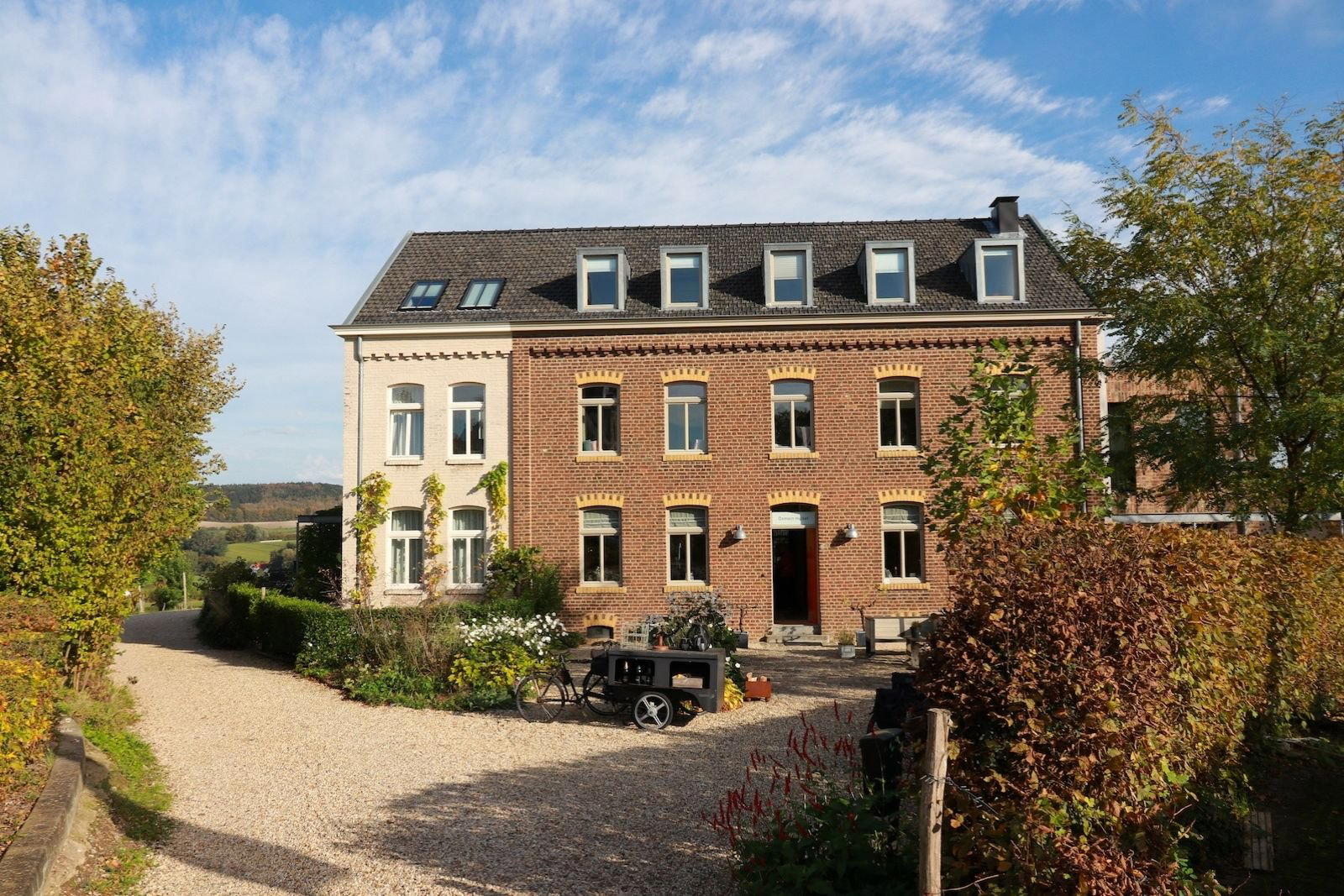
Wineries in Luik
Browse all →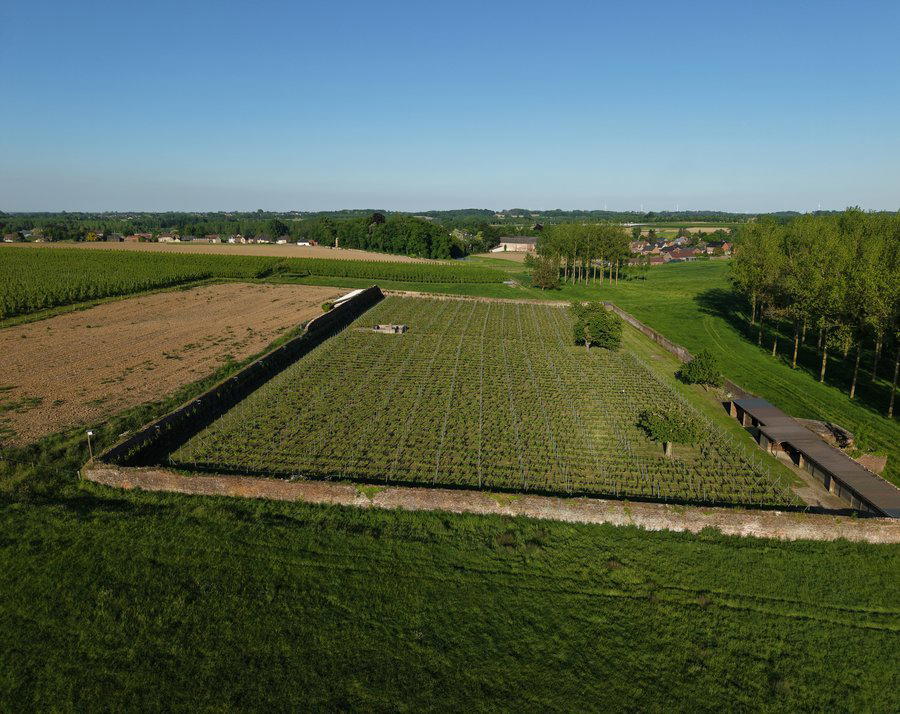
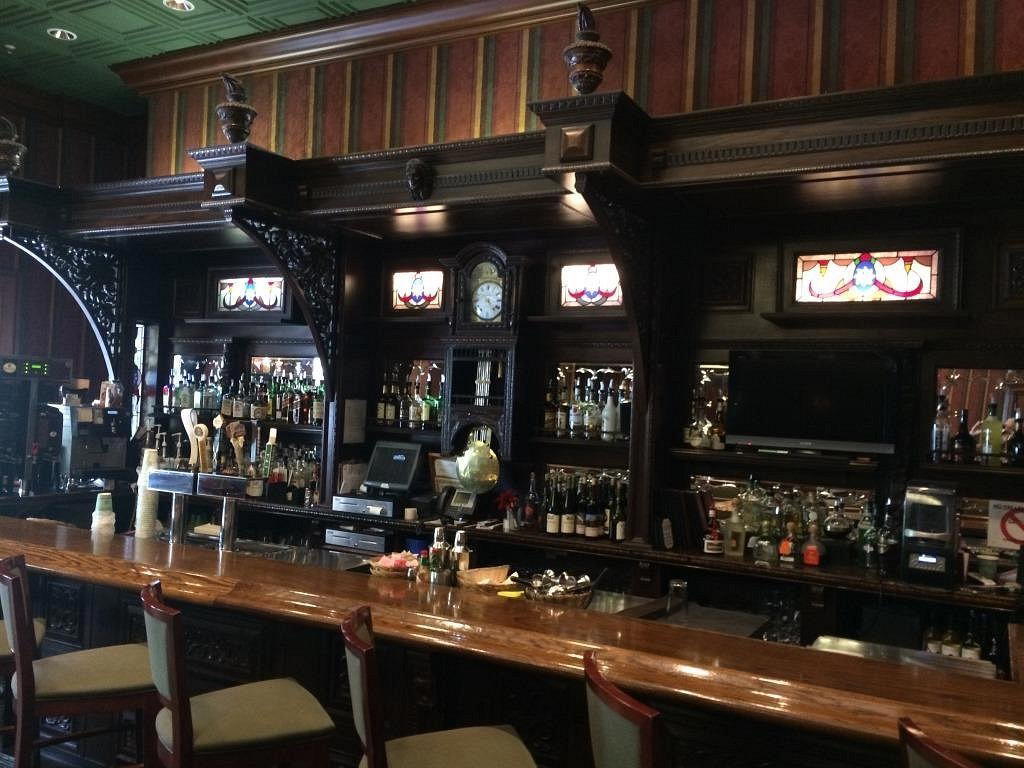
Bars in Luik
Browse all →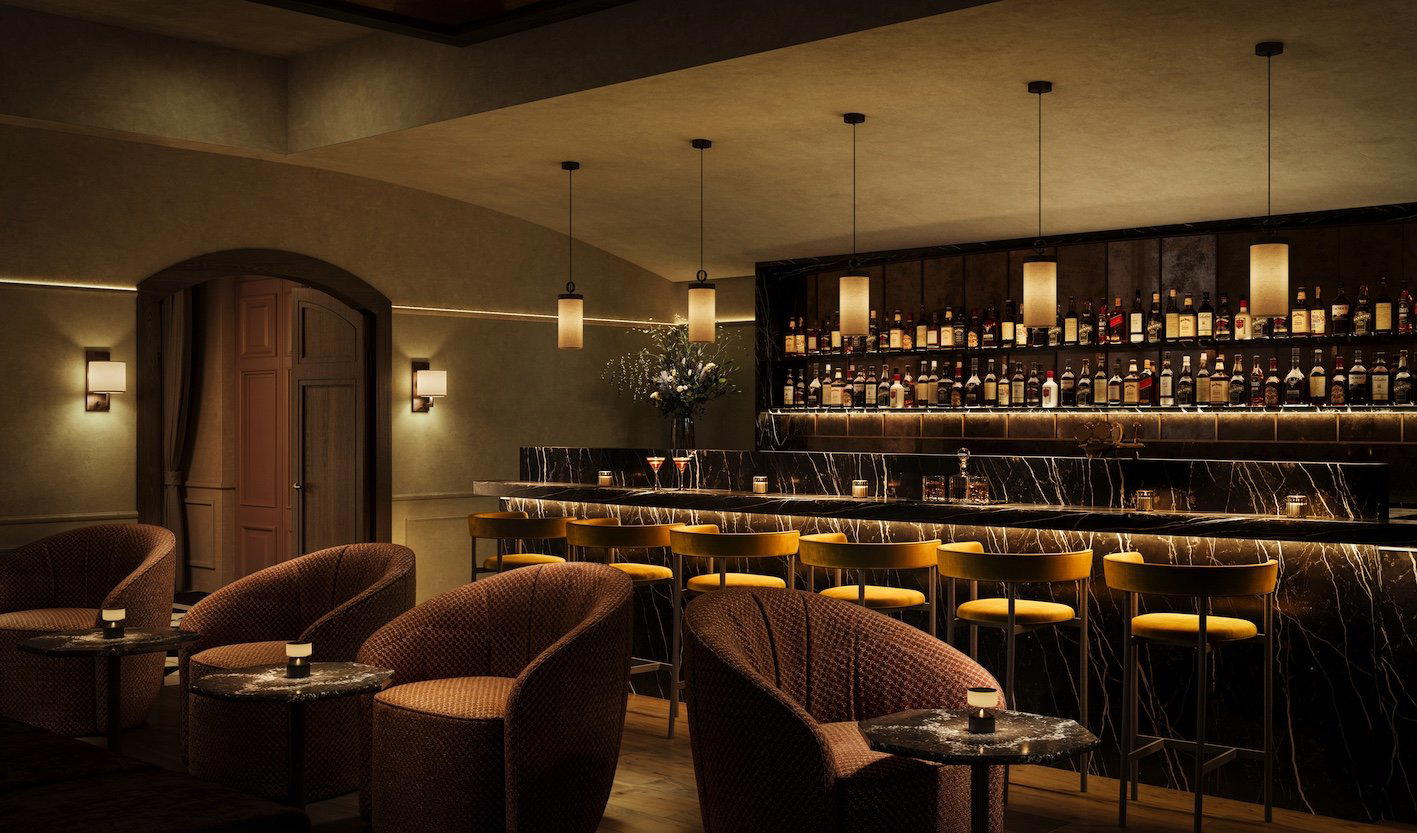
Restaurants in Luik
Browse all →
Details
- Cozy
- Classic
- Intimate
- Wine Education
- Solo Exploration
- Group Outing
- Private Tasting
- Organic
- Biodynamic
- Sustainable
- Riesling
- Still White
- Sparkling
- Dessert
- By Appointment Tasting
- Retail Shop Sampling
- French
Current opening hours
- Monday
- Closed
- Tuesday
- Closed
- Wednesday
- Closed
- Thursday
- Closed
- Friday
- Closed
- Saturday
- 11 am–6 pm
- Sunday
- Closed
Hours can change for holidays and private events. Last verified .
Small specialist German wine importer with an intimate, consultative atmosphere focused on artisan Riesling and other German wines, offering personalized guidance and tastings for visitors in a modest retail/warehouse-style space.