Ons Jongens
In the Brabant countryside outside Eindhoven, Ons Jongens operates from a residential address in Someren that gives little away from the outside. The kitchen draws on the agricultural character of the region, where proximity to farms and seasonal produce shapes what ends up on the plate. For diners tracking the quieter end of Dutch fine dining, this is a table worth understanding before booking.
Pearl is the En Primeur Club membership app — saves, bookings, and concierge access live there. Same editors, same standards.
- Address
- Boerenkamplaan 167, 5712 AD Someren, Netherlands
- Phone
- +31653348153
- Website
- onsjongens.nl
- Directions
- Get directions
 Saves & bookings on Pearl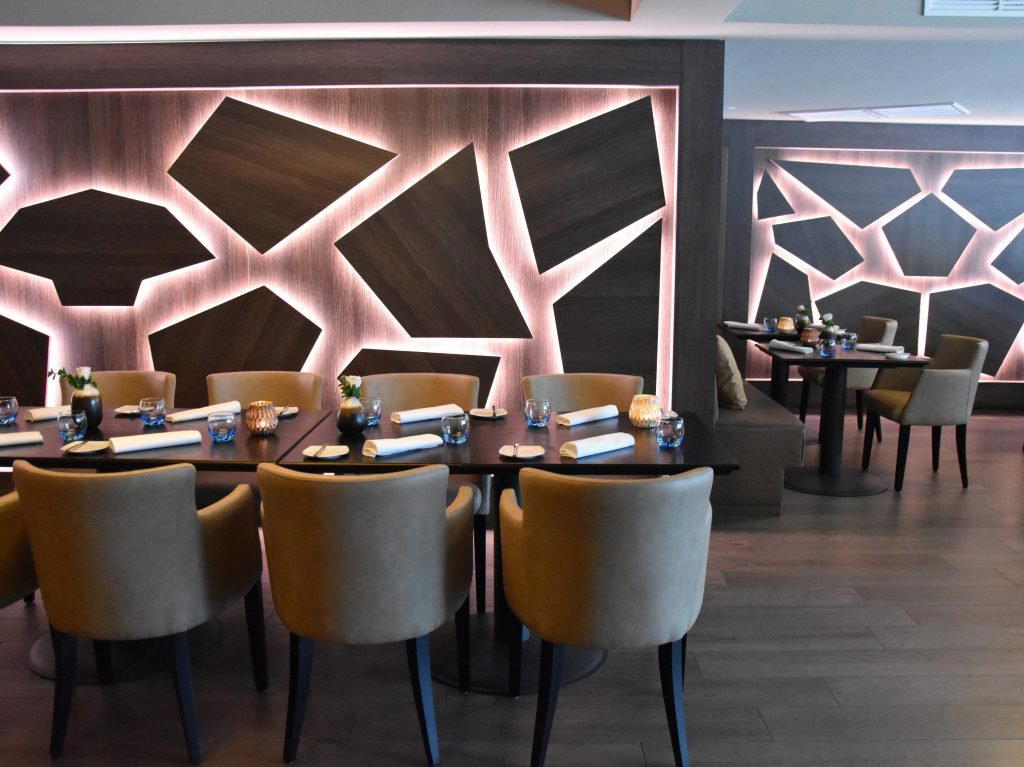
Where the Brabant Countryside Meets the Plate
The Noord-Brabant province has always sat at an interesting fault line in Dutch gastronomy. It is agricultural enough to sustain serious ingredient relationships with local producers, yet close enough to the Belgian border that French and Flemish cooking traditions have long shaped how its kitchens think. Someren, a small municipality east of Eindhoven, is not a name that appears frequently on national dining itineraries, which is precisely what makes the presence of a destination-worthy address here worth examining. Ons Jongens sits at Boerenkamplaan 167 in a part of the Netherlands where the land is flat, the farms are close, and the table can speak directly to both.
Across Dutch fine dining, the past decade has seen a significant shift toward sourcing legibility. Restaurants from De Nieuwe Winkel in Nijmegen, with its certified organic emphasis, to De Lindehof in Nuenen, just a short drive from Someren, have moved ingredient provenance from a footnote to a central editorial statement on the menu. That movement has particular traction in Brabant, where the density of artisan producers, market gardens, and smallholders gives kitchens genuine access to something worth talking about.
The Scene Around Someren
Understanding Ons Jongens requires understanding what kind of dining it occupies geographically and by category. The Eindhoven region has developed a small but coherent fine dining circuit over the past fifteen years. De Treeswijkhoeve in Waalre and Tribeca in Heeze represent the more established end of that local circuit, each drawing regional clientele willing to drive thirty minutes from the city for a serious meal. Someren extends that arc further east, toward a quieter, more residential setting where the restaurant trade is thinner and the expectations of the audience differ accordingly.
That geography matters for ingredient sourcing. A kitchen operating in a dense urban context competes for the same supplier relationships as dozens of peers. A kitchen in Someren, with fewer restaurant neighbours and direct access to the agricultural belt between Eindhoven and the German border, is positioned differently. The Noord-Brabant region produces a wide range of ingredients, from asparagus in the spring months around Woensdrecht to game from the Peel heathland to the north. For any kitchen serious about seasonal produce, the calendar here has genuine texture.
The wider Dutch fine dining map rewards comparison. At the upper end, addresses like De Librije in Zwolle, Ciel Bleu in Amsterdam, and Inter Scaldes in Kruiningen operate with Michelin recognition and the booking patterns that follow. Below that tier, a quieter group of regional addresses carries serious kitchen ambition without the same national profile. Ons Jongens, given its location and the relative obscurity of Someren as a dining destination, reads as part of that second group, where the cooking can be ambitious and the room less pressured.
Ingredient Sourcing as the Defining Frame
The editorial tradition of sourcing-led cooking in the Netherlands owes something to Scandinavian influence and something to the particular pride Brabant kitchens take in regional identity. When a kitchen in this part of the country commits to seasonal produce, it is not making an abstract philosophical statement. It is responding to a very specific agricultural calendar, one that runs from winter root vegetables and preserved stock through the white asparagus season that Brabant treats as close to a civic event, into summer produce and autumn game. Kitchens that track that calendar closely produce menus that change not by season in the broad sense but almost by week in the most attentive cases.
That approach puts pressure on kitchen consistency and supplier relationships in equal measure. The comparison point is instructive: Brut172 in Reijmerstok, another smaller-format address operating in a Dutch village setting, has built its reputation on precisely this kind of close-range sourcing discipline. De Groene Lantaarn in Staphorst represents a similar model in the north of the country. The pattern across these addresses is consistent: smaller rooms, specific supplier relationships, and menus that resist the standardisation that comes with city-scale operations.
For diners accustomed to the reference-point kitchens of Amsterdam or Rotterdam, such as FG by François Geurds or the fish-forward precision of Le Bernardin in New York City, the shift to a village address in Brabant involves recalibrating expectations around room size, service formality, and the specific logic of the menu. That recalibration is not a compromise. It is a different set of pleasures organised around different priorities.
Planning a Visit
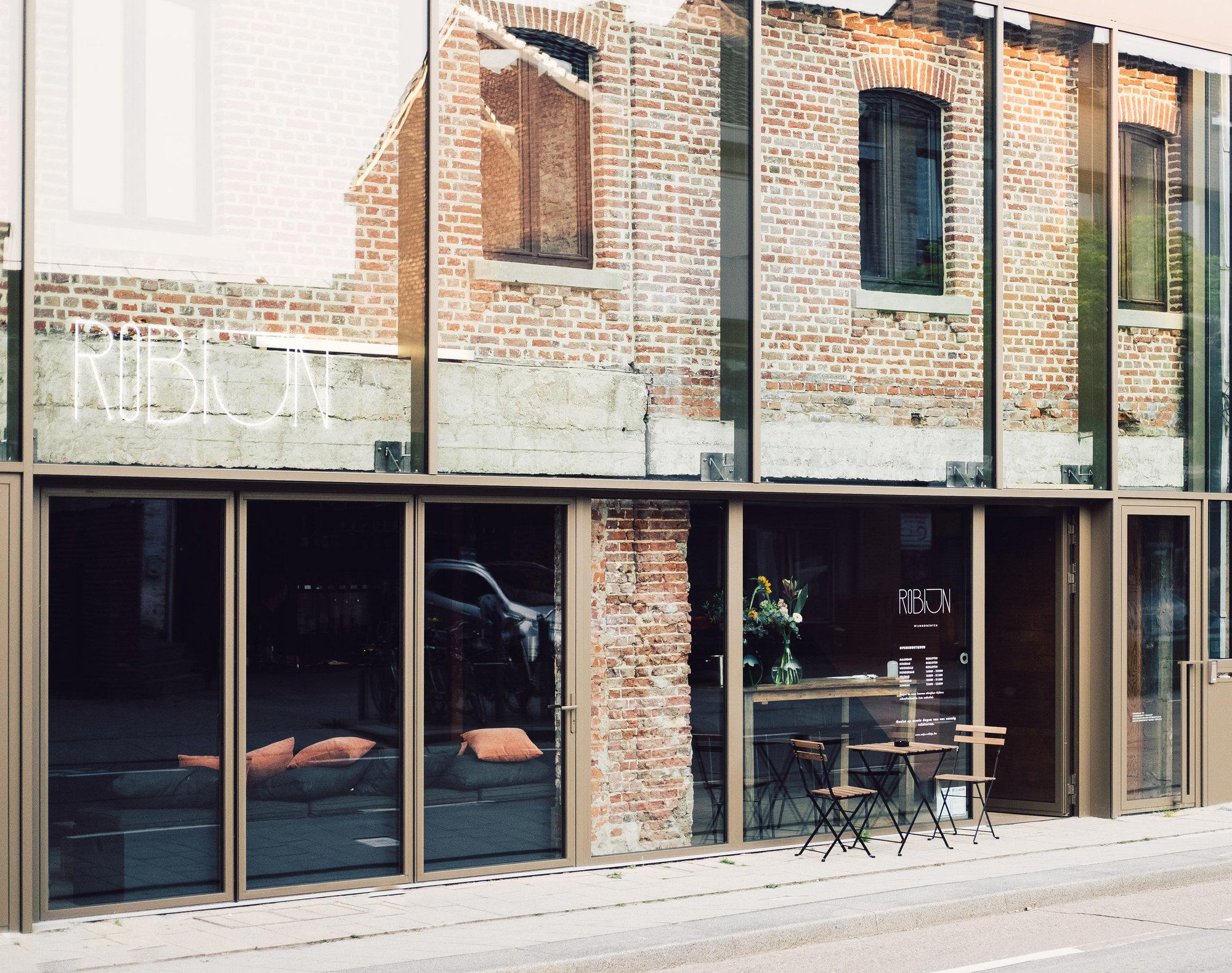
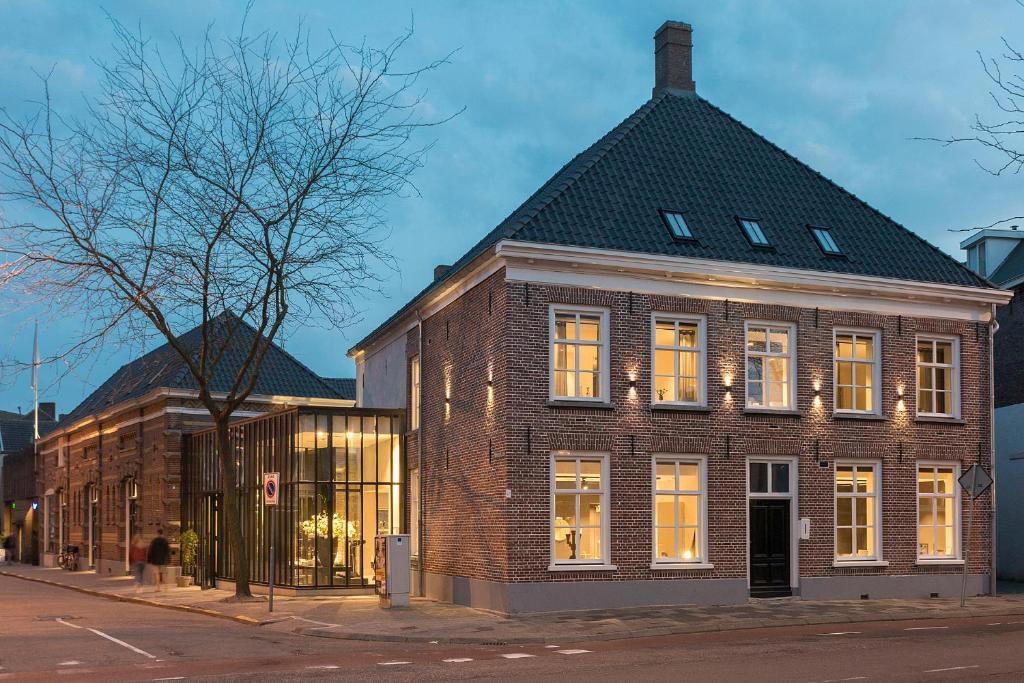
Someren is accessible by car from Eindhoven in under thirty minutes, making it practical as a destination dinner for anyone staying in or around the city. The address at Boerenkamplaan 167 places the restaurant in a residential part of town, which sets the visual register before you enter: this is not a high street address or a converted mill with a car park and terrace signage. Given the scale typical of this restaurant category in the region, advance booking is advisable, particularly for weekend evenings and during the Brabant asparagus season in spring, when demand from local diners tends to concentrate.
For travellers combining Ons Jongens with a broader regional itinerary, De Lindenhof in Giethoorn, 't Nonnetje in Harderwijk, and Aan de Poel in Amstelveen represent the kind of serious regional kitchens that reward a multi-stop Dutch itinerary. The full picture of where Ons Jongens sits within the Someren and Eindhoven dining scene is covered in our full Someren restaurants guide.
Comparison Snapshot
| Venue | Cuisine | Price | Awards |
|---|---|---|---|
| Ons JongensThis venue — the venue you are viewing | This venue | Not listed | Not listed |
| De Librije | Modern Cuisine | €€€€ | Michelin 3 Star |
| 't Nonnetje | Creative | €€€€ | Michelin 2 Star |
| De Lindehof | Contemporary Dutch, Creative | €€€€ | Michelin 2 Star |
| De Nieuwe Winkel | Organic | €€€€ | Michelin 2 Star |
| Fred | Creative French | €€€€ | Michelin 2 Star |
At a Glance
- Cozy
- Rustic
- Date Night
- Special Occasion
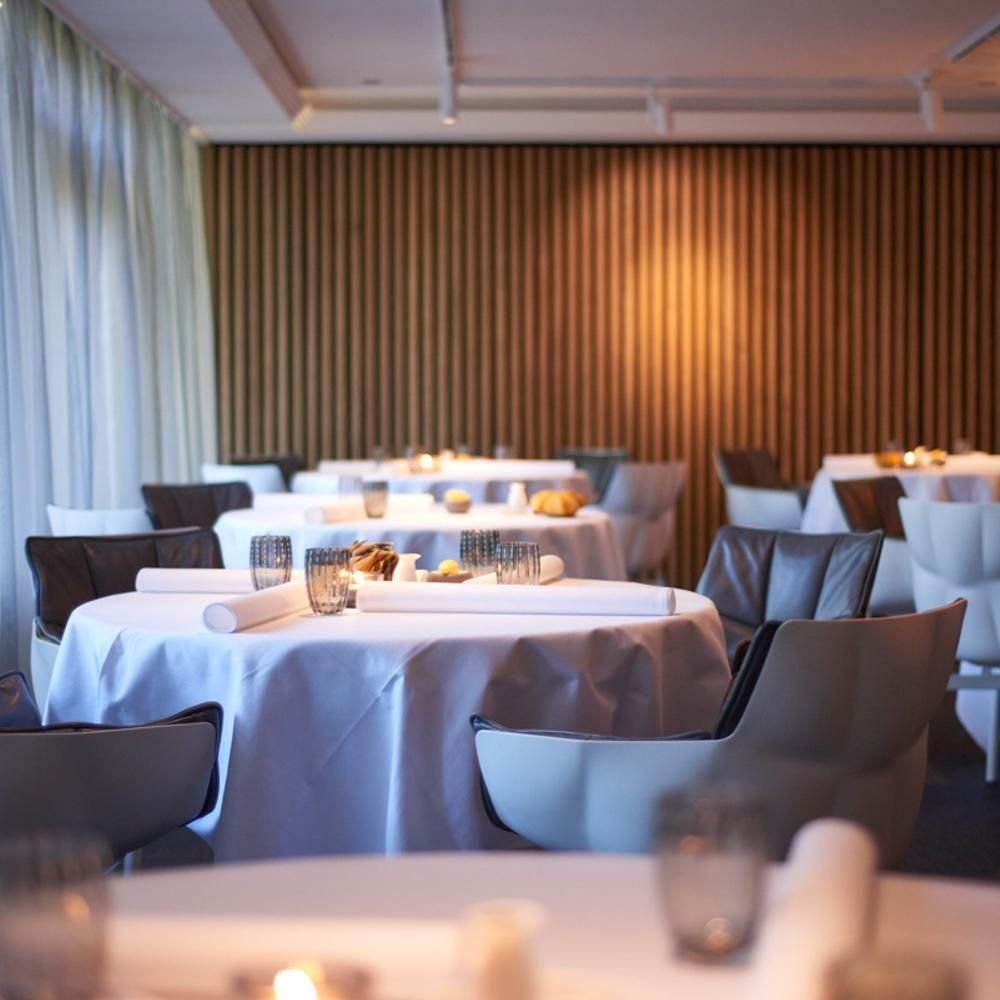
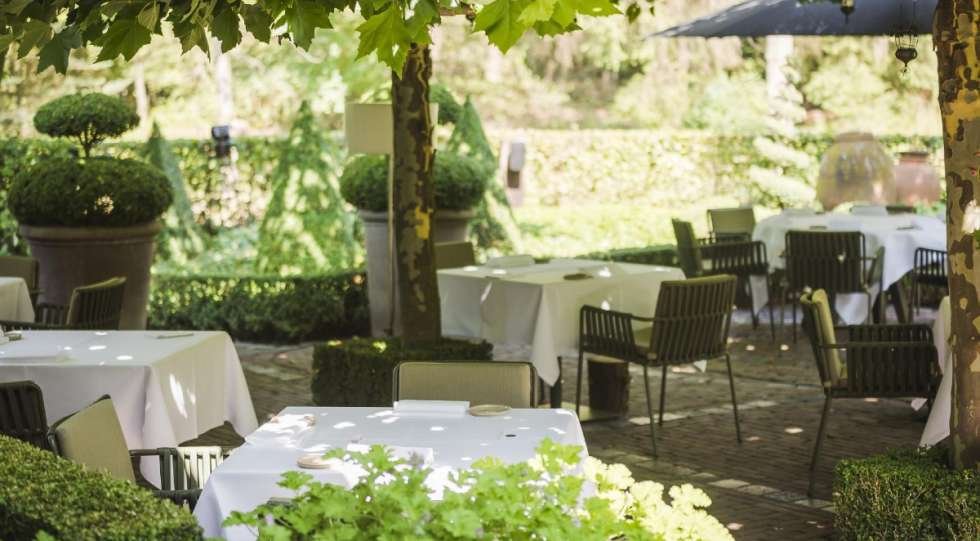
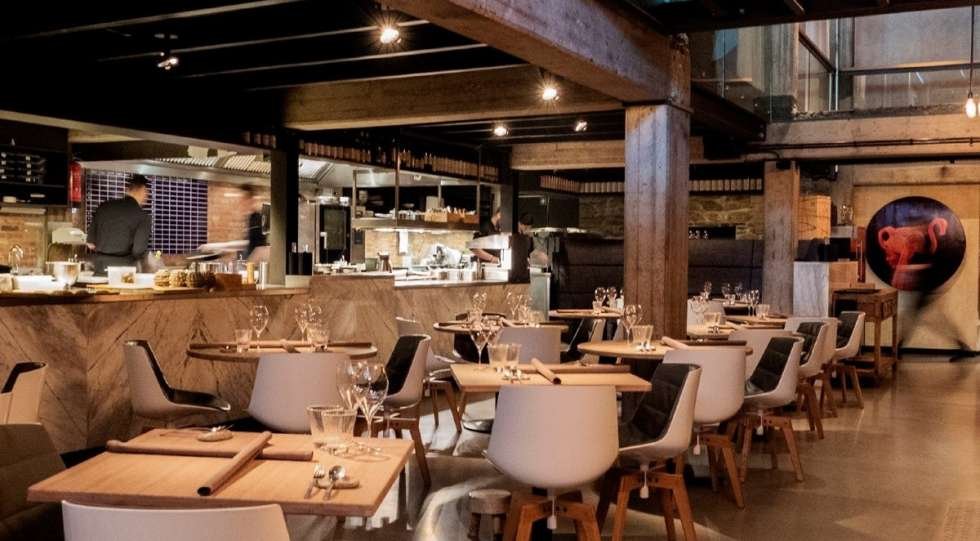
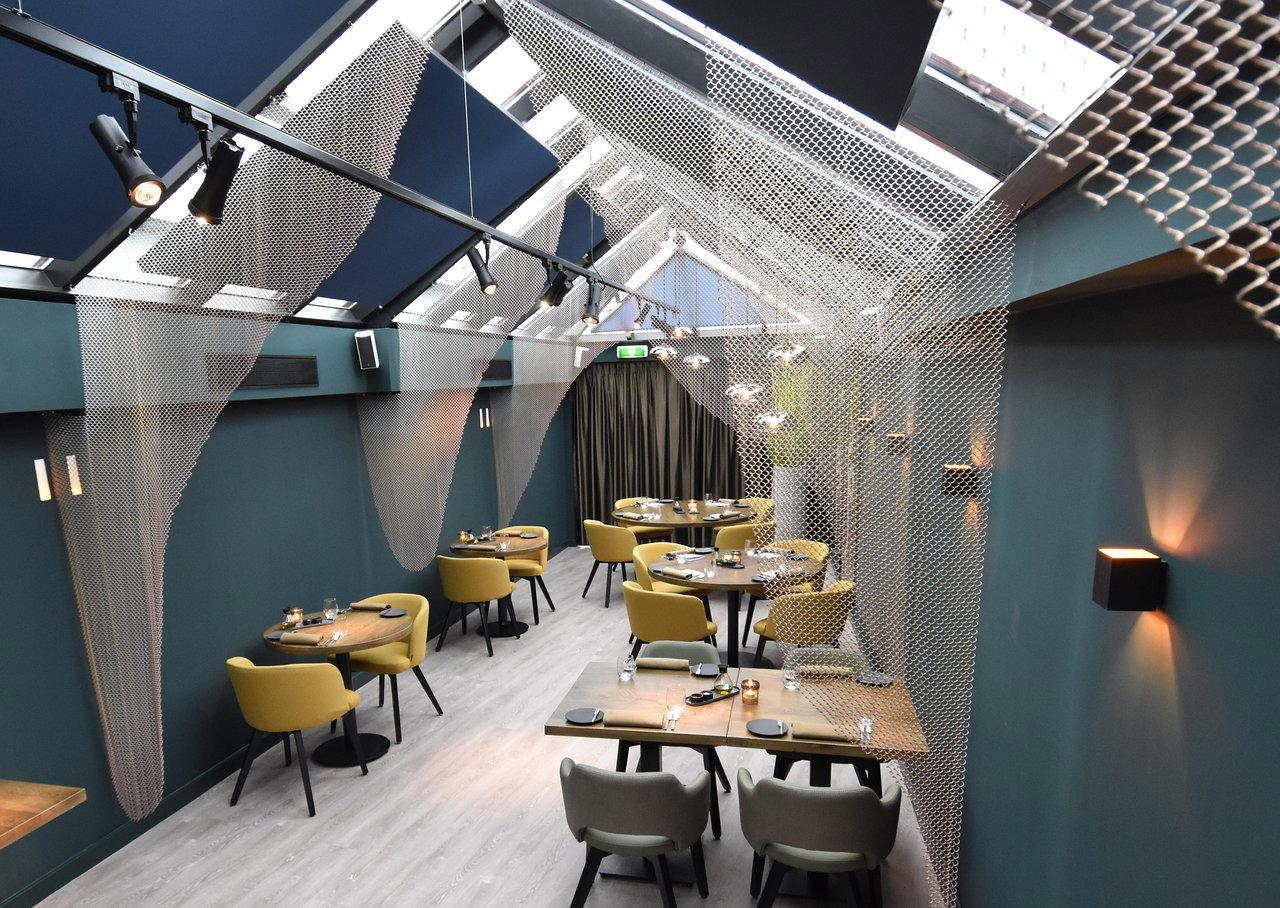
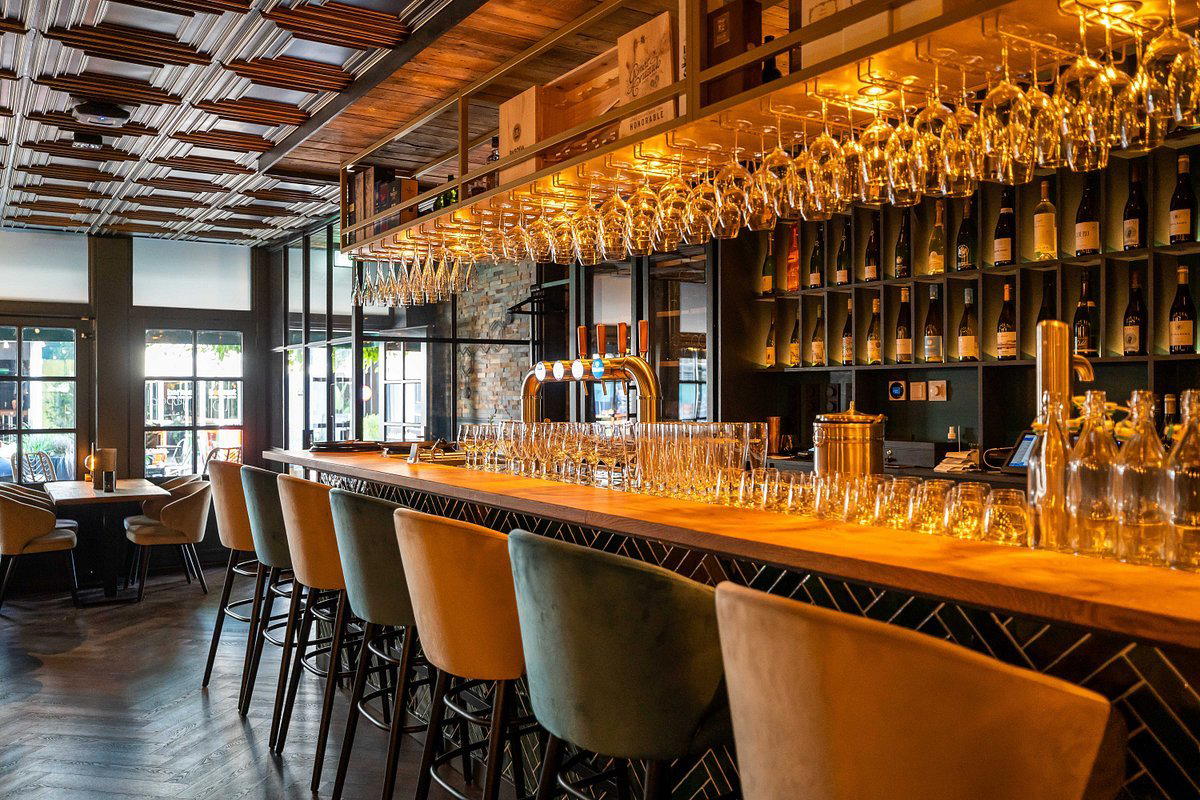
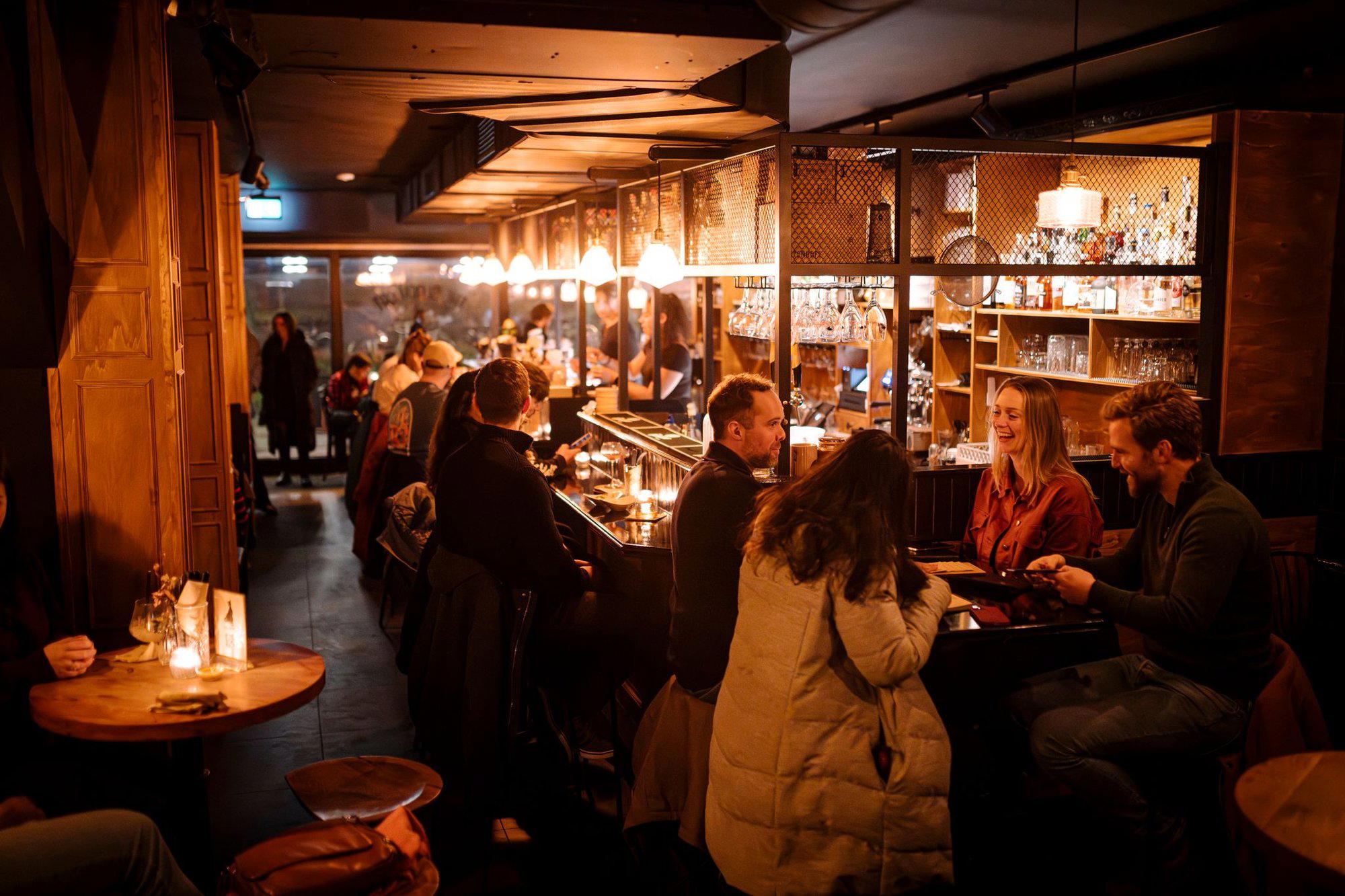
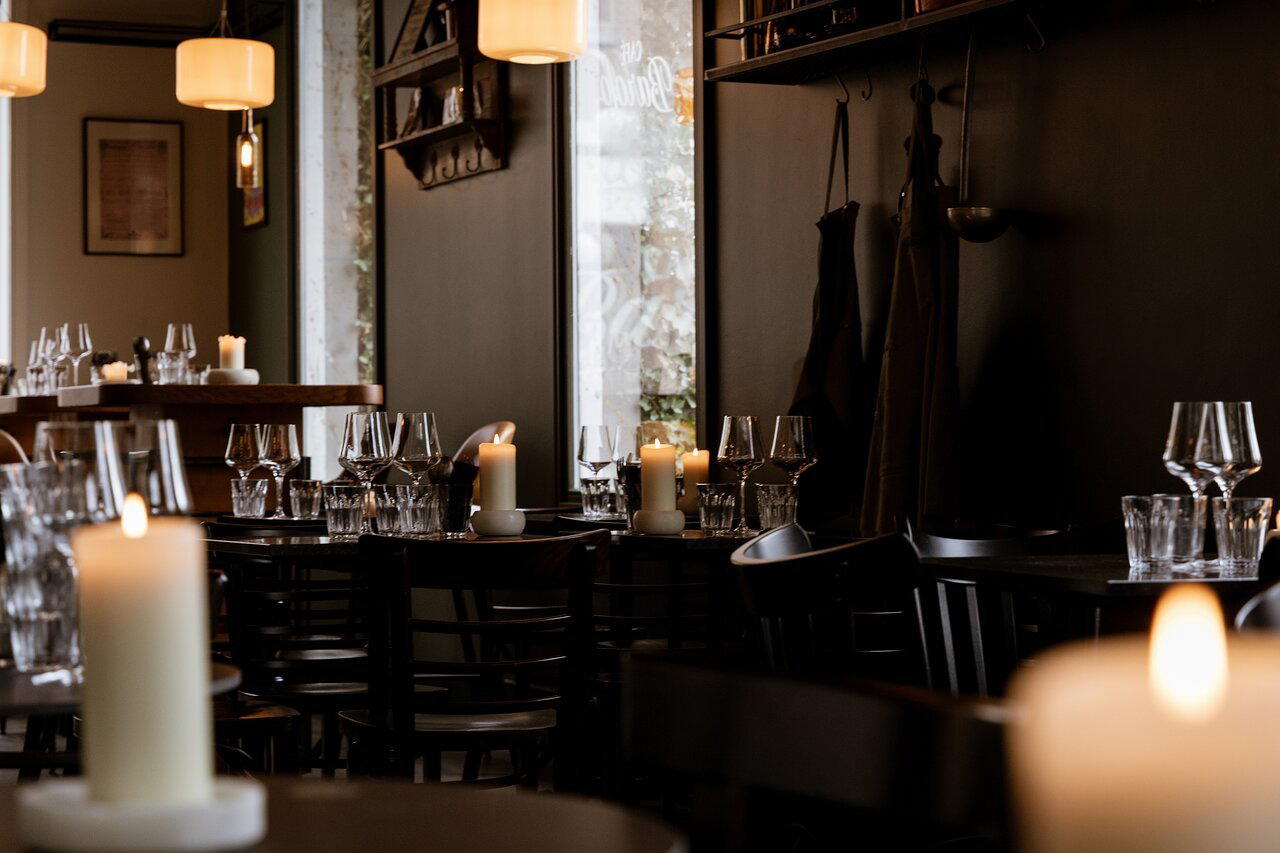
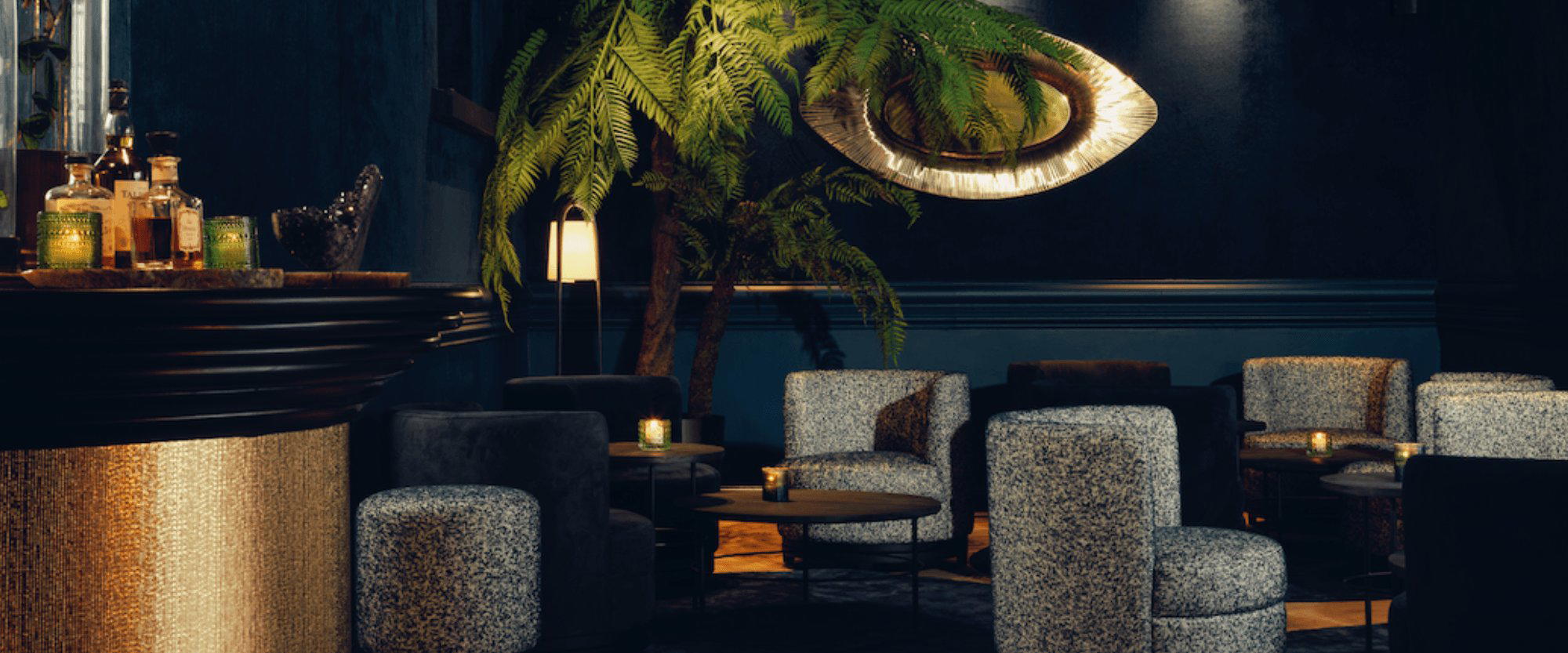
Cozy with nice decor and an intimate atmosphere.
Know Before You Go
- Getting there
- Boerenkamplaan 167, 5712 AD Someren, Netherlands