Kruidt
Our verdict
In the small Achterhoek market town of Lichtenvoorde, Kruidt occupies a quiet address on Rapenburgsestraat where the emphasis falls on ingredient provenance and seasonal discipline. The name itself signals intent: kruidt is Dutch for herb, and that foregrounding of plant-led sourcing defines how the kitchen frames its cooking. For the Dutch east, it represents a serious dining option in a region where ambitious restaurants remain few.

Pearl is the En Primeur Club membership app — saves, bookings, and concierge access live there. Same editors, same standards.
- Address
- Rapenburgsestraat 26, 7131 CZ Lichtenvoorde, Netherlands
- Phone
- +31623769774
- Hours
- Mon–Tue ClosedWed–Sun 12 PM–12 AM
- Website
- restaurantkruidt.nl
- Directions
- Get directions
- Booking
- Book on the venue's website
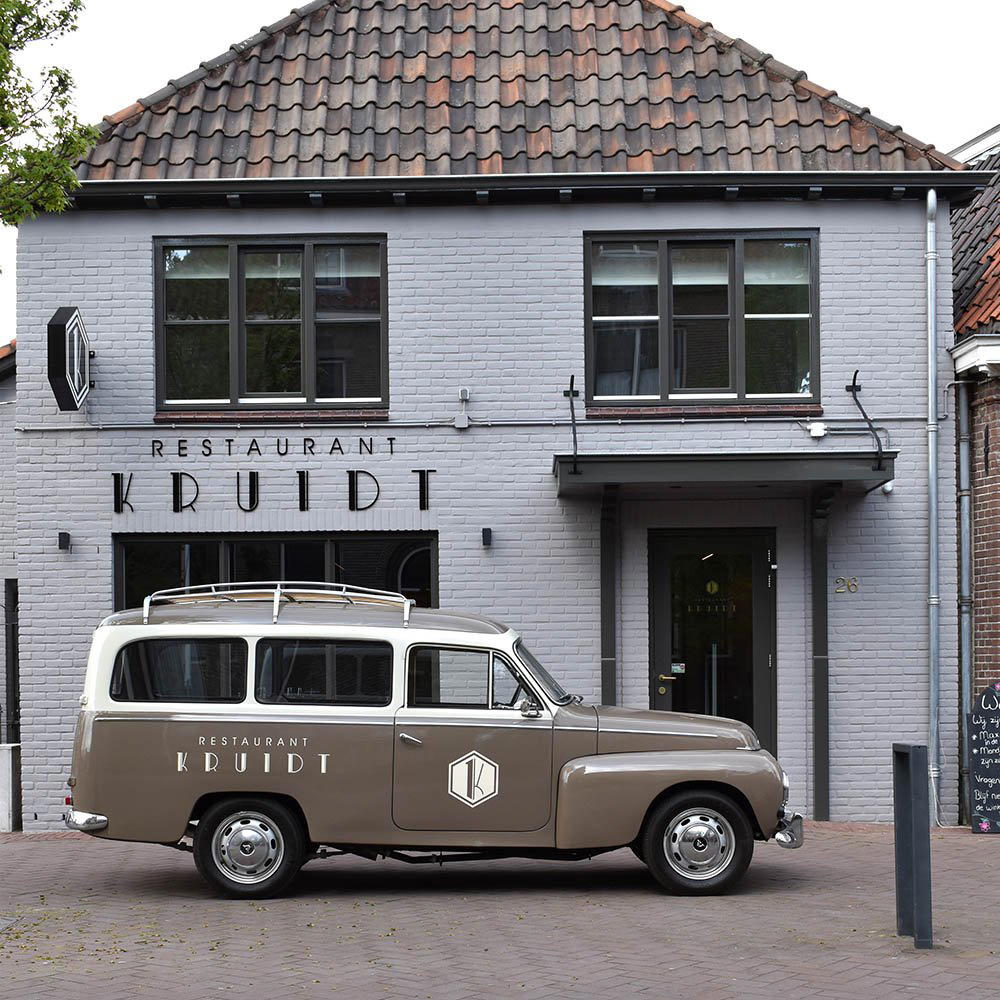
Where the Achterhoek Grows Its Own Ambition
Lichtenvoorde sits in the Achterhoek, the easternmost corner of Gelderland, a region shaped by rolling agricultural land, scattered farmsteads, and a food culture that has historically been closer to the field than the kitchen pass. Arriving on Rapenburgsestraat, the scale of the town itself sets expectations: this is not Amsterdam or Rotterdam, and the restaurants that earn serious attention here do so against a backdrop of provincial quietude rather than competitive urban density. That context matters, because it is precisely what makes ingredient-led cooking here feel less like a trend and more like a practical relationship with the surrounding land.
Kruidt, whose name translates directly from Dutch as herb, places that relationship at the centre of its identity. In a national dining scene where sourcing credentials have become table stakes at the upper tier, the signal embedded in the name is worth taking seriously. The Achterhoek's agricultural character, arable fields, market gardens, and proximity to German border regions with their own smallholder traditions, provides a genuinely local supply context that larger city restaurants often simulate rather than inhabit.
Ingredient Sourcing in a Region That Still Farms
The broader shift in Dutch fine dining over the past decade has moved decisively toward provenance transparency. Restaurants such as De Nieuwe Winkel in Nijmegen, operating on an organic and foraged framework, and De Groene Lantaarn in Staphorst, with its hyper-local sourcing discipline, have demonstrated that the Netherlands' smaller cities and towns can sustain ambitious ingredient-focused kitchens without relying on metropolitan supply chains. Kruidt sits within that regional pattern.
The Achterhoek specifically benefits from a combination of sandy loam soils suited to root vegetables and brassicas, and a scale of farming that has not been entirely absorbed into industrial production. Kitchens in this region that commit to local sourcing can draw on relationships with producers that larger urban operations simply cannot replicate at the same proximity.
This places Kruidt in a peer conversation with a generation of Dutch restaurants that have moved beyond the classical French-influenced format that dominated Dutch fine dining for decades. Compare the four-star creative kitchens that populate the upper end of the Dutch scene, from De Librije in Zwolle with its modern cuisine framework, to Inter Scaldes in Kruiningen in Zeeland, and the consistent thread is a turn toward regional identity as the primary organising logic of the menu. Kruidt operates within that same current, but from a town small enough that the commitment reads as structural rather than fashionable.
The Format and the Feel
The physical address on Rapenburgsestraat places the restaurant in the centre of a compact market town where foot traffic is modest and the restaurant's presence is deliberate rather than opportunistic. Restaurants that succeed in towns of this scale typically do so by building a loyal local base and drawing destination visitors from the wider Achterhoek and neighbouring Nijmegen catchment. The model is different from urban dining: there is less passing trade, which means the kitchen is cooking for guests who have made a choice rather than a convenience decision.
That dynamic tends to reward kitchens that are consistent and specific rather than broadly appealing. The herb-foregrounding of the name suggests a menu that privileges aromatic depth, seasonal rotation, and a certain restraint in protein-led excess, a format that has found increasing traction across the Dutch east and that aligns Kruidt with broader regional movements rather than isolating it as a local curiosity.
For context on where ambitious Dutch regional cooking currently sits internationally, the comparison point is not Le Bernardin in New York or Atomix, but rather the mid-tier of the national scene where ingredient discipline and seasonal rigour are doing more work than technique spectacle. Restaurants like Tribeca in Heeze and De Treeswijkhoeve in Waalre in the southern provinces occupy a comparable register: serious, regionally rooted, and operating at a level that rewards guests who travel deliberately.
Planning Your Visit
Lichtenvoorde is most practically reached by car from Nijmegen, approximately 35 kilometres to the west, or from the German border town of Bocholt to the east, making it a natural stop for cross-border travel through the Achterhoek. The town does not have a direct intercity rail connection, so independent transport is the practical default. For guests combining the visit with wider regional exploration, the Achterhoek offers a cluster of dining options that reward a two-day itinerary: De Nieuwe Winkel in Nijmegen and 't Nonnetje in Harderwijk are within reasonable driving range. For a broader picture of where Kruidt sits among the region's options, see our full Lichtenvoorde restaurants guide.
Guests planning more extended Dutch itineraries might also consider pairing a visit here with stops at Aan de Poel in Amstelveen, Ciel Bleu in Amsterdam, or the southern circuit that includes De Lindehof in Nuenen and FG in Rotterdam. Alternatively, Brut172 in Reijmerstok, De Bokkedoorns in Overveen, De Lindenhof in Giethoorn, and 't Amsterdammertje in Loenen aan de Vecht round out a national tour of Dutch regional cooking worth mapping against a visit to the Achterhoek.
Frequently asked questions
Is Kruidt good for families?
Kruidt is located in the centre of Lichtenvoorde, a compact market town with a modest, unhurried pace that suits a relaxed meal.
What's the overall feel of Kruidt?
The Rapenburgsestraat address places Kruidt in the heart of a small Achterhoek market town, which frames the atmosphere as grounded and local rather than destination-hotel formal. The broader Achterhoek region, shaped by agricultural land and farmsteads, tends to produce restaurants with a direct, produce-first sensibility rather than theatrical service formats.
Is Kruidt worth travelling to from Nijmegen or the German border?
Lichtenvoorde sits roughly 35 kilometres east of Nijmegen and close to the German border town of Bocholt, making Kruidt a practical destination for a cross-regional dinner rather than a detour of significant commitment. The Achterhoek has developed a quiet reputation for ingredient-focused cooking, and Kruidt's address in the town centre at Rapenburgsestraat 26 makes it the anchor point for an evening in the area.
What's the must-try dish at Kruidt?
Given the restaurant's location in the Achterhoek, a region with a strong agricultural identity and proximity to cross-border produce from the Bocholt area, the cooking is likely to reflect seasonal and regional sourcing. Checking directly with the restaurant at Rapenburgsestraat 26 in Lichtenvoorde will give you the current menu picture.
How do I find Kruidt?
Kruidt is located at Rapenburgsestraat 26, 7131 CZ Lichtenvoorde, Netherlands, Lichtenvoorde.
How far ahead should I plan for Kruidt?
Restaurants in smaller Dutch market towns like Lichtenvoorde can book up quickly on weekends, particularly those drawing guests from Nijmegen or across the German border. Reaching out to the restaurant at Rapenburgsestraat 26 to confirm availability is the safest approach before planning travel.
Quick Comparison
Comparable venues nearby, for context on price, style, and recognition.
| Venue | Cuisine | Price | Notes |
|---|---|---|---|
| KruidtThis venue — the venue you are viewing | Modern French Fine Dining | $50–100 | Not listed |
| Ons Jongens | French-Dutch Fine Dining | Not listed | Someren-Eind |
| World kitchen by Shiran | French-Based World Fusion Tasting Menu | $50–100 | Binnenstad |
| Hemelse Modder | Contemporary Dutch-French Cuisine | $50–100 | Scheepvaarthuisbuurt |
| Denc, Dik & Cunningham | French-Mediterranean with Local Dutch Influences | $50–100 | Amstelveldbuurt |
| Gertrude | French Bistro with Seasonal Small Plates | $50–100 | Da Costabuurt Zuid |
Continue exploring
More in Lichtenvoorde
Restaurants in Lichtenvoorde
Browse all →
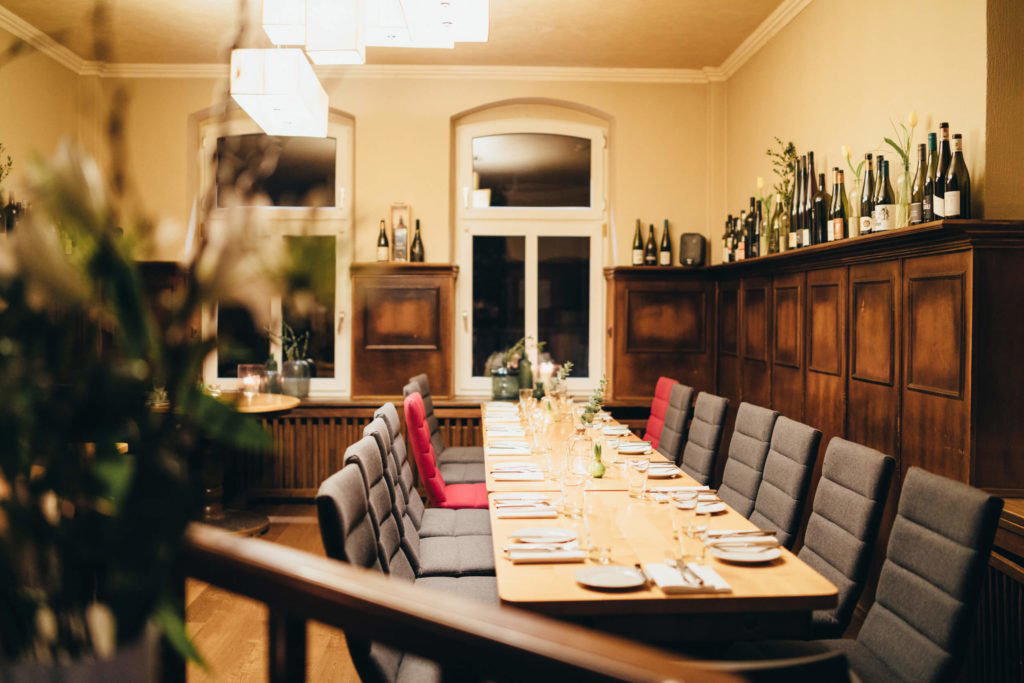
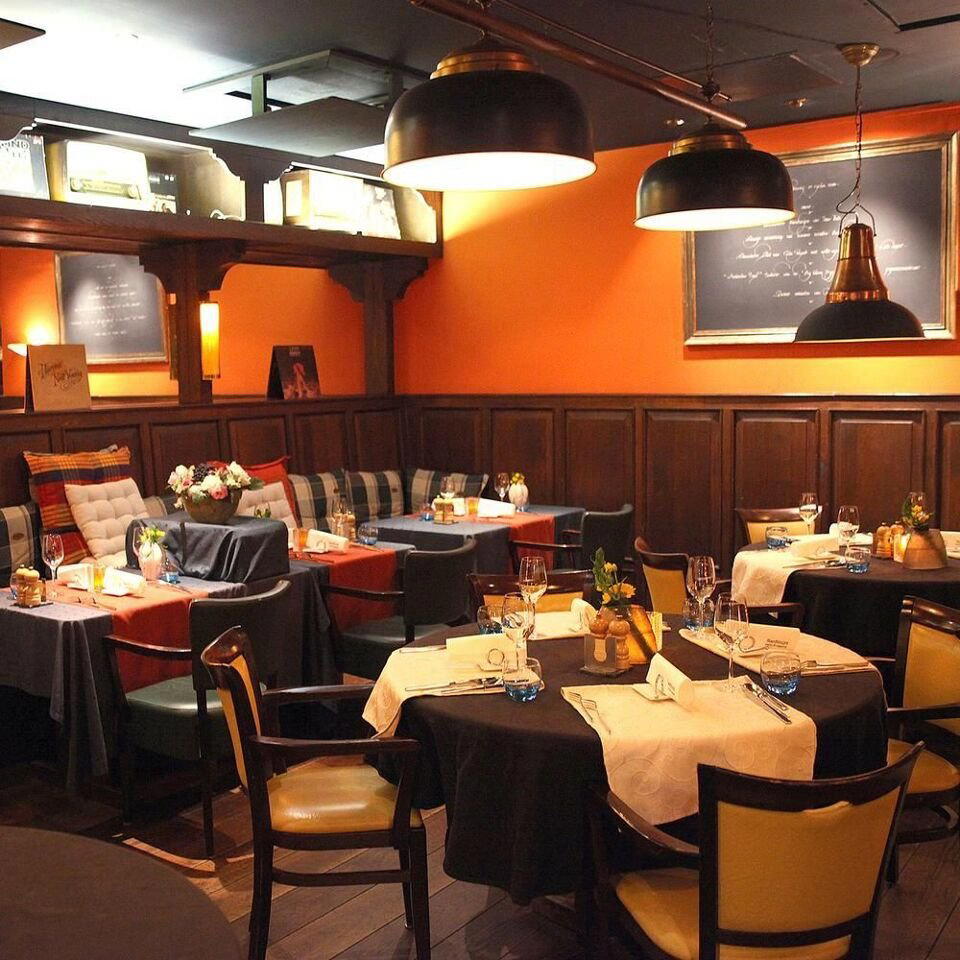
Bars in Lichtenvoorde
Browse all →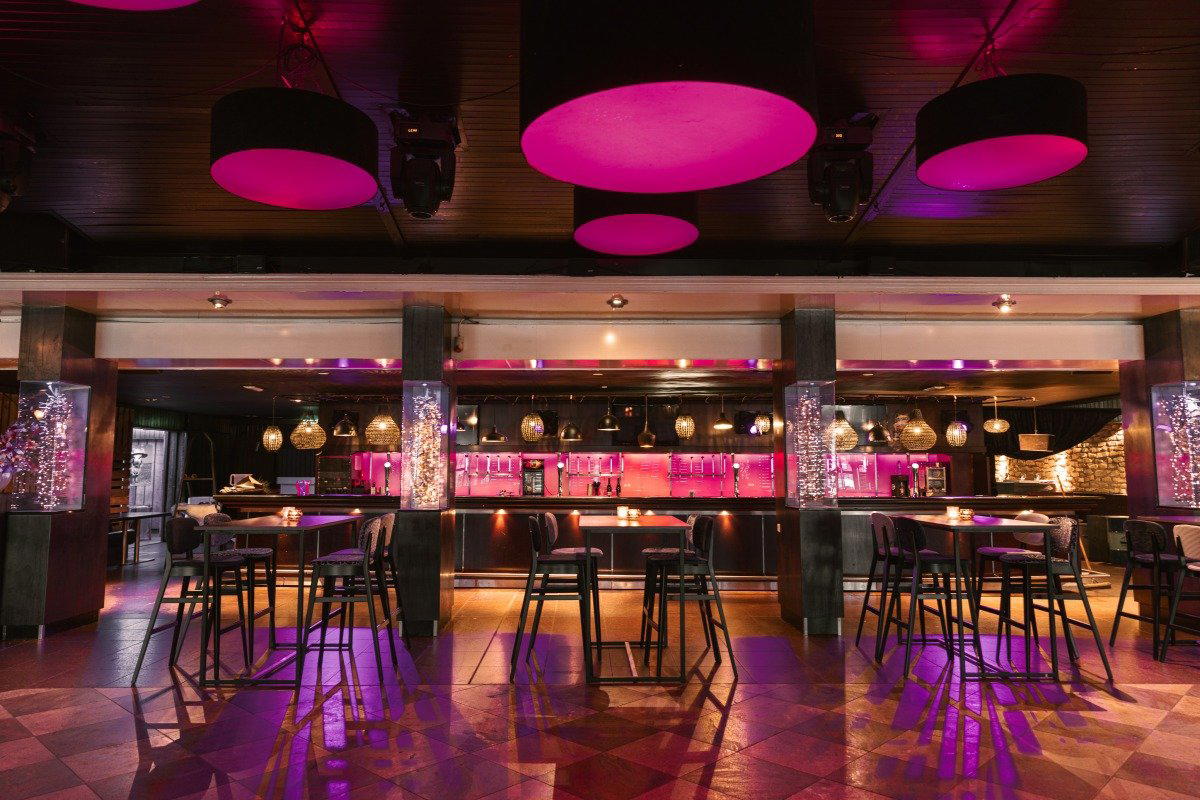
Hotels in Lichtenvoorde
Browse all →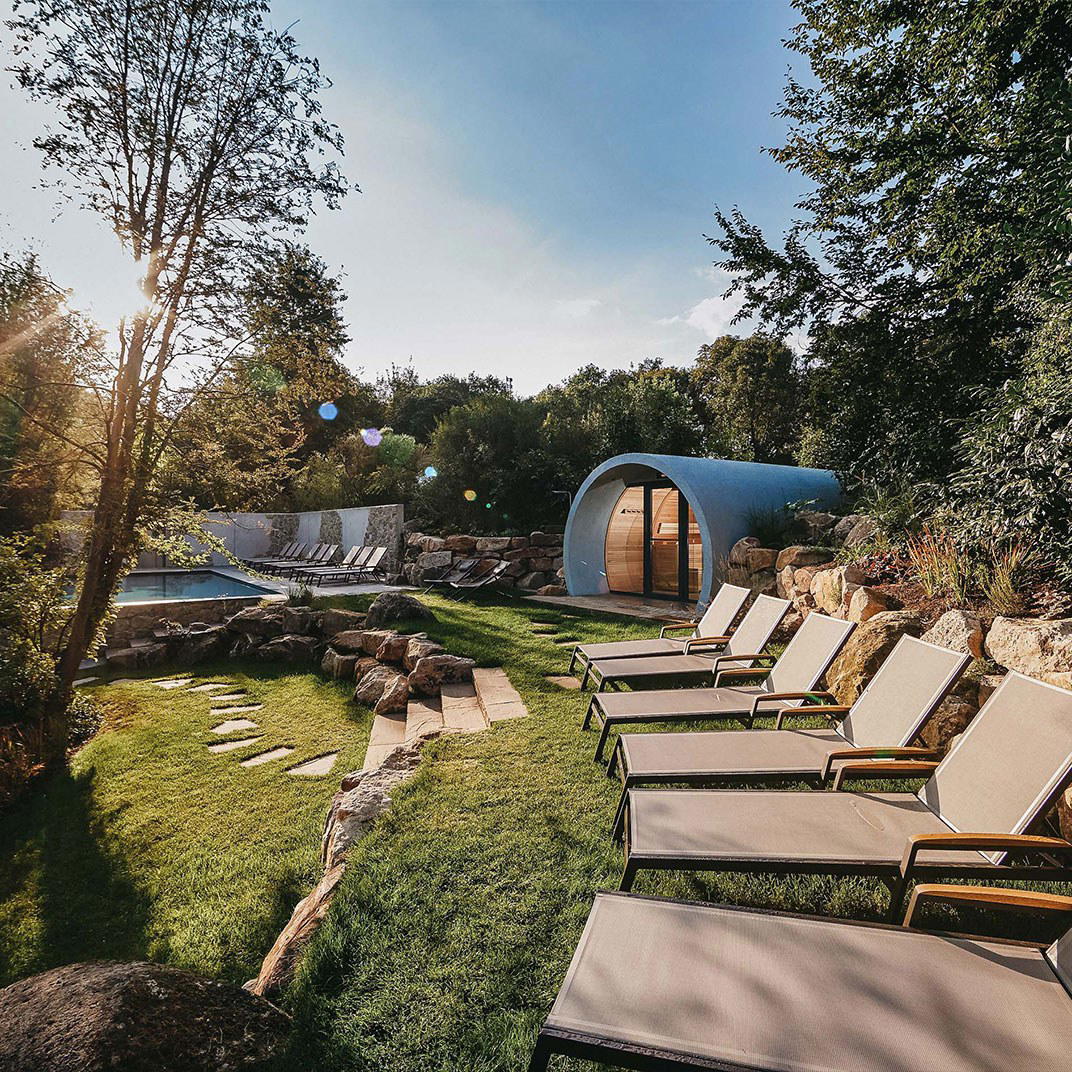
Kruidt
The wine
- Wine program
- Curated wine list
- Extensive wine list
Details
- Cozy
- Intimate
- Modern
- Date Night
- Special Occasion
- Open Kitchen
- Extensive Wine List
- Local Sourcing
- A La Carte
- Vegetarian Friendly
Current opening hours
- Monday
- Closed
- Tuesday
- Closed
- Wednesday
- 12 PM–12 AM
- Thursday
- 12 PM–12 AM
- Friday
- 12 PM–12 AM
- Saturday
- 12 PM–12 AM
- Sunday
- 12 PM–12 AM
Hours can change for holidays and private events. Last verified .
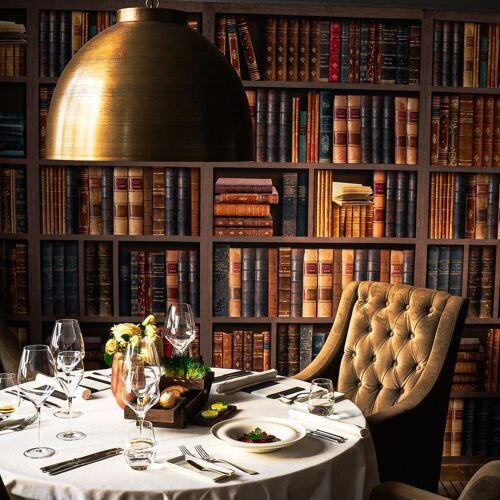
Relaxed and cozy atmosphere with a quiet decor, intimate ambiance, and open kitchen as the heart of the experience.