Domein Holset

Falstaff Winery - Listed
Domein Holset gives Dutch sparkling wine a serious South Limburg address: traditional-method bottles from Souvignier Gris, Johanniter, Cabernet Blanc, Chardonnay and Pinot Noir, tied to limestone soils and cool hill-country ripening. The farmhouse setting in Vaals adds B&B intimacy without turning the visit formal, making it a useful stop for travelers treating the Netherlands as a wine country rather than a curiosity.

Pearl is the En Primeur Club membership app — saves, bookings, and concierge access live there. Same editors, same standards.
- Address
- Bij Vaals en, Aken NL, Holset 34-36, 6295 NC Lemiers, Netherlands
- Phone
- +31 43 850 2928
- Website
- domeinholset.nl
- Directions
- Get directions
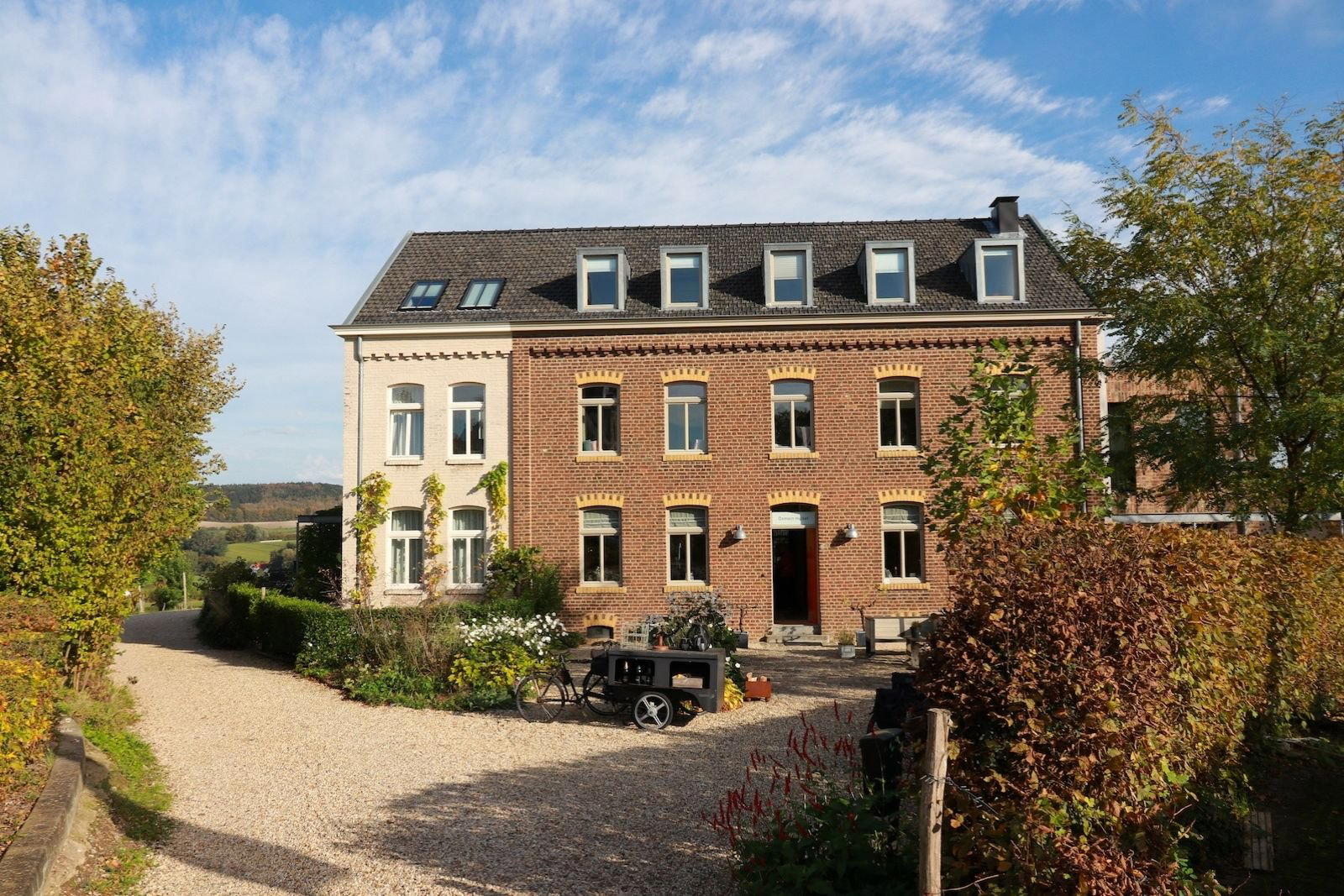
South Limburg wine is not urban or theatrical; it is hill country, church stone, vineyard rows and farmhouse rhythm. In Vaals, Domein Holset makes a clear argument: Dutch sparkling wine is no longer a novelty. With cool ripening, limestone soils and bottle fermentation treated as assets, it can be terroir-led.
That matters because the Netherlands sits outside many drinkers’ map for serious bubbles. South Limburg changes the terms: altitude, calcareous ground and a cross-border climate give producers high-acid fruit, and sparkling wine rewards acidity more than most styles. Founded in 2008 and opened to overnight guests in 2017, Domein Holset built its identity around that logic, not still-wine mimicry.
For wider planning around town, EP Club’s Vaals coverage is split by category: Our full Vaals wineries guide is the natural companion here, while Our full Vaals restaurants guide, Our full Vaals hotels guide, Our full Vaals bars guide and Our full Vaals experiences guide fill out a South Limburg itinerary.
South Limburg limestone gives Dutch bubbles their case
The estate’s strongest editorial claim is geological, not decorative. South Limburg’s hill country is the Dutch exception: higher, chalkier and more continental than the flat-country stereotype. After the 2023 acquisition of Raarberg Winery, Domein Holset works from around 13 hectares of vineyard, a meaningful Dutch scale and enough land for sparkling production to feel like a focused house style, not a side project.
The grape mix is pragmatic, as northern European viticulture often must be. Souvignier Gris and Johanniter bring weather resilience and acidity; Cabernet Blanc adds another modern hybrid note; Chardonnay and Pinot Noir connect the cellar to the broader grammar of traditional-method sparkling wine. The aim is not to imitate Champagne grape for grape, but to use a cool, limestone-influenced site for wines where freshness, phenolic restraint and lees aging do the heavy lifting.
Production centers on traditional-method sparkling wine, with second fermentation in bottle and extended lees aging in the 24-to-36-month range. That separates the estate from simpler sparkling formats because it commits time, cellar space and cash flow before release. Annual output of roughly 25,000 to 30,000 bottles keeps the scale compact enough for estate identity to matter, yet large enough to make the house visible in the Dutch wine conversation.
The style is a local answer to a familiar category. Dutch sparkling wine is often judged as curiosity or against imported benchmarks that do not fit the growing conditions. Domein Holset is more interesting through South Limburg itself: hybrids where climate demands them, classic varieties where structure is needed, and a cellar program built around bubbles rather than a broad portfolio for every visitor.
A farmhouse tasting room with a specialist sparkling brief
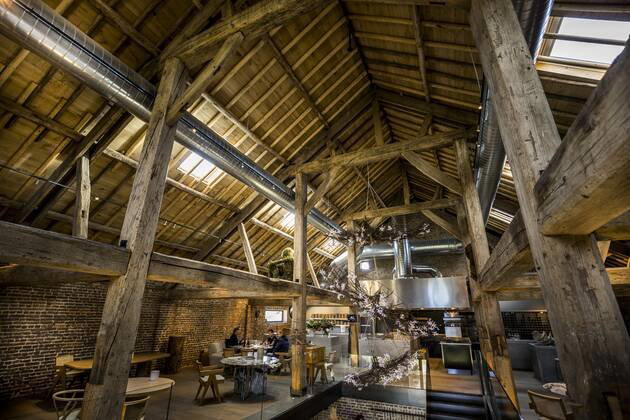
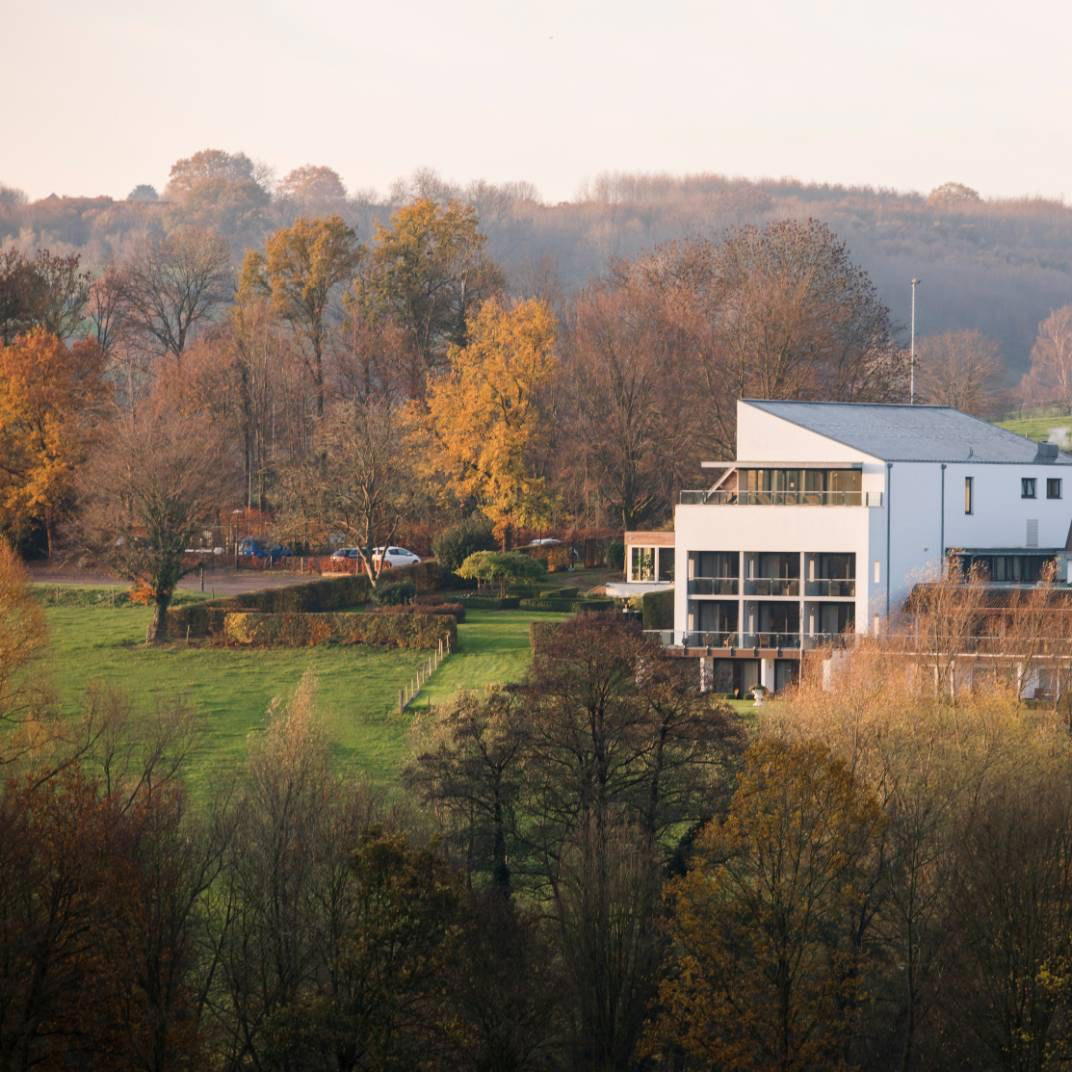
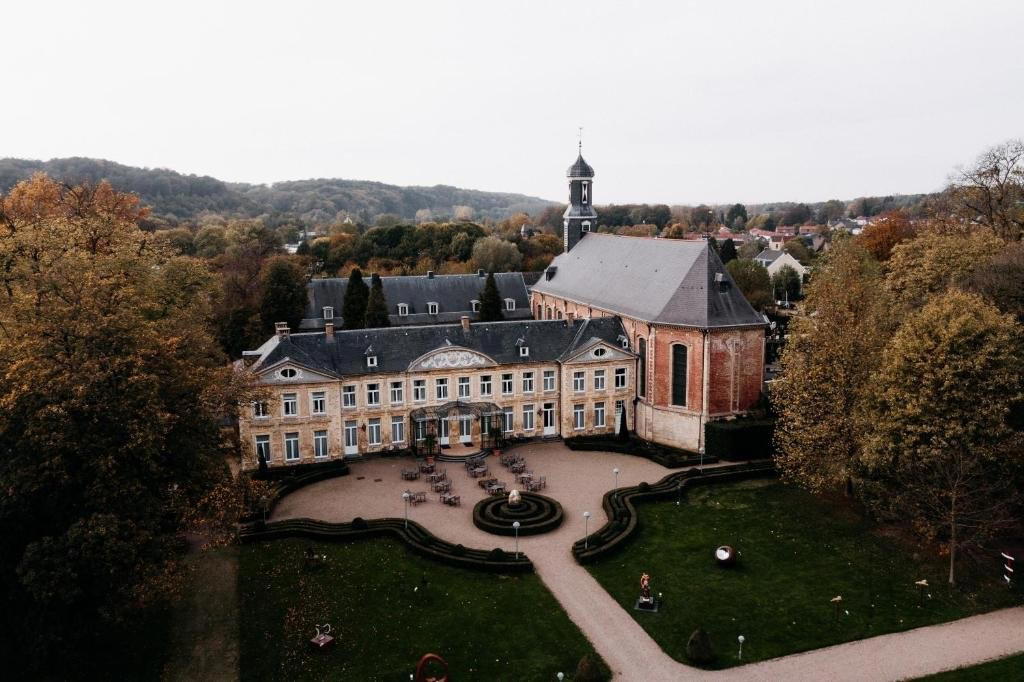
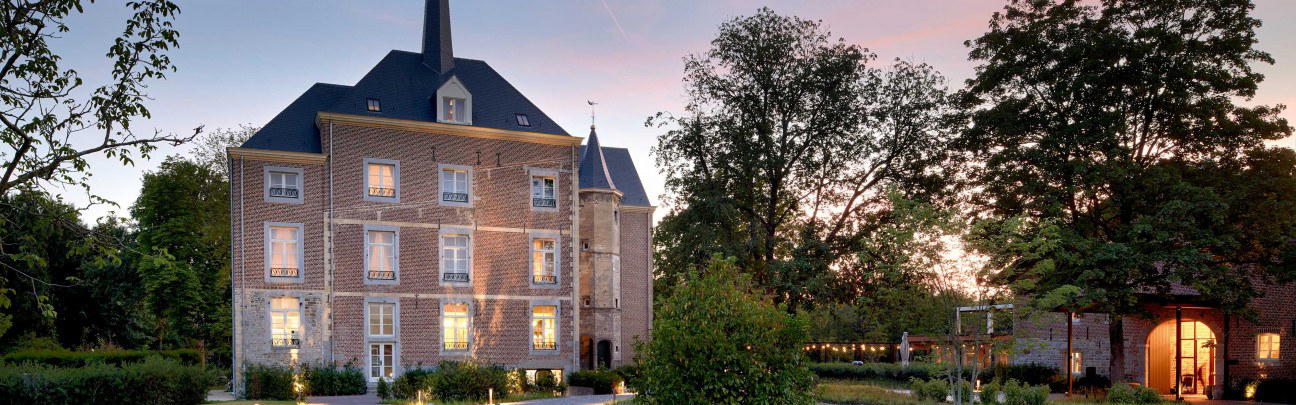
The hospitality format supports the wine. The estate combines vineyard visits, guided tastings, an estate shop and an 11-room B&B, making it closer to a wine-country stay than a quick cellar-door stop. Dress and pace are casual, but the production brief is narrow: sparkling wine, vineyard context and farmhouse setting.
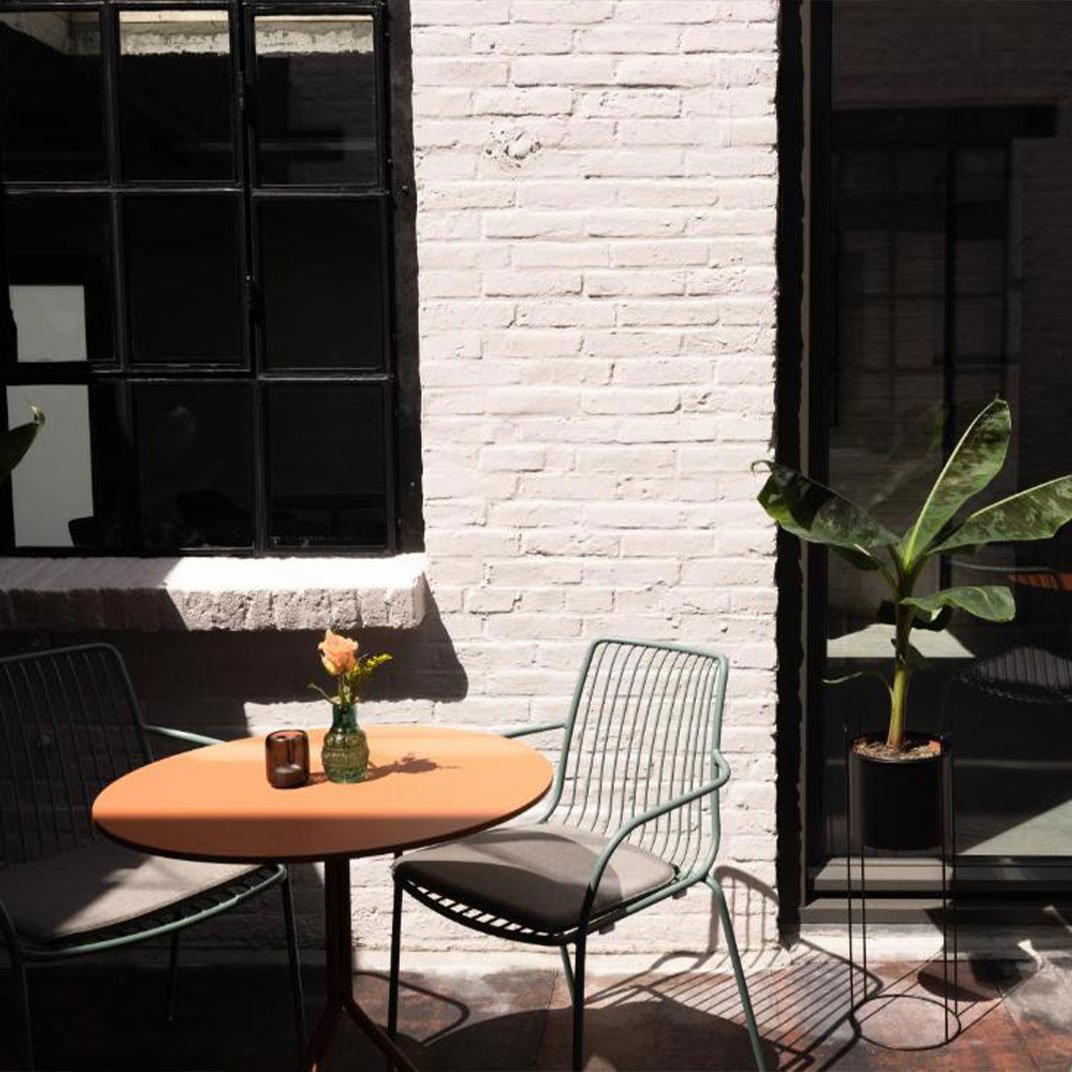
That suits travelers who want wine education without a grand tasting salon. Tours are offered in Dutch and English, and visits are reservation-led, with guided tasting, tour-and-tasting, estate-shop tasting and private tasting formats. Outdoor seating, vineyard views and conversational noise keep the experience social rather than hushed, while the technical story stays clear for guests interested in method and grape choice.
The B&B changes the rhythm. Instead of a single pour-and-depart window, the estate encourages a slower read of place. Circular and ecological materials are part of the accommodation story, and the farmhouse setting makes sustainability practical rather than slogan-like. Resistant varieties also fit the region’s viticultural reality, where disease pressure and weather variability make vineyard decisions consequential.
For a broader Dutch and cross-border wine map, Domein Holset sits in a useful cluster of contrasts. Mosa Winery in Maastricht keeps the Limburg thread close, while Bols in Amsterdam, Paul Balke in Utrecht and Van Kleef in The Hague show Dutch drinking culture shifting between wine, spirits and city-based heritage. Across nearby European wine regions, & Handwein in Mannheim, »der Steiner« Hans Steiner in Podersdorf am See, ®walzer in Gneixendorf Bei Krems, 1516 Brewing Company Distillery in Vienna, 00 Wines in Carlton and 13th Vineyard in Angwin underline how differently premium beverage destinations define place: cellar technique, hospitality architecture or regional identity.
Why the estate belongs on a serious Dutch wine route
The strongest reason to pay attention is focus. Many emerging wine regions make a broad claim first and refine later; Domein Holset narrowed early around sparkling wine. Erik Leferink and Marianne Blijdesteijn founded the estate in 2008, and today’s production identity is tied to traditional-method bubbles rather than a scatter of still reds, whites and experiments. Winemaking and consulting expertise have shaped development, but the larger story is regional: South Limburg can make acidity an advantage.
The 2023 Raarberg Winery acquisition added Chardonnay and Pinot Noir resources, strengthening the classical side of the blend palette. In a house where hybrids bring resilience, traditional sparkling structure still benefits from familiar varieties. The estate’s Mergelland setting, vineyard scale and bottle-fermented approach give it clearer credentials than “Dutch wine” may suggest to first-time visitors.
Editorially, do not approach this as a trophy room. Named medals and critic scores are not the point. The trust signal is concrete: a specialized sparkling estate in Vaals, working with defined varieties, a traditional-method process, a modest annual production figure and a hospitality model that lets visitors read the land around the glass. That is a better South Limburg measure than borrowed prestige.
Plan it as a relaxed wine-country visit, not a formal tasting appointment. The estate suits couples, small groups and travelers interested in wine education, especially those tracing the Netherlands beyond Amsterdam and the Randstad. Its appeal is strongest for visitors curious about how marginal climates make persuasive sparkling wine: not through excess ripeness, but through acidity, patience and a site that gives Dutch bubbles a credible voice.
Recognition history
Dated appearances from independent guides and award organizations, with the underlying list record or original source where available.
Falstaff Winery - Listed
Falstaff
Continue exploring
More in Vaals
Wineries in Vaals
Browse all →
Bars in Vaals
Browse all →
Restaurants in Vaals
Browse all →
Details
- Scenic
- Romantic
- Cozy
- Rustic
- Intimate
- Romantic Getaway
- Group Outing
- Special Occasion
- Wine Education
- Solo Exploration
- Vineyard Tour
- Estate Grounds
- Panoramic View
- Historic Building
- Private Tasting
- Sustainable
- Vineyard
- Mountain
- Garden
- Street Scene
- Souvignier Gris
- Johanniter
- Cabernet Blanc
- Chardonnay
- Pinot Noir
- Sparkling
- Guided Tasting
- Tour And Tasting
- Estate Shop Tasting
- Private Tasting
- Dutch
- English
Historic farmhouse estate in the South Limburg hills with tranquil vineyard views, a cozy tasting room and intimate B&B atmosphere that feels relaxed yet refined.