't Vlasbloemeken

A Michelin-starred address in the small Zeeland village of Koewacht, 't Vlasbloemeken builds its menu around the notable produce of the Eastern Scheldt estuary and surrounding farmland. Chef Eric van Bochove works within a tradition-first framework, using regional lobster, lamb, and shellfish as the foundation, then introducing contemporary technique at the margins. The dining room runs a tight weekly schedule, making forward planning essential.
Pearl is the En Primeur Club membership app — saves, bookings, and concierge access live there. Same editors, same standards.
- Address
- Nieuwstraat 8, 4576 AL Koewacht, Netherlands
- Phone
- +31 114 361 914
- Website
- vlasbloemeken.nl
- Directions
- Get directions
 Saves & bookings on Pearl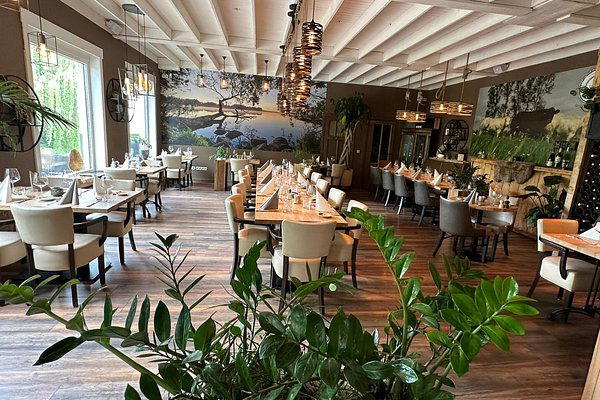
Where Zeeland's Produce Does the Talking
The drive into Koewacht offers little to prepare you for what follows. This is agricultural Zeeland at its most unassuming: flat roads, low skylines, the occasional farmhouse. Nieuwstraat 8 sits in the centre of a village that most Dutch dining itineraries skip entirely. That gap between setting and substance is, in a sense, the whole point. In the Zeeland province, the leading argument for a kitchen's quality has never been its postcode. It has been the Eastern Scheldt estuary a few kilometres to the north, among the more productive shellfish and crustacean environments in northern Europe.
't Vlasbloemeken has one Michelin star, placing it among the Netherlands' notable starred dining rooms. What distinguishes the Koewacht kitchen from many of its one-star peers is the directness of its sourcing logic. What distinguishes the Koewacht kitchen from many of its one-star peers is the directness of its sourcing logic. The Eastern Scheldt lobster and Zeeland lamb that appear on the menu are not ingredients flown in to add regional narrative. They are products grown and harvested in conditions that have shaped how Zeeland cooks have worked for generations, and they carry flavour profiles that reward direct preparation as much as contemporary technique.
The Sourcing Logic Behind the Menu
The Eastern Scheldt is a tidal inlet separated from the North Sea by the Oosterscheldekering storm surge barrier. That partial closure created slower tidal movement and cleaner, colder water than the open coast, conditions that produce shellfish and crustaceans with noticeably more concentrated flavour. Oysters from this estuary are among the more exported in Europe; the lobster caught from its waters is treated by Dutch fine-dining kitchens much as Breton lobster is treated in France: as a premium regional marker that requires little intervention to justify its place on a serious menu.
Chef Eric van Bochove works within that tradition, positioning the kitchen's role as one of respect rather than transformation. Eastern Scheldt lobster and Zeeland lamb appear in preparations that follow classical logic, with garnishes and finishing elements that introduce a contemporary register without redirecting the dish away from its primary ingredient. Examples of how the kitchen applies this method include weever fish in mandarin oil with fennel foam, and oyster paired with raspberry granita: a marine or regional ingredient at the centre, with surrounding elements chosen to complement it.
This approach places 't Vlasbloemeken in conversation with the broader direction of Dutch fine dining. Kitchens like De Nieuwe Winkel in Nijmegen have moved toward a more radical interpretation of local sourcing, built around an almost entirely plant-led framework. At the other end of the spectrum, De Librije in Zwolle and 't Nonnetje in Harderwijk, both carrying multiple stars, draw on broader flavour references with greater technical complexity. The Koewacht kitchen sits between those poles: ingredient-led and regionally anchored, with enough contemporary vocabulary to hold interest across a full tasting format, but without the conceptual ambition that would pull focus away from what the estuary produces.
Inside the Room
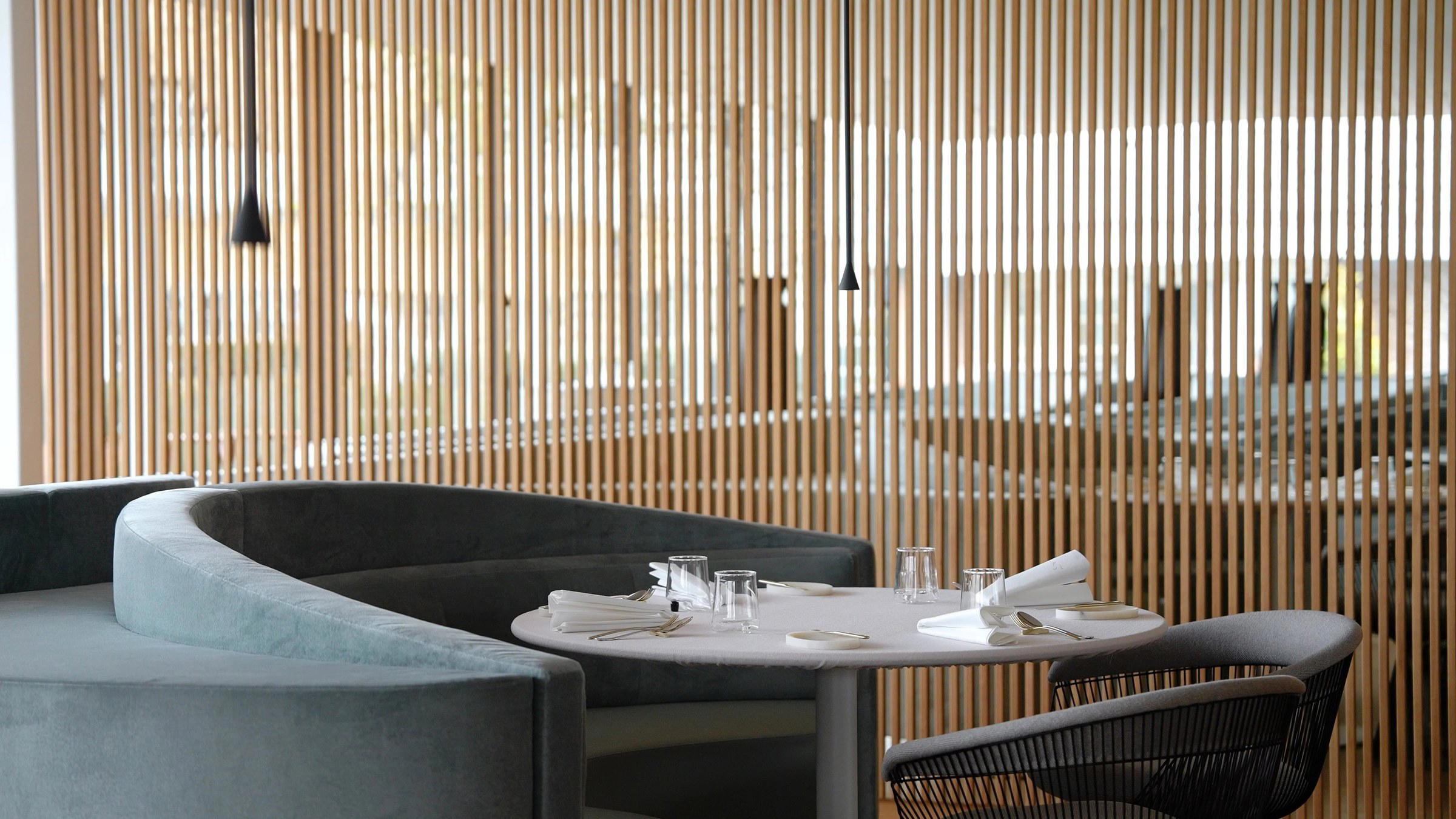
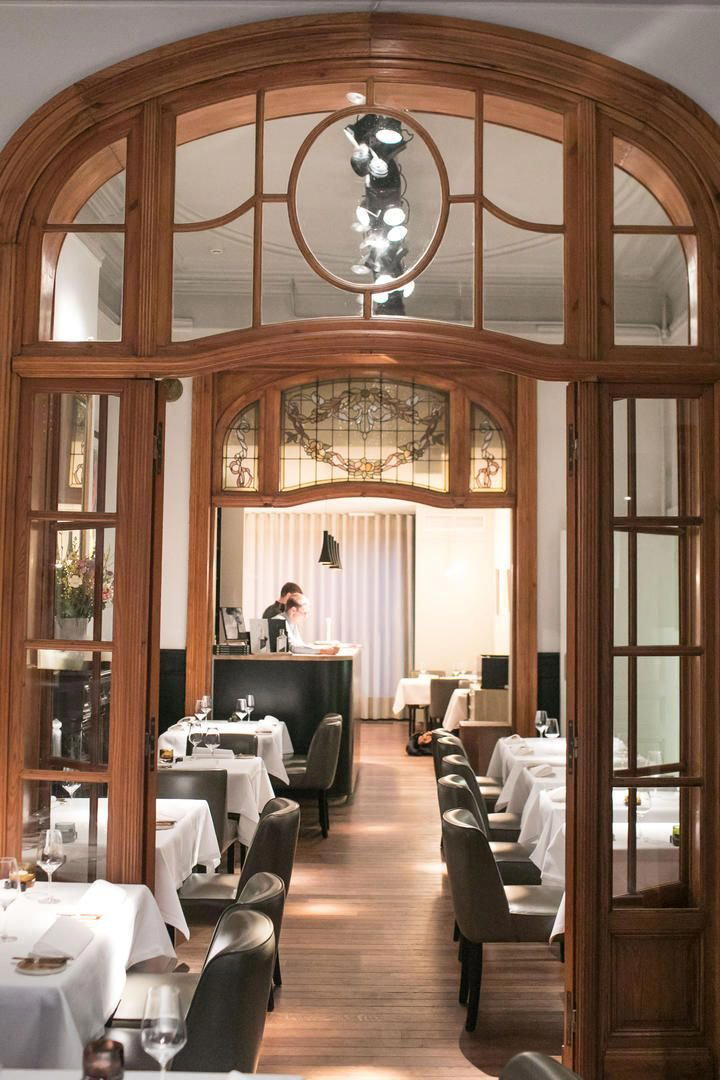
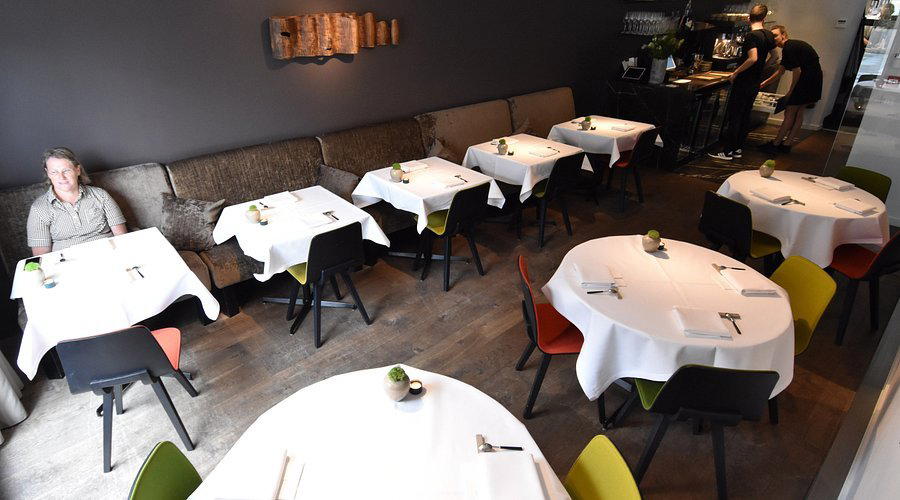
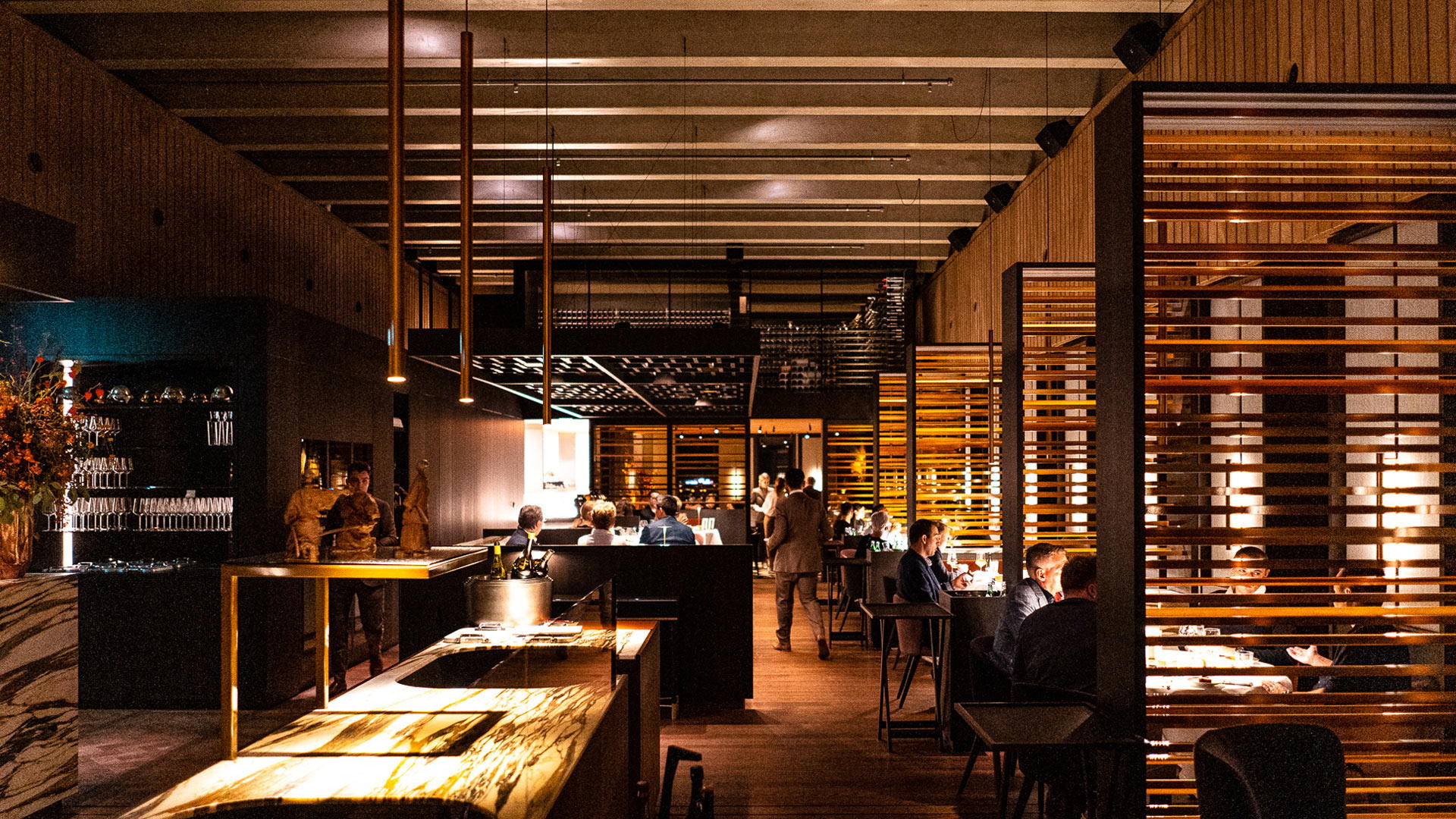
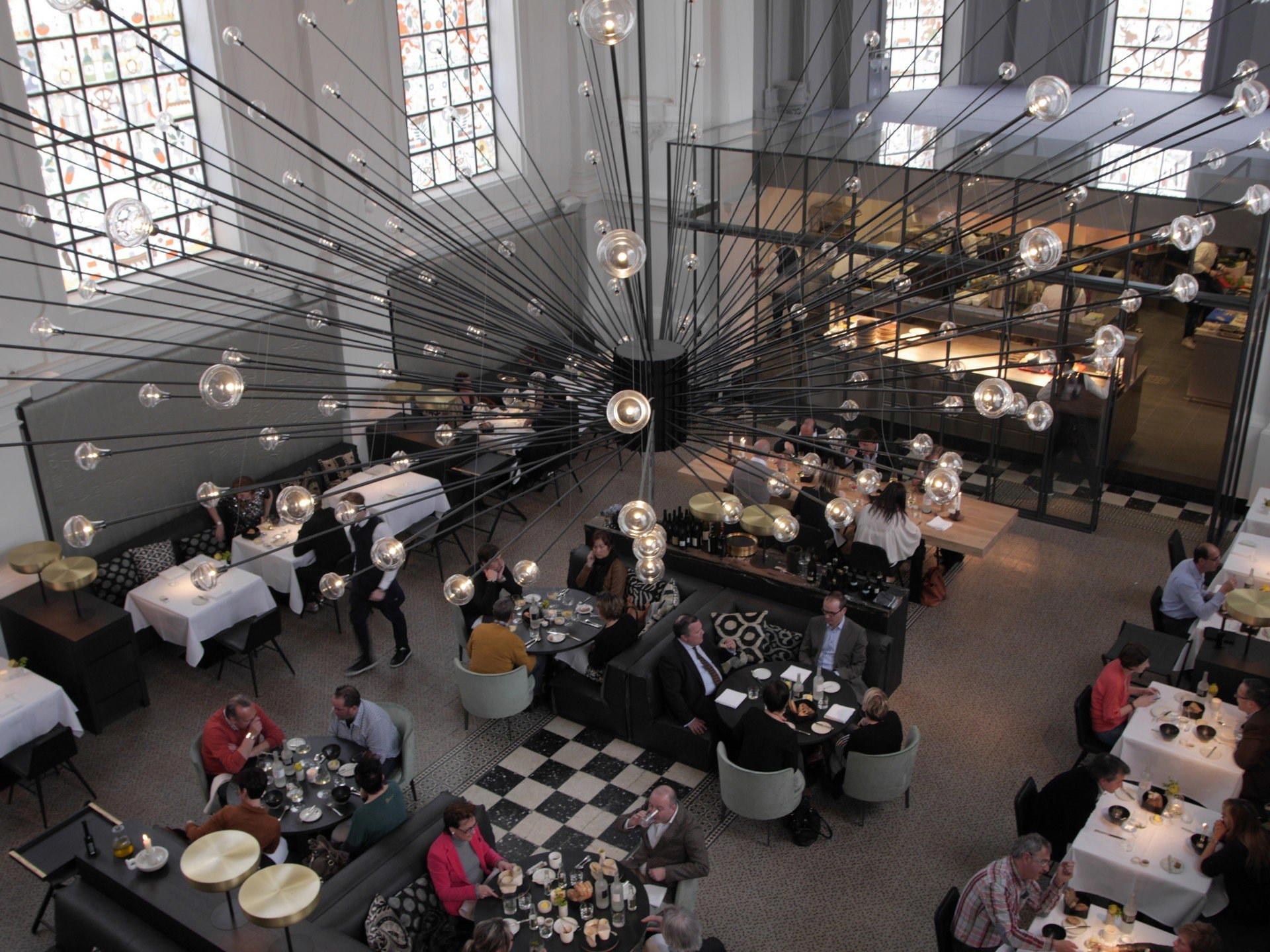
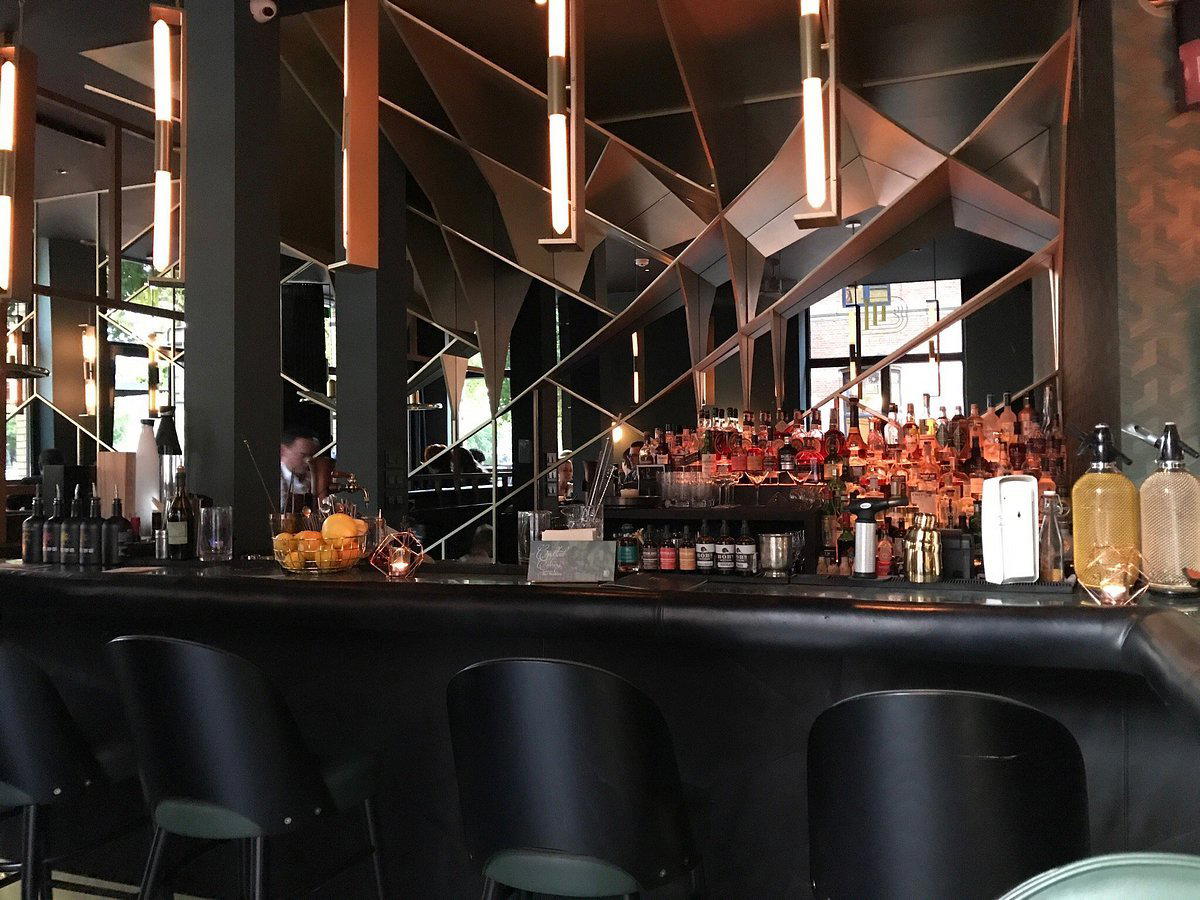
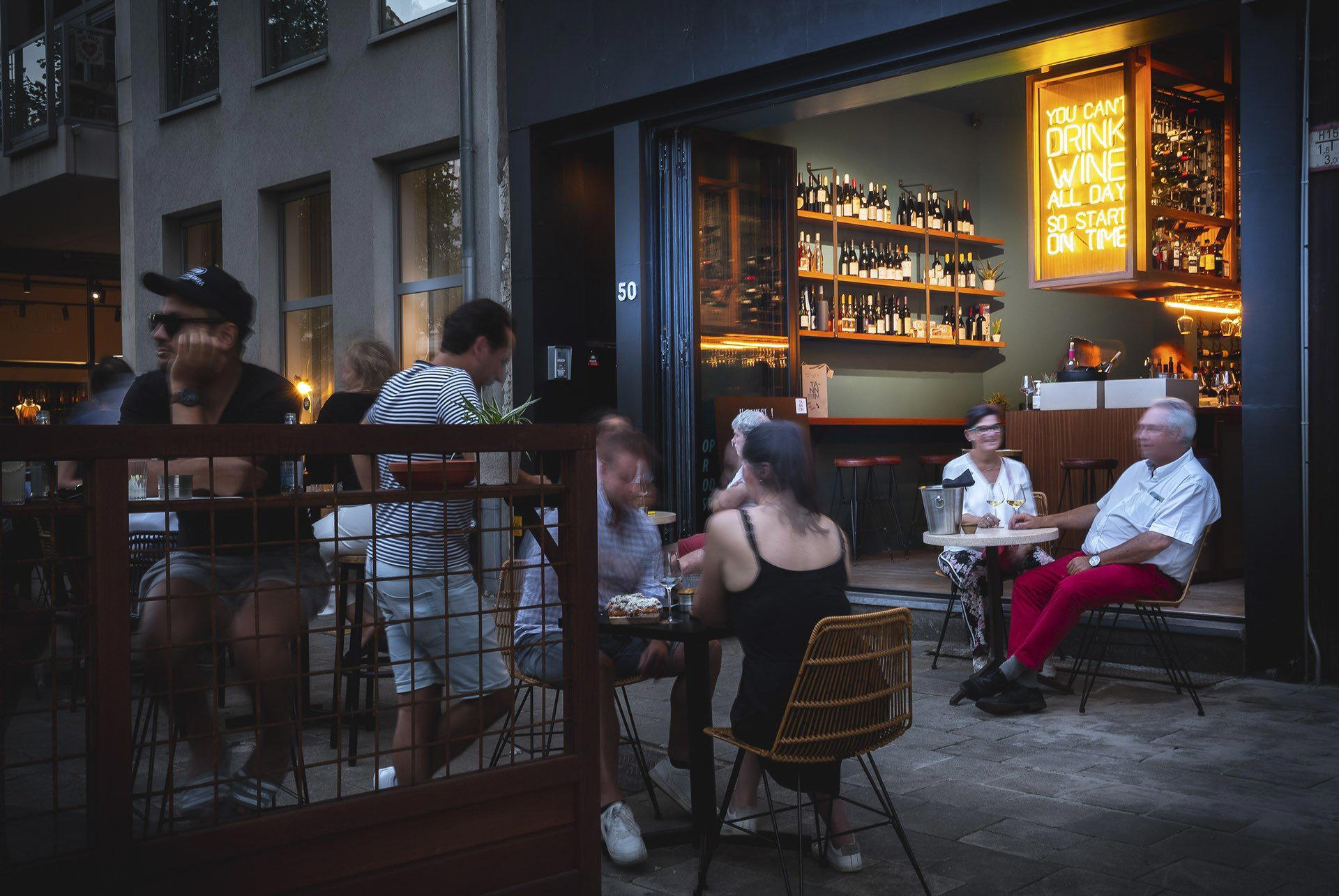
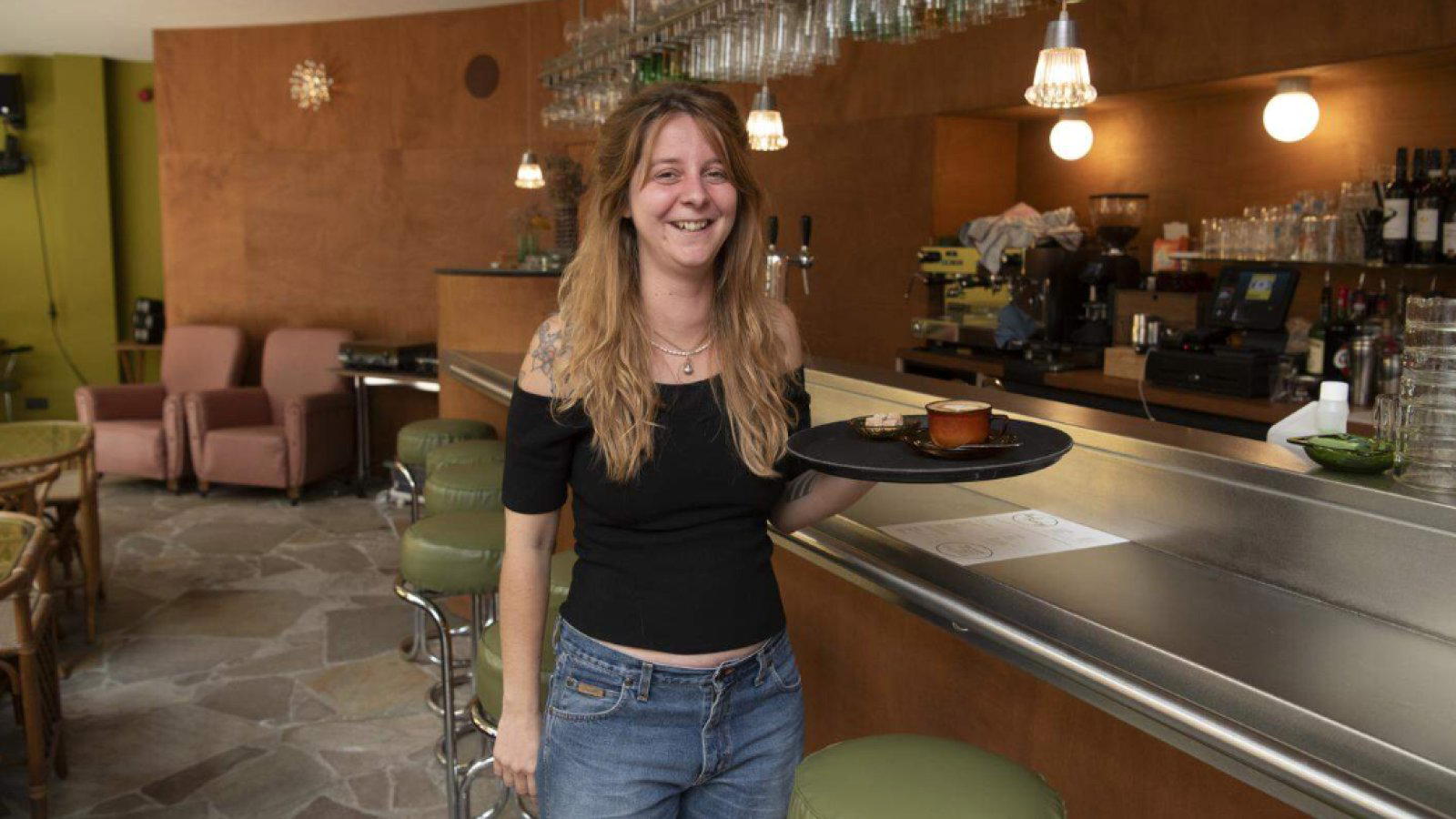
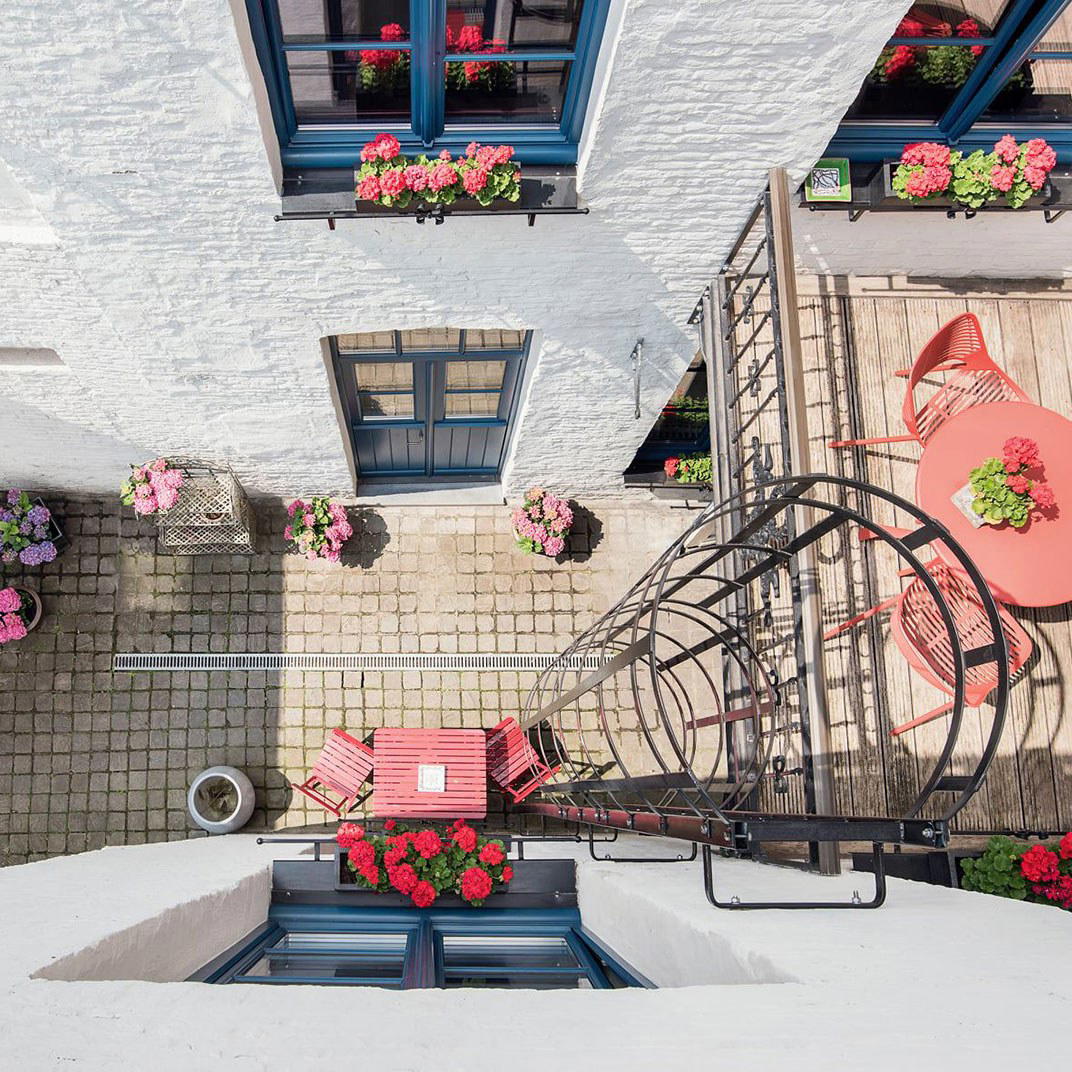
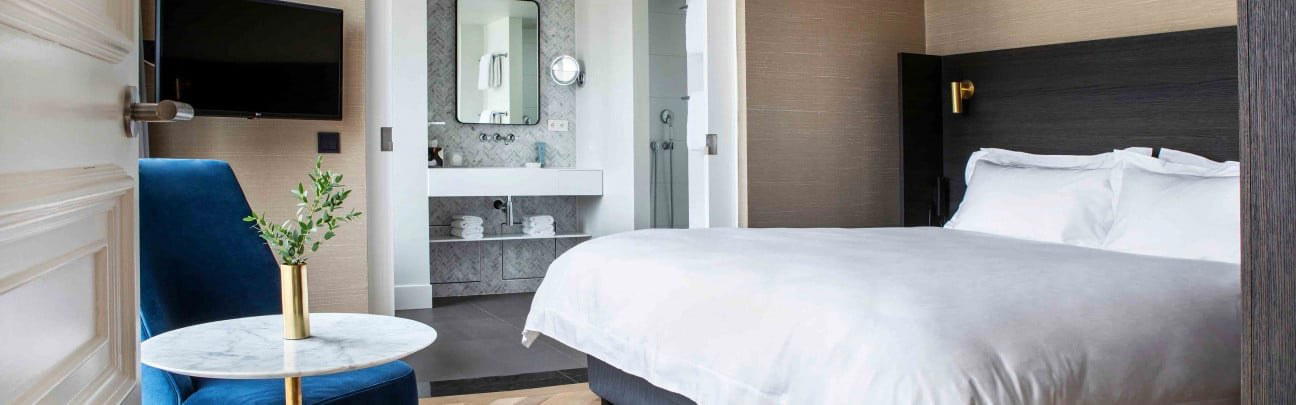
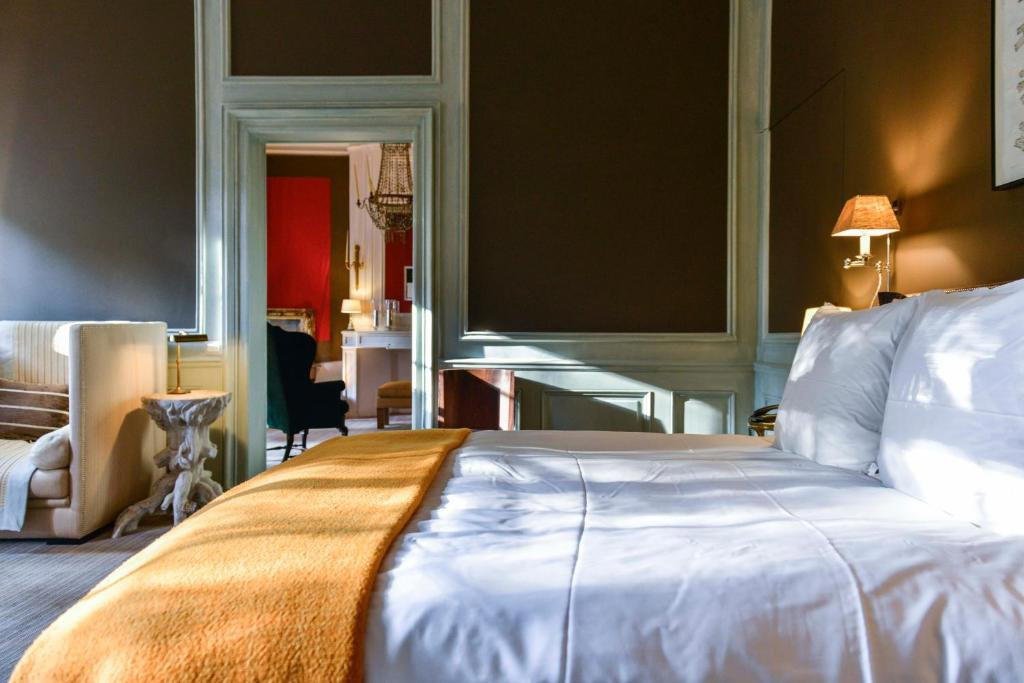
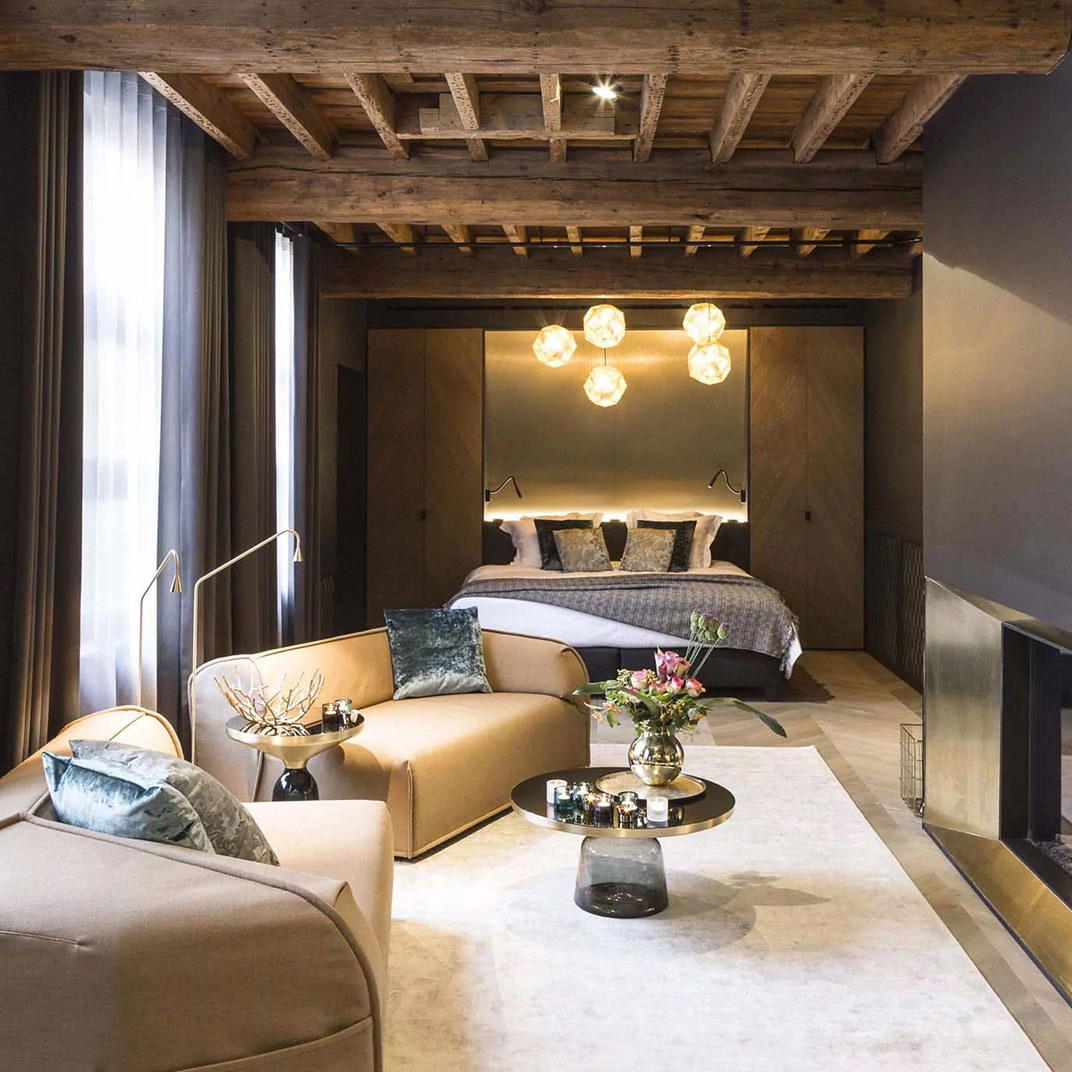
The dining room at 't Vlasbloemeken uses warm colours and considered design to create an interior that reads as comfortable rather than formal. The terrace extends the option in better weather. Hospitality is managed by the hostess, with wine recommendations that draw from a predominantly French selection. In a category where service can default either to rigid formality or studied casualness, the balance here appears to lean toward the relaxed end without abandoning the precision that a starred kitchen warrants.
French wine lists remain a coherent choice for kitchens built around shellfish and coastal produce. The Loire, Burgundy, and Champagne regions all produce styles that pair logically with the salinity and texture of Eastern Scheldt oyster and lobster. A list anchored in France is not a conservative default in this context; it reflects the same regional specificity that the kitchen applies to its ingredients.
For a restaurant in a village with limited passing trade, that number reflects a deliberate dining public, people who have made the trip with some expectation, and whose experience has largely confirmed it.
How This Kitchen Compares in the Dutch Starred Set
The Netherlands has a concentrated but varied Michelin-starred restaurant scene. At the higher end, three-star kitchens like De Librije operate with a scale of production, team depth, and ingredient sourcing that places them in a different operational category. Two-star restaurants including De Lindehof in Nuenen, Aan de Poel in Amstelveen, and Ciel Bleu in Amsterdam carry higher average spend and greater menu complexity.
't Vlasbloemeken at the one-star level, with a €€€ price positioning, sits below the leading bracket in spend while drawing on produce that rivals or exceeds what many higher-priced kitchens use. The Eastern Scheldt is not a difficult sourcing environment for a Zeeland-based kitchen; it is simply the local supply chain. That geographical advantage translates into ingredient quality at a price point that, in the Dutch starred context, represents a genuine asymmetry. For comparison, Inter Scaldes in Kruiningen and Parkheuvel in Rotterdam, both operating at the €€€€ level in the same broader region, anchor the upper end of what the Zeeland-to-Rotterdam corridor produces at fine-dining level.
The Koewacht address is not trying to compete with that tier. Its argument is different: that regional produce, prepared with technical discipline and served in a room without pretension, is sufficient to carry a serious meal. The 2024 Michelin star is the inspector's agreement with that argument.
Planning Your Visit
The kitchen operates Wednesday through Friday at lunch (12:00 to 14:00) and dinner (18:00 to 21:00), with Saturday dinner service only. The restaurant is closed Sunday and Monday. That schedule is narrow by the standards of most starred kitchens, and it shapes planning significantly: weekend visitors are restricted to Saturday evening, while midweek lunch remains an option for those who can arrange it. Koewacht is a small village in the southwest of Zeeland, close to the Belgian border, accessible by car from Terneuzen to the north or Ghent to the south. It sits outside the major public transport network, making a car the practical requirement for most visitors. Those combining the visit with broader Zeeland exploration can pair it with the estuary towns and coastal areas that supply the kitchen's ingredients.
At-a-Glance Comparison
Comparable venues nearby, for context on price, style, and recognition.
| Venue | Cuisine | Price | Awards | Notes |
|---|---|---|---|---|
| 't VlasbloemekenThis venue — the venue you are viewing | Modern Dutch Fine Dining | $$$$ | Michelin 1 Star | Not listed |
| Bij Jef | Modern Regional Texel Cuisine | $$$$ | Michelin 1 Star | Den Hoorn |
| Restaurant De Burgemeester | Modern Dutch Fine Dining | $$$ | Michelin 1 Star | Linschoten |
| De Kas | Seasonal Farm-to-Table Fine Dining | $$$ | Michelin 1 Star | Frankendael |
| Codium | Modern Zeeland Seafood | $$$$ | Michelin 1 Star | Goes Centrum |
| De Kromme Watergang | Modern Zeeland Country Cooking | $$$$ | Michelin 1 Star | Hoofdplaat |
Recognition history
Dated appearances from independent guides and award organizations, with the underlying list record or original source where available.
Michelin 1 Star
Michelin
Michelin 1 Star
Michelin

At a Glance
- Elegant
- Intimate
- Cozy
- Sophisticated
- Special Occasion
- Date Night
- Open Kitchen
- Terrace
- Extensive Wine List
- Local Sourcing
Current opening hours
- Monday
- Closed
- Tuesday
- Closed
- Wednesday
- 12–2 PM, 6–9 PM
- Thursday
- 12–2 PM, 6–9 PM
- Friday
- 12–2 PM, 6–9 PM
- Saturday
- 6–9 PM
- Sunday
- Closed
Hours can change for holidays and private events. Last verified .
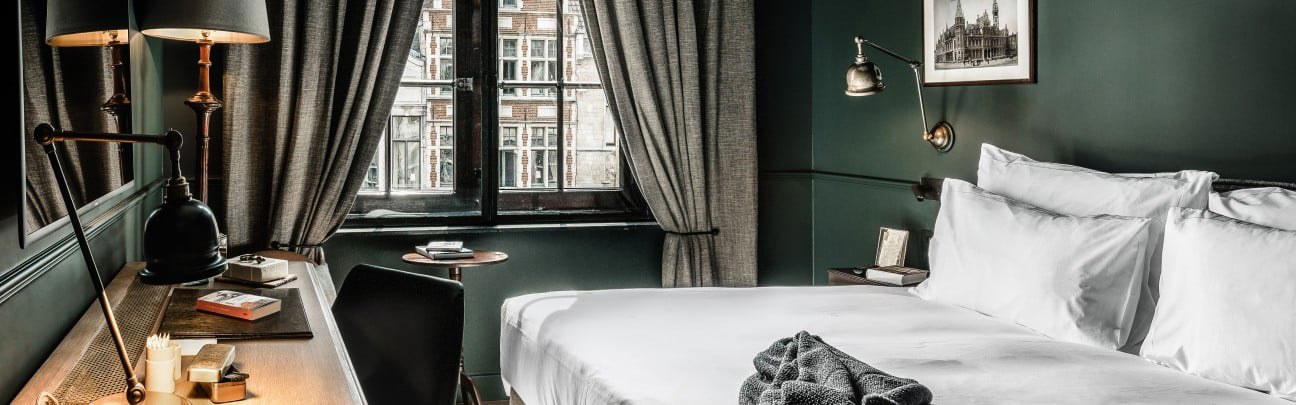
Stylish interior with warm colours and elegant design, relaxed and intimate atmosphere.