Above Bodø: Dining at Altitude on Norway's Arctic Coast The approach to Fjellveien 187 tells you something before the meal begins. The address sits in the hillside above Bodø, a city that most travellers treat as a transit point for the Lofoten...
 Discover on Pearl
Pearl is the En Primeur Club membership app — saves, bookings, and concierge access live there. Same editors, same standards.
- Address
- Fjellveien 187, 8011 Bodø, Norway
- Phone
- +4775990730
- Website
- restaurantattme.com
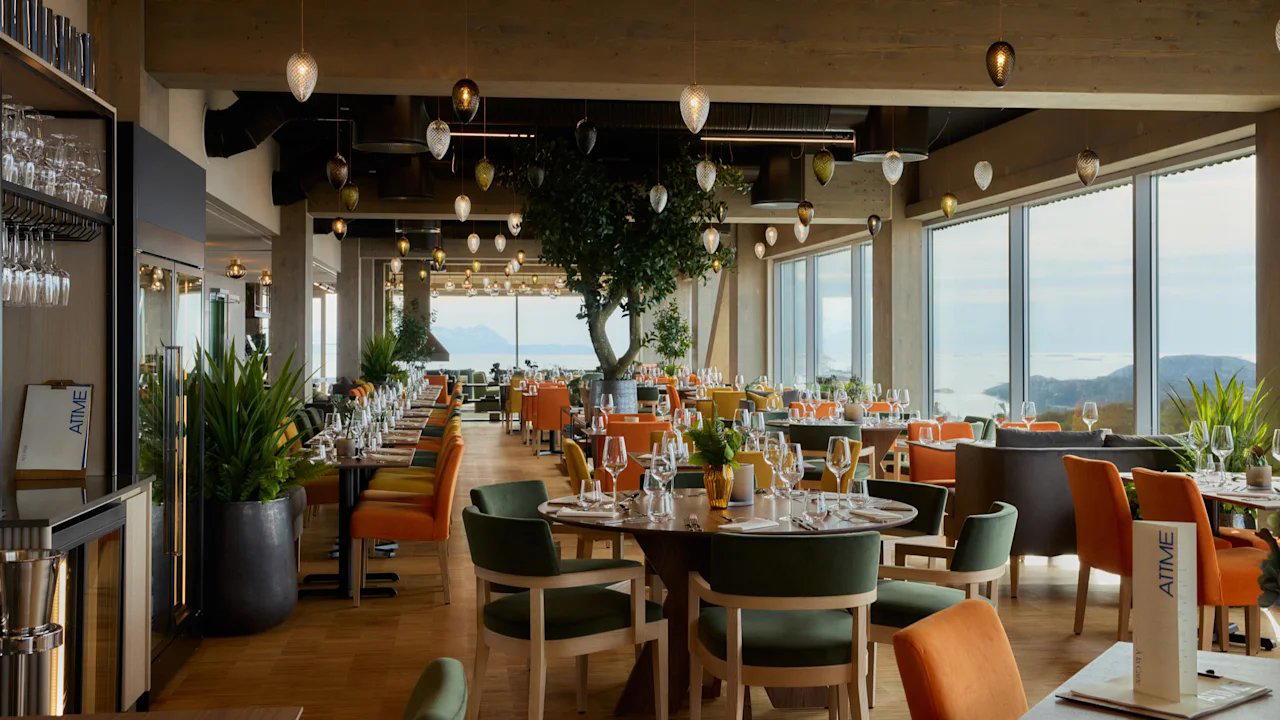
Above Bodø: Dining at Altitude on Norway's Arctic Coast
Restaurant ATTME is a Modern Northern Norwegian Bistro in Bodø, Norway, with a price tier of 3 and an estimated cost of $120 per person. The approach to Fjellveien 187 tells you something before the meal begins. The address sits in the hillside above Bodø, a city that most travellers treat as a transit point for the Lofoten ferry rather than a dining destination in its own right. That positioning is part of the story: northern Norwegian fine dining has spent the better part of a decade building its case on the strength of what the landscape produces, cod from the Vestfjorden, reindeer from Sami-managed herds, cloudberries from boglands that see continuous daylight through summer, and Restaurant ATTME, perched above the city, occupies that tradition at its most geographically deliberate.
The Ingredient Logic of the High North
Norway's serious dining scene has coalesced around a clear editorial argument: proximity to source is not merely a marketing preference but a structural advantage. Maaemo in Oslo made that case at the national level, earning three Michelin stars through a programme built almost entirely on Norwegian produce. RE-NAA in Stavanger and FAGN in Trondheim extended the argument into the regions. What changes as you move further north, past Trondheim, past the Arctic Circle, is that the sourcing geography narrows further still. The supply chains that southern kitchens rely on become impractical. What remains is what the immediate environment provides, and in Bodø that means cold, clean water, extreme seasonal contrast, and fishing traditions that predate the restaurant industry by several centuries.
This is the condition that shapes ambitious cooking in the northernmost Norwegian cities. It is less a choice of philosophy than a fact of logistics, and the kitchens that operate within it tend to produce food that reads differently from New Nordic cuisine practised further south. The foraging calendar is compressed. The growing season for garden produce is short and intense. The fish is cold-water, firm, and leaner than the same species caught in warmer Atlantic waters. At Anita's Sjomat in Lofoten, the most discussed ingredient is dried stockfish, wind-cured on wooden racks in a process unchanged for generations. The kitchens in and around Bodø operate within the same material reality.
Bodø as a Dining City
Bodø received a significant reputational adjustment when it was named European Capital of Culture for 2024, a designation that brought sustained international attention to a city of roughly 52,000. The cultural capital year prompted investment in arts programming, hospitality infrastructure, and food culture in ways that tend to outlast the designation itself. Dining ambition in Bodø has tracked that shift, with the city developing a small but identifiable tier of restaurants treating local sourcing as a serious practice rather than a label.
For context on what that tier looks like elsewhere in northern Norway, Fiskekrogen in Henningsvær, Børsen Spiseri in Svolvær, and Underhuset Restaurant in Reine all operate within a similar framework: small towns, exceptional raw materials, kitchens that translate what the fishing boats and the hillsides provide into something that justifies a meal as a destination in itself. Bodø's position on the E6 coastal route and its airport connections to Oslo make it more accessible than much of the Lofoten archipelago, which gives restaurants like ATTME a different kind of potential audience: travellers who come specifically, rather than those who find dining by accident on a hiking route.
Within Bodø itself, ROAST occupies a more casual tier of the city's dining options. ATTME's hillside address on Fjellveien separates it physically and conceptually from the harbour-adjacent restaurants, a deliberate remove that tends to suit a format where the meal itself is the reason for the visit rather than an extension of a waterfront walk.
The Wider Norwegian Fine Dining Frame
Placing ATTME in a competitive frame requires a look at its setting and category. Formal credentials, Michelin recognition, award rankings, and published tasting menus with prices are not listed in the record. What is clear is the category the address suggests: a restaurant operating at the more serious end of a city that has recently gained international cultural standing, in a country where the ingredient sourcing argument for fine dining is among the strongest made anywhere in Europe.
For reference points further afield in the Norwegian system: Gaptrast in Bergen works a similarly ingredient-led programme on the western fjord coast. Under in Lindesnes built a format around the physical drama of its location, a submerged dining room on the southern tip of Norway, as much as its menu. Hardanger House in Jondal operates at the intersection of accommodation and destination dining in a fjord setting. Aurora Restobar in Kirkenes and Brasserie 8622 in Mo i Rana and Karoline Restaurant in Ramberg and Umami Harstad in Harstad each represent the spread of serious cooking across Norway's northern latitude. ATTME sits within that geography rather than apart from it.
What separates the most discussed kitchens in this tier from capable regional cooking is a question of intentionality around sourcing: not simply using local produce because it is available, but constructing the menu around what the specific season and geography make possible, then holding that discipline when shorter supply chains would be easier. Internationally, kitchens that have made sourcing the structural foundation of their identity, Le Bernardin in New York with its decades-long commitment to fish sourcing rigour, or Atomix in New York with its ingredient-led tasting format, demonstrate that the approach translates across culinary traditions when the kitchen's commitment to it is total.
Planning Your Visit
Bodø is served by direct flights from Oslo (approximately 1 hour 30 minutes) and connects to Tromsø and other northern Norwegian hubs. The city is also the northern terminus of the Nordlandsbanen railway, one of the longer scenic rail routes in Europe, which makes it accessible for travellers willing to trade speed for the experience of watching Norway's landscape change from south to north over the course of a day. ATTME is recommended for reservations and is open daily from 5 to 11 PM. For travel between June and mid-July, the midnight sun shapes evening light in Bodø.
Quick Comparison
Comparable venues nearby, for context on price, style, and recognition.
| Venue | Cuisine | Price | Awards |
|---|---|---|---|
| Restaurant ATTMEThis venue — the venue you are viewing | |||
| Maaemo | New Nordic, Modern Cuisine | €€€€ | Michelin 3 Star |
| RE-NAA | New Nordic, Creative | €€€€ | Michelin 3 Star |
| Kontrast | New Nordic, Scandinavian | €€€€ | Michelin 2 Star |
| FAGN | Nordic , Modern Cuisine | €€€ | Michelin 1 Star |
| Speilsalen | Nordic , Contemporary | €€€€ | Michelin 1 Star |
At a Glance
- Modern
- Scenic
- Elegant
- Sophisticated
- Date Night
- Special Occasion
- Celebration
- Panoramic View
- Open Kitchen
- Hotel Restaurant
- Craft Cocktails
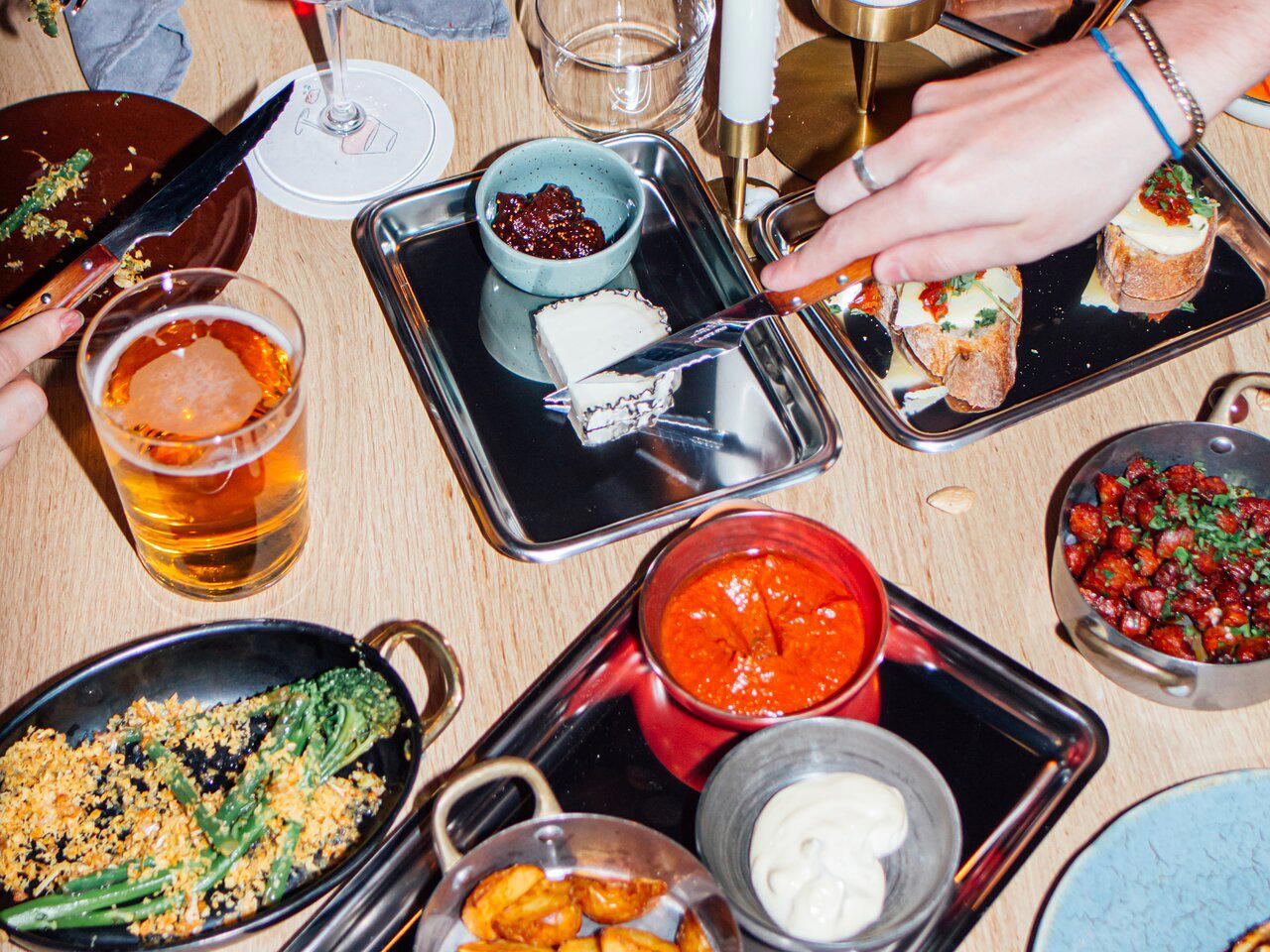
- Local Sourcing
- Waterfront
- Mountain
- Street Scene
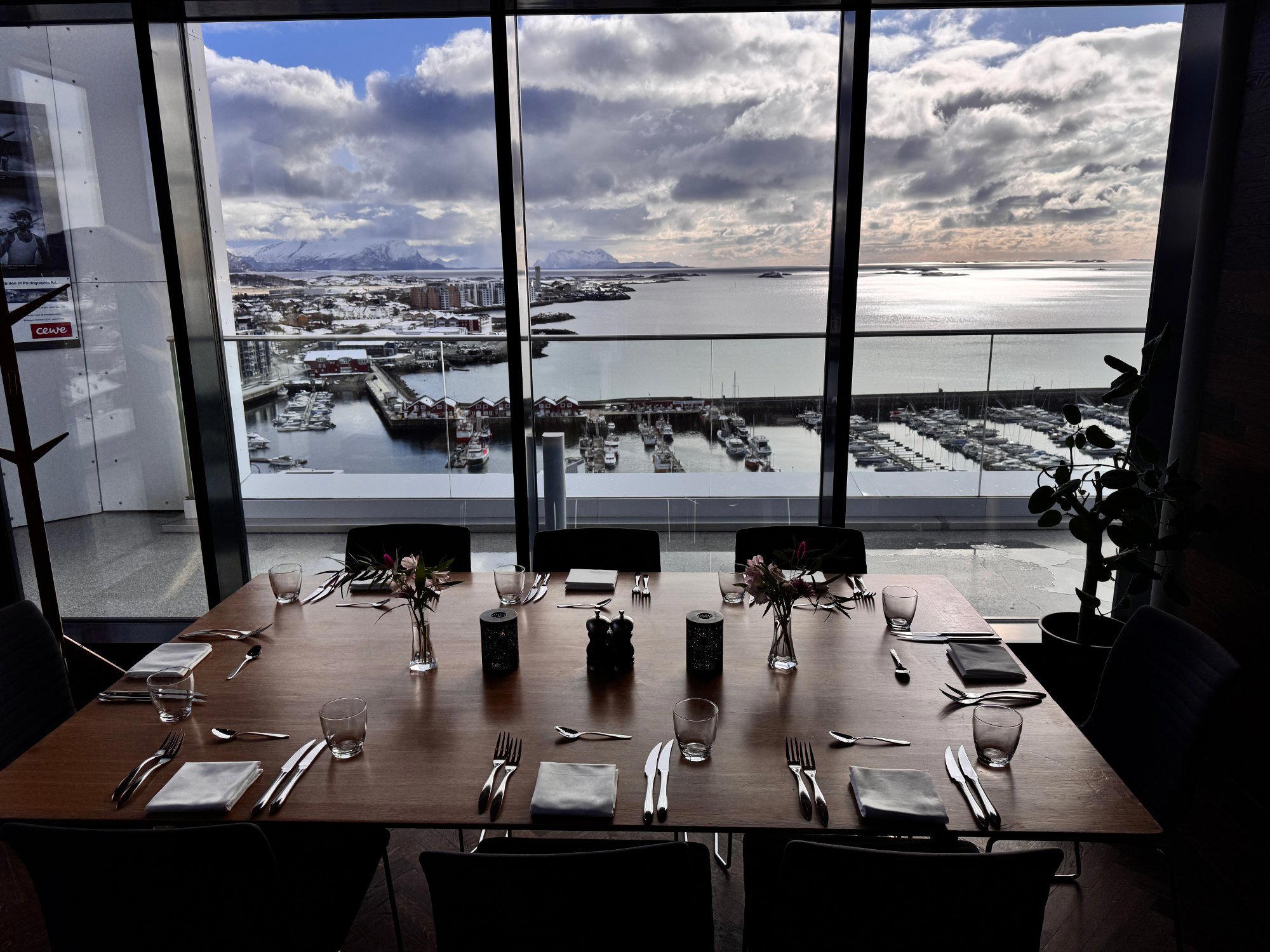
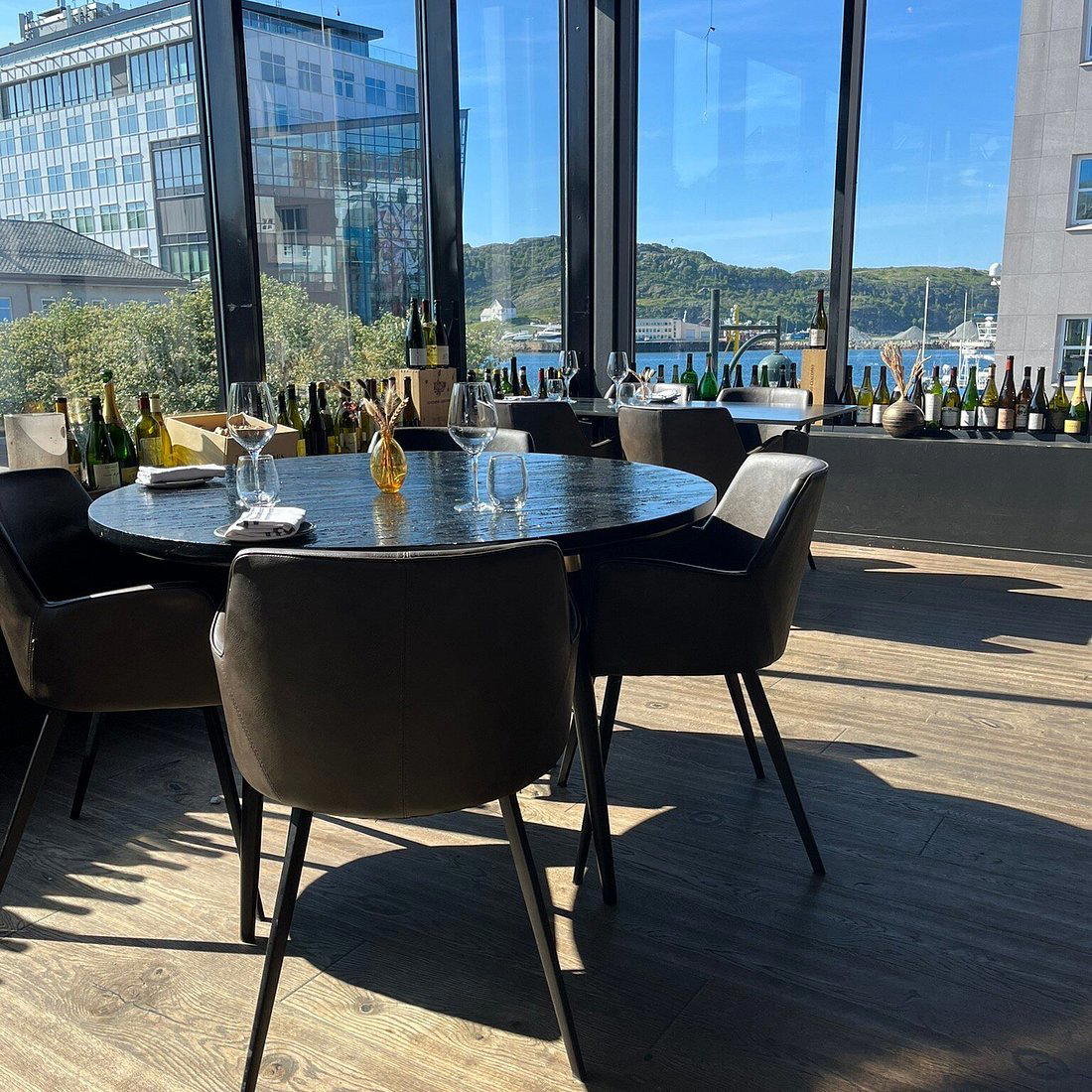
Cozy bistro atmosphere with breathtaking panoramic views, warm service, and an inviting setting enhanced by natural light from floor-to-ceiling windows.