Our verdict
Reikasai occupies a Roppongi address in Minato City, placing it inside one of Tokyo's most internationally trafficked dining corridors. The restaurant sits within a neighbourhood where kaiseki refinement and high-end Japanese cuisine have long coexisted with foreign embassy culture and late-night energy. For Tokyo dining at this address level, advance planning is advisable.

Pearl is the En Primeur Club membership app, where members save venues, book tables and use the concierge.
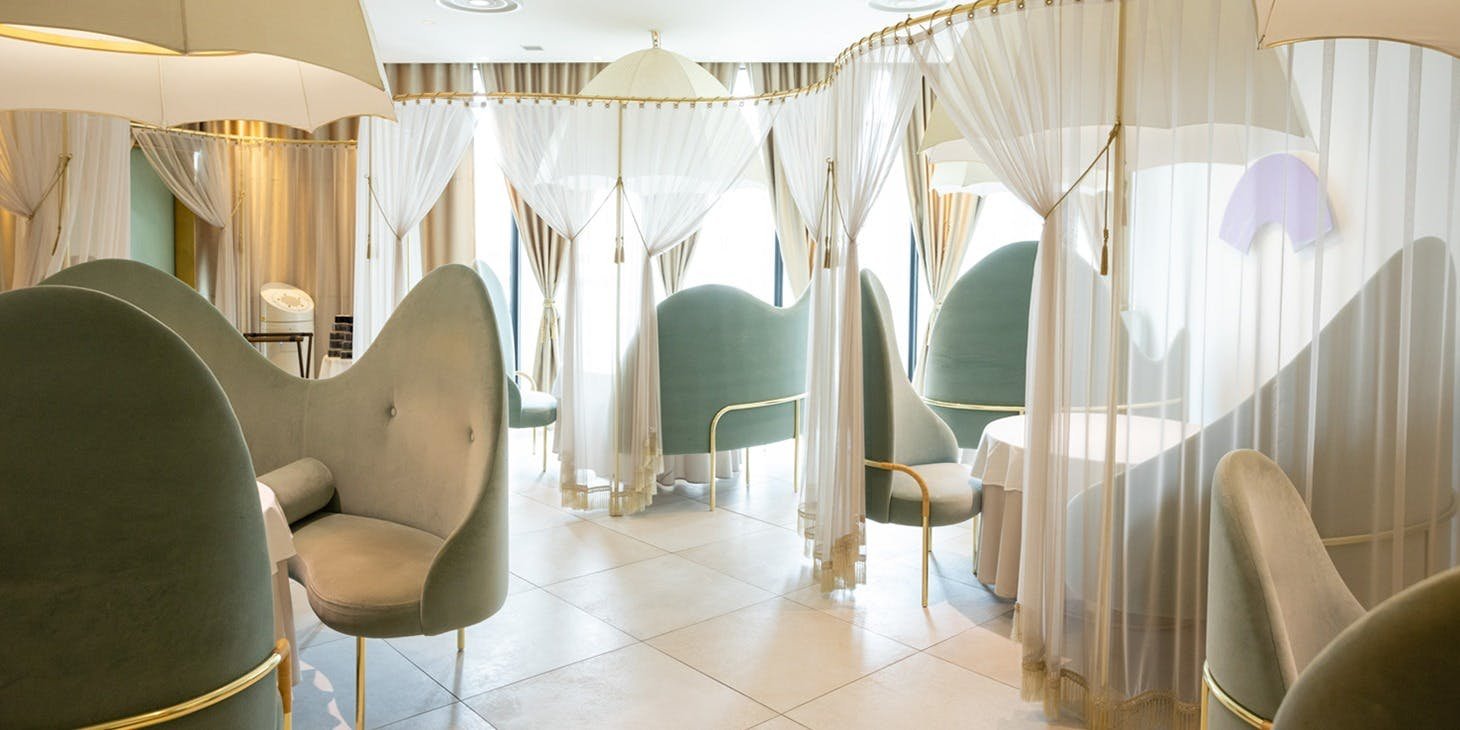
The menu
What to order
- Shark fin rice
- Jade tofu
- Stir-fried lobster
- San Bu Zhan
Roppongi as a Dining Address: What the Location Signals
Roppongi's reputation in Tokyo dining is layered in ways that a single label cannot capture. The neighbourhood around 6-chome, the address block where Reikasai sits, carries a different character from the louder, more transient stretch closer to Roppongi Crossing. This corner of Minato City has historically attracted embassies, foreign press bureaux, and a class of international resident with both the budget and the expectation for serious dining. That demographic pressure has shaped the restaurants that endure here: they tend to operate at a higher formality register, with kitchens capable of satisfying a clientele that moves regularly between Tokyo and other major food cities.
Tokyo's premium dining tier, the bracket occupied by addresses like RyuGin in Roppongi itself, or Harutaka in the Ginza-adjacent sushi corridor, sets the standard against which any serious restaurant in this part of the city is measured. The address at 6 Chome-12-2 Roppongi is not a casual one.
The Roppongi Dining Corridor in 2024
Roppongi sits at an interesting inflection point in Tokyo's dining geography. For two decades it has served as the city's most internationally legible fine-dining address, partly because of proximity to the Mori Art Museum and the Hills complex, and partly because the embassy belt brought a consistent flow of guests who needed restaurants capable of hosting formal occasions across cultural contexts. That positioning has not disappeared, but the gravity of Tokyo's most-discussed openings has in recent years spread across the city: to Minami-Aoyama, to Nihonbashi, and further into residential pockets where younger chefs are operating smaller formats.
What remains in Roppongi at the premium tier is a set of establishments with staying power. Venues like L'Effervescence in nearby Nishi-Azabu and Sézanne in the Marunouchi orbit have demonstrated that Western fine-dining formats with serious technique can hold recognised positions in this city. The more innovative end of that spectrum, represented locally by venues like Crony, shows that Tokyo diners are receptive to formats that push past established categories. Reikasai's Roppongi address places it in conversation with all of these.
What to Expect from a Restaurant at This Address Level
Tokyo's premium dining culture at the Roppongi tier tends toward certain shared characteristics regardless of cuisine type. Service is typically formal without being rigid; the kitchen-to-table communication is structured; and the expectation from the guest side is that the meal will follow a set sequence rather than a carte blanche ordering model. This applies across Japanese and Western formats alike, which is one reason the neighbourhood has historically been hospitable to both.
The dining room experience at this address level also tends to carry a spatial premium. Roppongi real estate is not cheap, and restaurants that have sustained operations here have generally built formats where the room itself is part of the proposition, whether through design, counter intimacy, or the kind of quiet that expensive square footage in a dense urban district can actually purchase. Comparable venues across Japan's premium restaurant tier, from Gion Sasaki in Kyoto to HAJIME in Osaka, share this quality: the room signals intention before the food arrives.
Planning a Visit: Logistics and Context
Tokyo at this dining level operates on a booking logic that rewards early planning. The city's most-discussed counters and private dining rooms in the ¥¥¥¥ tier routinely book out one to three months ahead, with some formats requiring hotel concierge intermediaries for guests without local contacts or Japanese-language capability. Roppongi's international character means that more venues here than in other Tokyo neighbourhoods are accustomed to foreign-language bookings, but that accessibility does not necessarily translate to availability.
For visitors building an itinerary, the Roppongi-Azabu-Hiroo triangle is dense enough to anchor an evening without requiring significant transit. From this address, the cultural infrastructure of the Mori Art Museum, the National Art Center, and the Suntory Museum of Art is walkable, which makes the neighbourhood a coherent choice for a full evening rather than a single-venue visit. Those planning broader Tokyo dining itineraries can use our full Tokyo restaurants guide to map the city's tiers and neighbourhoods, and supplement with our Tokyo bars guide and our Tokyo hotels guide for a complete picture.
Contextual Comparison: Roppongi-Area Premium Dining
| Venue | Cuisine | Price Tier | Format |
|---|---|---|---|
| Reikasai | Not confirmed | Not confirmed | Not confirmed |
| RyuGin | Kaiseki | ¥¥¥¥ | Set menu, counter and tables |
| L'Effervescence | French | ¥¥¥¥ | Set menu, intimate dining room |
| Harutaka | Sushi | ¥¥¥¥ | Omakase counter |
| Crony | Innovative French | ¥¥¥¥ | Set menu, modern format |
Tokyo in a Wider Regional Frame
One way to calibrate a Tokyo dining visit is to set it against the broader Japanese fine-dining circuit. The cities of Osaka, Kyoto, Fukuoka, and Nara each carry distinct culinary registers: Kyoto's kaiseki tradition at venues like Gion Sasaki, Fukuoka's ingredient-led approach at Goh, and the quieter, produce-driven format at akordu in Nara all offer reference points for understanding what Tokyo's premium tier is measuring itself against.
Internationally, the comparison extends further. The tasting-menu format at this price and formality level finds equivalents in cities like New York, where venues such as Le Bernardin and Atomix operate at comparable register. What distinguishes Tokyo is the density: the city sustains a volume of ¥¥¥¥-tier restaurants across multiple cuisine categories that few other cities match. For a fuller picture of what's available across Japan, 1000 in Yokohama and 6 in Okinawa extend the itinerary south and west, and our Tokyo experiences guide covers the cultural programming that surrounds the dining scene. A Tokyo wineries guide is also available for those tracking Japan's growing domestic wine presence alongside restaurant visits.
Frequently asked questions
What do people recommend at Reikasai?
How far ahead should I plan for Reikasai?
What's the defining dish or idea at Reikasai?
Is Reikasai good for vegetarians?
Is Reikasai good value for money?
What kind of occasion is Reikasai well suited for in Tokyo?
A Pricing-First Comparison
| Venue | Cuisine | Price | Awards | Notes |
|---|---|---|---|---|
| ReikasaiThis venue (the venue you are viewing) | Imperial Chinese Court Cuisine | $150–200 | Not listed | Not listed |
| Harutaka | Edo-Style Omakase Sushi | $200–300 | 3 Michelin Stars · World's 50 Best #76 | Sushi |
| RyuGin | Modern Kaiseki | $500+ | 3 Michelin Stars · World's 50 Best #41 | Kaiseki, Japanese |
| L'Effervescence | Modern French with Japanese Influences | $200–300 | 3 Michelin Stars · World's 50 Best #69 | French |
| HOMMAGE | Modern French with Japanese Influences | $150–200 | 2 Michelin Stars · World's 50 Best #78 | Innovtive French, French |
| MAZ | Innovative Peruvian-Japanese Fusion | $150–200 | 2 Michelin Stars · World's 50 Best #28 | Innovative |
Continue exploring
More in Tokyo
Restaurants in Tokyo
All restaurants in Tokyo →

Bars in Tokyo
All bars in Tokyo →




Details
- Elegant
- Sophisticated
- Quiet
- Classic
- Intimate
- Date Night
- Business Dinner
- Special Occasion
- Standalone
- Sake Program
- Sommelier Led
- Set Menu
- Tea
- Wine
- Vegetarian Friendly
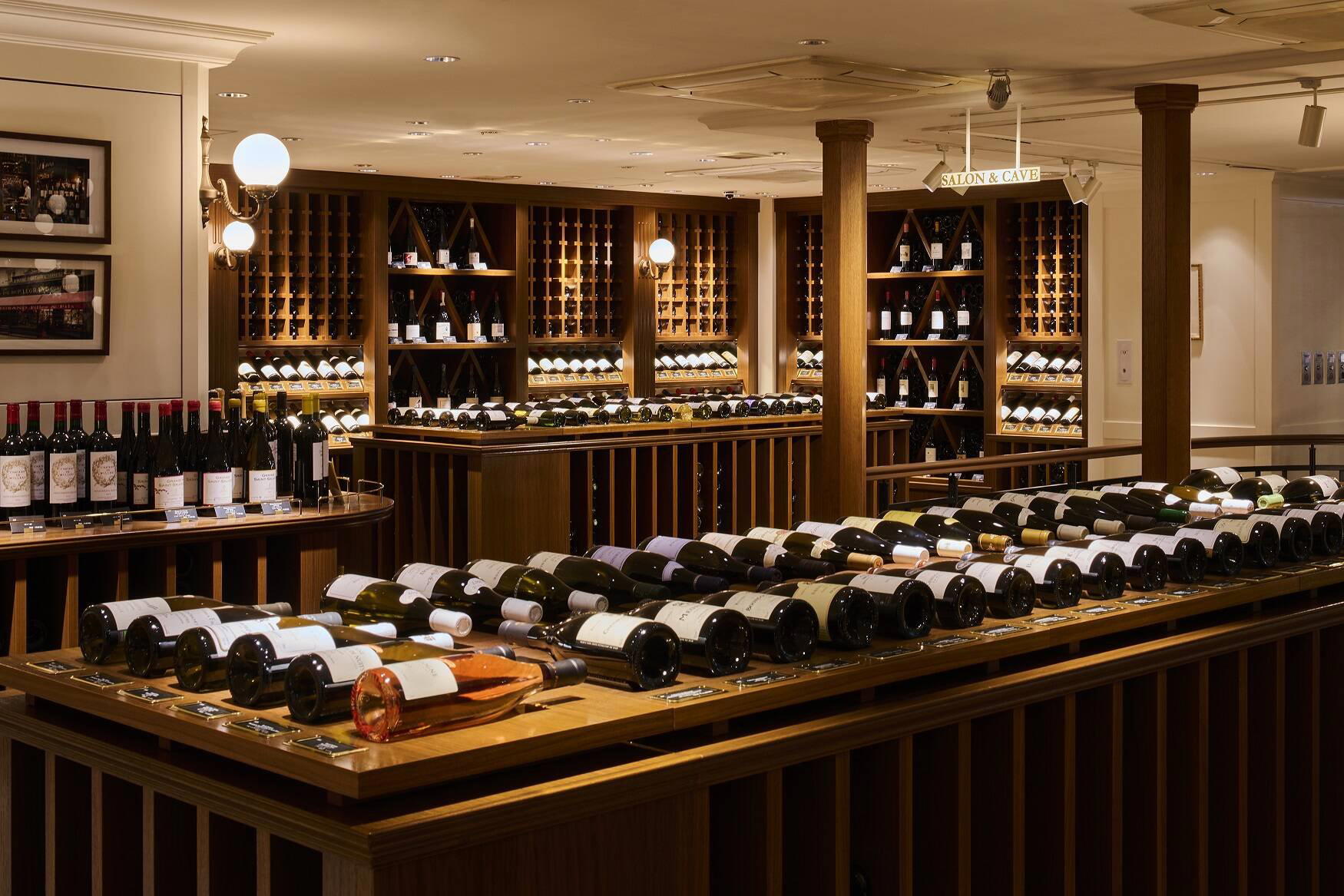
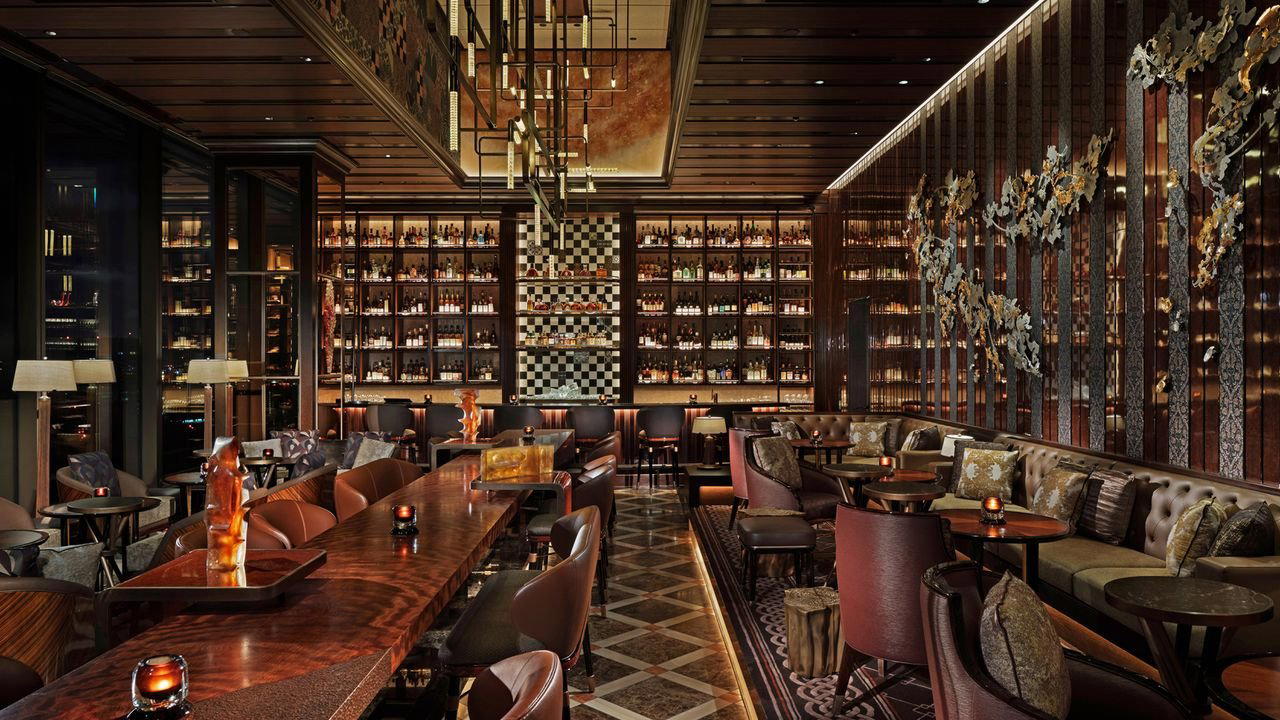
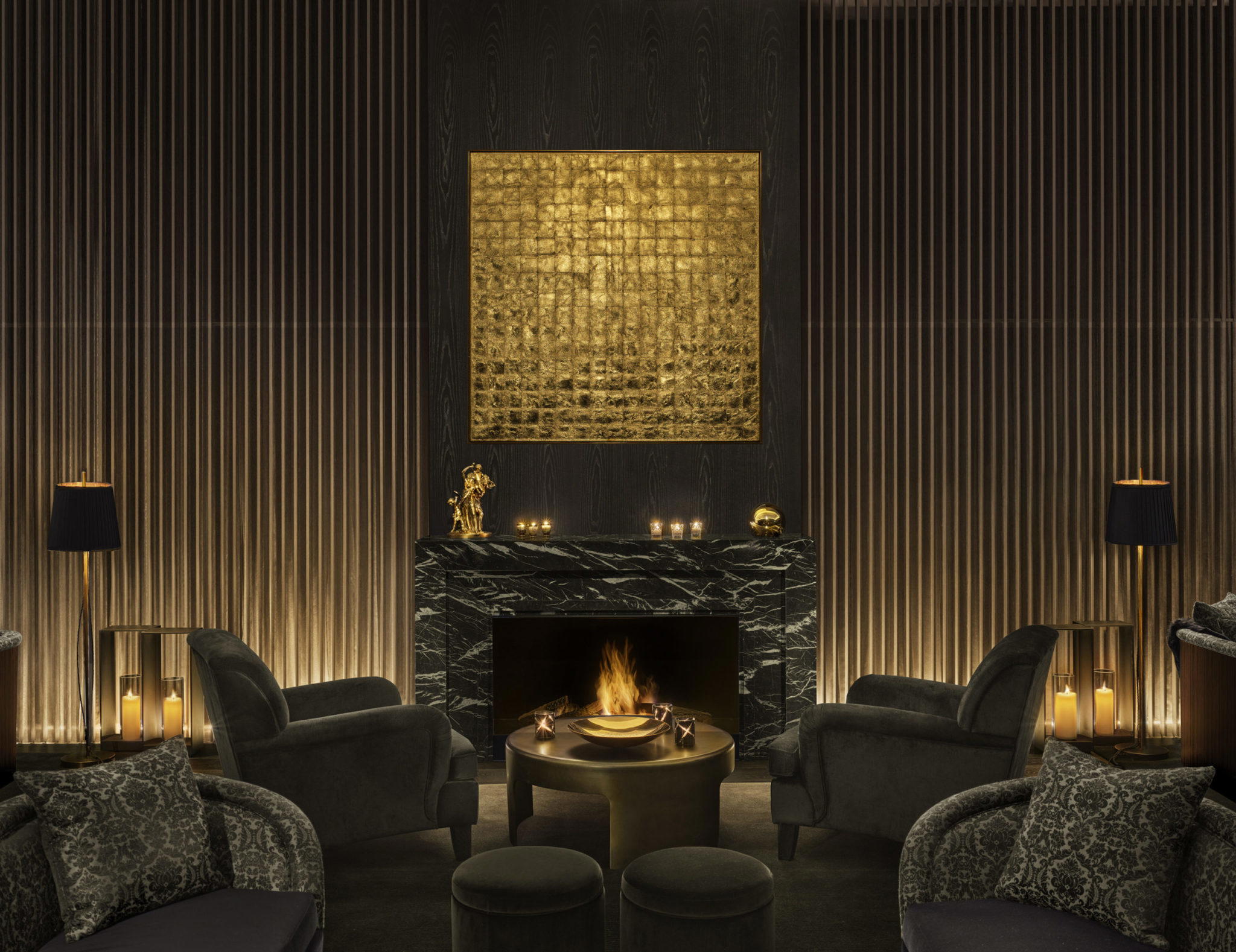
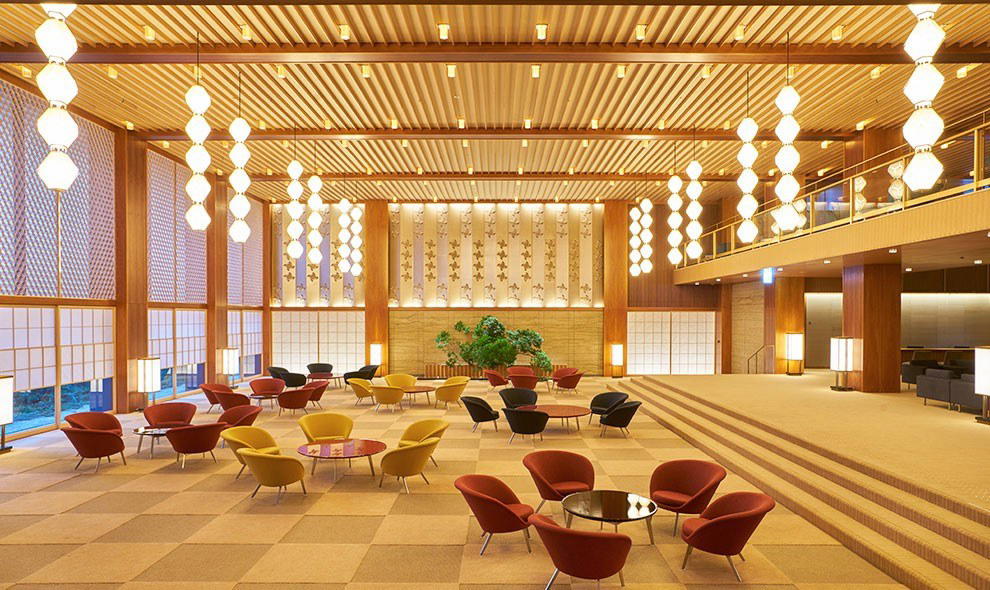
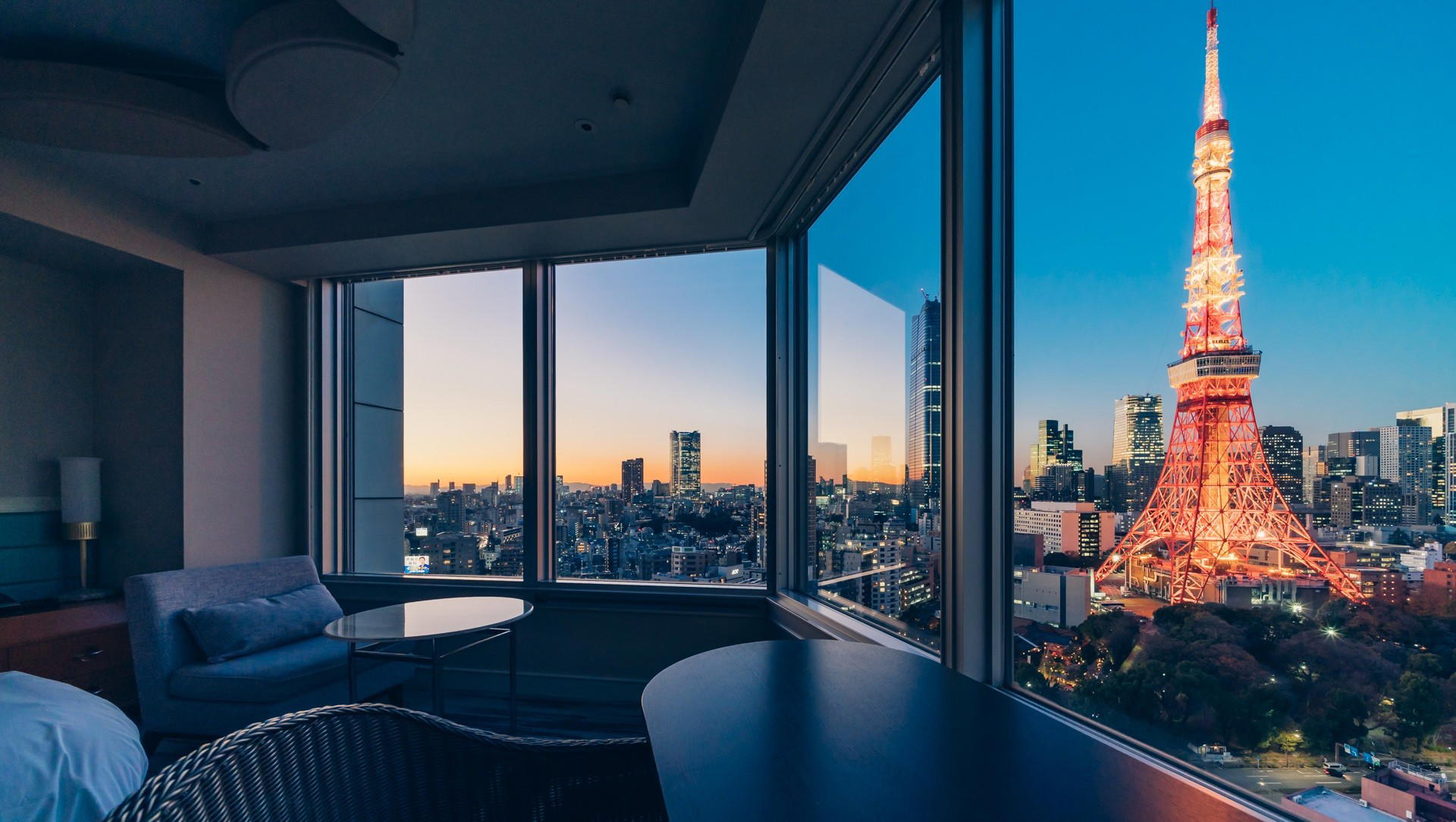
Quiet, formal, and polished, with an elegant fine-dining atmosphere.