Azabu New York
Azabu New York occupies a discreet address on Greenwich Street in Tribeca, operating within the upper tier of Manhattan's Japanese dining scene. The kitchen draws on izakaya and counter traditions that have shaped New York's most serious Japanese restaurants over the past two decades, placing it in a competitive set defined by craft, restraint, and deliberate service.
- Address
- 428 Greenwich St, New York, NY 10013
- Phone
- +1 212 274 0428
- Website
- sushi-azabu.com
- Directions
- Get directions
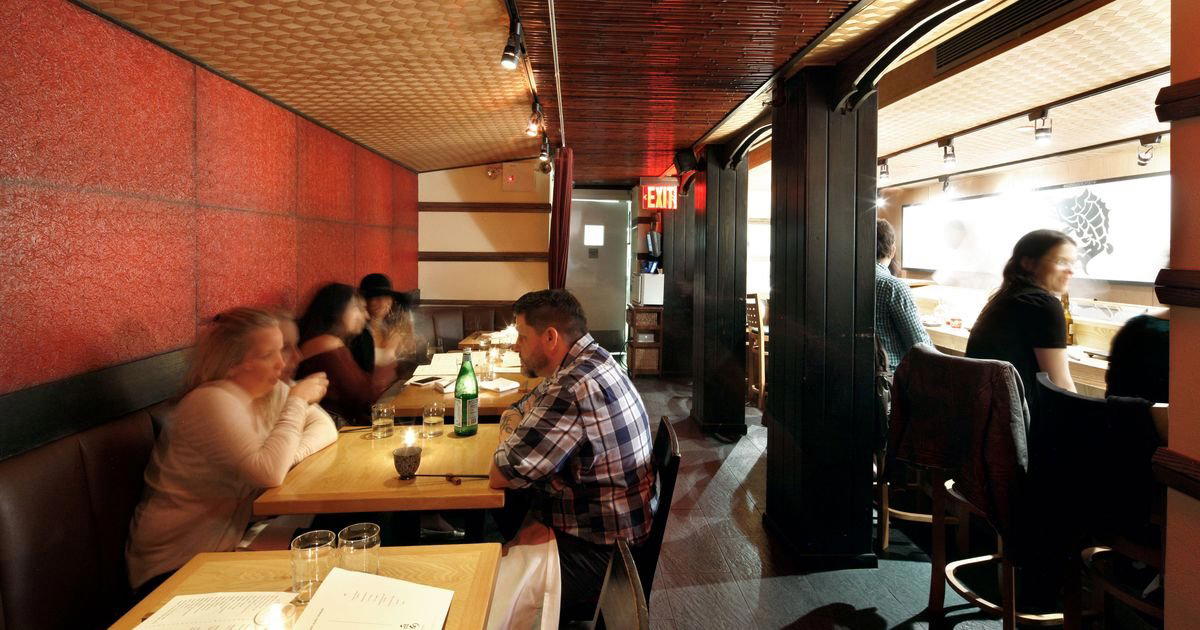
A Particular Corner of Tribeca
Greenwich Street in Tribeca has a quality that few Manhattan blocks manage: it moves slowly. The cast-iron facades and wide sidewalks between Canal and Hubert give the neighbourhood a pace that sits at odds with Midtown's restaurant theater, and that contrast is part of what makes the block around 428 Greenwich Street function as it does. Japanese dining in this part of the city has never been about spectacle. The counters and private rooms that define the scene here operate on restraint, a principle that runs through both the physical environment and what arrives at the table.
Azabu New York is a closed restaurant in Tribeca, New York City, serving Traditional Edo-Mae Omakase at about $150 per person. Its address in Tribeca places it at some distance, geographically and temperamentally, from the higher-volume Japanese operations clustered around Midtown and the East Village. That positioning matters when you're thinking about what kind of room you're walking into and what kind of service logic governs the evening.
Where This Fits in the Manhattan Japanese Dining Tier
Manhattan's Japanese dining market has stratified sharply over the past fifteen years. At the leading sits a small cohort of omakase counters, Masa being one cited reference point for price ceiling and counter formality, where a single dinner can run several hundred dollars per person before beverage. Below that, a broader middle tier covers everything from izakaya-style rooms to kaiseki-influenced tasting menus, most operating in the $150–$250 per person range. The distinctions within that middle tier are often more about service philosophy and room format than about absolute culinary quality. Azabu New York is now closed.
Azabu operates in the zone where Japanese craft traditions meet a New York clientele that has, over a generation, become genuinely literate in the differences between omakase formats, sake service conventions, and kitchen lineage. That's a different customer than the one who walked into a Japanese restaurant on the Upper West Side in 2005, and the room and team have to be calibrated accordingly. For comparison with what stronger examples from New York's tasting-menu market looks like across other cuisines, the peer references are tables like Le Bernardin, Per Se, Eleven Madison Park, and Atomix, all operating at the $$$$ tier with equivalent expectations around service coordination and front-of-house precision.
The Team Dynamic: How the Room Actually Works
At the level of dining where Azabu once positioned itself, what separated a good evening from a flat one was rarely the food in isolation. It is the degree to which the kitchen, the floor, and whoever manages the beverage program read the room as a single unit. This is a harder problem than it sounds. Counter-format Japanese dining creates an unusual dynamic: the kitchen is visible, the chef's timing is legible, and the diner can see exactly when a course is being finished. That transparency puts pressure on the front-of-house in a way that a closed kitchen does not. The server and sommelier have to calibrate their presence and timing to what the counter is showing, not just to a printed course schedule.
When that coordination functions well, the experience has a particular quality: transitions feel inevitable rather than managed. Sake or wine arrives slightly before you realize you need it. Questions about the next course are answered before you form them. The floor team operates as an extension of the kitchen's rhythm rather than as a separate department responding to it. This is the standard that Japanese counter dining at this tier sets, and it is worth applying it as a lens when the room was operating.
The same principle applies to restaurants outside New York that have built reputations on kitchen-floor integration: Single Thread Farm in Healdsburg and Smyth in Chicago are two domestic examples where the farm-to-counter or chef-to-floor relationship is part of the explicit editorial identity of the room. Lazy Bear in San Francisco operates on a different format but applies a similar logic to communal service timing.
Izakaya Tradition and the Counter Format
The word izakaya covers a range of Japanese drinking-and-eating formats that New York has absorbed selectively. In Tokyo, an izakaya can be a cramped basement room serving grilled chicken and cold Sapporo, or it can be a carefully curated counter where the seasonal ingredient list changes weekly and the sake selection is managed with the same discipline as a serious wine list. Manhattan's interpretation has generally leaned toward the latter end of that spectrum, partly because the economics of New York real estate require higher check averages, and partly because the clientele for Japanese food at this price point expects the more refined register.
Azabu's Tribeca location sits within this more disciplined interpretation of the izakaya tradition. The format places it in a category that rewards repeat visits more than one-off occasions, the kind of room where a second or third dinner reveals dimensions that a first visit might compress into a single impression. That's a characteristic shared with other multi-visit formats across the country, from Blue Hill at Stone Barns in Tarrytown to Providence in Los Angeles, places where the menu's depth only becomes apparent over time.
The Tribeca Context and Who Comes Here
Tribeca's dining scene has matured differently from the West Village or the Lower East Side. The neighbourhood draws a mix of finance, media, and creative industry residents who tend to eat late, spend deliberately, and expect service that doesn't require explanation. The Japanese restaurants that have found long-term footing here, as opposed to those that opened briefly and closed, have generally understood that this is not a neighbourhood where novelty alone sustains a room. Consistency, service reliability, and a beverage program that can support a long evening carry more weight than a headline concept.
For visitors to the city who want to map Azabu against the broader New York restaurant scene before booking, our full New York City restaurants guide covers the tier from accessible neighbourhood spots through to tables at the level of The French Laundry equivalents in terms of formality and price. Internationally, the comparisons that make sense for a restaurant operating at Azabu's register include Atelier Moessmer Norbert Niederkofler in Brunico and Dal Pescatore in Runate, European rooms where craft tradition and service discipline define the reputation rather than media coverage or celebrity association.
Know Before You Go
- Address: 428 Greenwich St, New York, NY 10013
- Neighbourhood: Tribeca, Manhattan
- Cuisine tradition: Japanese (izakaya and counter format)
- Price tier: Upper-mid to premium (comparable to Manhattan's $$$$ Japanese tier)
- Booking: Contact the restaurant directly; check current availability through their reservation channel
- Getting there: Franklin St station (1 train) is the closest subway stop; street parking is limited on Greenwich St
- Leading timing: Weeknights typically offer a more measured pace than Friday or Saturday
Reputation First
Comparable venues nearby, for context on price, style, and recognition.
| Venue | Cuisine | Price | Notes |
|---|---|---|---|
| Azabu New YorkThis venue — the venue you are viewing | Traditional Edo-Mae Omakase | $$$$ | Not listed |
| hakubai | Contemporary Japanese Kaiseki | $$$$ | Midtown-Times Square |
| Aman New York | Modern Japanese Omakase & Italian Harvest Cuisine | $$$$ | Midtown-Times Square |
| Nippon | Traditional Edo-mae Japanese | $$$$ | East Midtown-Turtle Bay |
| Unnamed flagship Japanese fine-dining at One Bryant Park | Japanese Fine-Dining Tasting Menu | $$$$ | midtown manhattan |
| Ume | Modern Japanese Sushi Omakase | $$$$ | Williamsburg |
Continue exploring
More in New York City
Restaurants in New York City
Browse all →
Bars in New York City
Browse all →
Hotels in New York City
Browse all →






At a Glance
- Intimate
- Elegant
- Classic
- Sophisticated
- Date Night
- Special Occasion
- Business Dinner
- Chefs Counter
- Historic Building
- Standalone
- Sake Program
- Beer Program
- Sustainable Seafood
- Local Sourcing
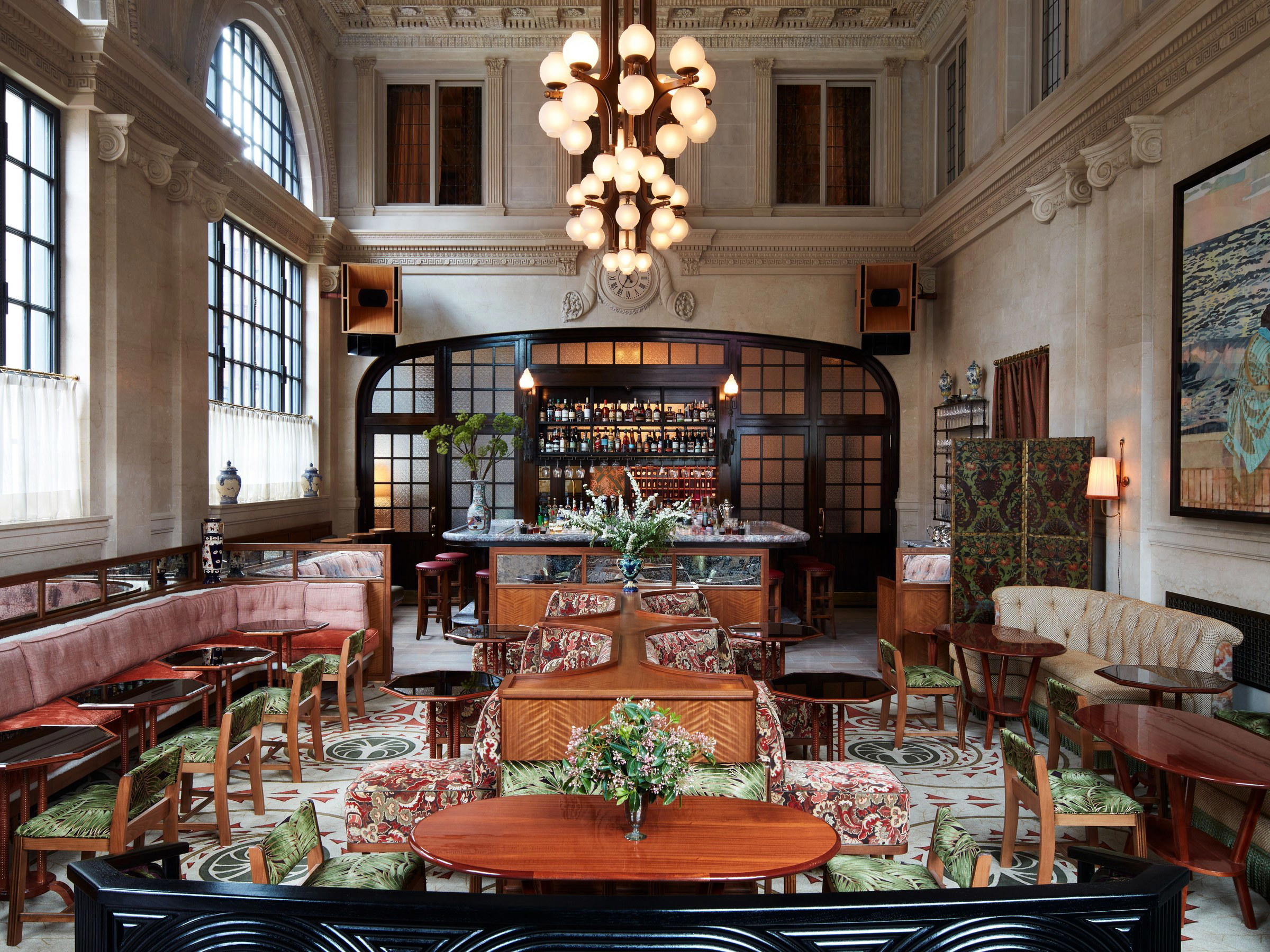
Dark, intimate basement setting with a long sushi bar; minimalist Japanese aesthetic with dim lighting creating a cozy, authentic atmosphere despite the shabby building exterior.