Sushi Kaito

Our verdict
On the Upper West Side, Sushi Kaito operates within a tier of New York omakase that prizes restraint and technical precision over spectacle. Chef Yoko Hasegawa earned an Opinionated About Dining ranking in both 2023 and 2024, placing the counter among recognized North American destinations. For a neighbourhood not historically associated with serious Japanese dining, that recognition carries weight.

Pearl is the En Primeur Club membership app, where members save venues, book tables and use the concierge.
Omakase on the Upper West Side: How Sushi Kaito Fits the New York Counter Narrative
New York's serious omakase scene has, for the better part of a decade, concentrated itself downtown and in Midtown: the high-ticket counters around Masa and Joji, the technically rigorous rooms like Shion 69 Leonard Street, and the perennial benchmarks anchored further south. The Upper West Side has rarely entered that conversation at the same tier. Sushi Kaito, at 244 West 72nd Street, represents something the neighbourhood has lacked: a counter with documented critical recognition operating within the framework of traditional edomae omakase, not as an approximation of it.
OAD rankings are crowd-sourced from a community of experienced diners and food professionals, making them a reliable signal of sustained quality rather than a single season's form. For a restaurant operating above 72nd Street, that placement is a meaningful distinction.
The Arc of the Meal: Sequencing as the Point
Edomae omakase is, structurally, an argument made in courses. The meal does not simply proceed from lighter to heavier; it builds a case about the chef's priorities through the sequence of fish, temperature, fat content, and the ratio of rice to topping. At the better New York counters, that argument is coherent enough that you could reconstruct the chef's sourcing philosophy from the order of service alone.
The progression typically opens with leaner, cleaner cuts, offering the palate a baseline before moving through richer mid-course pieces. The transition from white fish to fatty tuna to the richer aged or marinated preparations marks the meal's rhetorical midpoint. Warm dishes, if present, punctuate the sequence at key junctures, offering relief and contrast before the final pieces arrive. The closing nigiri, often a hand roll of crisp nori with fatty tuna or sea urchin, functions less as a finale than as a punctuation mark: a clean, immediate contrast to the precision that preceded it.
Hasegawa's position as one of the relatively few women leading a serious omakase counter in New York is worth noting as context, not biography. The edomae tradition has historically been defined by a narrow set of voices; the widening of that set at the level where critical recognition follows is a development in the scene, not just a fact about an individual restaurant.
Where Sushi Kaito Sits in the New York Counter Hierarchy
New York's omakase market has stratified sharply. At the leading, counters like Masa, Bar Masa, and Joji operate at price points that place them in direct competition with Tokyo's top-tier experiences. For international comparison, counters like Harutaka in Tokyo and Sushi Shikon in Hong Kong define what the category looks like at its most formally demanding. Below that apex, a second tier operates with genuine technical ambition at prices that do not require the same level of financial commitment. Sushi Kaito occupies a position in this second tier, where the OAD ranking functions as a quality signal without the Michelin star that would push it into the uppermost bracket.
For context within broader New York fine dining, the city's tasting-menu landscape includes benchmark rooms like Joji at one end and accessible neighbourhood counters at the other. Nationally, the format sits alongside progressive American tasting menus at places like Alinea in Chicago, Lazy Bear in San Francisco, and Single Thread Farm in Healdsburg, though the omakase counter operates under a distinctly different set of constraints and traditions. For seafood-focused dining of comparable seriousness, Providence in Los Angeles and Emeril's in New Orleans represent the range of how American kitchens approach premium ocean-sourced menus.
Within the sushi category specifically, the contrast between Sushi Kaito's neighbourhood positioning and the midtown concentration of its peer counters is itself an editorial point. The Upper West Side has long supported serious eating at the French and contemporary American level, but Japanese counter dining at this tier of recognition has arrived here later than downtown. Blue Ribbon Sushi has long served the neighbourhood for more accessible Japanese dining, but the omakase register is a different proposition entirely.
The Room, the Format, and What to Expect
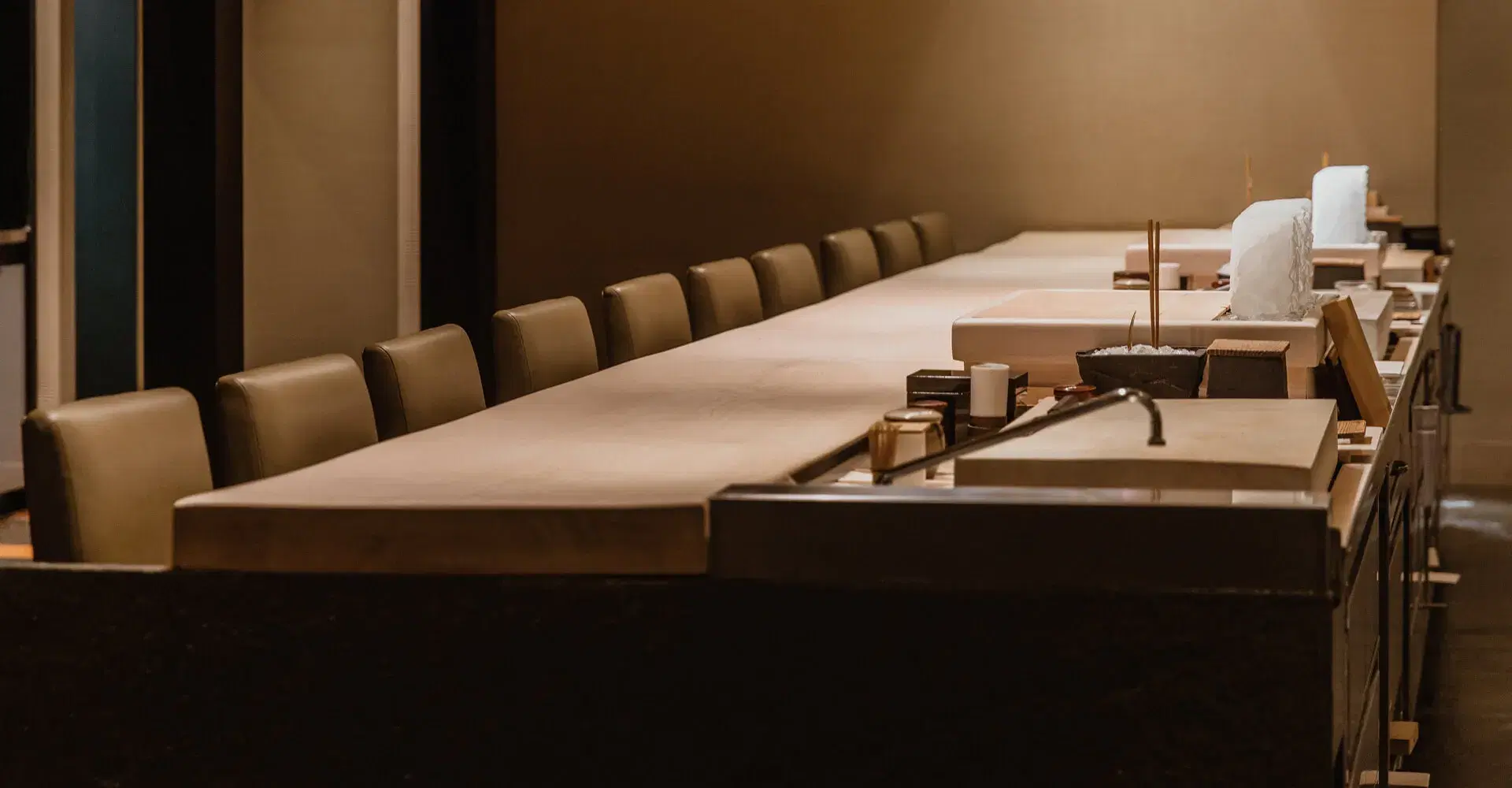
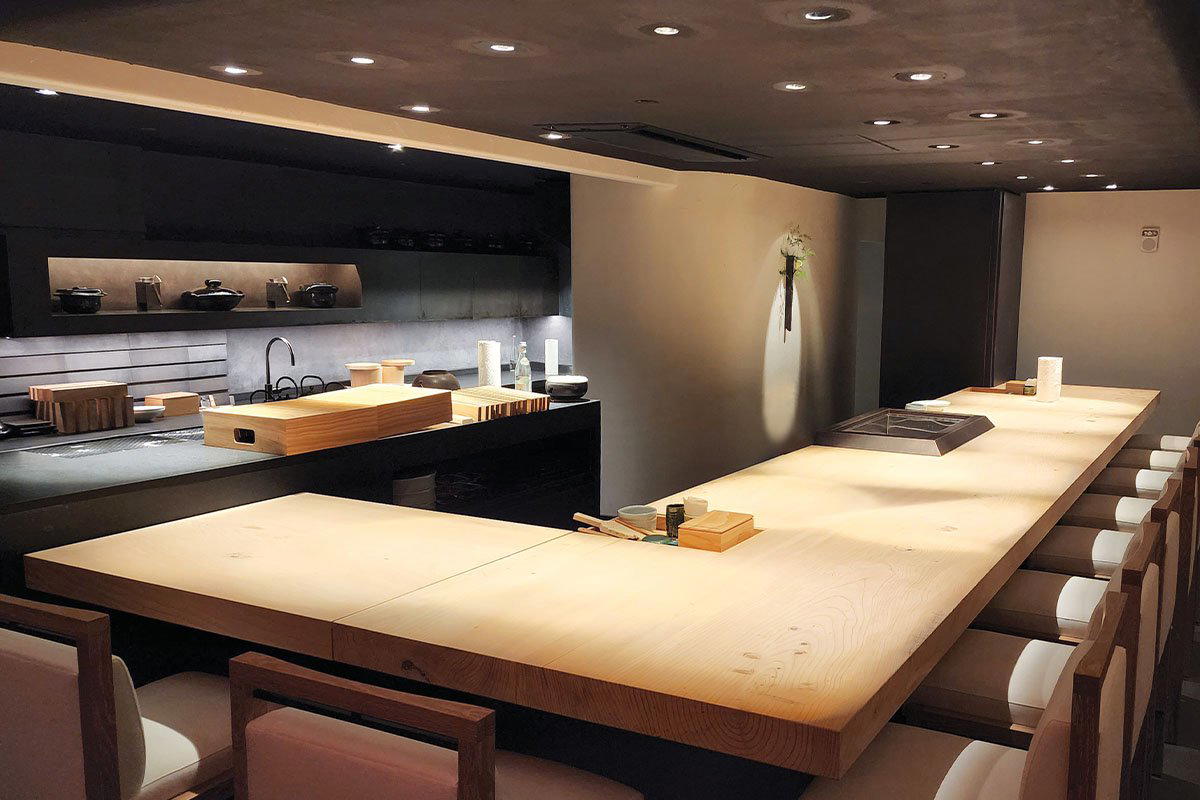
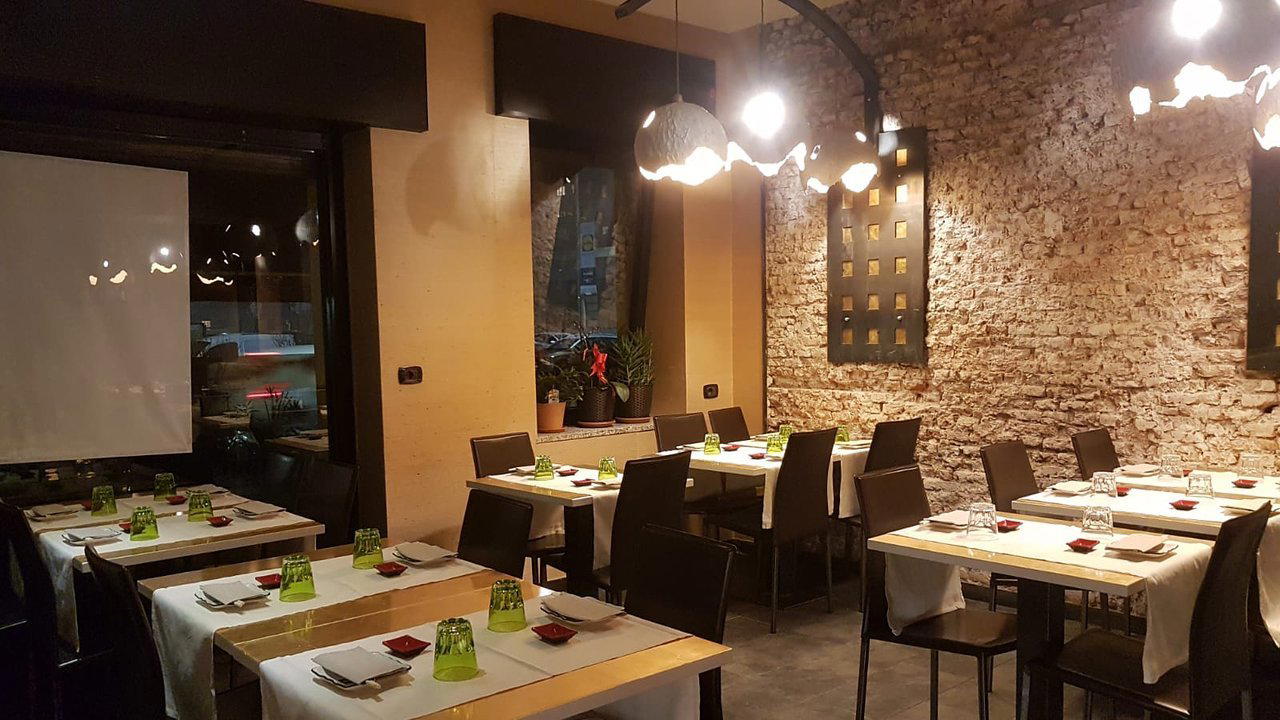
Counter dining of this type is a particular social contract. The room is small by design, the format sequential and chef-directed, and the interaction between diner and chef is part of the product. This is not incidental to the experience; it is the mechanism through which edomae omakase communicates. Arriving with a clear sense of what the format demands, no major dietary restrictions and a genuine interest in the progression rather than a preference for choosing individual dishes, is the baseline condition for getting full value from the meal.
Sushi Kaito operates Wednesday through Sunday, with service running from 5:30 to 9 pm on each of those days. The counter is closed Monday and Tuesday, which is standard for serious omakase operations that prioritise sourcing and preparation time over maximum covers.
For those planning a broader New York trip around serious dining, the EP Club guides to New York City restaurants, hotels, bars, wineries, and experiences provide the broader context for building a programme around a meal at this level.
Planning Your Visit
Address: 244 W 72nd St, New York, NY 10023. Hours: Wednesday to Sunday, 5:30 to 9 pm; closed Monday and Tuesday. Reservations: Booking method not confirmed publicly; given the format and recognition level, advance planning is advisable. Recognition: Opinionated About Dining Leading Restaurants in North America, ranked 390th (2024) and Recommended (2023).
Frequently asked questions
Would Sushi Kaito be comfortable with kids?
Counter omakase format requires sustained, quiet attention through a sequenced meal that runs on the chef's timing, not the diner's. At 244 W 72nd St, the room is small by design and the pace is deliberate. This is not a setting suited to young children, regardless of how well-behaved they are.
What's the vibe at Sushi Kaito?
Sushi Kaito operates in the quieter, more concentrated register that serious omakase counters require. The Upper West Side address puts it away from the high-volume downtown circuit, and the Wednesday-to-Sunday schedule reinforces a format built around deliberate sittings rather than high turnover. OAD has ranked or recommended it each year from 2023 to 2024, which signals a room taken seriously by the people who track New York's counter scene.
What distinctions does Sushi Kaito have?
Sushi Kaito has received recognition including: Opinionated About Dining Top Restaurants in North America Ranked #390 (2024); Opinionated About Dining Top Restaurants in North America Recommended (2023).
What dish is Sushi Kaito famous for?
Edomae omakase is not a format that produces a signature dish; the entire point is the sequence, with attention distributed across each piece from start to finish. Chef Yoko Hasegawa directs the progression, and what the counter is recognised for, including OAD's North America ranking in 2024, reflects the arc of the full meal rather than any single preparation.
The Essentials
| Venue | Cuisine | Price | Awards | Notes |
|---|---|---|---|---|
| Sushi KaitoThis venue (the venue you are viewing) | Traditional Japanese Omakase | $100–150 | Not listed | Not listed |
| Le Bernardin | French Seafood Fine Dining | $300–500 | 3 Michelin Stars · World's 50 Best #13 | French, Seafood |
| Atomix | Modern Korean Tasting Menu | $300–500 | 2 Michelin Stars · World's 50 Best #7 | Modern Korean, Korean |
| Masa | Seasonal Hokkaido Tempura Omakase | $150–200 | Tabelog 100 #34 | Sushi, Japanese |
| Per Se | French Fine Dining Tasting Menu | $300–500 | 3 Michelin Stars · World's 50 Best #40 | French, Contemporary |
| Eleven Madison Park | Contemporary Plant-Based Fine Dining | $300–500 | 3 Michelin Stars · World's 50 Best #4 | French, Vegan |
Recognition history
Dated appearances from independent guides and award organizations, with the underlying list record or original source where available.
Opinionated About Dining Top Restaurants in North America Recommended
Opinionated About Dining
Full recognition history (3 entries)
Opinionated About Dining Top Restaurants in North America Ranked #390
Opinionated About Dining
Opinionated About Dining Top Restaurants in North America Recommended
Opinionated About Dining