Skip to Main Content
Japanese Omakase And Izakaya
← Collection
CuisineJapanese
Executive ChefKazuo Yoshida
Price≈$100
Dress CodeSmart Casual
ServiceUpscale Casual
NoiseConversational
CapacityIntimate
Opinionated About Dining

A quietly serious Japanese restaurant on Mulberry Street, Juku earned back-to-back Opinionated About Dining recognition in 2023 and 2024, placing it among the more credible Japanese addresses in Lower Manhattan. Chef Kazuo Yoshida runs a focused kitchen that rewards diners who arrive with intention rather than curiosity, making it a deliberate choice for occasion meals rather than casual exploration.

Pearl is the En Primeur Club membership app — saves, bookings, and concierge access live there. Same editors, same standards.

Juku restaurant in New York City, United States
About

Mulberry Street, Quiet Rooms, and the Japanese Dining Tier That Earns Its Recognition

Mulberry Street in Manhattan's Chinatown-adjacent corridor occupies an odd position in the city's dining geography. It is dense with foot traffic, loud with competing signage, and not especially associated with the kind of focused, low-key Japanese cooking that demands silence and attention. Which is precisely why a restaurant like Juku registers differently here than it would in Midtown or the West Village. The contrast between the street outside and the discipline inside is part of what makes the address function as an occasion venue rather than a neighbourhood drop-in.

New York's Japanese restaurant tier has stratified considerably over the past decade. At one end sit the Michelin-starred omakase counters — Noda, Odo, and Masa's three-star counter among them — charging four-figure prix-fixe prices and booking months in advance. At the other end sits a wide band of accessible sushi and izakaya formats, including Blue Ribbon Sushi Izakaya and the more casual end of Chikarashi. Juku sits between those poles, in the tier where earned critical recognition matters more than star accumulation, and where the diner's own seriousness of purpose is the primary requirement.

The OAD Signal and What It Means in Practice

Opinionated About Dining has become one of the more reliable independent gauges of serious restaurant performance in North America, precisely because its rankings are crowd-sourced from a community of obsessive diners rather than a small corps of anonymous inspectors. A ranking of #341 in the OAD Leading Restaurants in North America for 2024, following a Highly Recommended designation in 2023, represents consistent upward momentum within that community's frame of reference. It places Juku in recognisable company: restaurants that have developed a committed following among people who eat widely and compare rigorously.

That kind of recognition tends to travel slowly but durably. It is a different signal from a Michelin star, which can arrive in a single inspection cycle and reflects a specific set of criteria around service formality, consistency, and classical technique. OAD recognition reflects repeat visits, word-of-mouth among frequent diners, and a restaurant's ability to hold quality over time. For a venue on Mulberry Street without a hotel group behind it or a celebrity-chef marketing apparatus, that consistency is the more meaningful credential.

Google's 4.6 rating across 329 reviews adds a corroborating data point from a broader audience. That aggregate rarely tells you much about a restaurant's ceiling, but it does tell you about floor consistency , the kitchen is not having bad nights that reach the public record in volume.

Occasion Dining in Lower Manhattan: What Juku Offers That the Midtown Circuit Doesn't

The Midtown and Flatiron corridors handle most of New York's high-spend occasion dining by volume. Le Bernardin, Per Se, Eleven Madison Park, and Atomix collectively absorb a significant portion of the city's anniversary dinners, client meals, and milestone celebrations. That concentration creates a particular kind of occasion-dining pressure: reservations are planned months out, expectations are calibrated against those restaurants' enormous reputations, and the meal can feel as much like a formal obligation as a pleasure.

Restaurants like Juku offer a different occasion-dining proposition. The OAD recognition provides a credible foundation , this is not an obscure address chosen at random , but the Lower Manhattan location and the absence of blockbuster marketing mean the dinner is still genuinely discoverable rather than performed. For a certain category of diner, the act of finding a serious Japanese kitchen on Mulberry Street and arriving with knowledge of what it represents is itself part of the occasion.

Chef Kazuo Yoshida's involvement positions the kitchen within New York's Japanese-trained cohort, a peer group that spans both the omakase tier and the more format-flexible Japanese restaurants that have opened across the city in the last five years. How his approach sits relative to the tasting-menu discipline at Tsukimi is a question worth considering when planning where a milestone meal lands on the formality spectrum.

Japanese Cooking in New York vs. the Tokyo Reference Point

Any serious Japanese restaurant in New York exists in implicit conversation with Tokyo, where the density of high-performance Japanese cooking is greater than anywhere else on earth. Restaurants like Myojaku and Azabu Kadowaki represent the Tokyo end of that spectrum, where ingredient access, technique lineage, and dining culture combine in ways that New York cannot fully replicate. What New York's better Japanese kitchens do instead is translate , finding what is achievable within a different supply chain, a different labour market, and a dining public with different reference points.

OAD recognition signals that Juku is performing that translation at a level the serious-diner community finds worth returning to, which is the meaningful benchmark. The question of whether a New York Japanese restaurant matches Tokyo-level execution is largely beside the point; the relevant question is whether it executes within New York's Japanese tier with consistency and purpose. The 2023-to-2024 trajectory suggests it does.

Planning the Visit

Juku sits at 32 Mulberry Street in Lower Manhattan, within reach of the Canal Street subway hub, which connects the N, Q, R, W, J, Z, and 6 lines. For a special occasion arriving from elsewhere in the city, the downtown location adds a sense of destination travel even within Manhattan, which works in the meal's favour for diners who want the evening to feel separated from their usual routine.

For broader context on where Juku sits within the city's wider restaurant, bar, and hotel options, see our full New York City restaurants guide, our full New York City bars guide, our full New York City hotels guide, our full New York City wineries guide, and our full New York City experiences guide.

Juku is worth placing in the same planning conversation as other seriously regarded American restaurants outside New York's immediate orbit, including Lazy Bear in San Francisco, Alinea in Chicago, Single Thread Farm in Healdsburg, The French Laundry in Napa, Providence in Los Angeles, and Emeril's in New Orleans, each of which occupies a distinct regional tier within North America's serious-dining circuit.

Quick reference: 32 Mulberry St, New York, NY. OAD Leading North America #341 (2024); OAD Highly Recommended (2023). Google 4.6 / 329 reviews. Chef: Kazuo Yoshida. Booking method and hours not confirmed , check current availability directly.

Frequently asked questions

Booking and Cost Snapshot

A quick look at comparable venues, using the data we have on file.

At a Glance
Vibe
  • Intimate
  • Modern
  • Minimalist
  • Hidden Gem
Best For
  • Date Night
  • Special Occasion
Experience
  • Chefs Counter
Drink Program
  • Craft Cocktails
  • Sake Program
Dress CodeSmart Casual
Noise LevelConversational
CapacityIntimate
Service StyleUpscale Casual
Meal PacingLeisurely

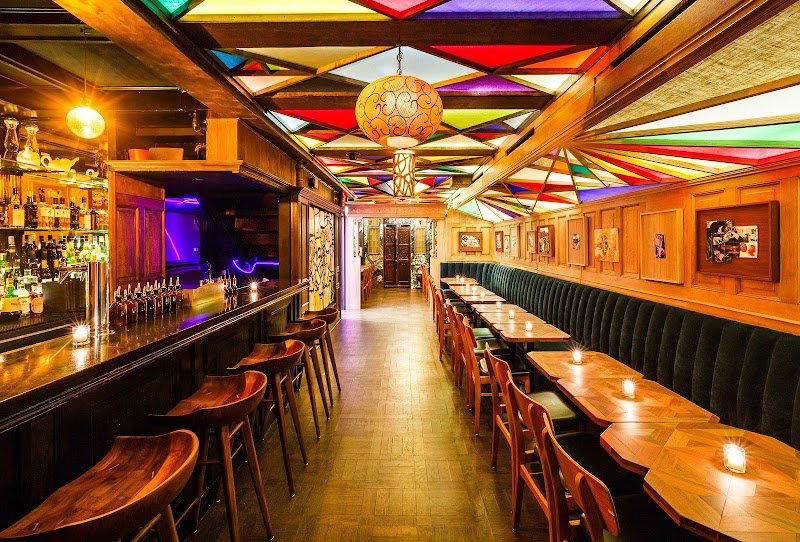
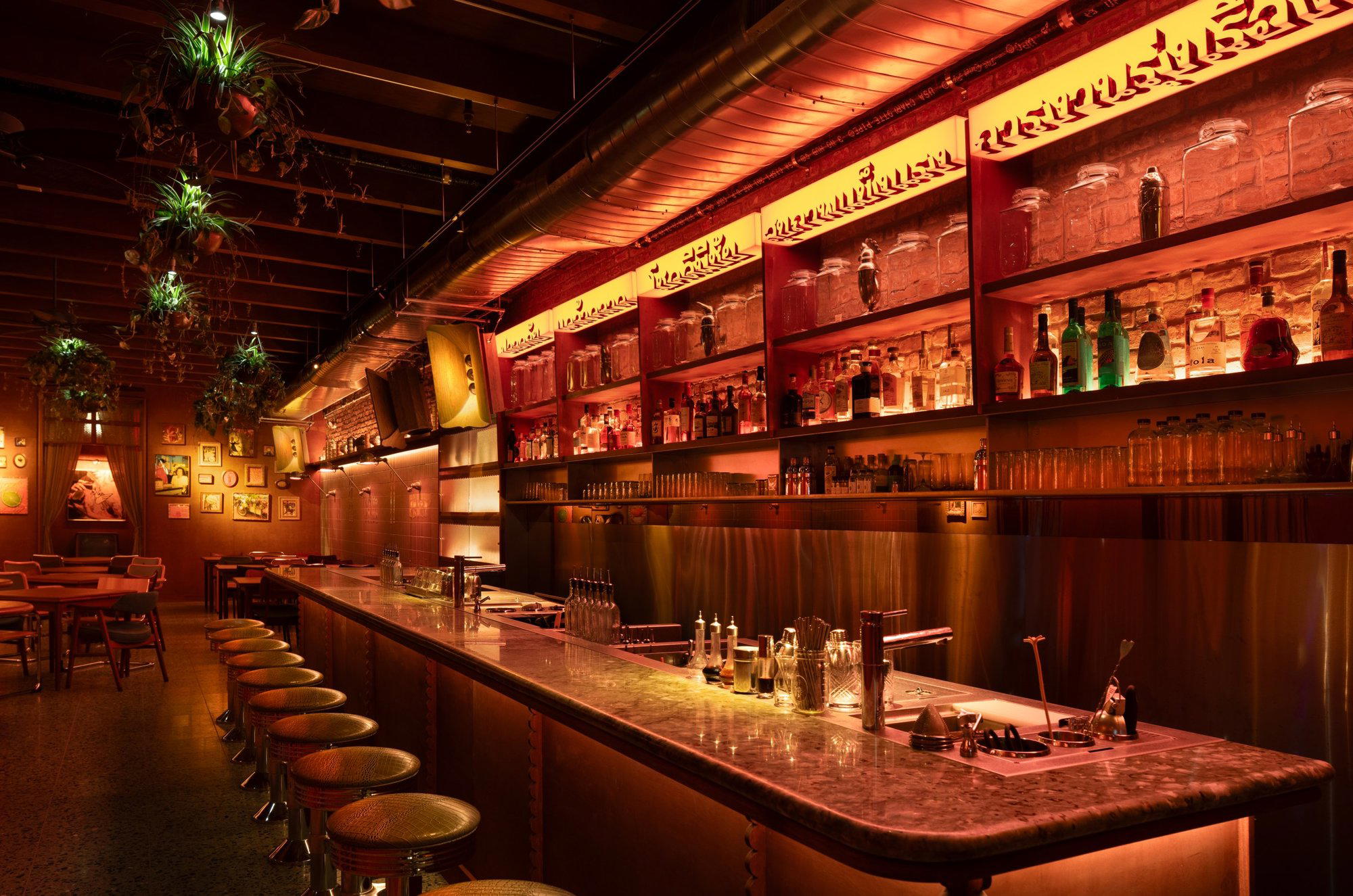
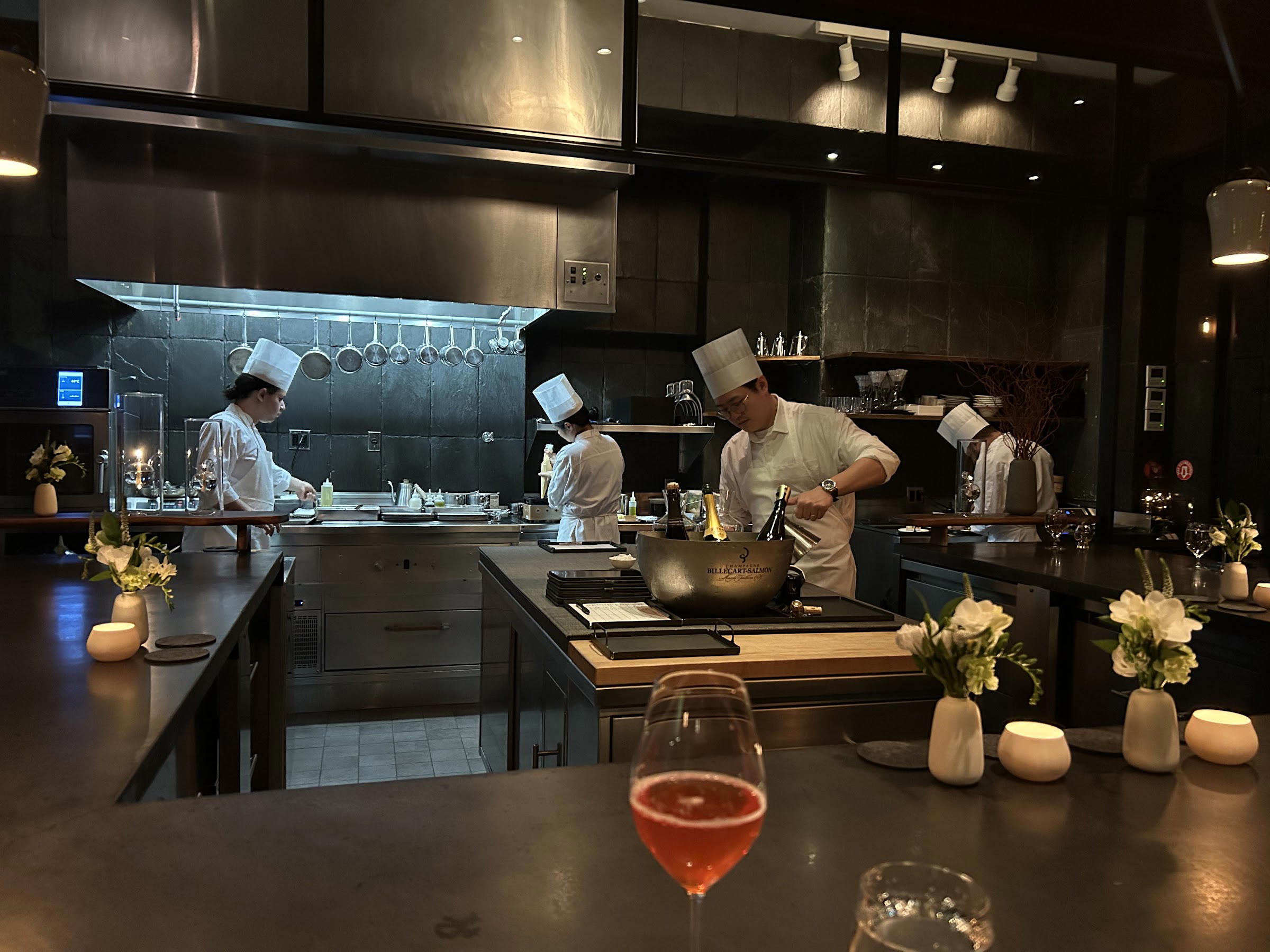
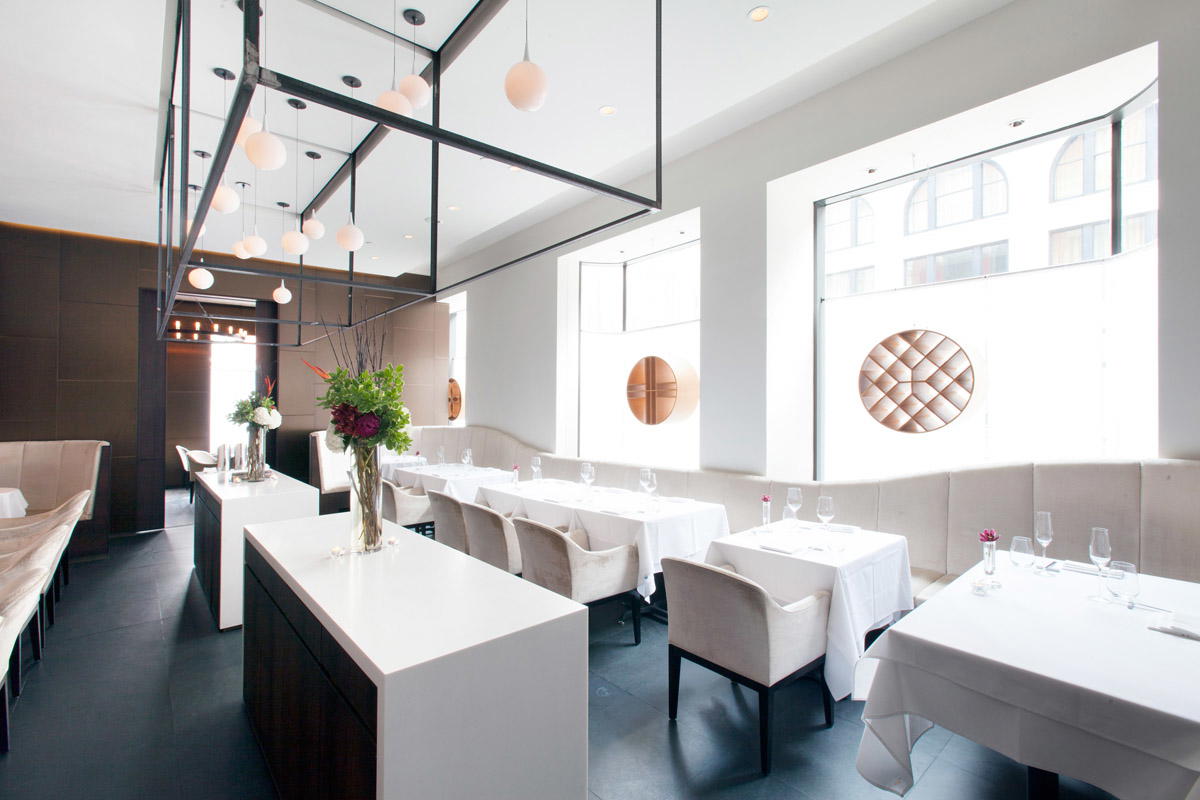
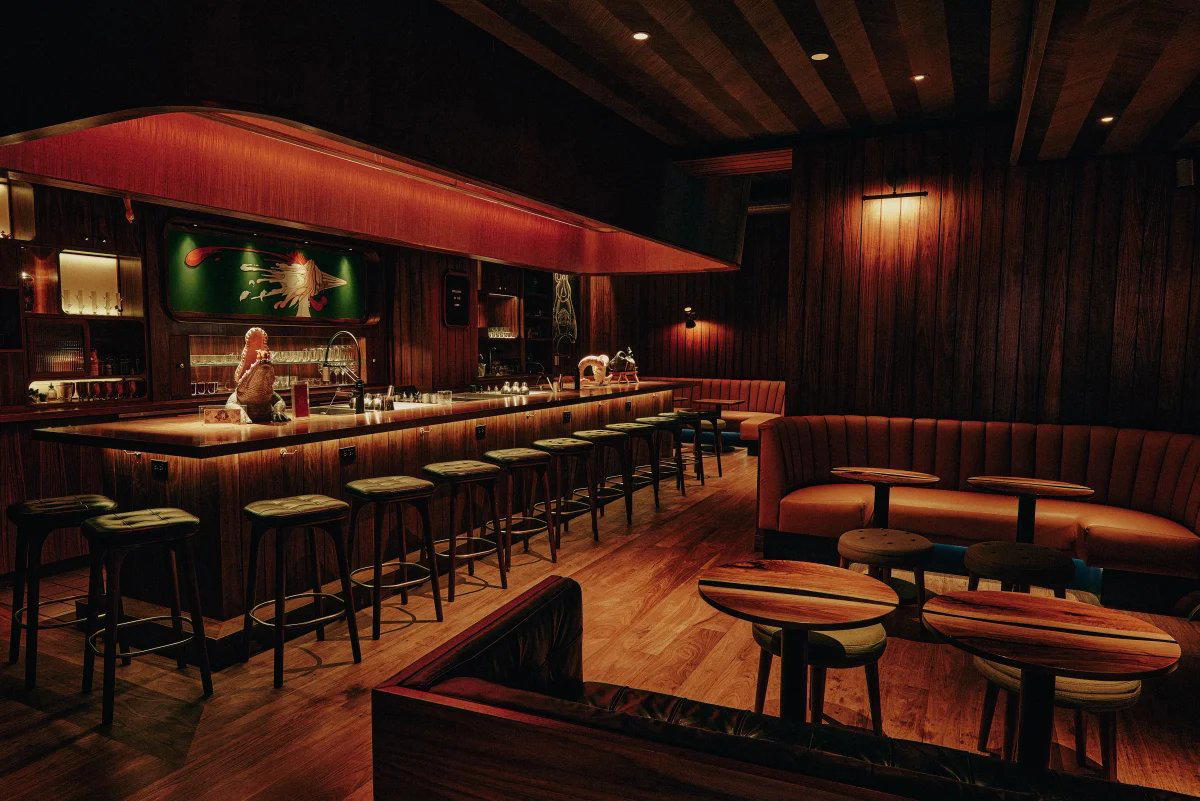
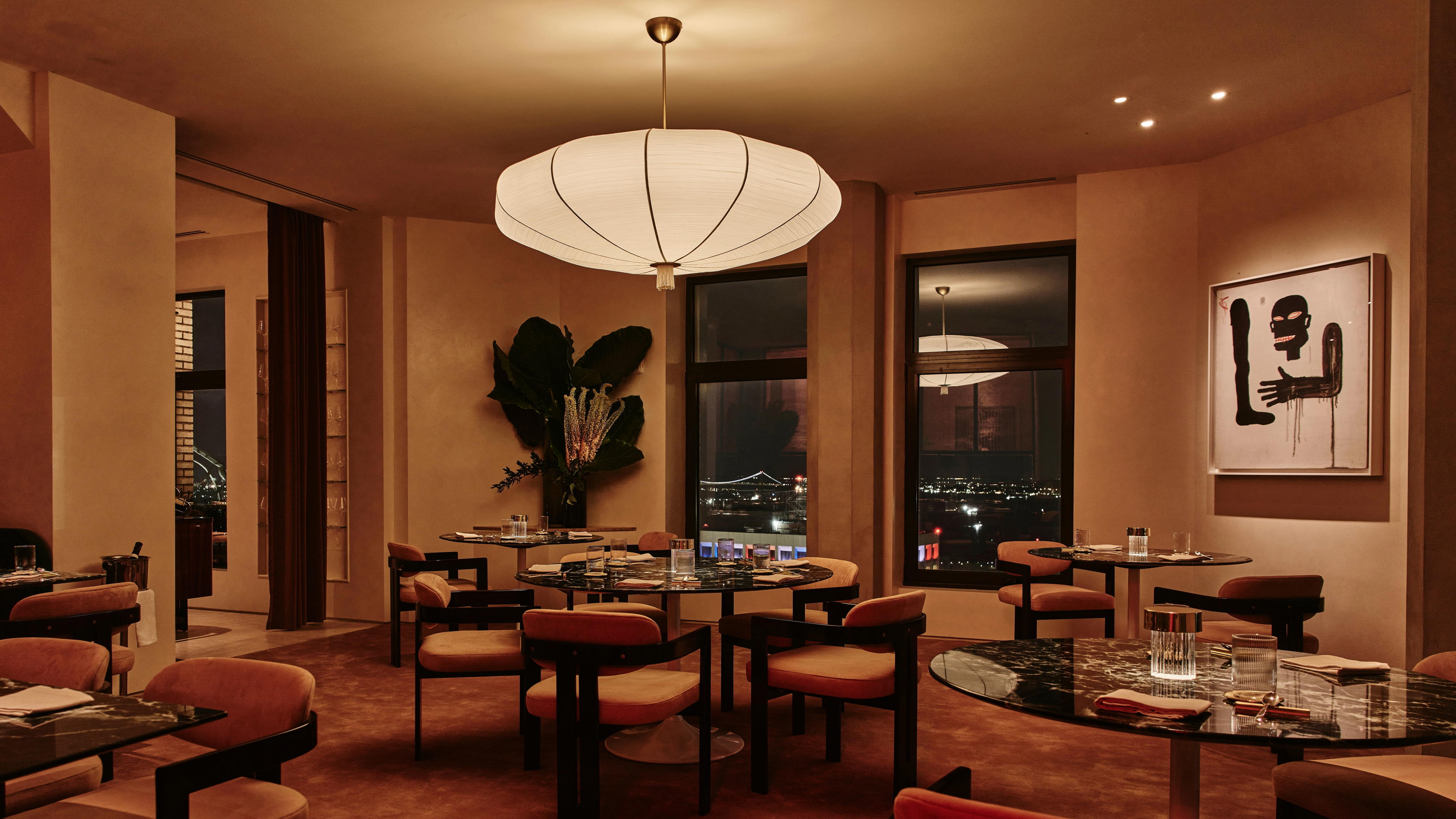
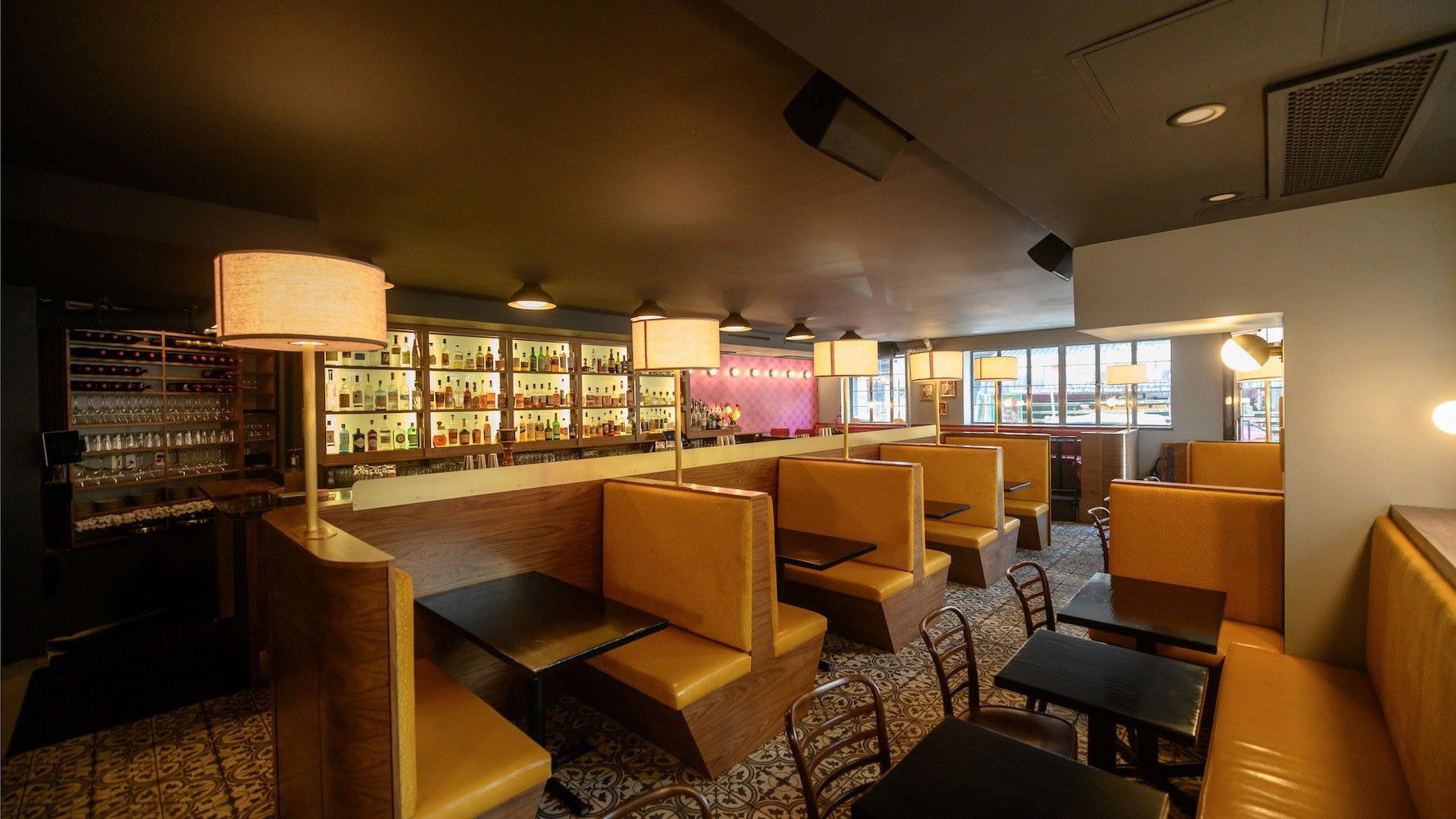
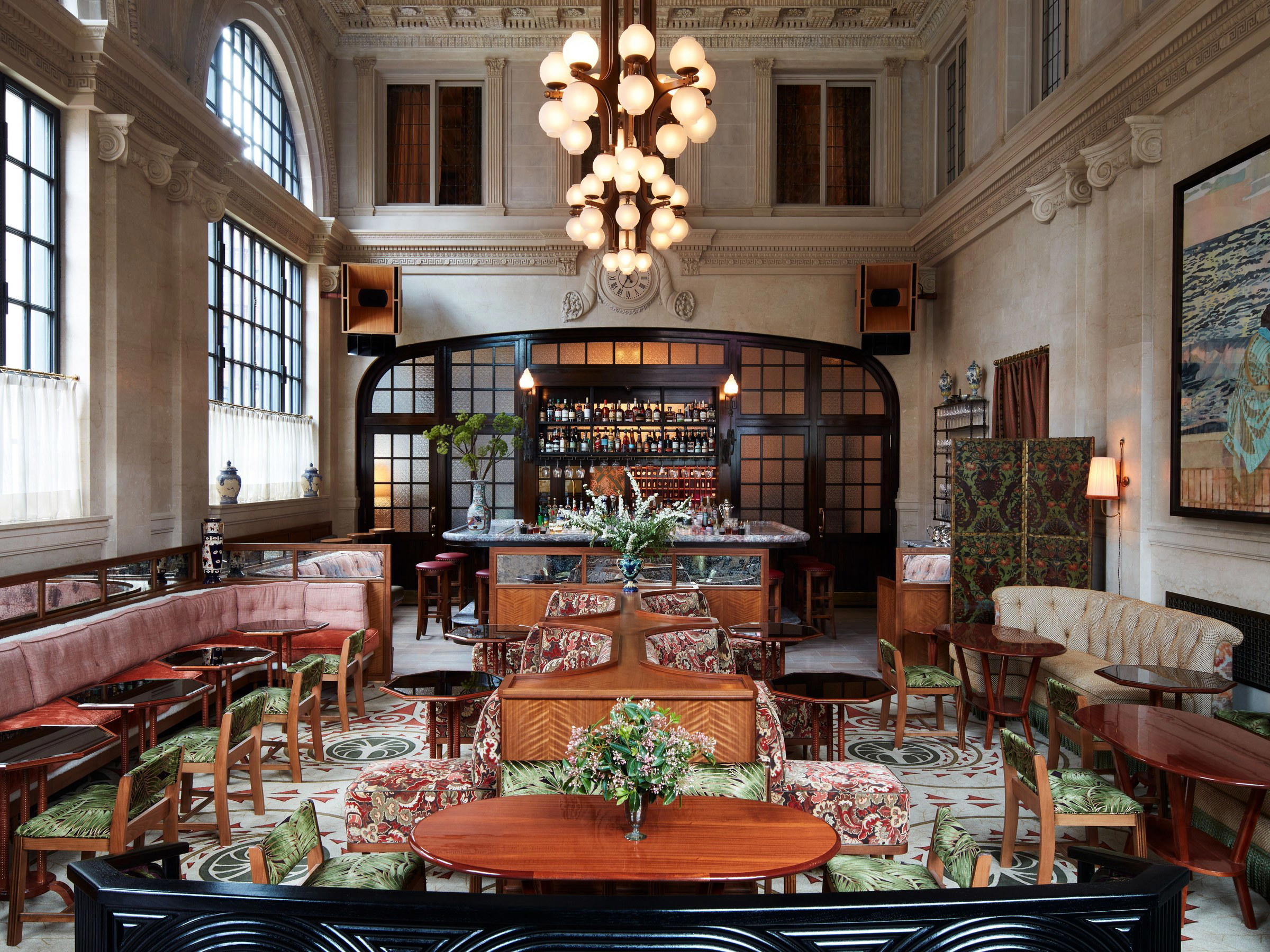
Minimalist and aesthetically pleasing with bright lighting at the sushi counter surrounded by beautiful artwork, creating an intimate yet vibrant atmosphere.